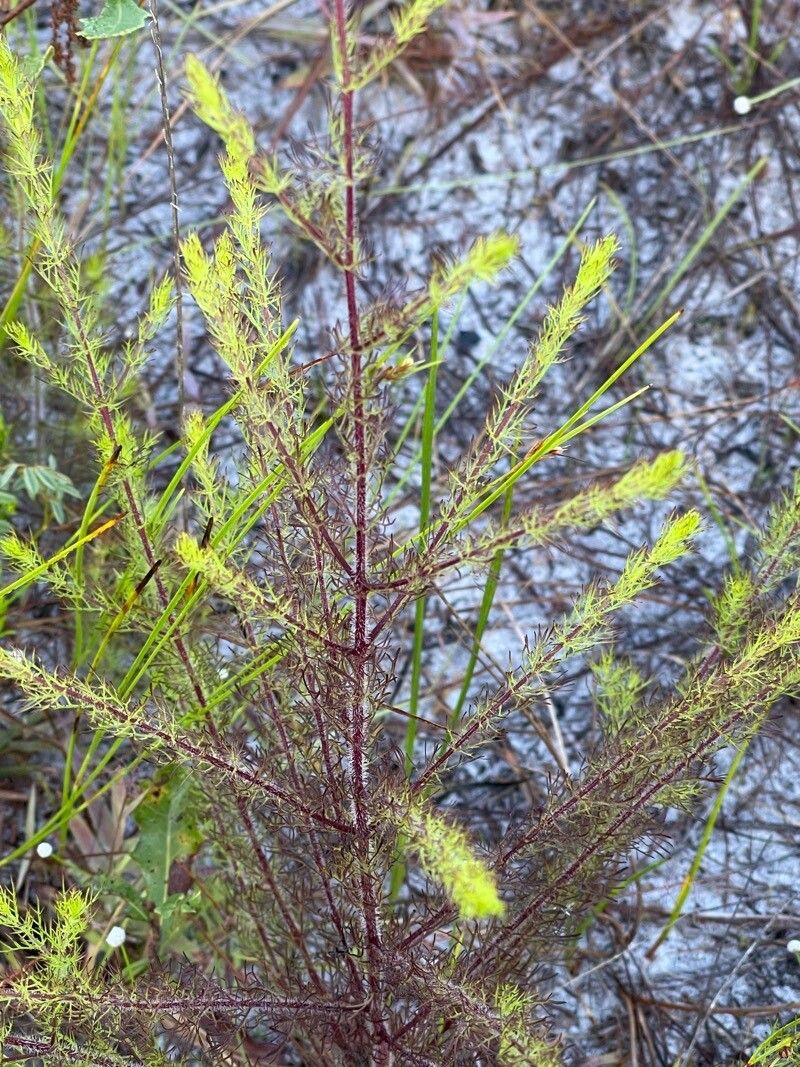
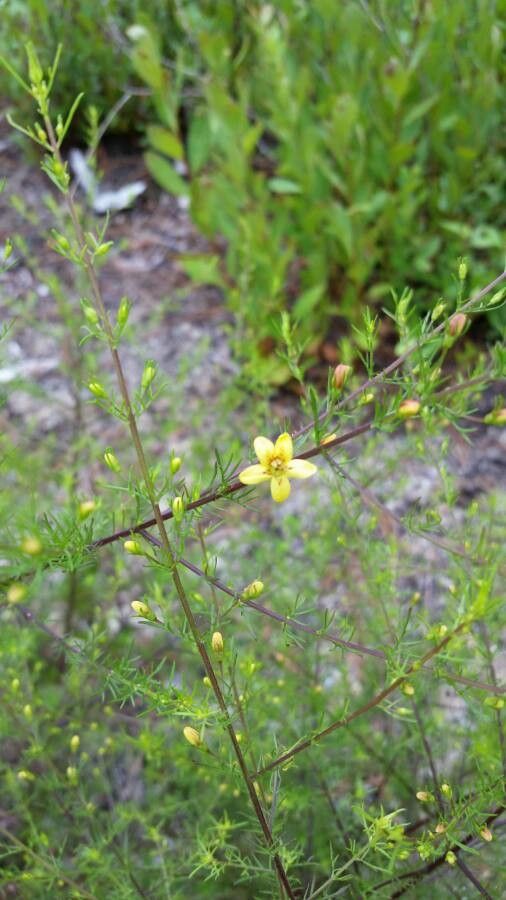
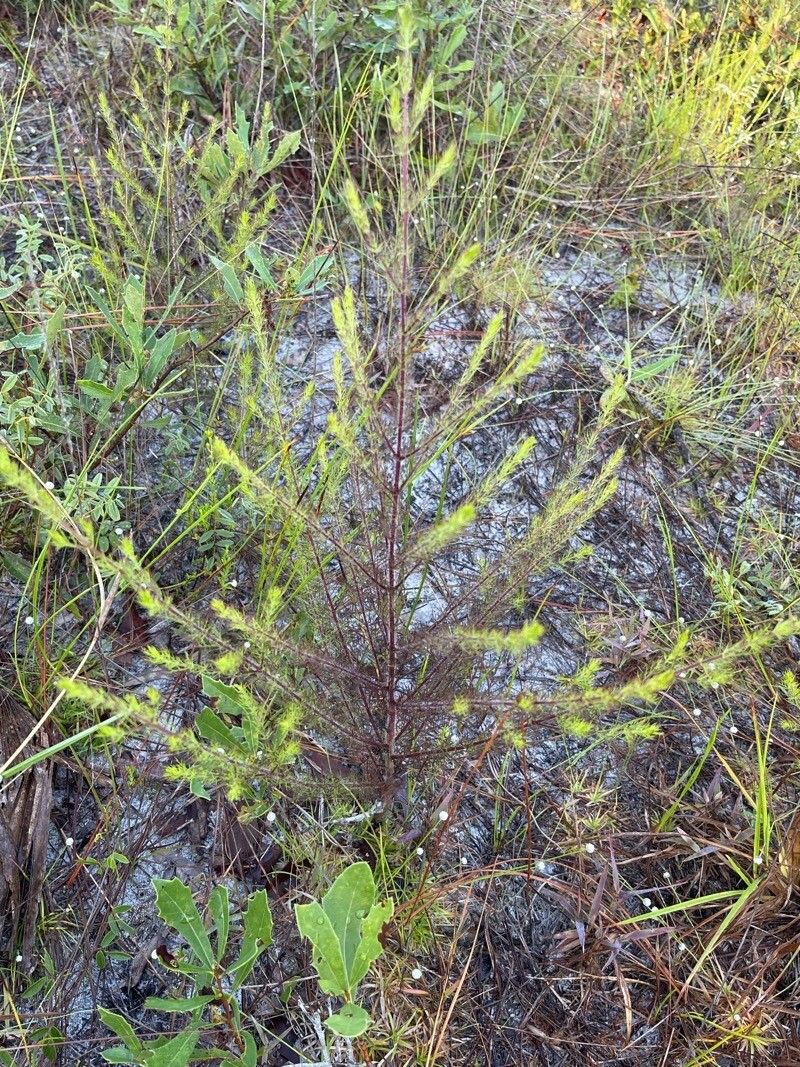
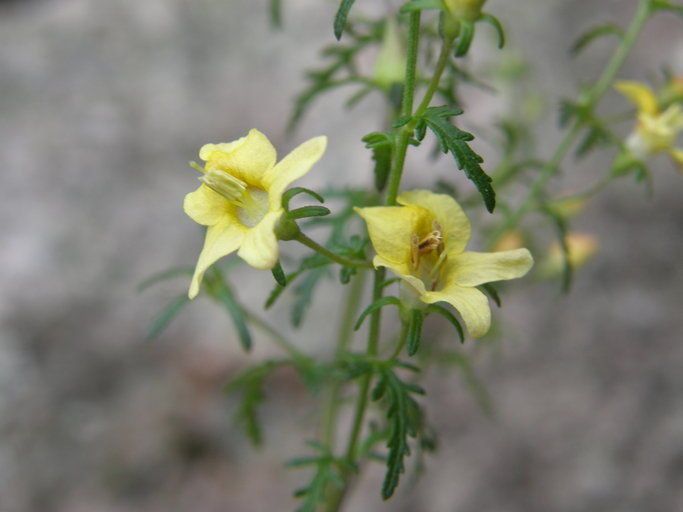
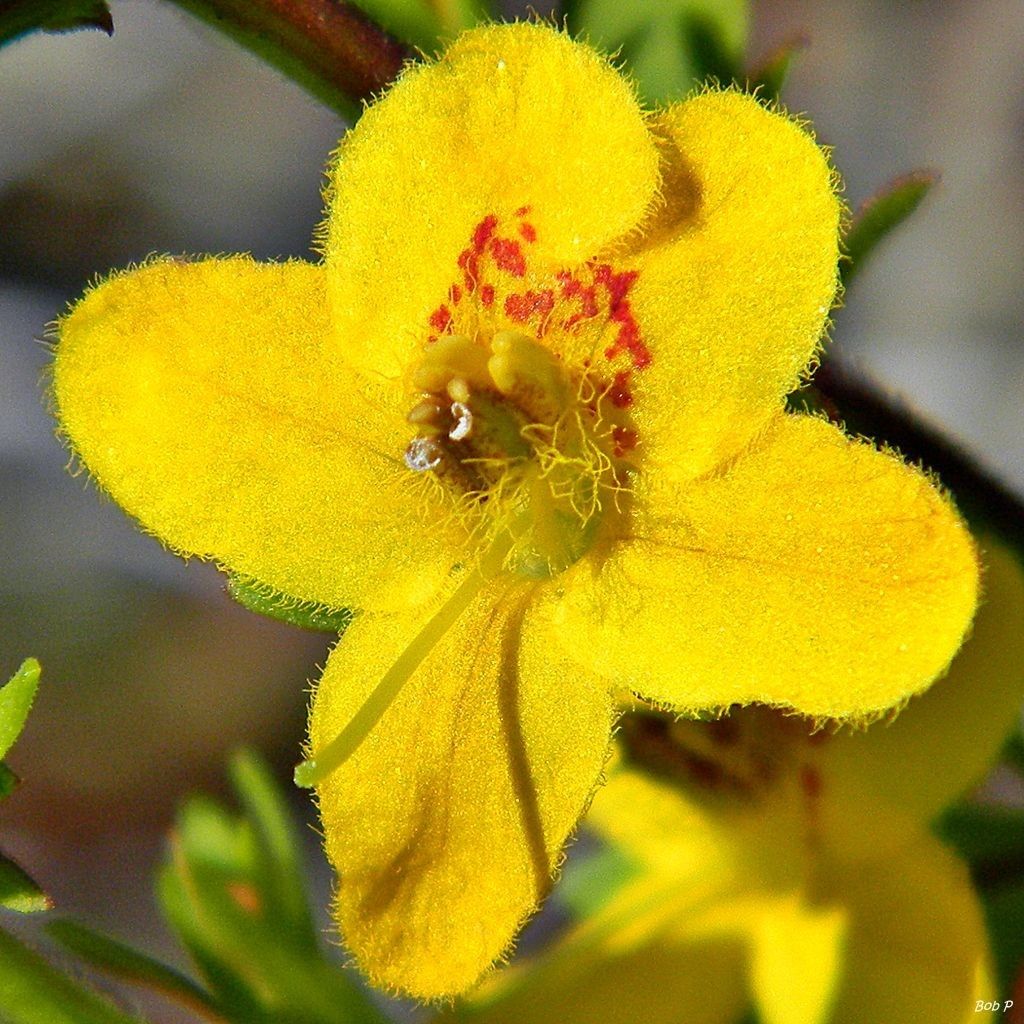
Seymeria cassioides, commonly called yaupon black-senna or senna seymeria, is a species of annual forb found in North America. It is a species of obligate hermiparasite found on various species of pine.
Yaupon blacksenna has strong disease resistance and is generally unlikely to suffer from illnesses. Nonetheless, it can be affected by pests and diseases found in its environment. Such infections are typically not serious. Regarding care, this plant needs a moderate amount of attention. It should be pruned regularly to preserve a neat appearance and encourage healthy growth. Applying fertilizer can also help boost flowering. Yaupon blacksenna is well suited for anyone with outdoor space, like a garden or patio, and does not demand extensive plant-care experience. It may need more attention if grown indoors.
How to keep Seymeria Cassioides.
Light
Yaupon blacksenna comes from habitats with filtered light, such as forest understories or rocky spots that provide natural shade. It performs best in partial sun but can also tolerate full-sun conditions.
Water
Yaupon blacksenna thrives in moist, well-drained conditions and needs to be watered twice a week to maintain consistent moisture. Although it can tolerate brief dry spells, it grows best outdoors where it can benefit from rainwater, which supports its natural growth and overall health.
Temperature
Yaupon blacksenna is fairly adaptable to temperature, tolerating higher heat and wider temperature fluctuations. In hot conditions, attention should be paid to watering and suitable shading to avoid sunburn. On the other hand, Yaupon blacksenna is less tolerant of low temperatures. It can endure some cold, but overly freezing conditions may cause frost damage.
Fertilizer
Yaupon blacksenna benefits from regular, light applications of fertilizer to encourage healthy leaf growth. Fertilize Yaupon blacksenna roughly once a month during the summer. Nitrogen is important for foliage, and adding nitrogen-rich sources helps Yaupon blacksenna prosper.
Pruning
Yaupon blacksenna thrives when properly pruned between early and late spring. Using techniques like light thinning can improve the plant's shape and remove deadwood, which in turn enhances air circulation, allows better light penetration, and encourages new growth. Be careful not to over-prune, as it can cause stress and reduce the plant's resilience.
Botanical profile.
- Plant Type
- Herb
- Life Cycle
- Annual
- Genus
- Seymeria
- Family
- Orobanchaceae
- Hardiness Zone
- 6-9
- Mature Height
- 0.91 m to 1.83 m
- Mature Spread
- 20 cm to 40 cm
- Leaf Color
- Green, Dark Green
- Leaf Type
- Semi-evergreen
- Flower Color
- Yellow
- Flower Size
- 1.02 cm to 2.03 cm
- Bloom Time
- Mid summer, Late summer, Early fall
- Planting Time
- Spring, Summer
- Harvest Time
- Early fall, Mid fall
- Native Area
- Bahamas
Other names.