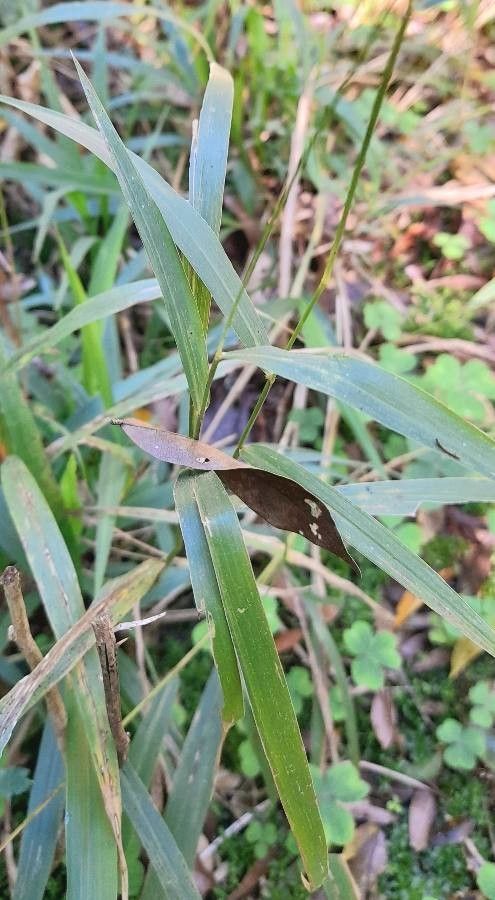
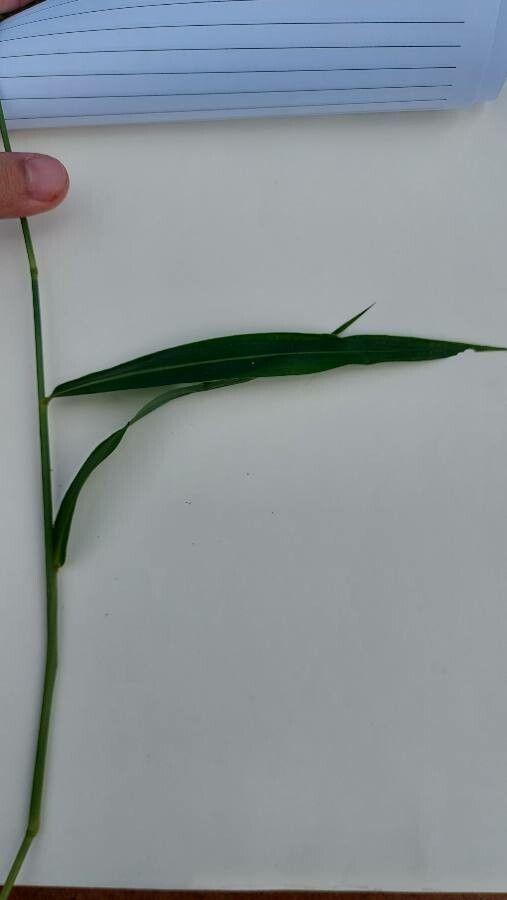
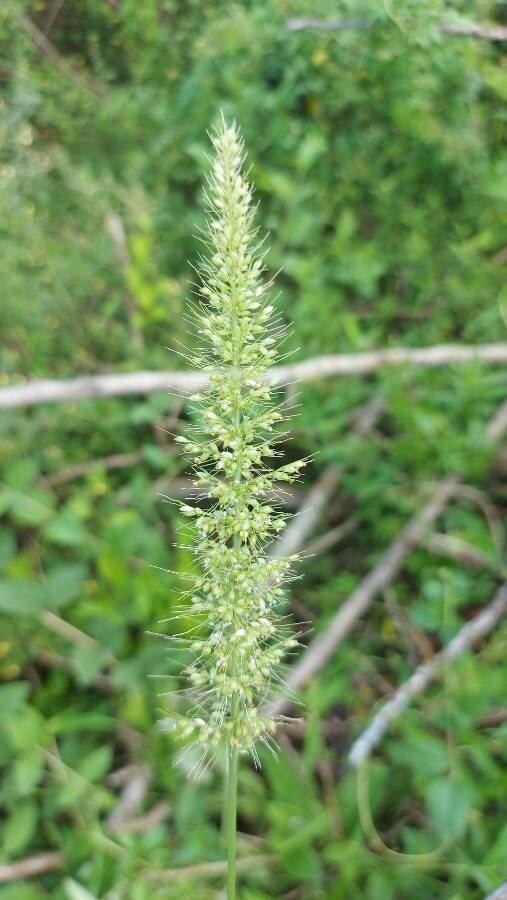
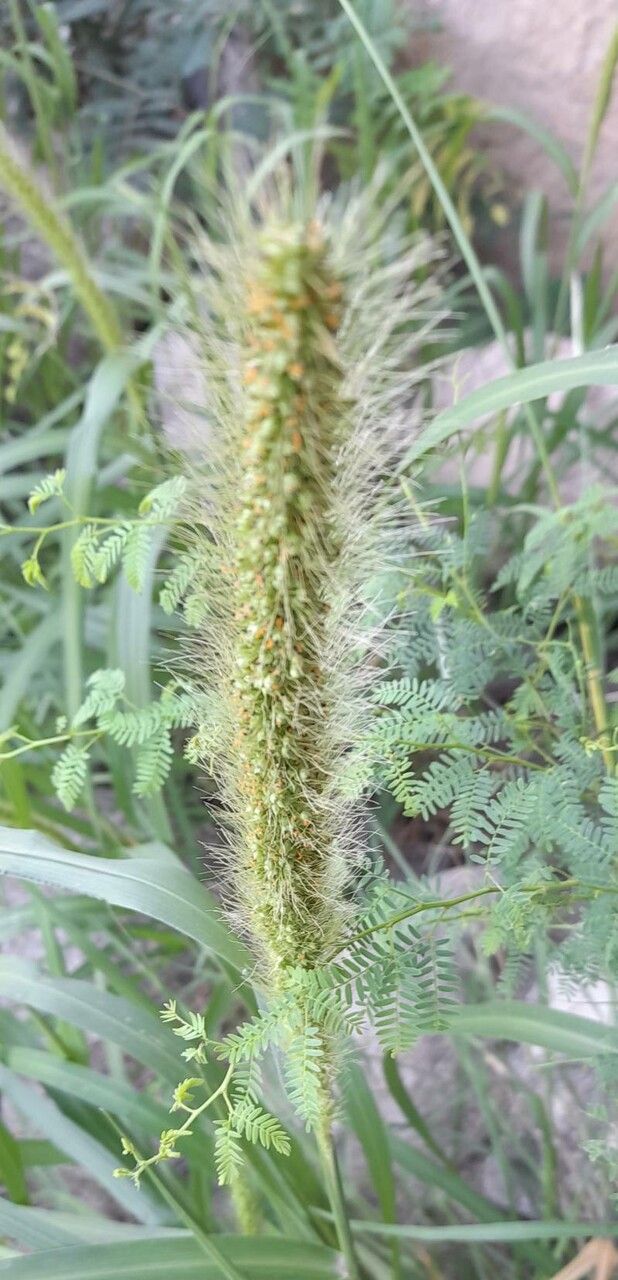
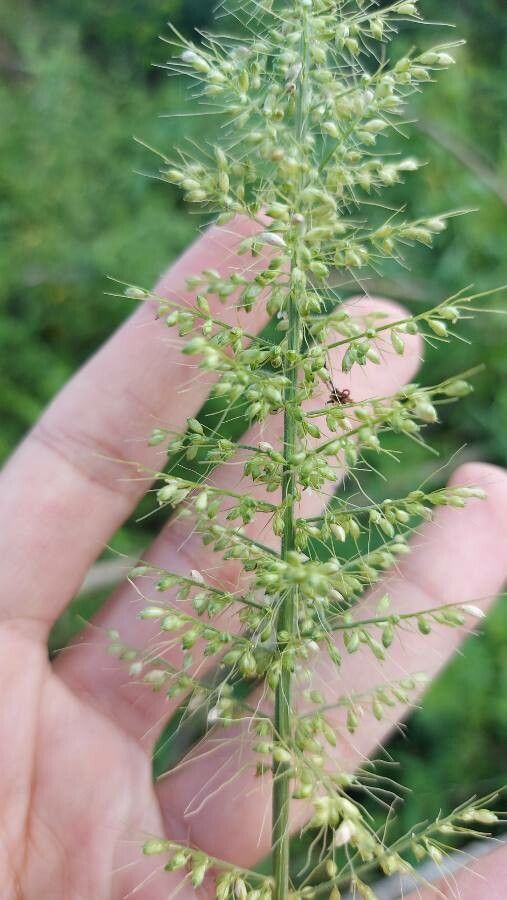
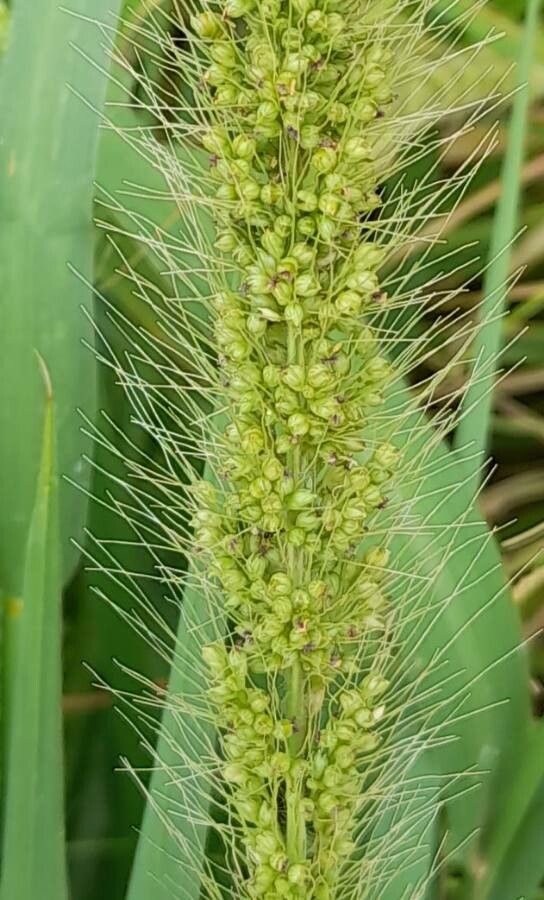
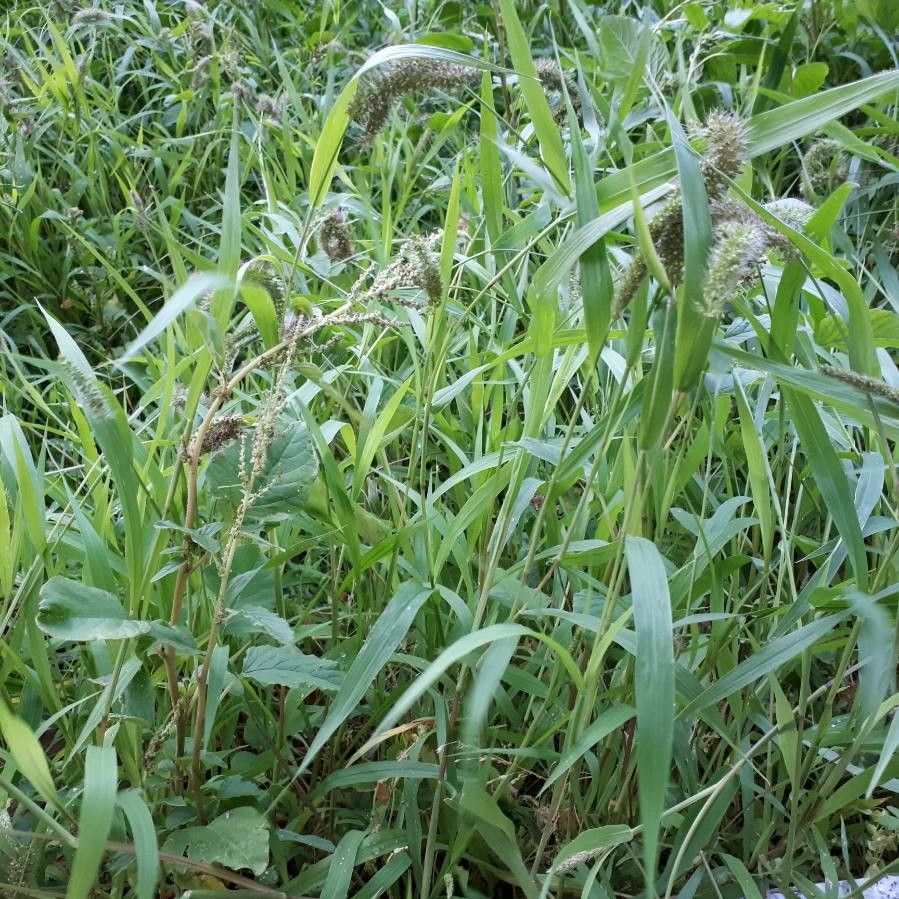
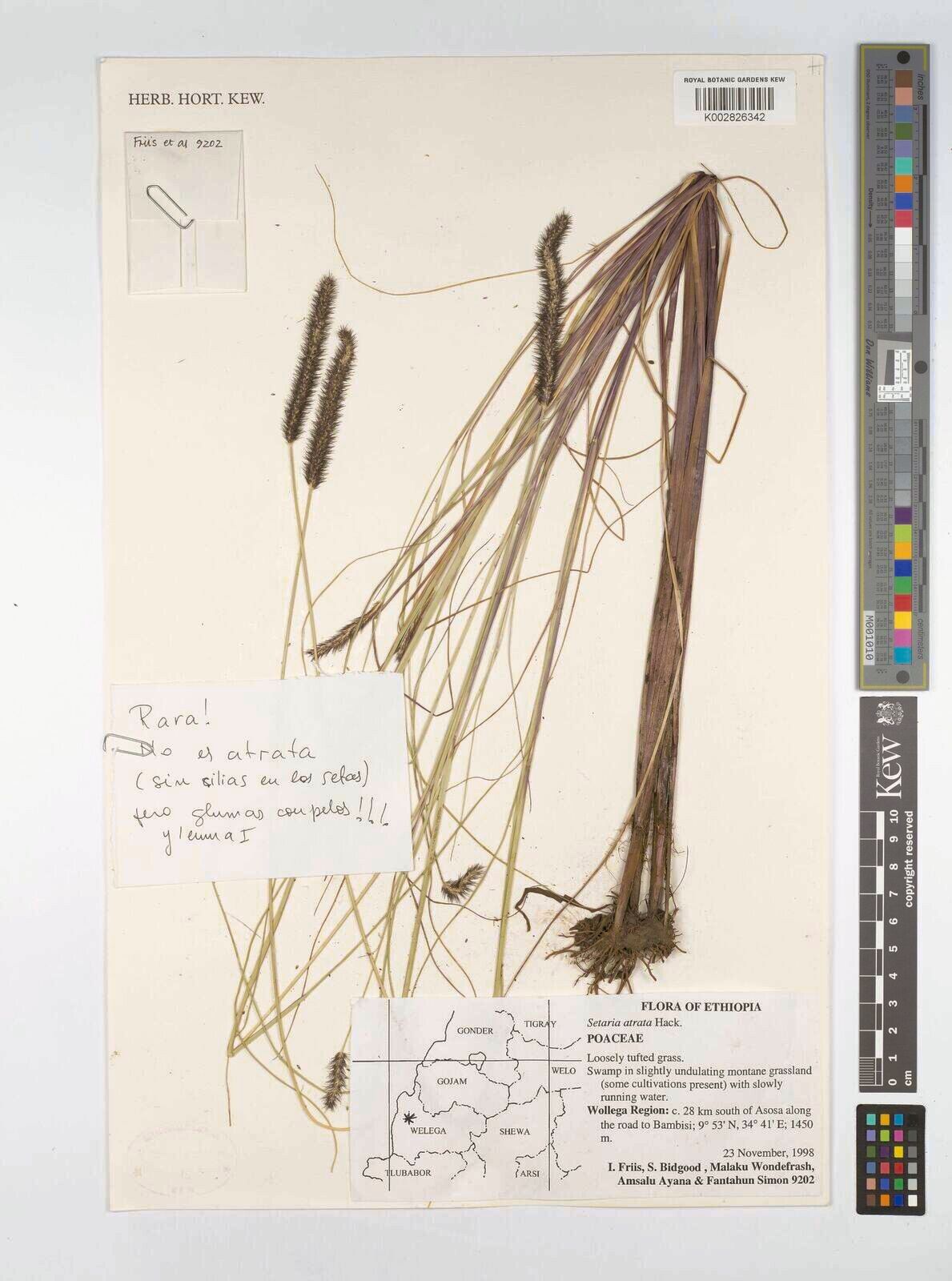
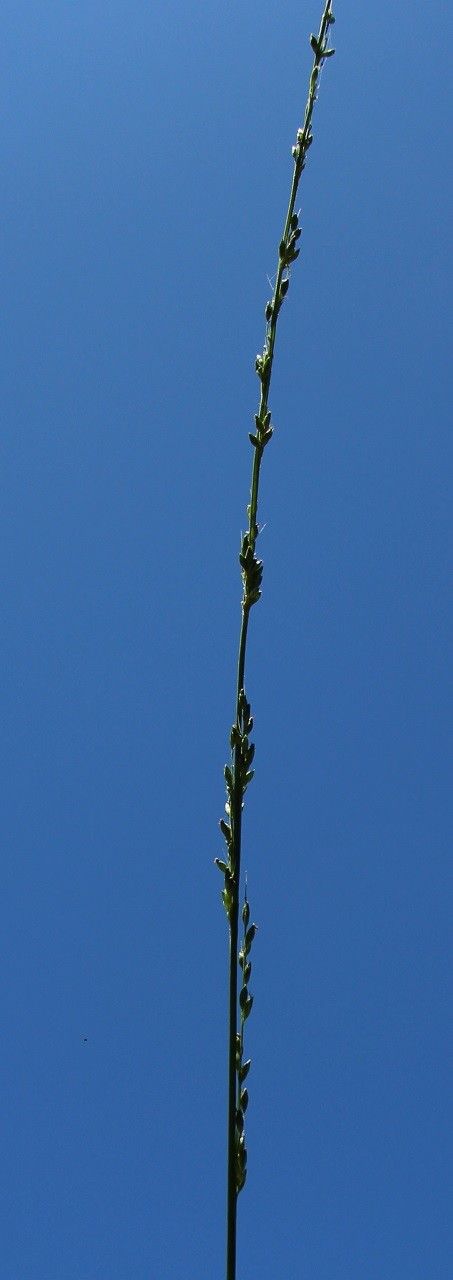
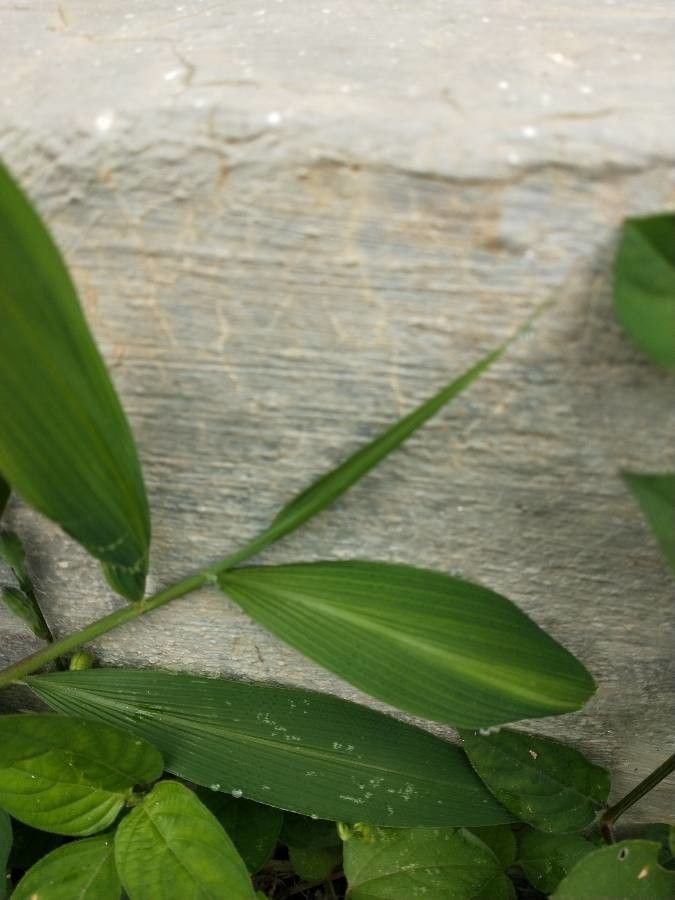
Setaria vulpiseta is a species of grass known by the common name plains bristlegrass. It is native to North America, where it occurs in Texas to Colorado to Arizona in the United States and northern and central Mexico.This perennial grass grows up to 3 to 4 feet tall. It is yellow in color when mature. The hairy leaves are up to 10 inches long and have a ligule of hairs. The inflorescence is up to 5 inches long and is very narrow.This grass is a common forage in the American southwest. It is good grazing for livestock. The seed provides food for wildlife. Its natural habitat is dry rangeland as well as low plains that receive flooding.
Plains bristlegrass is disease resistant and, in general, not likely to develop illnesses. In terms of upkeep, this plant is fairly low-maintenance. When grown outdoors it needs only light watering, and larger specimens usually do not require pruning. Smaller plants, however, should be trimmed after they have finished flowering. Plains bristlegrass is well suited to anyone with an outdoor area, such as a garden or a deck, and does not demand a lot of gardening experience.
How to keep Setaria Vulpiseta.
Light
Plains bristlegrass is a sun-loving perennial herbaceous plant native to open habitats, commonly thriving in meadows and grasslands. It prefers full sun but can also tolerate partial sun.
Temperature
Plains bristlegrass comes from tropical areas, where the climate is usually warm and humid. Therefore, it is well adapted to high temperatures and humidity. It does not tolerate sudden temperature shifts and prefers a stable temperature, so avoiding temperature fluctuations indoors is important. It generally cannot withstand cold temperatures and needs warmer conditions to grow. If the surrounding temperature falls too low, the plant may stop growing or even die.
Fertilizer
Plains bristlegrass needs extra nutrients to encourage healthy new growth. In spring, spreading compost around the plant’s base can effectively supply the nutrition it requires. Fertilizing helps maintain vigorous growth and improves the plant’s resistance to diseases and pests.
Pruning
Plains bristlegrass is a perennial grass known for its brushy seed heads. To promote dense growth and maintain the plant's health, prune it in early spring to just a few inches above the ground. Regular trimming not only enhances its ornamental value but also prevents legginess. This practice can also extend the plant's lifespan and improve its vigor.
Botanical profile.
- Plant Type
- Grass
- Life Cycle
- Perennial
- Genus
- Setaria
- Family
- Poaceae
- Hardiness Zone
- 8-11
- Mature Height
- 0.91 m to 1.83 m
- Mature Spread
- 30 cm to 61 cm
- Leaf Color
- Green
- Leaf Type
- Evergreen
- Flower Size
- 0.20 cm to 0.51 cm
- Bloom Time
- Summer, Early fall, Mid fall
- Planting Time
- Spring, Summer, Autumn
- Harvest Time
- Late summer, Fall, Early winter
- Native Area
- Belize, Honduras, Mexico, Guatemala, Peru, Dominican Republic, Panama, Colombia, Paraguay, Argentina, Haiti, Bolivia, Venezuela, Brazil, Guyana, El Salvador, Nicaragua, Ecuador, Suriname, Costa Rica
Other names.