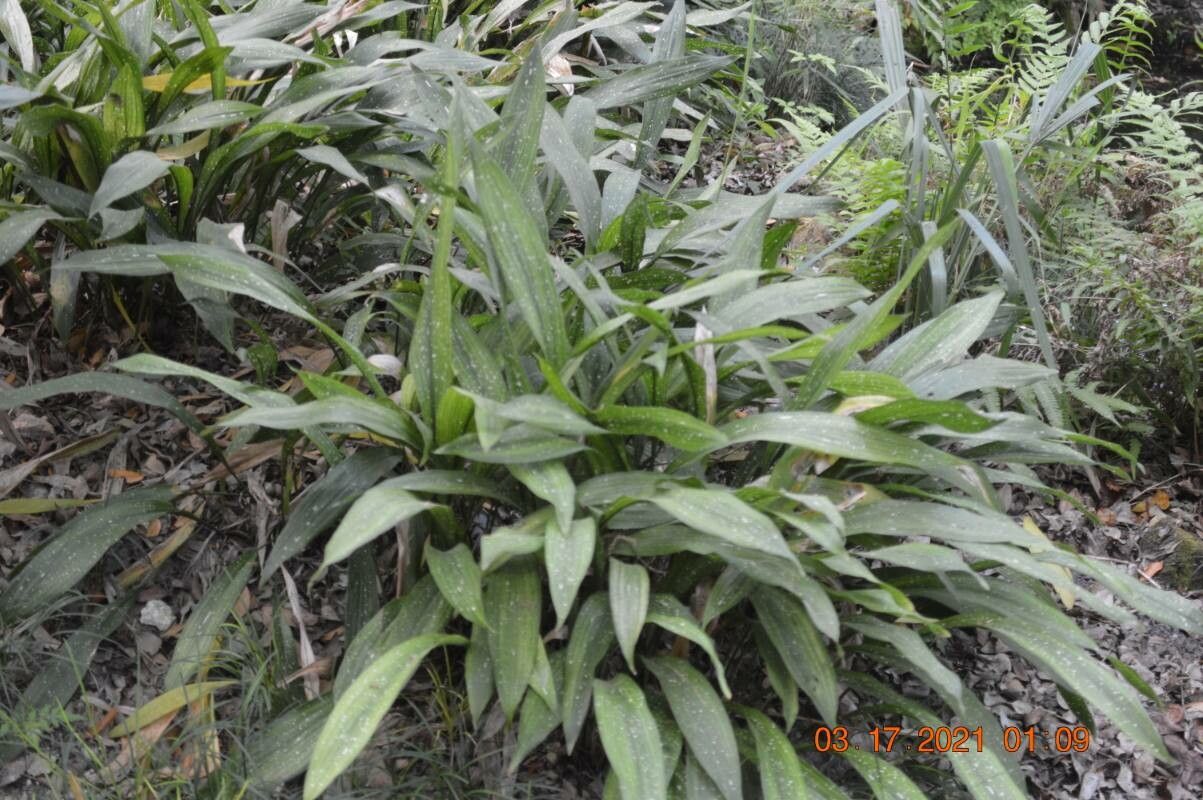
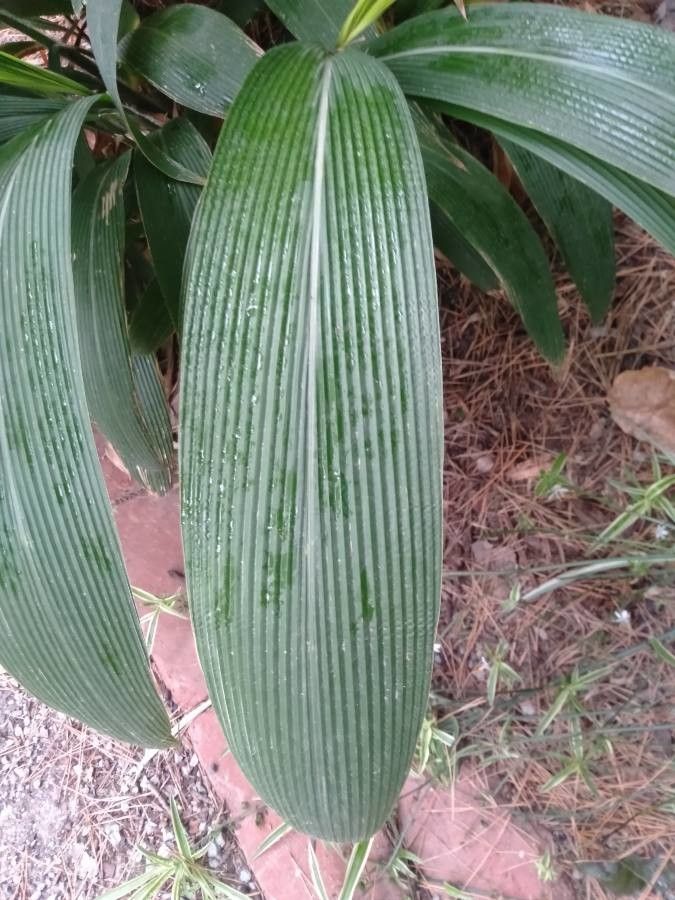
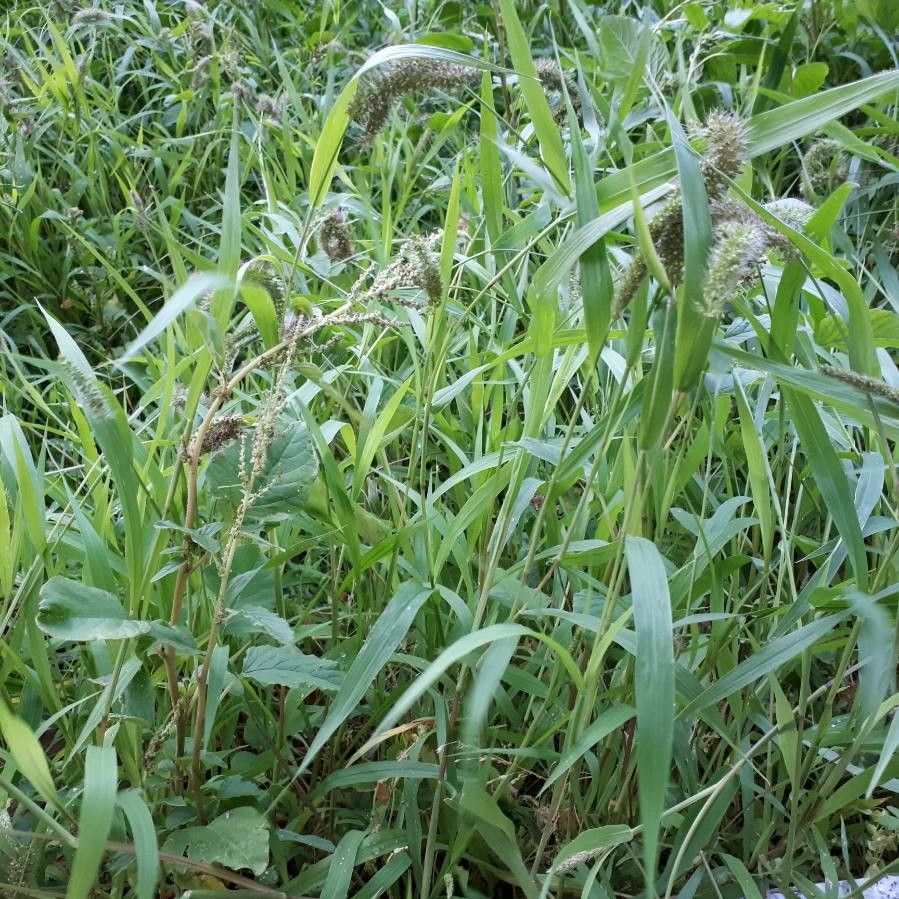
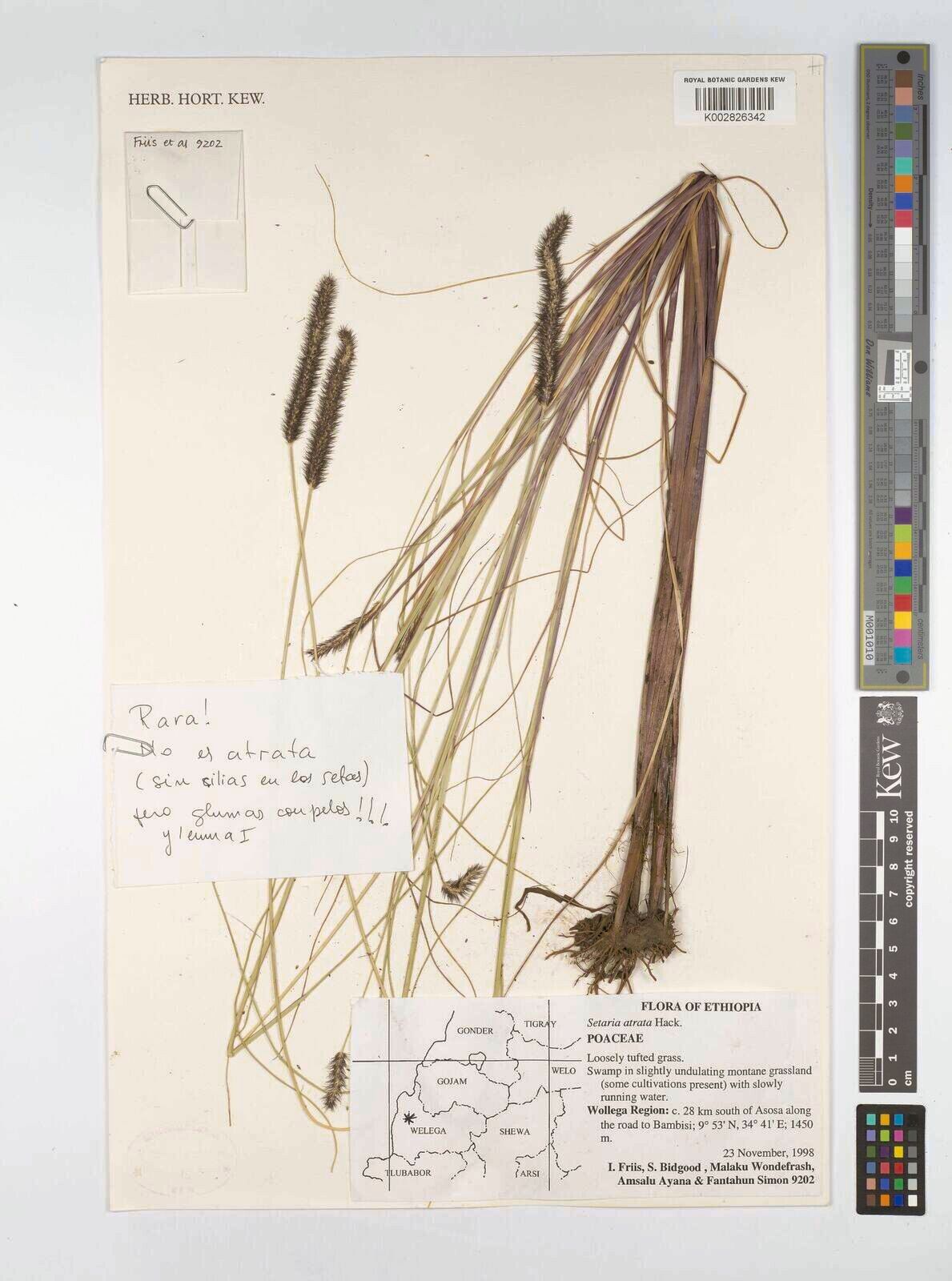
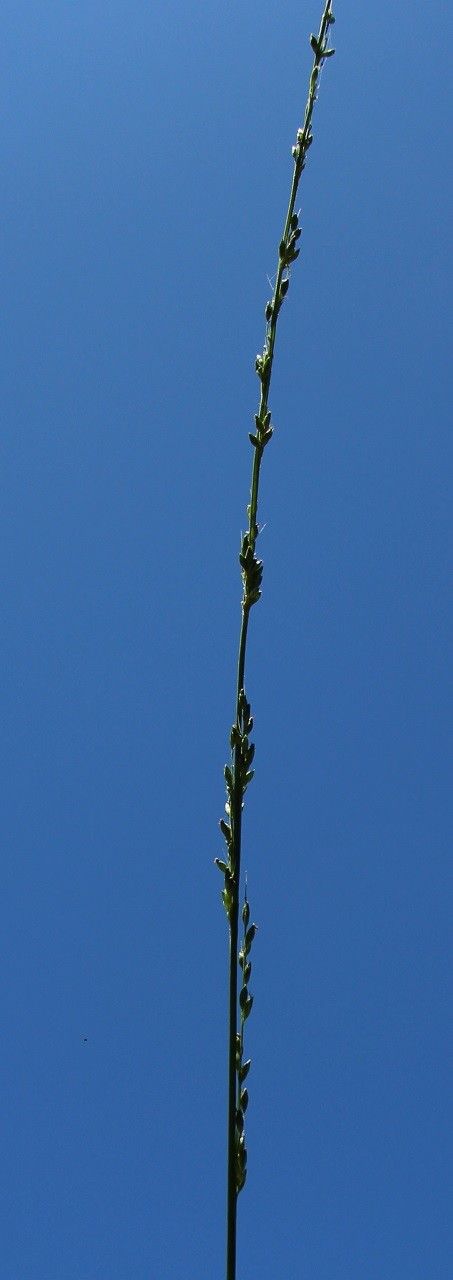
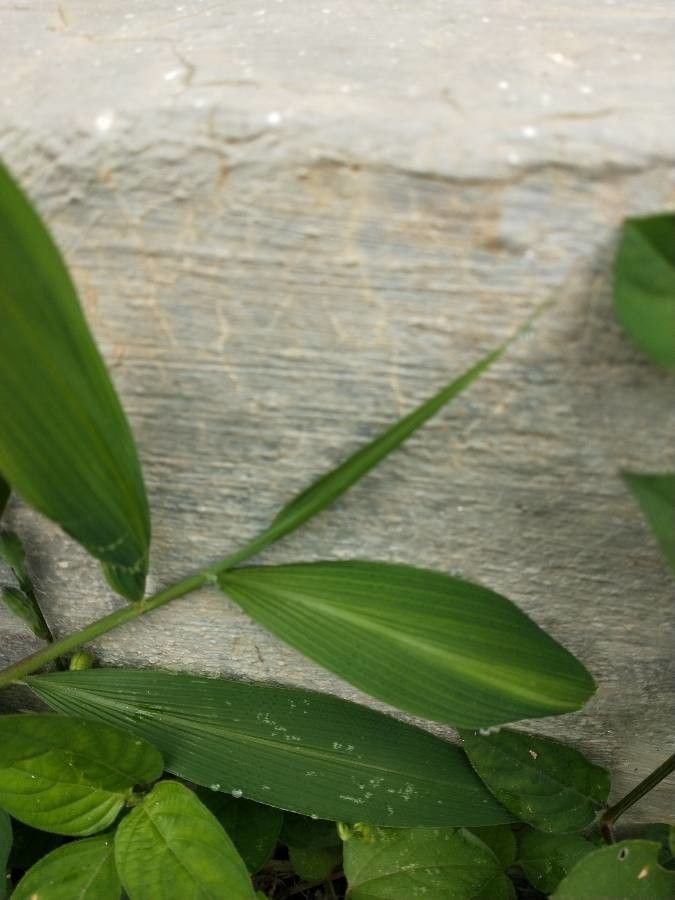
Palmgrass is fairly disease-resistant and typically not susceptible to illnesses. Still, it can be affected by pests and diseases present in its environment. Such infections are generally mild. Regarding care, the plant needs moderate maintenance. Regular pruning is necessary to keep a neat appearance and support healthy growth. Applying fertilizer can also encourage flowering. Palmgrass is a good option for anyone with outdoor space, such as a garden or patio, and does not require extensive care experience. When grown indoors it may need more attention.
How to keep Setaria Paniculifera.
Light
Palmgrass flourishes in environments with abundant sunlight exposure, while it can also tolerate areas with a bit of shade. This plant's native habitat demonstrates its preference for plentiful light. Too much exposure can be detrimental, while insufficient exposure might hinder its growth and maturation.
Temperature
Palmgrass originates from areas where the usual temperature spans between 68 and 100°F (20 to 38°C). It prospers optimally in these warm conditions. When the weather gets excessively hot or cold, modification of the palmgrass's surrounding environment is advised to keep within its preferred range.
Fertilizer
The plant Palmgrass necessitates a significant amount of fertilizer when it is in its active growth stage, which mainly happens in the spring, summer, and beginning of fall. Nutrient supplementation is vital since critical nutrients may be deficient in the soil and aids in fostering healthy development of roots and stems in addition to enhancing its attractive leaves, one of the plant's distinguishing traits.
Pot & Repot
When it's time to repot Palmgrass, select a pot that is 1-2 inches (2.5-5 cm) bigger with sufficient draining capacity. It's best to utilize a well-draining potting mix. Aim to do the repotting during spring or autumn, ensuring that the plant's root ball is positioned slightly beneath the flower pot's rim. After completing the repotting, make sure to water it thoroughly and place it in a warm location where it gets indirect sunlight.
Botanical profile.
- Plant Type
- Herb
- Life Cycle
- Perennial
- Genus
- Setaria
- Family
- Poaceae
- Hardiness Zone
- 10-12
- Mature Height
- 2.13 m
- Mature Spread
- 2.13 m
- Leaf Color
- Green
- Leaf Type
- Evergreen
- Flower Color
- Green, Brown
- Flower Size
- 2.54 cm
- Bloom Time
- Summer, Early fall, Mid fall
- Planting Time
- Spring, Summer
- Harvest Time
- Late summer, Fall, Early winter
- Native Area
- Nepal, Sri Lanka, India, Malaysia, Philippines, Bangladesh, Pakistan, Laos, Indonesia, Cambodia, Vietnam, Myanmar, Japan, Papua New Guinea, Bhutan, Thailand
Other names.