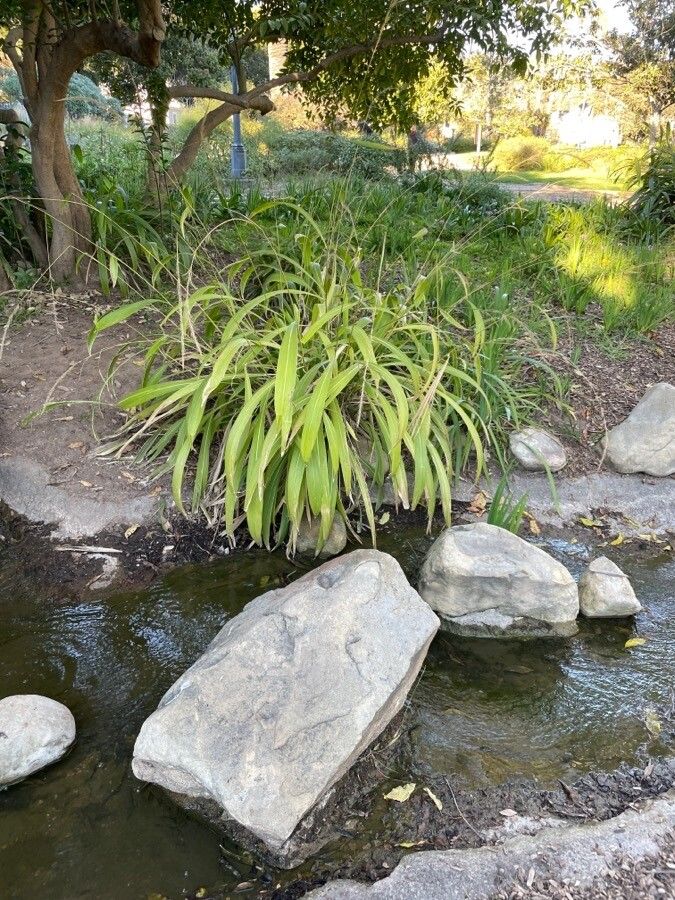
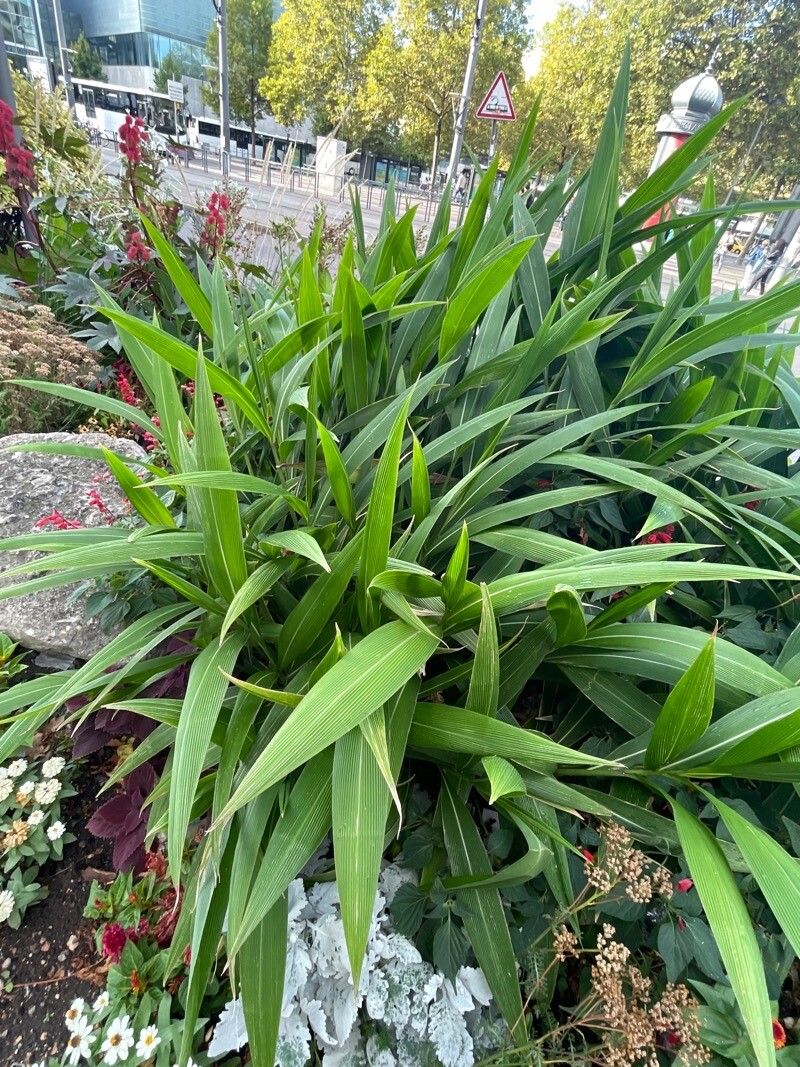
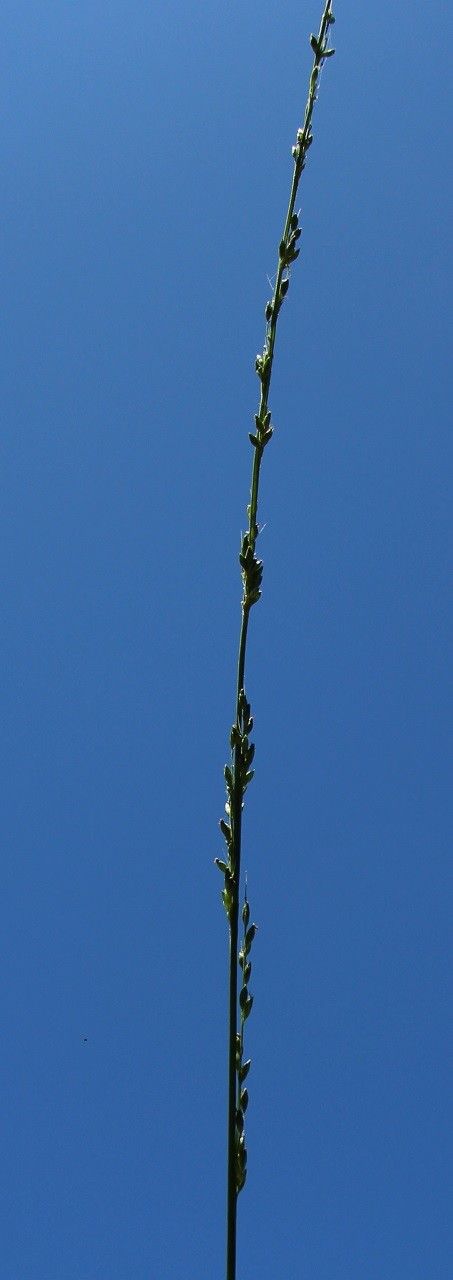
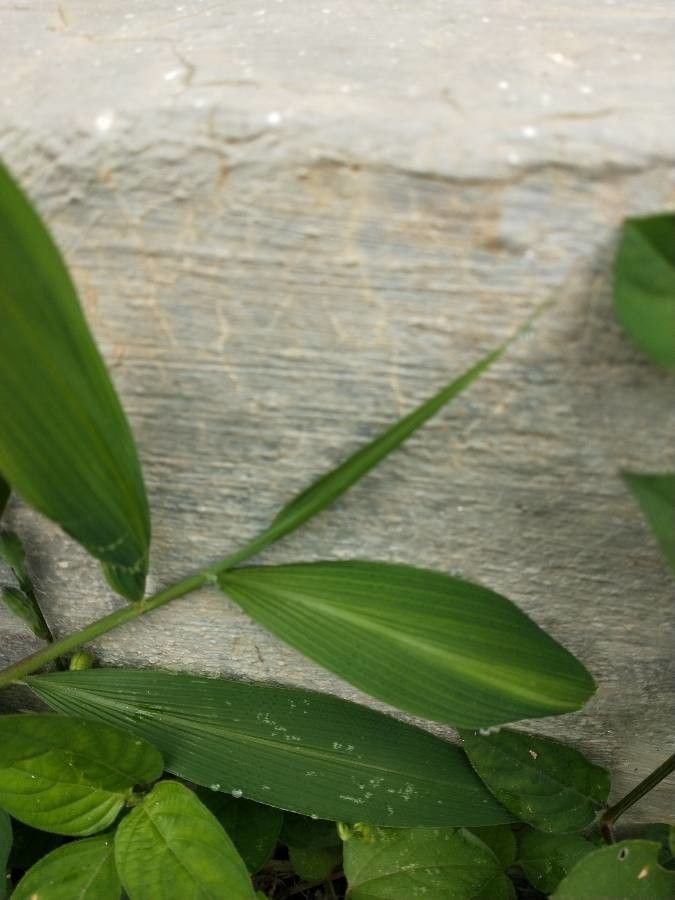
Setaria palmifolia, also known as Palm Grass or Fountain Grass, is a tropical perennial plant in the Poaceae family. Native to Southeast Asia, it can be found in countries such as Thailand, Indonesia, and the Philippines.
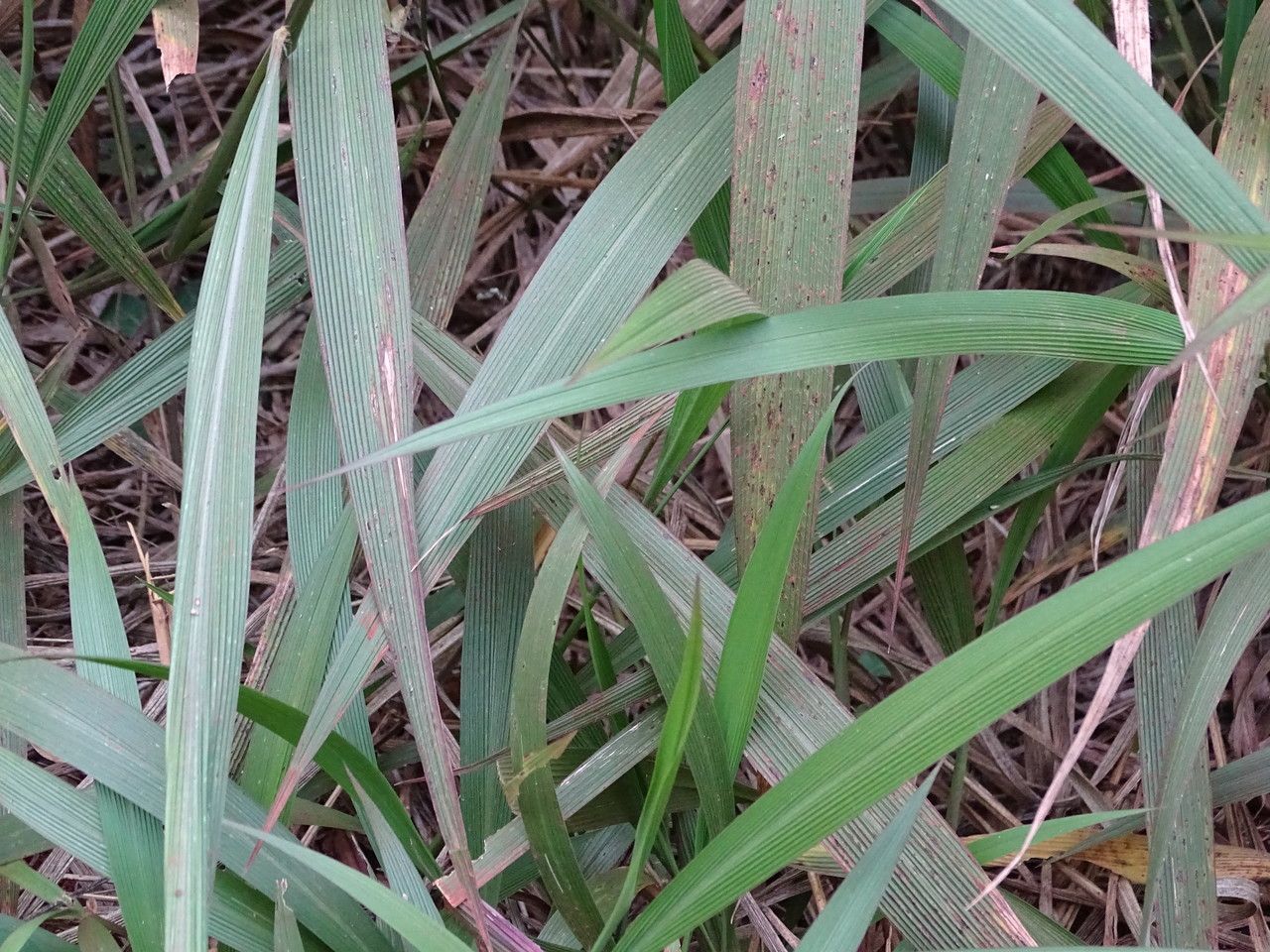
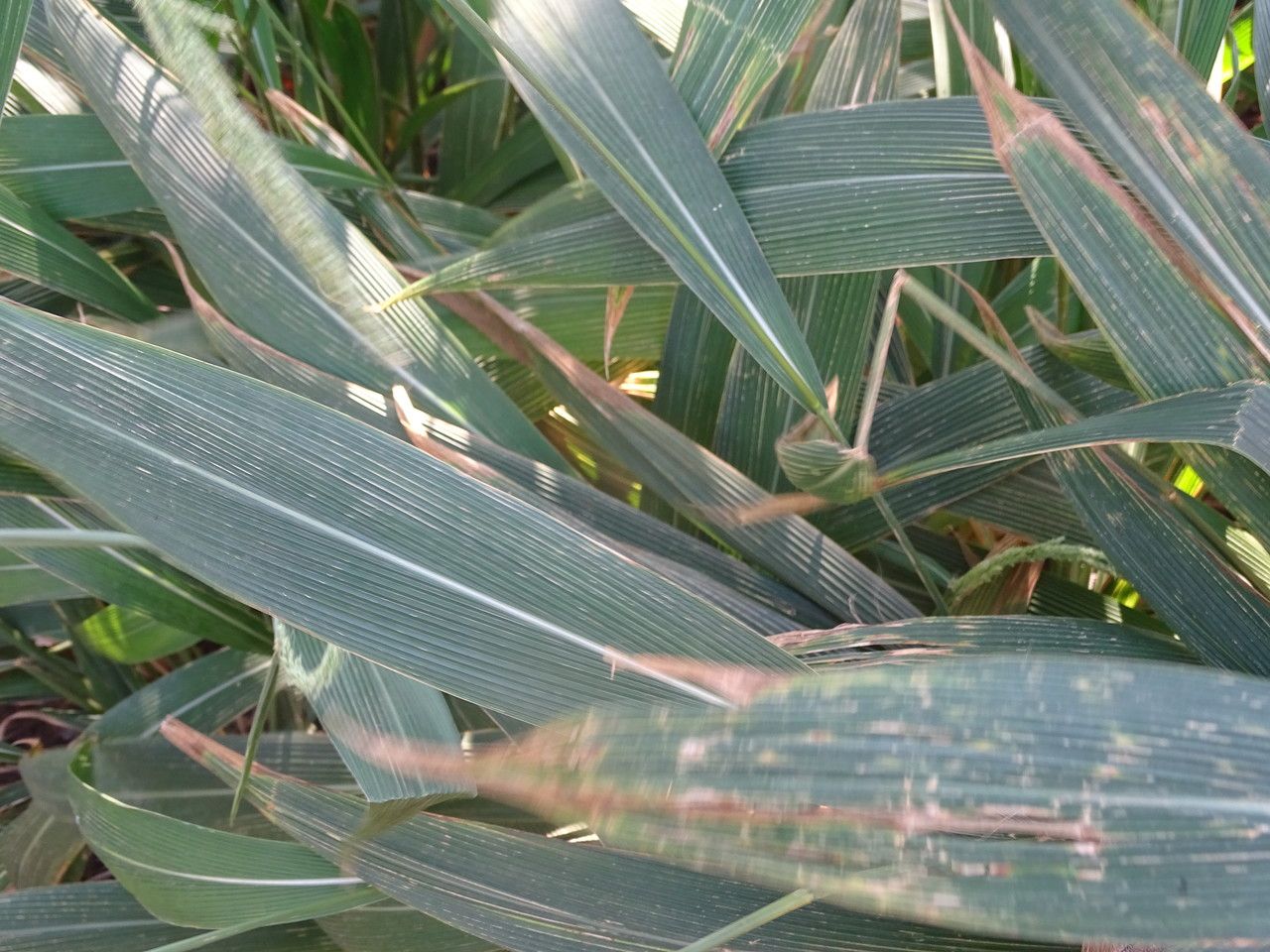
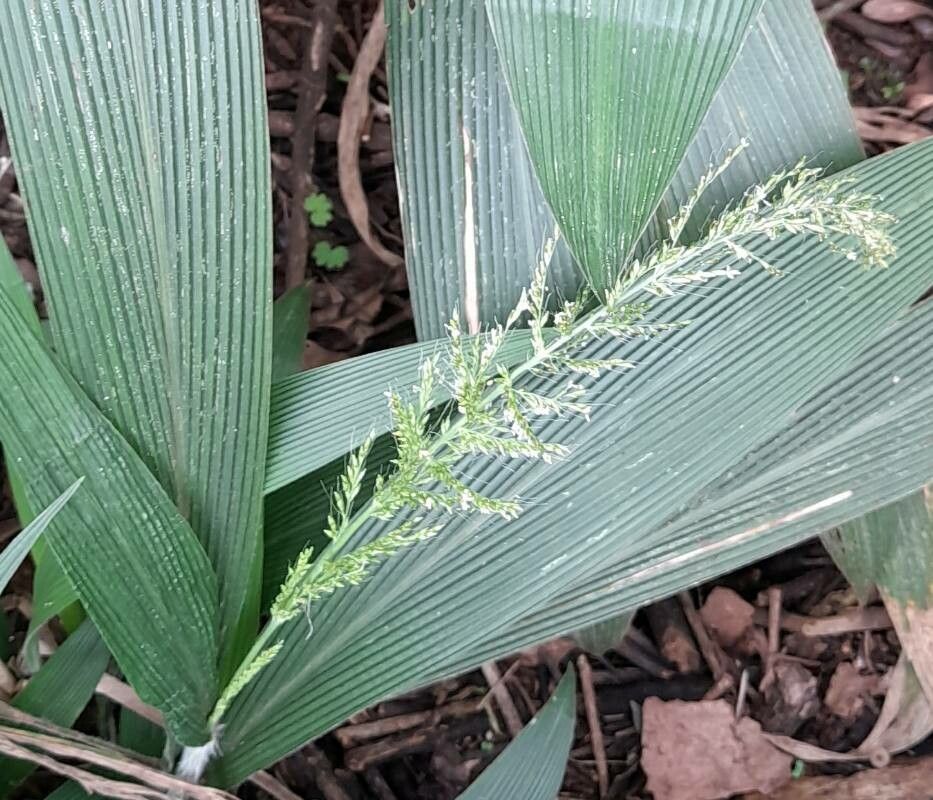
The plant features large leaves resembling palm fronds, which can grow up to 2 meters long and 30 centimeters wide. Its stem can reach heights of up to 3 meters.
Setaria palmifolia thrives in warm temperatures and high humidity levels but can tolerate some drought conditions once established. It grows best in well-draining soil with regular watering.
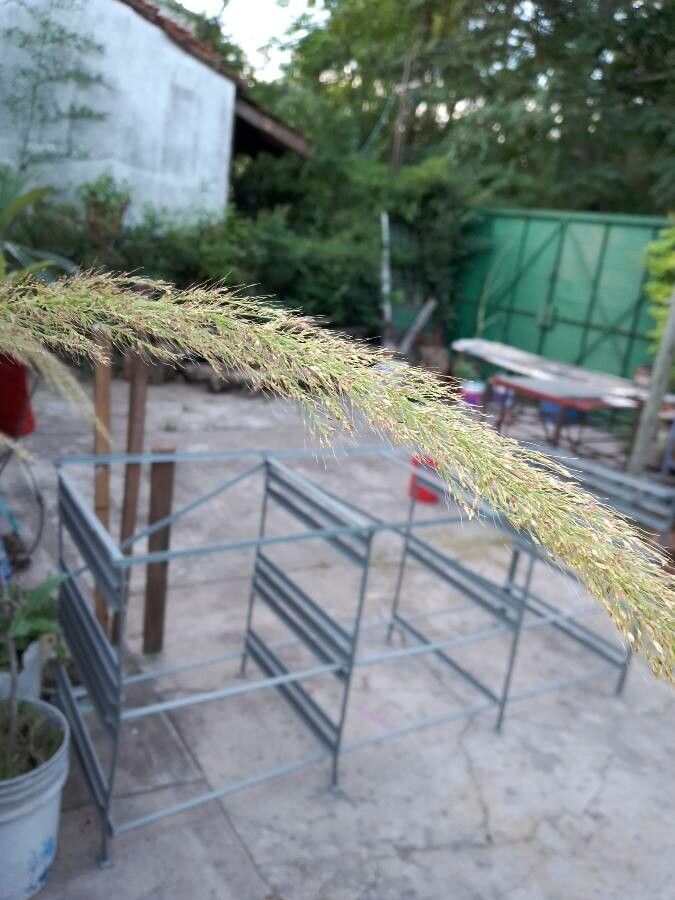
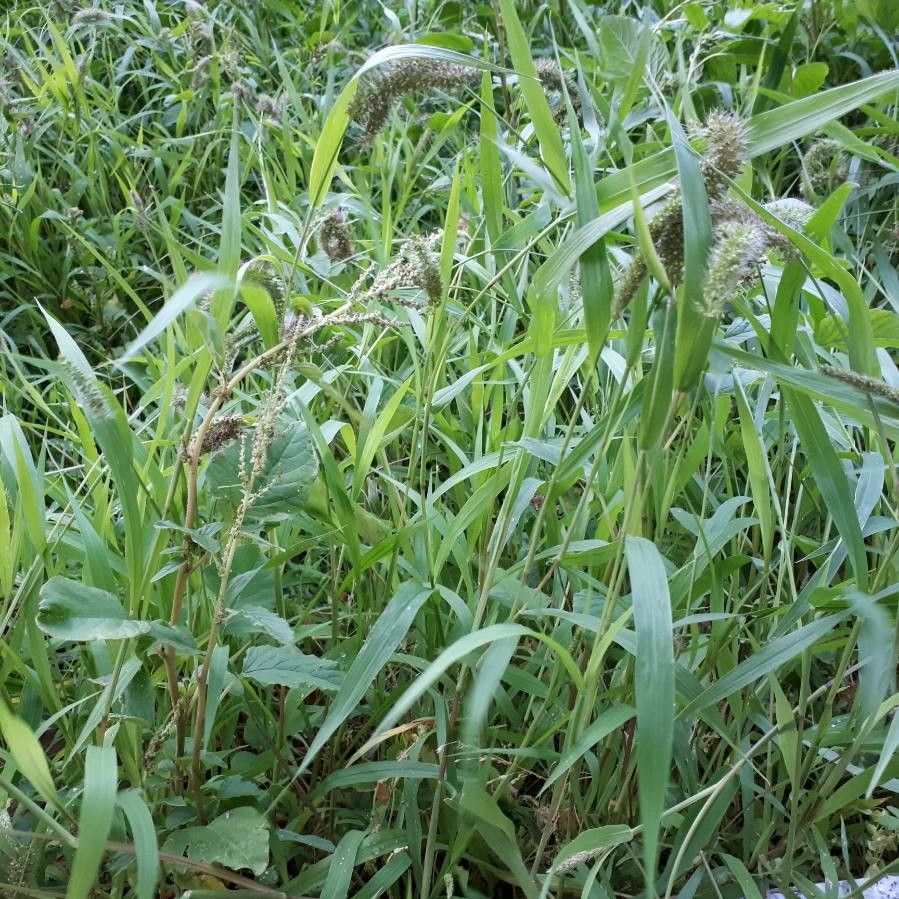
During the summer, the plant produces small flowers arranged in panicles at the top of its stem. These flowers are followed by small seeds dispersed by the wind.
Setaria palmifolia is popular for ornamental purposes due to its unique appearance and ability to add a tropical flair to gardens and landscapes. It is also used for erosion control, thanks to its deep root system that helps stabilize soil on slopes and hillsides.
Overall, Setaria palmifolia is an attractive tropical grass species that adds beauty and functionality wherever it grows, while requiring minimal maintenance once properly established in suitable growing conditions.
Palmgrass is fairly disease-resistant and typically not susceptible to illnesses. Still, it can be affected by pests and diseases present in its environment. Such infections are generally mild. Regarding care, the plant needs moderate maintenance. Regular pruning is necessary to keep a neat appearance and support healthy growth. Applying fertilizer can also encourage flowering. Palmgrass is a good option for anyone with outdoor space, such as a garden or patio, and does not require extensive care experience. When grown indoors it may need more attention.
How to keep Setaria Palmifolia.
Light
Palmgrass flourishes in environments with abundant sunlight exposure, while it can also tolerate areas with a bit of shade. This plant's native habitat demonstrates its preference for plentiful light. Too much exposure can be detrimental, while insufficient exposure might hinder its growth and maturation.
Water
Palmgrass, native to tropical regions, thrives in high humidity and prefers consistent moisture, typically requiring weekly watering. As an evergreen plant, it maintains its vibrant green foliage throughout the year. While it adapts well to different climates, it can tolerate short dry periods.
Temperature
Palmgrass originates from areas where the usual temperature spans between 68 and 100°F (20 to 38°C). It prospers optimally in these warm conditions. When the weather gets excessively hot or cold, modification of the palmgrass's surrounding environment is advised to keep within its preferred range.
Fertilizer
The plant Palmgrass necessitates a significant amount of fertilizer when it is in its active growth stage, which mainly happens in the spring, summer, and beginning of fall. Nutrient supplementation is vital since critical nutrients may be deficient in the soil and aids in fostering healthy development of roots and stems in addition to enhancing its attractive leaves, one of the plant's distinguishing traits.
Pruning
Palmgrass features broad, palm-like leaves and flourishes in tropical climates. To promote growth, improve air circulation, and decrease the risk of disease, prune dead leaves in early spring. Use sharp tools to minimize the risk of infection, and be careful not to over-trim to avoid stressing the plant. This will help maintain palmgrass's attractive appearance and healthy development.
Pot & Repot
When it's time to repot Palmgrass, select a pot that is 1-2 inches (2.5-5 cm) bigger with sufficient draining capacity. It's best to utilize a well-draining potting mix. Aim to do the repotting during spring or autumn, ensuring that the plant's root ball is positioned slightly beneath the flower pot's rim. After completing the repotting, make sure to water it thoroughly and place it in a warm location where it gets indirect sunlight.
Botanical profile.
- Plant Type
- Herb
- Life Cycle
- Perennial
- Genus
- Setaria
- Family
- Poaceae
- Hardiness Zone
- 10-12
- Mature Height
- 2.13 m
- Mature Spread
- 2.13 m
- Leaf Color
- Green
- Leaf Type
- Evergreen
- Flower Color
- Green, Brown
- Flower Size
- 2.54 cm
- Bloom Time
- Summer, Early fall, Mid fall
- Planting Time
- Spring, Summer
- Harvest Time
- Late summer, Fall, Early winter
- Native Area
- Nepal, Sri Lanka, India, Malaysia, Philippines, Bangladesh, Pakistan, Laos, Indonesia, Cambodia, Vietnam, Myanmar, Japan, Papua New Guinea, Bhutan, Thailand
Other names.
Reader questions.
How should I water my Palmgrass?
To properly water the Palmgrass, it is recommended to use filtered water at room temperature. Tap water may contain harmful particles, so it's better to use filtered water. The ideal water temperature is room temperature or slightly warmer because the Palmgrass is accustomed to warm conditions and cold water can be shocking to it. It's best to avoid overhead watering as it can cause foliage problems. Instead, saturate the soil with filtered room temperature water until it is completely soaked. This helps moisturize the roots and allows them to spread through the soil and absorb nutrients effectively.
Why should I put fertilizer on my Palmgrass?
All plants, including Palmgrass, need soil nutrients to grow. However, there is no guarantee that the soil your plants are in will have all the necessary nutrients. To ensure your garden plants have the required nutrients, fertilization and soil amendments are necessary. For Palmgrass, fertilizer is crucial for healthy root and stem development. Fertilization also enhances the appearance of the plant's foliage, which is its main ornamental feature.
What are the sunlight requirements for Palmgrass?
Palmgrass requires significant exposure to sunlight to thrive, reflecting its natural habitat's preference for ample light. It needs above 6 hours of sunlight for full sun conditions and about 3-6 hours of sunlight for partial sun conditions. However, it's important to monitor the plant's exposure to ensure it receives the perfect balance of light and shade, as both overexposure and underexposure can adversely affect the plant's health. Overexposure might be harmful, leading to symptoms such as leaf scorching and chlorosis, while insufficient light can stunt growth and development, manifesting as smaller leaves, leggy growth, or even a halt in new leaf production.
What is the native environment of Palmgrass?
Palmgrass, botanically known as Setaria palmifolia, is native to regions where the typical temperature ranges from 68 to 100°F (20 to 38°C). It thrives in warm environments, ideally within this temperature range. As a heat-loving plant, Palmgrass prefers to be kept in conditions that closely mimic its native habitat to ensure optimal growth.
What should I do if I give my Palmgrass too much water or too little water?
Both overwatering and underwatering can harm the health of your Palmgrass, but overwatering is more common. When the Palmgrass gets too much water, its stems and leaves may wilt and turn yellow. Overwatering over time can also cause diseases like root rot, mold, and mildew, which can be fatal for the plant. Underwatering is less likely, as the Palmgrass can tolerate some drought. However, if underwatering happens, the leaves may become brittle and brown. It is important to notice signs of overwatering early when caring for your Palmgrass. Some diseases caused by overwatering, such as root rot, may be irreversible if not addressed promptly. If you see early signs of overwatering, reduce watering immediately. You should also check the soil's quality. If it doesn't drain well, replace it with loose, well-draining potting mix. If signs indicate the Palmgrass is not receiving enough water, simply water more regularly until the signs improve.
What is the ideal time to apply fertilizer to my Palmgrass?
Palmgrass requires the most fertilizer when it is actively growing, which usually happens during spring, summer, and early fall. During this time, it is recommended to feed it every two to four weeks. As winter approaches, gradually reduce the fertilization rate until you stop altogether, as the Palmgrass will have less active growth during winter.
What essential information should I know about Palmgrass and lighting?
Understanding the lighting needs of Palmgrass is crucial for its optimal growth, especially when grown indoors. When natural sunlight is insufficient, particularly in spaces with less exposure to sun or during winter, artificial lighting becomes essential. LED lights are a popular solution, capable of providing the specific wavelengths of light needed by the plant. Depending on the plant's sunlight needs, the wattage per square foot varies: 30-50W for full sun plants, 20-30W for partial sun plants, and 10-20W for full shade plants. The light source should be placed 12-36 inches above the plant, mimicking natural sunlight conditions for 8-12 hours per day to promote healthier and faster growth.
How should Palmgrass be cared for in cold and hot temperatures?
During autumn and winter, it is recommended to bring outdoor-grown Palmgrass indoors to protect it from cold temperatures. The plant should be placed near a bright window but kept away from direct contact with heaters to avoid damage. Ensure the environment stays above 20°C to promote healthy growth and avoid any temperatures near or below 5°C, as they can be detrimental. In contrast, during hot temperatures, especially in summer when temperatures can exceed its preference, it is essential to provide shade during the most intense sun exposure and maintain soil moisture with morning and evening watering.
How much should I water my Palmgrass?
To determine if your potted Palmgrass needs water, simply stick your finger into the soil. If the top two to three inches are dry, it's time to water it. The same goes for outdoor Palmgrass grown in the ground. Checking the top few inches of soil will indicate if it needs watering. Typically, in spring and early fall, watering once a week using this method is sufficient. However, during very hot weather, watering may need to be increased to twice a week or more. Keep in mind that mature, well-established Palmgrass can tolerate drought well.
When is it not a good idea to fertilize my Palmgrass?
For most of the year, such as spring, summer, and most of the fall, it is important to regularly feed your Palmgrass. However, there are certain exceptions. If you have over-fertilized or fertilized incorrectly, resulting in fertilizer burn or other issues, you must address those problems before resuming regular feeding. Essentially, the only time you should refrain from fertilizing a Palmgrass is during winter. Specifically, if you are growing this plant indoors in a cold winter climate, it will go into a dormant phase. It is unnecessary and unhelpful to feed the plant during this period, as it can cause fertilizer burn.
What are the symptoms of inadequate lighting for Palmgrass?
When Palmgrass is subjected to inadequate lighting, it exhibits several symptoms indicative of light deficiency. These include smaller new leaves, a leggy or sparse appearance due to elongated spaces between leaves or stems, early leaf drop to conserve resources, and delayed or halted growth as the plant enters survival mode under poor light conditions. New leaves might also appear paler, showing irregular color patterns due to insufficient chlorophyll. Excessive sunlight can lead to chlorosis, where leaves lose their green hue, sunscald, which damages plant tissues, leaf curling as a defense mechanism against water loss, wilting from increased transpiration, and leaf scorching characterized by brown, dry edges on leaves.
What are the important symptoms of temperature stress in Palmgrass?
Palmgrass shows distinct symptoms when exposed to temperatures outside its comfort range. Low temperature stress results in the lightening of leaf color, progressing to brown or black as frost damage worsens, accompanied by wilting and drooping. High temperature stress leads to lighter leaf color and increased susceptibility to sunburn. Both conditions indicate the plant is struggling with the environmental conditions it's in.