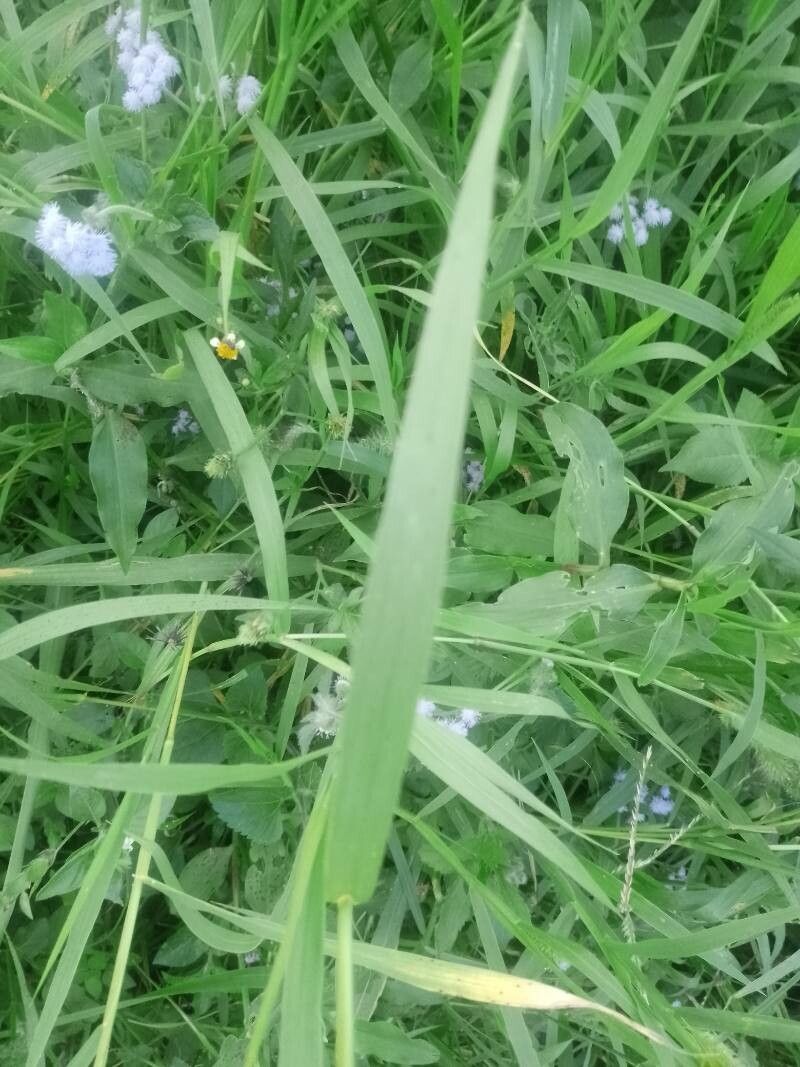
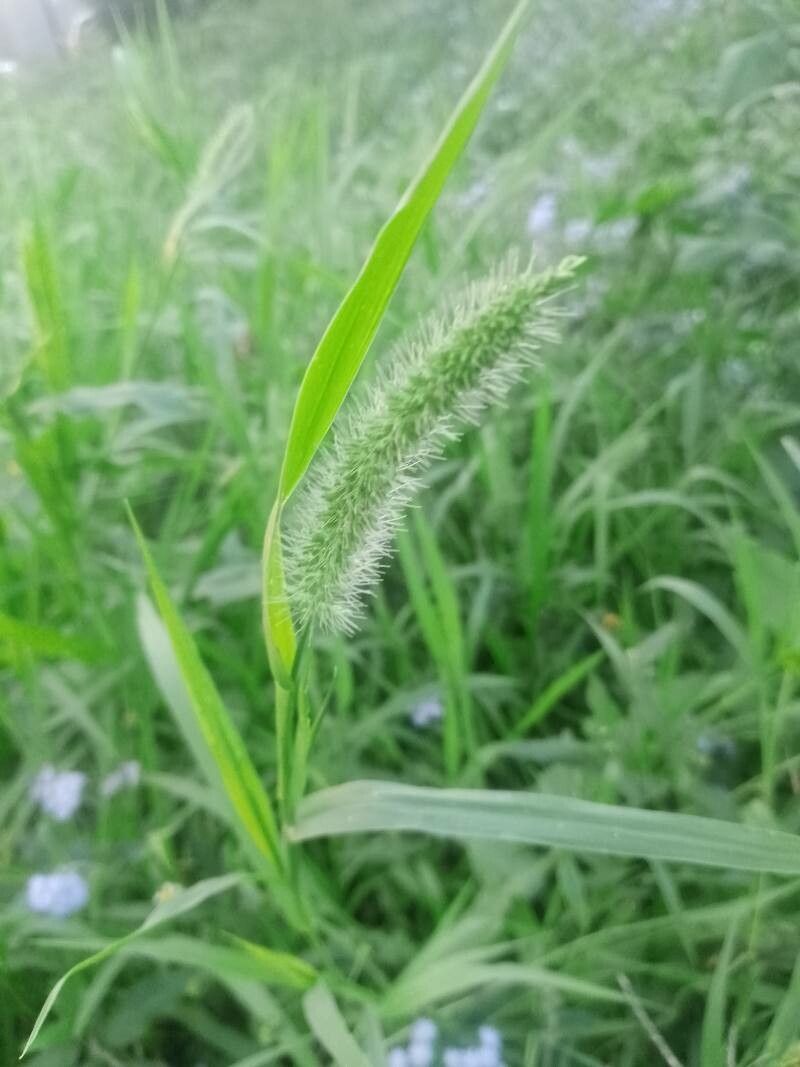
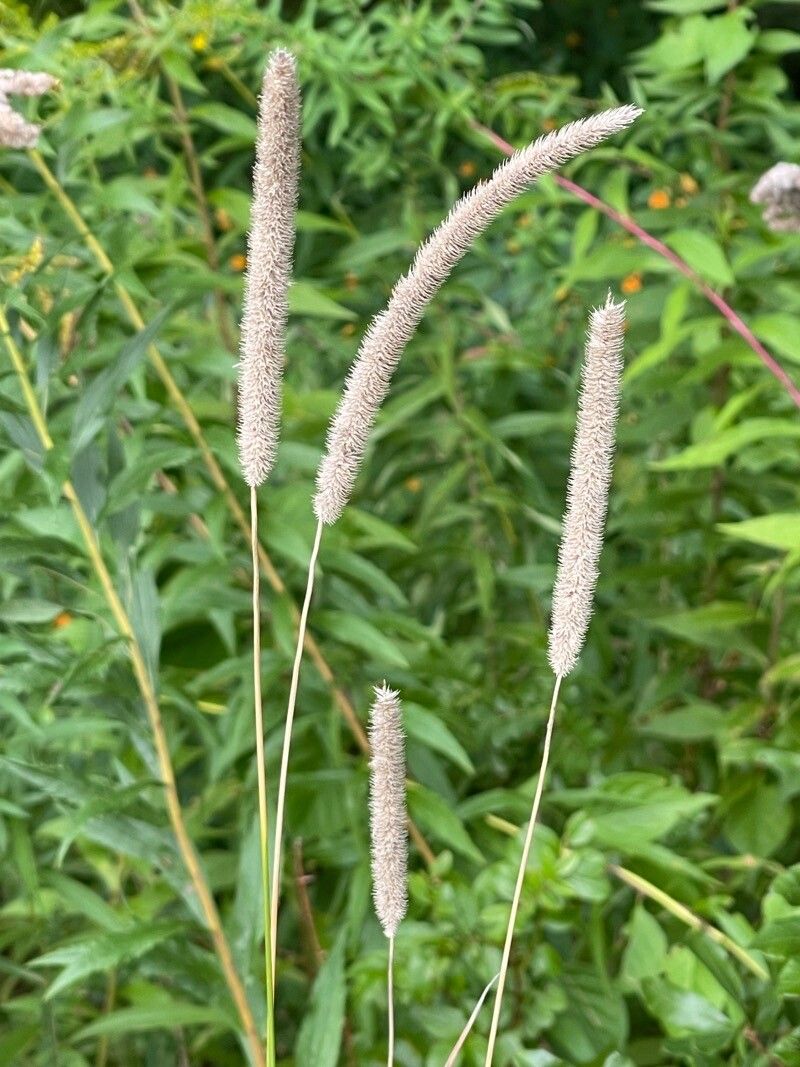
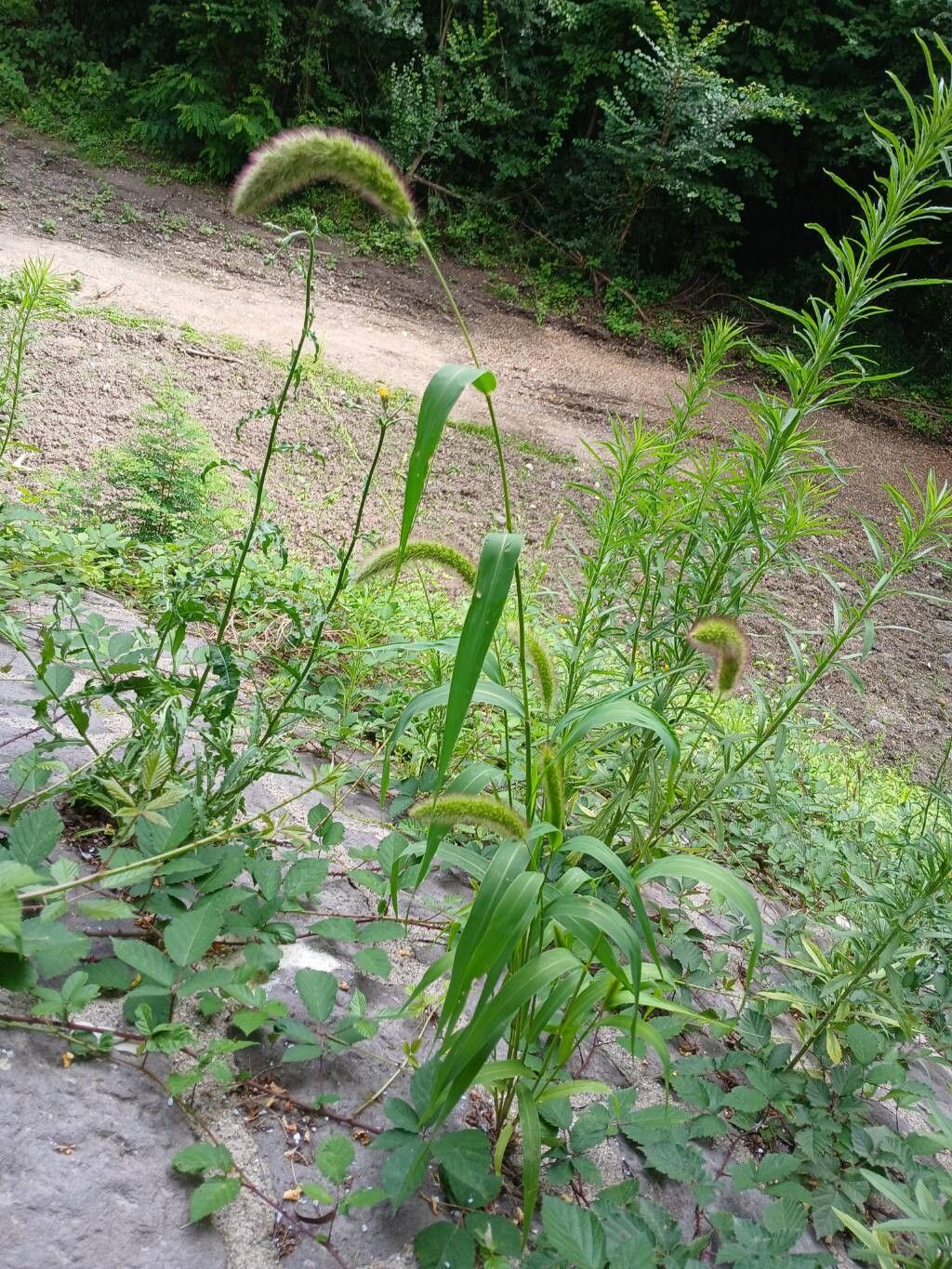
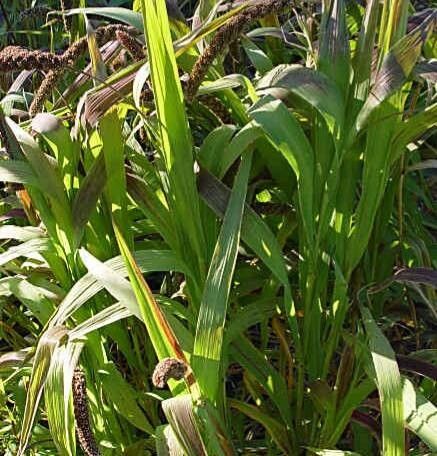
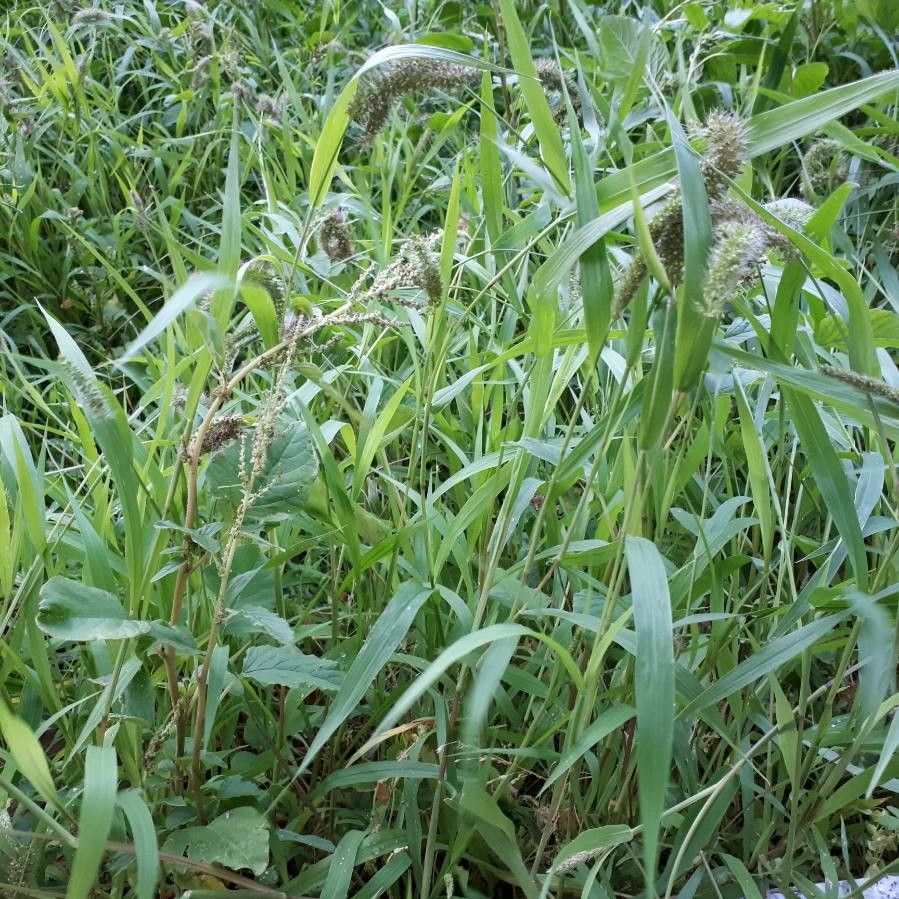
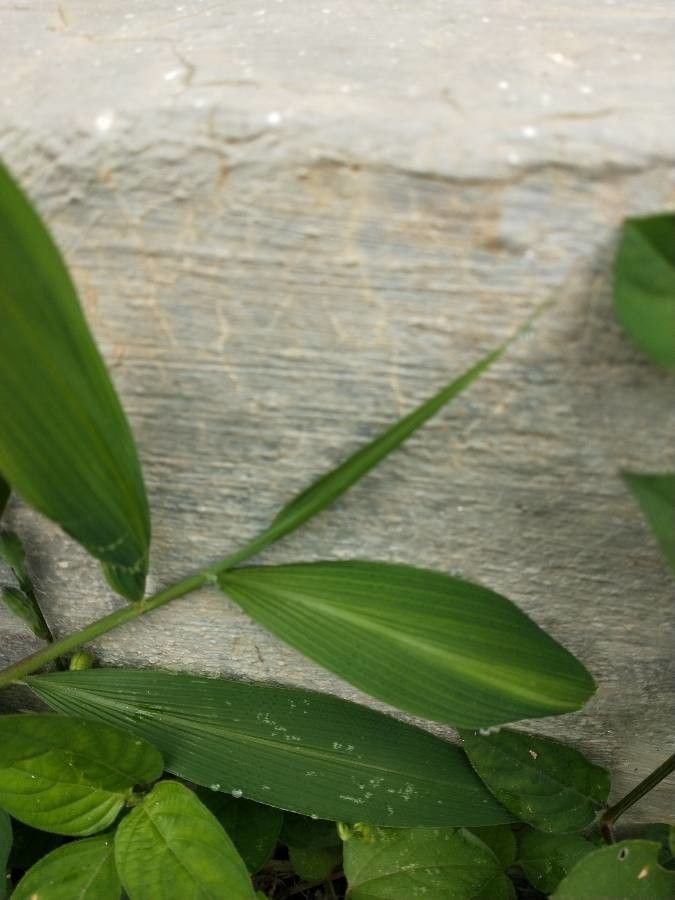
Setaria italica, commonly known as foxtail millet, is an annual grass species belonging to the Poaceae family. Native to East Asia, this crop has been cultivated for thousands of years for its nutritious seeds. Foxtail millet's adaptability to various soil types and climatic conditions makes it a vital food source in many regions worldwide.
The plant can grow up to 1.5 meters tall and features long, slender leaves and cylindrical flower spikes that resemble fox tails. Its seeds are small, round, and yellowish-brown in color.
Foxtail millet offers numerous nutritional benefits, being rich in protein, fiber, vitamins B1 and B6, iron, magnesium, and phosphorus. Additionally, its low glycemic index makes it suitable for people with diabetes.
Beyond its use as food for humans or livestock feed, foxtail millet also possesses medicinal properties, such as anti-inflammatory effects, which make it useful in treating various ailments like arthritis and asthma.
Overall, the Setaria italica plant plays a critical role both nutritionally and medicinally, making this crop globally significant!
Foxtail Millet possesses good disease resistance and is generally not prone to illnesses. However, it can be vulnerable to pests and diseases present in its environment. Such infections are typically not serious. Regarding maintenance, this plant needs moderate care. It should be pruned regularly to maintain a neat appearance and support healthy growth. Applying fertilizer can also help encourage flowering. Foxtail Millet is suitable for anyone with outdoor space, like a garden or patio, and does not demand extensive plant-care experience. It may require additional attention when cultivated indoors.
How to keep Setaria Italica.
Light
Foxtail Millet flourishes under conditions that provide substantial sunlight exposure. These conditions are typical of its native habitat, allowing for its best growth. It can withstand various levels of sunlight, but extreme or insufficient light can impact its health and lead to irregular growth patterns.
Water
Foxtail Millet is a drought-tolerant plant native to arid regions, where it thrives with a mix of dry spells and occasional moisture. Ideally, it needs to be watered once a week. As an annual grass grown for its grains, Foxtail Millet has a strong root system that efficiently absorbs water even in limited conditions.
Temperature
Foxtail Millet originates from regions where the usual temperatures fluctuate between 68 to 100 °F (20 to 38 ℃). It prospers in this temperature band, adapting its development according to seasonal variations. To ensure the best growth, it is recommended to uphold these temperature conditions.
Fertilizer
Foxtail Millet thrives best with three instances of fertilization: prior to planting, a month post-emergence of the seedlings, and the last application between 1 to 1.5 months after the second one. Some varieties of Foxtail Millet are positively impacted by an extra dose of fertilizer during planting to foster swift growth.
Botanical profile.
- Plant Type
- Herb
- Life Cycle
- Annual
- Genus
- Setaria
- Family
- Poaceae
- Hardiness Zone
- 10-12
- Mature Height
- 1.22 m to 2.13 m
- Mature Spread
- 61 cm
- Leaf Color
- Green, Dark Green
- Leaf Type
- Deciduous
- Flower Color
- Tan
- Flower Size
- 1.02 cm to 5.08 cm
- Bloom Time
- Summer
- Planting Time
- Spring, Summer
- Harvest Time
- Late summer, Early fall, Mid fall
- Native Area
- Nepal, Sri Lanka, Saudi Arabia, Egypt, Turkey, India, Tajikistan, Cyprus, Armenia, Pakistan, Laos, Yemen, China, Uzbekistan, Russia, Afghanistan, Iraq, Kyrgyzstan, Indonesia, Italy, Cambodia, Myanmar, Bhutan, Iran, Azerbaijan, Thailand
Other names.
Reader questions.
How should I water my Foxtail Millet plant?
To water Foxtail Millet, you have several options such as using a garden hose with a spray nozzle, a watering can, or any common watering tool. This plant is not too particular about how it receives water, as it can thrive with rainwater, tap water, or filtered water. However, it is generally advisable to avoid watering from above as it can harm the leaves, flowers, and potentially lead to disease. Drip irrigation systems work well for Foxtail Millet as they deliver water evenly and directly to the soil. If you have a container-grown Foxtail Millet, you can still use a cup, watering can, or tap water to water it directly into the soil.
Why is it necessary to put fertilizer on Foxtail Millet?
Plants require nutrients to grow, but some can obtain everything they need without additional fertilizers. The primary purpose of fertilizing Foxtail Millet is to enhance the yield in each harvest. Just like other plants, Foxtail Millet utilizes nutrients for growth and internal processes that lead to edible seeds or grains. Nutrients facilitate the growth and flowering of plants, enable photosynthesis, and ultimately result in seed or fruit production. Insufficient nutrients can lead to reduced tillering (the production of extra branches on a single stem), smaller seed size, and low protein content in the final product.
What are the sunlight requirements for Foxtail Millet?
Foxtail Millet requires full sun, meaning it should receive above 6 hours of sunlight daily to thrive optimally. It's important to observe the movement of sunlight through your garden to find spots that offer a perfect balance of light and shade, ensuring the plants grow healthy and happy. Foxtail Millet's natural habitat exhibits these conditions, allowing it to grow best in ample sunlight, although it can also adapt to varying levels of sun exposure. Too much or too little light can affect its well-being, causing atypical growth patterns.
What are the ideal growing conditions for Foxtail Millet?
Foxtail Millet, known botanically as Setaria italica, is native to environments that typically range in temperatures from 68 to 100 °F (20 to 38 °C). It thrives in this temperature range and adjusts its growth based on seasonal fluctuations. For optimal growth, it's important to maintain these temperature conditions. The plant is extremely heat-loving, and exposure to cold can be harmful. In autumn, it's recommended to bring outdoor-grown Foxtail Millet indoors, placing it near a bright window but at a certain distance from heaters to avoid damage. During winter, keeping temperatures above 20°C is beneficial for the plant's growth, while any temperatures nearing 5°C can be detrimental.
What should I do if I give too much or too little water to my Foxtail Millet?
When your Foxtail Millet lacks moisture, the solution is simple: water it more regularly. Overwatering, on the other hand, can be more problematic if not caught early. It can lead to diseases that cause the plant to decline and die. To prevent this, it's important to choose a suitable location for growing the millet, with ample sunlight to dry the soil and good drainage to prevent water from pooling. If you've overwatered your potted Foxtail Millet, you may need to switch to a new pot with better drainage. Make sure to use loose soil and an efficiently draining pot when repotting.
When should I fertilize my Foxtail Millet for the best results?
Spring is generally the best time to fertilize Foxtail Millet. For optimal growth, it is recommended to follow a schedule of three major fertilizer treatments throughout the growing season. The first treatment should be done before planting the seeds, the second about a month after the seedlings emerge, and the final treatment should be applied around 1 to 1.5 months after the second one. Additionally, certain types of Foxtail Millet may benefit from an extra fertilizer boost at the time of planting. Nutrients are important for all stages of the growth cycle. Some types of Foxtail Millet can mature in as little as a month, so providing enough nutrients is crucial for them to reach their full size quickly.
How can artificial lighting benefit indoor Foxtail Millet plants?
Indoor Foxtail Millet plants require adequate lighting for optimal growth, especially when natural sunlight is insufficient, such as during winter or in less sunny spaces. Artificial lights offer a vital solution, promoting faster, healthier growth. LED lights are a popular choice because they can be customized to provide the specific wavelengths of light that plants need. For full sun plants, 30-50W/sq ft of artificial light is recommended; partial sun plants need 20-30W/sq ft; and full shade plants need 10-20W/sq ft. The light source should be placed 12-36 inches above the plant to mimic natural sunlight, and most plants need 8-12 hours of light per day.
How does Foxtail Millet respond to low temperatures, and what are the solutions?
Foxtail Millet prefers warm temperatures and is not tolerant of low temperatures. It thrives best when the temperature is above 20°C. During winter, it's crucial to keep the plant above 5°C to avoid stress. When the temperature falls below 1°C, the leaves may lighten in color, and after frost damage, they gradually turn brown or black with symptoms such as wilting and drooping. To counteract frost damage, trim off the frost-damaged parts and immediately move the plant to a warmer indoor environment. Placing the plant near a south-facing window ensures ample sunlight, but it's essential to avoid placing it near heaters or air conditioning vents to prevent the air from becoming too dry.
How frequently should I give water to my Foxtail Millet?
Foxtail Millet requires regular watering during its growing season. In the spring, watering once a week is sufficient. However, as the season progresses and temperatures rise, you may need to increase watering to two or three times per week. It's important not to exceed this frequency as it can harm the plant. Regardless of how often you water, ensure that the soil remains moist but not soggy. Watering Foxtail Millet in a pot is different. Potted plants generally require more frequent watering as the soil can dry out faster than ground soil. In most cases, plan to water container-grown Foxtail Millet a few times per week compared to once a week for plants in the ground.
When is it not a good idea to put fertilizer on my Foxtail Millet?
To keep Foxtail Millet healthy and strong, regular feeding is important. However, there are risks associated with over-fertilizing or fertilizing at the wrong time. It is advisable to avoid fertilizing when the soil is too dry or when the weather is extremely warm or cold. Take precautions to prevent fertilizers from coming into contact with seeds indirectly, as this can hinder germination. Moreover, ensure that the fertilizer you use is safe for direct contact with the plant, as it may cause damage to the leaves and fruits. Some fertilizers are only suitable for use in the soil near the plants and should not be applied over the tops of actively growing plants.
What are the signs of inadequate light in Foxtail Millet?
Foxtail Millet exhibits several symptoms when exposed to inadequate light. These include smaller new leaves, leggy or sparse growth, faster leaf drop, slower or no new growth, lighter-colored new leaves, chlorosis (leaves turning yellow), sunscald, leaf curling, wilting, and leaf scorching. Each of these symptoms indicates that the plant is not receiving enough light, which can affect its growth and overall health negatively.
What should be done if Foxtail Millet is exposed to high temperatures?
During the summer, it is crucial to ensure that Foxtail Millet is kept below 38°C to prevent heat stress. When the temperature rises above 43°C, the plant's leaves may lighten, increasing the risk of sunburn. To mitigate damage from high temperatures, trim away the sunburned and dried-up parts of the plant. Relocating the plant to a shaded area, especially to protect it from the midday and afternoon sun, is beneficial. Watering the plant in the morning and evening can help maintain moisture in the soil, supporting its health in high temperatures.