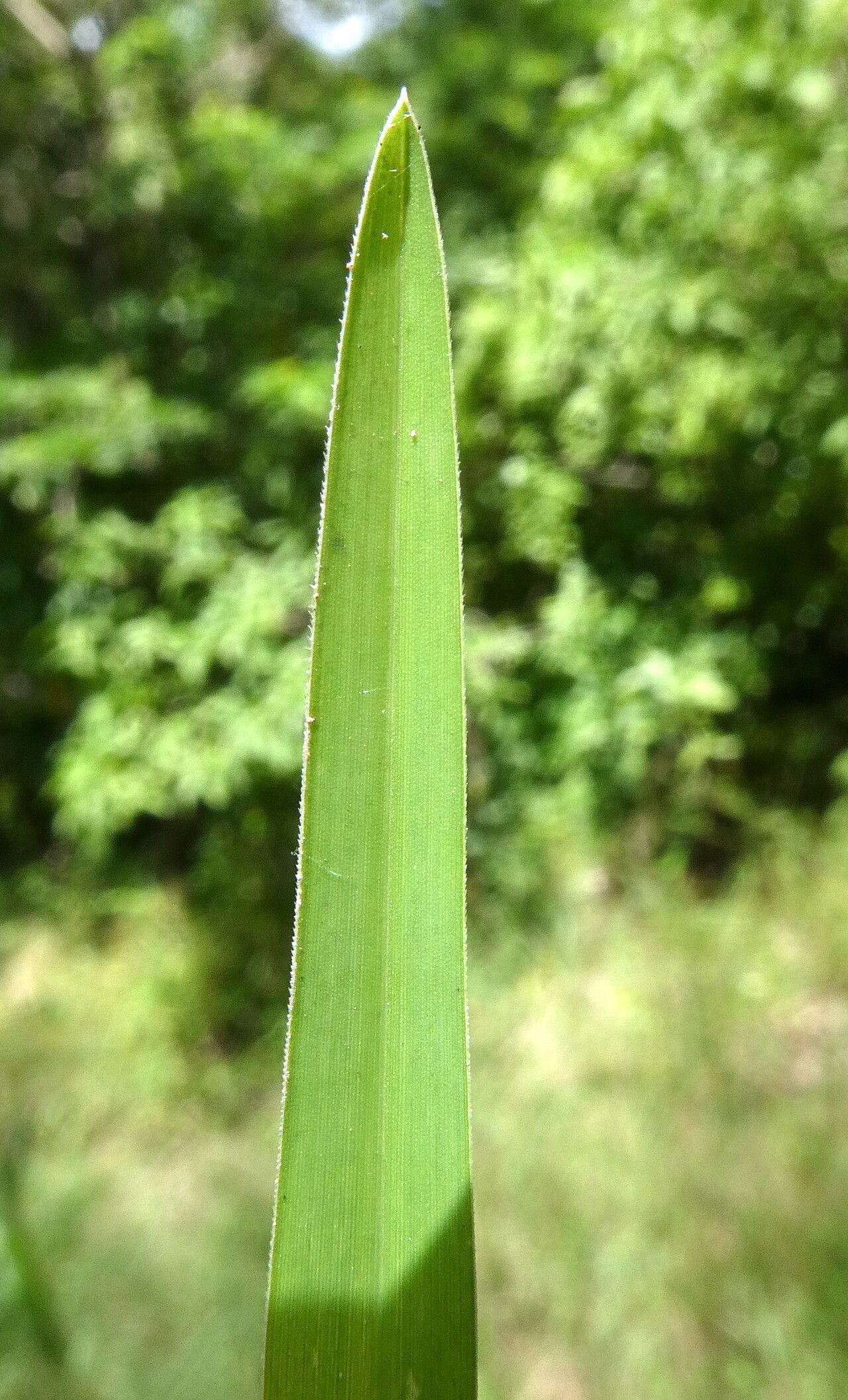
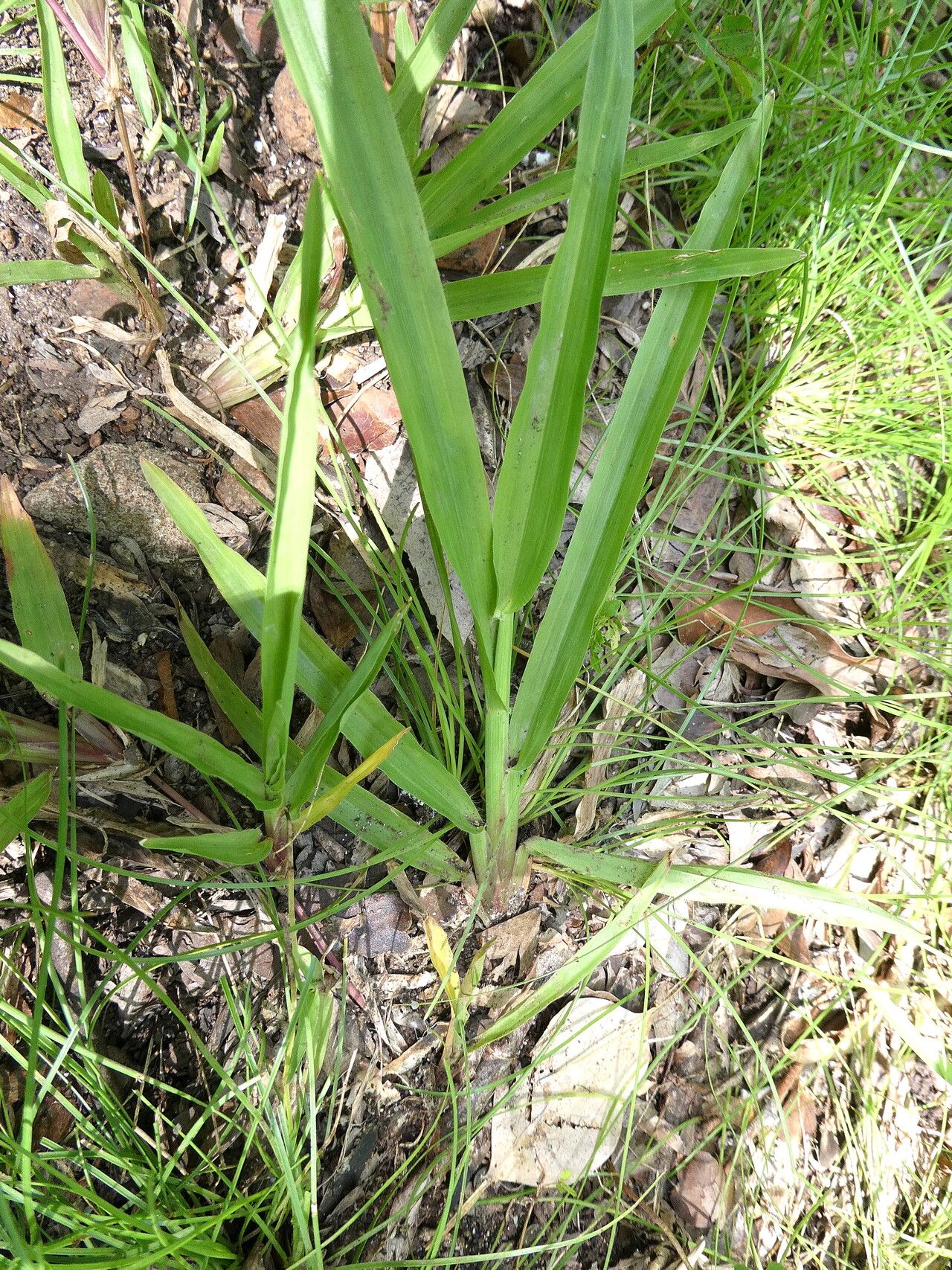
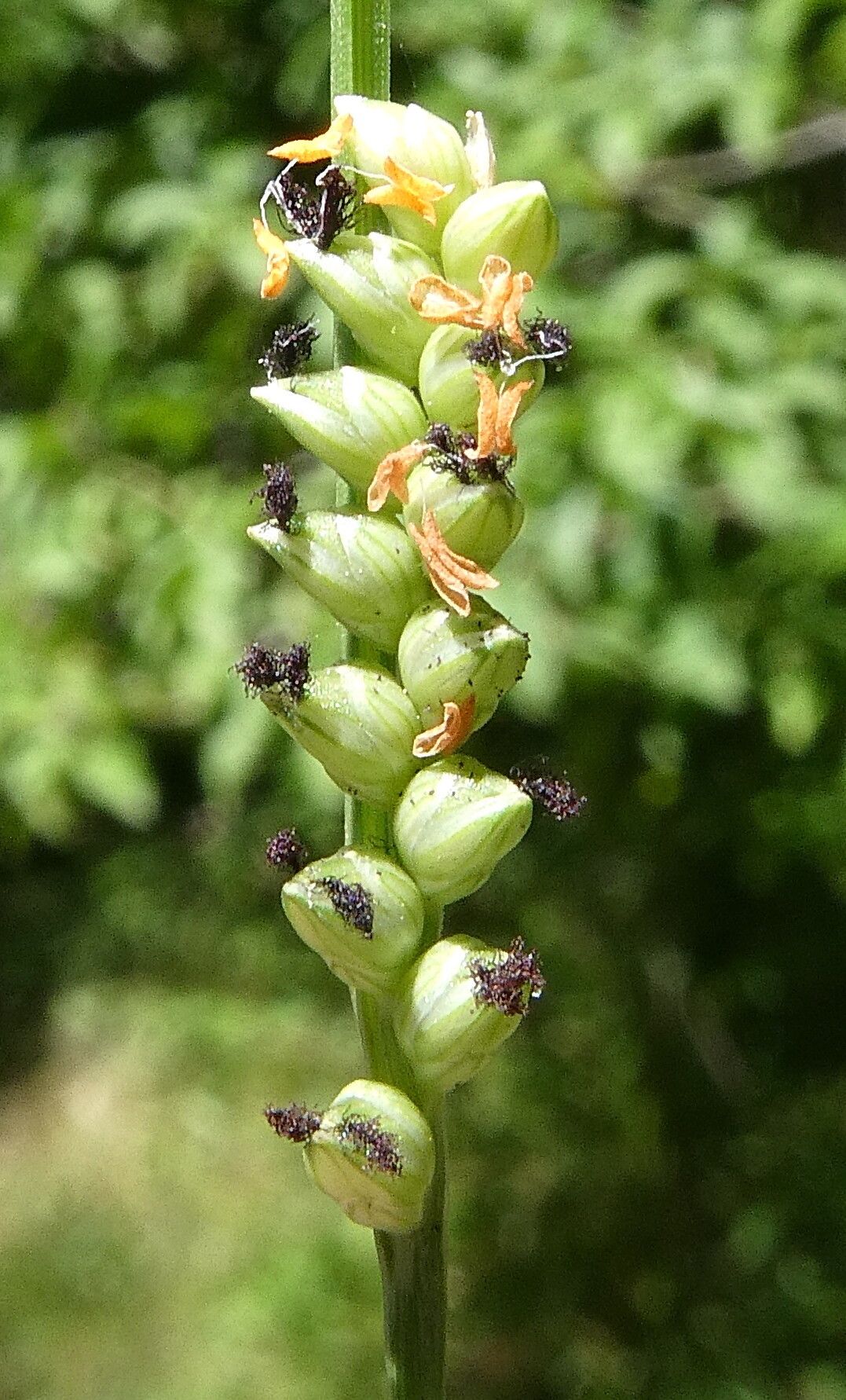
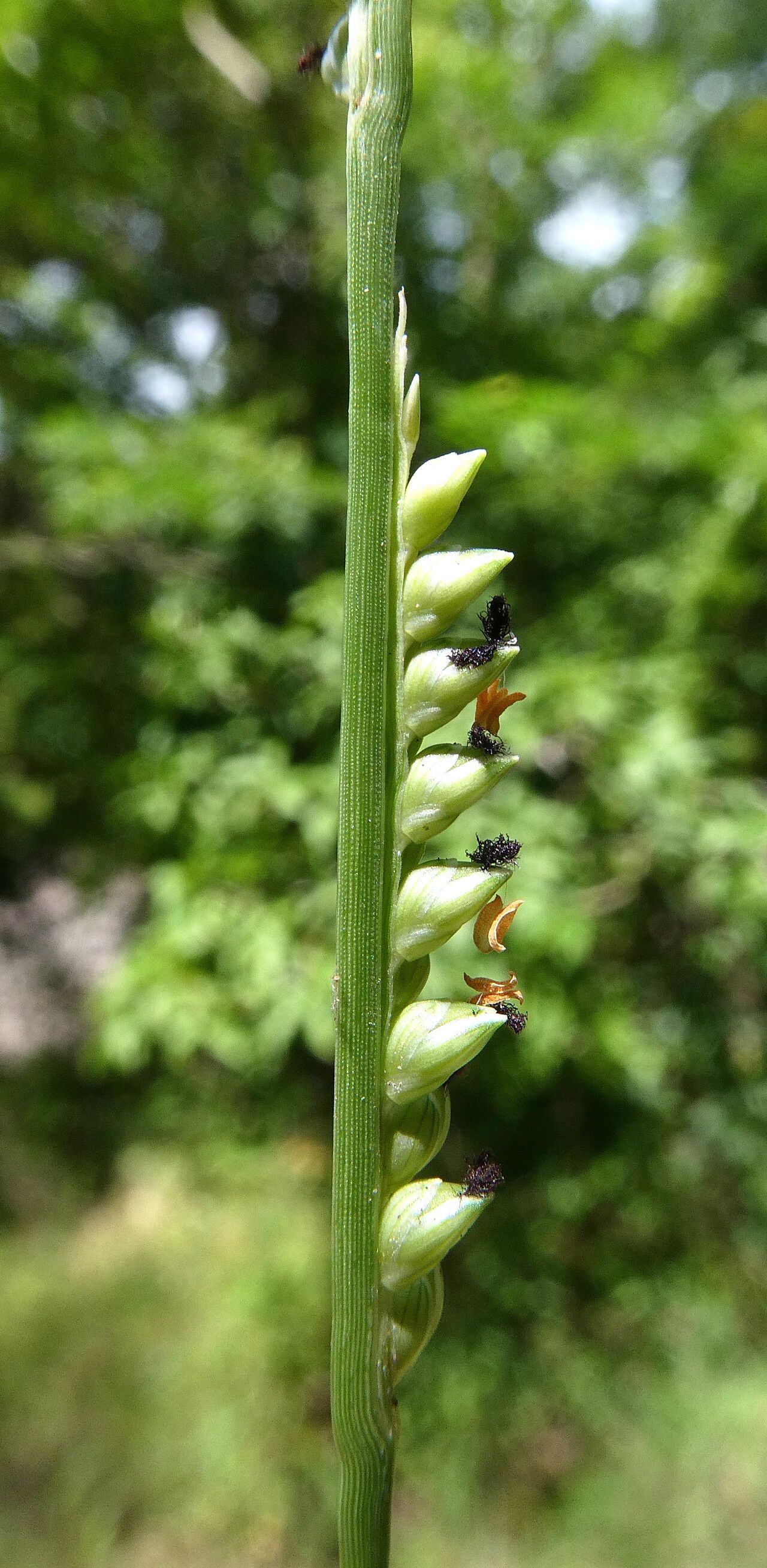
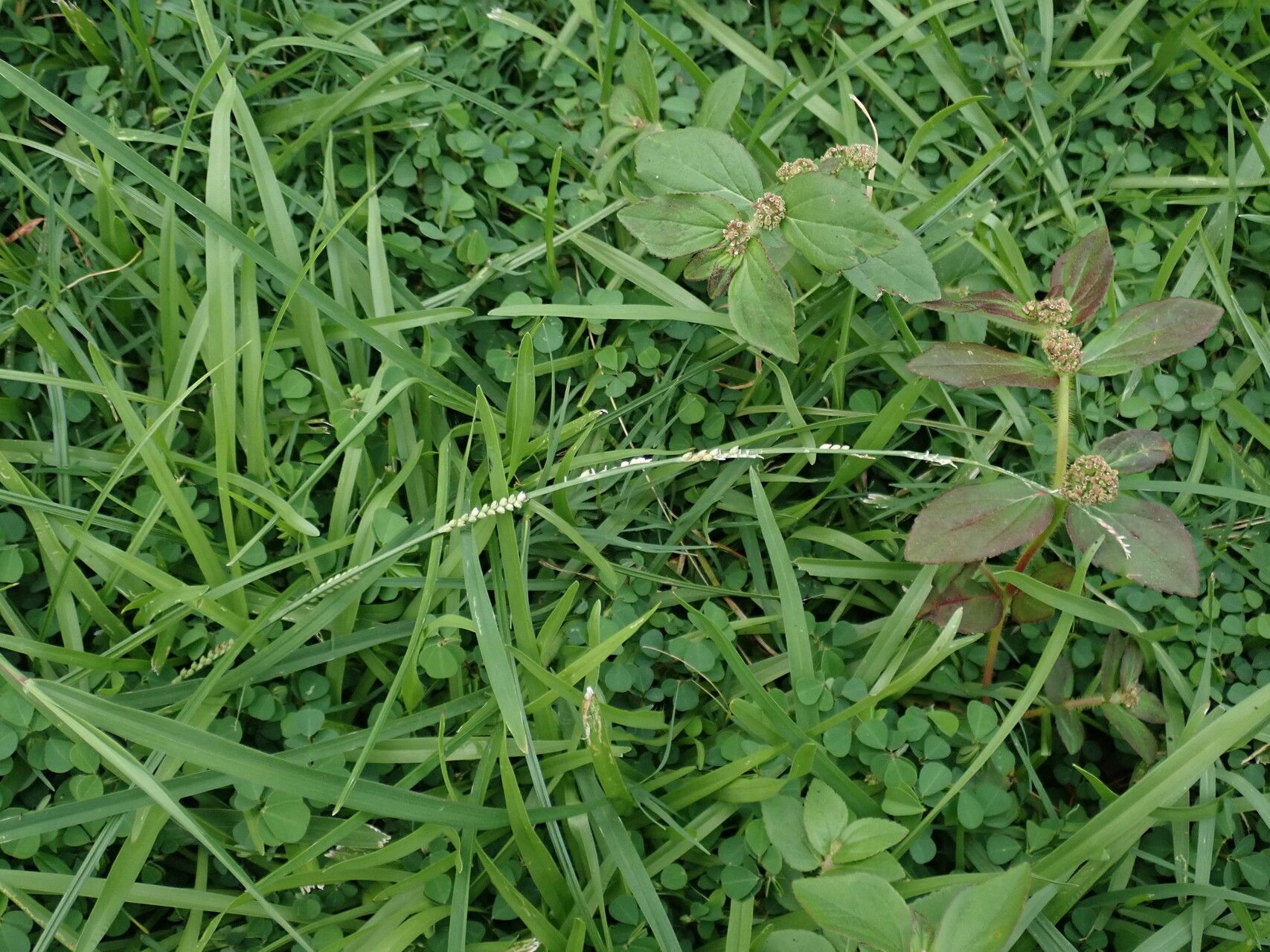
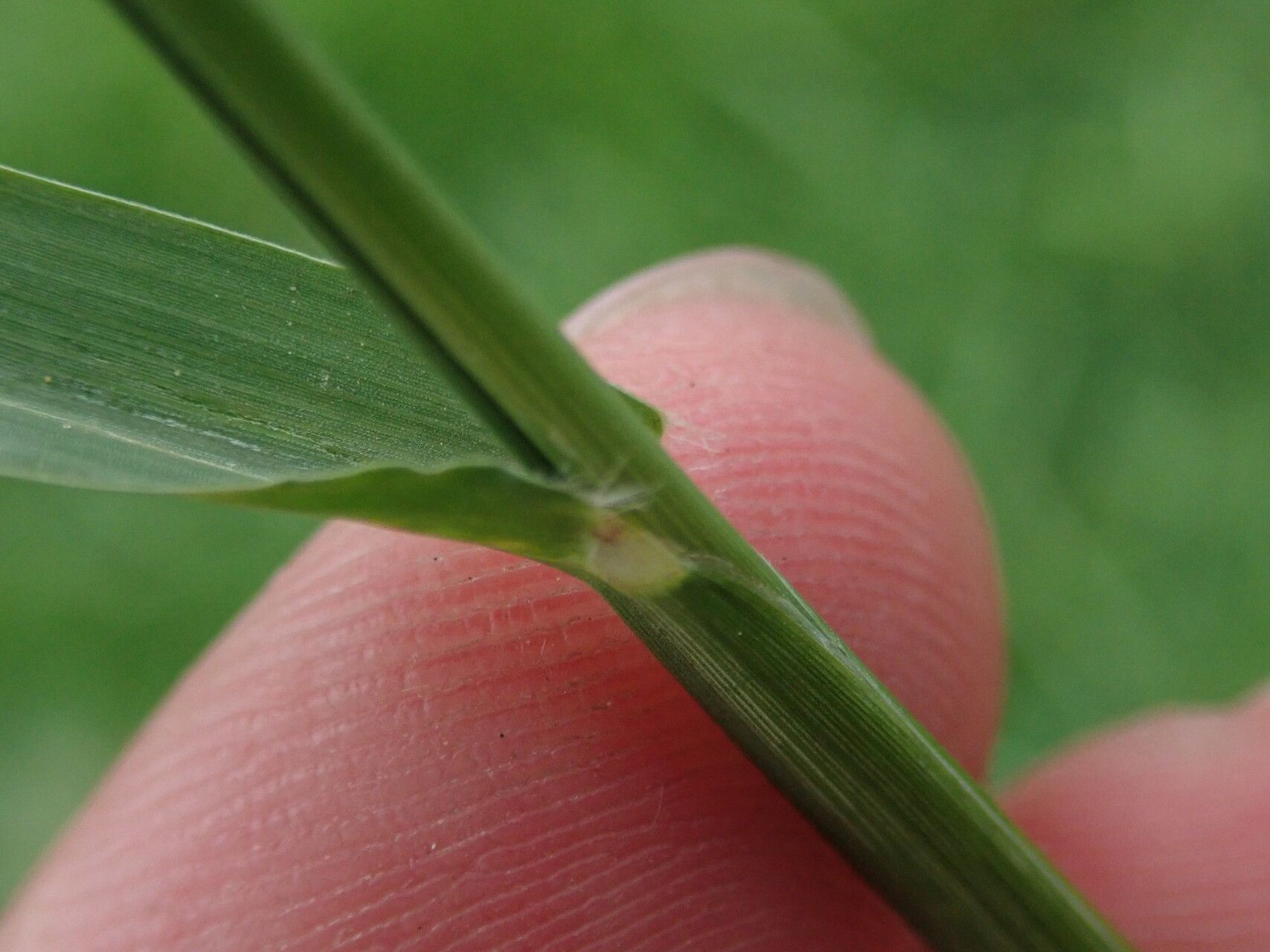
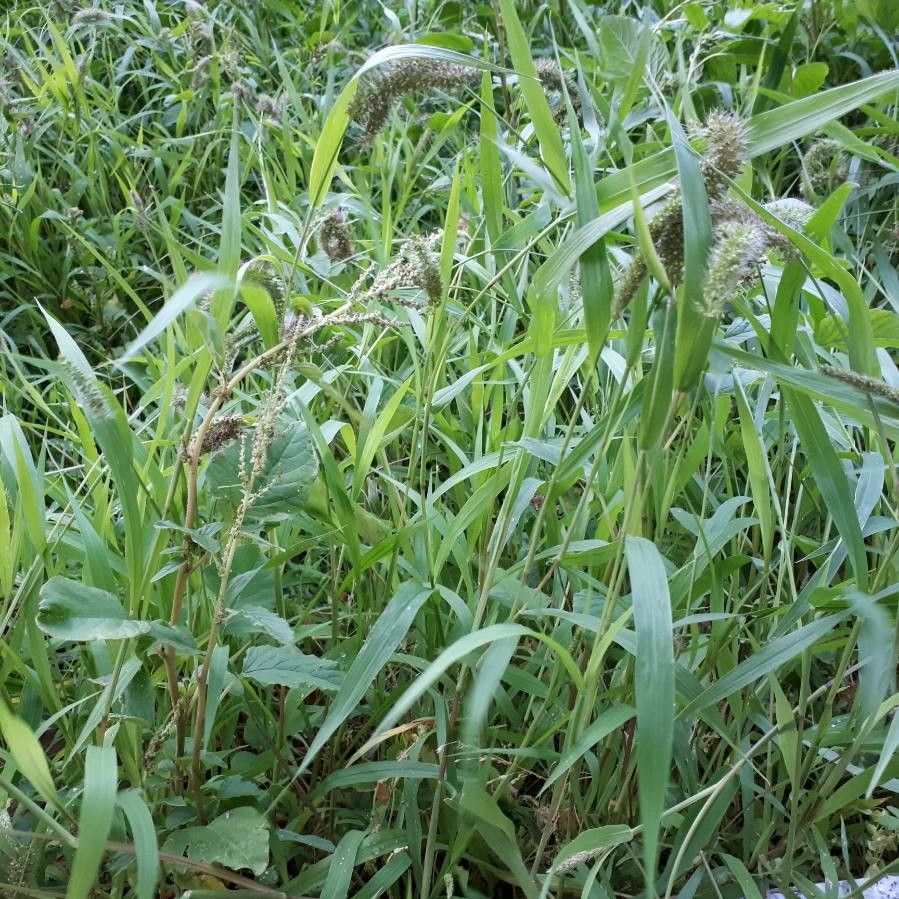
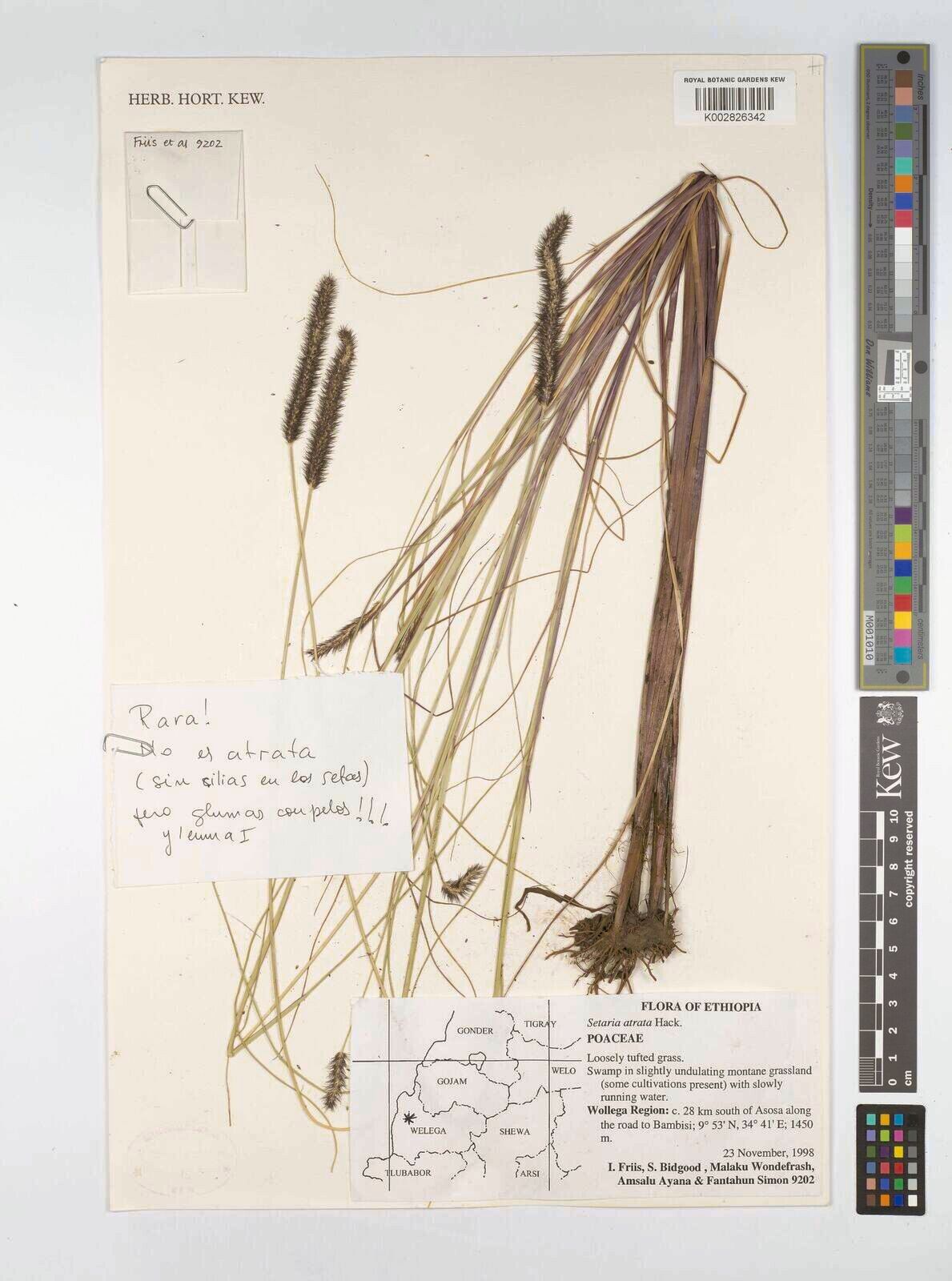
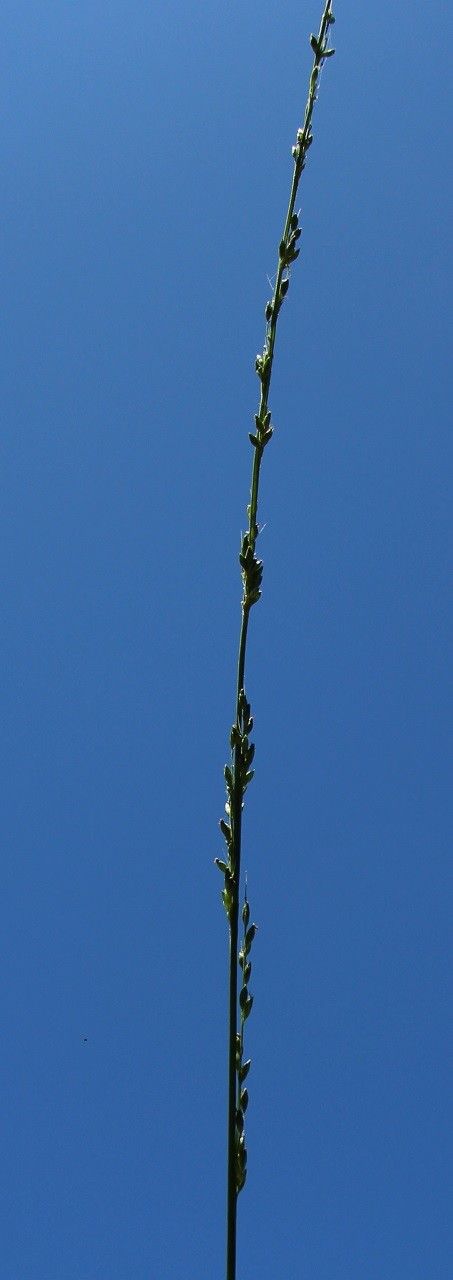
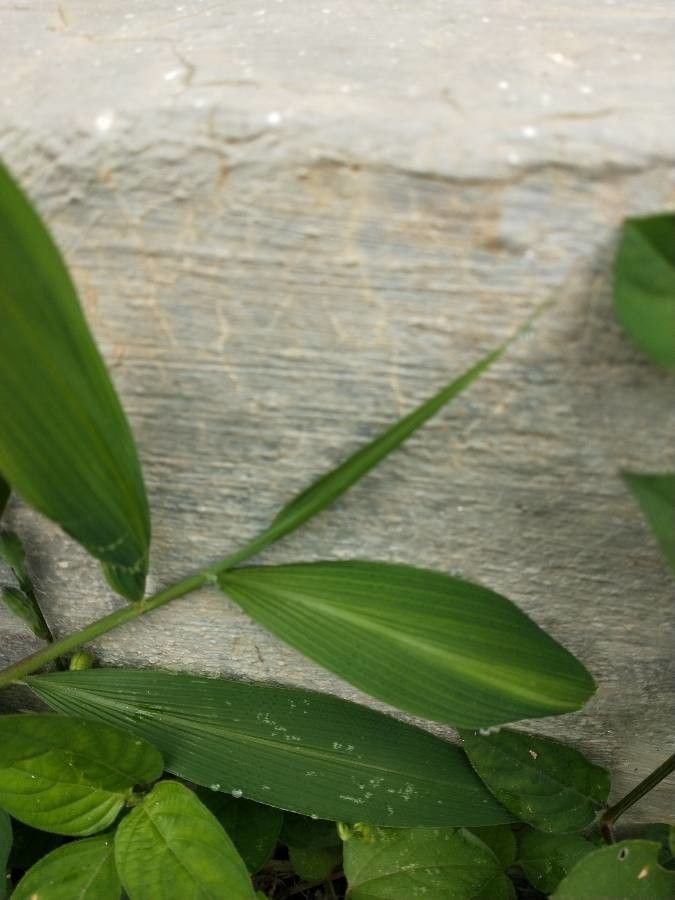
Foxtail Millet possesses good disease resistance and is generally not prone to illnesses. However, it can be vulnerable to pests and diseases present in its environment. Such infections are typically not serious. Regarding maintenance, this plant needs moderate care. It should be pruned regularly to maintain a neat appearance and support healthy growth. Applying fertilizer can also help encourage flowering. Foxtail Millet is suitable for anyone with outdoor space, like a garden or patio, and does not demand extensive plant-care experience. It may require additional attention when cultivated indoors.
How to keep Setaria Flavida.
Light
Foxtail Millet flourishes under conditions that provide substantial sunlight exposure. These conditions are typical of its native habitat, allowing for its best growth. It can withstand various levels of sunlight, but extreme or insufficient light can impact its health and lead to irregular growth patterns.
Temperature
Foxtail Millet originates from regions where the usual temperatures fluctuate between 68 to 100 °F (20 to 38 ℃). It prospers in this temperature band, adapting its development according to seasonal variations. To ensure the best growth, it is recommended to uphold these temperature conditions.
Fertilizer
Foxtail Millet thrives best with three instances of fertilization: prior to planting, a month post-emergence of the seedlings, and the last application between 1 to 1.5 months after the second one. Some varieties of Foxtail Millet are positively impacted by an extra dose of fertilizer during planting to foster swift growth.
Botanical profile.
- Plant Type
- Herb
- Life Cycle
- Annual
- Hardiness Zone
- 10-12
- Mature Height
- 1.22 m to 2.13 m
- Mature Spread
- 61 cm
- Leaf Color
- Green, Dark Green
- Leaf Type
- Deciduous
- Flower Color
- Tan
- Flower Size
- 1.02 cm to 5.08 cm
- Bloom Time
- Summer
- Planting Time
- Spring, Summer
- Harvest Time
- Late summer, Early fall, Mid fall
- Native Area
- Nepal, Sri Lanka, Saudi Arabia, Egypt, Turkey, India, Tajikistan, Cyprus, Armenia, Pakistan, Laos, Yemen, China, Uzbekistan, Russia, Afghanistan, Iraq, Kyrgyzstan, Indonesia, Italy, Cambodia, Myanmar, Bhutan, Iran, Azerbaijan, Thailand