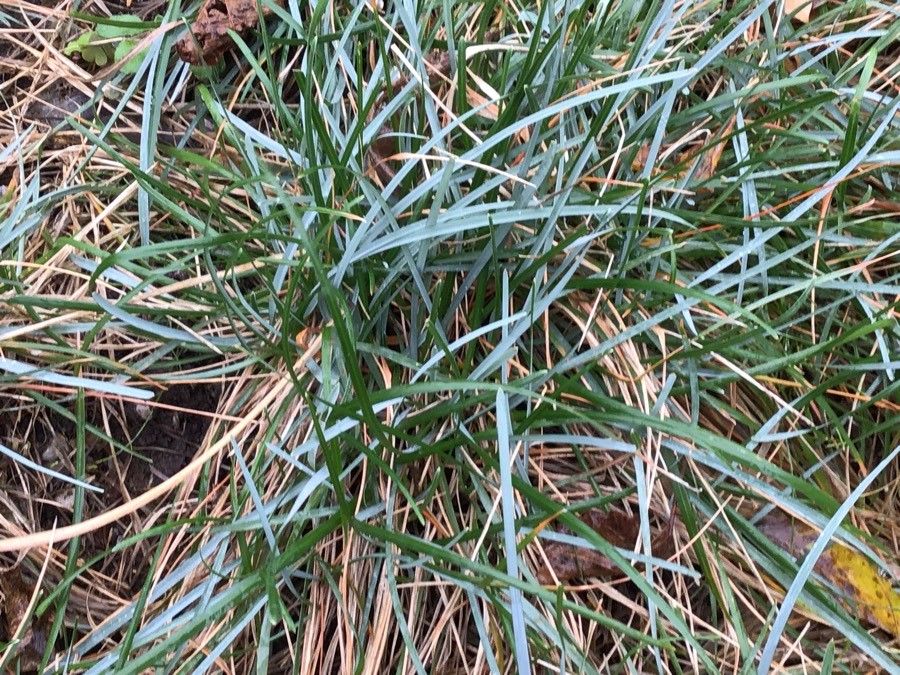
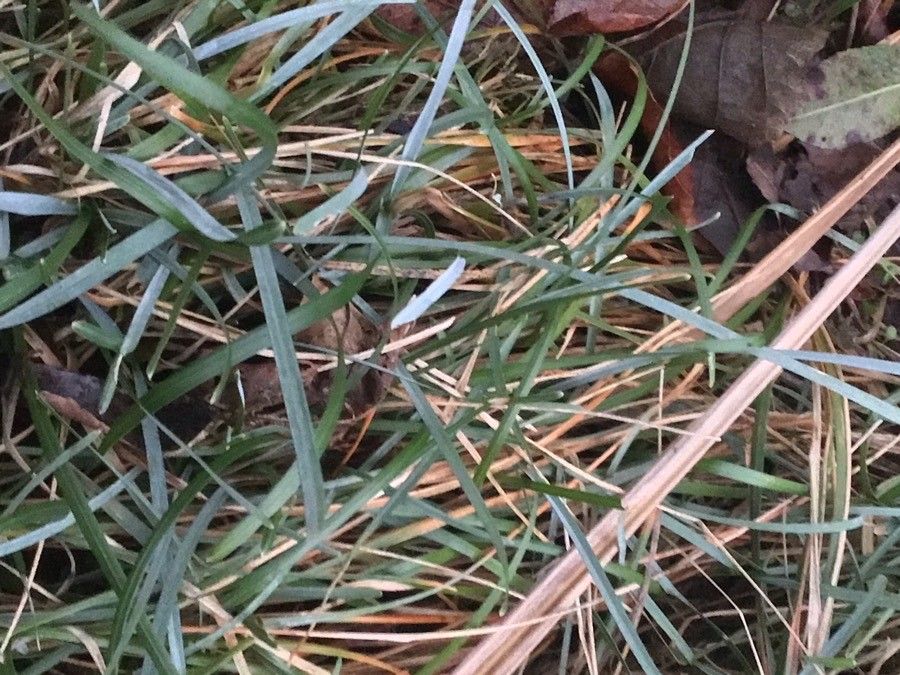
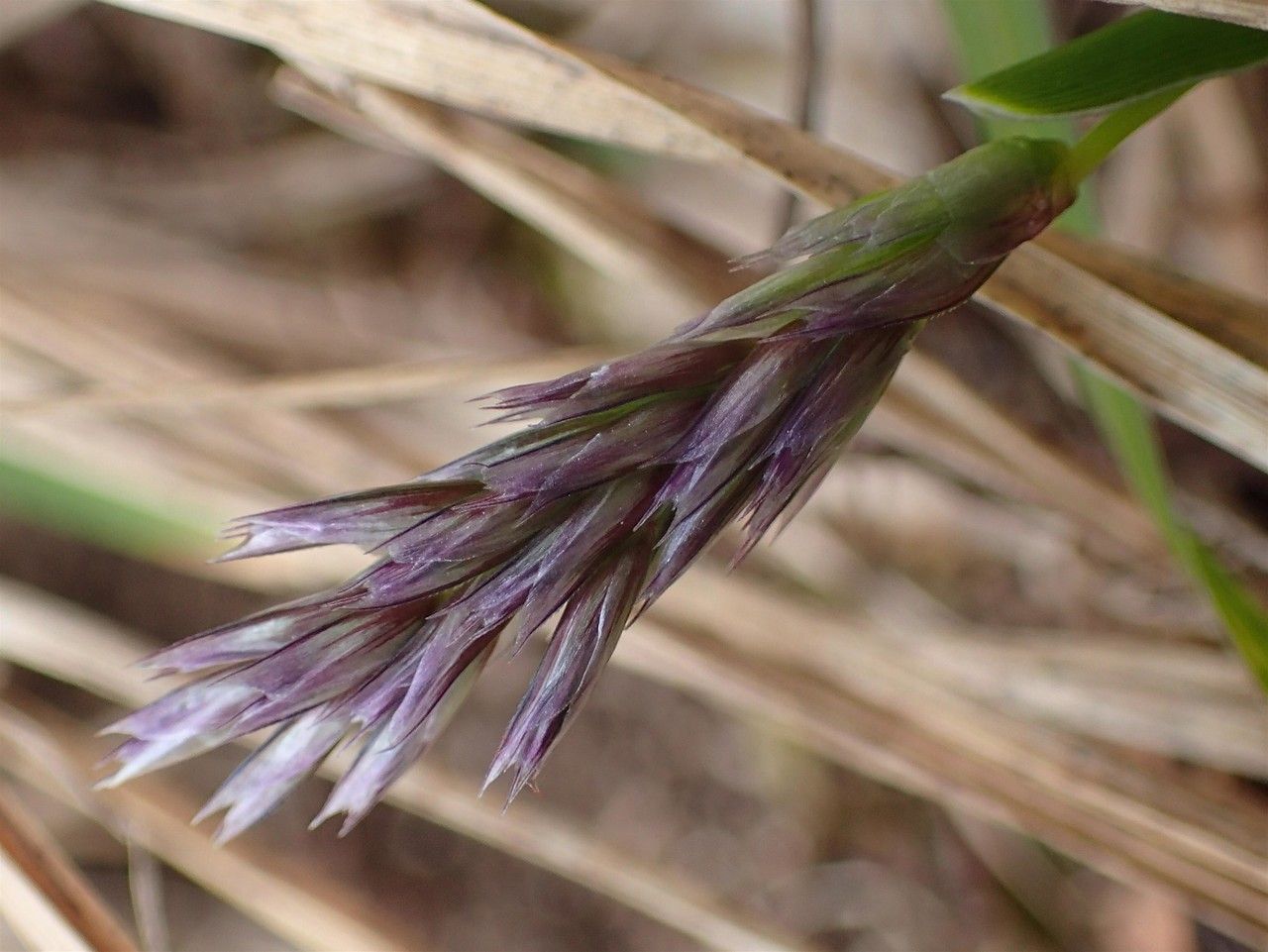
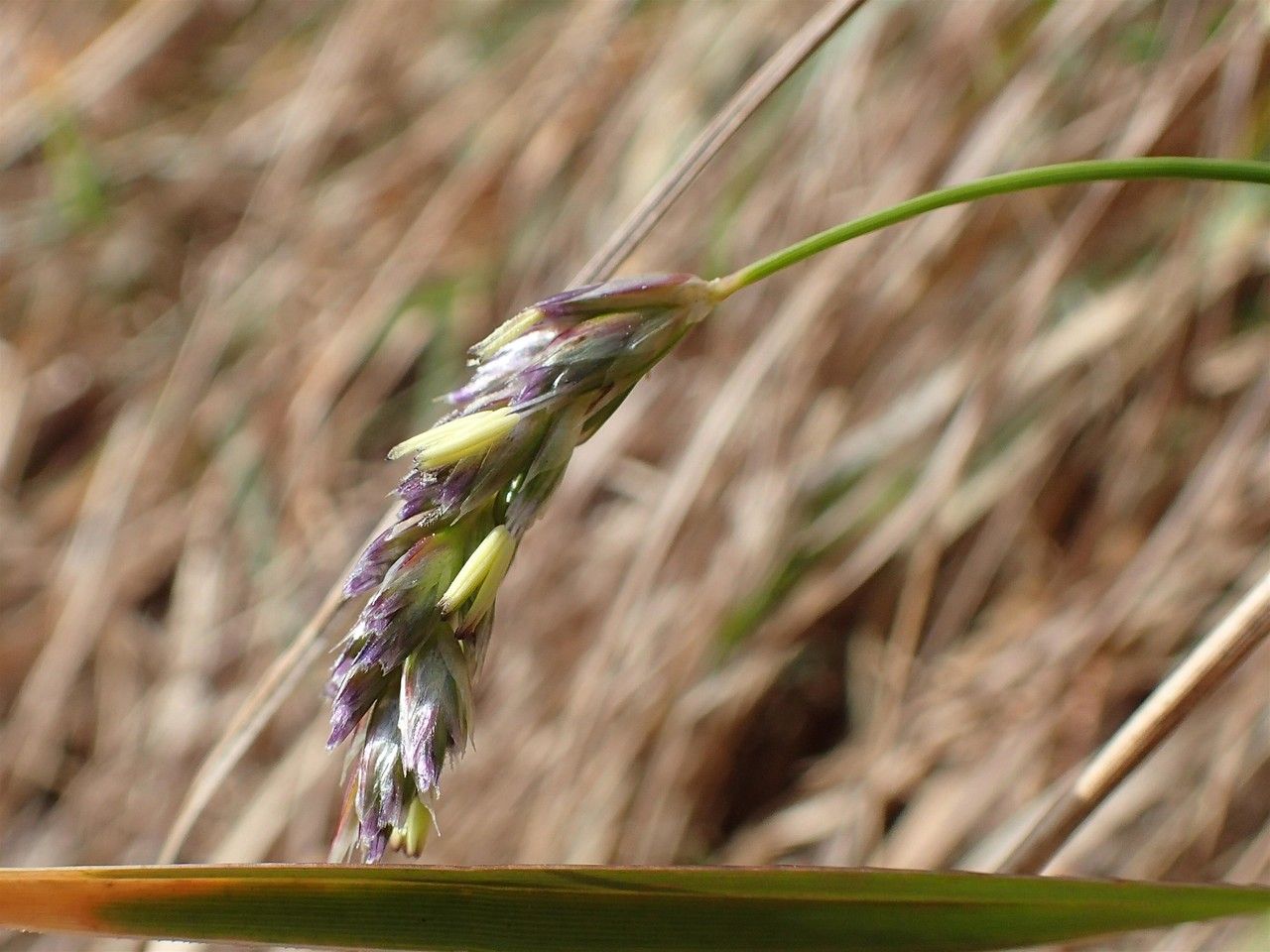
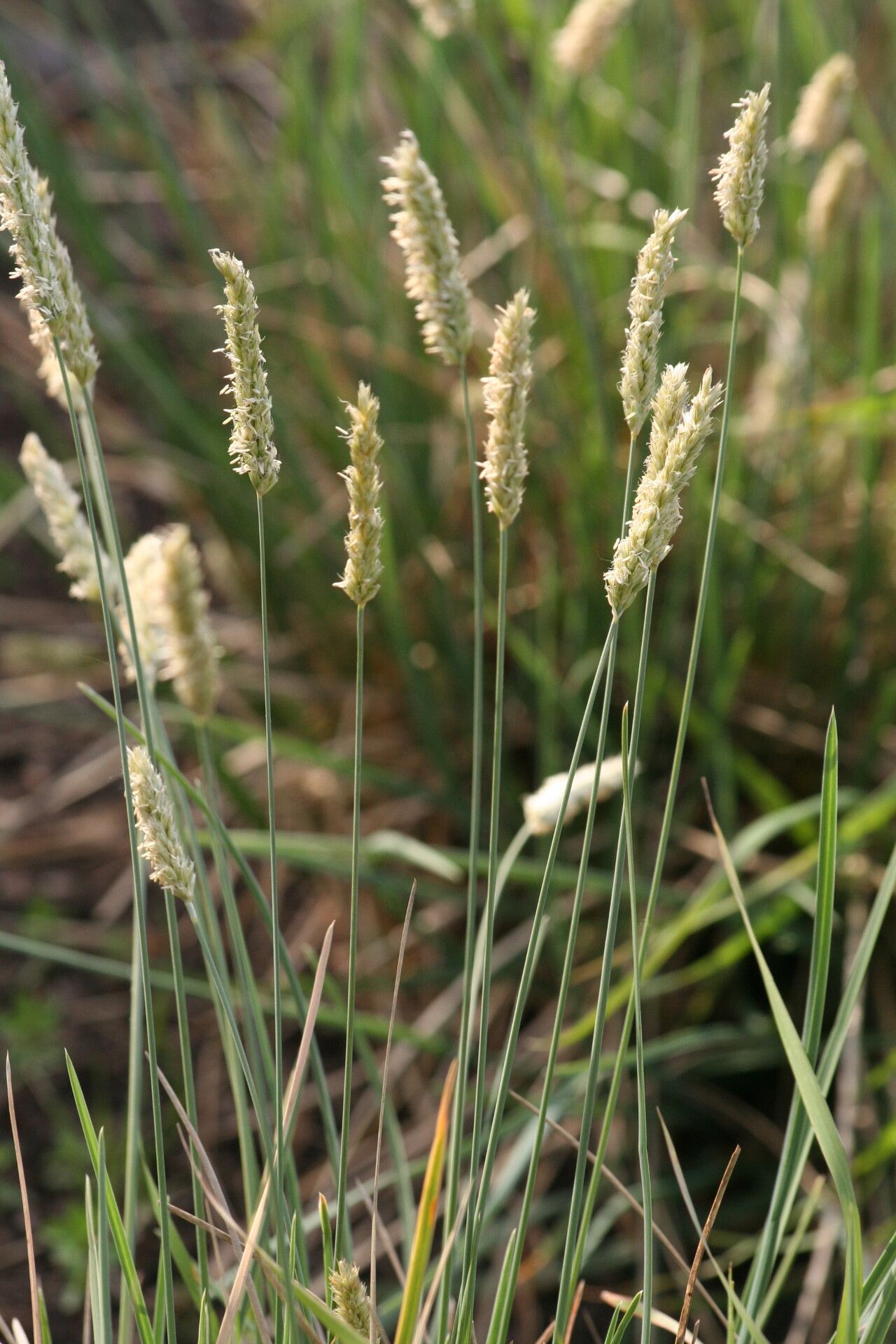
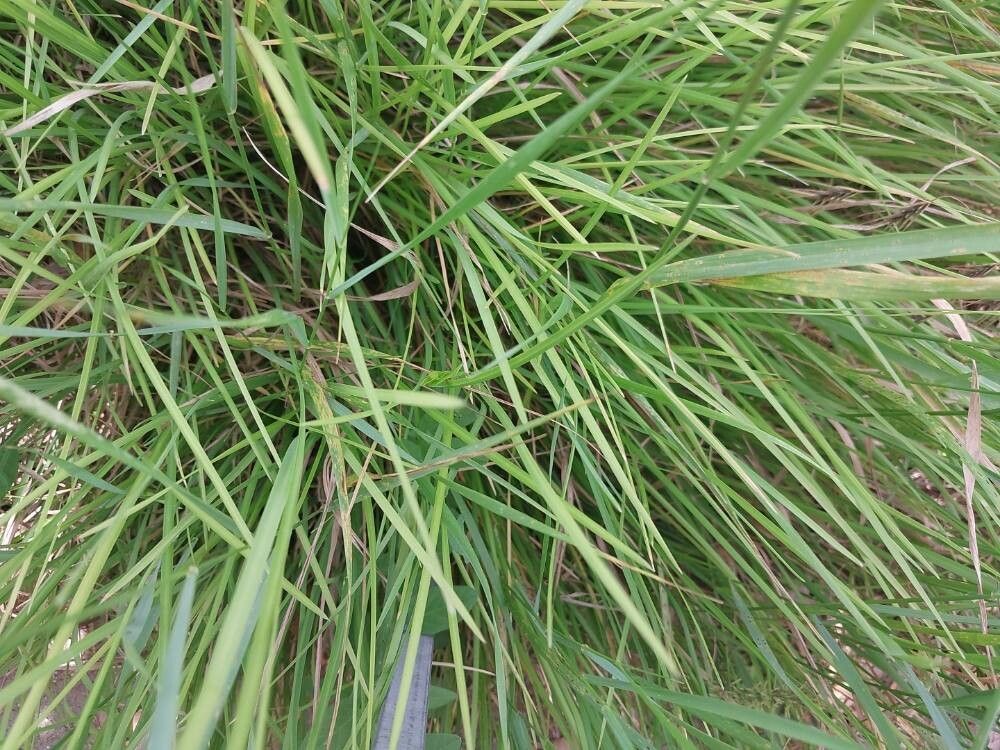
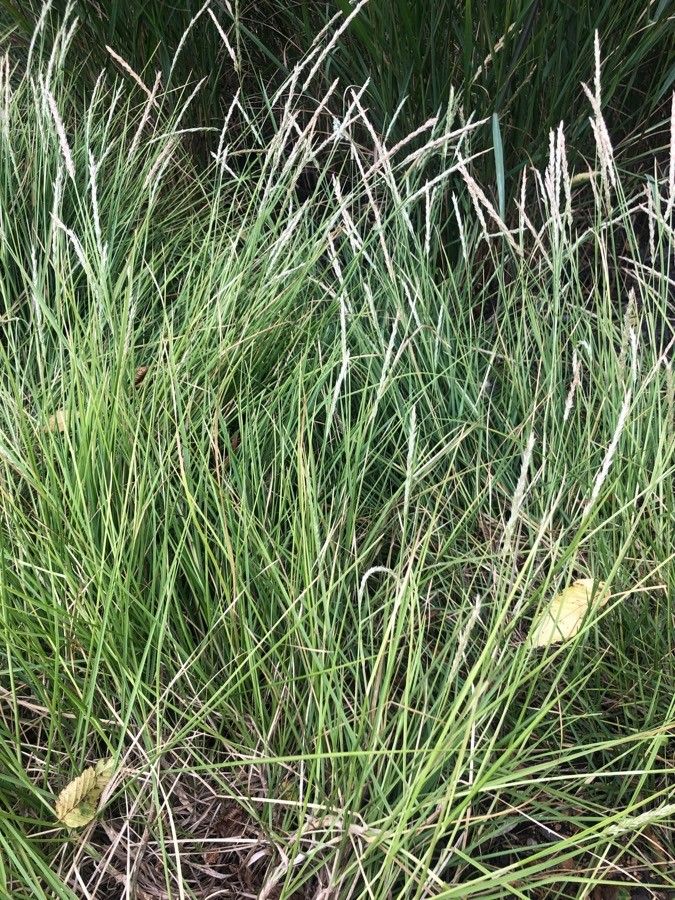
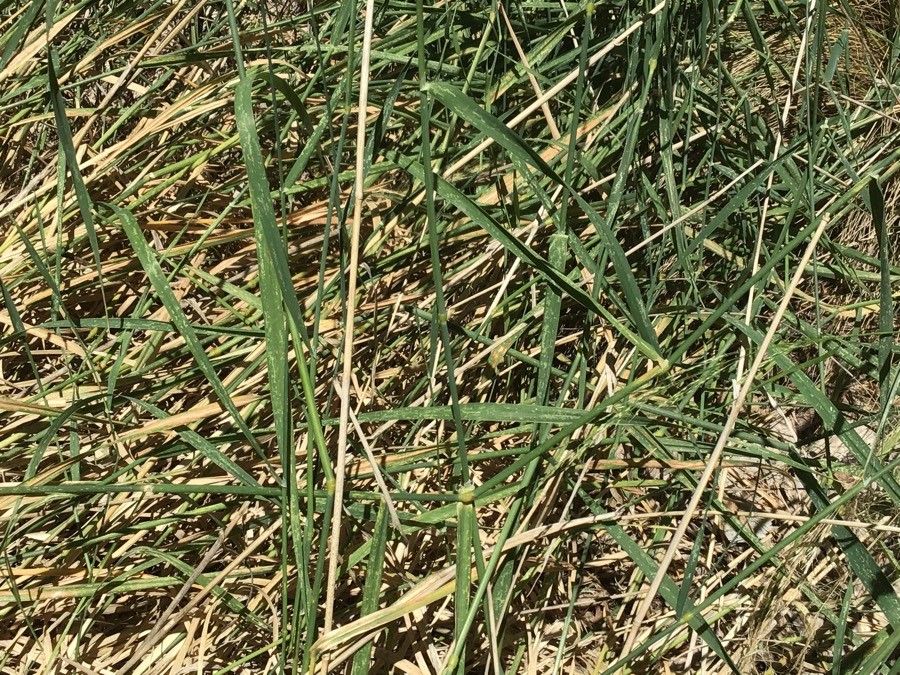
Sesleria caerulea, commonly known as blue moor grass, is a perennial grass native to Europe. This clump-forming plant typically reaches 30-60 cm in height and 30-45 cm in width. Its narrow, blue-green leaves have a slightly rough texture.
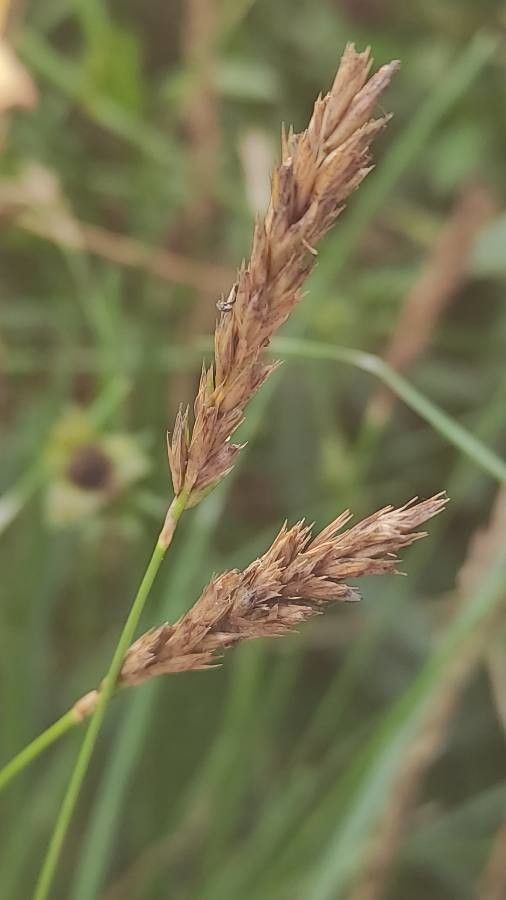
During the summer, the plant produces attractive flower spikes, usually 20-30 cm long. The small flowers are greenish-yellow in color.
Sesleria caerulea thrives in well-drained soils and prefers full sun to partial shade. While it is drought-tolerant once established, it requires regular watering during its first growing season.
This plant is popular for its attractive foliage and low maintenance needs, making it an excellent choice for use as an ornamental grass. It can serve as an accent or border plant, or be planted en masse for ground cover.
Overall, Sesleria caerulea is an excellent option for gardeners seeking a low-maintenance ornamental grass with striking foliage that can thrive in various growing conditions.
Blue moor-grass has strong resistance to disease and is generally not susceptible to illnesses. In terms of maintenance, this plant is fairly low-maintenance. Planted outdoors it needs little watering, and larger specimens usually do not require pruning. Smaller specimens should be cut back after they have finished blooming. Blue moor-grass is suitable for anyone with an outdoor area, such as a garden or deck, and does not demand much gardening experience.
How to keep Sesleria Caerulea.
Light
Blue moor-grass flourishes under abundant daylight energy, permitting optimal growth and vitality. It can also tolerate moderate sun exposure, although this may slightly reduce the plant's vigour. Native to habitats known for abundant sunshine, it struggles during prolonged periods of low light, which negatively affect its health.
Water
Blue moor-grass thrives in moist environments and needs consistent watering. It is not drought-tolerant, nor does it favor excessive humidity, so it requires weekly watering. This plant does well outdoors, especially in regions with ample rainfall that meet its natural moisture requirements.
Temperature
Blue moor-grass can tolerate a wide range of temperatures, but its distribution can still be restricted by different combinations of moisture and heat. It does best in warm summer conditions with sufficient rainfall or watering. Extended periods of cloudy, rainy weather, as well as prolonged high temperatures, can increase the likelihood of Blue moor-grass dying. In winter, protecting it from cold can improve its survival rate.
Fertilizer
Blue moor-grass needs extra nutrients to promote healthy new growth. In spring, applying some compost around the base of the plant can effectively supply the necessary nourishment. Fertilizing supports vigorous growth and helps the plant resist diseases and pests.
Pruning
Pruning blue moor-grass in early spring helps maintain its shape and promotes healthy growth. To encourage new shoots, remove dead leaves and trim away old foliage, which enhances its appearance and prevents overcrowding and disease. Be sure to use clean, sharp tools for the most effective pruning.
Pot & Repot
When repotting Blue moor-grass, choose a pot 1–2 inches (2.5–5.1 cm) larger with ample drainage. Use a well-draining potting mix. Repot in spring or fall, making sure the root ball sits slightly lower than the rim of the flower pot. Water thoroughly after repotting and place the pot in a warm spot with indirect sunlight.
Botanical profile.
- Plant Type
- Grass
- Life Cycle
- Perennial
- Genus
- Sesleria
- Family
- Poaceae
- Hardiness Zone
- 4-9
- Mature Height
- 10 cm to 49 cm
- Mature Spread
- 10 cm to 49 cm
- Leaf Color
- Green, Blue
- Leaf Type
- Evergreen
- Flower Color
- Blue
- Flower Size
- 0.51 cm to 1.27 cm
- Bloom Time
- Early spring, Mid spring
- Planting Time
- Spring, Autumn
- Harvest Time
- Late spring, Early summer
- Native Area
- Sweden, Austria, Czech Republic, Slovakia, Romania, Bulgaria, Poland, Croatia, Slovenia, Belarus, Russia, Lithuania, Germany, Switzerland, Finland, Estonia, Hungary, Latvia
Other names.
Reader questions.
What should I do if I give my Blue moor-grass too much or too little water?
If you don't water this beautiful ornamental grass properly, it won't grow well. When it's planted in the ground, you can fix watering issues, but in a container, too much or too little water will quickly kill Blue moor-grass. If it doesn't get the right amount of water, it may stop growing. Giving it too much water will cause yellow leaves with brown tips. Giving it too little water will make the leaves droop, reduce seed production, and turn the leaves brown. If you think your Blue moor-grass has been watered incorrectly, first determine if it's getting too much or too little water. If it's getting too much, stop watering it right away. It may take a few weeks for heavy soils to dry out, so be patient. Once you see new growth, test the soil for moisture and decide if it needs more water. If it's getting too little water, simply give it a deep drink and see if it perks up. Remember, it's better to water deeply and infrequently, as this encourages deep root growth, making the grass more resistant to drought and water-related problems.
Why should I put fertilizer on my Blue moor-grass?
Fertilizing Blue moor-grass is crucial for its overall health and growth. Providing your plant with extra nutrients not only promotes healthy new growth but also supports the well-being of existing growth, while enhancing its resistance against diseases and pests.
What are the sunlight requirements for Blue moor-grass?
Blue moor-grass requires full sun, meaning it thrives best with above 6 hours of direct sunlight daily. It can also tolerate partial sun conditions, which is about 3-6 hours of sunlight each day. Observing how sunlight moves through your garden will help you choose the best spots that provide the balance of light and shade necessary for the plants, ensuring their overall happiness and health.
How frequently should I water my Blue moor-grass?
The watering needs of Blue moor-grass will depend on its planting location. In general, watering once a week is recommended. However, in hot climates, watering once or twice a week in summer may be necessary. In moderate climates, watering once every seven days or longer may be sufficient. Keep in mind that grass in containers usually needs more frequent watering than grasses in the ground. Additionally, the location of the grass matters, as shaded grasses require less frequent watering compared to grasses in the ground. To determine when to water, there are a few signs to look out for. Pressing your finger a couple of inches into the soil will indicate if it's dry. For potted grass, you can weigh it with a portable scale or simply feel the pot's lightness due to lack of water. When the roots lack enough water, the grass blades may appear folded along their centers and thinner than usual. Despite its drought tolerance, regular deep waterings will enhance the grass's color. In the wild, Blue moor-grass grows in open scrubland, facing extreme heat, bright sun, and intermittent rain. Although it's drought-resistant, the grass still requires care and attention. Consistent watering is recommended by gardeners for optimal thriving. When freshly planted, Blue moor-grass will need more frequent watering until it establishes deep roots. For potted grass, especially in hot, direct sun, the soil will dry out quickly. Check the soil every 3 to 4 days and water only when it feels dry. Blue moor-grass in the ground generally requires less watering, but it depends on the soil type. Clay soil holds water for a longer time and may feel dry at the surface while retaining moisture below. Sandy soils that drain quickly will need more frequent watering.
When should I fertilize my Blue moor-grass?
To ensure the survival of Blue moor-grass in your garden, it is important to know when to fertilize it. Blue moor-grass does not need a lot of nutrients and does not require additional fertilizers when it is dying back. Instead of applying diluted fertilizer at the beginning of the growing season, it is better to spread mulch or compost around the base of the plant.
How does sunlight affect the growth of Blue moor-grass?
The growth and vitality of Blue moor-grass significantly benefit from the abundant energy provided by daylight, making optimal growth possible under full sun conditions. While it can handle moderate sun exposure, its vigor may slightly decline. Originating from sun-rich environments, Blue moor-grass struggles during prolonged low light periods, which could negatively impact its health.
What do I need to be cautious about when watering my Blue moor-grass at different times of the year, in different weather conditions, or during different stages of growth?
To determine if you are watering your grass enough, pay attention to how fast it grows. For example, blue moor-grass tends to double in size within a year during the hottest months. If you notice that the weather is hot but the grass is not growing vigorously, it may be necessary to adjust your watering schedule. In winter, you might be able to water just once a month but it is still important to check the soil for moisture. During the warmer months when the grass is actively growing, it will require more water than usual. However, during winter and cooler months, the need for water decreases significantly. The key thing to remember with blue moor-grass is that the soil should be completely dry before watering again.
When is it not a good time to add fertilizer to my Blue moor-grass?
To ensure the health of Blue moor-grass, you can stop worrying about its feeding schedule because you are not using packaged fertilizers. Simply apply a layer of compost or mulch during the spring, and this will suffice to keep the plant happy all year long. There is no need to be concerned about mulching or composting during winter when the plant is dormant.
Can artificial lighting be used for Blue moor-grass, and how?
Yes, artificial lighting can be a useful solution for growing Blue moor-grass indoors, especially when natural sunlight is insufficient, like during winter or in less sunny spaces. Effective artificial lighting requires choosing the right type, such as LED lights, which can be tailored to provide specific wavelengths needed by plants. For full sun plants, 30-50W/sq ft of artificial light is needed, 20-30W/sq ft for partial sun plants, and 10-20W/sq ft for full shade plants. The light source should be placed 12-36 inches above the plant, and it's important to mimic natural daylight hours, with most plants needing 8-12 hours of light per day.
What kind of fertilizer does my Blue moor-grass require?
Instead of rushing to the garden center to buy fertilizer, you can save your time and money because blue moor-grass doesn't require extra nutrients. Instead, in the spring, you can simply lay down a layer of compost to provide the necessary nutrients for the plant. If you regularly mulch your garden, the bark will also help keep your plant healthy and nourished.
What are the symptoms of light deficiency in Blue moor-grass?
When Blue moor-grass doesn't receive adequate light, it may exhibit several symptoms indicating a light deficiency. These include smaller new leaves, leggy or sparse growth, faster leaf drop, slower or no new growth, lighter-colored new leaves, and symptoms like chlorosis, sunscald, leaf curling, wilting, and leaf scorching. These symptoms highlight the plant's struggle under low light conditions and its attempts to adjust by conserving resources or reducing exposure to excessive sunlight.
How can I add fertilizer to my Blue moor-grass?
For Blue moor-grass, the steps are the same whether you are using mulch or compost. Start by putting down a layer of the chosen material, making sure it covers the base of the plant. If you decide to use both mediums, remember to reduce the amount of compost. Adding a layer of mulch has dual benefits as it helps the soil retain moisture and provides nourishment for your plant.