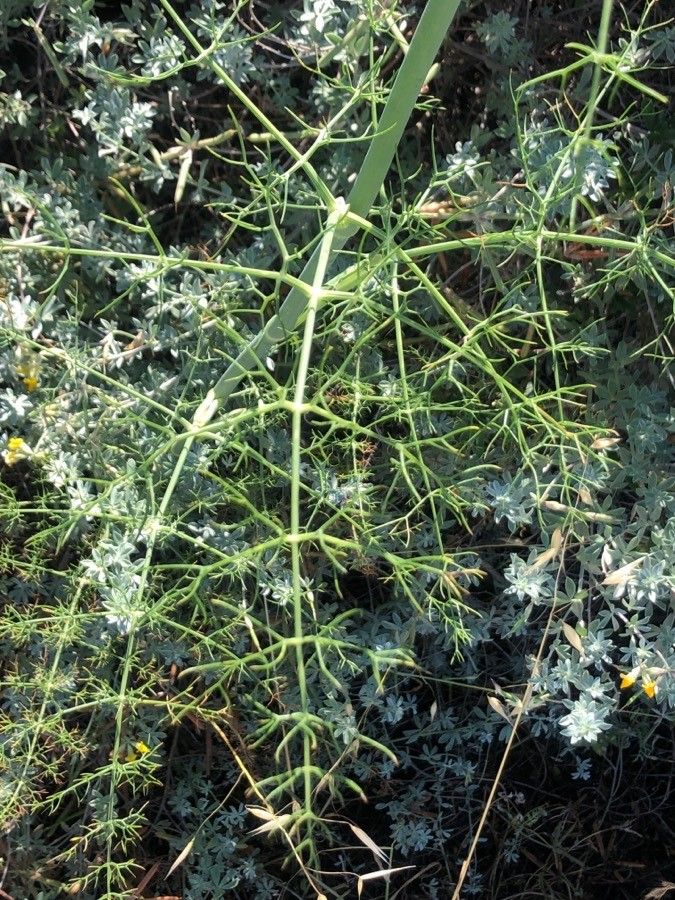
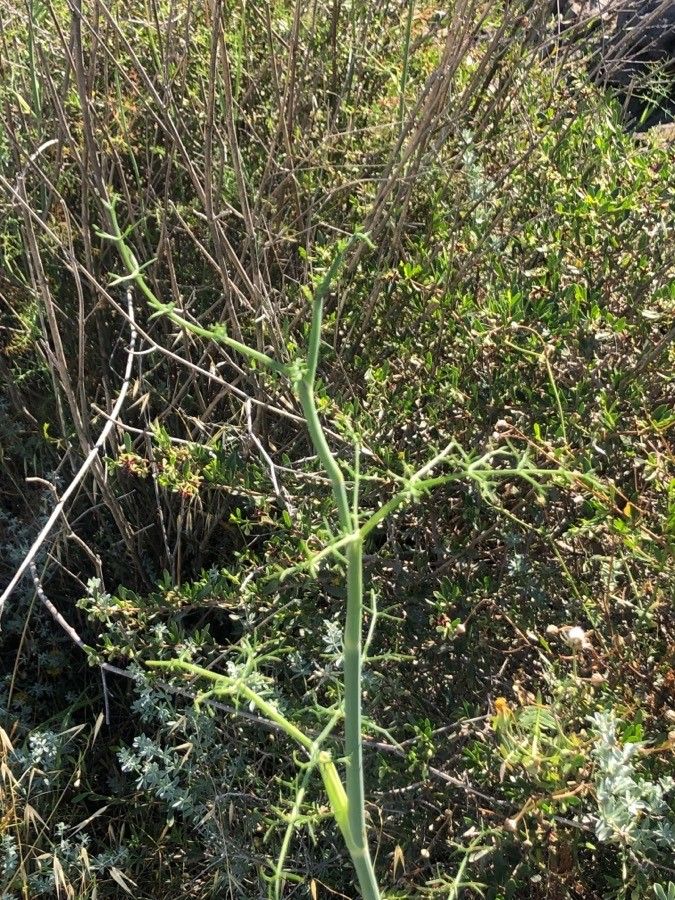
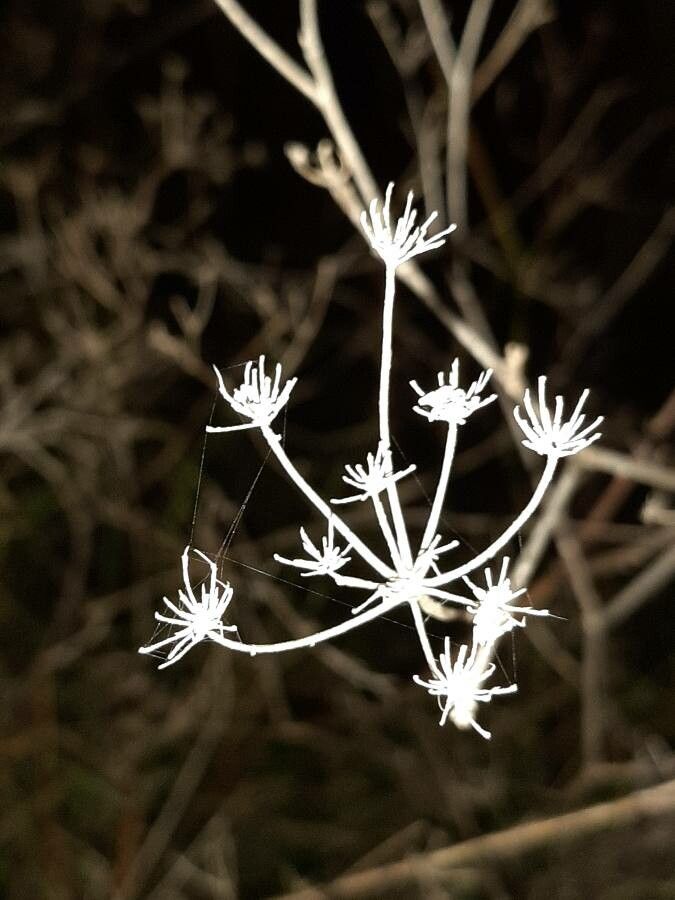
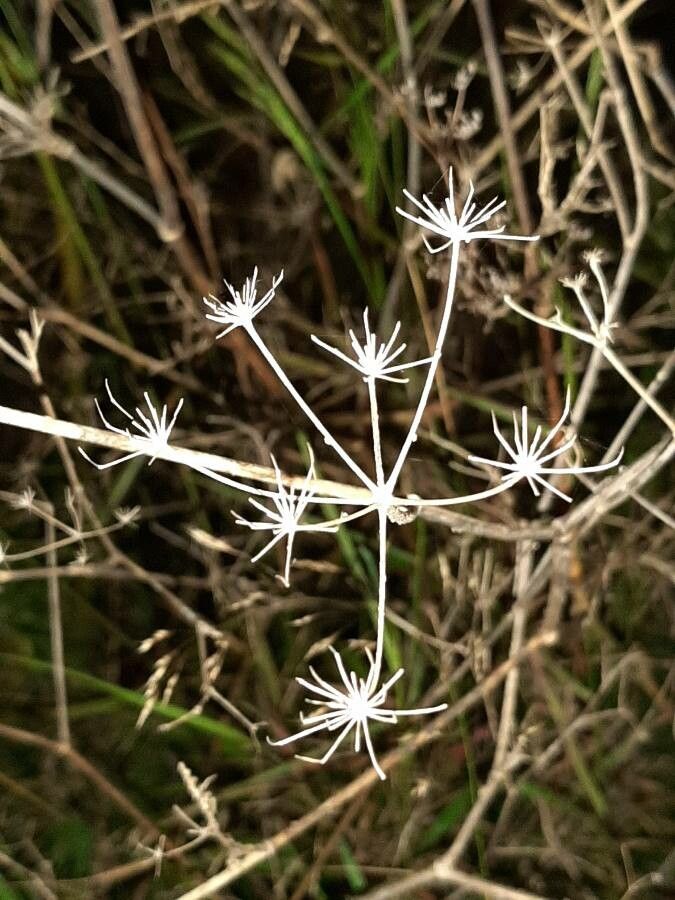
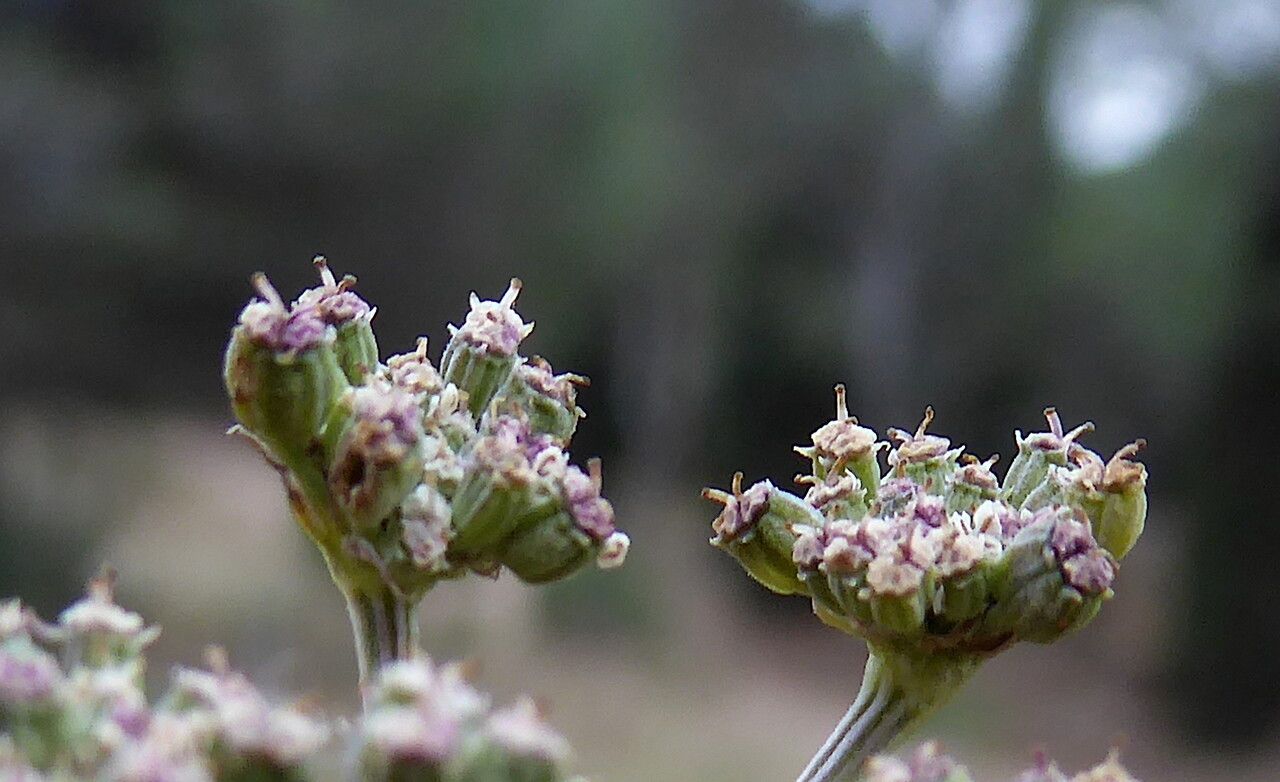
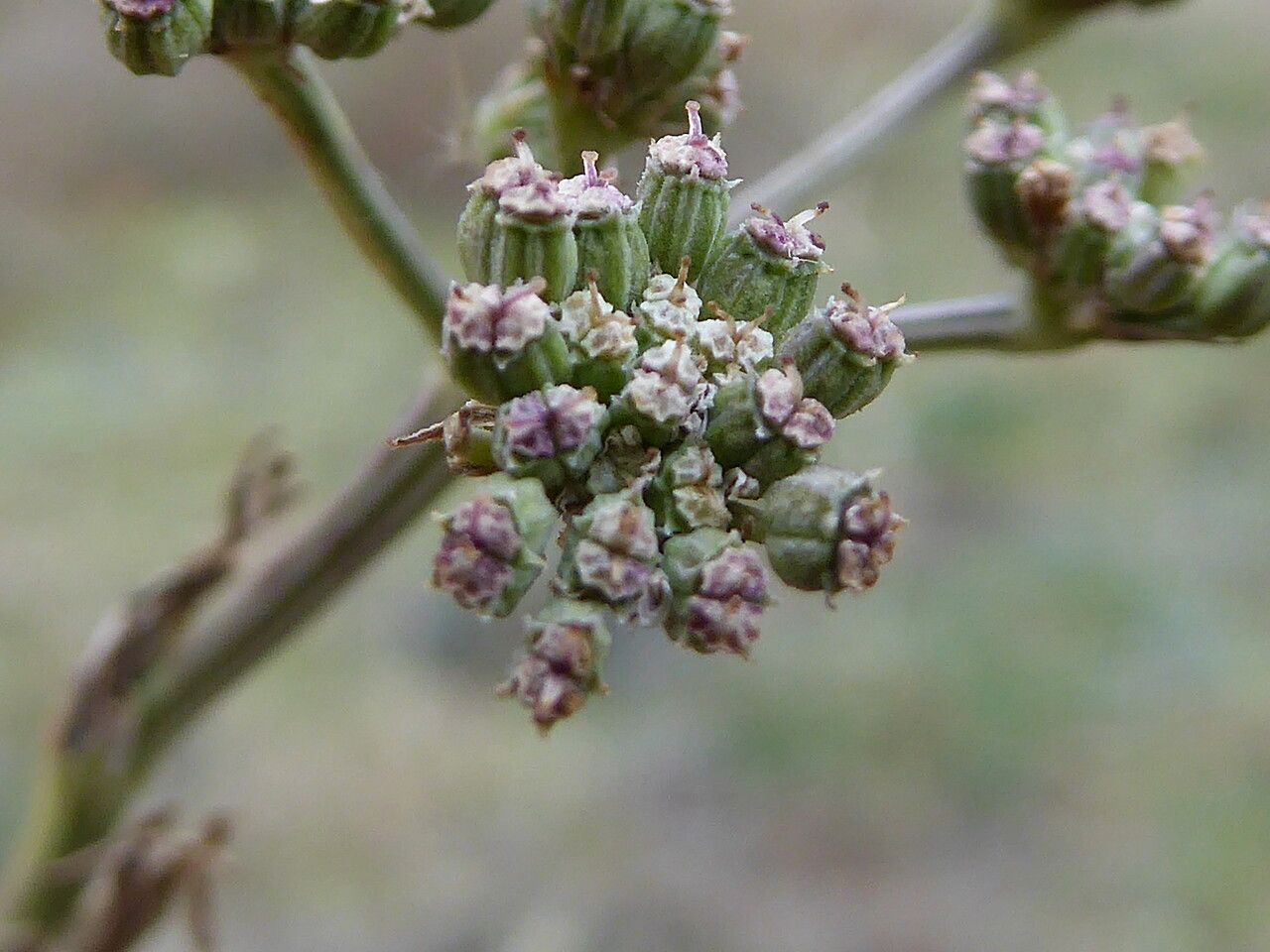
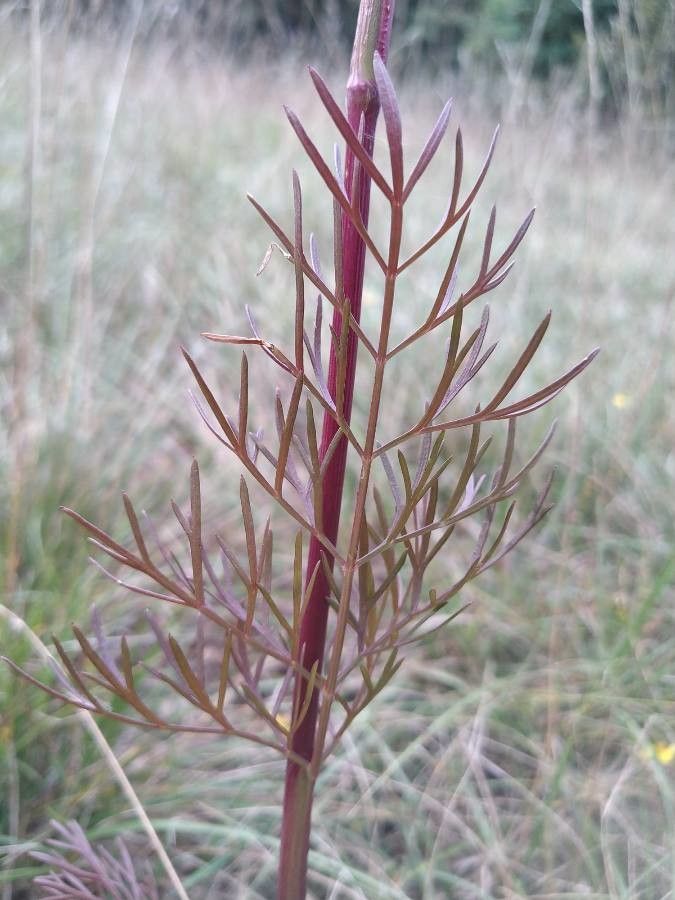
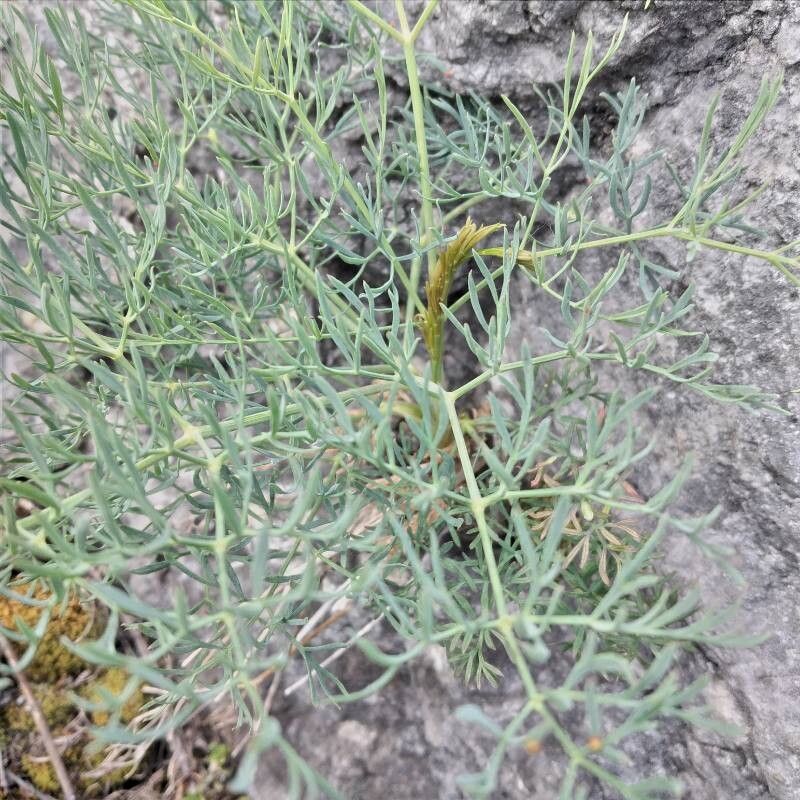
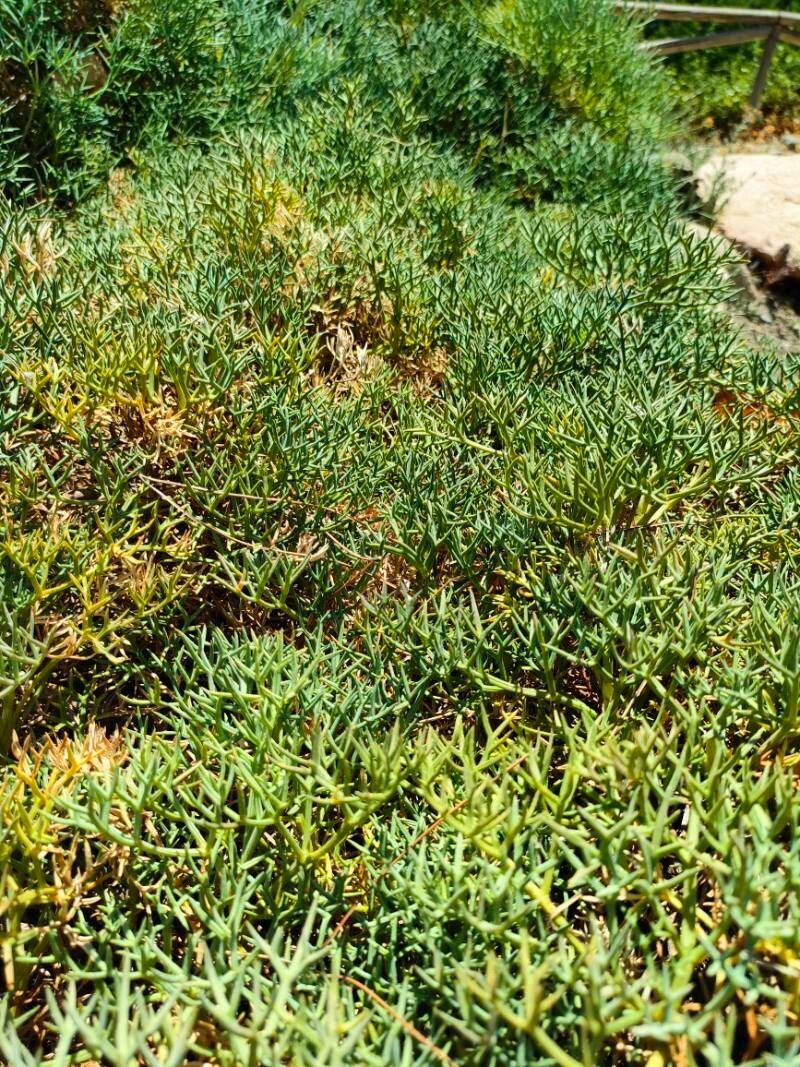
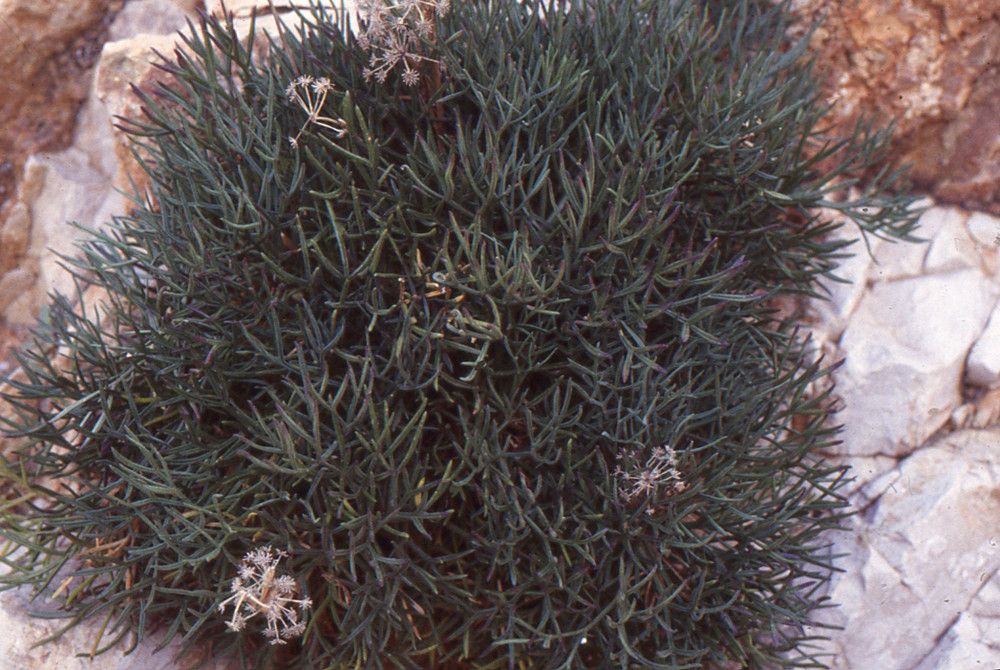
Seseli has strong resistance to disease and is usually not prone to illnesses. Still, it can be affected by pests and diseases present in its environment. These issues are typically not serious. For care, the plant needs moderate maintenance. It should be pruned regularly to preserve a neat appearance and encourage healthy growth. Using fertilizer can also help stimulate flowering. Seseli is suitable for people with outdoor areas like a garden or patio and does not demand extensive care experience. It may require more attention if cultivated indoors.
How to keep Seseli Tortuosum.
Light
Seseli comes from bright, open habitats and does best in full sun. It will tolerate some partial shade but prefers direct sunlight for optimal growth. This plant, which can be annual or biennial, is noted for its preference for sunny conditions.
Water
Seseli is well-suited for rocky, arid environments thanks to its excellent drought tolerance and minimal moisture requirements. It is best to water Seseli once a week, as overwatering can damage the plant. Typically grown outdoors, Seseli is perfect for xeriscaping, which helps reduce the need for irrigation.
Temperature
Seseli originates from environments where temperatures usually range from 68 to 95 °F (20 to 35 ℃). It clearly favors a warmer climate. Temperature changes should be gradual to avoid causing stress. Providing moderate shelter during extreme seasons is recommended.
Fertilizer
Seseli are regarded as heavy feeders with respect to nutrients. They need frequent, low doses of nitrogen and potassium fertilizers and periodic applications of phosphorus, micronutrients, sulfur, and magnesium to maintain good growth and bright coloration. Continuous fertilization throughout the growing season is necessary to prevent deficiency symptoms and maintain optimal growth.
Pruning
Seseli plants have intricate foliage that requires pruning mainly from early to late spring. During this time, remove any dead stems and thin out overcrowded branches to improve air circulation. You can also lightly trim the plant to maintain its shape. This seasonal pruning promotes healthy growth, boosts vitality, and extends the blooming period.
Botanical profile.
- Plant Type
- Herb
- Life Cycle
- Biennial, Perennial
- Genus
- Seseli
- Family
- Apiaceae
- Hardiness Zone
- 8-10
- Mature Height
- 20 cm to 61 cm
- Mature Spread
- 20 cm to 40 cm
- Leaf Color
- Dark Green
- Leaf Type
- Deciduous
- Flower Color
- White
- Flower Size
- 2.03 cm to 4.06 cm
- Bloom Time
- Early summer, Mid summer
- Planting Time
- Spring, Summer, Autumn
- Harvest Time
- Late summer, Early fall
Other names.
Reader questions.
How should I water my Seseli plant in the best way?
To properly water the Seseli plant, it is best to use filtered water at room temperature. Tap water may contain harmful particles that could negatively affect the plant's health. Additionally, considering the Seseli plant originates from a warm environment, it is important to avoid using cold water, which could shock its system. Instead of watering from above, it is advisable to directly apply the filtered room temperature water to the soil until it is completely saturated. This method promotes healthy root development and allows for the absorption of essential nutrients.
What are the sunlight requirements for Seseli?
Seseli, also known by its botanical name Seseli tortuosum, thrives in environments that provide full sun, meaning it needs more than 6 hours of sunlight daily to grow optimally. It can also tolerate partial sun, which is about 3-6 hours of sunlight. However, for the best health and growth, ensuring your Seseli gets an adequate amount of sunlight is crucial. There's a note to observe how sunlight moves throughout your garden to find spots that offer a good balance of light and shade, which is vital for the plant's well-being.
What is Seseli's preferred climate?
Seseli, also known by its botanical name Seseli tortuosum, prefers warmer climates, thriving in habitats where the temperature ranges from 68 to 95 °F (20 to 35 °C). The plant demands gradual changes in temperature to prevent stress and recommends intermediate sheltering during extreme seasons for optimal growth.
What should I do if I give my Seseli too much or too little water?
Both overwatering and underwatering can harm your Seseli plant, but overwatering is more common and can have more severe consequences. When the plant gets too much water, its stems and leaves may wilt and turn yellow. Overwatering for a long time can also lead to diseases like root rot, mold, and mildew, which can kill your plant. While underwatering is less likely for the Seseli, it is still a possibility. In this case, the leaves may become brittle and brown. It is crucial to recognize signs of overwatering early when caring for your Seseli. Some diseases caused by overwatering, like root rot, may not be fixable if action is delayed too long. If you notice early signs of overwatering, reduce watering immediately and consider the soil quality. Replace poorly draining soil with a loose, well-draining potting mix. If you observe signs of underwatering, simply water your plant more frequently until the signs improve.
What are the essentials for growing Seseli?
Seseli is a plant that originates from bright, open spaces and is known for its love of sun. It performs best in full sun conditions but can manage in partial sun. This annual and biennial plant requires direct sunlight for optimal growth. If you're growing Seseli indoors and natural sunlight is insufficient, particularly in winter or less sunny spaces, artificial lights can be a crucial alternative. LED lights are recommended for their ability to be customized to the plant's needs, with full sun plants requiring 30-50W/sq ft, partial sun plants 20-30W/sq ft, and full shade plants 10-20W/sq ft of light. The lights should be placed 12-36 inches above the plant and kept on for 8-12 hours per day to mimic natural daylight hours.
How does Seseli handle cold temperatures?
Seseli possesses some degree of cold tolerance, generally not requiring additional protective measures when temperatures are above 0°C. However, if temperatures are expected to drop below freezing, temporary measures such as wrapping the plant in plastic film, fabric, or other suitable materials are necessary to protect it from cold. These protections should be removed once the temperatures rise to ensure the plant's health.
How frequently should I give water to my Seseli plant?
If your Seseli plant is in a pot, the most precise way to determine if it needs water is to check the soil by plunging your finger into it. If the top two to three inches of soil are dry, it's time to water it. The same method can be used if you have your Seseli plant growing outside in the ground. When the top few inches of soil have dried out, it's time to water it. Usually, during spring and early fall, you'll need to water this plant about once a week using this method. However, when it gets extremely hot, you may need to water it twice or even more per week. Keep in mind that mature and well-established Seseli plants can tolerate drought well.
What are some symptoms of inadequate light for Seseli?
When Seseli doesn't receive enough light, it may display several symptoms indicating light deficiency. These include developing smaller new leaves compared to earlier matured ones, experiencing leggy or sparse growth that makes the plant appear thin and weak, and faster leaf drop as a conservation measure. Additionally, there can be slower or no new growth, lighter-colored new leaves signifying a lack of chlorophyll and essential nutrients, and symptoms like chlorosis, sunscald, leaf curling, wilting, and leaf scorching, which all negatively impact the plant's health.
What are the important symptoms and solutions for Seseli in low temperatures?
In low temperatures, particularly below -10°C, Seseli's leaves may droop and in severe cases will wilt and fall off, indicating moderate tolerance to cold but a preference for temperatures above 20°C. To manage frost damage, it's advisable to trim off the frost-damaged parts, wrap the plant with materials like non-woven fabric or cloth to insulate it, and possibly construct a wind barrier to protect against cold winds.
How much water does my Seseli plant need?
When watering your Seseli plant, don't be hesitant to give it a good amount of water. Make sure the top two to three inches of soil are dry, then water the plant thoroughly until the soil is completely soaked. The water should flow out of the drainage holes at the bottom of the pot. If you don't see excess water draining, you may have not given enough water. However, be careful not to let water accumulate in the soil, as it can harm the plant. If water doesn't drain through the pot, it may indicate poorly draining soil, which is not good for the plant's health. If the plant is outside, it generally requires about 1 inch of rain per week.
How can I address seseli's light-related issues?
To support Seseli's growth, consider gradually moving the plant to sunnier locations, ensuring it receives at least 6 hours of direct sunlight daily. For indoor plants, use south-facing windows or artificial grow lights to provide sufficient light, keeping lamps on for at least 8 hours a day. Outdoors, acclimate your plants to sunlight gradually to prevent sunburn. If sunlight is blocked by physical obstructions like trees, pruning may help. For plants with insufficient sunlight, transplanting during their dormant period to a location with ample light and good drainage can also be beneficial. However, remember that parts of the plant affected by previous light deficiencies may not recover, but new growth should be healthy with improved light conditions.
How should Seseli be cared for in high temperatures?
During periods of high temperature, specifically above 35°C, Seseli may exhibit symptoms like lighter leaf color, dry and withered leaf tips, curling leaves, and increased susceptibility to sunburn. To mitigate these effects, remove sunburned or dried parts of the plant, relocate it to a shaded area or use a shade cloth to protect it from the intense midday and afternoon sun. Additionally, maintaining soil moisture with morning and evening watering can help alleviate stress from high temperatures.