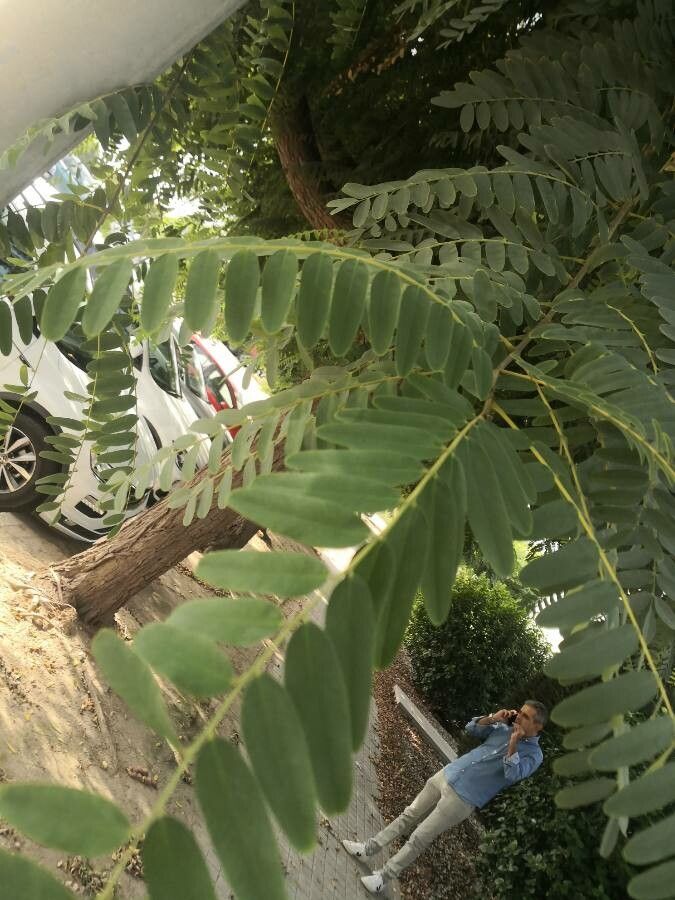
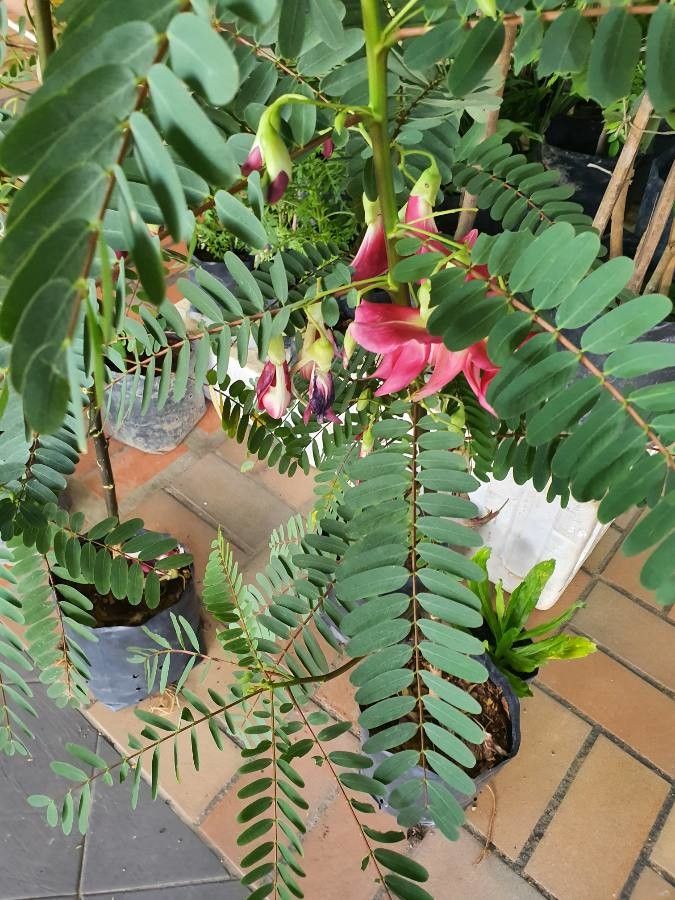
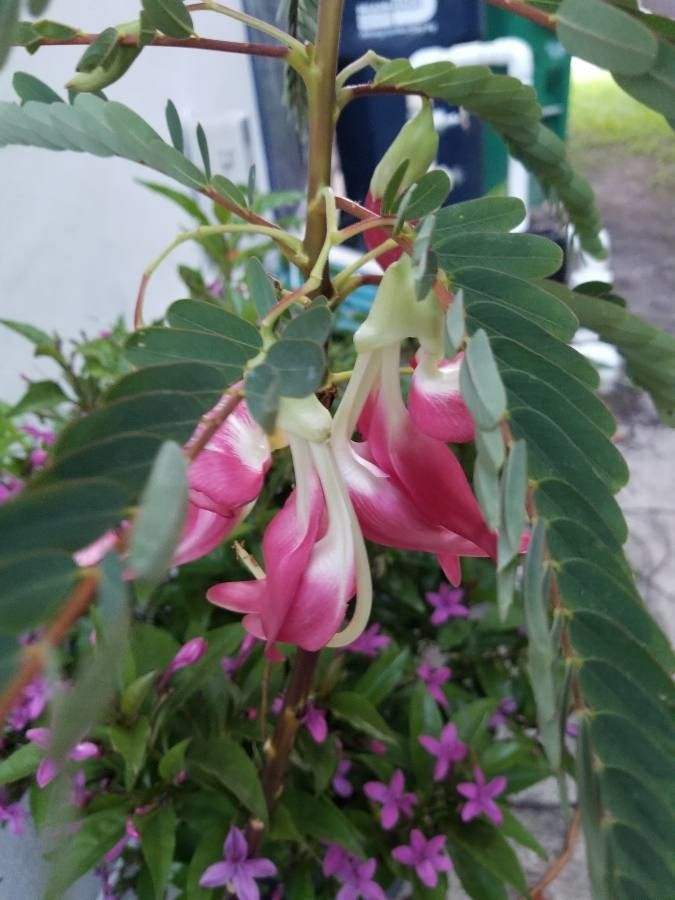
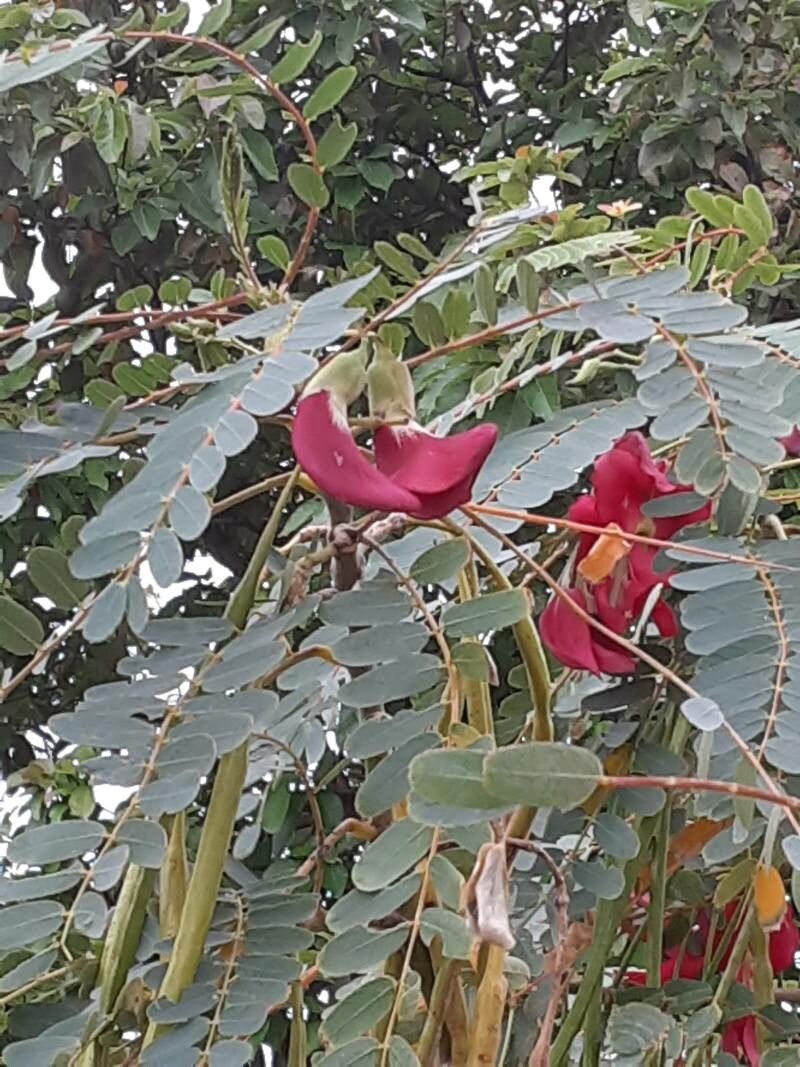
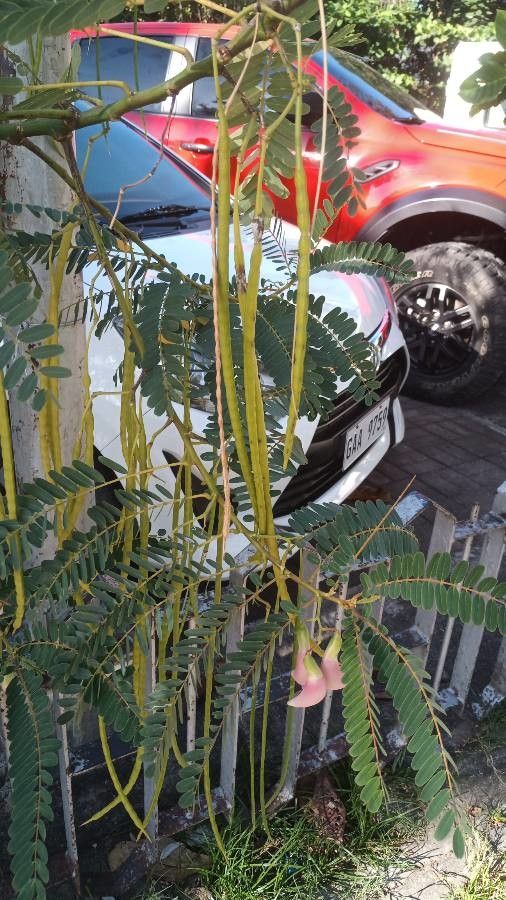
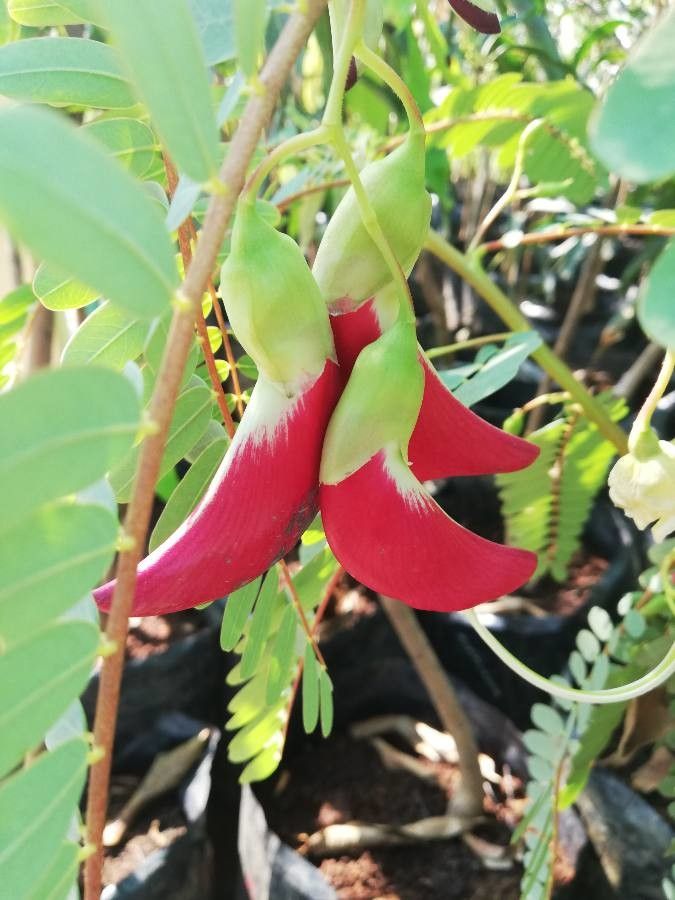
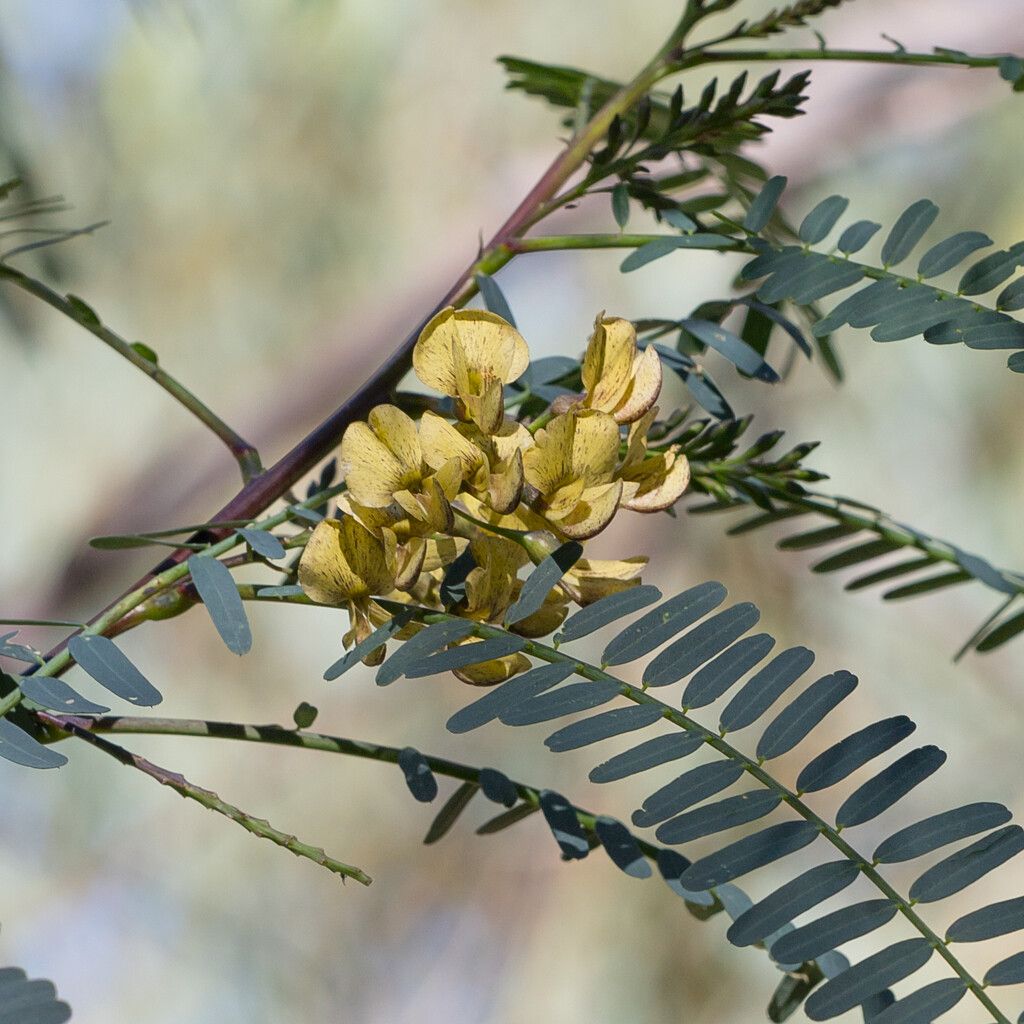
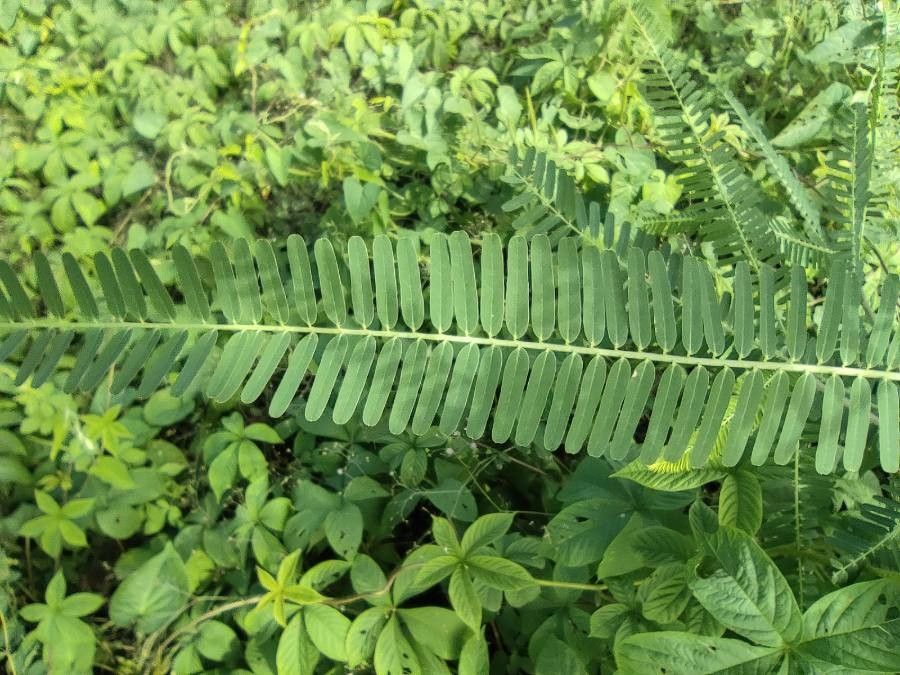
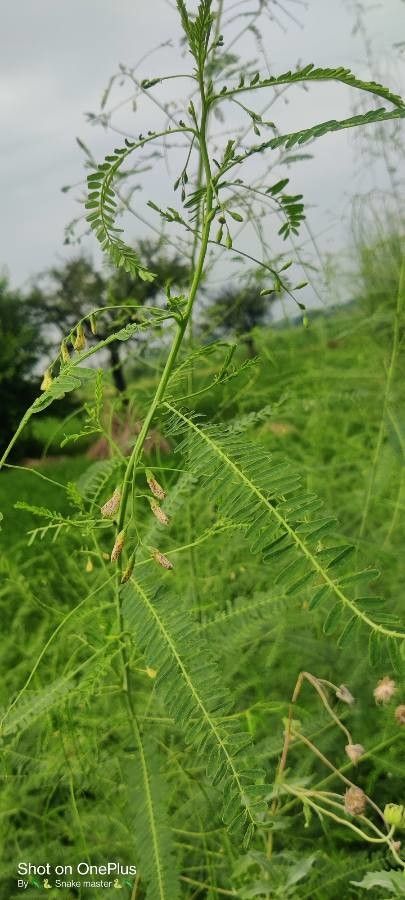
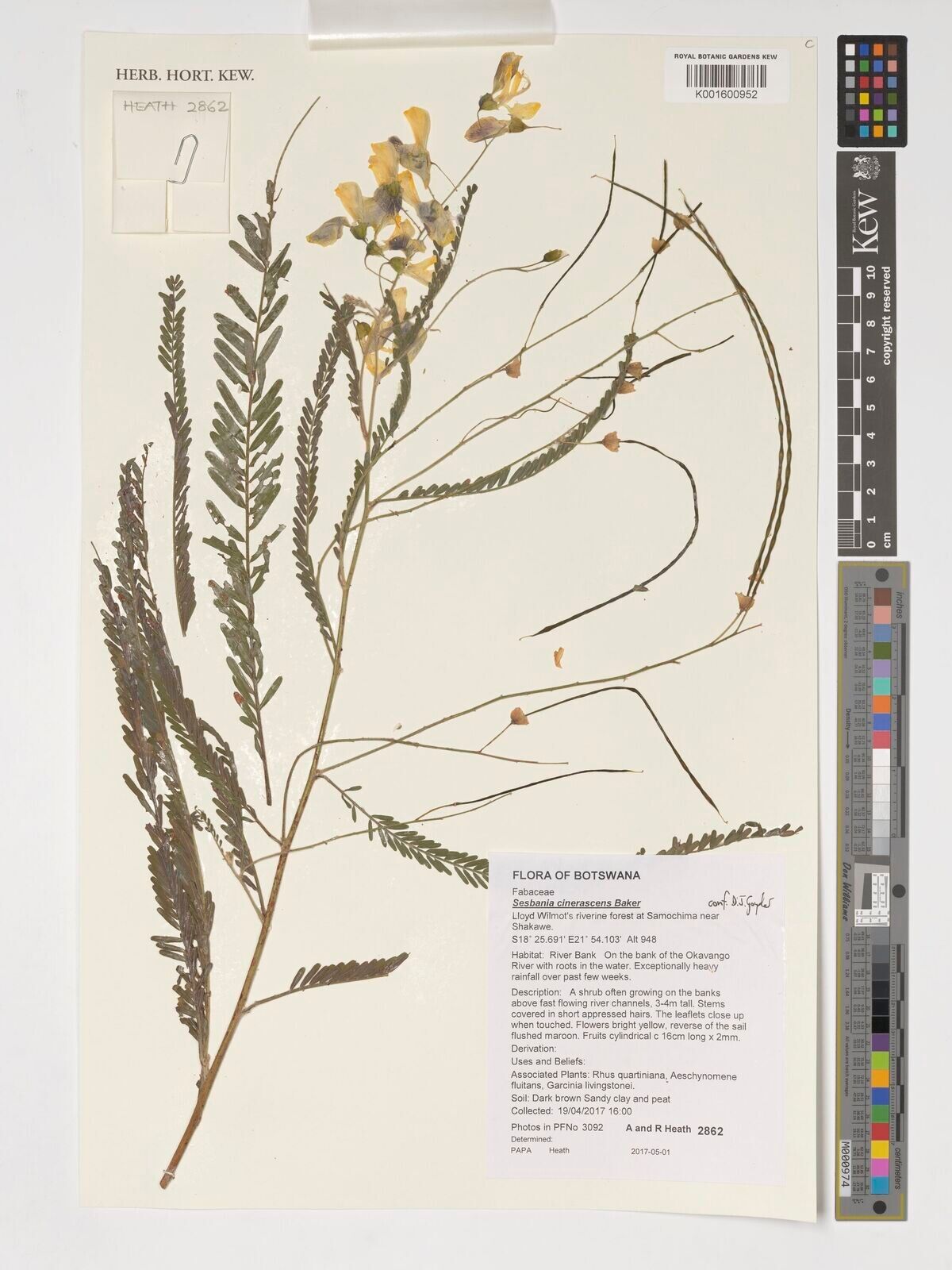
Sesbania grandiflora, commonly known as vegetable hummingbird, katurai, agati, or West Indian pea, is a small leguminous tree native to Maritime Southeast Asia and Northern Australia. It has edible flowers and leaves commonly eaten in Southeast Asia and South Asia.
Vegetable hummingbird has moderate resistance to disease and can be prone to illnesses like leaf spot. Vulnerability to insect pests varies by variety, but most cultivars have lower resistance to pests. For care, Vegetable hummingbird requires consistent watering and fertilization, along with regular removal of yellowing leaves. Pests and diseases should be dealt with as soon as they appear, and the plant should be harvested promptly. Vegetable hummingbird is best suited to people who can spare some time and energy for routine upkeep.
How to keep Sesbania Grandiflora.
Light
The vegetable hummingbird does best with consistent, unbroken sunlight throughout the day, which supports its essential life processes and growth. Such strong exposure enables it to thrive. In its natural habitats, abundant sunlight is typically available. Too little or too much sunlight can impede its lush growth and may damage the plant.
Water
The vegetable hummingbird thrives in environments with high humidity and moist soil. It prefers consistent moisture but can tolerate moderate drought conditions. Water the plant every 2-3 weeks, allowing the soil to dry slightly between waterings. Typically grown outdoors in warm climates, the vegetable hummingbird benefits from rainwater during its growing season, which enhances both its foliage and flowering.
Temperature
Vegetable hummingbird is native to warm regions where temperatures fall between 68 and 100 °F (20 to 38 ℃). It favors the upper portion of that range for best growth. With the seasons, adjust care so the plant receives adequate warmth during cooler months.
Fertilizer
To feed Vegetable hummingbird, use natural or commercial fertilizer high in nitrogen for leaf growth, phosphorus for roots and blossoms, and potassium for photosynthesis and maximum fruit production. Plant in spring, enrich the soil with compost or manure, and fertilize seedlings when they reach a height of 2–4 inches (5.1–10.2 cm). Insufficient macronutrients lead to slow growth, wilting, and fruit quality issues.
Pruning
The vegetable hummingbird is a fast-growing tropical legume known for its vibrant flowers and edible parts. To encourage bushy growth and maintain the plant's health, it is best to prune from early to late spring. Make sure to remove any dead or diseased wood during this time. Additionally, thinning the inner canopy improves air circulation, promotes blooming, and reduces the risk of pests.
Botanical profile.
- Plant Type
- Tree, Shrub
- Life Cycle
- Perennial
- Genus
- Sesbania
- Family
- Fabaceae
- Hardiness Zone
- 9-12
- Mature Height
- 9.14 m
- Mature Spread
- 3.05 m to 4.88 m
- Leaf Color
- Light Green, Pale Green
- Leaf Type
- Evergreen
- Flower Color
- White, Pink
- Flower Size
- 12.70 cm to 15.24 cm
- Bloom Time
- All year round
- Planting Time
- Spring, Summer, Autumn, Winter
- Harvest Time
- All year round
- Native Area
- Indonesia, Malaysia
Other names.