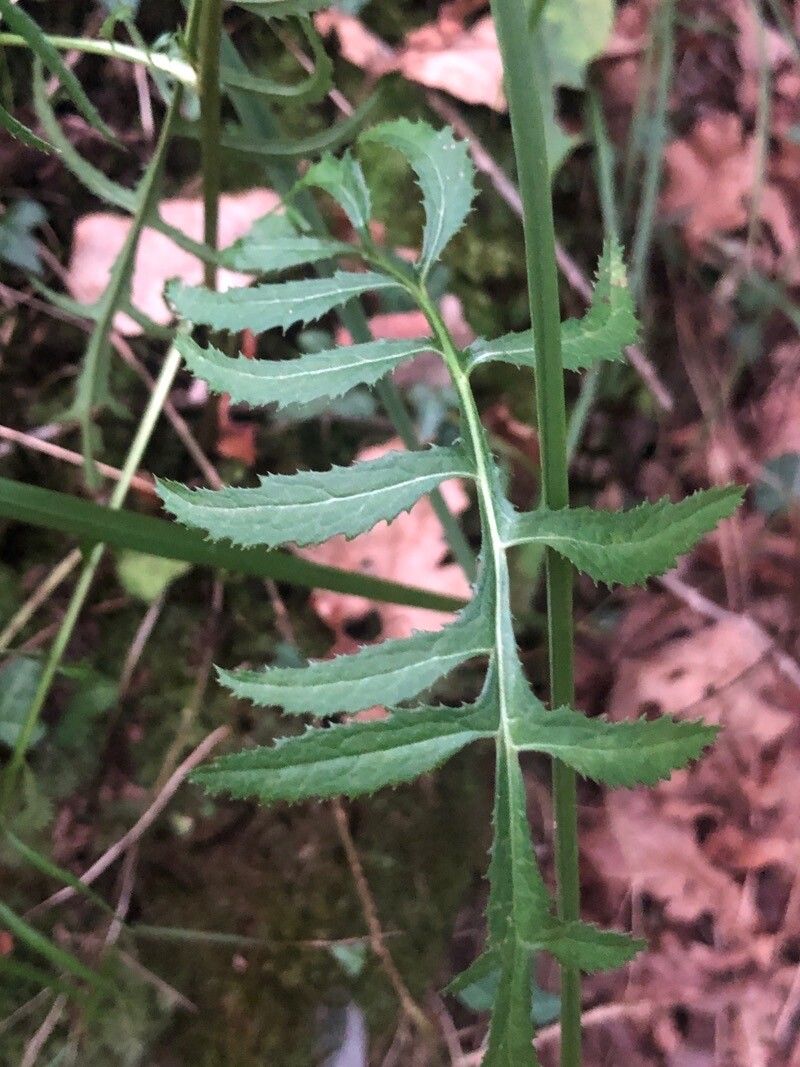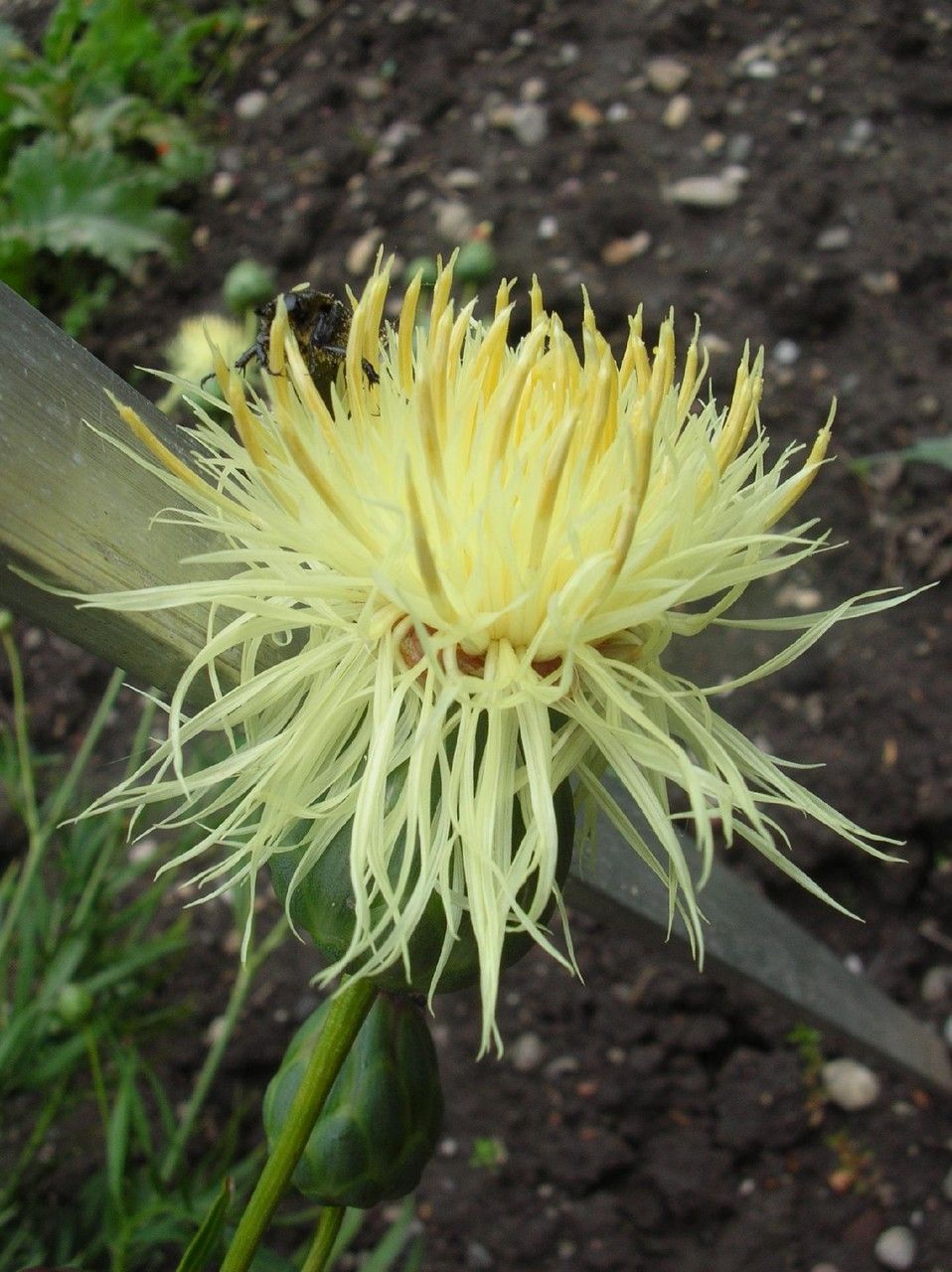
Serratula is a genus of plants in the tribe Cardueae within the family Asteraceae native to Eurasia. Plumeless saw-wort is a common name for plants in this genus. Serratula as traditionally defined contains at least two groups: one of which is basal within the subtribe Centaureinae and one of which is derived; the former group can be moved to the genus Klasea.Various species contain apigenin, luteolin, quercetin, other flavonoids and ecdysteroids. Species Formerly includedNumerous species are now considered members of other genera:
Sawwort is fairly resistant to disease and generally not prone to illnesses. However, it can be affected by pests and diseases present in its surroundings. These infections are usually mild. As for care, this plant needs moderate maintenance. It should be pruned regularly to maintain a neat appearance and healthy growth. Fertilizing can also help encourage flowering. Sawwort is suitable for anyone with outdoor space, such as a garden or patio, and does not demand a lot of care experience. It may need more attention when grown indoors.
How to keep Serratula Coronata.
Light
Sawwort prefers sites that receive full sunlight. It grows best in areas with abundant sun, which supports its ideal development. Yet, when sunlight is excessive or lacking, sawwort's health can suffer. Its natural habitats have steady levels of sunlight.
Temperature
Sawwort is native to habitats with temperature ranges of 41 to 90 °F (5 to 32 °C). It prefers milder climates and, although it adapts well to fluctuations, precautions should be taken to avoid extreme cold or heat.
Fertilizer
The ideal time to fertilize a Sawwort is early in spring, as it comes out of dormancy and begins active growth. Fertilizing supplies essential nutrients for healthy development. Although Sawwort has relatively low fertilizer requirements, applying fertilizer annually can enhance its survival and promote better, longer-lasting flowers.
Pruning
Sawwort is characterized by its deep green, toothed leaves and purple flower heads. To maintain the plant's health and encourage growth, it's best to prune it from early to late spring. Focus on removing dead stems and old growth to promote new shoots and improve air circulation. This will help reduce the risk of disease and stimulate blooming.
Botanical profile.
- Plant Type
- Herb
- Life Cycle
- Perennial
- Genus
- Serratula
- Family
- Asteraceae
- Hardiness Zone
- 4-8
- Mature Height
- 0.61 m to 1.52 m
- Mature Spread
- 30 cm to 49 cm
- Leaf Color
- Green, Dark Green
- Leaf Type
- Semi-evergreen
- Flower Color
- Pink, Purple
- Flower Size
- 2.03 cm to 3.05 cm
- Bloom Time
- Mid summer, Late summer
- Planting Time
- Spring, Summer, Autumn
- Harvest Time
- Early fall, Mid fall
Other names.
Reader questions.
What are the sunlight requirements for Sawwort?
Sawwort requires full sun, defined as above 6 hours of sunlight per day, to thrive optimally. It is essential to observe how sunlight moves through your garden, selecting spots that offer a balance of light and shade, ensuring the plants' well-being. Sawwort exhibits a strong preference for locations with maximum sun exposure, as its health may be compromised under conditions of excessive or insufficient sunlight. Its native habitats are characterized by consistent solar radiation, highlighting the importance of adequate sunlight for its growth.
What are the ideal temperature conditions for Sawwort?
Sawwort thrives in environments with temperature ranges of 41 to 90 °F (5 to 32 °C), favoring milder climates. It possesses strong cold resistance, allowing it to adapt well to temperature fluctuations without needing special frost protection measures most of the time. However, when winter temperatures are expected to drop below -30°C, it's important to protect the plant from the cold by covering it with soil or straw and watering it abundantly before the first freeze in autumn. This care helps the soil remain moist, preventing drought and water scarcity during winter and early spring.
What should I do if my Sawwort isn't getting enough sunlight?
If your Sawwort isn't receiving sufficient sunlight, it might display symptoms such as smaller new leaves, leggy or sparse growth, faster leaf drop, slower or no new growth, lighter-colored new leaves, and symptoms related to excessive sunlight like chlorosis, sunscald, leaf curling, wilting, and leaf scorching. To address this, gradually move your plants to a sunnier spot, ensuring they get at least 6 hours of direct sunlight daily. For indoor plants not easily moved or too large, consider using artificial lighting, keeping a lamp on for at least 8 hours a day or investing in professional plant grow lights. It's crucial to adapt plants gradually to avoid sunburn.
How does Sawwort react to low temperatures?
Sawwort is notably cold-tolerant, preferring temperatures above 5°C for optimal growth. Although the plant can survive winter conditions, it should ideally be kept above -25°C. At temperatures falling below -30°C, you might not notice any immediate changes, but there can be a significant decrease in sprouting or even no sprouting at all come springtime. To mitigate this, in spring, it is recommended to remove any plant parts that have failed to sprout.
How can artificial lighting be used for Sawwort care?
Artificial lighting can play a crucial role in Sawwort care, especially when natural sunlight is insufficient. For optimal growth, it's necessary to select the appropriate type of light, with LED lights being a popular choice due to their ability to provide specific light wavelengths needed by plants. The requirement for artificial light intensity varies depending on the type of plant, with full sun plants needing 30-50W per square foot, partial sun plants 20-30W, and full shade plants 10-20W. The correct distance for the light source is 12-36 inches above the plant, mimicking natural sunlight as closely as possible. Moreover, the duration of exposure should reflect natural daylight hours, usually between 8-12 hours per day.
How should Sawwort be cared for under high temperature conditions?
During the hotter months, it's crucial to ensure that Sawwort's temperature does not exceed 32°C. When temperatures rise above 35°C, the plant may exhibit signs of stress such as lighter-colored leaves that may curl, become prone to sunburn, or in severe cases, the entire plant might wilt and dry out. To protect and care for Sawwort in such conditions, trim away any sunburned and dried parts of the plant, move it to a shaded location or use a shade cloth to protect it from the midday and afternoon sun, and make sure to water the plant in the morning and evening to maintain soil moisture.
What are some solutions to improve the sunlight exposure for Sawwort?
To enhance sunlight exposure for Sawwort, consider the following solutions based on the plant's location: Indoor: Gradually move the plant to a spot receiving more sunlight each week, aiming for at least 6 hours of direct sunlight daily. Utilize a south-facing window and keep curtains open during the day. If moving the plant isn't feasible, use artificial lighting such as desk or ceiling lamps for a minimum of 8 hours daily or invest in professional grow lights. Outdoor: Gradually move your plants to sunnier spots each week, avoiding sudden changes in light intensity to prevent sunburn. Ground: To reduce obstructions to sunlight, inspect your environment to identify and minimize barriers, such as by pruning trees. If you're dealing with smaller plants, consider transplanting them during their dormant period to a location with better sunlight and drainage. It's important to note that parts of the plant affected by insufficient sunlight may not recover, but addressing the lighting can promote healthy new growth.