Orchids are generally resistant to disease and have relatively few insect pests. Their care is considered difficult because they require a high-humidity yet well-ventilated environment with few harmful pathogens. Excessive watering can cause root rot. Growing orchids is suitable for anyone, but keeping them healthy and getting them to flower again demands more growing experience.
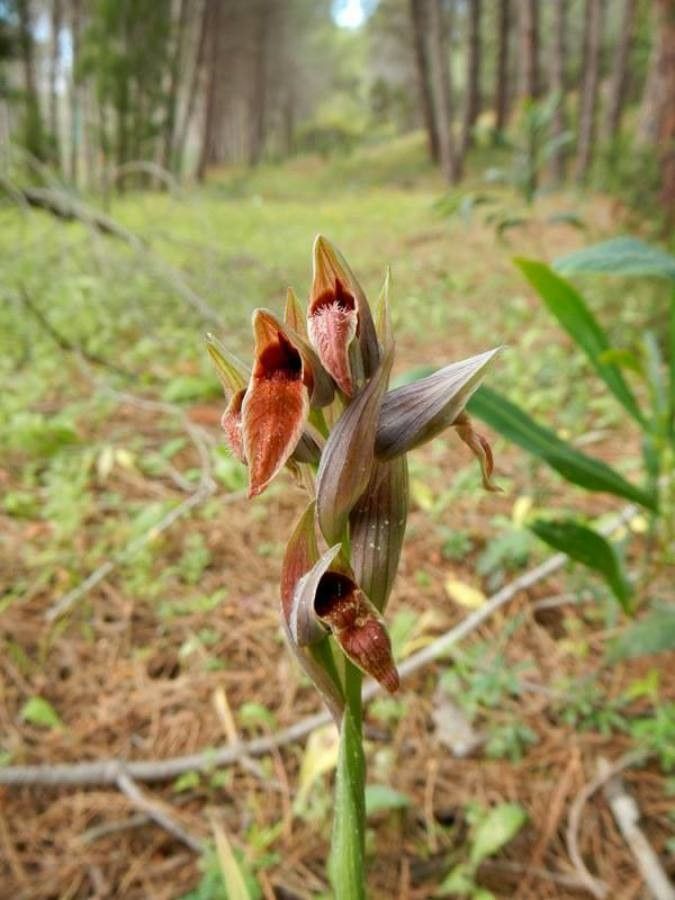
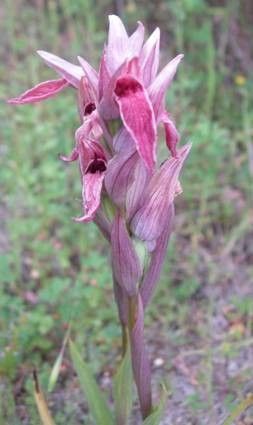
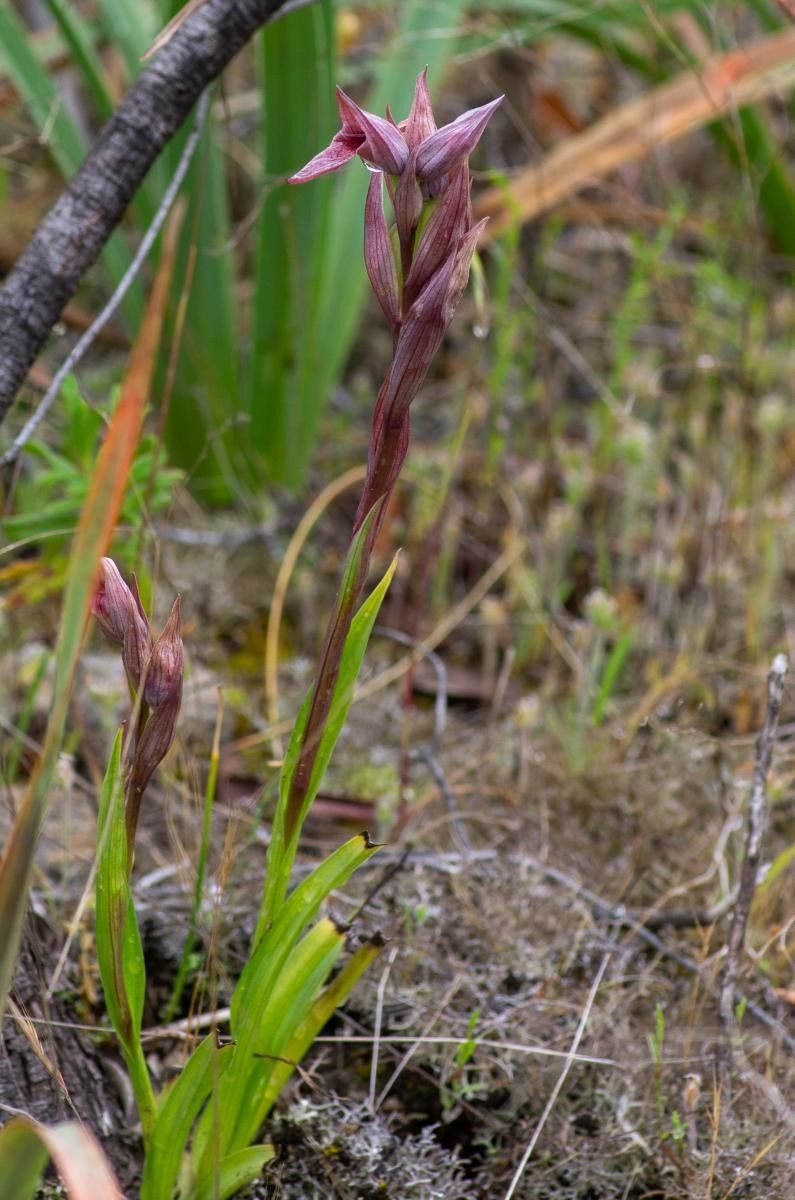
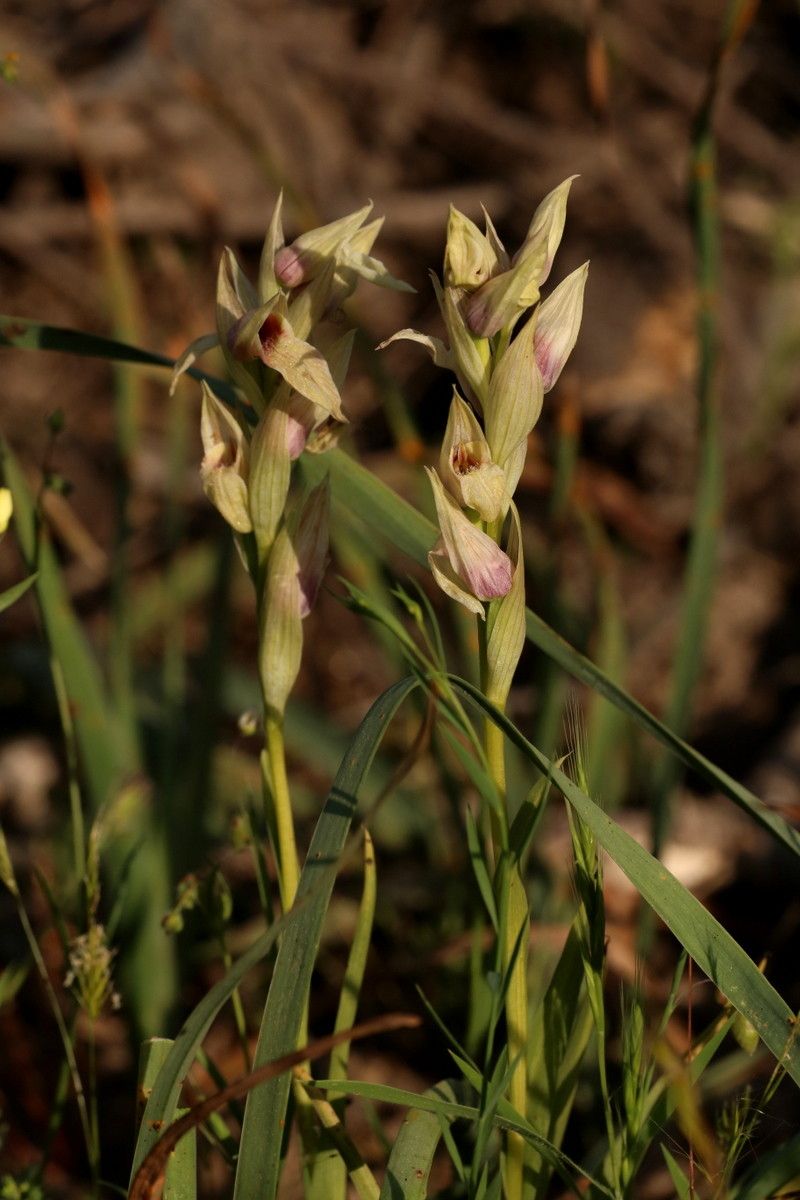
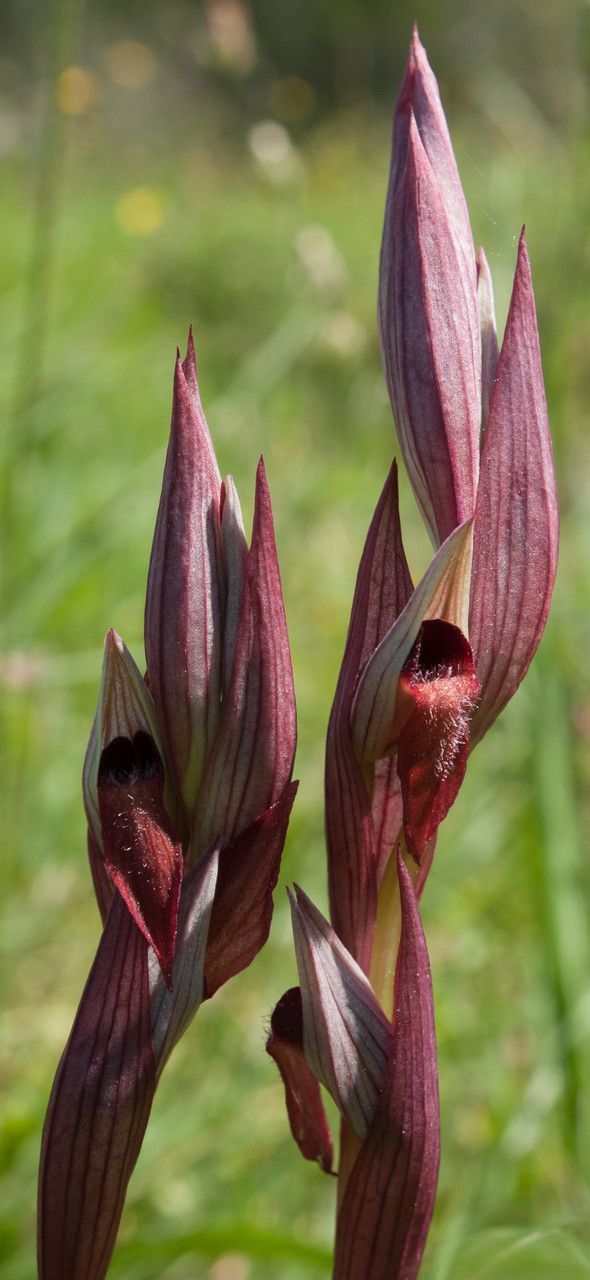
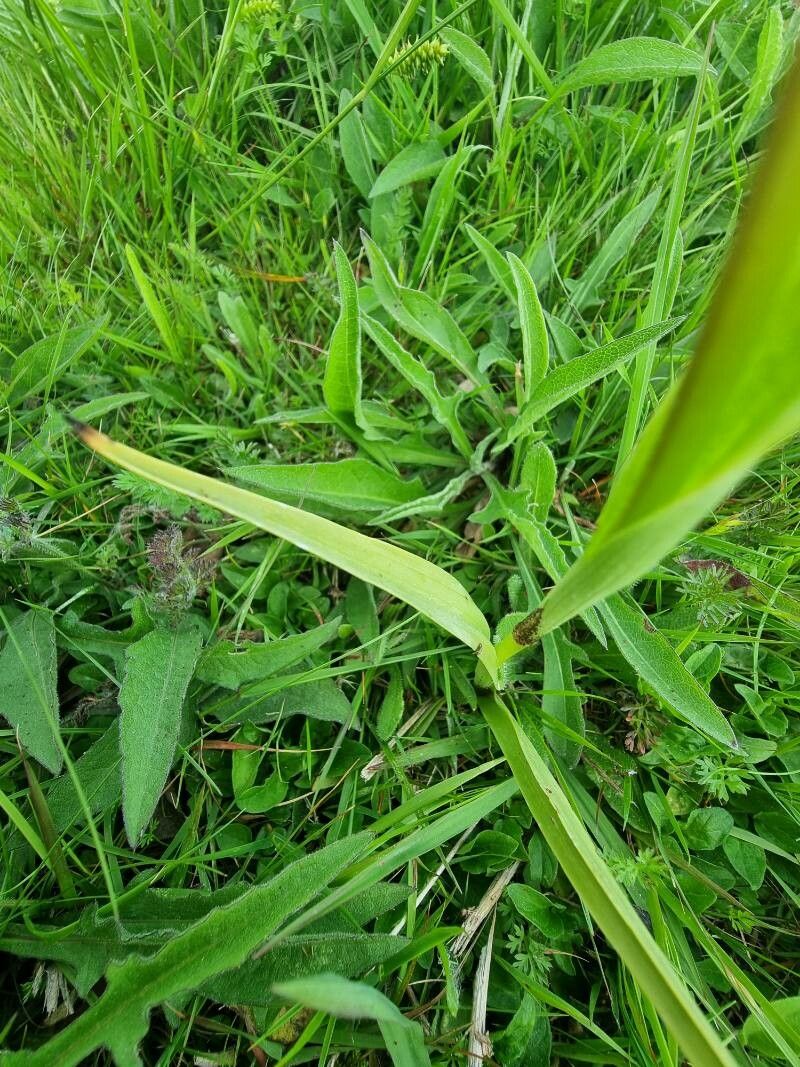
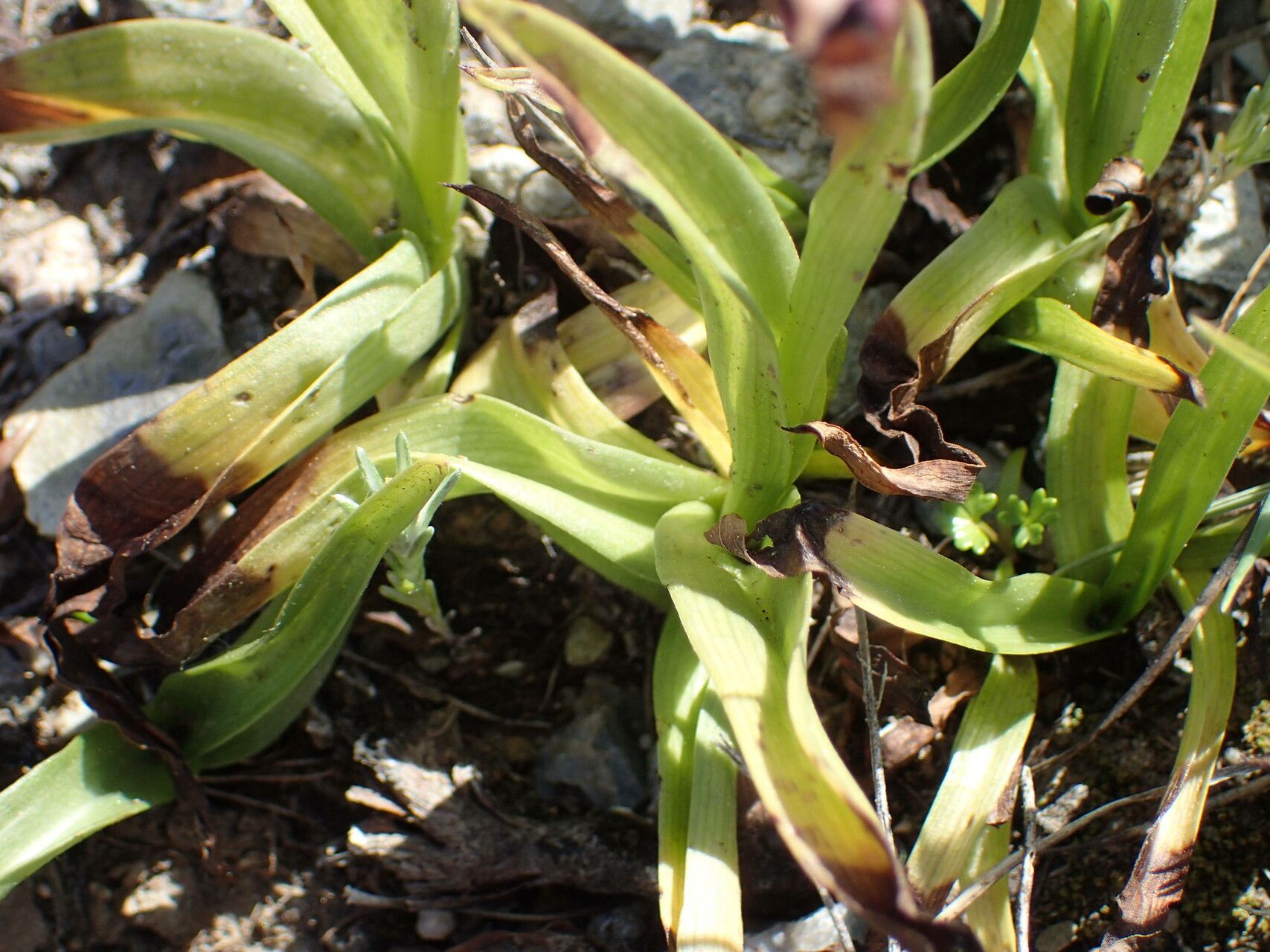
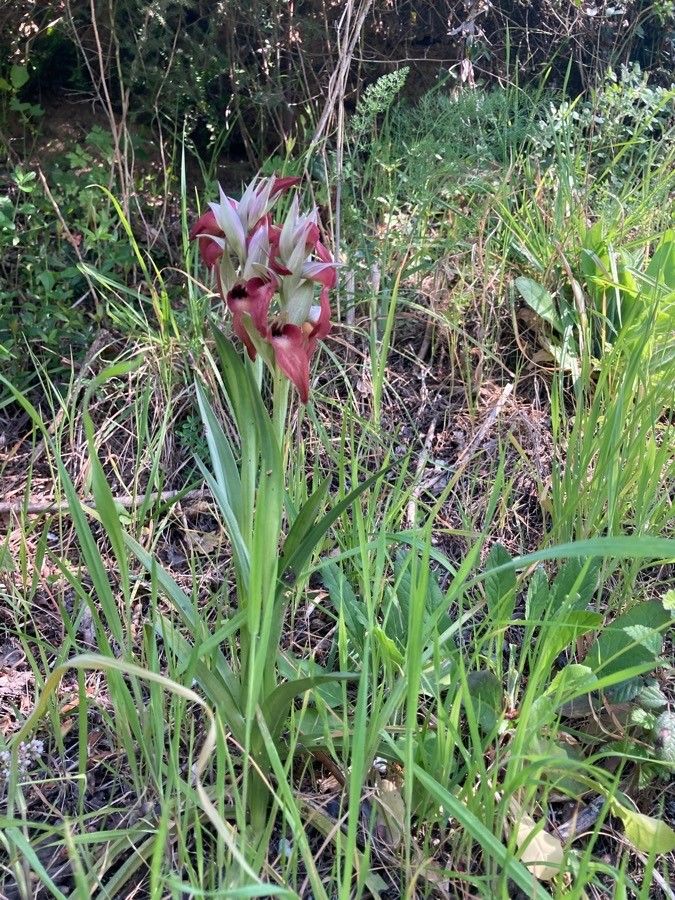
How to keep Serapias Nurrica.
Light
Orchids originate in habitats such as forest understories or rocky areas where they receive natural shade. They prefer partial sun but can also tolerate full sun or full shade, showing their versatile and hardy nature.
Water
Orchids thrive in humid environments and are drought-tolerant, preferring consistent humidity. They benefit from weekly watering, particularly during their active growth cycle, which is crucial for optimal blooming. Being epiphytes, they require careful watering when grown indoors.
Temperature
Orchids can adjust to a broad range of temperature conditions, but their distribution may still be restricted by different combinations of moisture and heat. They do best in warm summer conditions with sufficient rainfall or watering. Extended periods of cloudy, rainy weather, as well as prolonged high temperatures, can raise the chance of orchids dying. In winter, adequate protection from cold can improve the plant's survival rate.
Fertilizer
For Orchids, the primary time to fertilize is early spring, when the flowers are developing. The proper fertilizer promotes improved blooms and helps Orchids produce attractive flowers. Fertilizing in early spring ensures strong flowers during the season and supplies energy for dormant growth phases.
Pruning
Pruning orchids helps improve their health and encourages more blooms. By removing dead parts and thinning out crowded areas, you can enhance air circulation around the plant. The best time to prune is from early to late spring. It's important to make precise cuts and sterilize your tools to promote flowering and prevent disease.
Botanical profile.
- Plant Type
- Herb
- Life Cycle
- Perennial
- Genus
- Serapias
- Family
- Orchidaceae
- Hardiness Zone
- 8-10
- Mature Height
- 20 cm to 40 cm
- Mature Spread
- 10 cm to 20 cm
- Leaf Color
- Green
- Leaf Type
- Deciduous
- Flower Size
- 2.03 cm to 3.05 cm
- Bloom Time
- Mid spring, Late spring
- Planting Time
- Spring
- Harvest Time
- Early summer, Mid summer
- Native Area
- Italy, Tunisia, France
Other names.