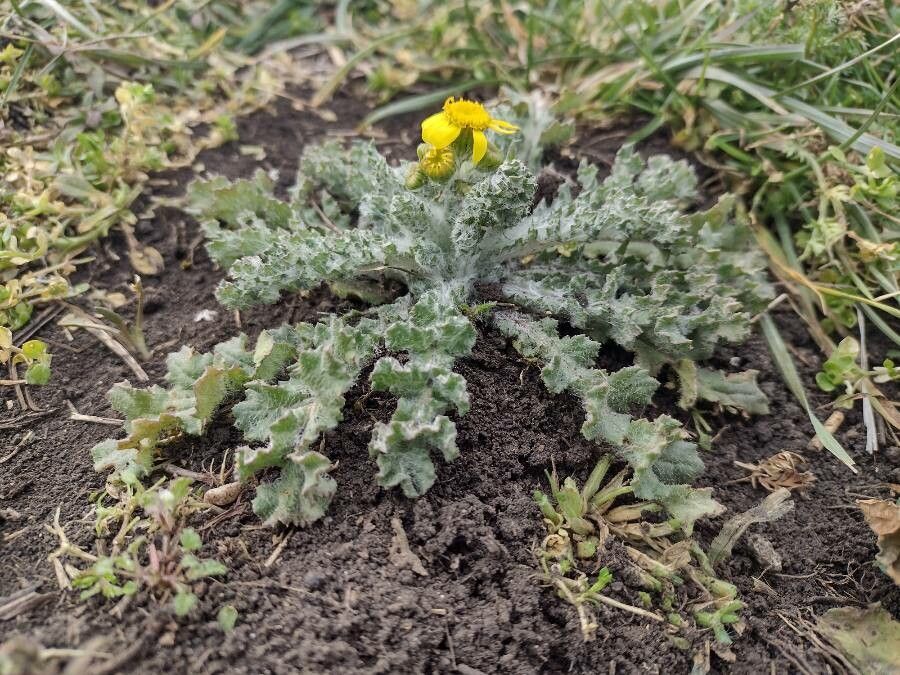
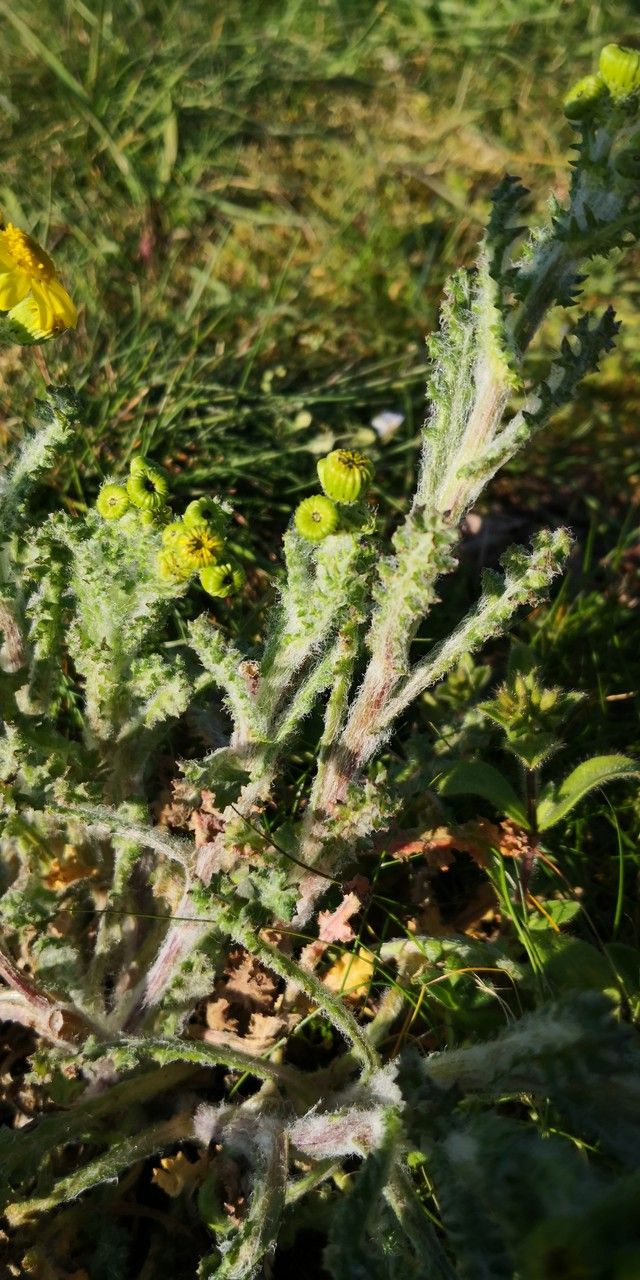
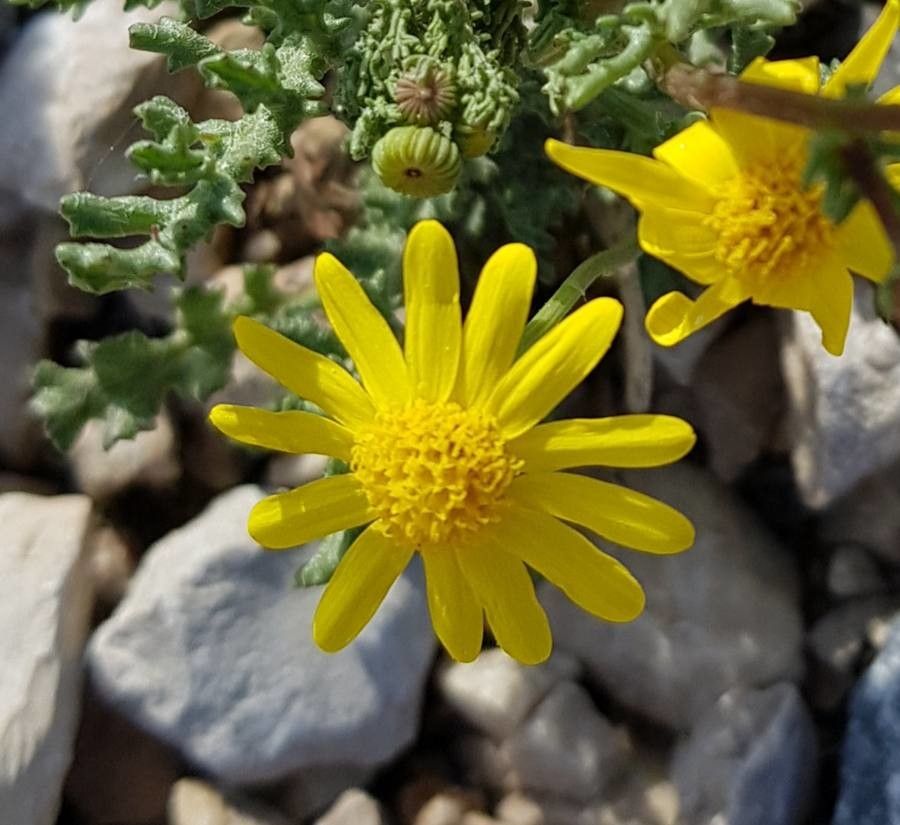
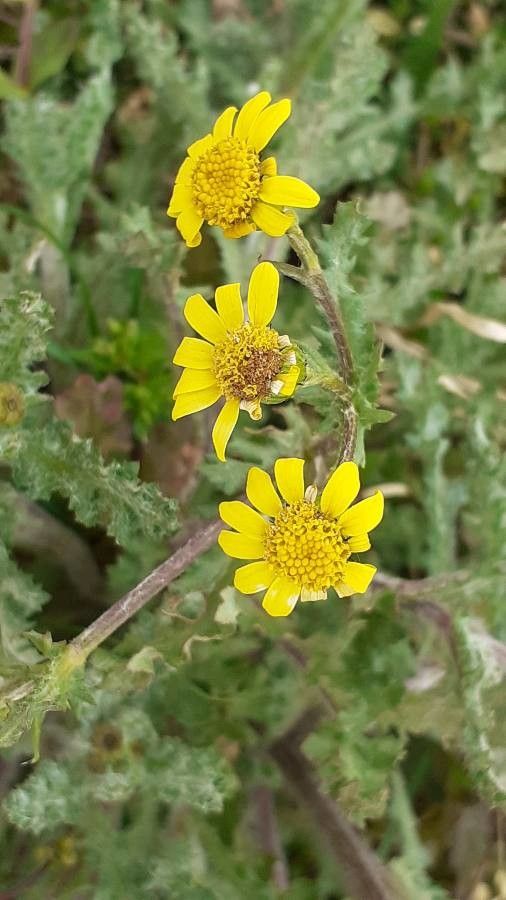
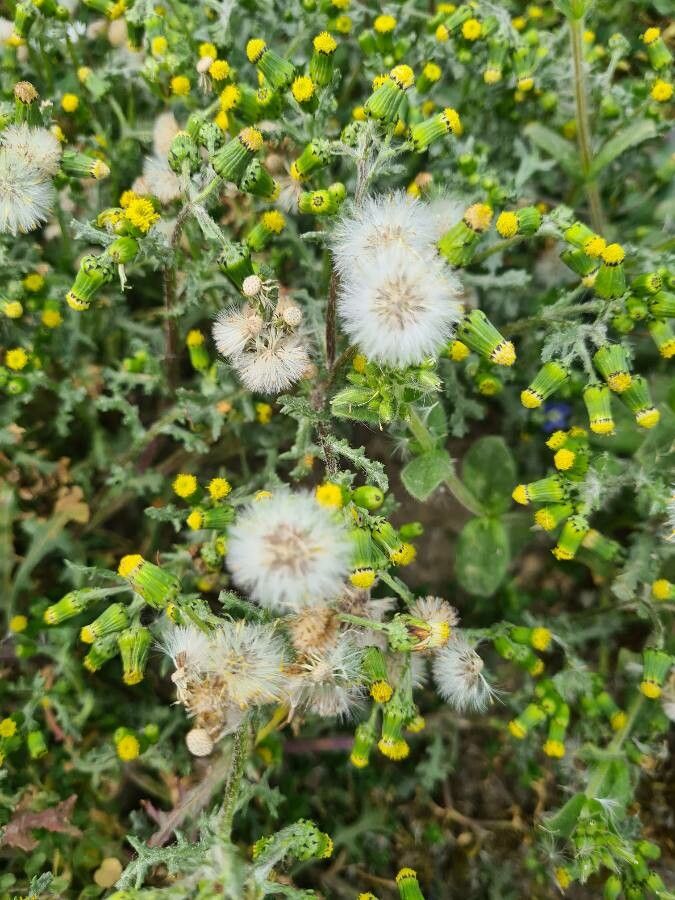
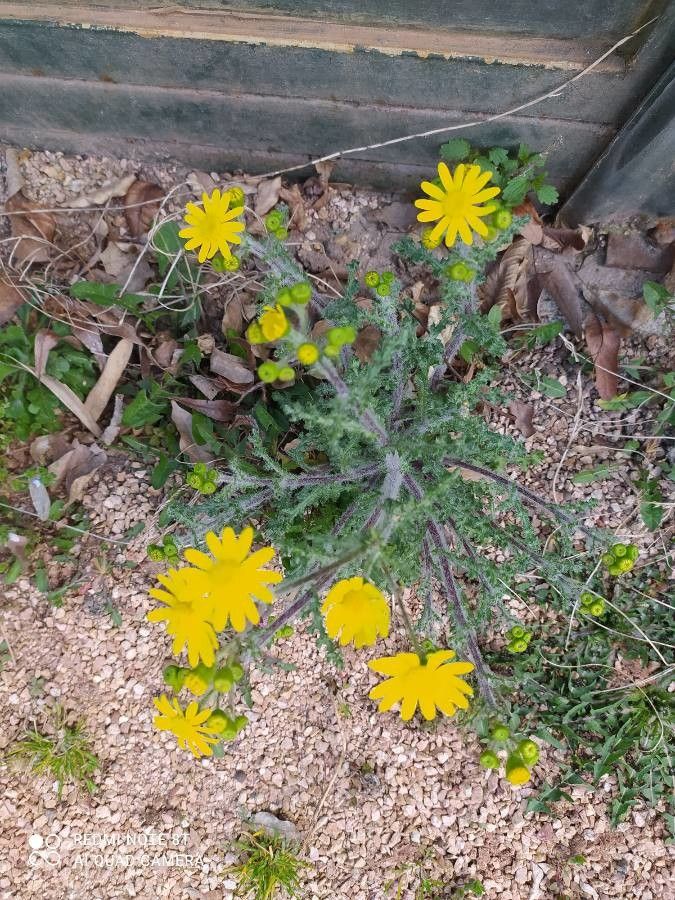
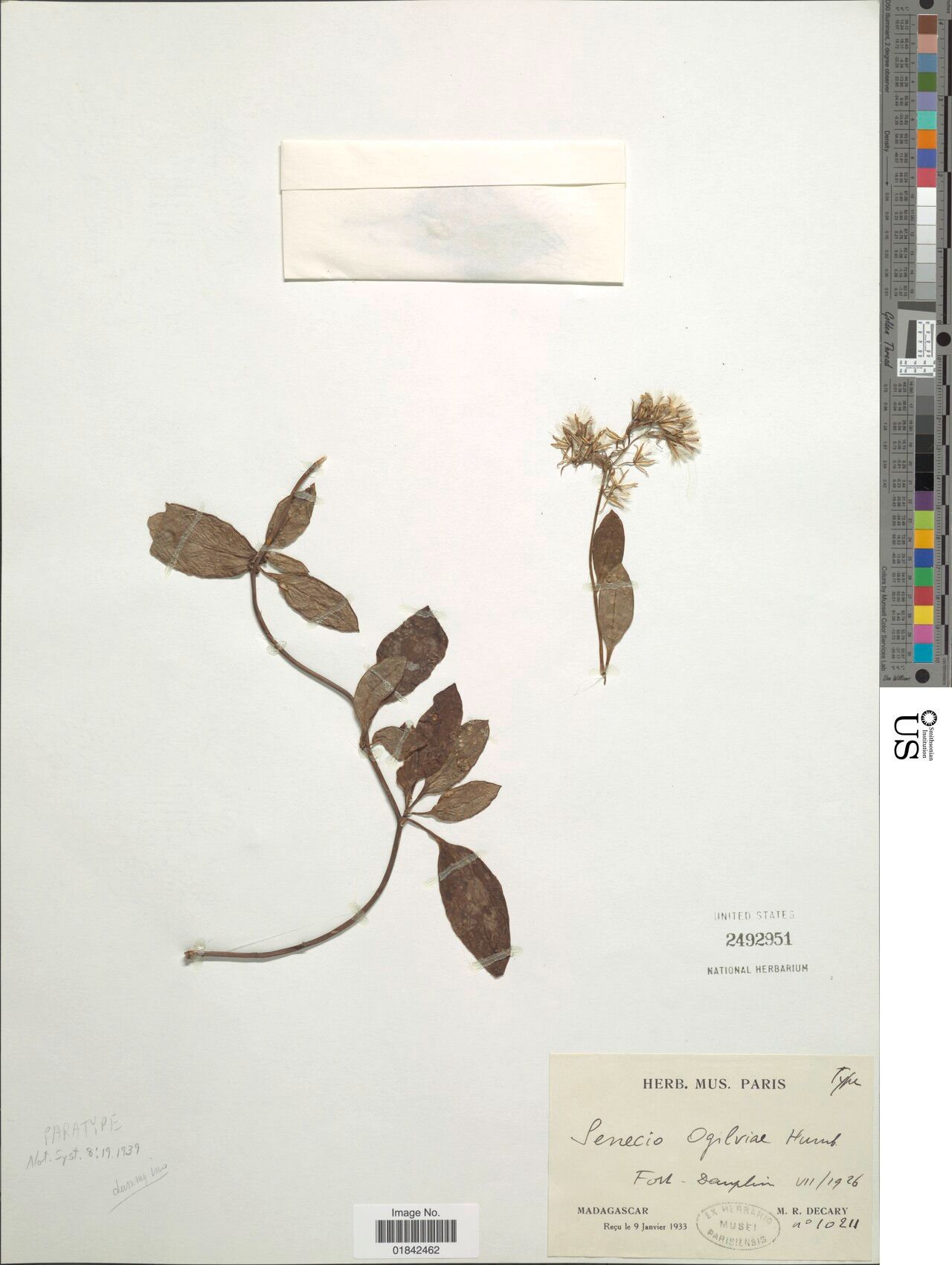
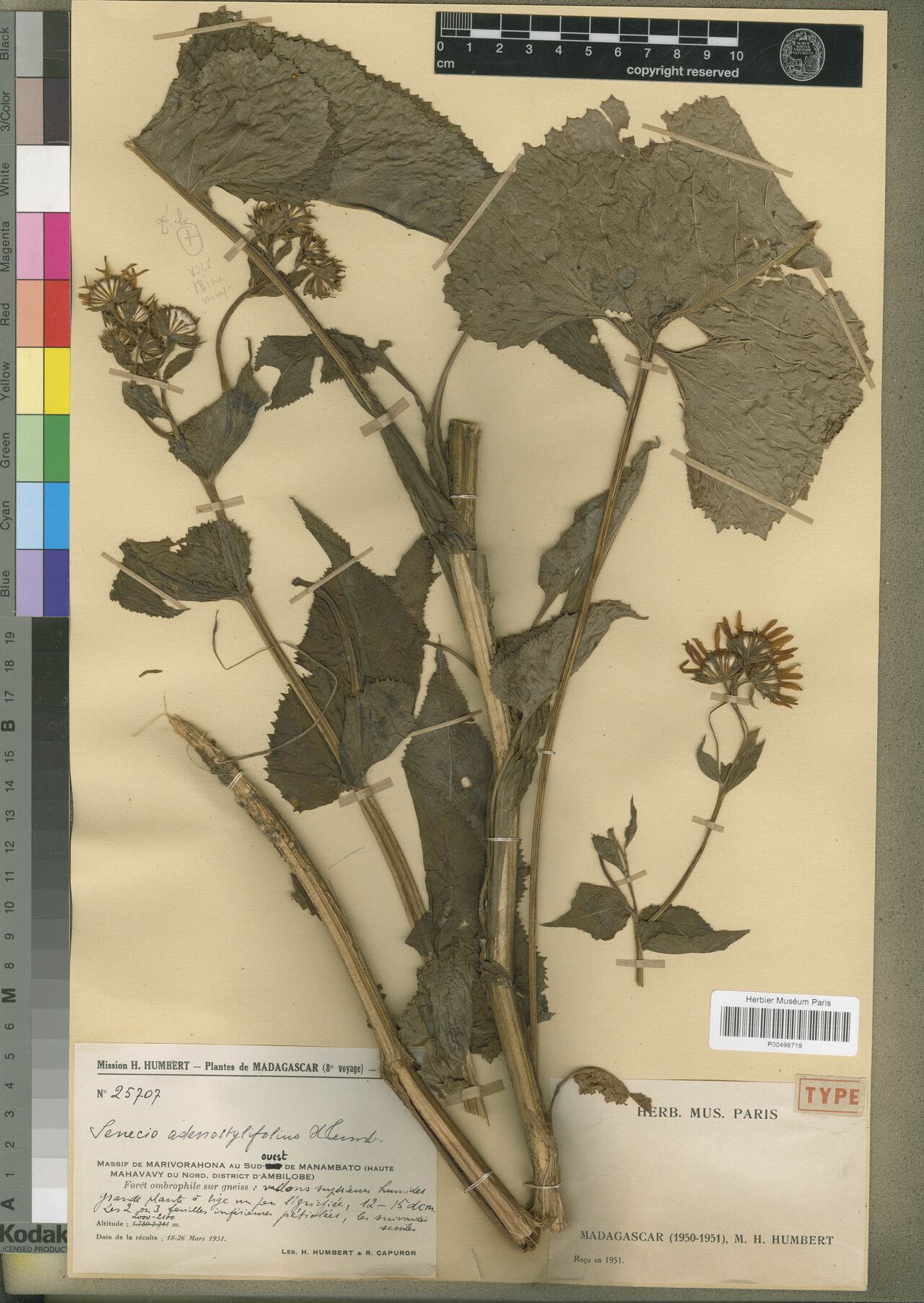
Senecio vernalis, commonly known as spring groundsel, is a perennial herbaceous plant in the Asteraceae family. Native to Europe and Asia, it thrives in meadows, pastures, and open woodlands. The plant typically grows up to 30 cm in height, featuring a basal rosette of deeply lobed leaves with toothed edges. Its erect, branched stems bear small yellow flowers that bloom from April to June, arranged in clusters at the top of each stem, with each flower measuring approximately 1 cm in diameter.
Senecio vernalis has been valued for centuries for its medicinal properties, particularly its anti-inflammatory effects. It has been used as an herbal remedy for respiratory ailments such as coughs, colds, bronchitis, and asthma, as well as digestive issues like constipation.
The plant prefers well-drained soils in full sun or partial shade but can tolerate various soil types, including sandy or clay soils. Once established, Senecio vernalis requires minimal maintenance, although it should be watered regularly during dry periods.
Overall, Senecio vernalis is an attractive perennial that adds color and texture to any garden. However, its medicinal benefits should only be utilized by trained professionals or under medical supervision, as improper ingestion can be toxic to both humans and animals.
Eastern groundsel is fairly disease-resistant and typically not prone to illness. However, it can be affected by pests and diseases present in its environment. These infections are usually mild. For care, the plant requires moderate maintenance. It should be pruned regularly to maintain a neat appearance and healthy growth. Fertilizing can also help encourage flowering. Eastern groundsel is suitable for anyone with outdoor space, such as a garden or patio, and does not demand extensive care experience. It may need more attention when grown indoors.
How to keep Senecio Vernalis.
Light
The Eastern groundsel thrives in ample sunlight, yet it can also tolerate semi-sunny conditions. Hailing from open habitats that are considerably sun-drenched, its development may be impeded without adequate light. On the other hand, excessive sunlight could potentially cause harm.
Water
Eastern groundsel thrives in a balanced water environment, preferring moderate humidity while being able to tolerate occasional dryness. For optimal health, it requires weekly watering. This plant is more prolific outdoors, especially during the rainy season when moisture is abundant.
Temperature
The Eastern groundsel is capable of tolerating a vast array of temperature scenarios. However, its spread may still be restricted by various mixtures of heat and moisture. It is most prosperous in temperate weathers throughout summertime when appropriate precipitation or watering is available. An extended duration of overcast and wet weather or persistently high temperatures can augment the risk of the Eastern groundsel perishing. During winter months, suitable cold protection can enhance the plant's chances of surviving.
Fertilizer
To encourage robust leaf development in Eastern groundsel, regular applications of diluted fertilizer can be advantageous. During the summer months, this plant should be fertilized roughly on a monthly basis. The key element for healthy leaves is nitrogen, thus, using supplements high in nitrogen can greatly aid the thriving of Eastern groundsel.
Pruning
Eastern groundsel is a resilient and fast-growing plant that produces vibrant yellow flowers. To maintain its health, it's beneficial to prune the plant in the early to late spring. During pruning, remove any dead or damaged stems and thin out crowded areas to improve airflow. This promotes healthier growth and helps prevent the plant from becoming leggy. Make sure to make clean cuts just above the buds to encourage vigorous sprouting.
Botanical profile.
- Plant Type
- Herb
- Life Cycle
- Annual
- Genus
- Senecio
- Family
- Asteraceae
- Hardiness Zone
- 1
- Mature Height
- 0.91 m to 2.13 m
- Mature Spread
- 0.91 m to 1.52 m
- Leaf Color
- Green
- Leaf Type
- Semi-evergreen
- Flower Color
- Yellow
- Flower Size
- 2.54 cm
- Bloom Time
- Early spring, Mid spring
- Planting Time
- Spring, Autumn
- Harvest Time
- Mid spring, Late spring
- Native Area
- Egypt, Turkey, Austria, Slovakia, Montenegro, Cyprus, Bulgaria, Poland, Armenia, Croatia, Greece, Belarus, Ukraine, Lebanon, Uzbekistan, Russia, Serbia, Hungary, Iraq, Syria, Italy, Kazakhstan, Switzerland, Denmark, Iran, Albania, Azerbaijan, Romania, Moldova, Turkmenistan, France
Other names.
Reader questions.
How should I water my Eastern groundsel?
To water Eastern groundsel, there are multiple options you can use such as a garden hose with a spray nozzle or a watering can. The good news is that Eastern groundsel is not too particular about the type of water it receives, whether it's rainwater, tap water, or filtered water. However, it's advisable to avoid watering this plant from above as it can harm the leaves, flowers, and even cause diseases. Instead, using a drip irrigation system is often the best method, as it delivers water evenly and directly to the soil. If you have a container-grown Eastern groundsel, you can follow a similar watering approach but change the tools you use like a cup, watering can, or your tap to water the soil directly.
What are the sunlight requirements for Eastern groundsel?
Eastern groundsel thrives best under full sunlight conditions, which means it requires more than 6 hours of sunlight daily. However, it can also withstand partial sun exposure, about 3-6 hours of sunlight each day. It's important to observe how sunlight moves through your garden to find the perfect spots that offer a balance of light and shade, ensuring the plants grow happy and healthy.
What should I do if I give too much or too little water to my Eastern groundsel?
To remedy underwatering for Eastern groundsel, simply increase watering frequency when you notice the plant lacks moisture. Overwatering, however, can be a more severe issue if not caught early. It can lead to diseases and eventual decline and death of the plant. To prevent this, choose a sunny location with well-drained soil to promote drying and avoid waterlogged conditions. If you overwater a potted Eastern groundsel, consider changing to a new pot with better drainage and loose soils during repotting.
How does artificial lighting support indoor Eastern groundsel plants?
For indoor Eastern groundsel plants, when natural sunlight is insufficient, artificial lighting becomes crucial. Choosing the right type of artificial light, like LED lights, helps provide specific wavelengths necessary for plant growth. The amount of artificial light needed varies: full sun plants require 30-50W per square foot, partial sun plants 20-30W per square foot, and full shade plants 10-20W per square foot. Placing the light source 12-36 inches above the plant and ensuring it mimics natural daylight hours, typically 8-12 hours per day, promotes healthier and faster growth.
How many times do I need to water my Eastern groundsel?
To keep your Eastern groundsel happy and healthy, it requires regular watering during the growing season. In the spring, water it once a week. As the season progresses and temperatures rise, you may need to increase watering to two or three times per week. However, overwatering can be harmful. It's essential to keep the soil moist but not saturated. If your Eastern groundsel is in a pot, you'll need to water it more frequently. Potted soil tends to dry out faster than ground soil due to increased heat. Typically, water container-grown Eastern groundsel a few times per week, compared to just once per week for a plant in the ground.
What are the common symptoms of inadequate light in Eastern groundsel?
When Eastern groundsel does not receive enough light, it may display symptoms like smaller new leaves, leggy or sparse growth, faster leaf drop, cessation of new growth, and paler new leaves. Extreme sunlight exposure can cause chlorosis or the leaves to lose their green color and turn yellow, sunscald, leaf curling as a defense mechanism against water loss, wilting due to rapid water loss increasing transpiration, and leaf scorching characterized by brown, dry edges on leaves.
How much water does my Eastern groundsel require?
To determine how much water to give to your Eastern groundsel, you have a few options. One approach is to feel the soil for moisture and water until the first six inches are moist. Another option is to use a set measurement, like two gallons per week, depending on the temperature and how quickly the soil dries out. Be cautious though, as strict guidelines can result in overwatering if your plant needs less. If you're growing your Eastern groundsel in a container, a different method applies. Make sure to water enough to moisten all dry layers of soil, which you can confirm by sticking your finger in the soil. Additionally, you can water until you see a slight trickle of excess water coming out of the drainage holes.
What solutions can alleviate light-related issues for Eastern groundsel?
To address light-related issues in Eastern groundsel plants, indoors, gradually move the plant to sunnier locations until it achieves at least 6 hours of direct sunlight daily. Consider using artificial light for additional support, keeping lamps on for at least 8 hours a day. For outdoor plants, also move them gradually to sunnier spots to prevent sunburn. If obstructions like trees block sunlight, prune them to improve light access. For smaller plants, consider transplanting during their dormant period to a location with better sunlight and drainage.
How can I know if I am giving enough water to my Eastern groundsel?
Avoiding overwatering your Eastern groundsel can be tricky. These plants have deep roots that need to be moistened weekly, but they are also highly prone to root rot. Overwatering can result in browning and wilting, while underwatering is less likely to happen. However, if you go too long without watering this plant, it may wilt and develop dry leaves.
How do I water my Eastern groundsel throughout the year?
As the season progresses, the water needs of your Eastern groundsel will increase. In the spring, watering once a week should be sufficient. However, as the summer heat sets in, you might need to provide more water, increasing the frequency to about three times per week. This is especially important for Eastern groundsel grown in containers, as the soil in containers tends to dry out faster in warm weather. During autumn, when your Eastern groundsel is still blooming, it may require less water since the temperature has likely decreased and the sun is not as intense as during the summer.
How do I water my Eastern groundsel when it is growing at different stages?
Eastern groundsel goes through different growth stages throughout the year, each with varying water requirements. When starting your Eastern groundsel from a seed, it is important to provide ample water during germination. This means watering frequently to maintain consistent soil moisture. After a few weeks, when the plant emerges from the soil, it will require slightly less water compared to the seedling phase. Once the plant is fully mature, a regular watering frequency of about once per week is sufficient. During flower development, it may be necessary to increase watering slightly to support the process.
What's the main difference in how to water Eastern groundsel inside and outside?
Most Eastern groundsel plants prefer to be grown outdoors rather than indoors for a few reasons. Firstly, these plants tend to grow tall and may not have enough space to thrive indoors. Secondly, Eastern groundsel requires a significant amount of sunlight, which may be difficult to provide in most indoor locations. If you are able to create a suitable indoor growing environment, you might need to water your Eastern groundsel more frequently compared to an outdoor setting. This is primarily because indoor locations are usually drier due to HVAC units, and soil in containers tends to dry out quickly compared to soil in the ground.