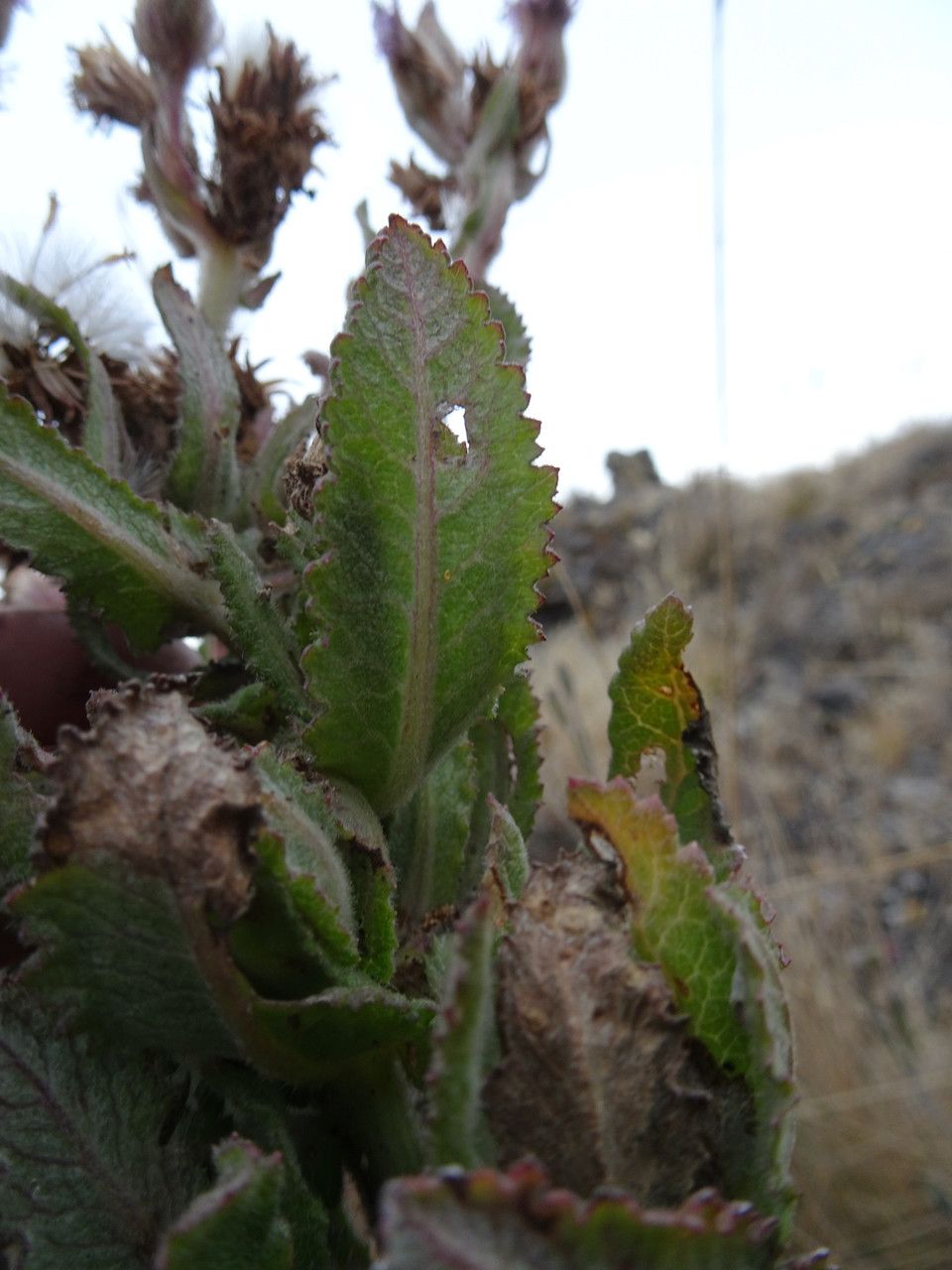
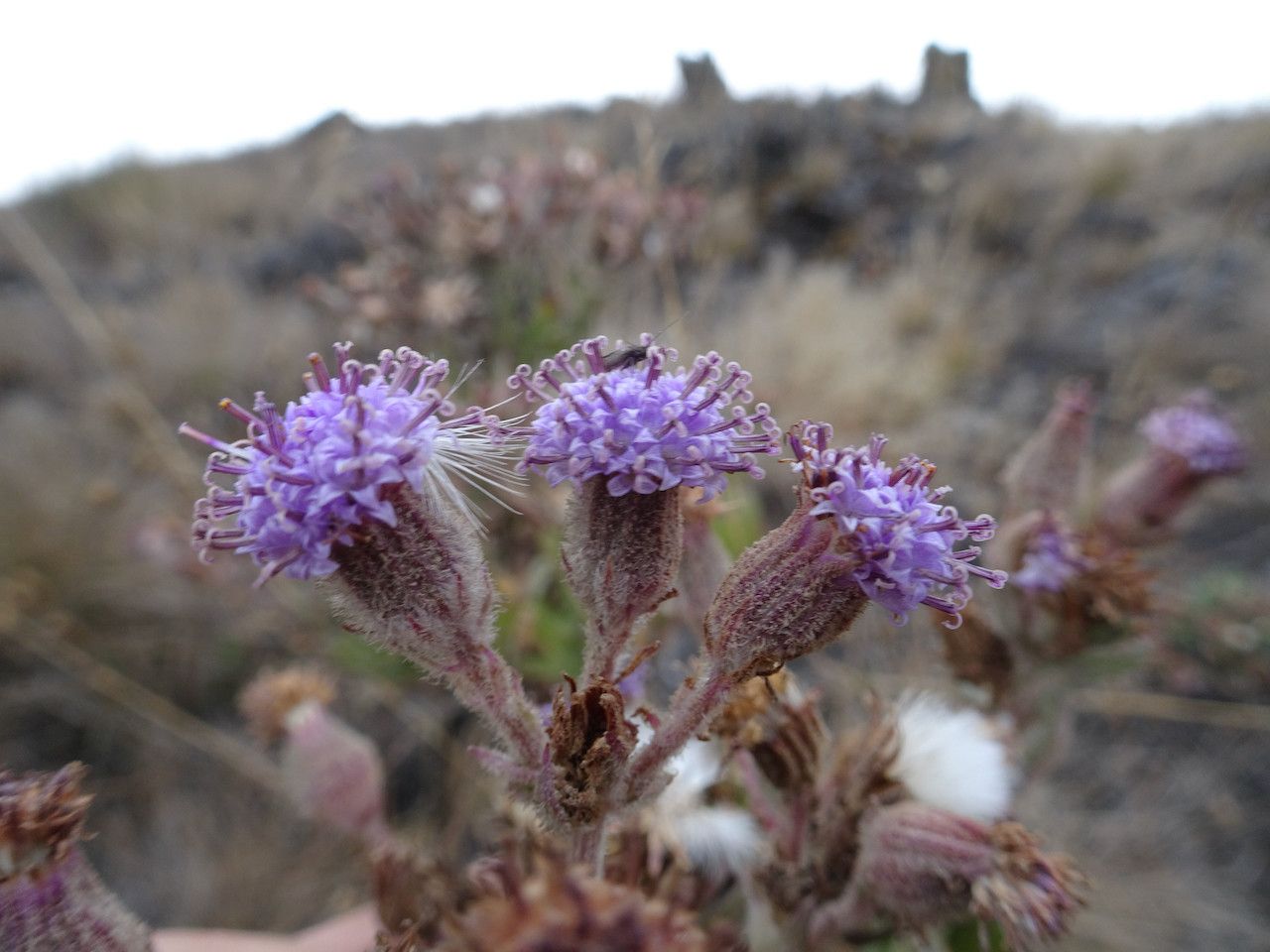
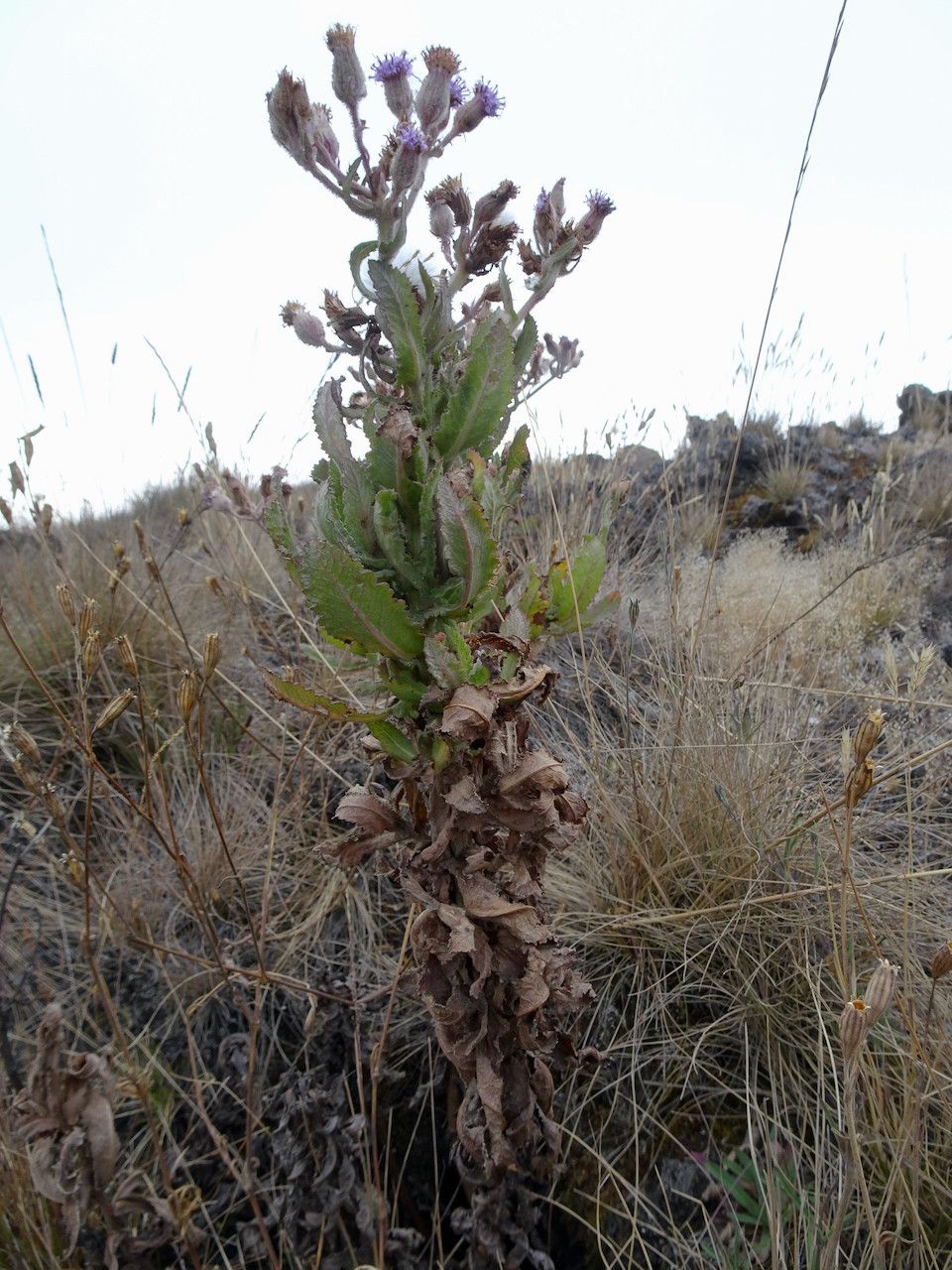
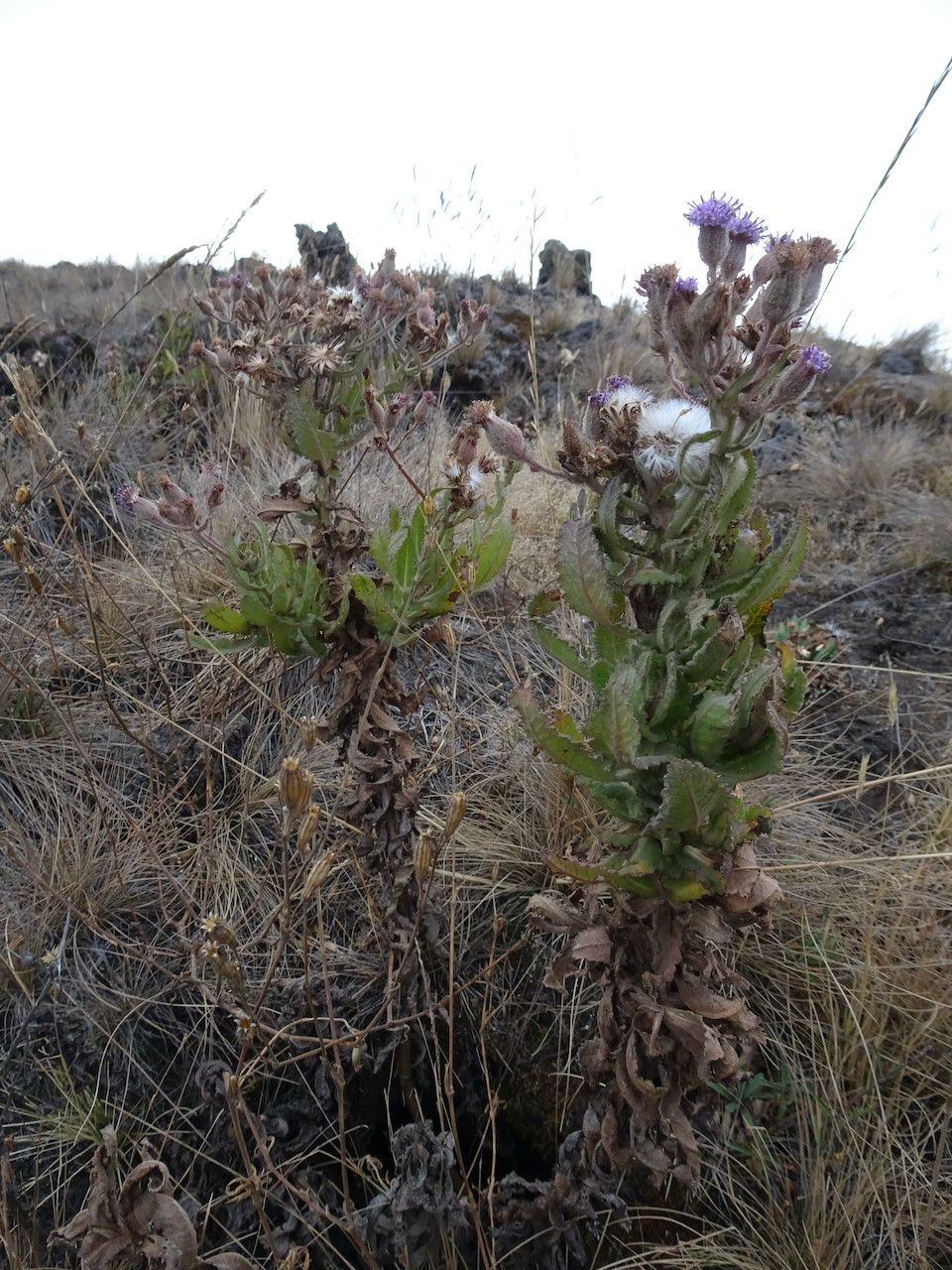
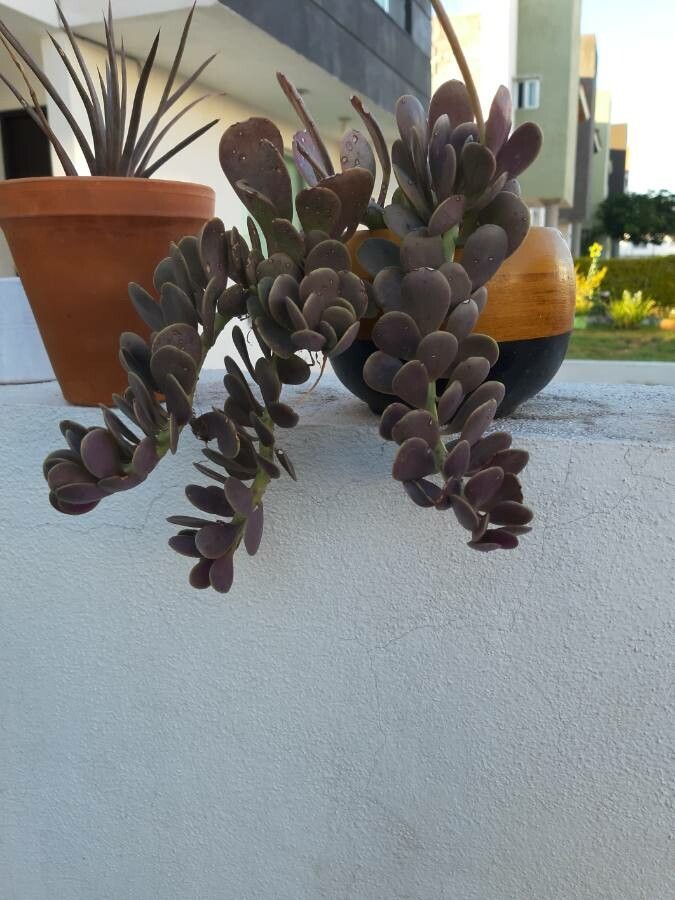
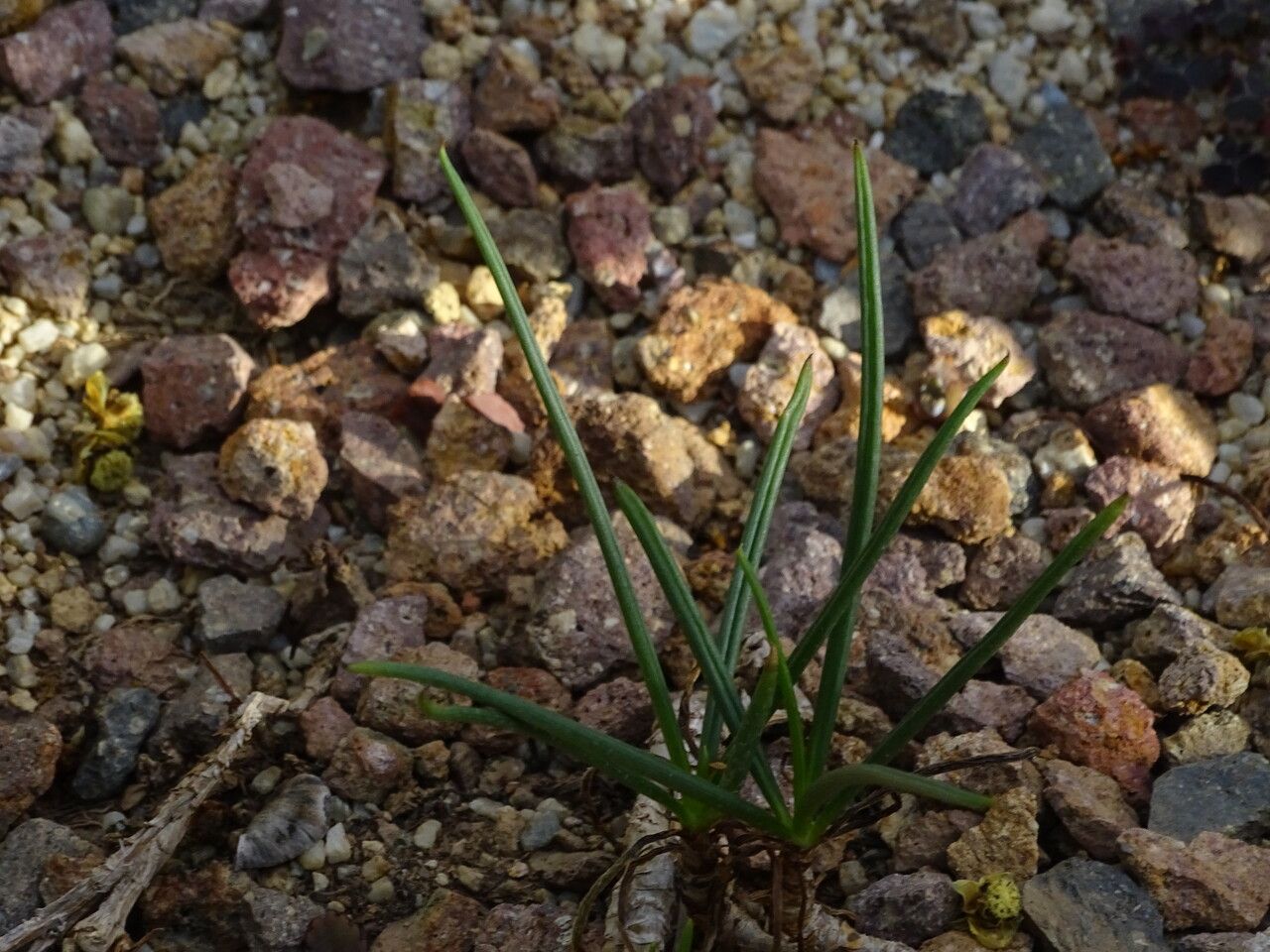
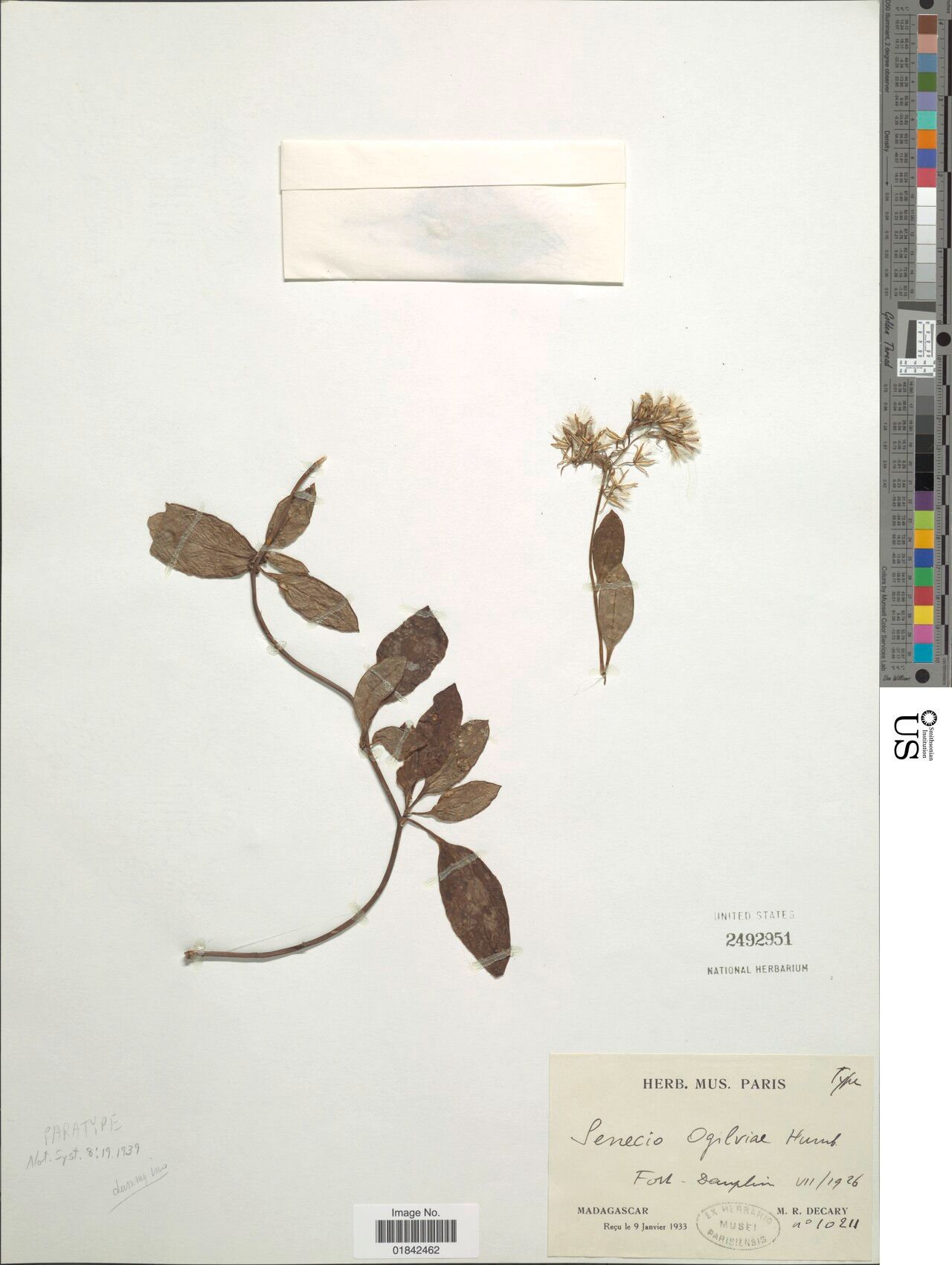
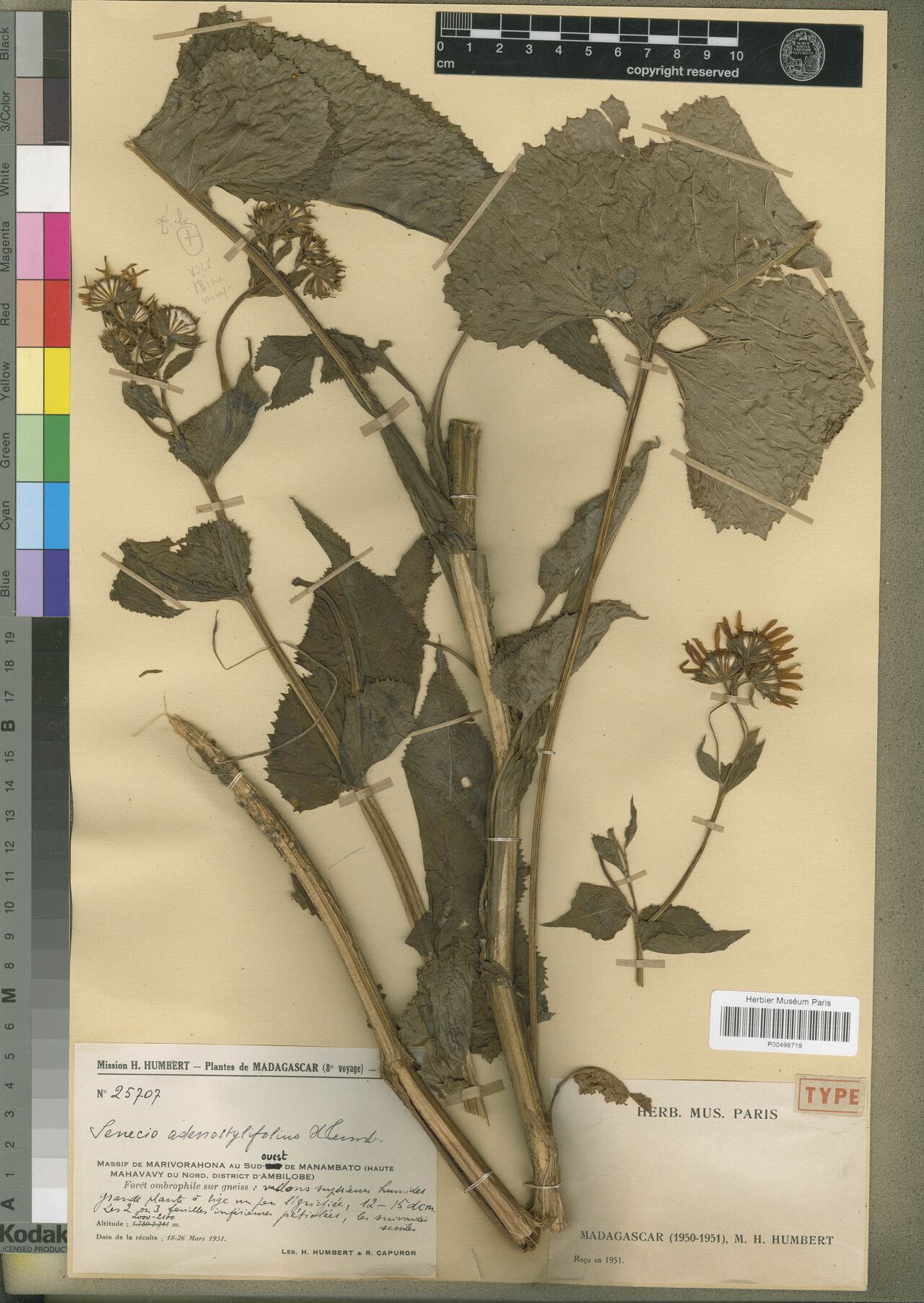
Yoruban bologi has moderate resistance to disease but can be prone to problems such as leaf spot. Its susceptibility to insect pests varies by variety, although most varieties are relatively less resistant to pests. Regarding care, Yoruban bologi needs consistent watering and fertilizing, and frequent removal of yellow leaves. It is important to manage pests and diseases when they occur and to harvest the plant promptly. Yoruban bologi is suitable for people who can spare some time and energy for regular care.
How to keep Senecio Purpureus.
Light
Yoruban bologi comes from habitats that receive abundant sunlight, such as open fields and sunny meadows. It prefers full sun but is also able to tolerate partial sun.
Temperature
Yoruban bologi prefers moderate temperatures — the sort most people find comfortable. It does best in conditions that are neither excessively hot nor cold. The main concern with high temperatures is sunburn, so providing some shade in summer is recommended to prevent overheating. When temperatures decline, Yoruban bologi goes dormant. If continuous growth is wanted, it is necessary to keep temperatures higher during the winter. Frost can harm the plant and should be avoided.
Fertilizer
To maximize yield, Yoruban bologi benefits from regular applications of a balanced fertilizer, particularly one high in nitrogen. Apply fertilizer before planting, at planting time, and when seedlings are 2 inches tall. Adding compost or manure also provides a continuous supply of nutrients. Insufficient nutrients in the soil lead to underdeveloped leaves and stems, inferior flavors, thin stems, and a potentially bitter taste.
Pruning
Senecio purpureus boasts vibrant, showy flowers. To encourage healthy growth, it's beneficial to prune the plant in early spring. This involves removing any dead or damaged stems and shaping the plant. Pruning helps improve air circulation, prevents pest infestations, and contributes to the plant's overall health and appearance. Be sure to use clean, sharp tools for the best results.
Botanical profile.
- Plant Type
- Herb
- Life Cycle
- Annual
- Genus
- Senecio
- Family
- Asteraceae
- Hardiness Zone
- 9-11
- Mature Height
- 76 cm
- Mature Spread
- 20 cm to 40 cm
- Leaf Color
- Green
- Leaf Type
- Semi-evergreen
- Flower Color
- Red
- Flower Size
- 0.76 cm to 1.27 cm
- Bloom Time
- Late spring, Summer, Early fall, Mid fall
- Planting Time
- Spring, Summer, Autumn
- Harvest Time
- Mid summer, Late summer, Fall, Early winter
- Native Area
- Malawi, Angola, South Africa, Zambia, Madagascar, Rwanda, Eritrea, Sudan, Nigeria, Guinea, Yemen, Guinea-Bissau, Central African Republic, Gabon, Zimbabwe, Benin, Mali, Chad, Sierra Leone, Cameroon, Liberia, Mozambique, Burundi, Togo, Senegal, Côte d'Ivoire, Ethiopia, Congo (DRC), Congo
Reader questions.
What are the sunlight requirements for Senecio purpureus?
Senecio purpureus, also known by its botanical name Senecio purpureus, thrives under specific sunlight conditions. It requires full sun, which means it should receive above 6 hours of sunlight daily. Alternatively, it can also grow in partial sun, receiving about 3-6 hours of sunlight each day. It's important to observe how sunlight moves through your garden throughout the day to find spots that offer the right balance of light and shade, ensuring the ideal growing conditions for Senecio purpureus and contributing to their well-being.