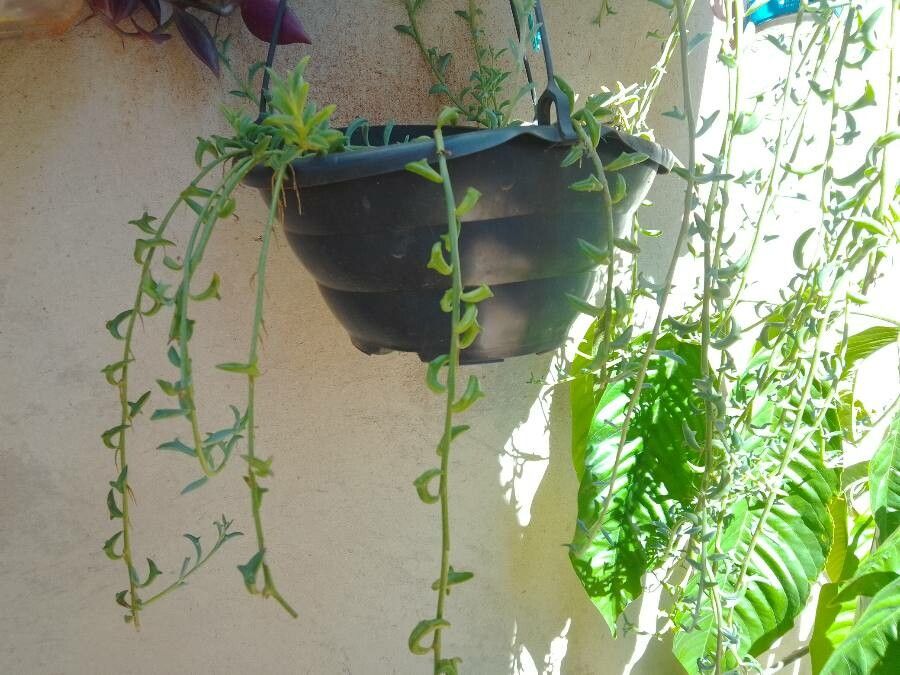
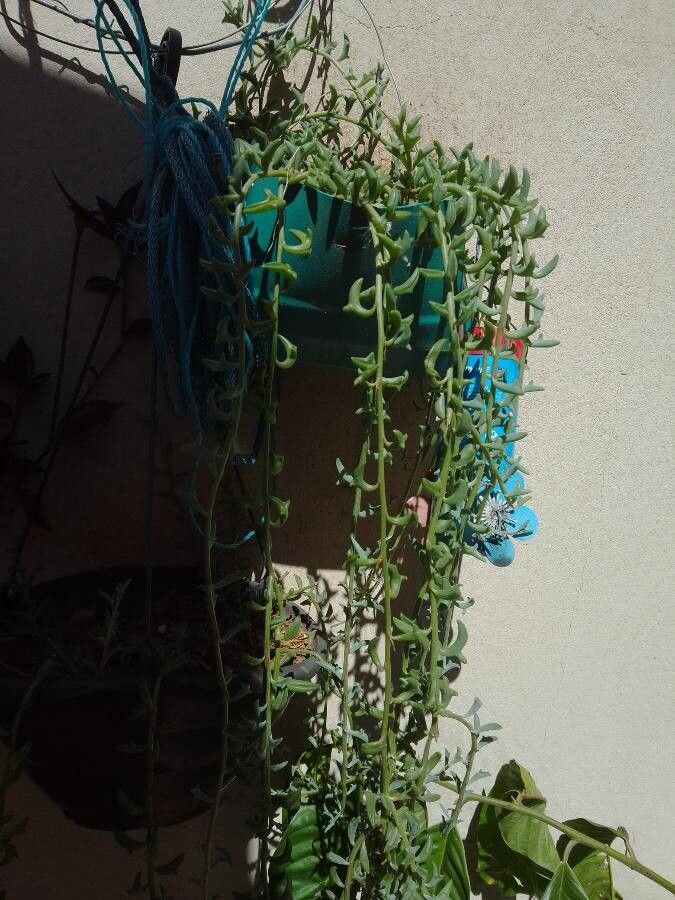
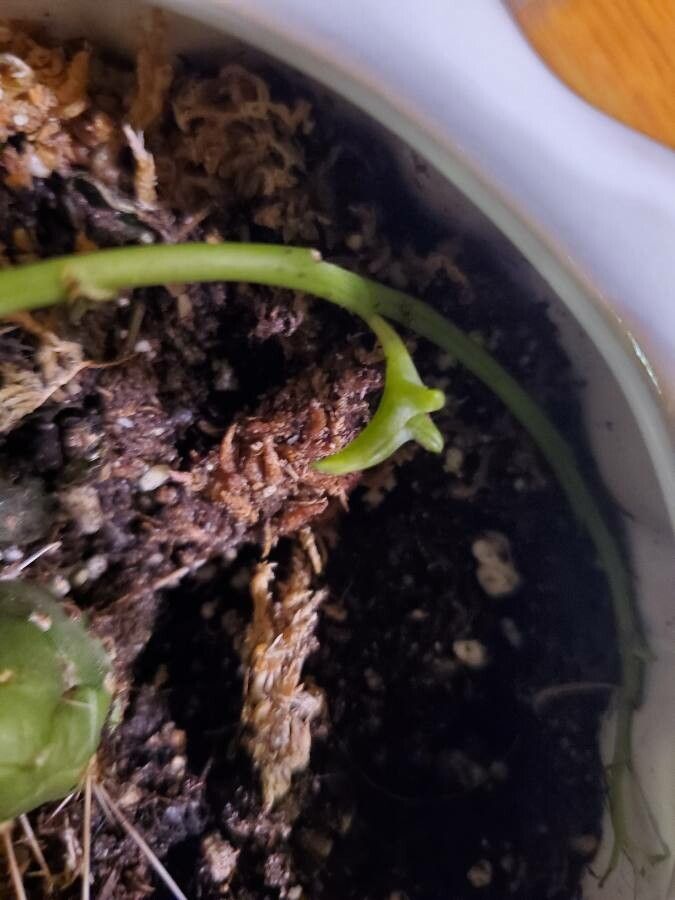
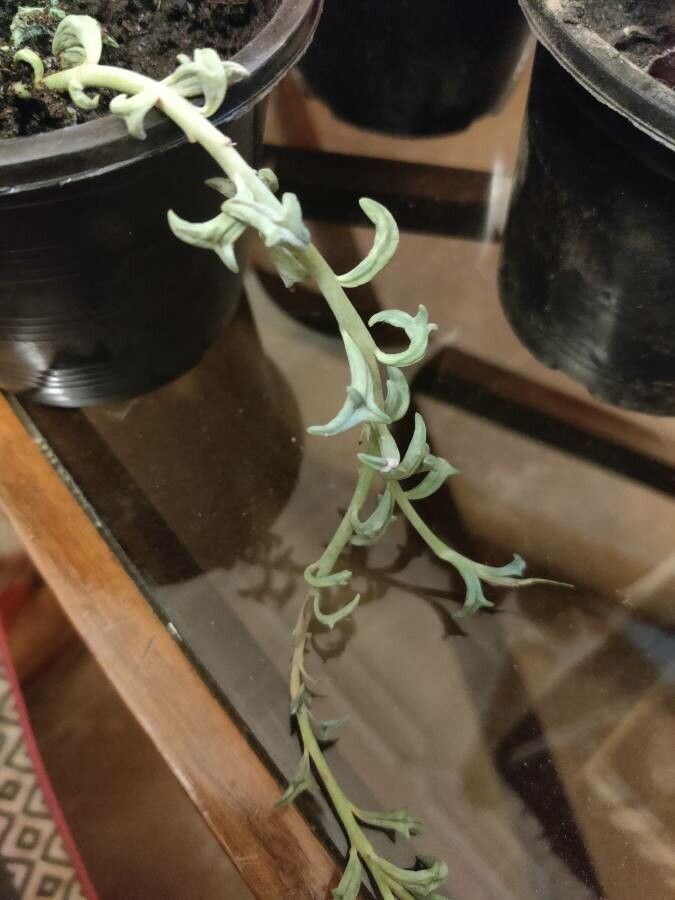
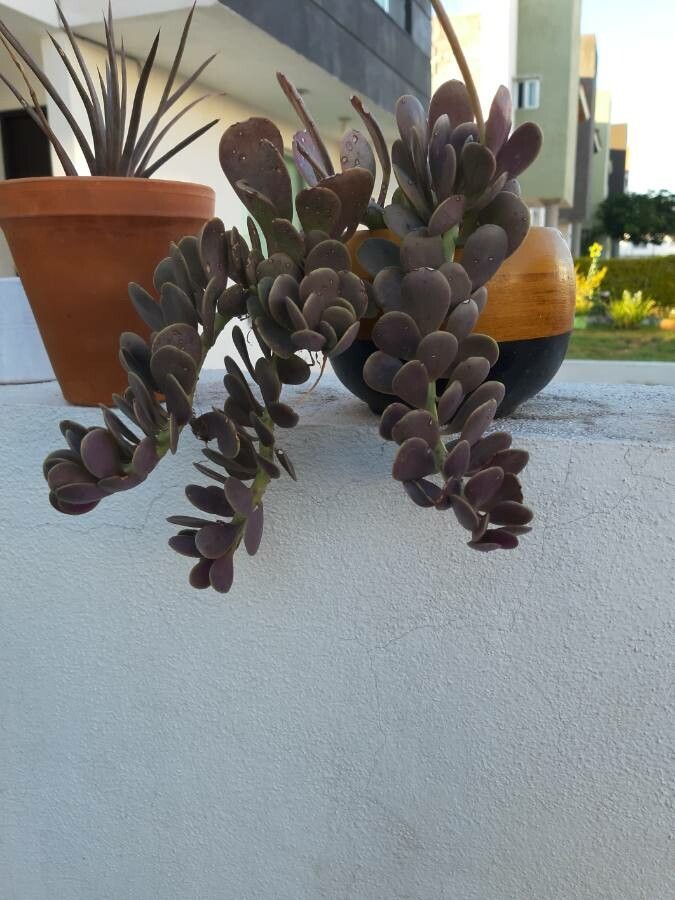
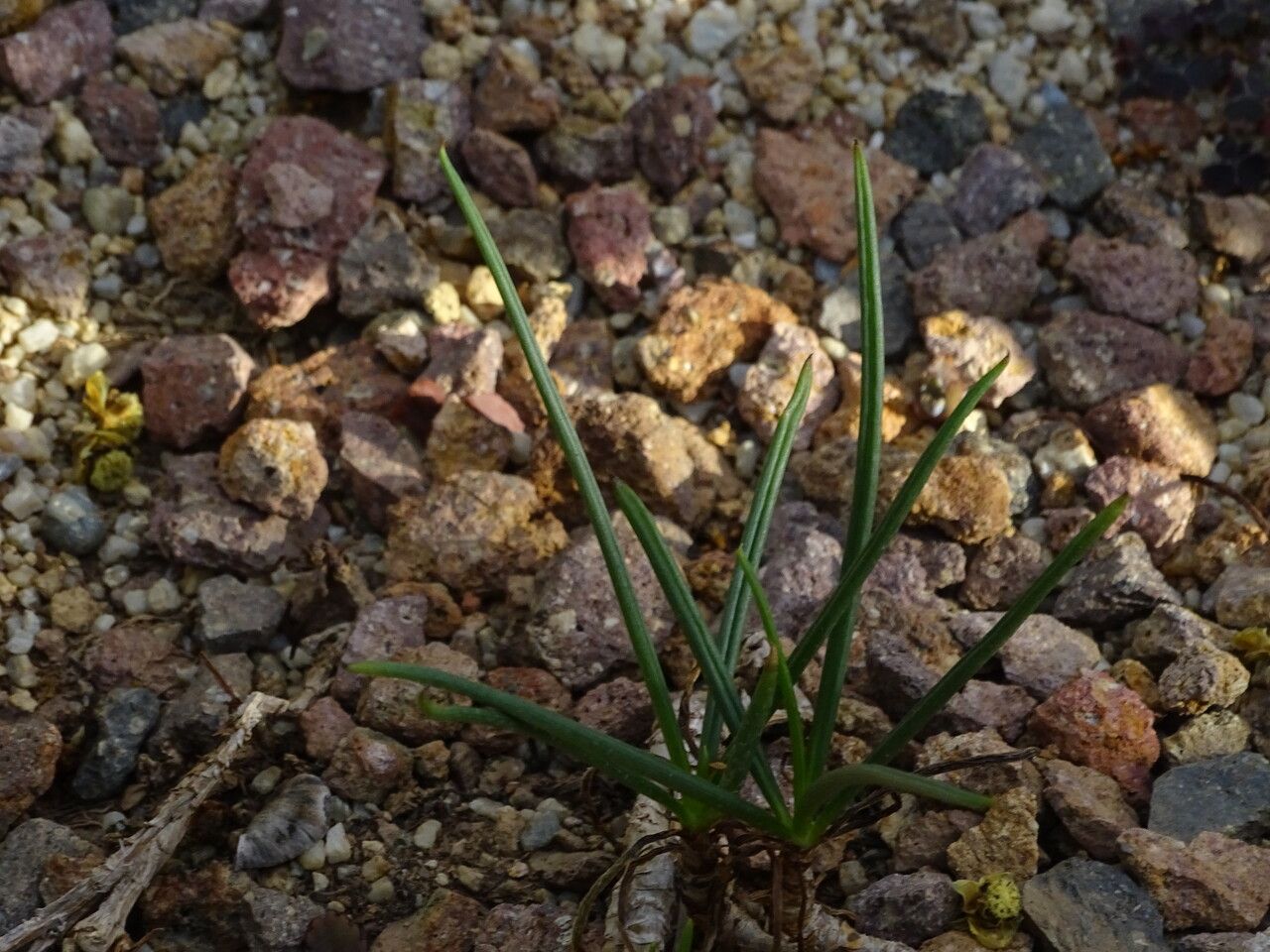
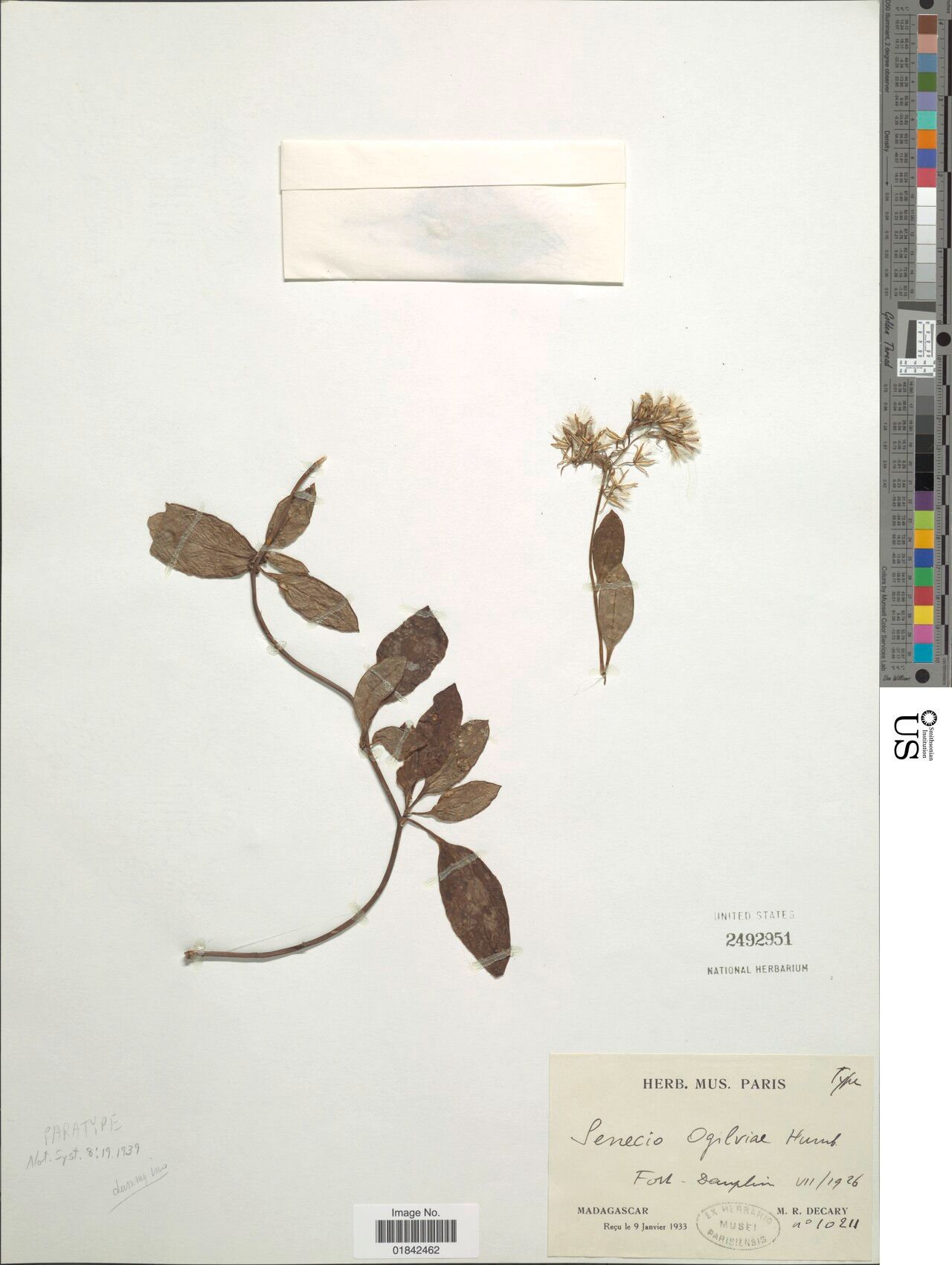
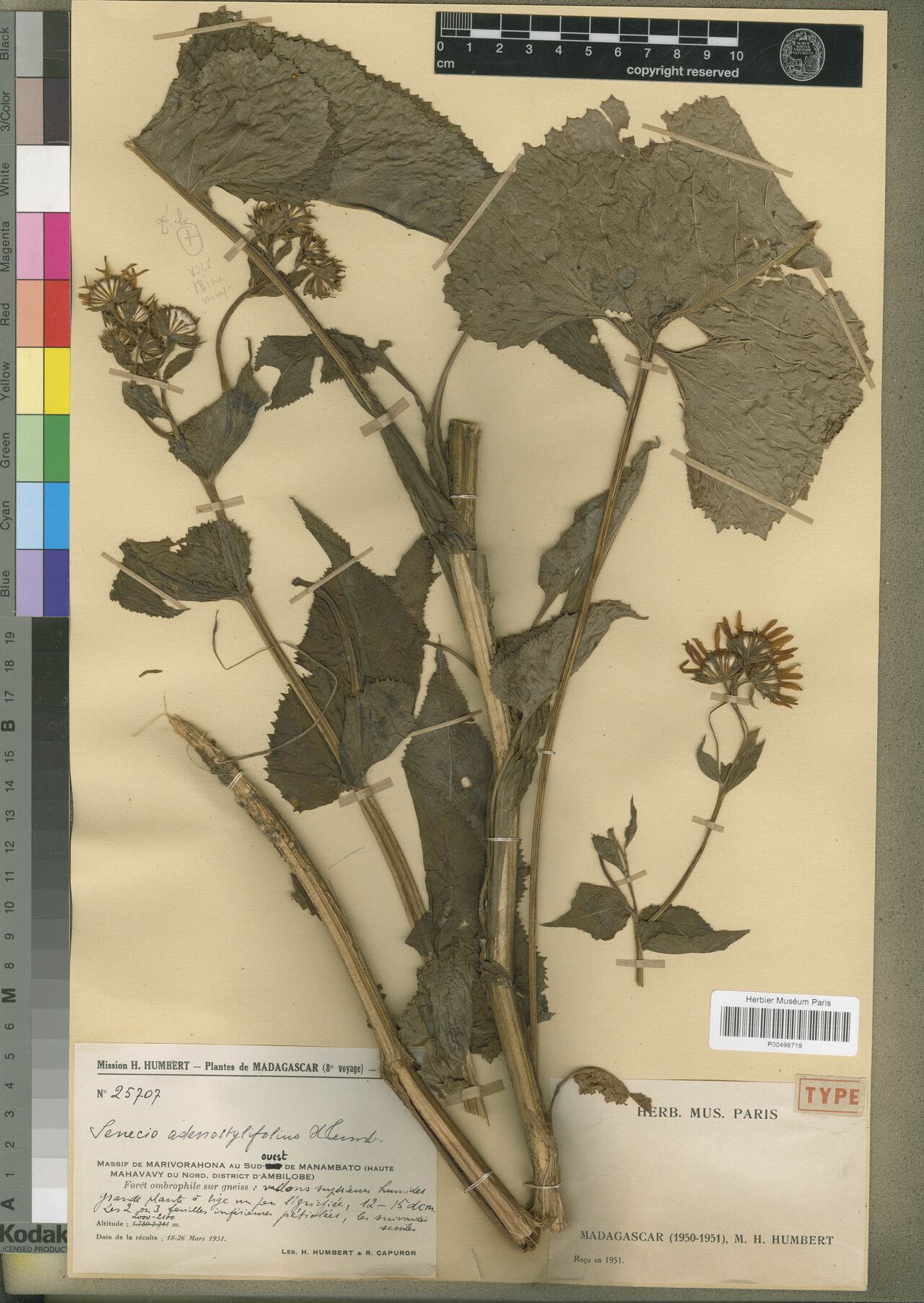
Senecio peregrinus, commonly known as the string of dolphins, is a uniquely captivating plant that belongs to the Asteraceae family. This plant is a hybrid of two other popular succulents: Senecio rowleyanus (string of pearls) and Senecio articulatus (hot dog cactus).
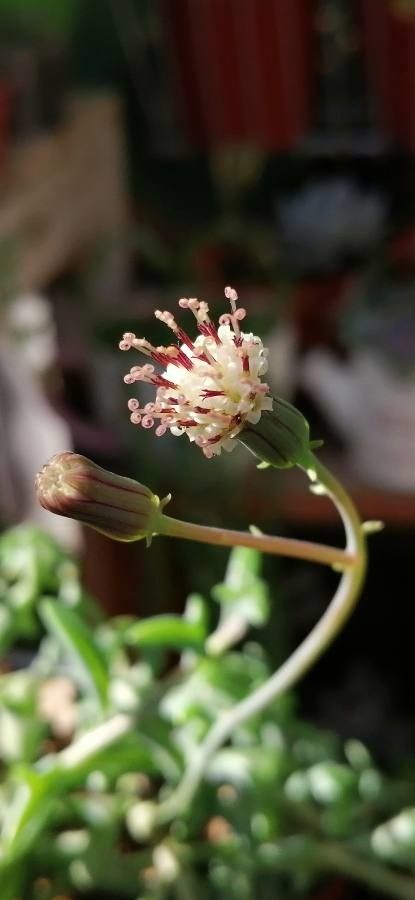
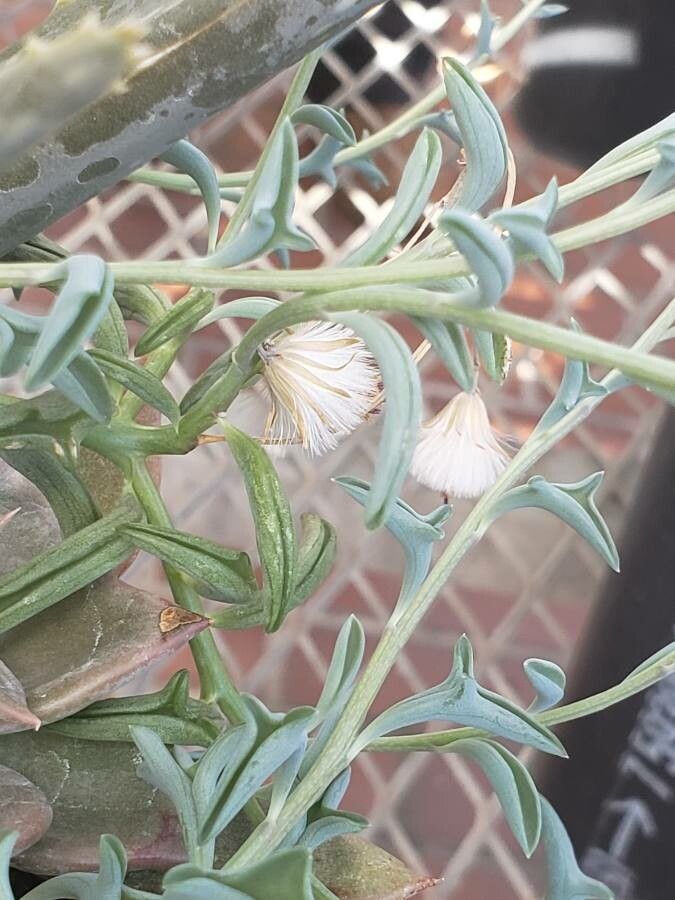
The string of dolphins features long, trailing stems that can extend up to 3 feet in length. Its leaves are small and shaped like miniature dolphins, with a bluish-green color on top and a silvery-white hue on the underside. During the summer months, the plant produces small, white or pink flowers.
Caring for this succulent is relatively simple. It requires minimal watering and thrives in bright, indirect sunlight or partial shade. The string of dolphins prefers well-draining soil with good airflow around its leaves.
This plant has gained popularity among houseplant enthusiasts due to its unique appearance, easy care requirements, and ability to propagate easily from cuttings.
However, it's important to note that Senecio peregrinus contains toxic compounds called pyrrolizidine alkaloids, which can be harmful if ingested by pets or humans. Therefore, it's crucial to avoid consuming any part of this plant and to keep it out of reach of children and pets.
Overall, Senecio peregrinus is an intriguing addition for any indoor garden enthusiast. Its dolphin-shaped leaves add a whimsical touch, making it an unusual yet low-maintenance option for houseplant collections.
String of dolphins exhibits strong disease resistance and is generally not prone to illness. However, it can be affected by pests and diseases present in its environment. These problems are typically mild. As for care, this plant requires moderate maintenance. It should be pruned regularly to maintain a good appearance and healthy growth. Fertilizing can also help encourage flowering. String of dolphins is appropriate for anyone with outdoor space, such as a garden or patio, and does not need extensive care experience. It may need more attention when kept indoors.
How to keep Senecio Peregrinus.
Light
String of dolphins prefers an environment that receives constant sunlight, matching their natural habitat. However, it can also survive in situations where sunlight is only partly available. Insufficient rays can lead to weak growth, while overexposure may scorch the leaves.
Water
Because string of dolphins leaves can retain water for an extended period of time, they are drought-tolerant and do not require regular watering. To avoid root rot, allow the soil to dry completely between waterings and then water deeply. When the plant goes dormant in the fall and winter, reduce the amount of water it receives.
Humidity
This plant prefers dry conditions, so don't mist it. However, watering it less often can also thrive in higher humidity.
Temperature
String of dolphins is best adapted to temperate climates, growing most successfully in temperatures of 68 to 100 °F (20 to 38 ℃). Originating from areas with similar climates, it may require temperature-control measures during periods of extreme cold or heat.
Fertilizer
Proper fertilization is essential for the health and appearance of the String of Dolphins. Fertilize the String of Dolphins in summer, repeating the application monthly throughout summer. Nutrients fuel growth and sustain the plant's parts. Fertilization improves the String of Dolphins' flower display, ensuring the best blooms.
Pruning
To remove yellow or withering leaves or regulate the plant's trailing stems, prune the string of dolphins. String succulents can be pruned to foster more growth. From the cut pruned vine, some Senecio plants begin to develop several stems. You may, of course, cut off lanky stems to help the plant look better.
Botanical profile.
- Plant Type
- Herb
- Life Cycle
- Perennial
- Genus
- Senecio
- Family
- Compositae
- Hardiness Zone
- 9-11
- Mature Height
- 15 cm
- Mature Spread
- 10 cm
- Leaf Color
- Green
- Leaf Type
- Evergreen
- Flower Color
- White
- Flower Size
- 2.54 cm
- Bloom Time
- Summer, Early fall, Mid fall
- Planting Time
- Spring, Summer, Autumn
- Harvest Time
- Late summer, Fall, Early winter
- Native Area
- Bolivia
Other names.