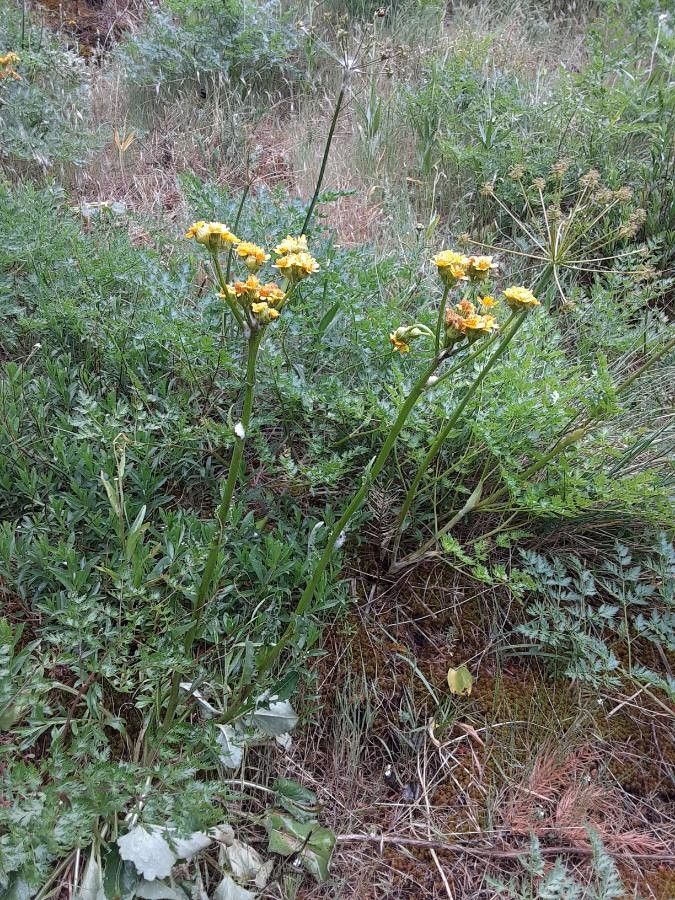
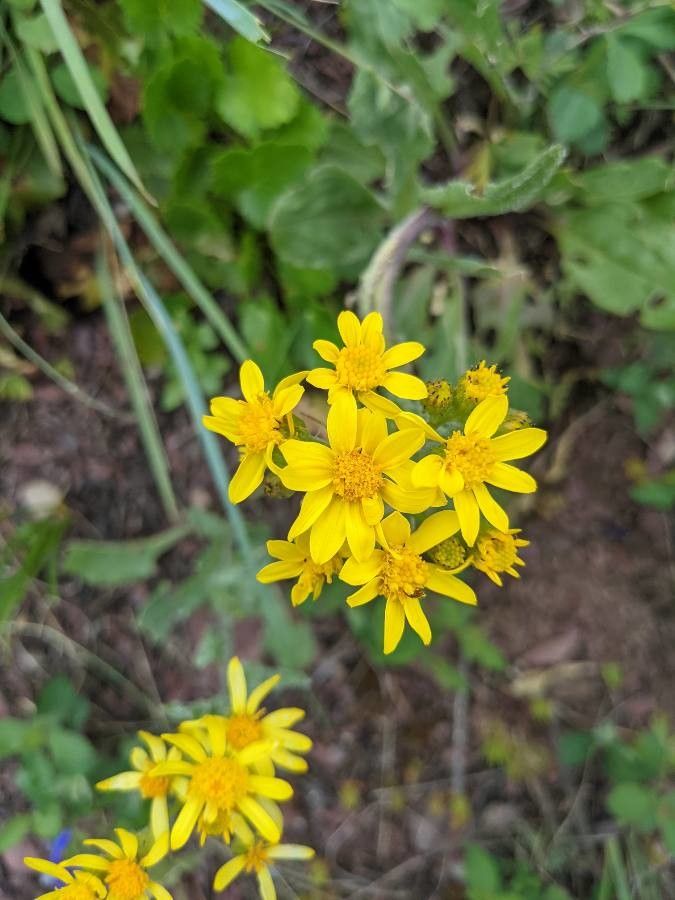
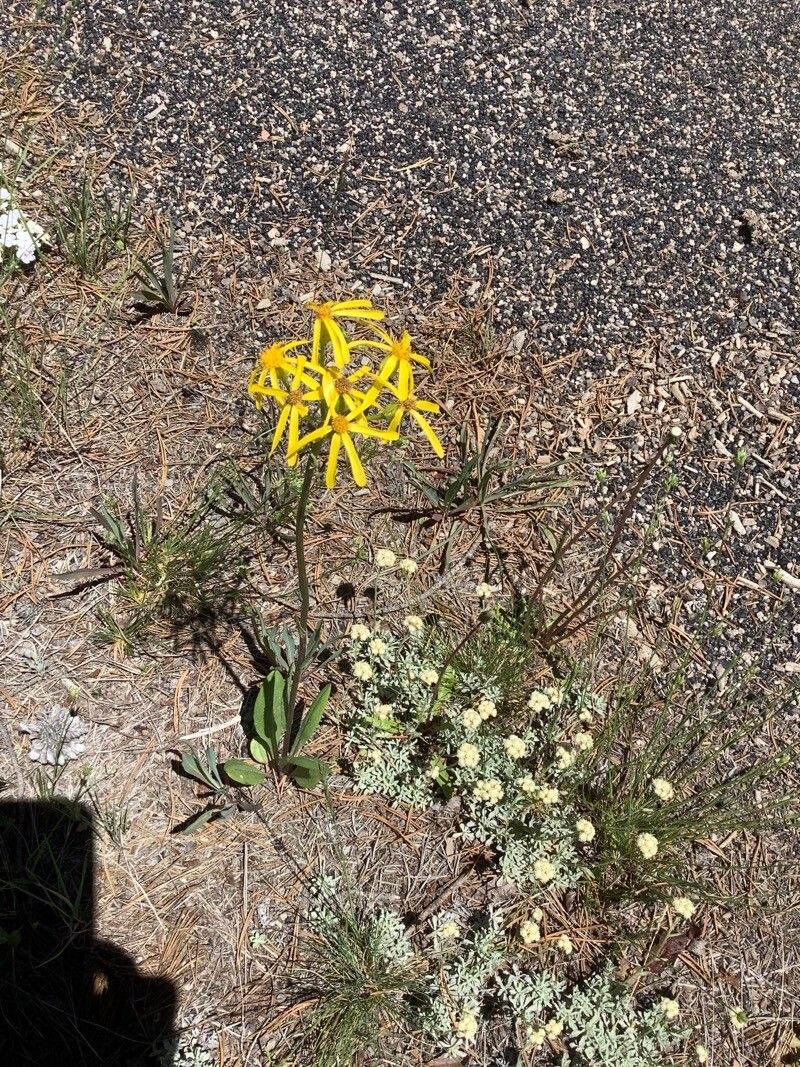
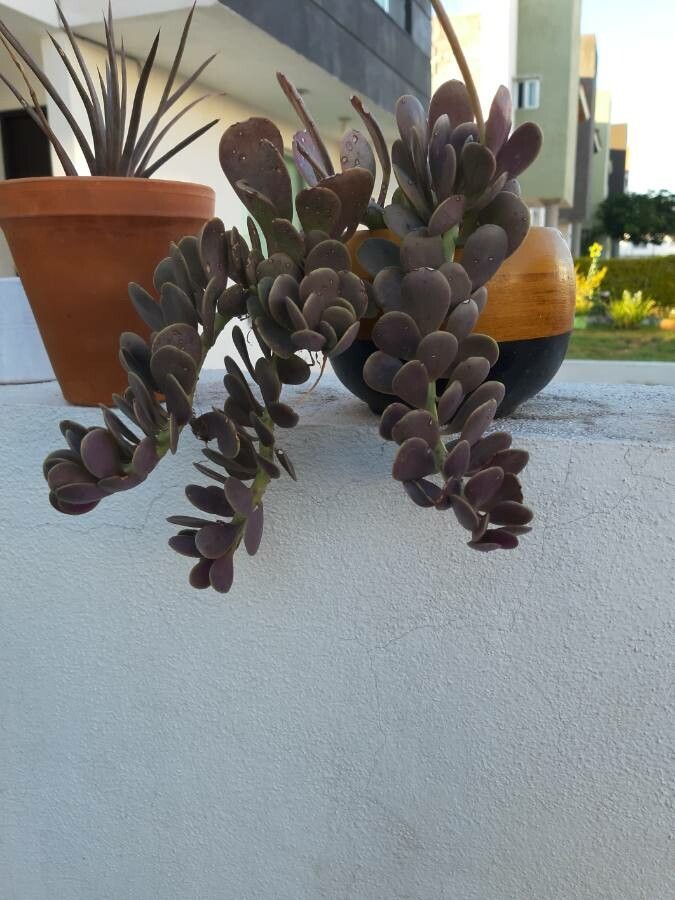
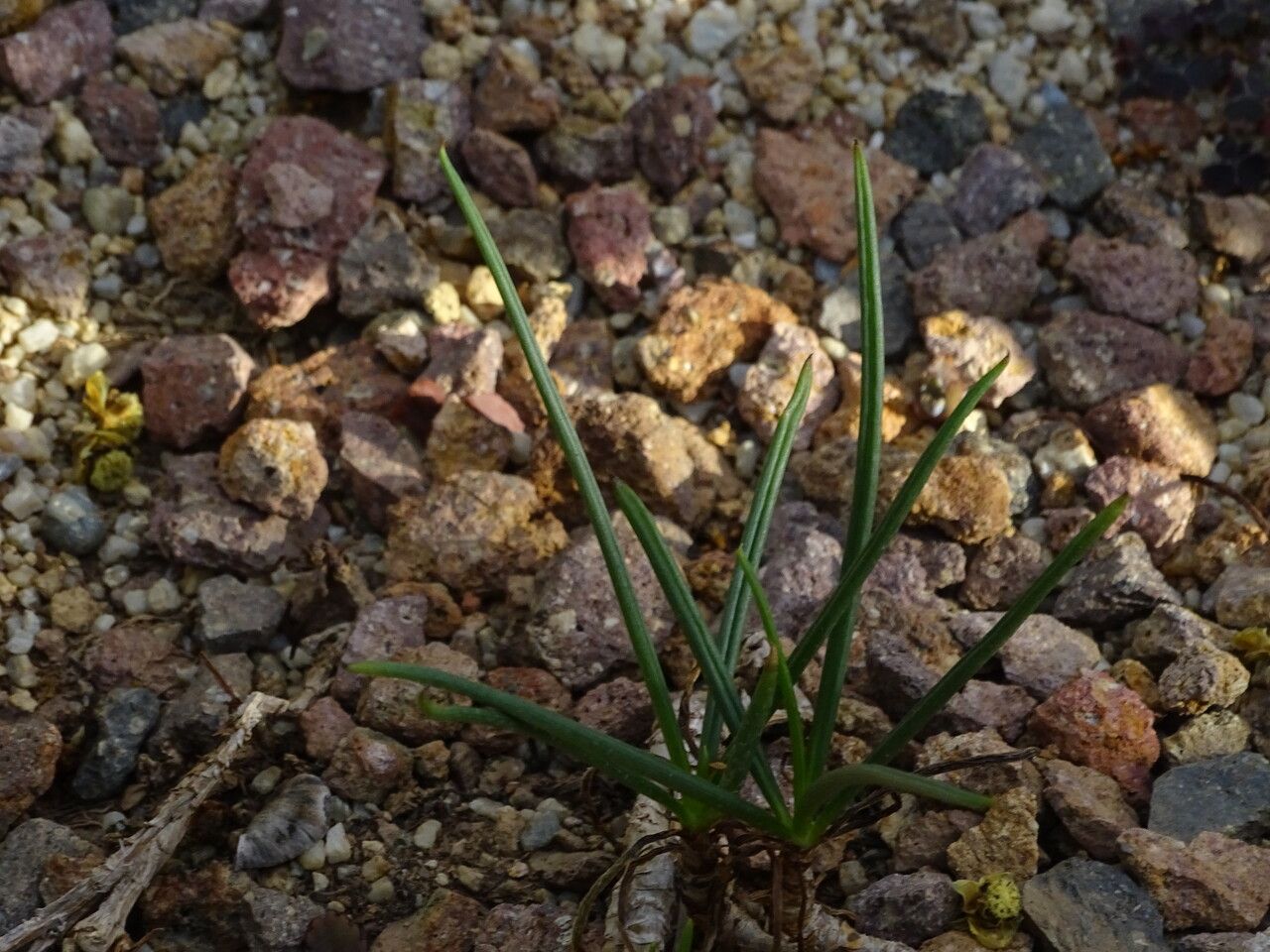
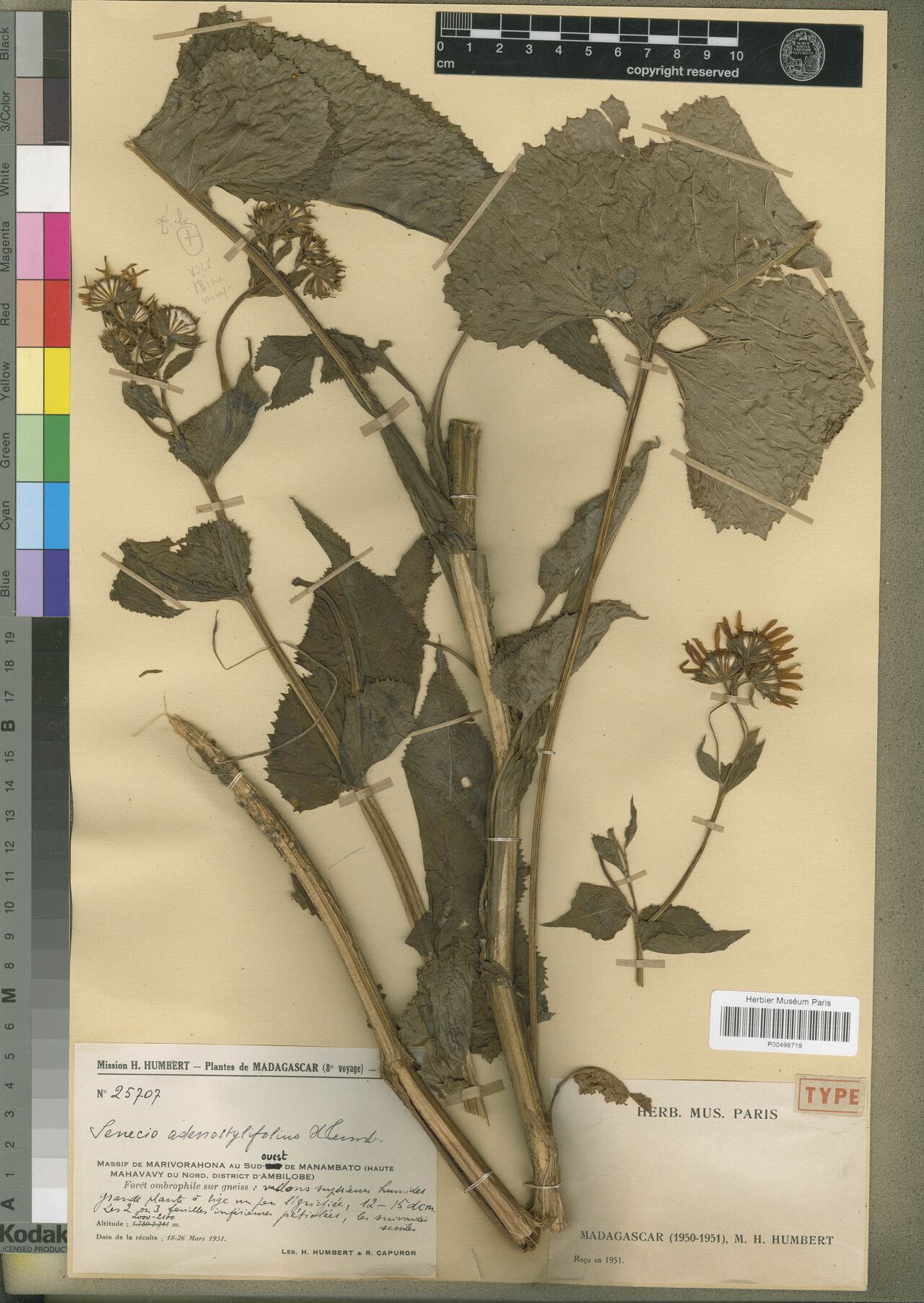
Senecio integerrimus, commonly known as the entire-leaved groundsel, is a perennial herbaceous plant in the Asteraceae family. Native to North America, it thrives in diverse habitats including meadows, prairies, and open woods.
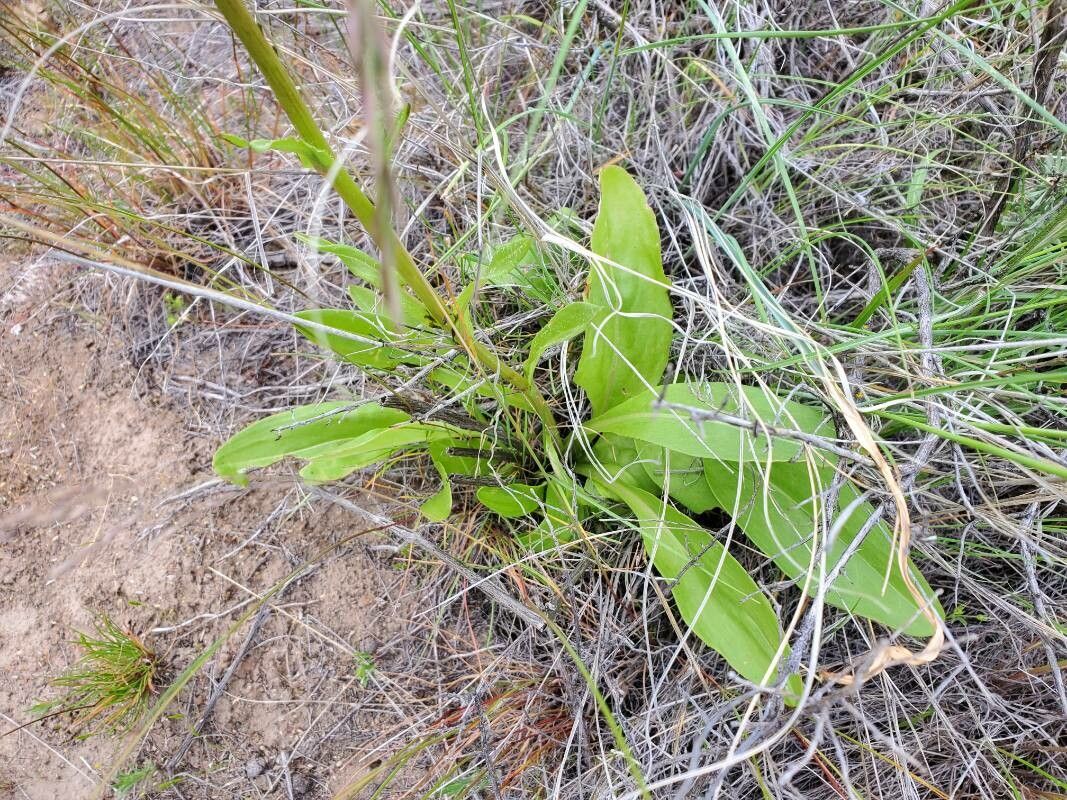
This plant can grow up to 60 cm tall and features a basal rosette of entire (without lobes or teeth), lance-shaped leaves. Its erect stem bears few branches at the top, where clusters of yellow flowers bloom from June to August.
Historically, Native Americans have used Senecio integerrimus for medicinal purposes, treating ailments such as coughs, colds, fever, and stomach problems. However, it is important to note that some species within this genus contain toxic compounds that can cause liver damage if ingested.
Overall, Senecio integerrimus is a striking wildflower that enhances natural landscapes with its bright yellow blooms. Additionally, it provides ecological benefits by attracting pollinators like bees and butterflies.
Lambstongue ragwort shows strong resistance to disease and is generally unlikely to develop illnesses. Still, it can be vulnerable to pests and diseases present in its environment. Such infections are typically mild. Regarding upkeep, this plant is moderately demanding. It should be pruned regularly to preserve an attractive appearance and healthy growth. Applying fertilizer can also encourage more abundant flowering. Lambstongue ragwort is well suited to anyone with outdoor areas like a garden or patio and does not need extensive care experience. It can, however, need extra attention if cultivated indoors.
How to keep Senecio Integerrimus.
Light
Lambstongue ragwort favors abundant sunlight for healthy growth. In its natural range it is found in areas with strong sun. It tolerates spots with some shade, but diminished sunlight can hinder its ability to thrive. Too much sun does not harm the plant, while too little sun may cause slower development.
Water
Lambstongue ragwort comes from temperate regions and prefers a moderate amount of moisture. To thrive, it requires consistent weekly watering to keep the topsoil evenly moist. While it is typically grown outdoors, it is important to monitor the soil's moisture level during its active growing season to ensure optimal health and growth.
Temperature
Lambstongue ragwort strongly prefers a temperature range of 68 to 95°F (20 to 35°C). It does best in its native environment when maintained within this range. However, during different seasons the temperature can be adjusted moderately to achieve optimal growth.
Fertilizer
Lambstongue ragwort needs the most fertilizer during its active growth period, which is mainly in spring, summer, and early fall. Fertilization supplies essential nutrients that the soil may lack, encouraging healthy root and stem development and promoting the attractive foliage that is a key feature of this plant.
Pruning
Lambstongue ragwort, known for its vibrant yellow flowers, should be pruned from early to late spring. Trimming dead stems and spent blooms encourages growth, keeps the plant's invasive tendencies in check, and improves its overall appearance. Additionally, pruning enhances air circulation and reduces the risk of disease. By maintaining a regular pruning routine, you can ensure a healthier and more vibrant plant.
Botanical profile.
- Plant Type
- Herb
- Life Cycle
- Perennial, Biennial
- Genus
- Senecio
- Family
- Asteraceae
- Hardiness Zone
- 10
- Mature Height
- 20 cm to 61 cm
- Mature Spread
- 30 cm to 76 cm
- Leaf Color
- Green, Dark Green
- Leaf Type
- Evergreen
- Flower Color
- Yellow
- Flower Size
- 1.27 cm to 2.79 cm
- Bloom Time
- Mid spring, Late spring
- Planting Time
- Spring, Summer
- Harvest Time
- Early summer, Mid summer
Other names.
Reader questions.
How should I water my Lambstongue ragwort plant?
To properly water the Lambstongue ragwort, it is recommended to use filtered water at room temperature. This is because tap water may contain harmful particles for the plant. Additionally, it is important to use water that is at room temperature or slightly warmer since the Lambstongue ragwort is accustomed to warmer climates and cold water could be a shock to its system. It is also advised to avoid overhead watering as it can lead to foliage issues. Instead, the soil should be watered until it is completely soaked using the filtered, room temperature water. This method is beneficial as it provides moisture to the roots and aids in their spread throughout the soil, enabling them to gather necessary nutrients.
What are the sunlight requirements for Lambstongue ragwort?
Lambstongue ragwort thrives when exposed to ample sunlight. It prefers full sun, meaning it should receive above 6 hours of sunlight daily, but it can also grow in partial sun, with about 3-6 hours of sunlight. However, it's crucial to observe how sunlight moves through your garden to ensure you place your plants in locations that offer a balanced environment of light and shade. This careful positioning helps ensure the plants' health and happiness.
What is the ideal temperature range for growing Lambstongue ragwort?
Lambstongue ragwort, also known as Senecio integerrimus, thrives best in a temperature range of 68 to 95°F (20 to 35°C). It is a heat-loving plant that benefits from temperatures within this range, which are typical of its native environment. To ensure optimal growth, especially during varying seasons, it's essential to moderately adjust temperatures. In colder months, maintaining an environment above 20°C is beneficial, while exposure to temperatures near 5°C or lower can be harmful. During autumn, it's advisable to bring the plant indoors, placing it near a bright window but away from direct heat sources to avoid damage.
If I give my Lambstongue ragwort too much or too little water, what should I do?
Overwatering is a more common issue than underwatering for the health of your Lambstongue ragwort. When this plant receives too much water, its stems and leaves may wilt and turn yellow. Overwatering can also lead to diseases like root rot, mold, and mildew that can kill your plant. Underwatering is less common due to the plant's drought tolerance, but it can still happen and cause brittle, brown leaves. It's important to notice the signs of overwatering early on to prevent irreparable damage from diseases like root rot. If you see these signs, reduce your watering schedule and check the soil's drainage. Replace poorly draining soil with a loose, well-draining potting mix. If your Lambstongue ragwort shows signs of underwatering, simply water more regularly until the signs disappear.
How does insufficient sunlight affect Lambstongue ragwort indoors?
When Lambstongue ragwort is cultivated indoors, especially during winter, it may suffer from inadequate lighting. This can lead to several symptoms, such as smaller new leaves, leggy or sparse growth, faster leaf drop, slower or no new growth, lighter-colored new leaves, chlorosis, sunscald, leaf curling, wilting, and leaf scorching. These symptoms indicate the plant's struggle under poor light conditions, highlighting the importance of proper light exposure for healthy growth.
How should I care for Lambstongue ragwort in low temperatures?
Lambstongue ragwort does not tolerate low temperatures well, requiring conditions above 20°C to thrive, with a critical threshold above 5°C during winter. Exposure to temperatures below 1°C can cause the leaves to lighten in color, and eventually, frost damage may turn them brown or black while leading to wilting and drooping. If such damage occurs, the frost-damaged parts should be trimmed off, and the plant should be moved indoors to a warmer environment for protection. Placing the plant near a south-facing window ensures sufficient sunlight, but it should be kept away from heaters or air conditioning vents to prevent excessive dryness.
How much water does my Lambstongue ragwort need?
If your Lambstongue ragwort is in a pot, the best way to determine if it needs watering is to check the soil by sticking your finger into it. If the top two to three inches of soil are dry, then it's time to water the plant. If your Lambstongue ragwort is growing outdoors in the ground, you can use a similar method to test the soil. Once again, if the top few inches of soil have dried out, it's time to give it some water. In spring and early fall, you'll usually need to water this plant about once a week. However, during extremely hot weather, you may need to increase your watering frequency to twice a week or more. It's worth noting that mature, well-established Lambstongue ragwort plants can tolerate drought quite well.
How can artificial lighting benefit indoor Lambstongue ragwort?
Indoor Lambstongue ragwort can greatly benefit from artificial lighting, particularly when natural sunlight is scarce, such as in winter or in less sunny spaces. Artificial lights, like LED lights, can be customized to provide specific wavelengths necessary for the plant's growth. Full sun plants need 30-50W/sq ft, partial sun plants need 20-30W/sq ft, and full shade plants should have 10-20W/sq ft of artificial light. The light source should be placed 12-36 inches above the plant, and it should mimic natural daylight hours, with most plants requiring 8-12 hours of light per day.
What measures should be taken when Lambstongue ragwort is exposed to high temperatures?
During the summer months, it's important to keep Lambstongue ragwort's exposure below 35°C to prevent heat stress. If temperatures exceed 41°C, the plant's leaves may lighten, increasing susceptibility to sunburn. To address this, sunburned or dried-up parts of the plant should be trimmed away. Relocating the plant to a shaded area during midday and afternoon hours helps protect it from excessive sunlight. Additionally, watering the plant in the morning and evening ensures the soil remains moist, providing a conducive environment for its growth and health.
How much water does my Lambstongue ragwort plant need?
When watering your Lambstongue ragwort, don't hold back on the amount of water you give. Make sure the first two to three inches of soil are dry and then give it a good, deep watering. The goal is to completely saturate the soil, so add enough water that it drips out through the drainage holes at the bottom of the pot. If you don't see any excess water draining out, it means you haven't given enough water. However, be careful not to let water accumulate in the soil, as that can harm the plant. On the other hand, if water doesn't drain properly from the pot, it could mean the soil isn't draining well, which can also harm the plant. If the plant is outside, it needs about 1 inch of rain per week.
What are some solutions for Lambstongue ragwort experiencing insufficient sunlight?
For Lambstongue ragwort facing light deficiency, there are several solutions. Indoors, gradually move the plant to a sunnier spot each week until it receives at least 6 hours of direct sunlight daily. Use a south-facing window and keep curtains open for maximum exposure. Consider artificial lighting for ample light. Outdoors, also move the plant gradually to sunnier spots to avoid sunburn. If sunlight is obstructed, consider pruning or transplanting smaller plants to areas with better sun exposure. Note that damaged parts may not recover, but new growth should be healthy with better light conditions.
How do I water my Lambstongue ragwort at different times as it grows?
The water needs of the Lambstongue ragwort can vary depending on its growth stages. When the plant is in its early years or has just been transplanted, it requires more water than usual. During these stages, the emphasis is on developing new roots to support future growth, and these roots operate best with slightly more moisture. As the plant matures, its water requirements decrease. Additionally, the bloom period is another stage that may require more water, as flower development uses a substantial amount of moisture.