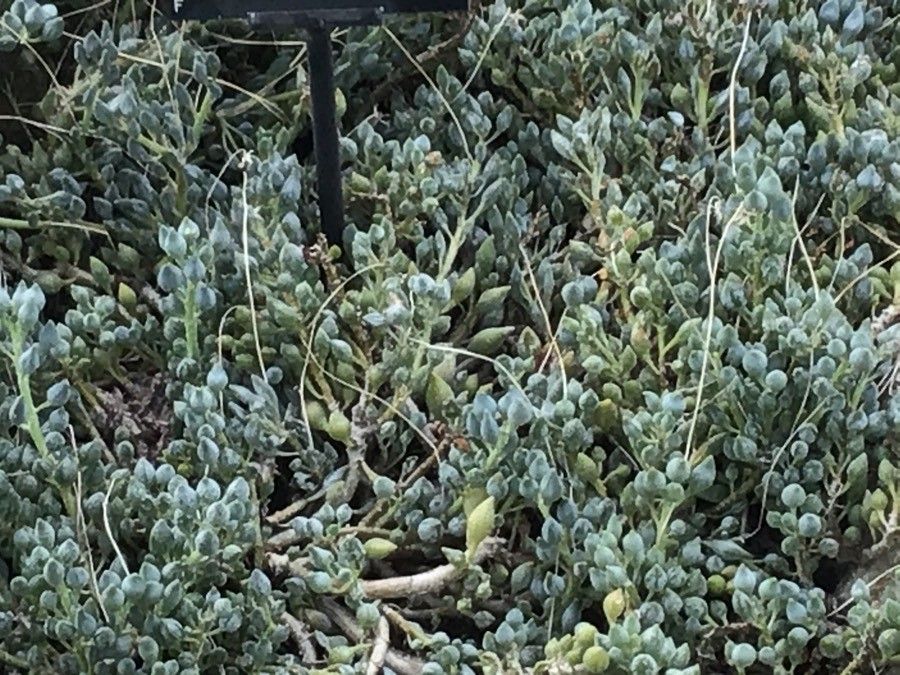
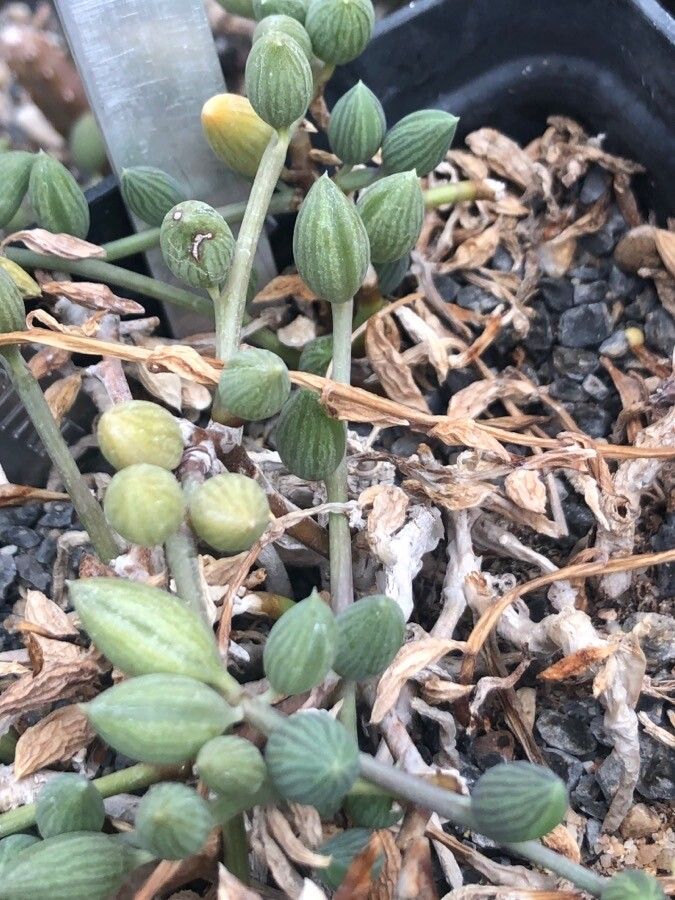
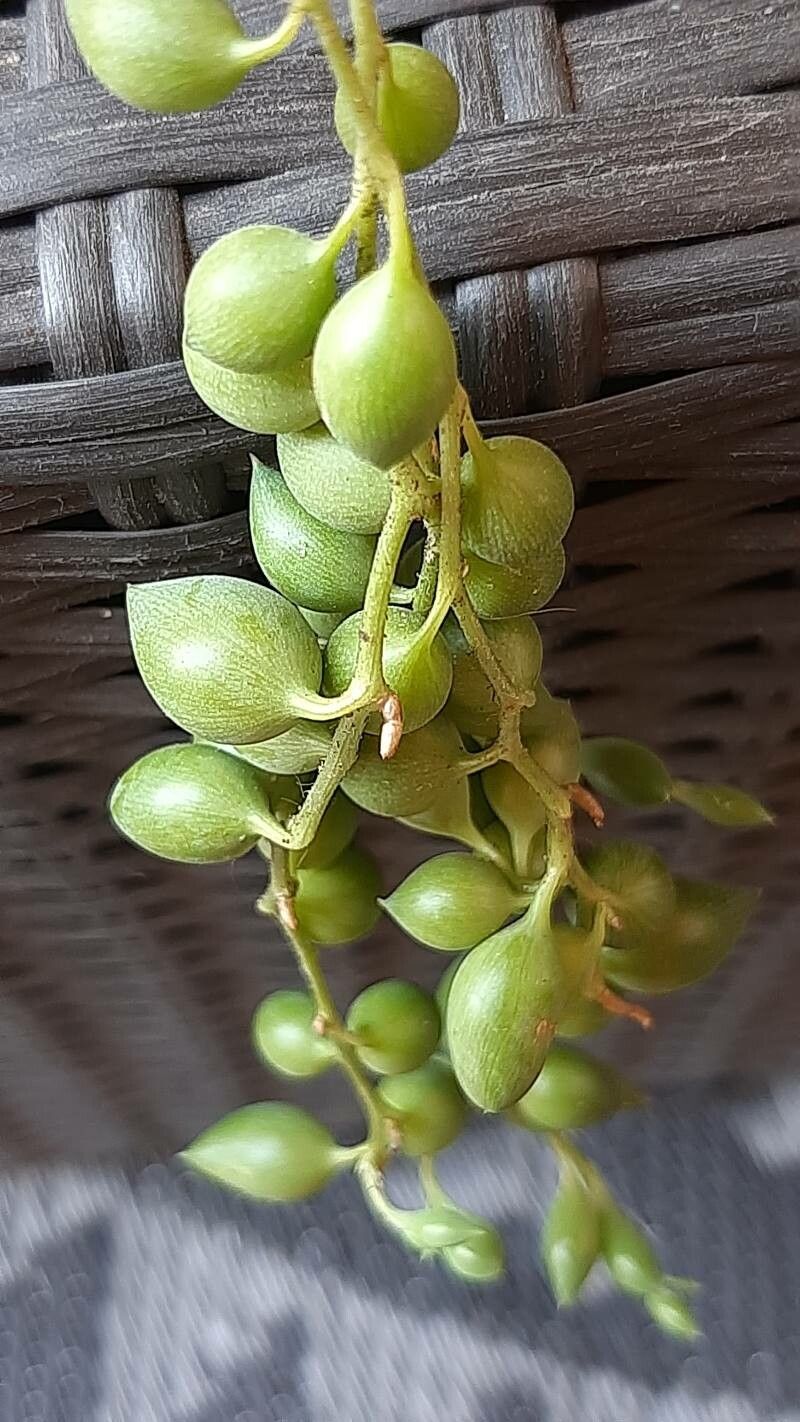
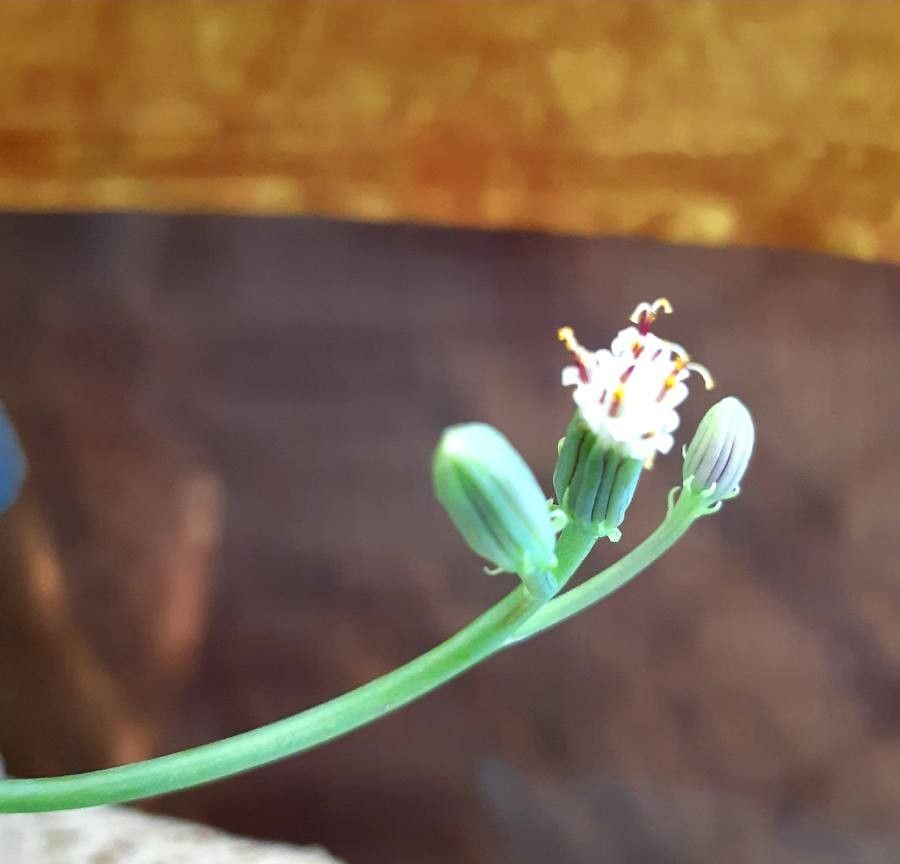
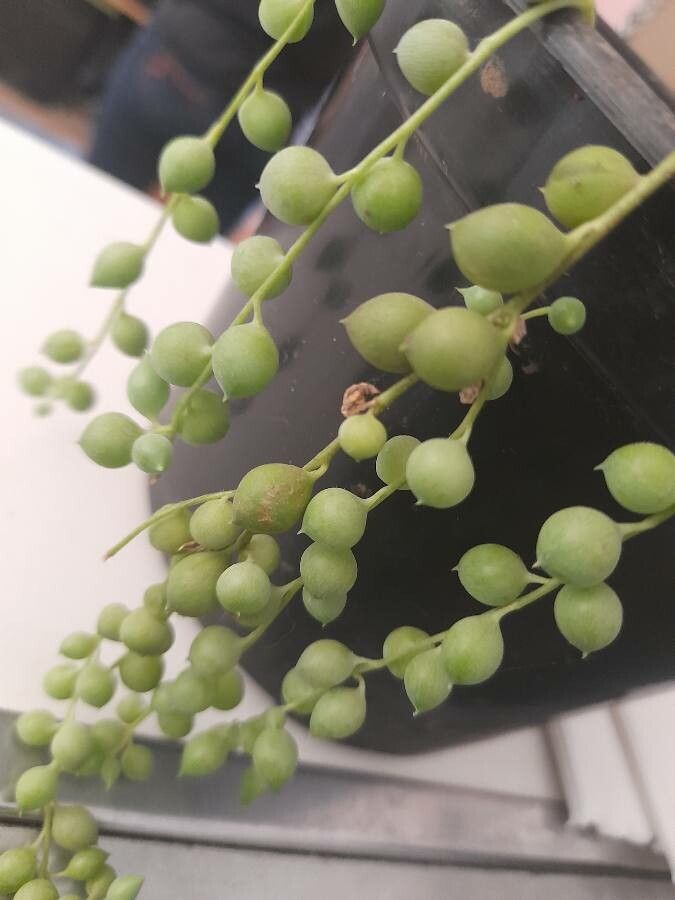
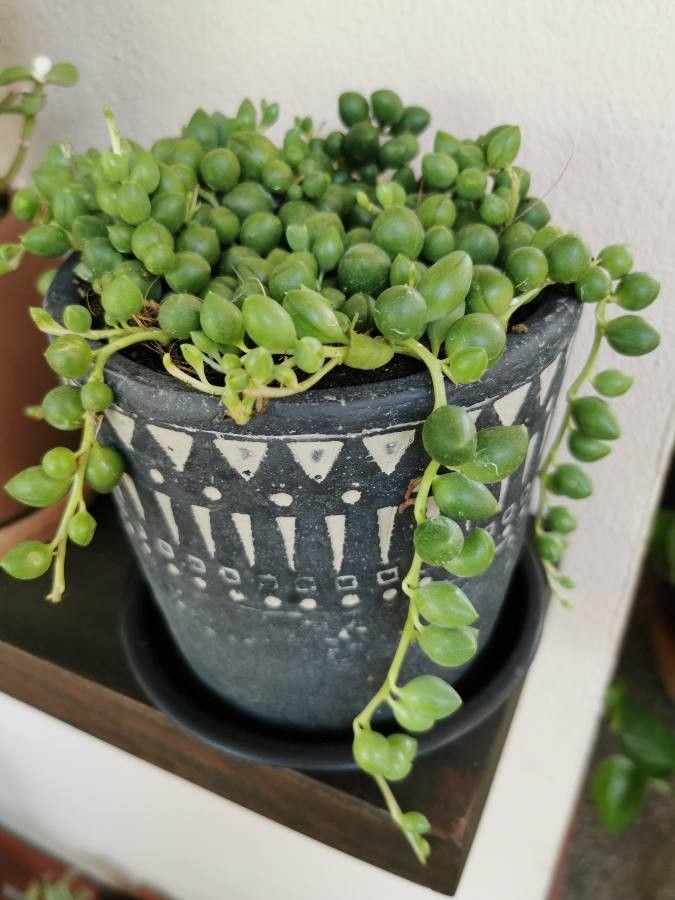
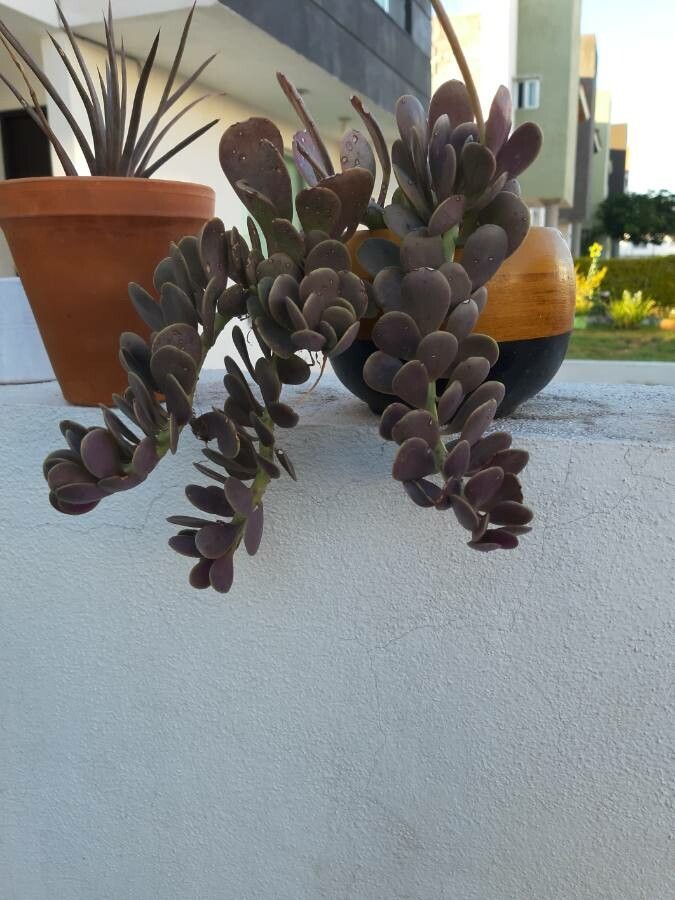
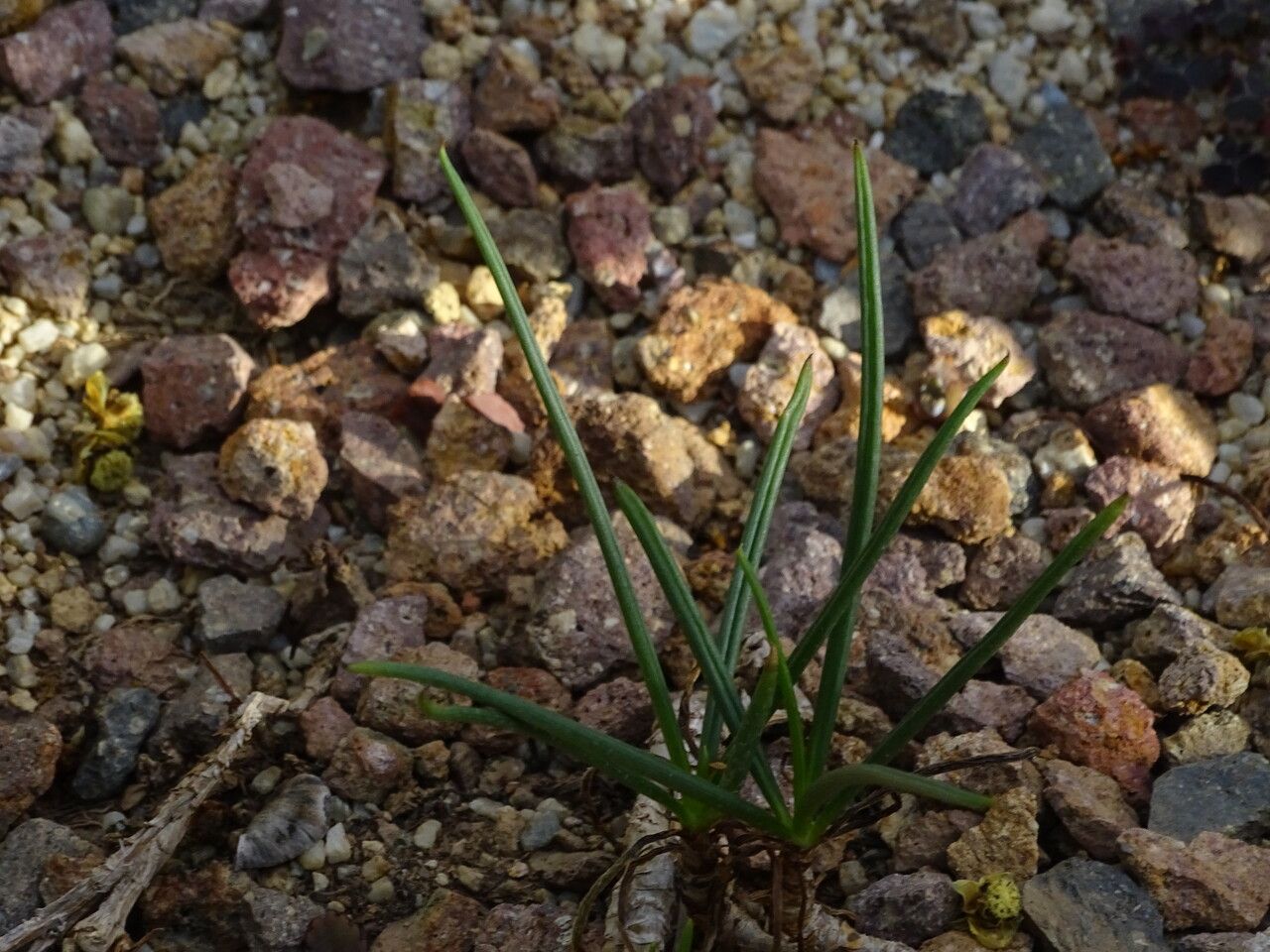
String of Tears has moderate disease resistance and is more sensitive to humidity and overwatering. It becomes more prone to disease when it receives insufficient light and is overwatered. Regarding care, String of Tears is drought-tolerant and can withstand extended periods without watering. It needs little fertilizer and only occasional pruning. Therefore, it is suitable for people of all experience levels, particularly those who prefer to spend less time on plant care and who may sometimes be away from home for extended periods. It is a good option for those who do not want to dedicate much time to plant maintenance but still want an easy-to-care-for plant.
How to keep Senecio Citriformis.
Light
String of Tears does best with plenty of light each day, though it can tolerate somewhat lower levels. Native to a brightly lit habitat, insufficient illumination can stunt its growth, while excessive exposure may scorch its leaves.
Water
String of Tears is a drought-tolerant succulent that thrives in arid conditions. It requires minimal moisture and does best when watered every three weeks. Often grown indoors to maintain controlled humidity levels, this plant is well-suited for container gardening. Its adaptability allows for careful water management throughout its growth cycles.
Humidity
This plant prefers dry conditions, so don't mist it. However, watering it less often can also thrive in higher humidity.
Temperature
For string of Tears, the plant's native growing conditions indicate it needs a temperature range of 20 to 38 ℃ (68 to 100.4 ℉). To do well, the plant prefers temperatures inside this bracket and will be harmed if the temperature falls below 20 ℃ (68 ℉) or exceeds 38 ℃ (100.4 ℉). Across seasons, it is necessary to adjust the temperature to keep it within this preferred range.
Fertilizer
For String of Tears, light applications of fertilizer once or twice a year during the growing season are adequate. Avoid fertilizing in winter and in summer when it is dormant. Reduce feeding for repotted plants and wait a couple of months after repotting before you resume fertilizing. Fertilizing helps maintain healthy growth and encourages flowering.
Pot & Repot
When repotting String of Tears, pick a container slightly bigger than the current one that has good drainage. Fill it with a gritty, well-draining succulent or cactus mix. Gently lift the plant from its old pot, brush away excess soil, and set it in the new pot at the same depth. Hold off watering for a few days to let any root injury recover. Repot during spring or fall and keep the plant in a brightly lit spot.
Botanical profile.
- Plant Type
- Succulent, Herb
- Life Cycle
- Perennial
- Genus
- Senecio
- Family
- Compositae
- Hardiness Zone
- 9-11
- Mature Height
- 10 cm to 15 cm
- Mature Spread
- 15 cm to 30 cm
- Leaf Color
- Green, Blue
- Leaf Type
- Evergreen
- Flower Color
- Yellow
- Flower Size
- 2.54 cm
- Bloom Time
- Summer
- Planting Time
- Spring, Summer, Autumn
- Harvest Time
- Late summer, Early fall, Mid fall
Other names.
Reader questions.
What should I do if I give too much water or too little water to my String of Tears plant?
String of Tears and other succulents are generally able to withstand periods without water, but if one is neglected and goes without water for a month or more, it may appear thirsty and show signs of damage. Underwatered plants may appear lacklustre and wrinkled, with some leaves drying up completely and turning brown or crispy. The soil will also be completely dried out. To remedy this, submerge the pot in water for 5-10 minutes to properly rehydrate the soil and plant. Once the soil feels moist on the surface, watering is complete. Overwatering is dangerous for String of Tears, as it can cause root rot which prevents the roots from absorbing nutrients and water. Root rot is caused by fungal and bacterial growth in overly wet soil. Symptoms of overwatering include yellow, swollen, and translucent leaves that may burst from excess water. If left untreated, the plant may turn brown or black and leaves may easily fall off. Check the soil to confirm overwatering as the cause of these symptoms. Saving an overwatered plant can be challenging, but catching it early is key. If roots have become rotten, the whole plant may die. To assess the roots, remove the plant from its pot and gently remove wet soil from around them. Rinse the roots in room-temperature water to remove any lurking fungus and determine their health. Dark brown or black, soft, mushy, or slimy roots indicate root rot. If most of the roots are affected by root rot, saving the plant may not be possible. In this case, remove any healthy stems and use them to propagate a new plant. If only a portion of the roots are affected, there is a chance to save the plant. Remove unhealthy-looking roots with sterilized cutting tools and dip the remaining firm, pale roots in fungicide. Repot the plant in fresh, well-draining soil. While not always successful, most plants with root rot will fully recover and start new growth in the next growing season.
Why should I put fertilizer on my String of Tears plant?
Fertilizing String of Tears helps add nutrients to the growing medium. While it already stores water and nutrients, applying plant food during the growing season promotes healthy growth and can also encourage mature specimens to produce blooms.
What are the sunlight requirements for String of Tears?
String of Tears requires more than 6 hours of sunlight daily to be categorized under full sun exposure. If it receives about 3-6 hours of sunlight, it falls under partial sun. It's important to observe the movement of sunlight through your garden to find spots that offer a perfect balance of light and shade, ensuring your plants' growth and happiness.
What are the ideal temperature conditions for String of Tears?
String of Tears, scientifically known as Senecio citriformis, thrives in temperatures ranging from 20 to 38°C (68 to 100.4°F). This plant prefers to be kept within this temperature range for optimal growth. If the temperature falls below 20°C (68°F) or rises above 38°C (100.4°F), the plant may begin to suffer. During winter, it enters a dormant state and should be brought indoors if temperatures drop below 0°C to avoid cold damage. In such cases, placing it near a south-facing window for maximum sunlight exposure, or using supplemental lighting if natural light is insufficient, is recommended. Watering should be reduced or halted when temperatures are low to prevent root rot.
How frequently should I water my String of Tears plant?
To determine the watering frequency for String of Tears, there isn't a specific rule. The best way is to check the soil and only water when it's completely dry. You can check the soil by inserting your finger or using a moisture meter. If it feels slightly moist, wait a few days before checking again. Generally, in summer, most people water String of Tears every two weeks, while in winter, once a month is sufficient. However, there are several factors that can affect watering frequency. Continue reading for a list of considerations to help determine how often to water.
When should I fertilize my String of Tears?
For most plants, extra nutrients are beneficial. However, the String of Tears plant only requires a small amount of fertilizer during its growing season. It is recommended to fertilize this plant 1-2 times a year, specifically in the spring and autumn, when it is active. Avoid fertilizing it in the winter and summer when it is dormant. If you have recently repotted the plant, use less fertilizer and wait a few months before applying any.
What are the essentials for growing String of Tears successfully?
String of Tears flourishes in environments with ample light each day, but it can also tolerate lower light levels. Originating from areas with abundant light, insufficient sunlight can limit its growth, while too much direct exposure may damage its leaves. If natural light is inadequate, especially during winter or in spaces with less sunlight, artificial lighting can be a great alternative. LED lights, set at specific distances and wattages depending on the plant's needs, can support healthy growth by mimicking natural sunlight conditions.
How should you care for String of Tears in low temperatures?
In low temperatures, especially during winter when temperatures drop below 0°C, String of Tears should be moved indoors to prevent cold damage. If the temperature falls below -5°C, the plant might become weak, wilt, and be prone to root rot. In the event of mild frost damage, symptoms might not be immediately visible, but the plant could start to wither after a week. The best course of action is to trim off any frostbitten areas, check for root rot, and if necessary, propagate healthy cuttings. Relocating the plant to a warm environment near a south-facing window ensures it gets ample sunlight. If sunlight is insufficient, consider supplemental lighting to encourage recovery.
What do I need to think about when watering my String of Tears?
To ensure that you properly water your String of Tears plant, there are a few environmental factors to consider. These include the size of the container, the type of soil, temperature, and humidity. When it comes to container and soil selection, it's important to choose a container with adequate drainage holes. This allows excess water to escape, preventing overwatering. The size of the container and the amount of soil it holds will determine how frequently and how much water to use. Smaller containers hold less moisture and require more frequent watering, while larger pots retain moisture for longer periods and need less frequent watering. It's crucial not to use an oversized pot, as this can easily lead to overwatering. During repotting, it's recommended to move to a container only one size larger than the current one. Additionally, prefer using shallow containers instead of deep ones, as the String of Tears has shallow root systems. The watering frequency also varies with the seasons. In winter, when the plant's growth slows down and energy consumption decreases, watering becomes less frequent. The cooler winter air reduces water evaporation, resulting in the soil staying wet for longer periods compared to the summer season. The general climate of your location also affects watering needs. If you reside in a humid area with ample rainfall, watering will be less frequent compared to living in a dry and arid climate. Remember that even within the same geographic location, variations in watering requirements can occur due to seasonal changes and the use of heating and air conditioning indoors. For outdoor planting, once the String of Tears has established its root system, it generally doesn't require additional watering apart from natural precipitation and dew. However, during extended dry periods, occasional watering may be necessary. In areas where the String of Tears can only be grown in a container, the plant can be moved outside during the appropriate temperature conditions in spring and summer, and brought back indoors as temperatures begin to drop. When kept outdoors in a pot, the String of Tears typically requires more water due to increased sun exposure, even when placed on a shaded porch.
When is it not a good time to fertilize my String of Tears?
String of Tears, like most plants, has a dormancy period when you should avoid using fertilizer. This period occurs in the summer and winter when the plant's growth slows down. It is also recommended to not fertilize for the first few months after repotting in the spring.
What are the symptoms of improper lighting for String of Tears?
When String of Tears does not receive enough light, it might show symptoms such as leggy growth, lighter-colored new leaves, or chlorosis, where leaves lose their green color and turn yellow—indicating chlorophyll and nutrient deficiency. Exposure to excessive sunlight can cause sunscald, leaf curling as a protective measure, wilting due to increased water loss, and leaf scorching, where leaves develop brown, dry patches. These symptoms highlight the importance of providing the right lighting conditions.
What should be done if String of Tears experiences high temperatures?
During the summer, or when temperatures exceed the plant's tolerance, going above 38°C (100.4°F) and especially beyond 43°C (109.4°F), String of Tears stops growing, loses water, wilts, and may suffer from sunburn. To aid recovery during such times of stress, it's advised to remove any sunburned or rotten parts and protect the plant from direct afternoon sunlight until it shows signs of recovery. In instances of root rot, watering should be suspended until the plant begins to grow new roots. It's crucial to monitor the plant's condition closely and adjust care to mitigate the impact of high temperatures.