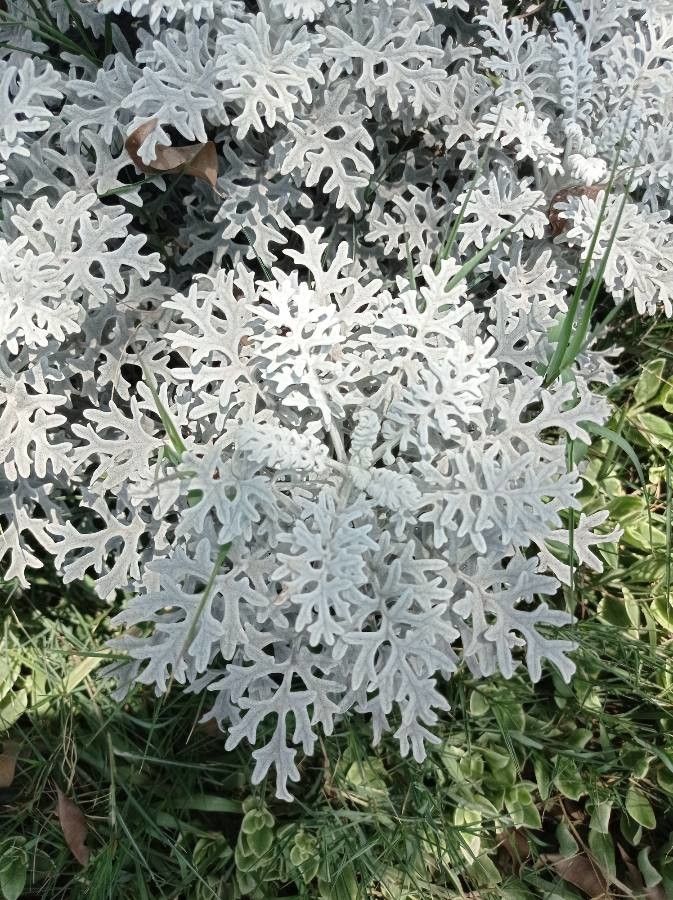
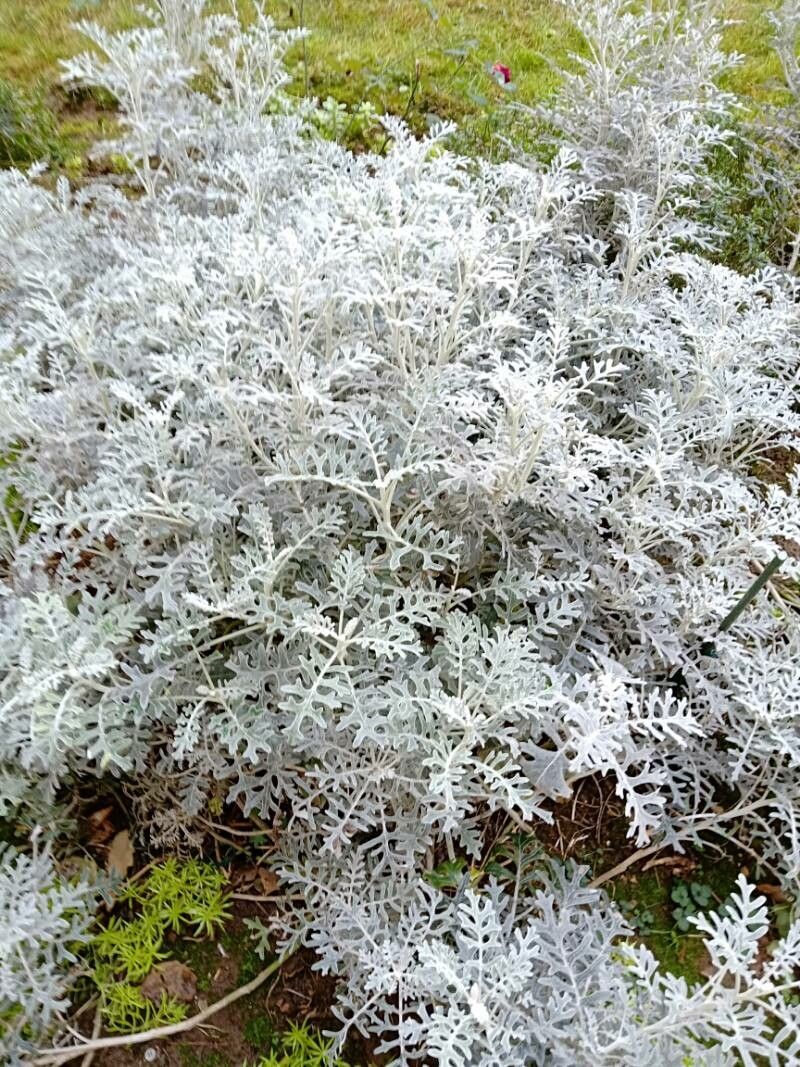
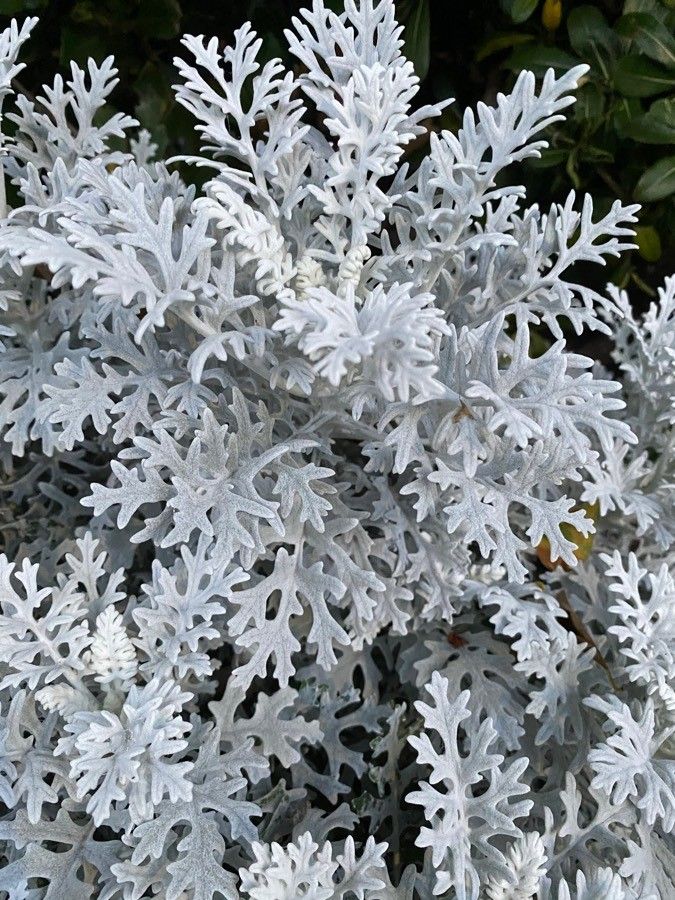
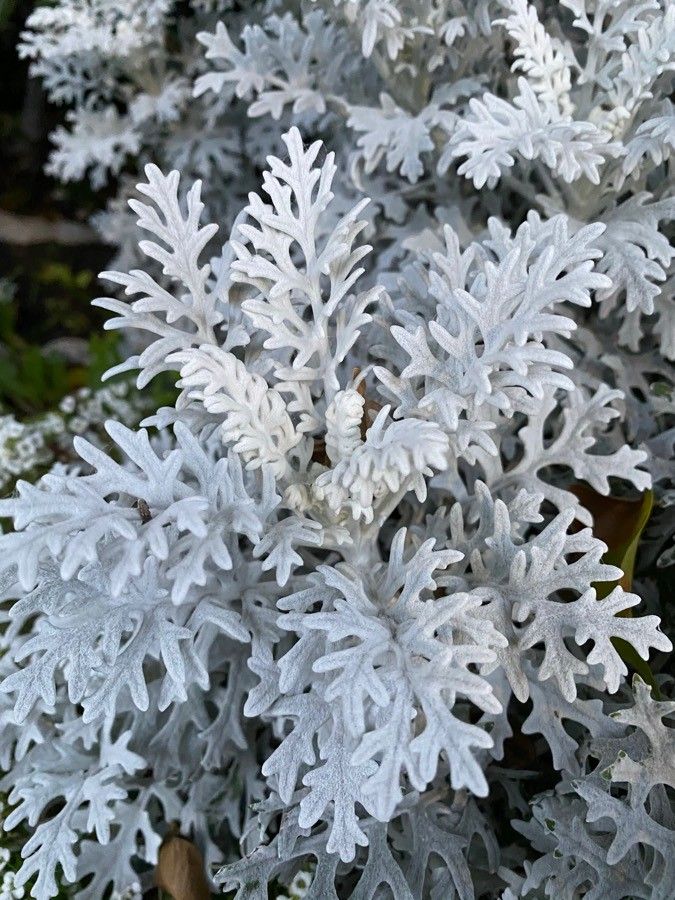
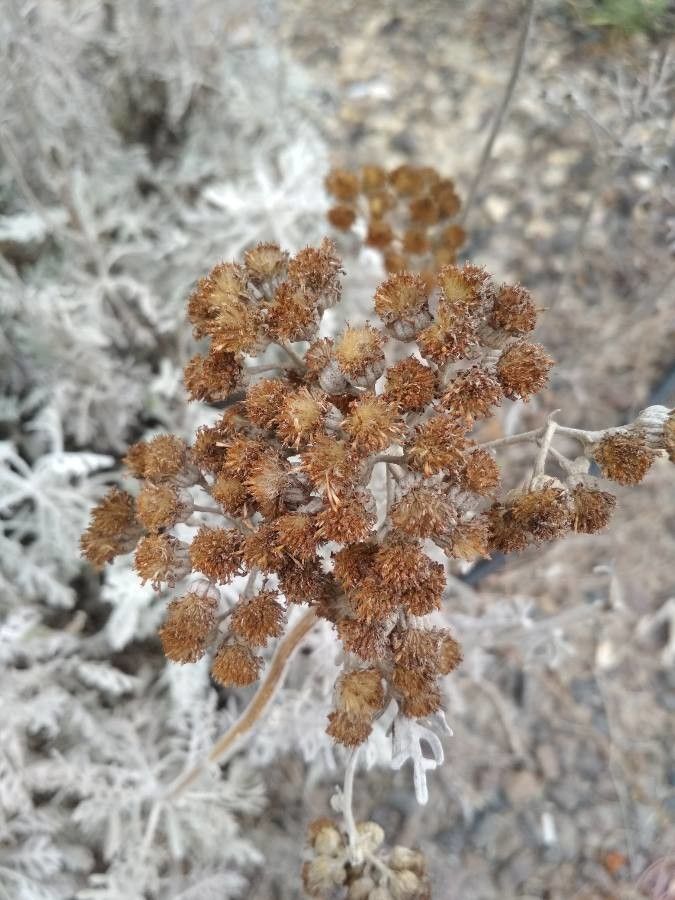
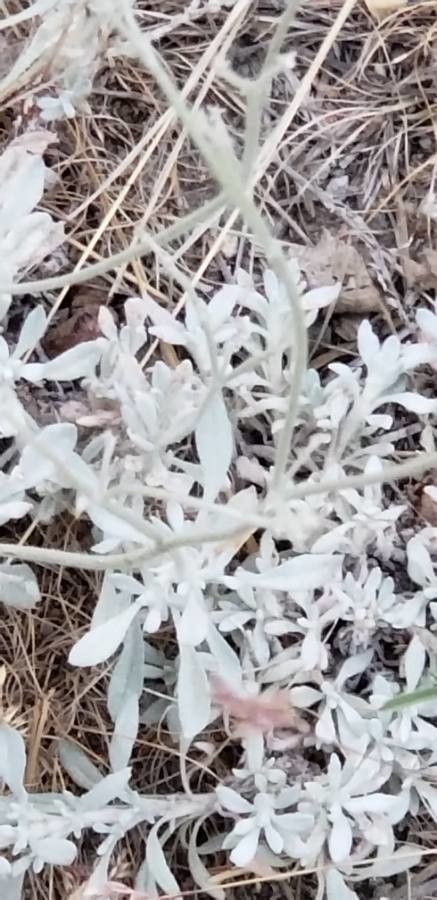
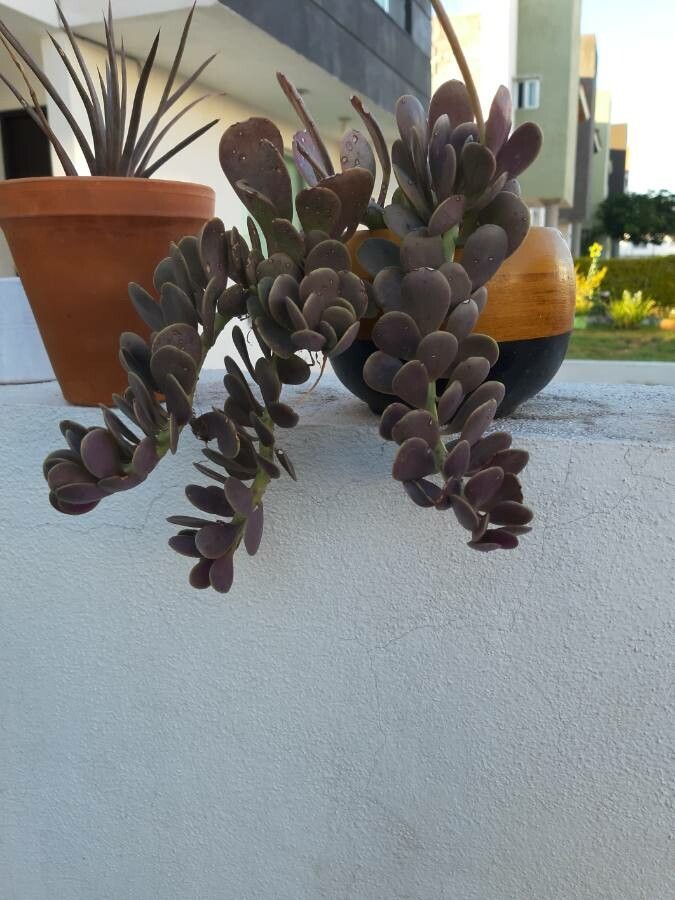
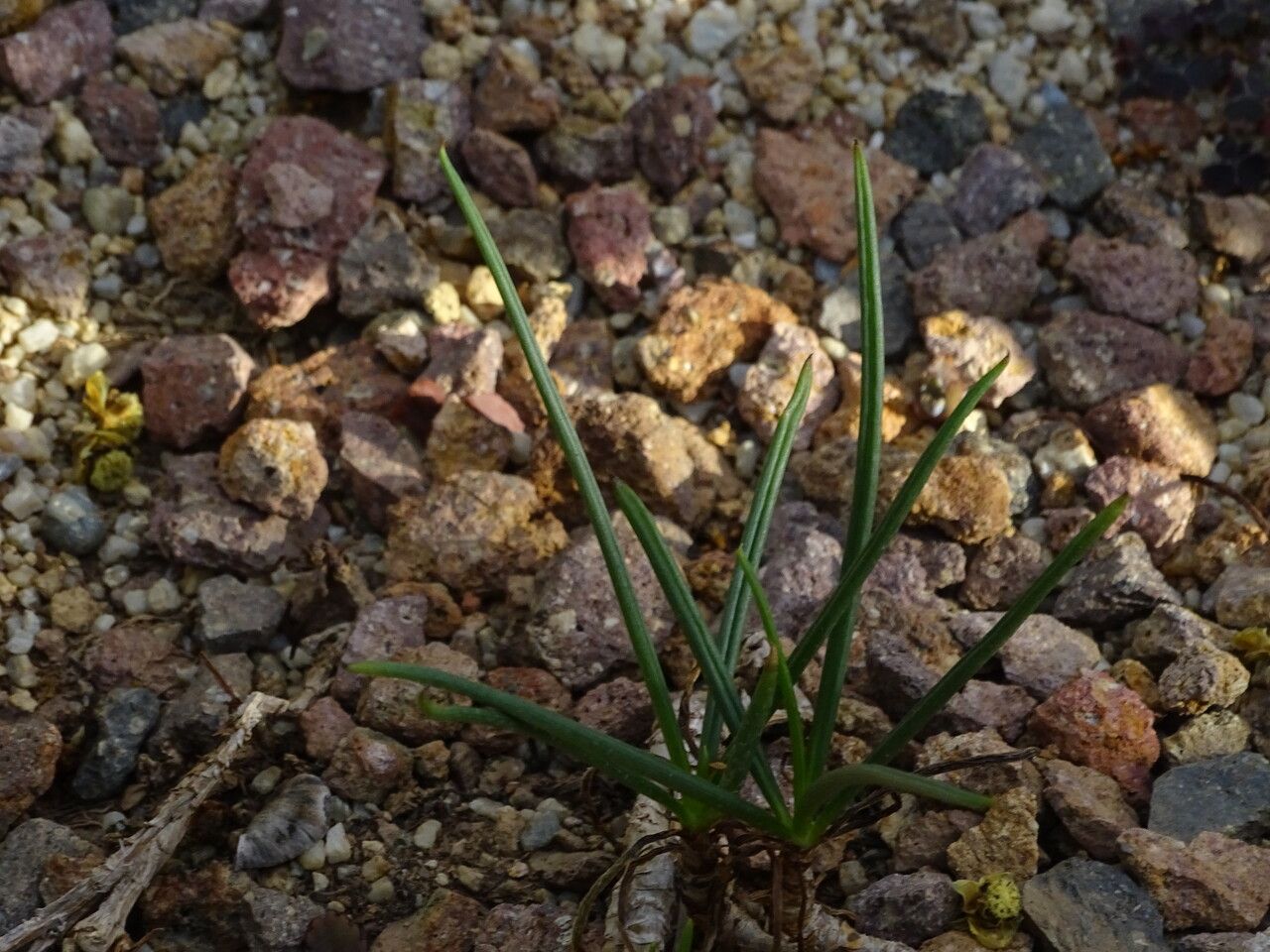
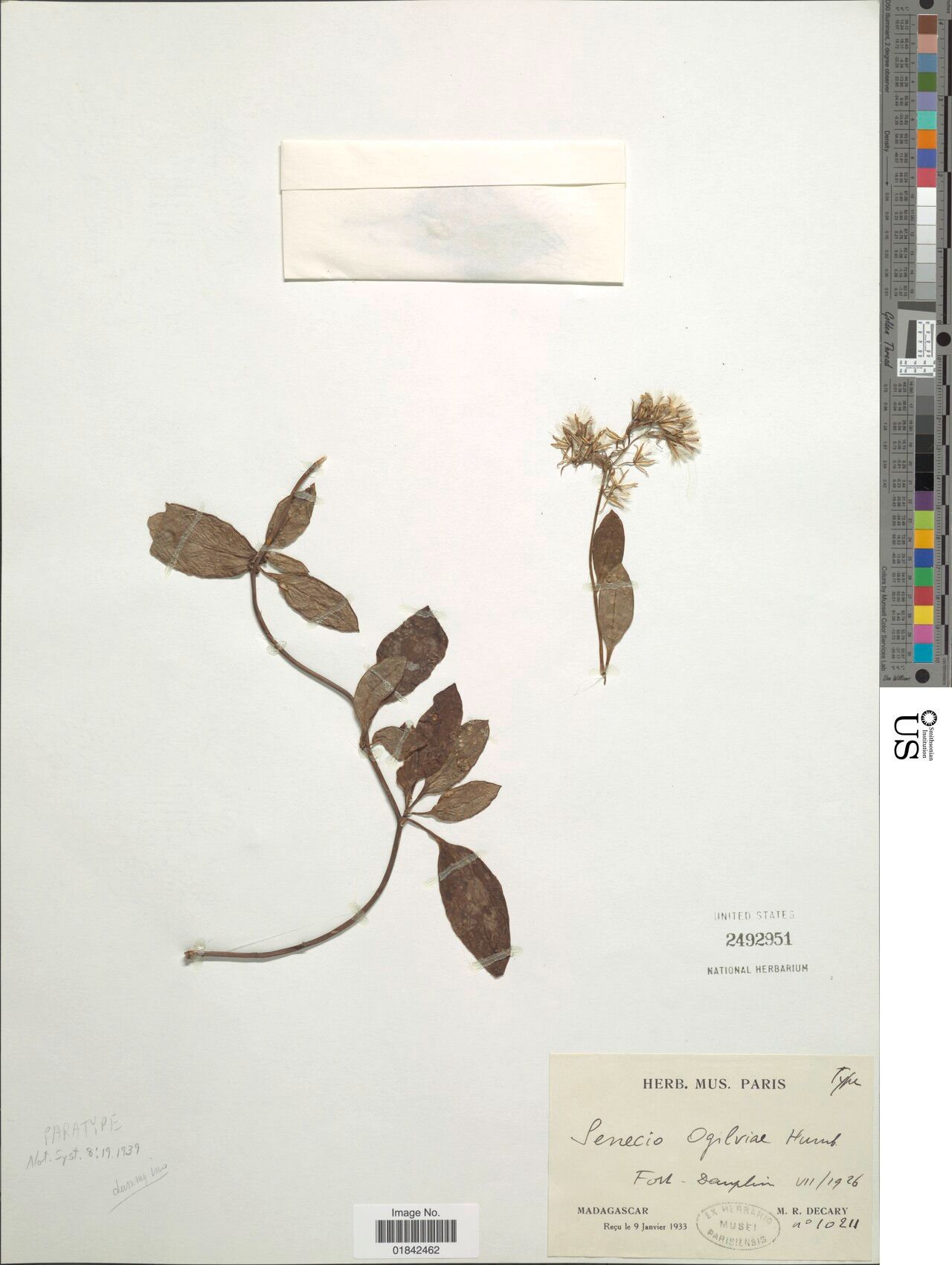
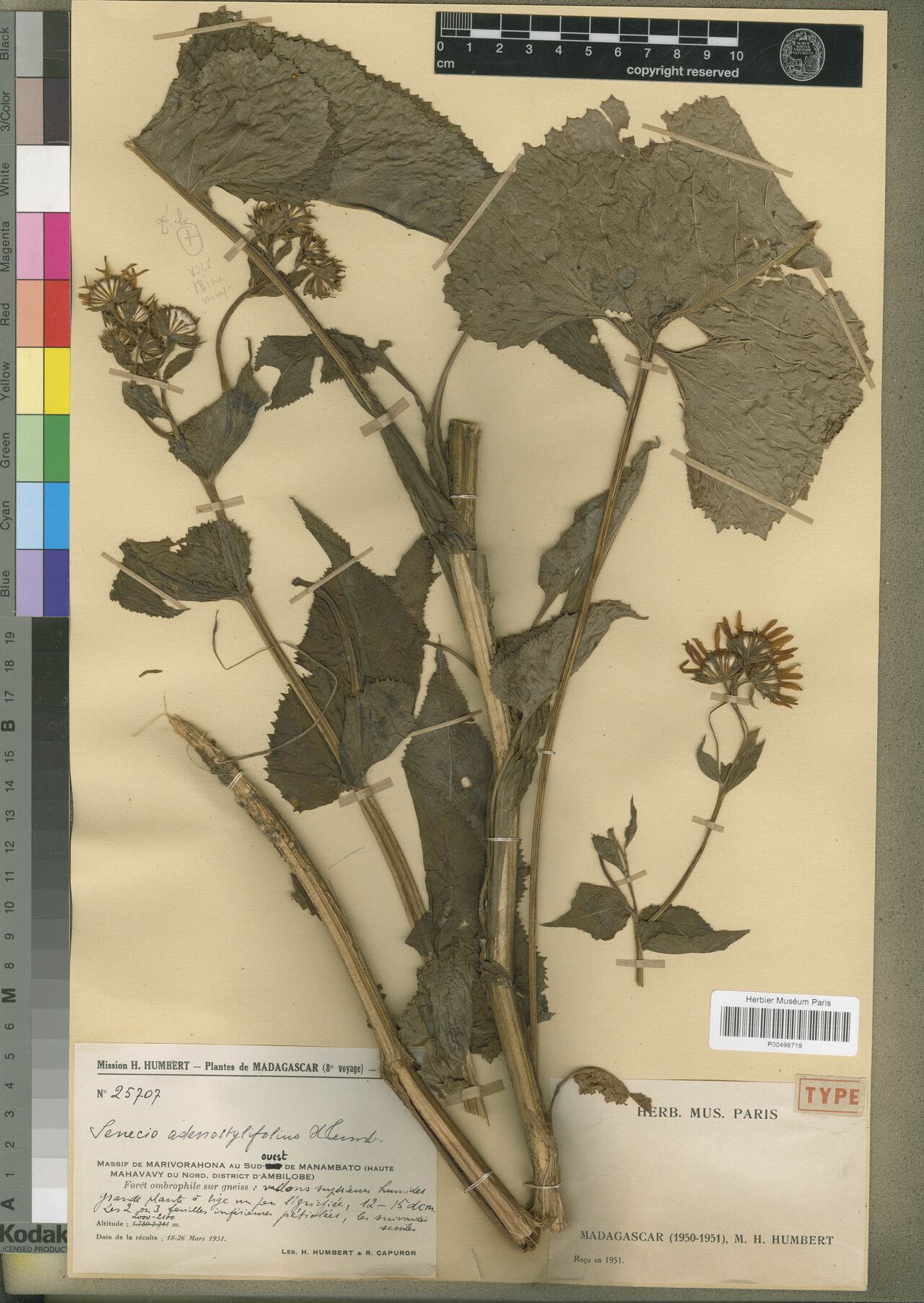
Jacobaea maritima, commonly known as silver ragwort, is a perennial plant species in the genus Jacobaea in the family Asteraceae, native to the Mediterranean region. It was formerly placed in the genus Senecio, and is still widely referred to as Senecio cineraria; see the list of synonyms (right) for other names. It is widely cultivated as an ornamental plant for its white, felt-like tomentose leaves; in horticultural use, it is also sometimes called dusty miller, a name shared with several other plants that also have silvery tomentose leaves, including Centaurea cineraria and Silene coronaria.
Dusty miller has strong disease resistance and usually does not suffer from many illnesses. Still, it can be vulnerable to pests and diseases present in its environment. These infections tend to be mild. Care-wise, the plant needs a moderate amount of attention. It should be pruned regularly to preserve a tidy appearance and support healthy growth. Applying fertilizer can also encourage flowering. Dusty miller is appropriate for anyone with outdoor space, such as a garden or patio, and does not demand extensive gardening experience. It may need extra care if cultivated indoors.
How to keep Senecio Cineraria.
Light
Dusty miller grows best with abundant sunlight, although reduced light does not always impede its development. It comes from areas known for strong sun, and a lack of light can cause weak growth and faded leaves. Too much sun, however, can lead to leaf scorch.
Humidity
This plant prefers dry conditions, so don't mist it. However, watering it less often can also thrive in higher humidity.
Temperature
The native habitat of dusty miller is typically in areas where temperatures range from 50 to 95 ℉ (10 to 35 ℃). Its temperature tolerance lies within that range, with a preferred range of 50 to 80 ℉ (10 to 27 ℃). In colder seasons, placing it in a sheltered location can help it adjust to temperature changes and protect it from frost damage. In warmer seasons, offering light shade during the hottest part of the day can help prevent heat stress.
Fertilizer
Usually one fertilizer application in spring is enough for Dusty miller, though repeated feedings can maximize growth. Apply fertilizer every month to a month and a half. Fertilizing improves the leaves’ appearance and function, helping maintain uniform color and a healthy texture. It also promotes root development and nutrient uptake, supporting long-term plant health.
Pot & Repot
When repotting Dusty miller, choose a pot 1-2 inches (2.5–5.1 cm) larger with ample drainage. Use a well-draining potting mix. Repot in spring or fall, making sure the root ball is slightly below the rim of the flower pot. Water thoroughly after repotting and place it in a warm spot with indirect sunlight.
Botanical profile.
- Plant Type
- Herb
- Life Cycle
- Perennial
- Genus
- Senecio
- Family
- Asteraceae
- Hardiness Zone
- 6-9
- Mature Height
- 15 cm to 46 cm
- Mature Spread
- 15 cm to 46 cm
- Leaf Color
- Green, Silver
- Leaf Type
- Evergreen
- Flower Color
- Yellow, Gold
- Flower Size
- 2.54 cm to 7.62 cm
- Bloom Time
- Late spring, Early summer, Mid summer
- Planting Time
- Spring
- Harvest Time
- Summer
- Native Area
- Italy, Spain, France
Other names.