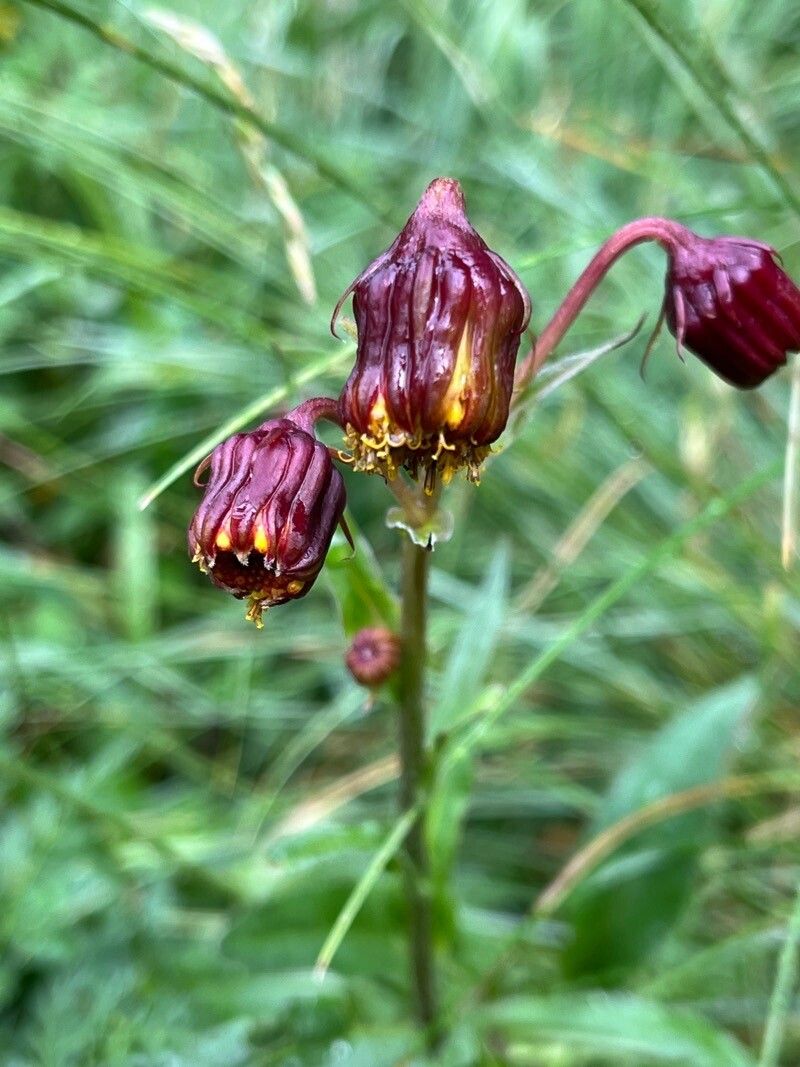
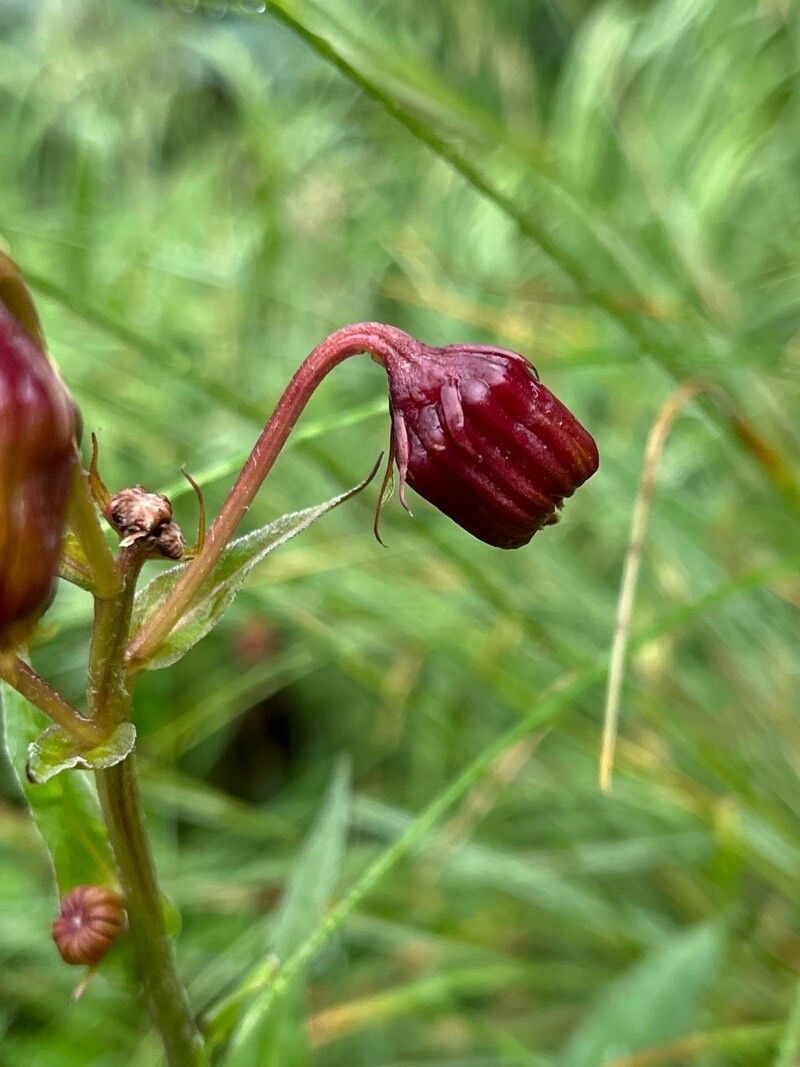
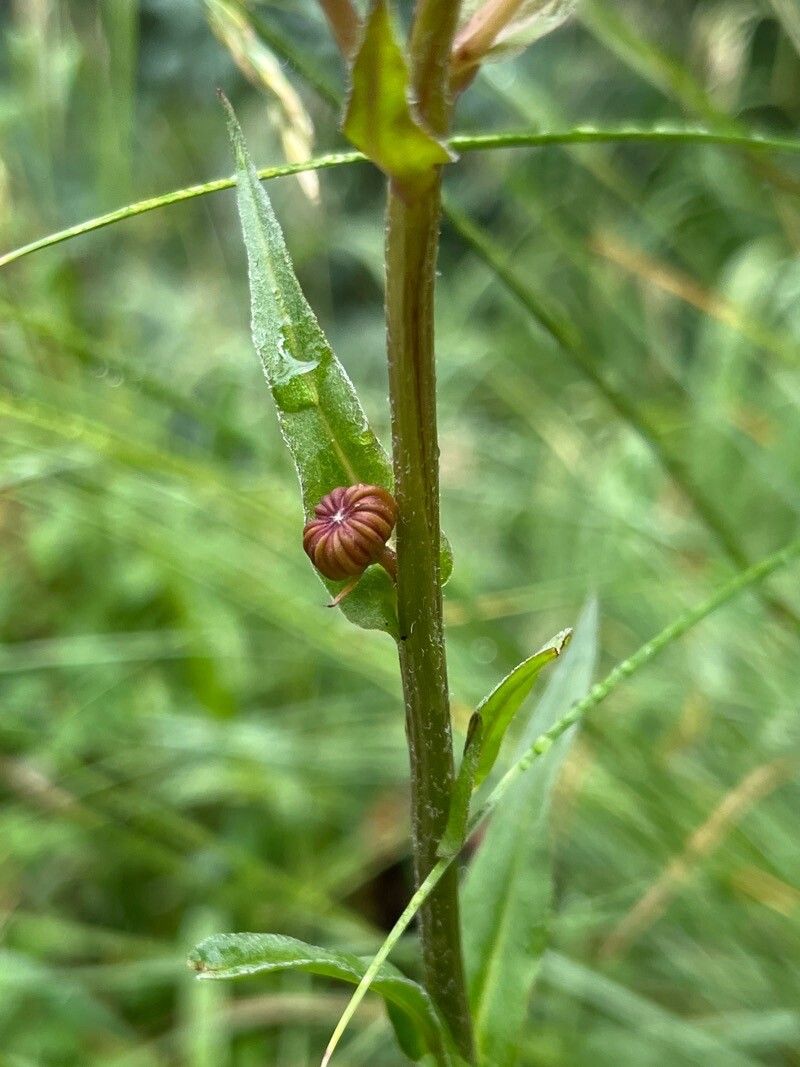
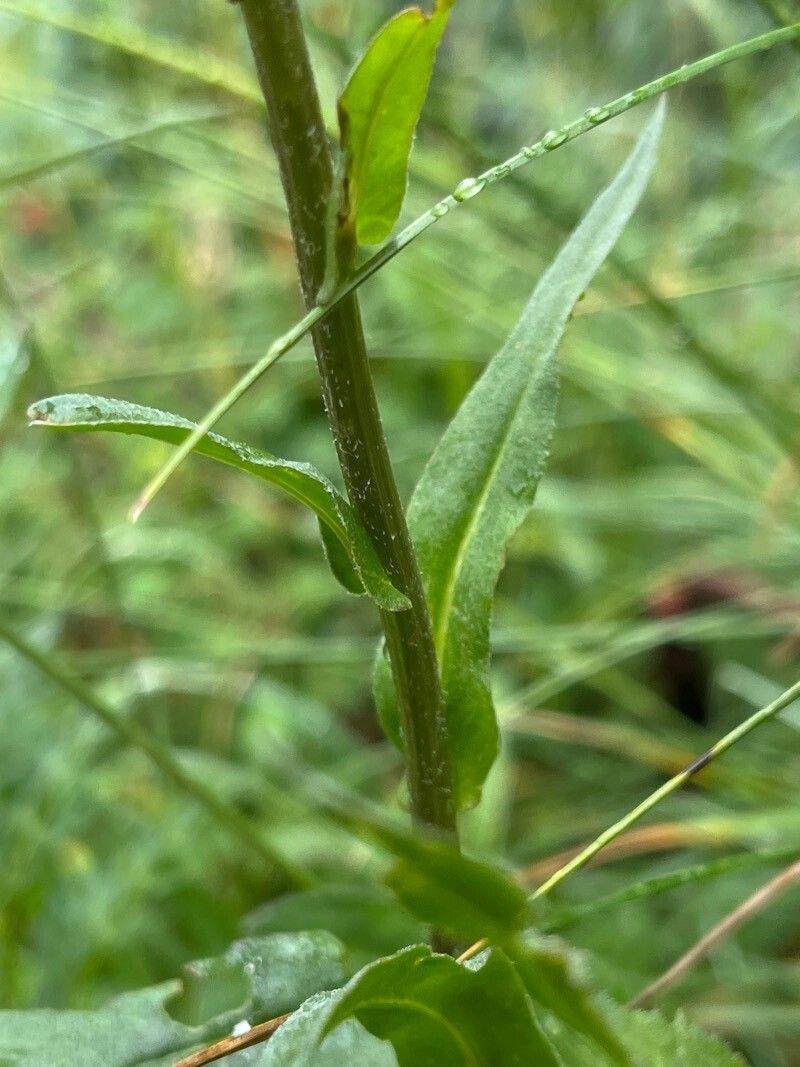
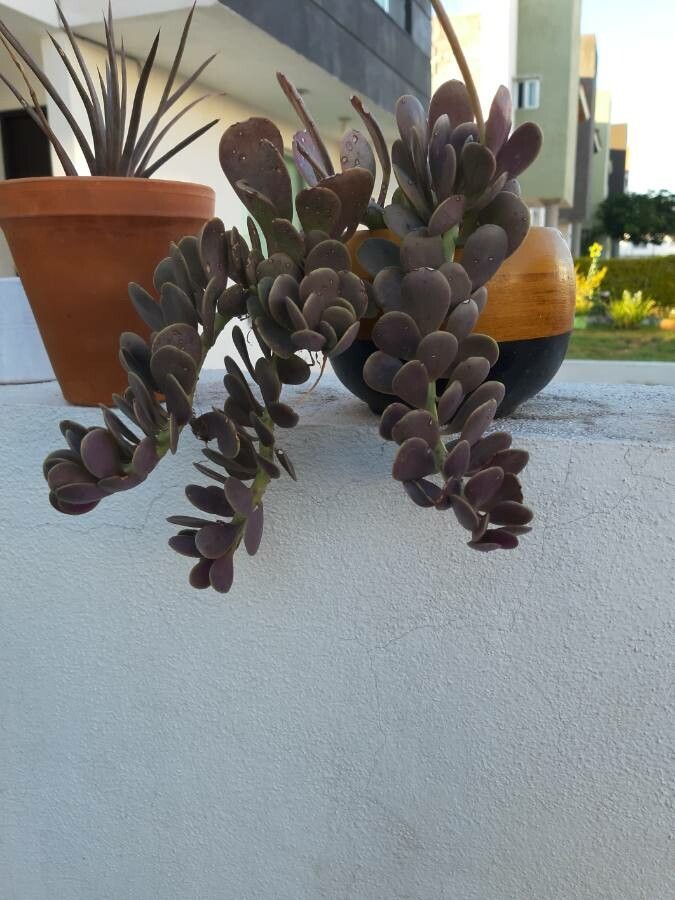
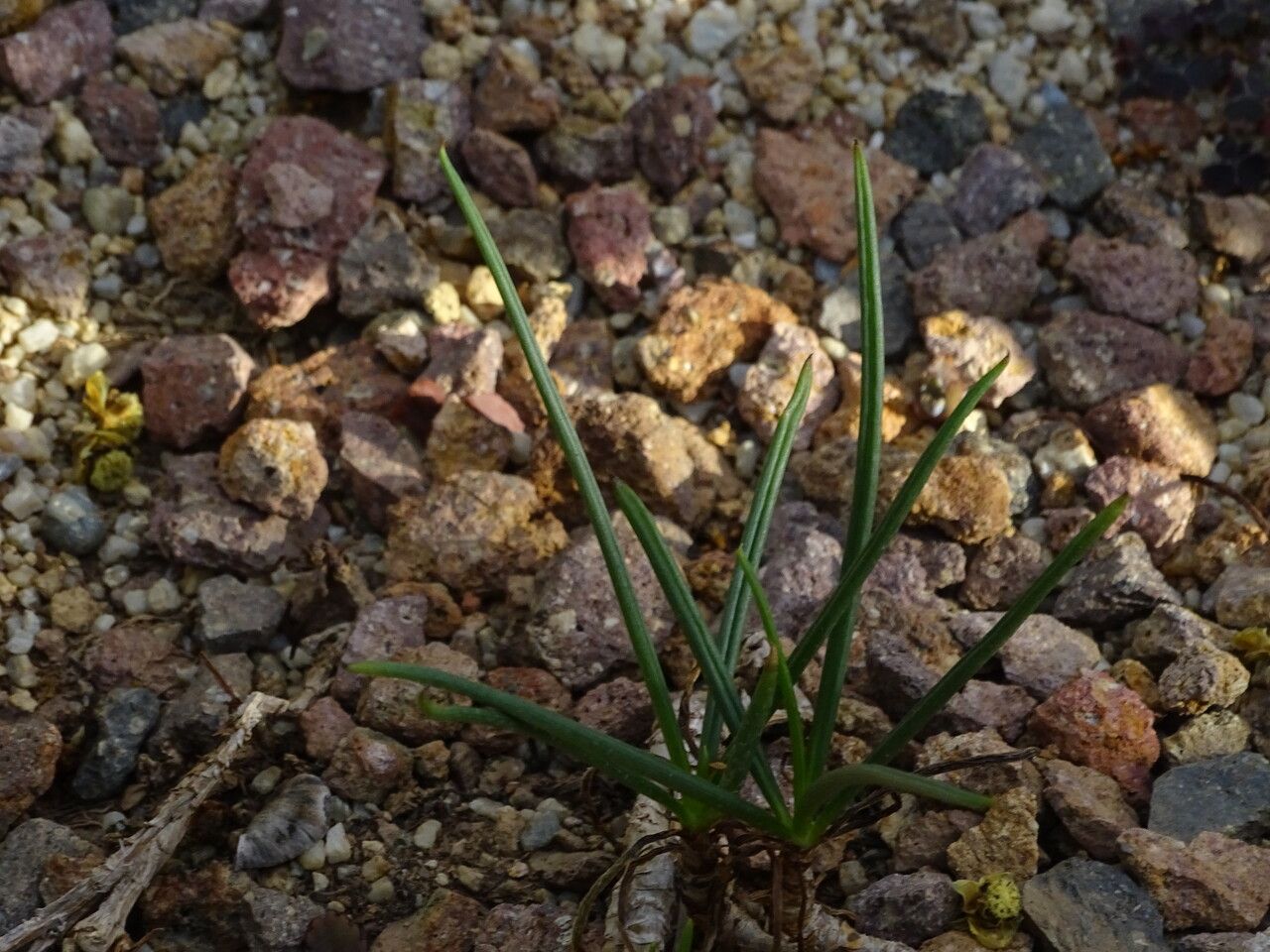
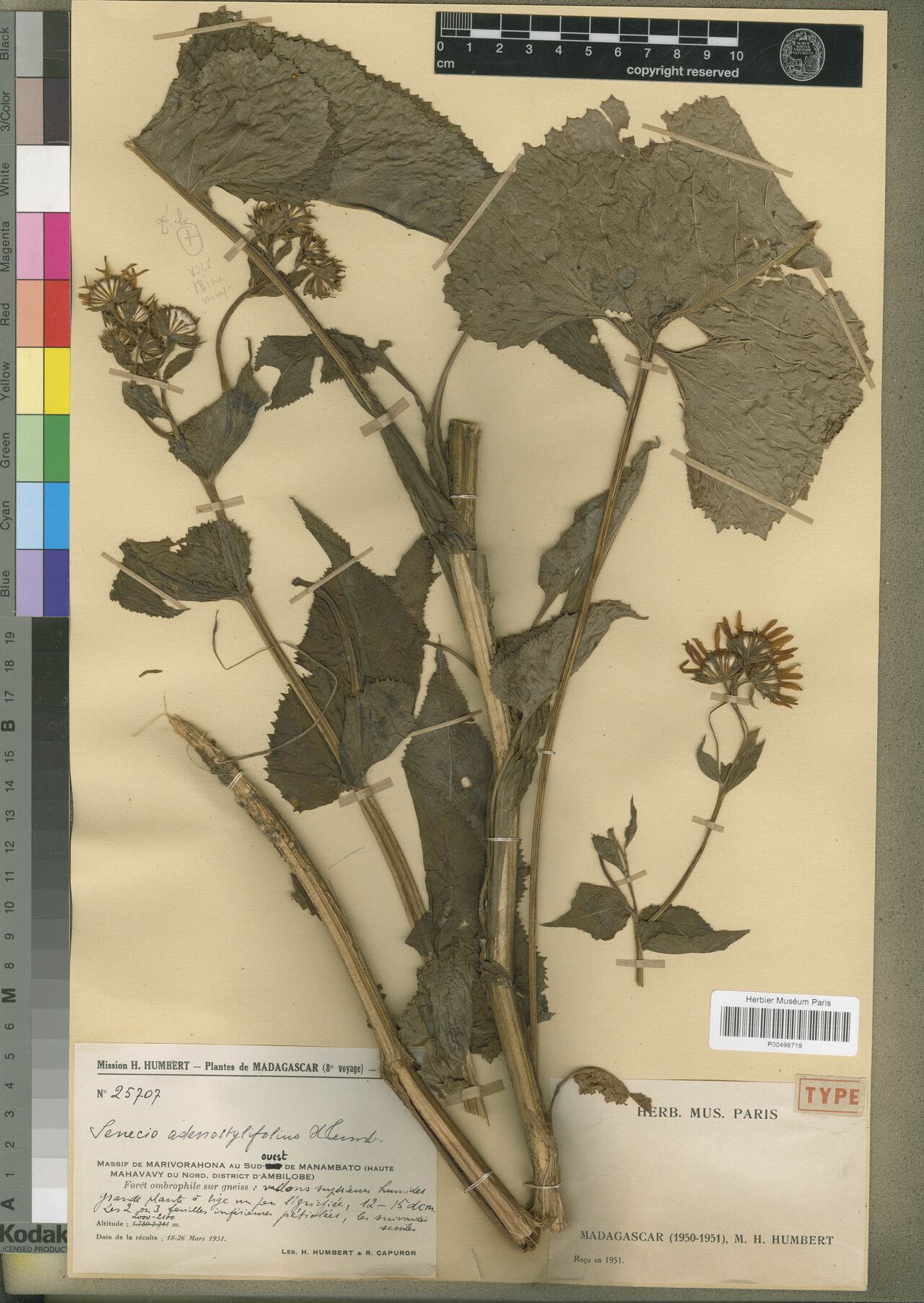
Senecio bigelovii or nodding groundsel or nodding ragwort is a perennial herb native to the Colorado Plateau region of the United States.
Nodding ragwort is broadly resistant to disease and typically not easily affected by illnesses. Still, it can be vulnerable to pests and diseases present in its environment. Such infections are generally mild. Regarding care, the plant needs moderate maintenance. Regular pruning is necessary to preserve a neat appearance and healthy growth. Applying fertilizer can also encourage flowering. Nodding ragwort is appropriate for anyone with an outdoor area, such as a garden or patio, and does not demand extensive gardening experience. It may need more attention when grown indoors.
How to keep Senecio Bigelovii.
Fertilizer
Typically, a single fertilizer application in spring is adequate for Nodding ragwort, though repeated feedings can maximize growth. Apply fertilizer every month to month and a half. Fertilization improves leaf appearance and function, helping maintain even color and a healthy texture. It also promotes root development and nutrient uptake for long-term plant health.
Pruning
Nodding ragwort, known for its yellow nodding flowers, thrives in alpine regions. To maintain its health, early spring pruning is crucial before new growth begins. This process involves removing dead stems and shaping the plant. Regular maintenance helps control its spread and encourages attractive growth. For the best practices, consult horticultural guides.
Botanical profile.
- Plant Type
- Herb
- Life Cycle
- Perennial
- Genus
- Senecio
- Family
- Asteraceae
- Hardiness Zone
- 9-11
Other names.
Reader questions.
What are the sunlight requirements for Nodding ragwort (Senecio bigelovii)?
The Nodding ragwort (Senecio bigelovii) requires different amounts of sunlight depending on the specific needs of the plant. For full sun exposure, it needs above 6 hours of sunlight, which is vital for its optimal growth and health. If the plant is in a location with partial sun, it should receive about 3-6 hours of sunlight. It's important to observe how sunlight moves through your garden throughout the day. Choosing spots that offer the right balance of light and shade is crucial for the well-being of your plants, ensuring they thrive in their environment.