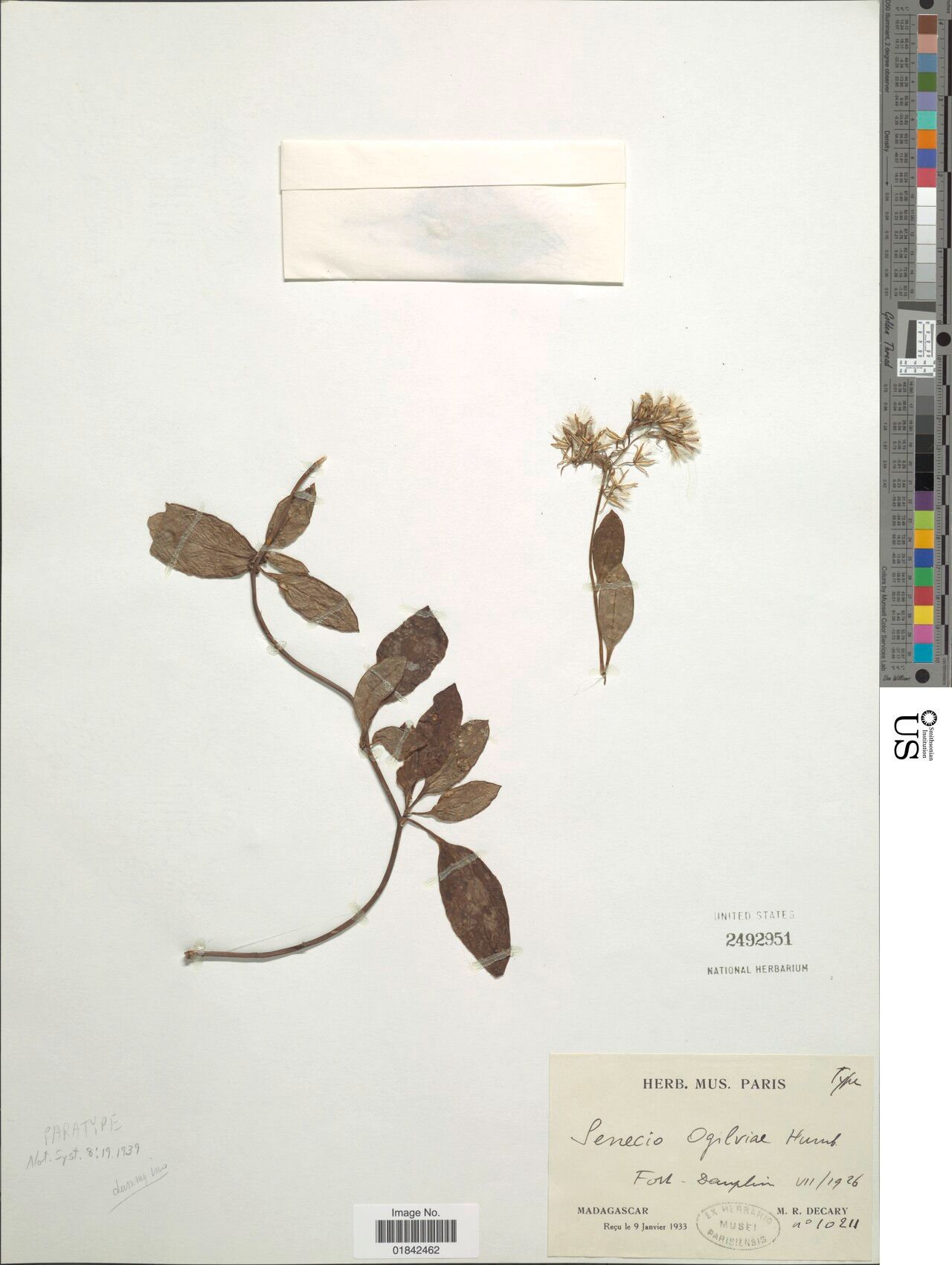
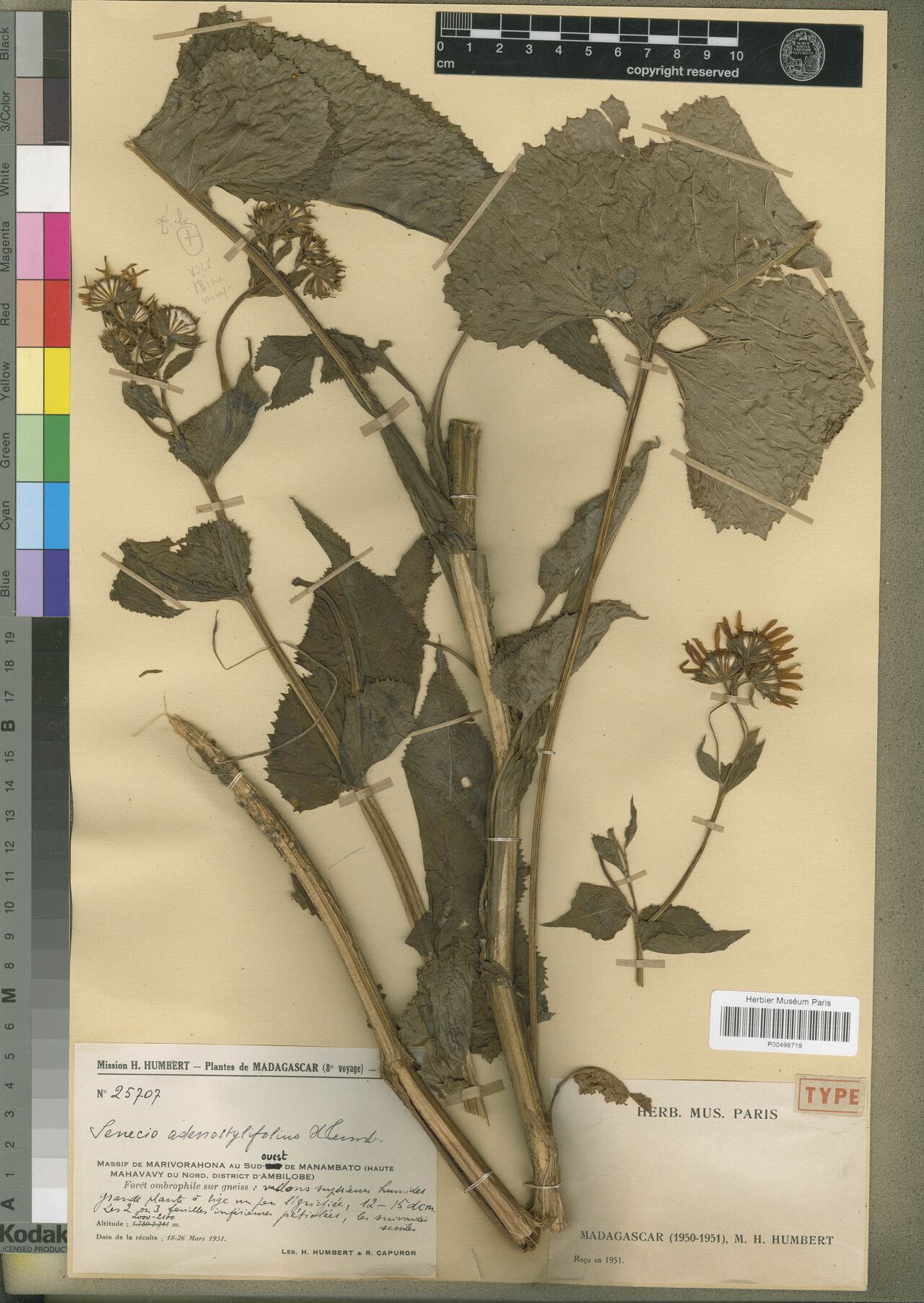
Tall blacktip ragwort is generally resistant to disease and not commonly affected by illnesses. However, it can be vulnerable to pests and diseases present in its environment. These problems are usually mild. In terms of care, this plant needs moderate maintenance. It should be pruned regularly to preserve a neat appearance and support healthy growth. Fertilizing can also help encourage flowering. Tall blacktip ragwort is well suited to anyone with outdoor space, such as a garden or patio, and does not demand extensive gardening experience. It may require more attention when grown indoors.
How to keep Senecio Atratus.
Light
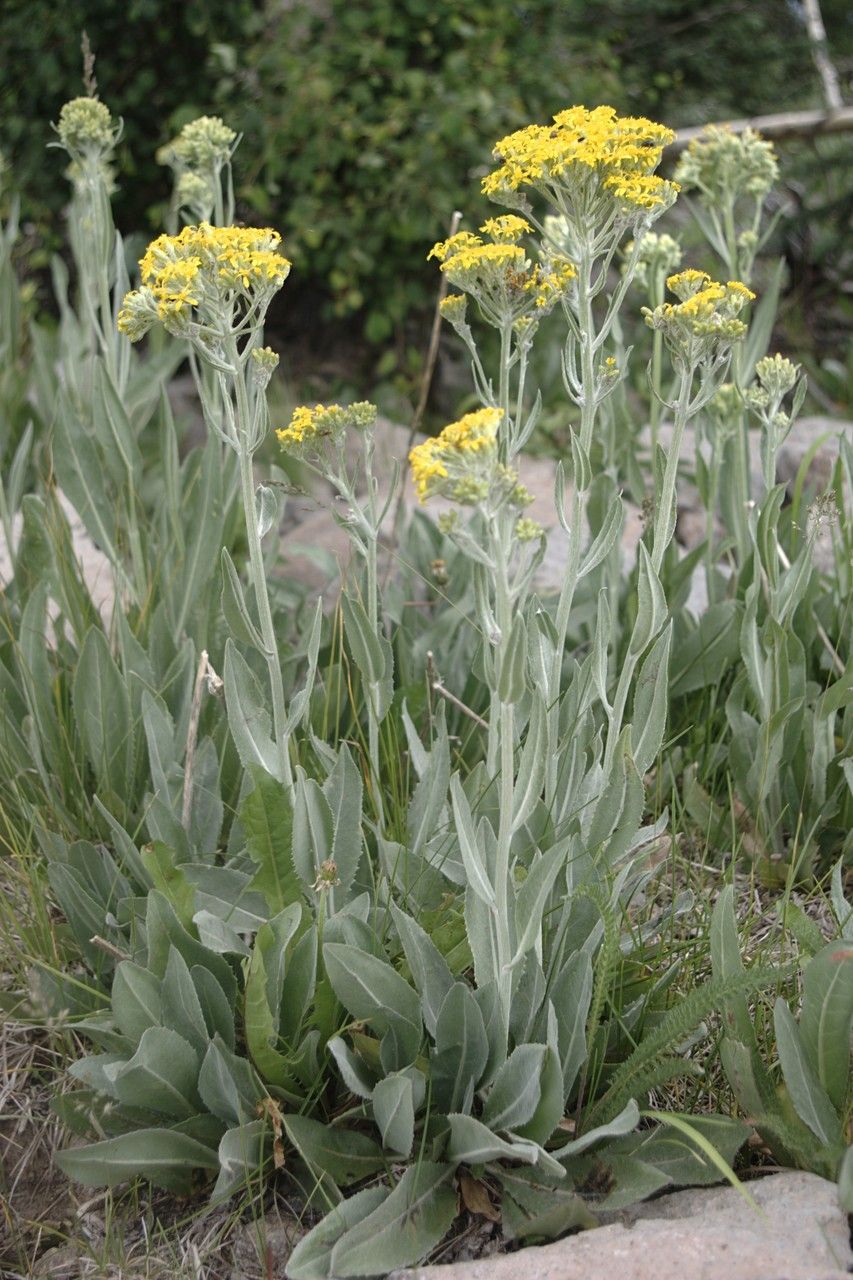
Tall blacktip ragwort is a sun-loving, perennial herbaceous plant native to open habitats, commonly found in meadows and grasslands. It prefers full sun but can also tolerate partial sun conditions.
Water
Tall blacktip ragwort is a drought-tolerant plant, thanks to its ability to adapt to moist environments. It flourishes best with consistent moisture and well-draining soil. To maintain its health, it should be watered weekly. Additionally, natural rainfall helps sustain its growth by providing alternating wet and dry periods.
Fertilizer
Typically, one fertilizer application in spring is enough for Tall blacktip ragwort, though repeated feedings can maximize growth. Apply fertilizer every month to six weeks. Fertilization improves the leaves' appearance and function, encouraging uniform color and a healthy texture. It also promotes root development and nutrient uptake for the plant's long-term health.
Pruning
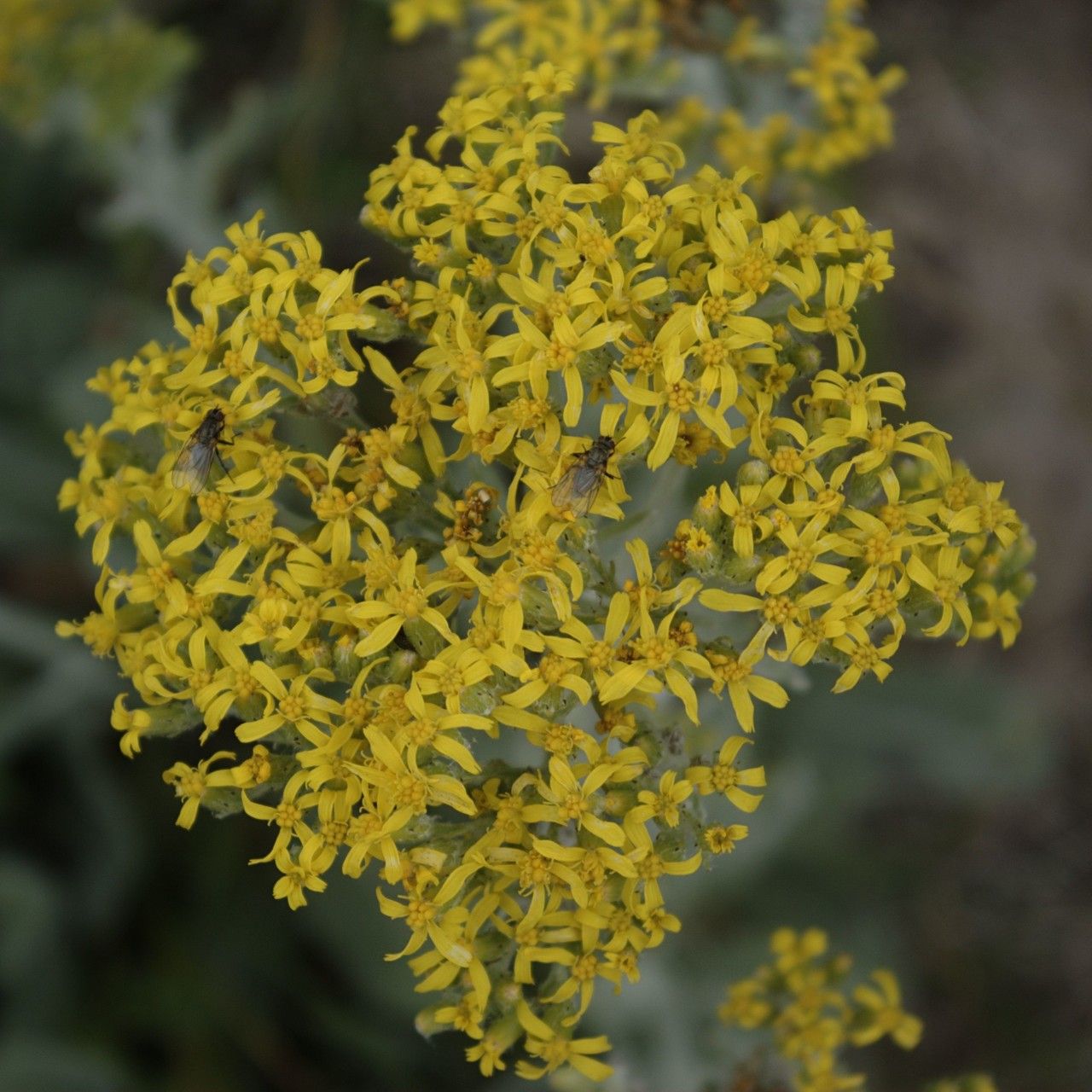
The tall blacktip ragwort is notable for its distinctive black-tipped flowers and benefits significantly from pruning in early to late spring. Important care practices include removing damaged stems and controlling overgrowth to boost the plant's vigor and reduce the risk of disease. Additionally, keep an eye out for pests and make sure to prune before any new growth begins to promote healthy and abundant flowering.
Botanical profile.
- Plant Type
- Herb
- Life Cycle
- Perennial
- Genus
- Senecio
- Family
- Asteraceae
- Hardiness Zone
- 9-11
- Leaf Type
- Evergreen
- Bloom Time
- Summer
Other names.
Reader questions.
What are the sunlight requirements for Tall blacktip ragwort?
Tall blacktip ragwort thrives in conditions of full sun, requiring above 6 hours of sunlight daily, but it can also tolerate partial sun conditions, which amount to about 3-6 hours of sunlight. It's important to observe how sunlight moves through your garden to choose spots that provide a perfect balance of light and shade, ensuring that your plants remain happy and healthy.
What should I do if natural sunlight is insufficient for my indoor Tall blacktip ragwort?
When natural sunlight is insufficient, particularly during winter or in less sunny spaces, artificial lighting can be a vital solution for indoor Tall blacktip ragwort plants. LED lights are a popular choice as they can be customized to provide specific wavelengths needed by your plants. For full sun plants, 30-50W/sq ft of artificial light is needed, while partial sun plants require 20-30W/sq ft. The light source should be placed 12-36 inches above the plant, and most plants need 8-12 hours of light per day.
What are some common symptoms of inadequate lighting for Tall blacktip ragwort?
Common symptoms of inadequate lighting for Tall blacktip ragwort include smaller new leaves compared to mature ones, leggy or sparse growth, faster leaf drop, slower or no new growth, and changes in leaf coloration such as lighter-colored new leaves, chlorosis, and sunscald. Additionally, leaf curling, wilting, and leaf scorching may occur under extreme sunlight conditions or when the plant is overexposed to sunlight. These symptoms indicate light deficiency or excessive sunlight exposure.
How can I address light deficiency issues in Tall blacktip ragwort indoors?
To address light deficiency in indoor Tall blacktip ragwort, gradually move the plant to a sunnier location each week until it receives at least 6 hours of direct sunlight daily, ideally through a south-facing window. If the plant is large or not easily movable, consider using artificial light, keeping a desk or ceiling lamp on for at least 8 hours daily or investing in professional plant grow lights. This gradual approach helps avoid stress and allows the plant to adapt to increased light exposure.
What strategies can be implemented for Tall blacktip ragwort experiencing insufficient sunlight outdoors?
For Tall blacktip ragwort experiencing insufficient sunlight outdoors, start by gradually moving the plants to sunnier spots each week to adapt without stress, avoiding sudden changes in light intensity to prevent sunburn. In cases where trees or other structures obstruct sunlight, consider pruning branches or transplanting smaller plants to sunnier locations with ample sunlight and good drainage. Ensure that these transitions are made during the plant's dormant period, usually in late winter or early spring.