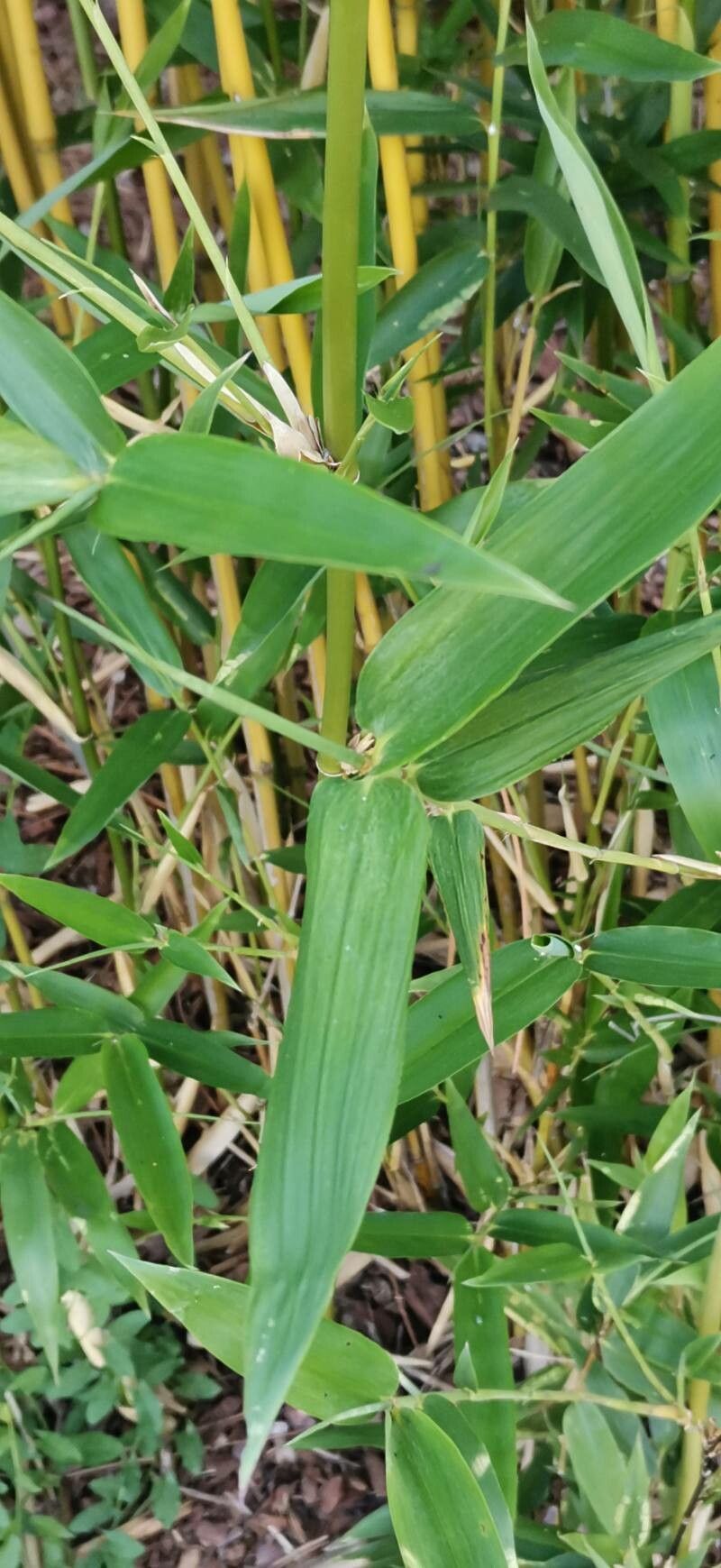
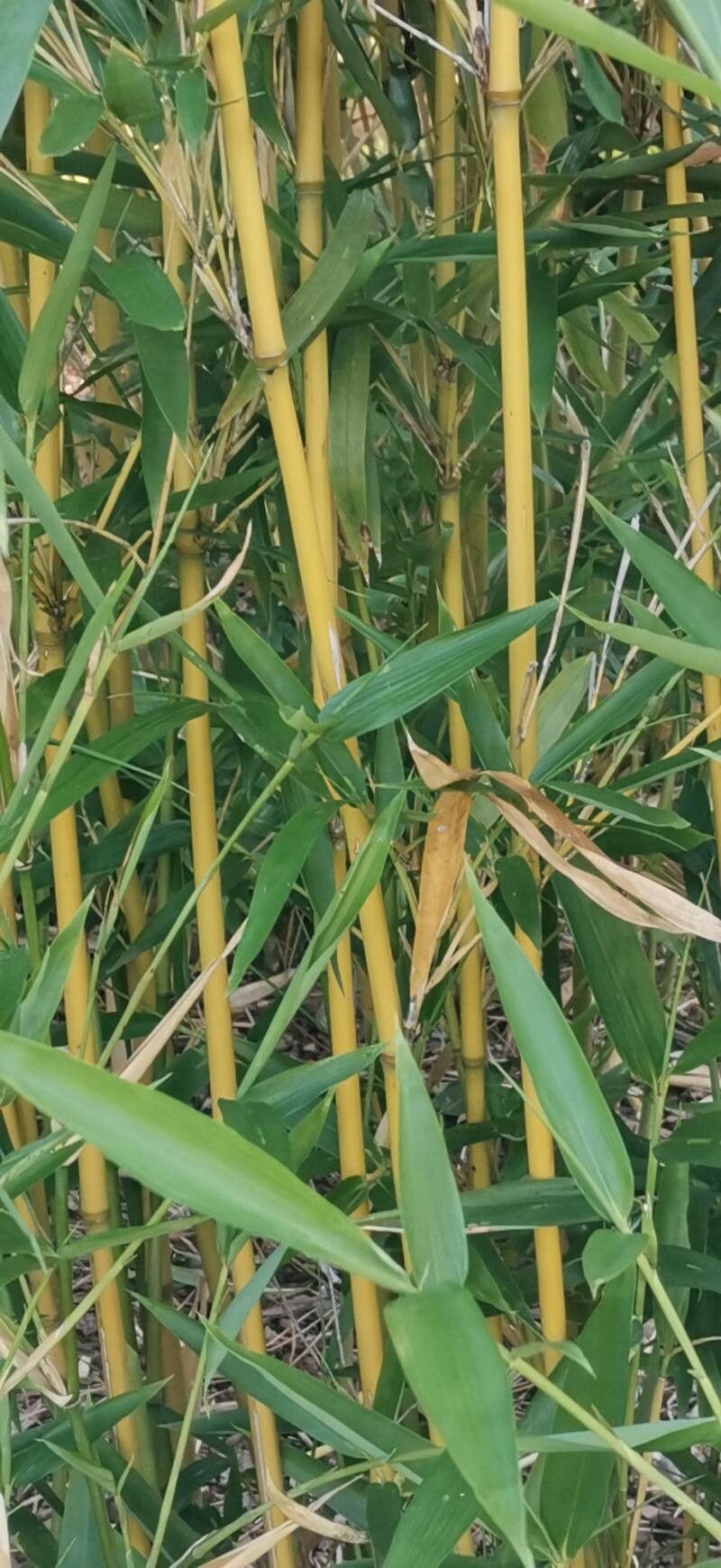
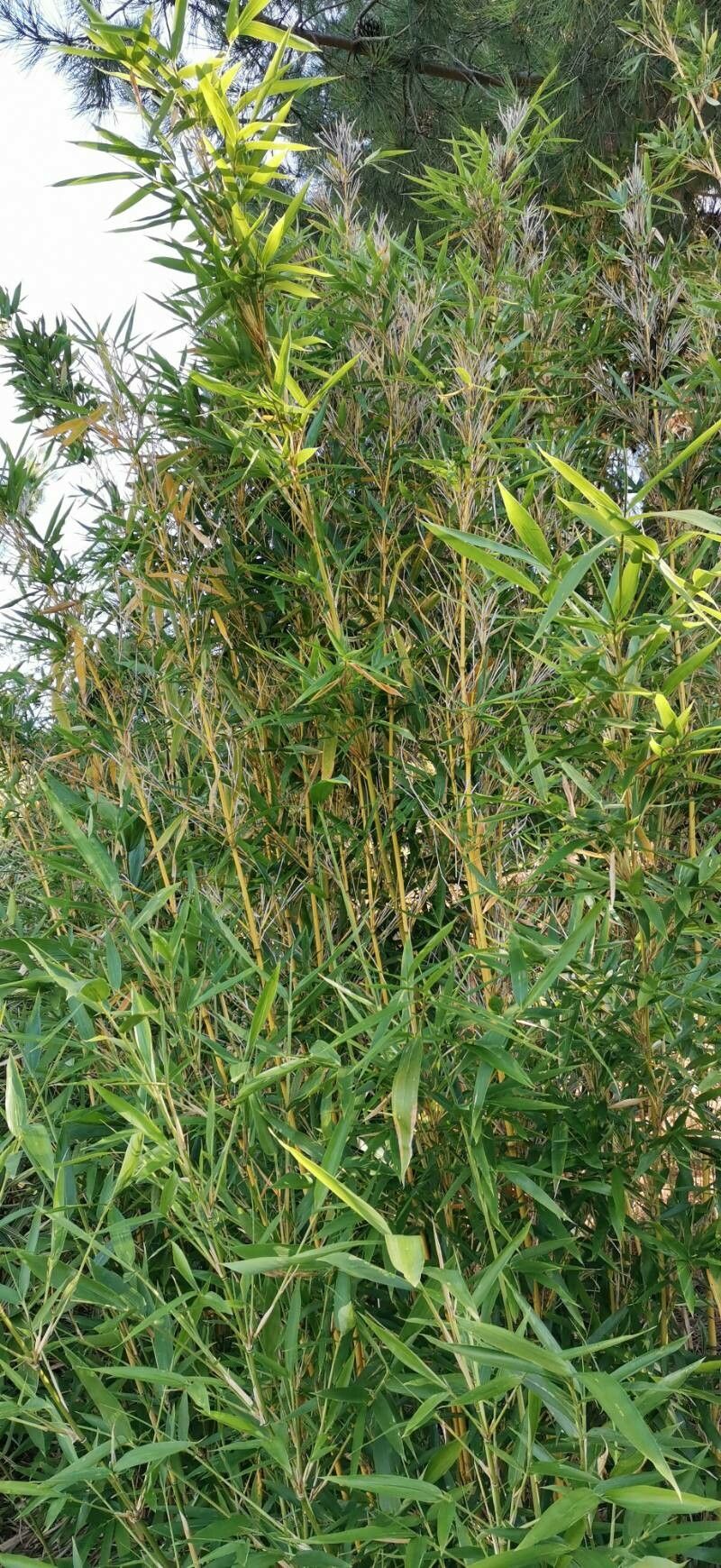
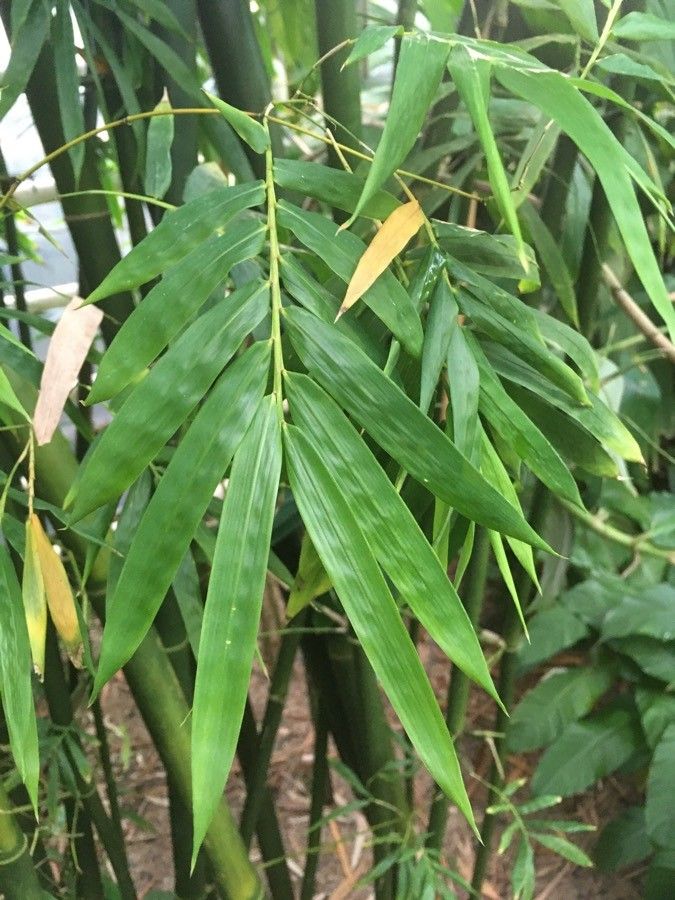
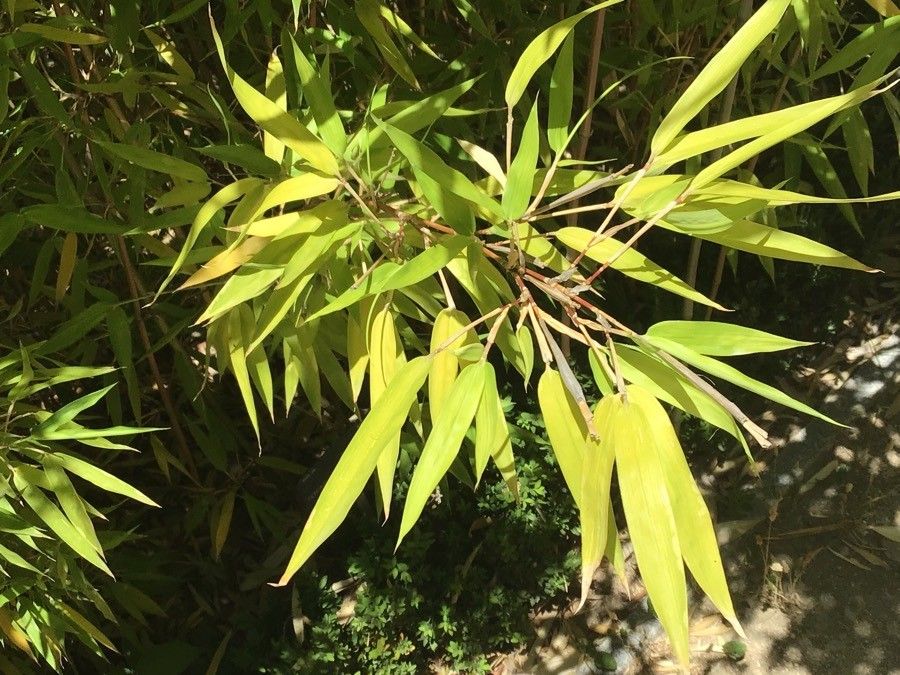
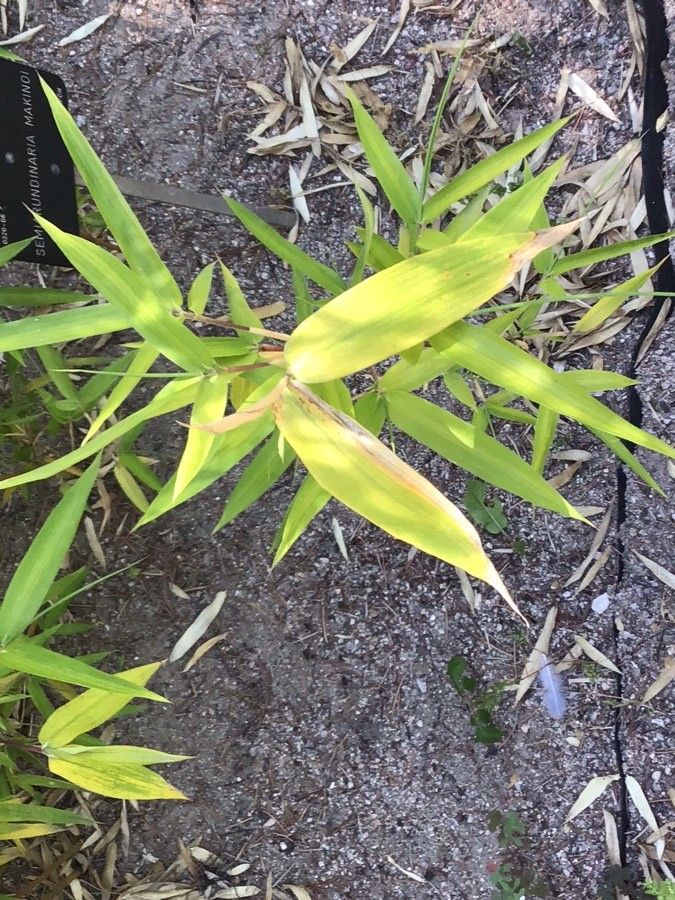
Chinese temple bamboo is highly resistant to disease and typically does not suffer from illnesses. In terms of care, this plant is fairly low-maintenance. When grown outdoors it needs only light watering, and larger specimens usually do not require pruning. Smaller plants, however, should be pruned after they have finished blooming. Chinese temple bamboo is suitable for anyone with outdoor space, such as a garden or a deck, and does not demand extensive gardening experience.
How to keep Semiarundinaria Okuboi.
Light
Chinese temple bamboo performs best with generous sunlight throughout the day. It can also survive when sunlight is somewhat diminished. In its natural habitat it is accustomed to substantial sun exposure. Too much or too little sun can affect its vigorous growth.
Temperature
Chinese temple bamboo adapts well to temperature, tolerating higher heat and larger temperature fluctuations. In hot weather, attention should be paid to watering and providing adequate shade to prevent sunburn. On the other hand, it has relatively poor cold tolerance: while it can endure some chill, overly cold conditions may cause frost damage.
Fertilizer
To encourage healthy growth, fertilize your Chinese temple bamboo in early spring. Regular feeding improves overall health, leading to robust growth, better tolerance of harsh conditions, and increased resistance to pests and diseases. Keep a defined fertilization schedule for your Chinese temple bamboo to maintain vibrant, deeply colored foliage and a lush, full appearance.
Botanical profile.
- Plant Type
- Tree, Shrub
- Life Cycle
- Perennial
- Genus
- Semiarundinaria
- Family
- Poaceae
- Hardiness Zone
- 8-11
- Mature Height
- 4.57 m to 9.14 m
- Mature Spread
- 0.91 m to 14.94 m
- Leaf Color
- Green, Yellow, White, Variegated, Gold
- Leaf Type
- Evergreen
- Bloom Time
- Early summer, Mid summer
- Planting Time
- Spring, Summer, Autumn
- Harvest Time
- Late summer, Early fall
- Native Area
- Vietnam, China