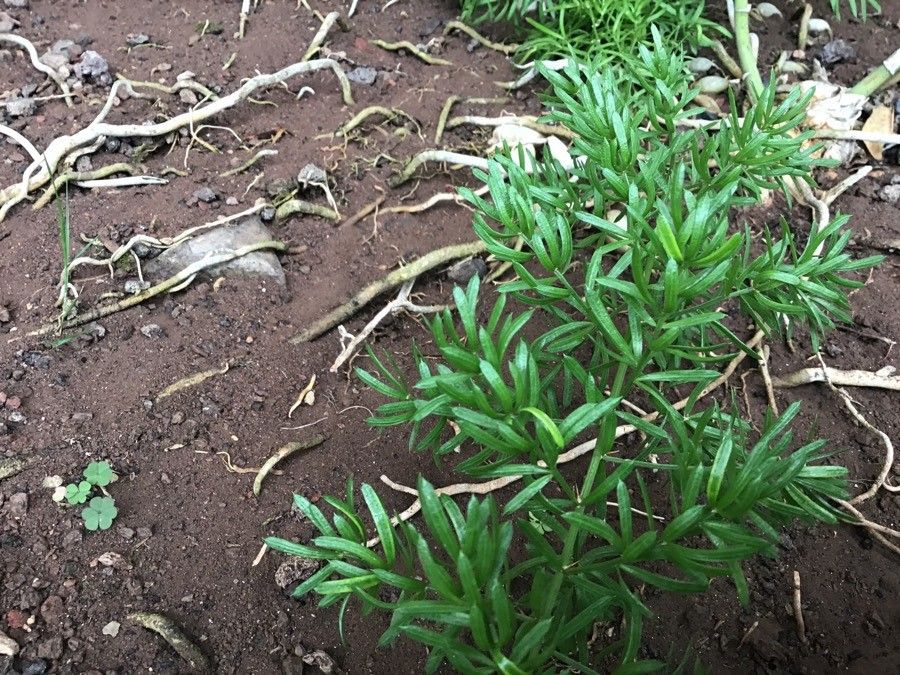
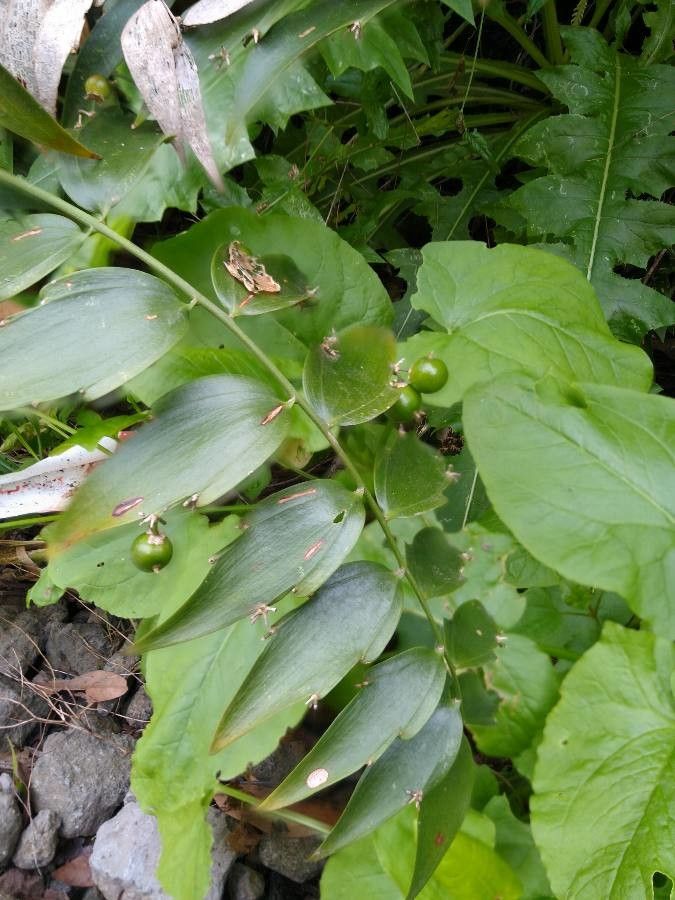
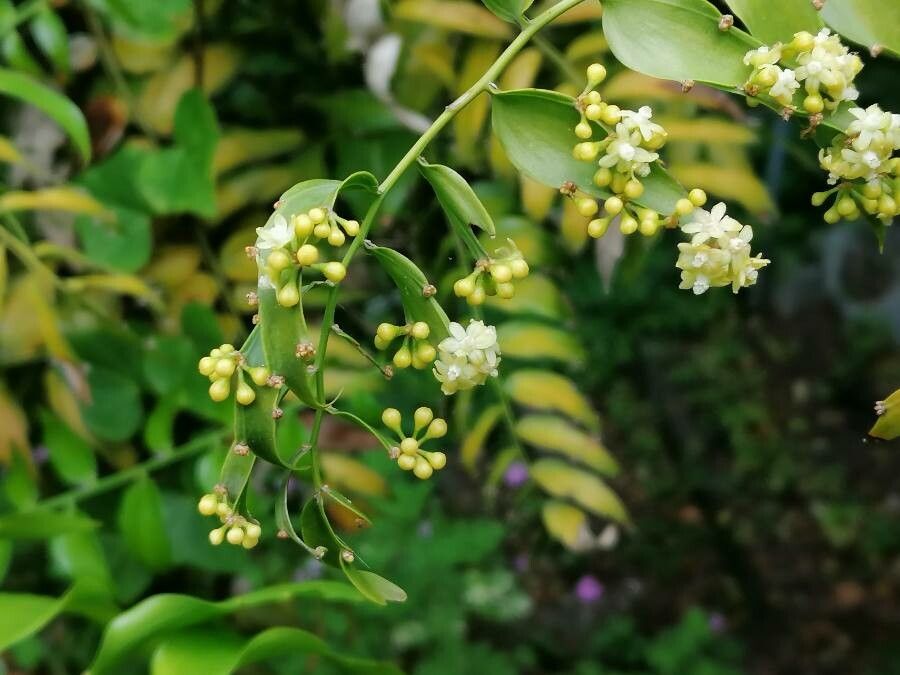
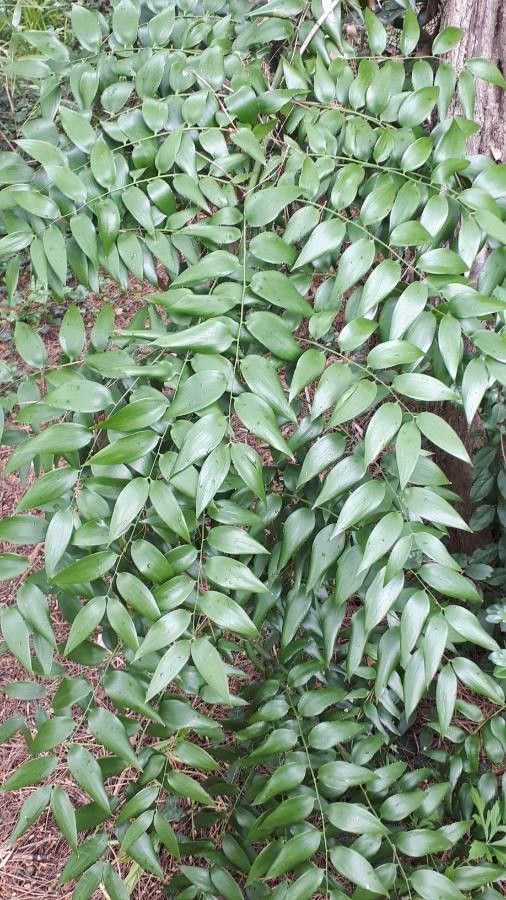
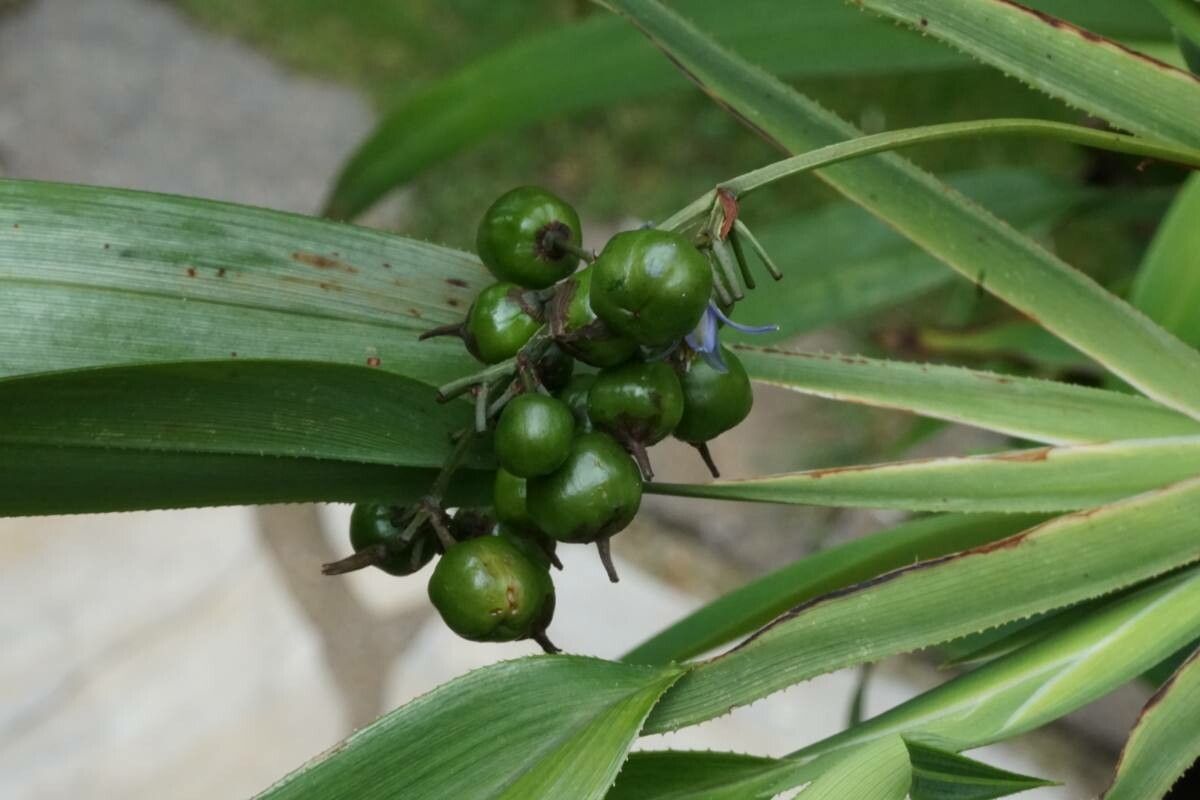
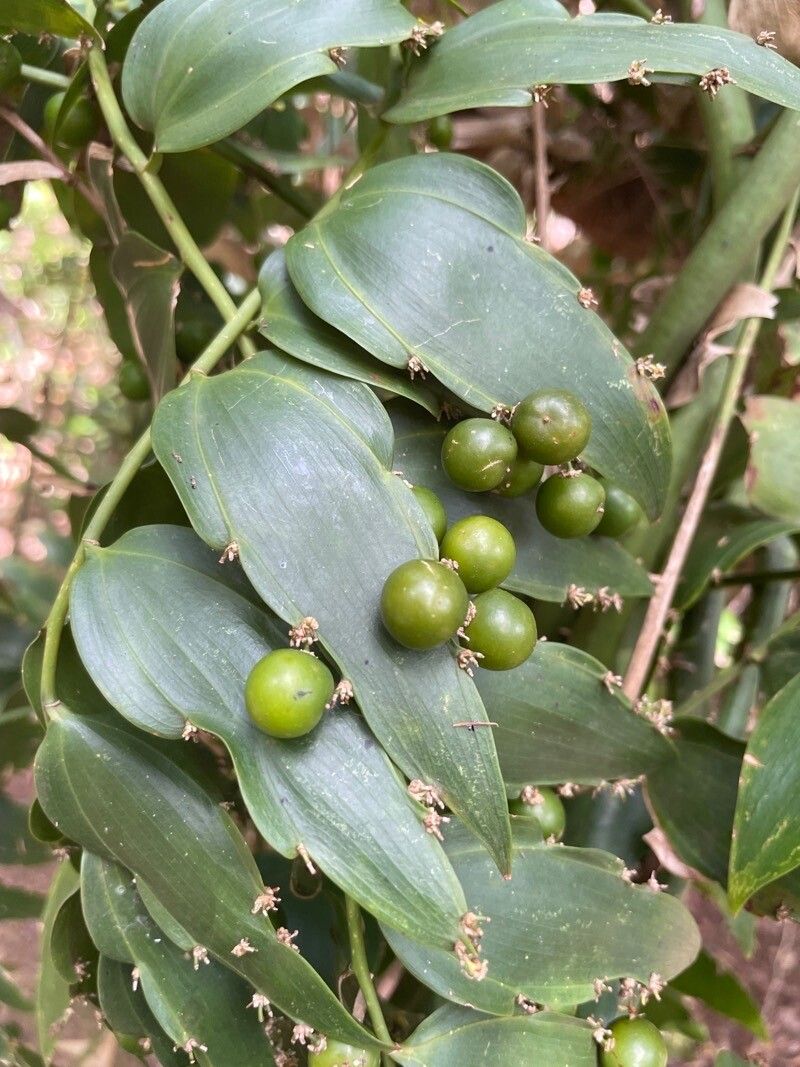
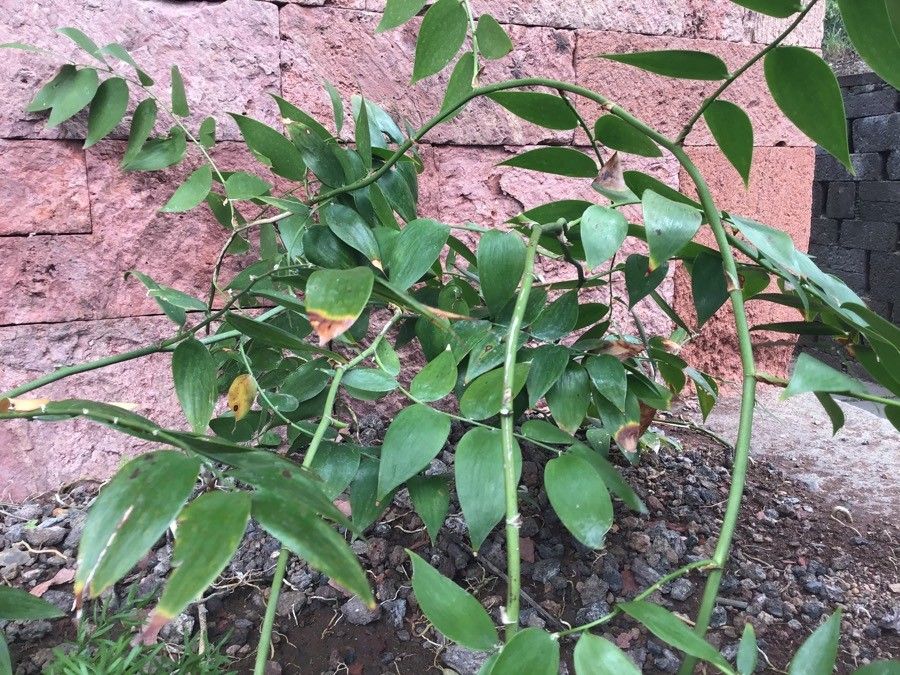
Climbing butcher's broom is resistant to disease and is generally not susceptible to illnesses. Regarding care, this plant is fairly low maintenance. When grown outdoors it needs little watering, and larger specimens typically do not require pruning. Smaller plants, however, should be pruned after they finish flowering. Climbing butcher's broom is suitable for anyone with an outdoor area, such as a garden or deck, and does not demand much horticultural experience.
How to keep Semele Androgyna.
Light
Climbing butcher's broom thrives with plenty of sunlight, reflecting its natural habitat in sunny locations. That light supports healthy growth and development. However, too much sun can be harmful, while too little exposure can stunt its growth.
Water
Climbing butcher's broom thrives in dry woodland environments with infrequent rainfall. It requires deep, infrequent watering every 2-3 weeks. This plant prefers well-draining soil and cannot tolerate waterlogged conditions. Typically grown outdoors, climbing butcher's broom benefits from a layer of mulch to help retain moisture during hot spells, highlighting its drought tolerance.
Temperature
Climbing butcher's broom grows best in its native habitat where temperatures range from 68 to 95 °F (20 to 35 ℃). It prefers steady warmth and may need supplemental heat during cooler seasons. Adjust temperatures to match seasonal changes.
Fertilizer
Timing is essential when fertilizing Climbing butcher's broom. Start applying fertilizer in early spring and continue once a month until early summer. Fertilizer aids in producing attractive blooms and supplies energy during both dormant and active growth periods.
Pruning
The climbing butcher's broom is an evergreen plant known for its strong climbing ability and striking red berries. To maintain its health and manage its growth, it is recommended to prune the plant annually in early spring. This pruning encourages new growth and helps control its spread by removing dead stems and overcrowded branches. As a result, the plant receives better airflow and light, leading to a healthier and more manageable shape.
Botanical profile.
- Plant Type
- Shrub
- Life Cycle
- Perennial
- Genus
- Semele
- Family
- Asparagaceae
- Hardiness Zone
- 9-10
- Mature Height
- 10.06 m
- Mature Spread
- 0.91 m to 2.13 m
- Leaf Color
- Dark Green
- Leaf Type
- Evergreen
- Flower Color
- Yellow, Green, Cream
- Flower Size
- 0.51 cm to 0.76 cm
- Bloom Time
- Mid spring, Late spring
- Planting Time
- Spring, Summer, Autumn
- Harvest Time
- Late summer, Early fall, Mid fall
Other names.
Reader questions.
How should I water my Climbing butcher's broom?
Your Climbing butcher's broom is not picky about watering methods. You can use common tools like watering cans, hoses, or even cups to water it. Regardless of the tool you choose, make sure to water directly on the soil. Evenly moisten all areas of the soil to ensure the entire root system gets water. Using filtered water is recommended, as tap water may have harmful particles. Also, use water at room temperature or slightly above, as extreme temperatures can shock the plant. However, the Climbing butcher's broom generally responds well to any kind of water.
Why should I give fertilizer to my Climbing butcher's broom?
No matter what type of Climbing butcher's broom you have, regular fertilization will promote its overall health. Providing the right nutrients will support vigorous growth and make it more resilient against tough conditions, diseases, and pests. The foliage of your Climbing butcher's broom is a standout feature, so it's important to maintain it. This involves following a regular fertilization schedule tailored to your plant, resulting in vibrant leaves and an overall lush appearance.
What are the sunlight requirements for Climbing butcher's broom?
Climbing butcher's broom requires more than 6 hours of sunlight to thrive and enjoys full sun exposure, which is crucial for its healthy growth and development. It's important to observe how sunlight moves through your garden, choosing spots that offer a balance of light and shade to ensure the plants are happy. Although it flourishes in ample sunlight, both excessive sun and insufficient exposure can be harmful, potentially causing damage or stunting the plant's growth.
What is Climbing Butcher's Broom and its preferred temperature range for growth?
Climbing Butcher's Broom, botanically known as Semele androgyna, thrives best in its native environment with temperatures ranging from 68 to 95 °F (20 to 35 °C). This plant prefers consistent warmth and may require supplemental heating during cooler seasons to maintain its preferred temperature range. Adjusting the temperature to suit seasonal changes is crucial for its optimal growth.
What should I do if I give too much or too little water to my Climbing butcher's broom?
For outdoor plants, especially newly planted ones or seedlings, the lack of watering can be a problem. Remember to water them enough for a few months when they are small or newly planted. Once the roots are established, Climbing butcher's broom can rely on rain most of the time. However, when it is planted in pots, overwatering is more likely. If you accidentally overwater your Climbing butcher's broom, you should take immediate action to fix the situation. First, stop watering the plant right away to minimize the impact of overwatering. Then, remove the Climbing butcher's broom from its pot and inspect its roots. If you find no sign of root rot, you can return the plant to its container. But if there are signs of root rot, trim the affected roots and consider applying a fungicide to prevent further damage. Finally, repot the Climbing butcher's broom in well-draining soil. On the other hand, if you underwater your Climbing butcher's broom, the leaves will droop, dry out, and fall off. Simply water the plant more frequently to fix this issue. It's important to adjust your watering frequency as soon as you notice underwatering occurring.
When should I fertilize my Climbing butcher's broom?
To properly fertilize your Climbing butcher's broom, start in late winter or early spring. By doing this, you ensure that your plant receives the necessary nutrients to promote healthy growth as the weather warms up. If you live in a warm climate, it's also beneficial to provide an additional fertilizer feeding in early fall. This not only adds nutrients for the upcoming growing season but also helps the plant endure the winter without foliage damage. By fertilizing earlier, you give the new branches enough time to grow and withstand the cold winter.
How can I provide adequate lighting for indoor Climbing butcher's broom?
Indoor Climbing butcher's broom plants need sufficient lighting to grow optimally. When natural sunlight is lacking, especially during winter or in less sunny spaces, artificial lighting is an effective alternative. For such plants, using LED lights is recommended because they can be adjusted to provide specific light wavelengths needed by the plants. The intensity of light should be 30-50W/sq ft for full sun plants, 20-30W/sq ft for partial sun plants, and 10-20W/sq ft for full shade plants. Place the light source 12-36 inches above the plant and ensure it receives 8-12 hours of light daily to imitate natural sunlight conditions.
How does Climbing Butcher's Broom react to cold temperatures?
Climbing Butcher's Broom has moderate tolerance to low temperatures and generally does well when the temperature stays above 0°C. However, if temperatures are expected to drop below 0°C, taking temporary measures for cold protection is necessary. This can include wrapping the plant with plastic film, fabric, or other suitable materials for insulation. Once temperatures rise again, these protective measures should be removed to avoid any potential damage to the plant.
How frequently should I give water to my Climbing butcher's broom?
Most outdoor plants can grow naturally with rainfall, but if your area lacks rainfall, you should water them adequately every 2 weeks in spring and fall. In summer, you need to water more frequently, while in winter, when plants grow slower and require less water, you should water sparingly or not at all. If your Climbing butcher's broom is young or recently planted, it should be watered more often to help it establish and grow into a drought-tolerant plant. For potted plants, there are two main approaches to determine watering frequency for your Climbing butcher's broom. The first is to follow a predetermined watering schedule, but this may not work well as it doesn't consider the specific growing conditions of your plant. Alternatively, you can base your watering frequency on soil moisture. It's generally best to wait until the top two to four inches of soil have completely dried out before watering again. This method takes into account the plant's actual water needs, which vary with the season. During summer, for example, the plant will need more frequent watering compared to other seasons.
When is the wrong time to fertilize my Climbing butcher's broom?
There are specific times when you should avoid fertilizing your Climbing butcher's broom. One is during the early and mid-winter months since the plant is dormant and doesn't require nutrients. It's also not recommended to fertilize during late spring and summer when the weather is hotter and drier. These conditions may harm the plant if it's fertilized. To prevent problems, stick to a fertilization schedule of early spring and early fall only.
What symptoms indicate a Climbing butcher's broom is receiving insufficient light?
Symptoms of insufficient light in Climbing butcher's broom include smaller new leaves, leggy or sparse growth, faster leaf drop, halted growth, paler new leaves, chlorosis, sunscald, leaf curling, wilting, and leaf scorching. These symptoms reveal that the plant is struggling due to inadequate exposure to light, impacting its ability to photosynthesize and maintain overall health. It's crucial to identify these signs early to adjust care and prevent further damage.
What should I do if Climbing Butcher's Broom is exposed to temperatures below -5°C?
If Climbing Butcher's Broom is exposed to temperatures below -5°C, it may show signs of distress such as drooping or wilting leaves, which may eventually fall off in severe cases. The recommended solution is to trim off the frost-damaged parts of the plant. To prevent future damage, wrapping the plant with non-woven fabric or cloth, and constructing a wind barrier to protect it from the cold wind is advisable.