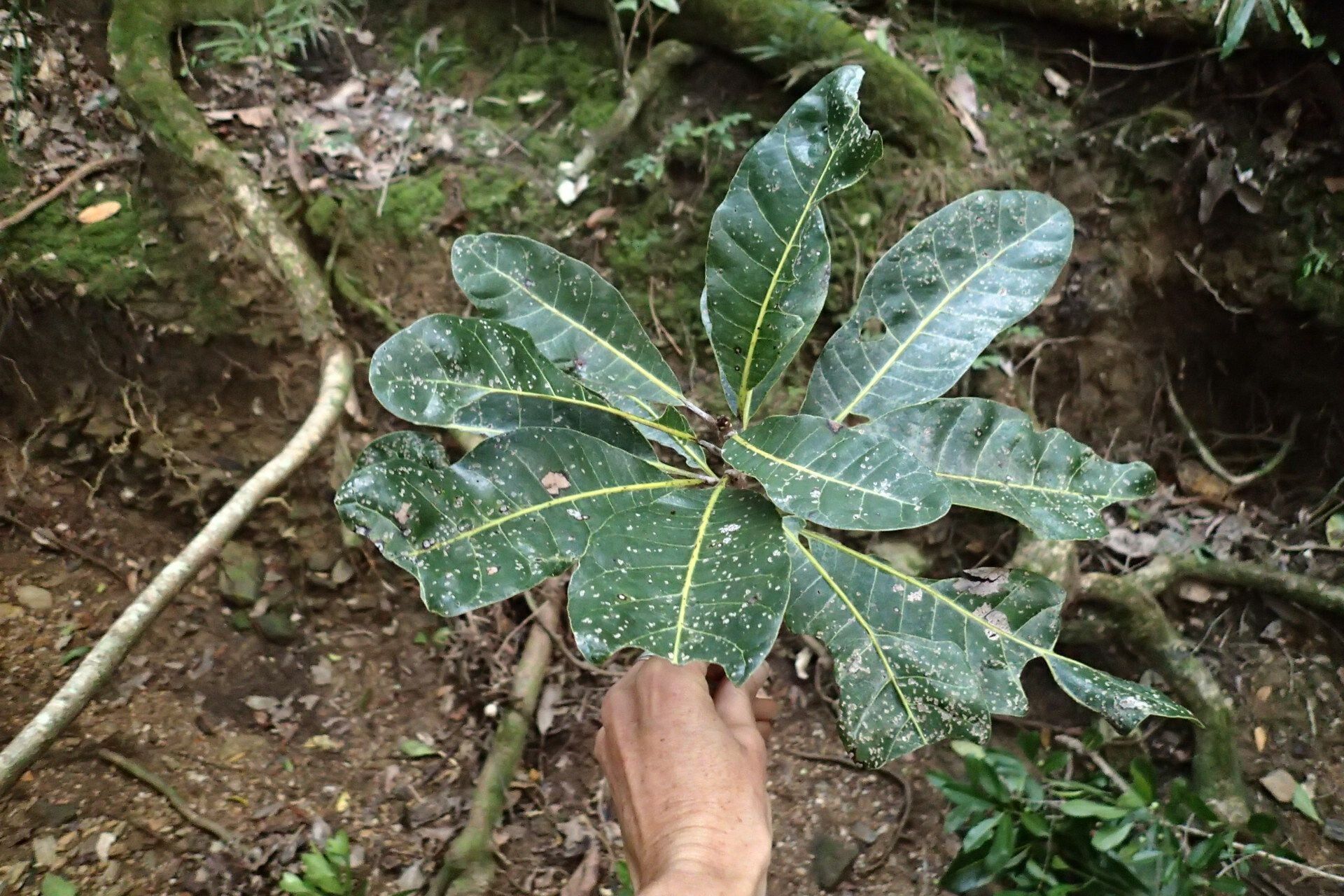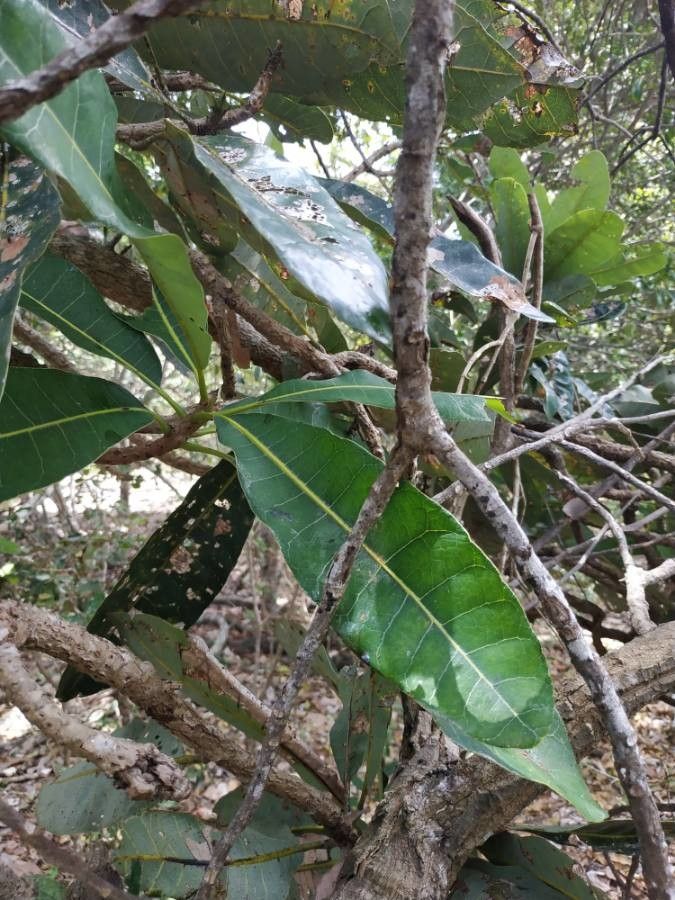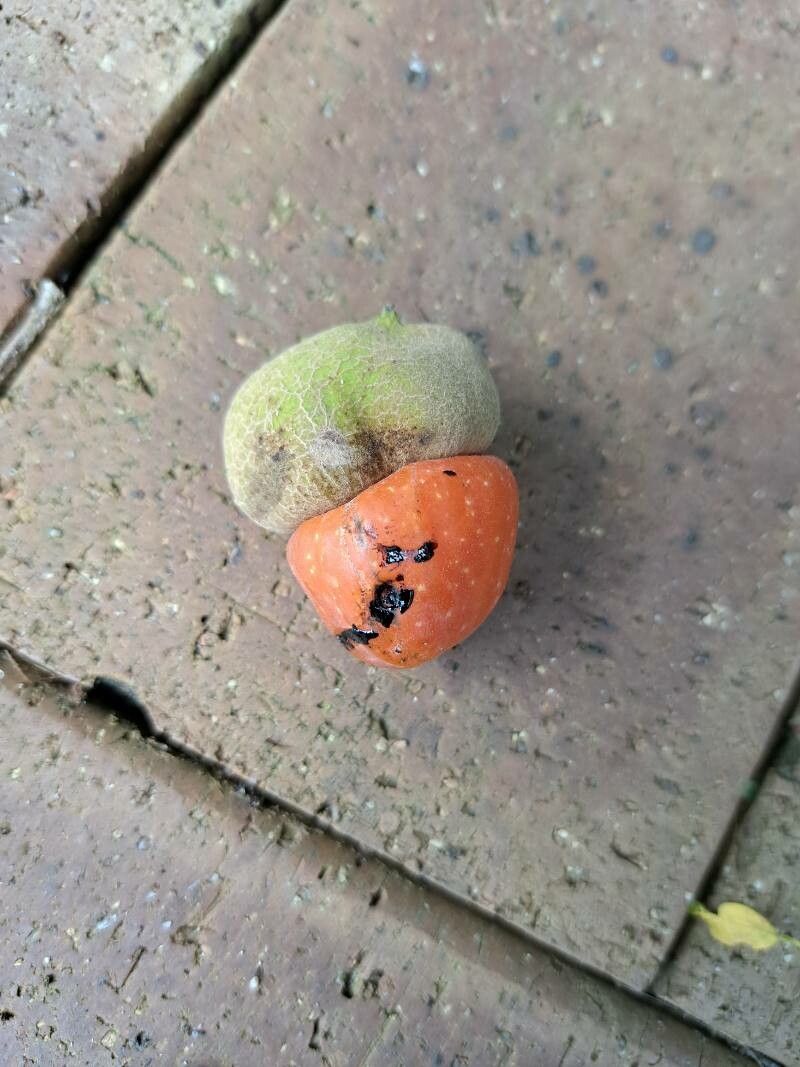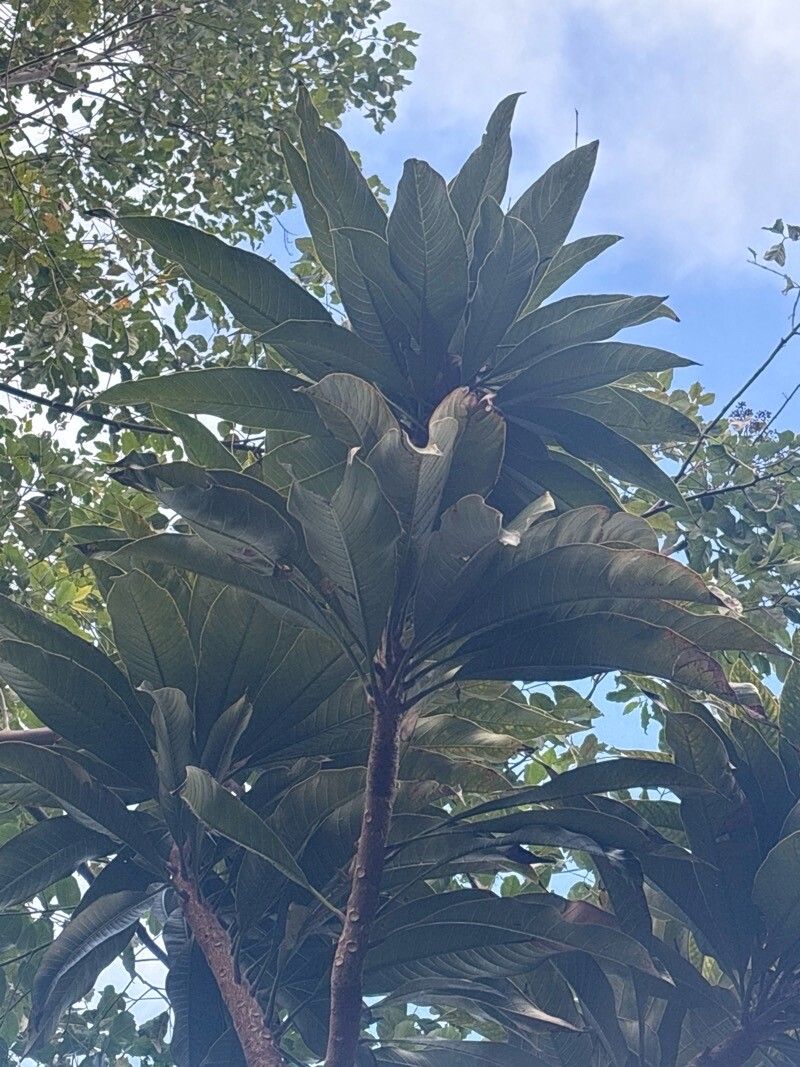
Marking nut displays good resistance to disease and is generally not susceptible to diseases. Regarding care, this plant is fairly low-maintenance. When planted outdoors it needs only minimal watering, and larger plants typically do not require pruning. Smaller plants, however, should be pruned after they have bloomed. Marking nutt is suitable for anyone with an outdoor space, such as a garden or deck, and does not require a lot of care experience.
How to keep Semecarpus Longifolius.
Light
The marking nut is native to open spaces, including sunlit meadows and forest boundaries that offer plenty of brightness. This plant flourishes in Full Sun, although it can also stand Partial Sun, indicating its adaptability to a range of sunlight scenarios.
Water
The marking nut plant flourishes in high humidity and consistently moist environments. It requires soil that remains evenly moist without becoming waterlogged. To meet its hydration needs, water the plant weekly. As an evergreen, it needs consistent watering for healthy growth and may require additional irrigation during dry spells.
Temperature
The marking nut is a plant native to tropical areas, which are generally hot and moist. It is highly suited to these warm and humid conditions. It does not fare well with abrupt changes in temperature and favors consistent warmth, so stabilizing indoor temperatures is crucial. It doesn't typically hold up well in cold weather and needs higher heat levels to thrive. Should the temperature in its surroundings fall too drastically, the plant could stop growing or even perish.
Fertilizer
For the care of Marking nut, fertilization is essential. Continual feeding in the growth phase aids in maintaining vitality for vibrant leaves and promotes total development. If fertilization is overlooked, it may lead to diseased leaves, reduced decorative charm, and inhibited or frail growth susceptible to damage.
Pruning
The marking nut plant has long, leathery leaves and nut-like fruits. To maintain the health and appearance of the plant, it is advisable to prune from early to late winter. During this time, remove dead branches, lightly shape the plant, and manage suckers for improved air circulation. Regular pruning not only boosts flowering and fruit yield but also enhances the plant's overall health and appearance.
Botanical profile.
- Plant Type
- Tree
- Life Cycle
- Perennial
- Genus
- Semecarpus
- Family
- Anacardiaceae
- Hardiness Zone
- 10-12
- Mature Height
- 4.88 m to 20.12 m
- Mature Spread
- 4.88 m to 7.92 m
- Leaf Color
- Green
- Leaf Type
- Evergreen
- Flower Color
- Yellow, Cream
- Flower Size
- 17.78 cm
- Bloom Time
- Early summer, Mid summer
- Planting Time
- Autumn, Winter
- Harvest Time
- Late summer, Early fall, Mid fall
- Native Area
- Indonesia, Philippines, China