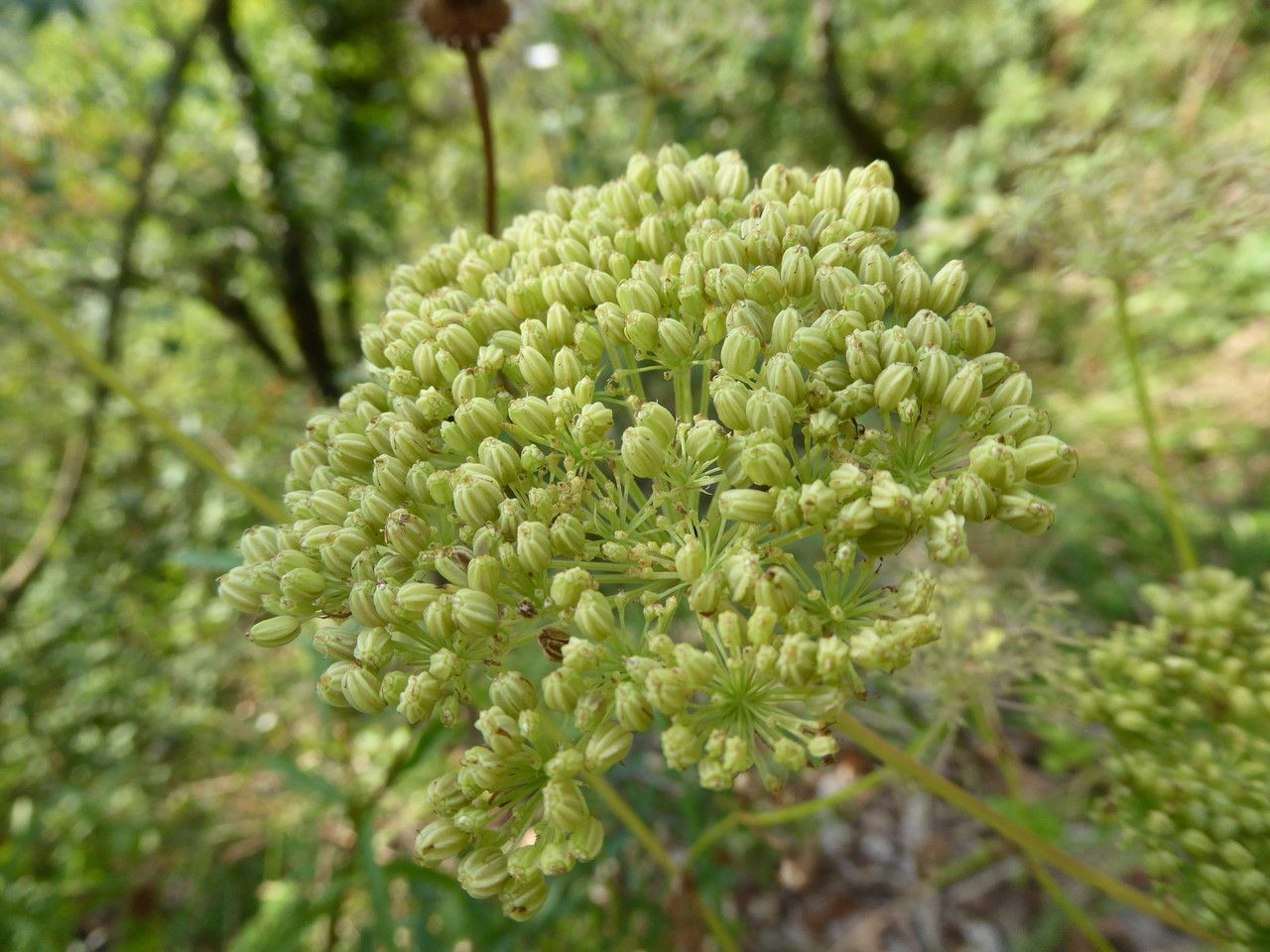
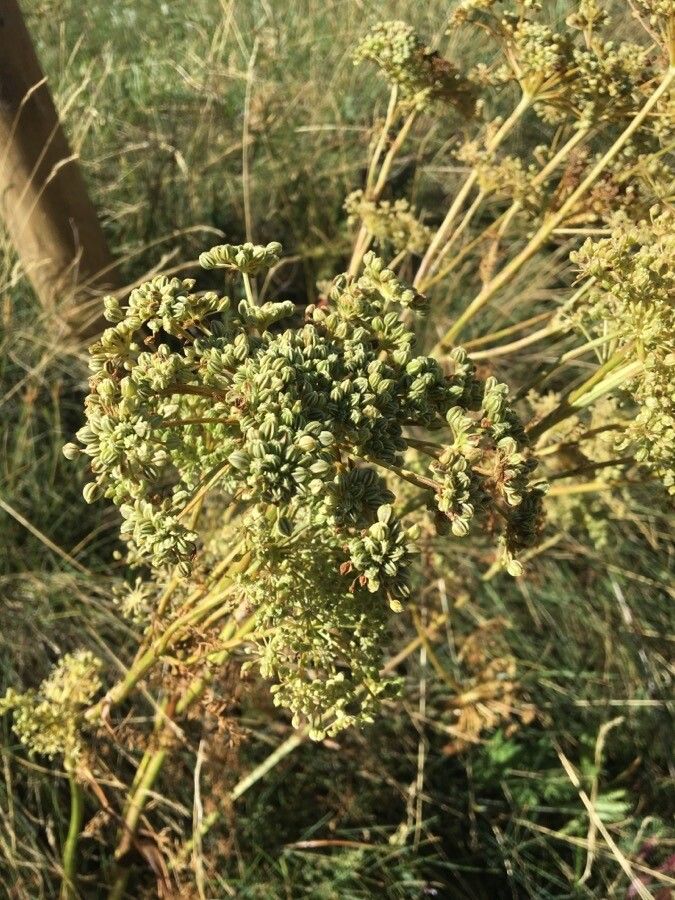
Selinum carvifolia, commonly known as caraway-leaved stone parsley, is a perennial herbaceous plant in the Apiaceae family. Native to Europe and Asia, it thrives in damp meadows, along riverbanks, and in woodland areas.
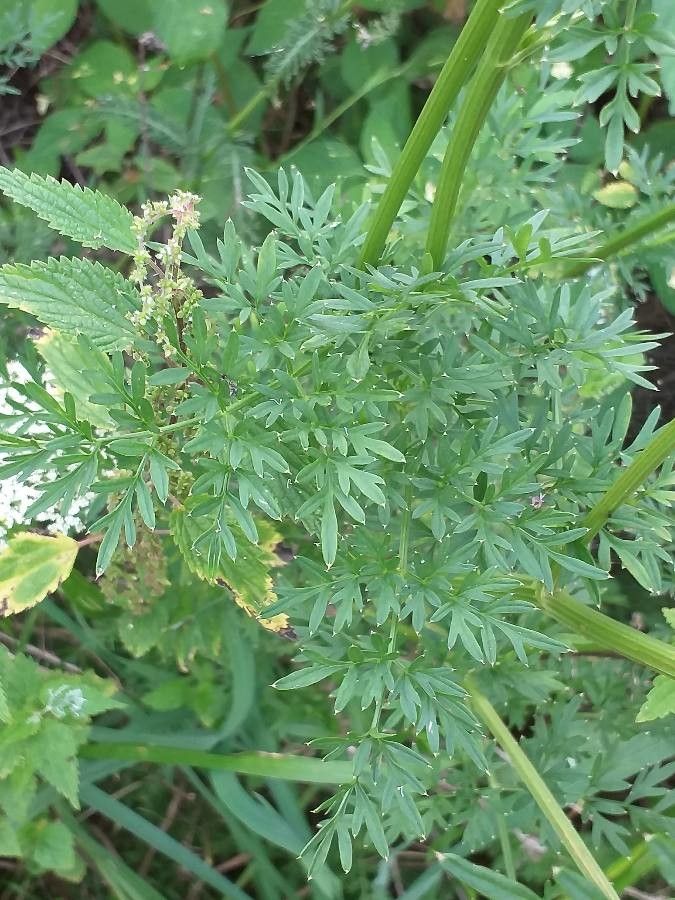
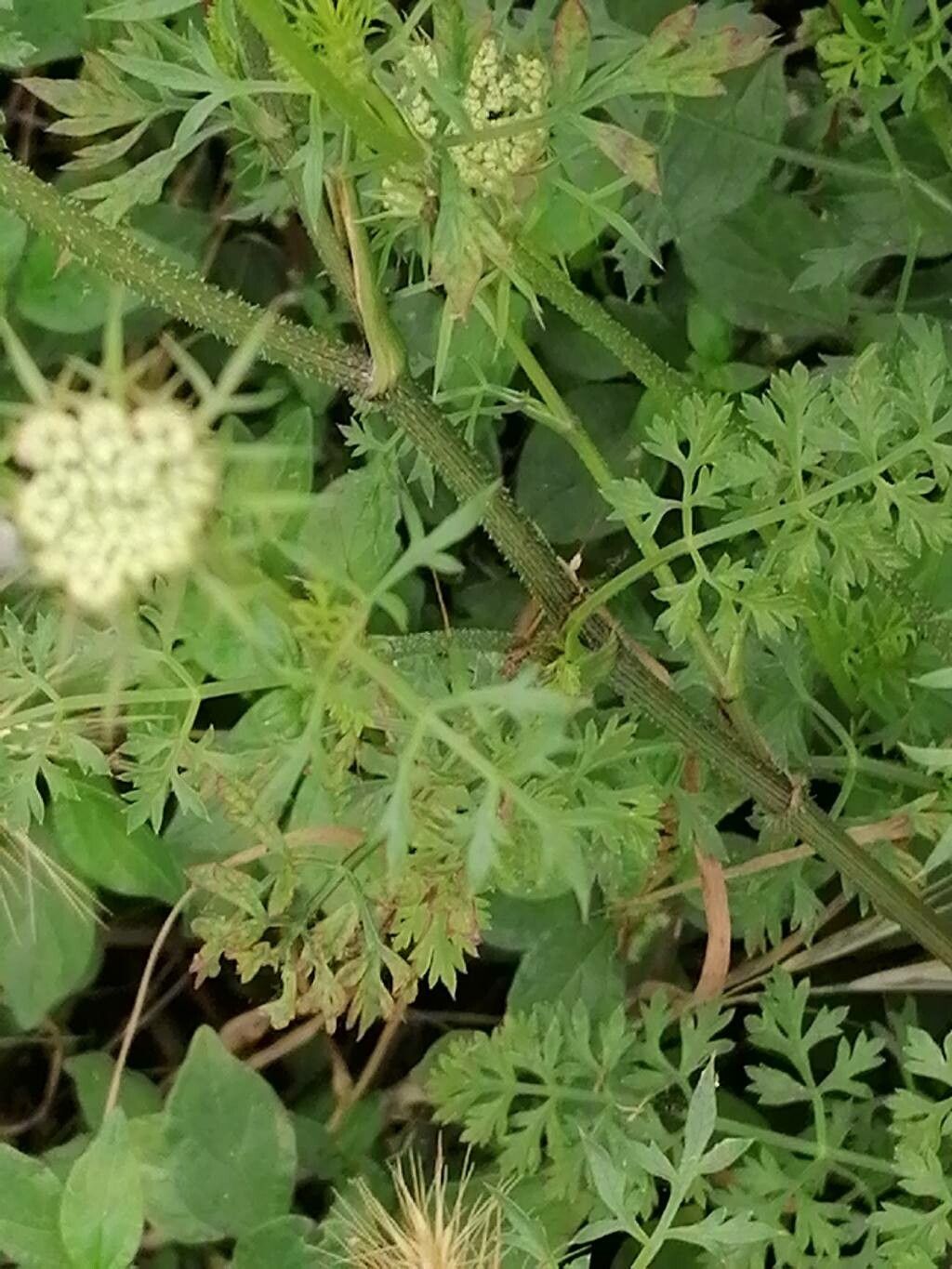
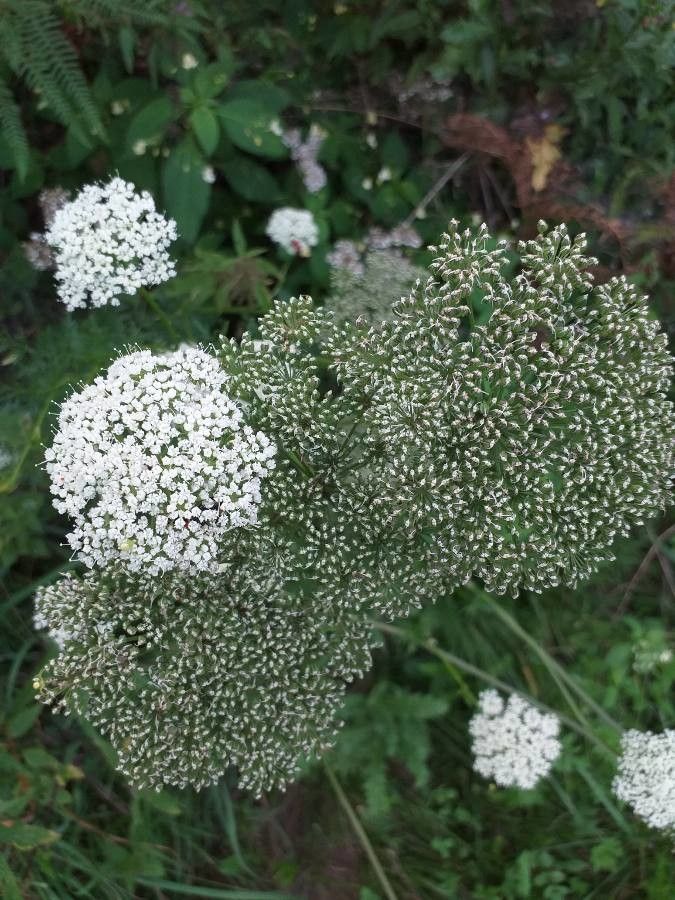
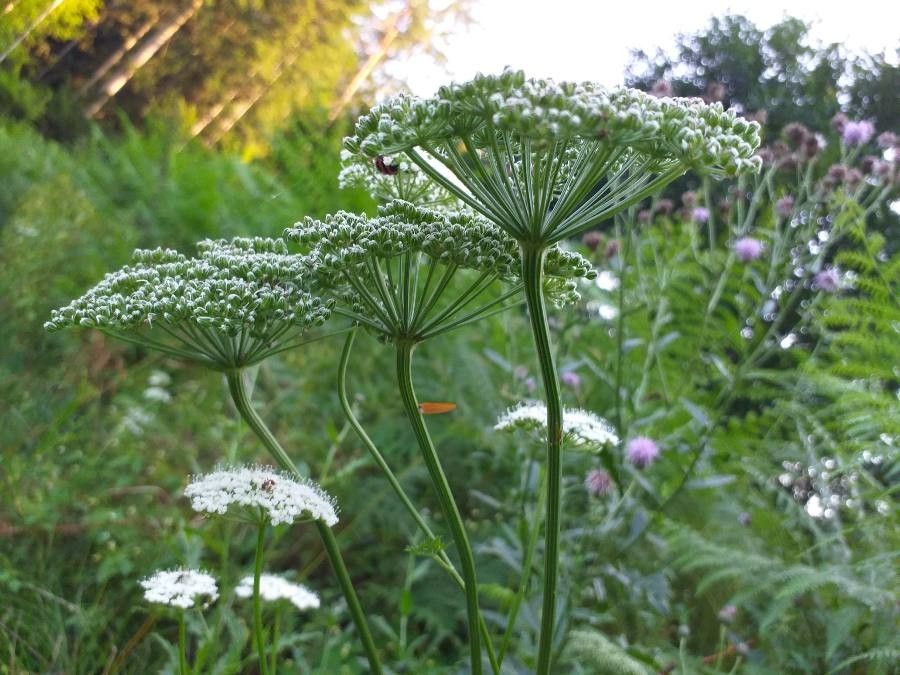
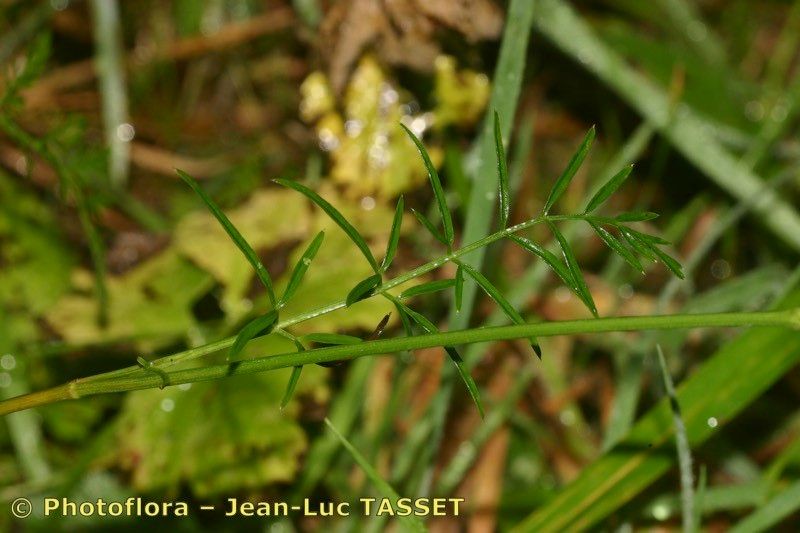
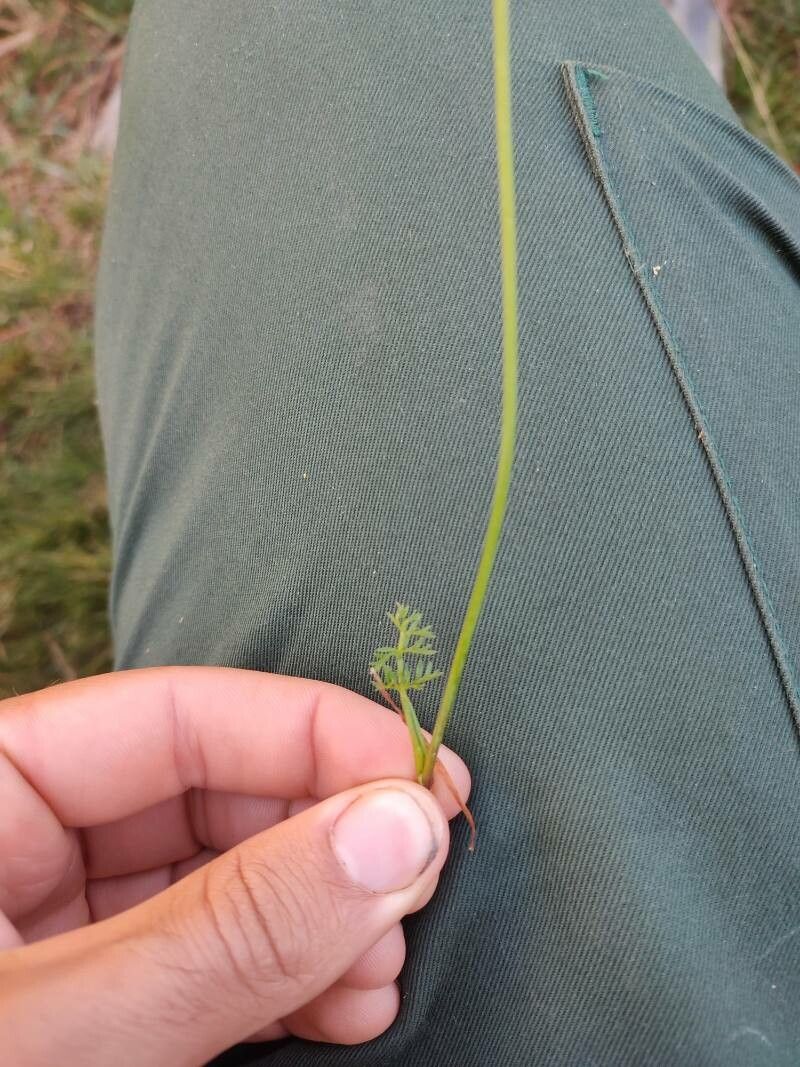
The plant can grow up to 1 meter tall with a slender stem that branches into several stems at the top. The leaves are finely divided into narrow segments, resembling those of caraway plants, which is why it is commonly known as "caraway-leaved." The flowers are small, white, and feature five petals arranged in umbels at the end of each stem.
Selinum carvifolia has been utilized for medicinal purposes for centuries due to its anti-inflammatory properties. Traditionally, it has been used as a remedy for digestive disorders such as bloating, flatulence, and indigestion.
Beyond its medicinal uses, Selinum carvifolia is also an attractive ornamental plant suitable for gardens or containers. Its delicate white flowers enhance any landscape and attract pollinators such as bees.
Overall, Selinum carvifolia is a fascinating herbaceous perennial with both medicinal benefits and ornamental appeal, making it a valuable addition to any garden or landscape design project.
Cambridge milk parsley shows strong resistance to disease and is generally unlikely to suffer from illnesses. Still, it can be affected by pests and diseases found nearby. Such infections are typically mild. Regarding care, this plant needs a moderate level of maintenance. It should be pruned regularly to keep a neat appearance and to support healthy growth. Applying fertilizer can also help encourage flowering. Cambridge milk parsley is well suited to people with outdoor areas, such as a garden or patio, and does not demand extensive gardening experience. It may need extra attention if grown indoors.
How to keep Selinum Carvifolia.
Light
Cambridge milk parsley naturally occurs in habitats like forest understories or rocky sites, where it grows in natural shade. It prefers partial sun but can tolerate both full sun and full shade, showing its versatile and hardy nature.
Water
Cambridge milk parsley thrives with regular moisture, needing weekly watering. While it can handle brief dry periods, it is typically grown outdoors to take advantage of natural rainfall. This natural watering is crucial for its healthy growth and vitality during the active growing season.
Temperature
Cambridge milk parsley can adapt to a wide range of temperature conditions, but its distribution may still be restricted by various combinations of water and heat. It performs best in warm summer climates with sufficient rainfall or watering. Extended periods of cloudy, rainy weather or prolonged high temperatures can raise the likelihood of the plant dying. In winter, adequate protection from cold can raise the plant's survival rate.
Fertilizer
One fertilizer application in spring is generally enough for Cambridge milk parsley, although repeated feedings can help maximize its growth. Feed about once every month to a month and a half. Fertilization improves the leaves' appearance and function, helping maintain an even color and healthy texture. It also encourages root development and enhances nutrient uptake for long-term plant health.
Pruning
Cambridge milk parsley has feathery, aromatic leaves and produces clusters of umbrella-like white flowers. To promote healthy growth and airflow, prune the plant from early to late spring by removing any dead stems. Regular pruning helps maintain the plant's shape, encourages more abundant flowering, and reduces the risk of disease, resulting in a healthier and more attractive plant.
Botanical profile.
- Plant Type
- Herb
- Life Cycle
- Perennial
- Genus
- Selinum
- Family
- Apiaceae
- Hardiness Zone
- 4-8
- Mature Height
- 30 cm to 76 cm
- Mature Spread
- 30 cm to 61 cm
- Leaf Color
- Dark Green, Forest Green
- Leaf Type
- Deciduous
- Flower Color
- White
- Flower Size
- 0.20 cm to 0.25 cm
- Bloom Time
- Summer
- Planting Time
- Spring
- Harvest Time
- Late summer, Early fall, Mid fall
- Native Area
- Sweden, Austria, Czech Republic, Slovakia, Montenegro, Bulgaria, Poland, Croatia, Slovenia, Belarus, Ukraine, Serbia, Russia, Lithuania, Norway, Hungary, Germany, Italy, Spain, Switzerland, Denmark, Netherlands, Estonia, Finland, France, United Kingdom, Romania, Latvia, Belgium, Portugal
Other names.