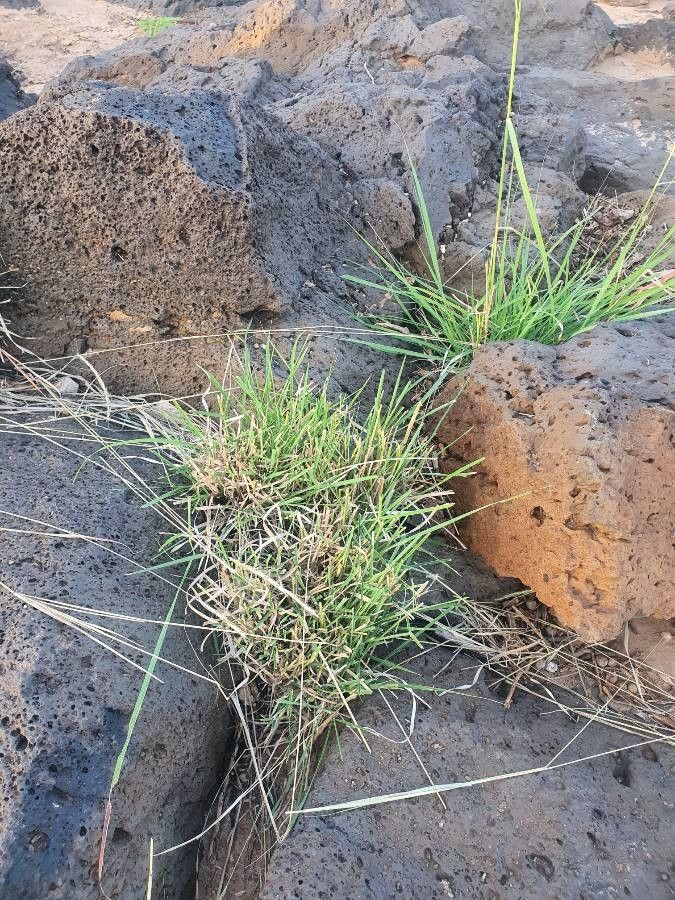
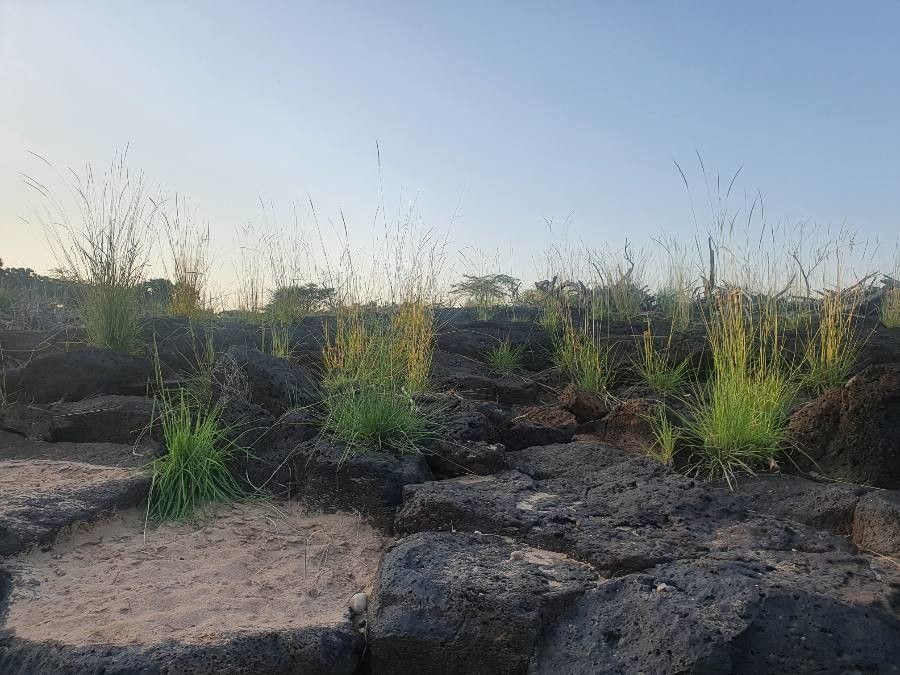
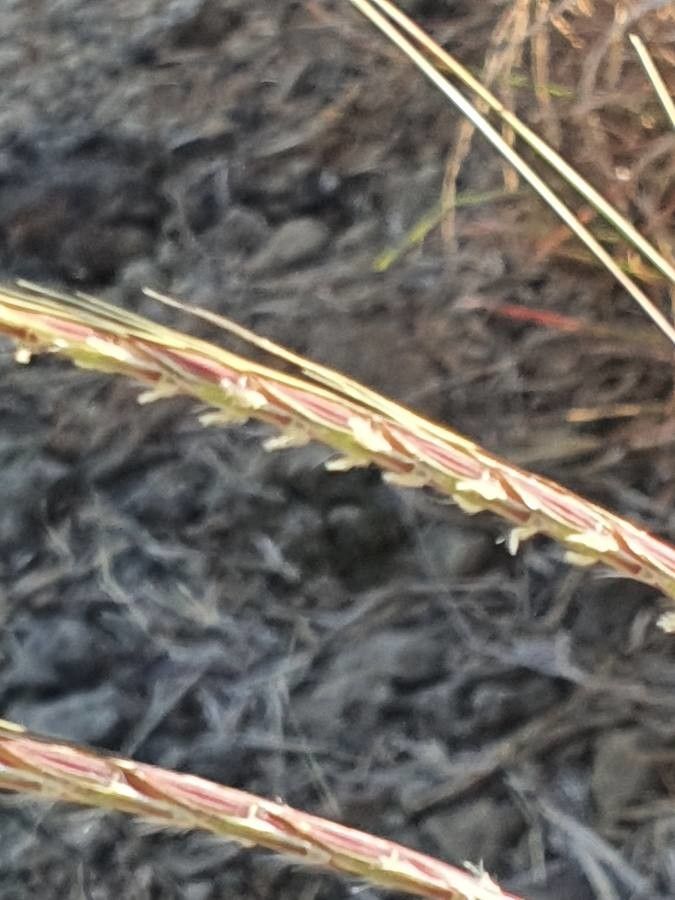
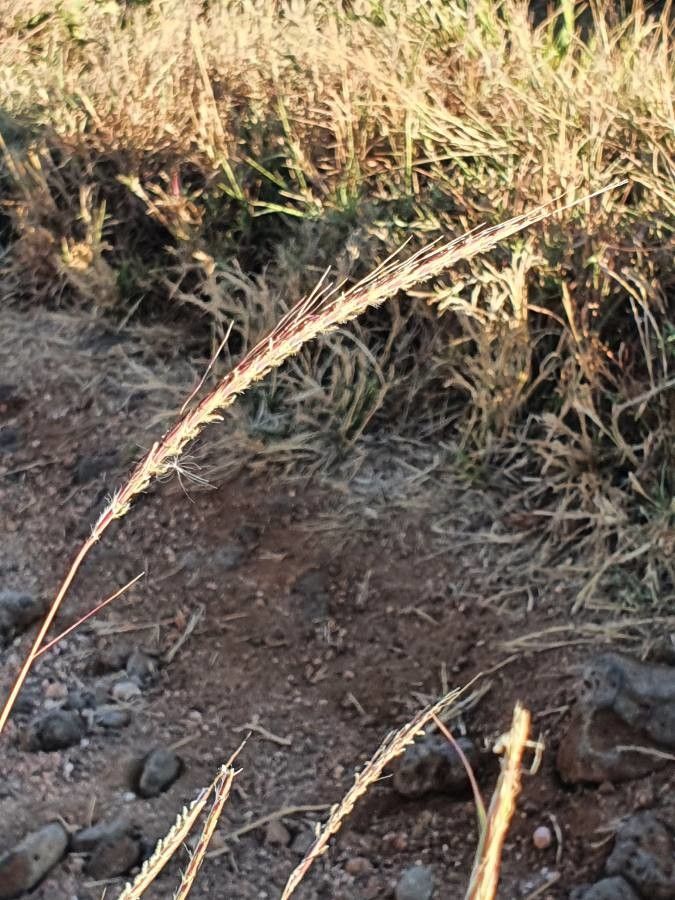
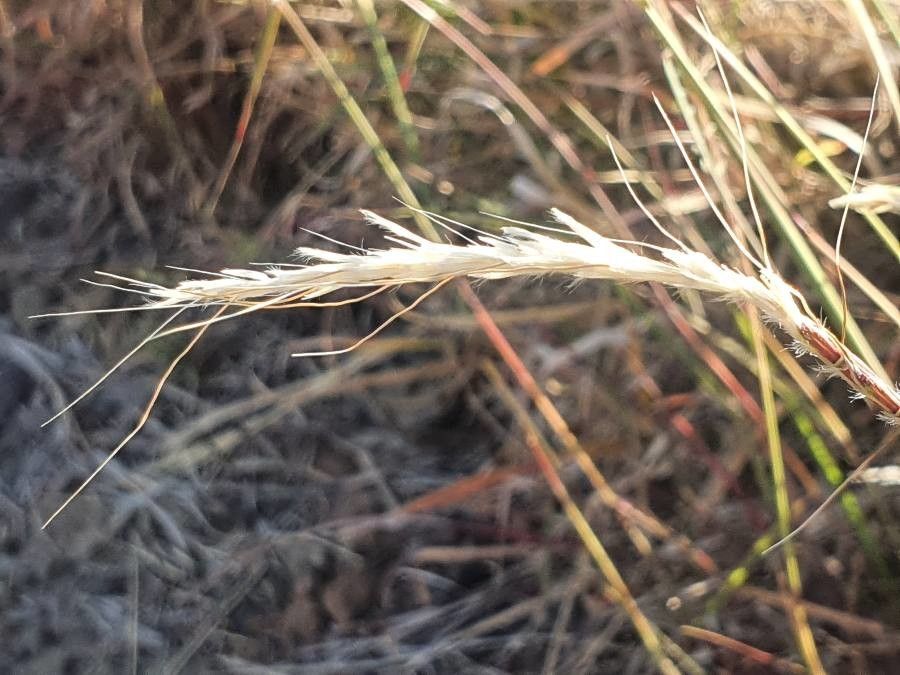
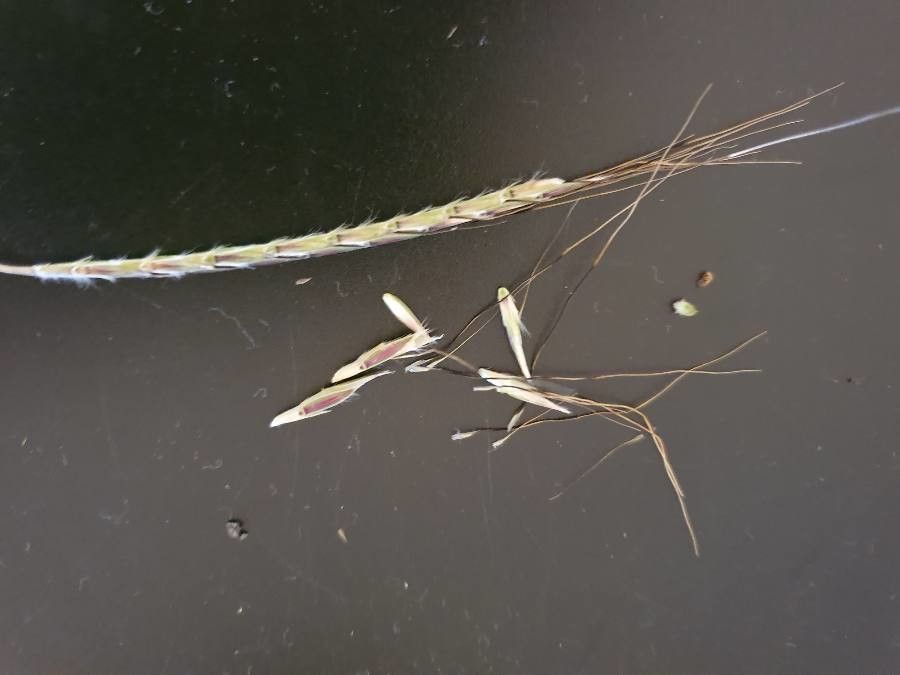
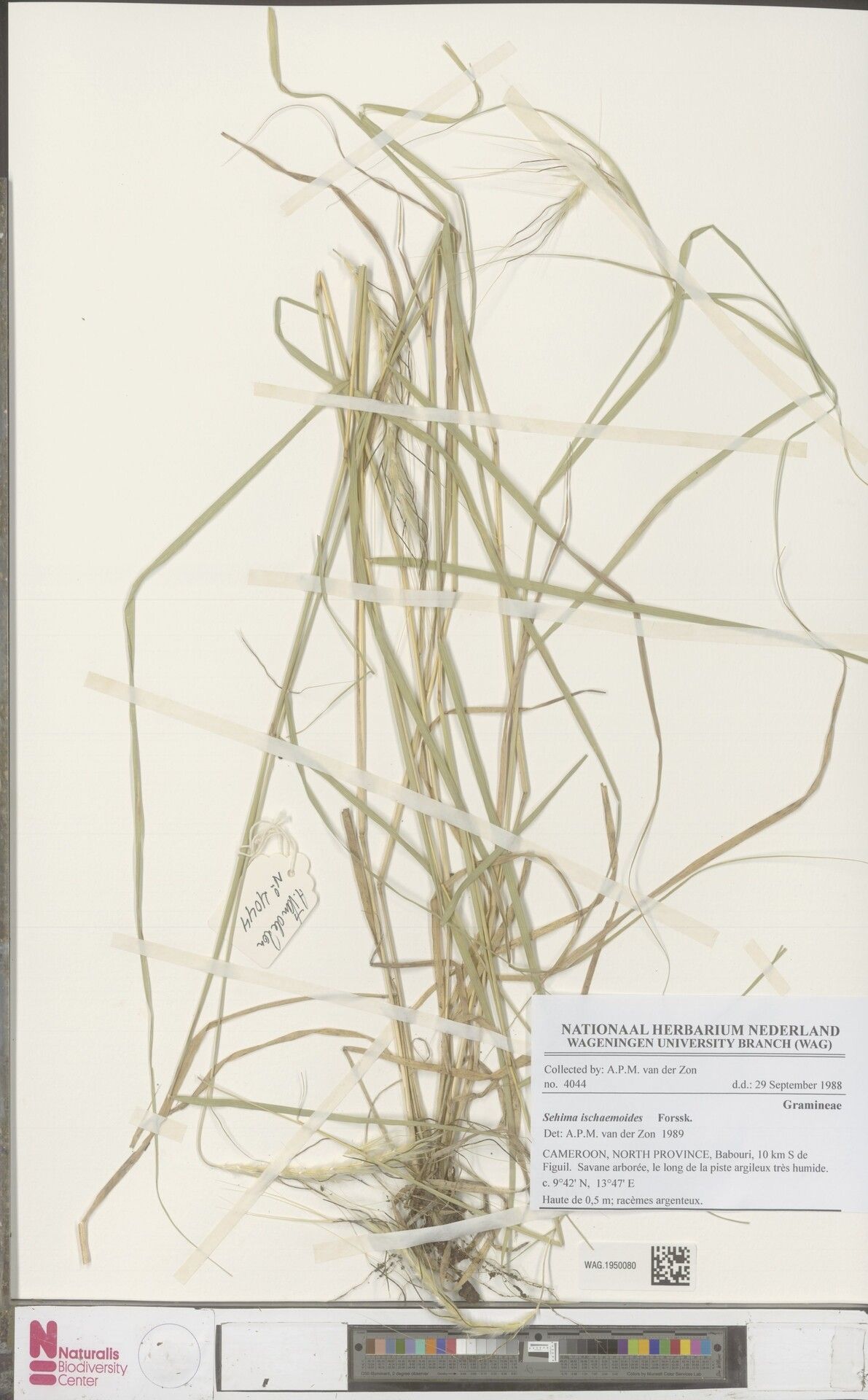
Sehima nervosum, commonly known as Nervous Grass or Wire Grass, is a perennial grass species belonging to the family Poaceae. It is native to tropical and subtropical regions of Asia, Africa, and Australia. The plant has a slender stem that can grow up to 1 meter in height, with long, narrow leaves measuring 10-20 cm in length. This species thrives in well-drained soils and areas with high rainfall or humidity. It can grow in both full sun and partial shade, making it adaptable to various environments. Sehima nervosum is used for multiple purposes, such as forage for livestock and soil conservation. Its extensive root system helps prevent soil erosion. During the summer, the plant produces small flowers arranged in spikelets at the end of its stems. The seeds of Sehima nervosum are small and lightweight, allowing them to be easily dispersed by the wind. Traditionally, Sehima nervosum has been used as a medicinal herb due to its anti-inflammatory properties, which have proven effective for arthritis pain relief, among other ailments. Overall, Sehima nervosum is an important grass species with multiple uses, including environmental conservation and medicinal applications. It is a valuable resource for local communities across its native range.
Rat's-tail grass is resistant to disease and generally not vulnerable to illnesses. In terms of upkeep, this plant is fairly low-maintenance. Planted outdoors it needs only minimal watering, and larger specimens typically do not require pruning; however, smaller plants should be pruned after they have finished blooming. Rat's-tail grass is suitable for anyone with an outdoor area, such as a garden or deck, and does not need much prior care experience.
How to keep Sehima Nervosum.
Light
The perennial herbaceous plant known as rat's-tail grass thrives in sunny environments and originates from open spaces, typically flourishing in meadows and grasslands. While it prefers full sunlight, it can also endure conditions of partial sun.
Water
Rat's-tail grass is well-suited to grasslands and exhibits moderate drought tolerance. To avoid waterlogging, it requires consistent watering once a week. During its growing season, this grass efficiently uses rainfall, making it important to maintain steady moisture levels for optimal growth and health.
Temperature
Rat's-tail grass is native to tropical areas, characterized by their high heat and moisture levels. This makes it highly adaptable to humid and hot conditions. It is not fond of abrupt shifts in temperature and thrives in an environment with consistent temperatures. It's crucial to prevent fluctuating temperatures indoors. This plant typically struggles in cold environments and thrives in warmer conditions for optimal growth. If the ambient temperature falls excessively, the plant might stop growing or even perish.
Fertilizer
Extra nutrients are necessary for the healthy new growth of Rat's-tail grass. Applying compost around the plant's base during spring can successfully supply the required nutrients. The process of fertilizing contributes to robust growth and enhances the plant's ability to ward off diseases and pests.
Botanical profile.
- Plant Type
- Grass
- Life Cycle
- Perennial
- Genus
- Sehima
- Family
- Poaceae
- Hardiness Zone
- 9-11
- Mature Height
- 91 cm
- Mature Spread
- 30 cm to 61 cm
- Leaf Color
- Green
- Leaf Type
- Semi-evergreen
- Flower Color
- Purple, Brown
- Flower Size
- 15.24 cm
- Bloom Time
- Summer
- Planting Time
- Spring, Summer, Autumn
- Harvest Time
- Late summer, Early fall, Mid fall
- Native Area
- Sri Lanka, Saudi Arabia, Somalia, India, Philippines, Sudan, Eritrea, Pakistan, Laos, Yemen, Kenya, Uganda, Tanzania, China, Indonesia, Vietnam, Mozambique, Myanmar, Thailand
Other names.