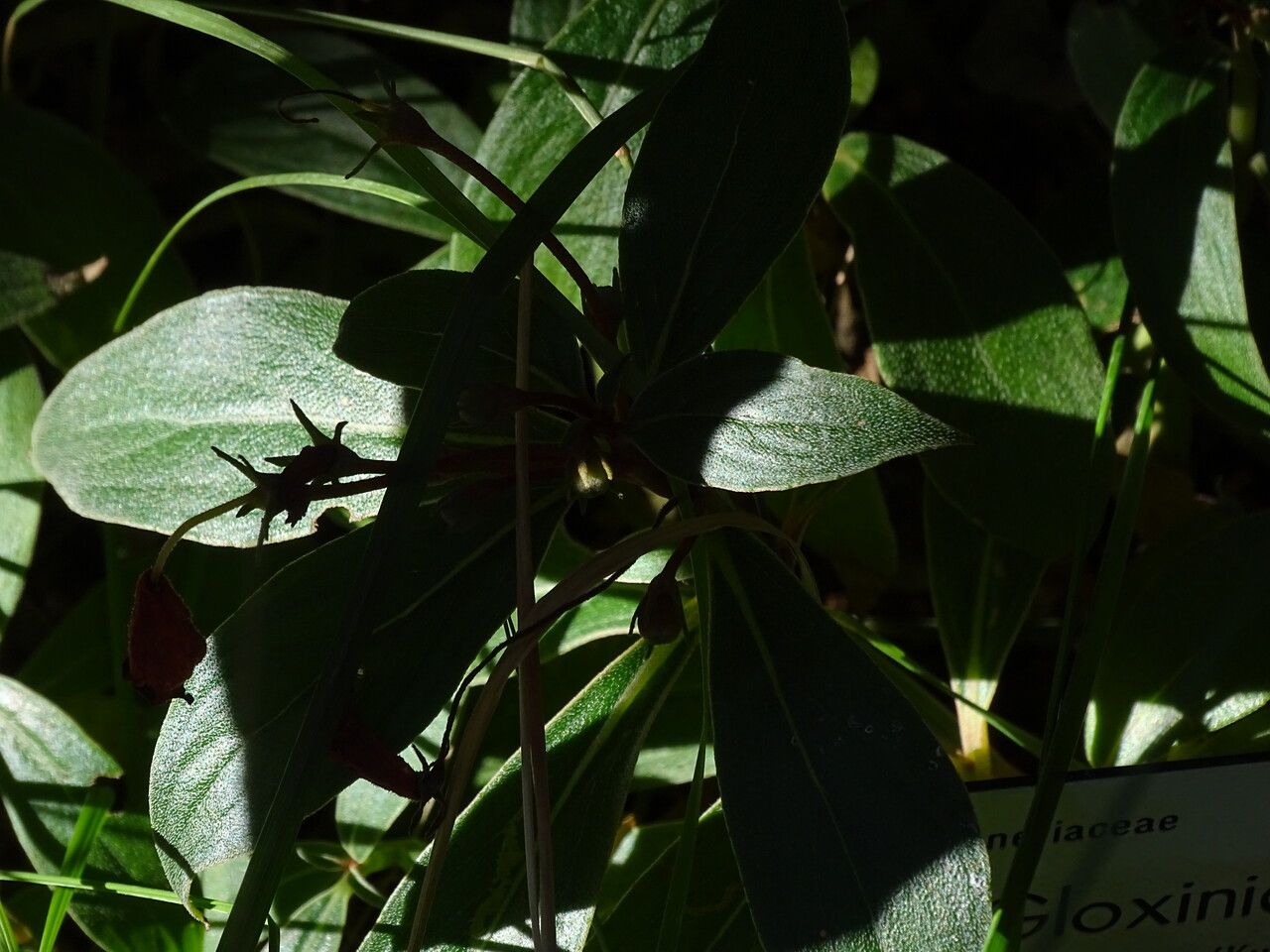
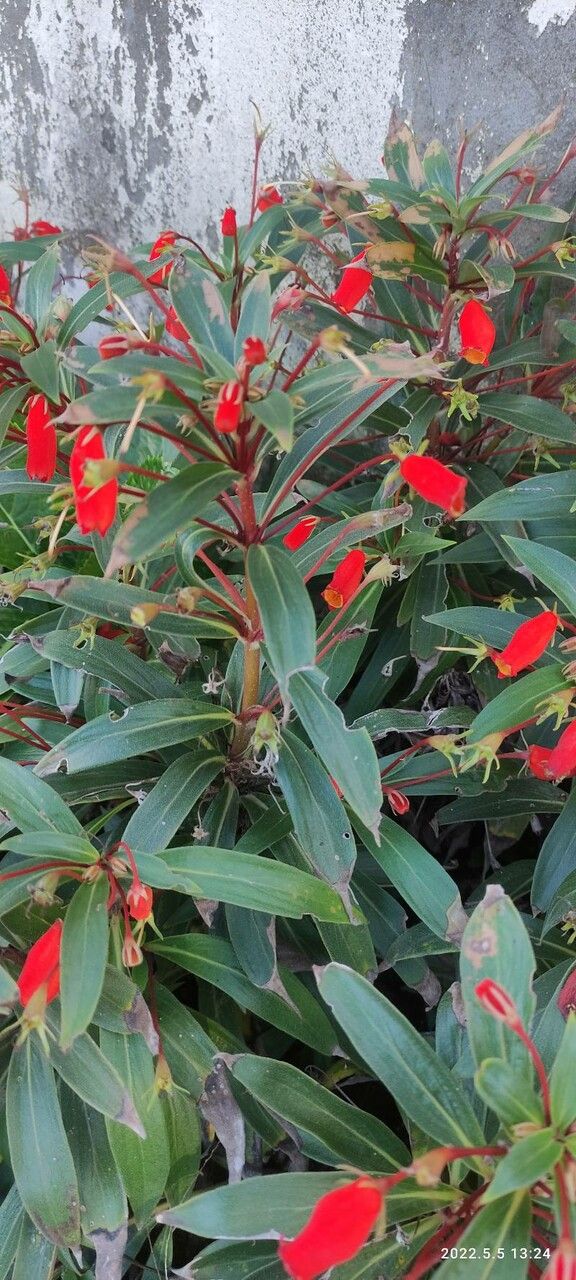
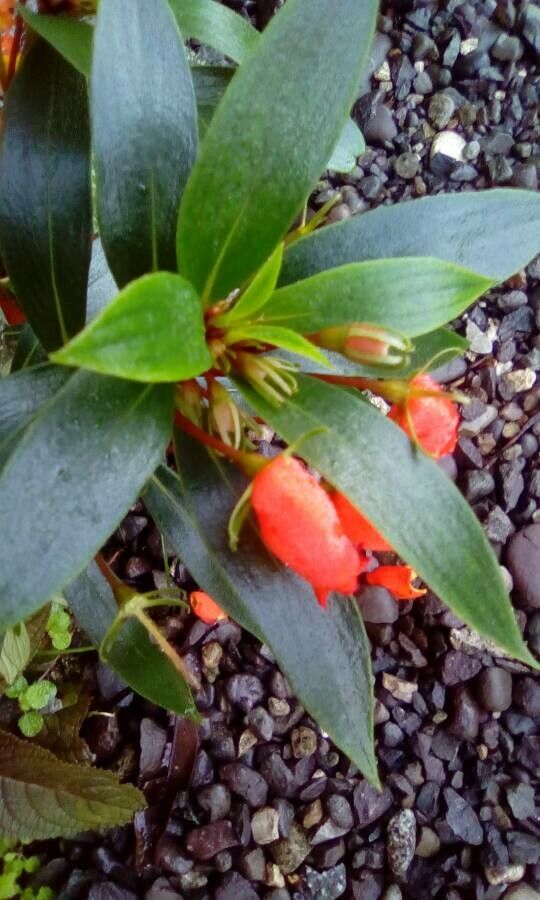
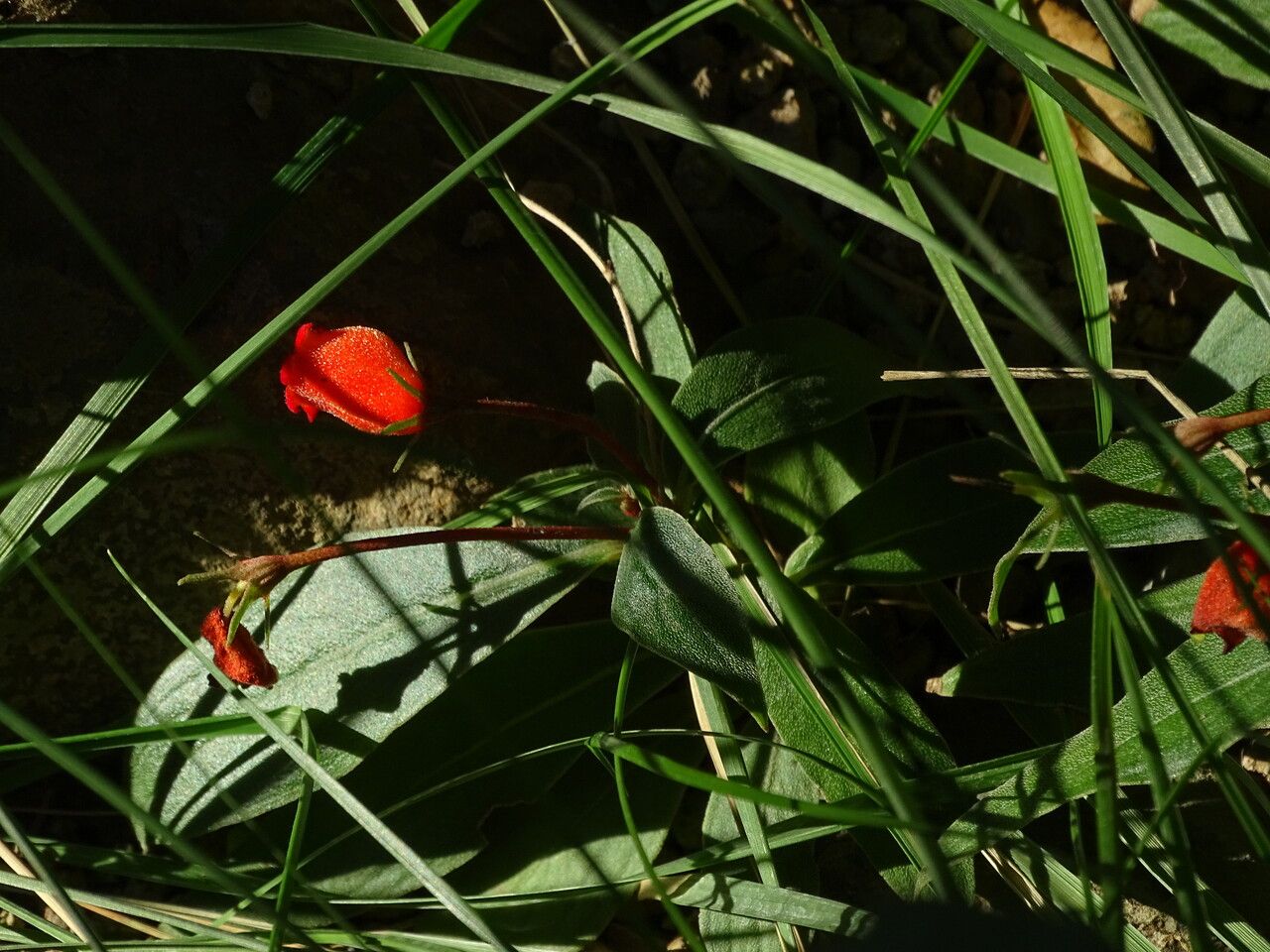
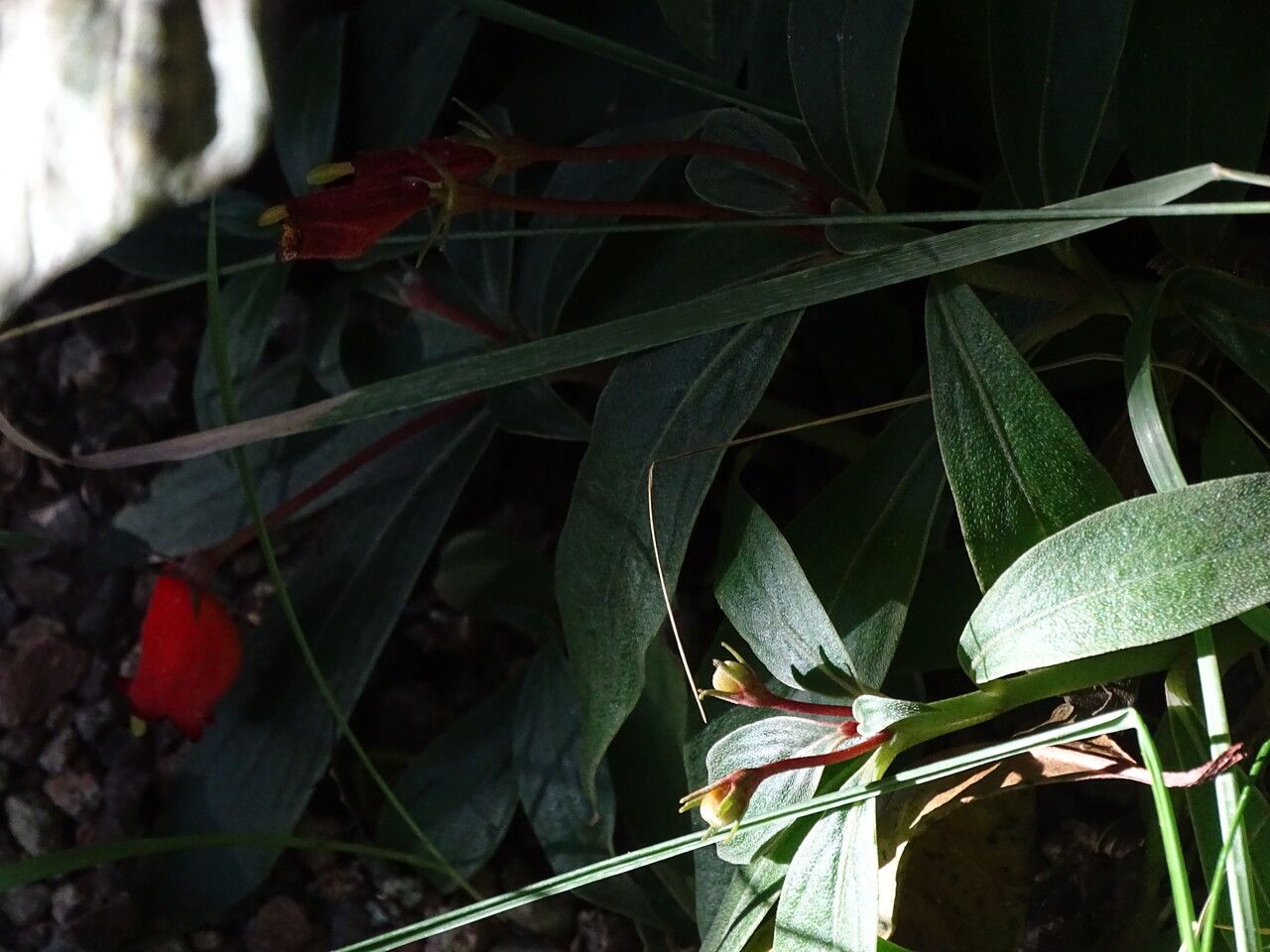
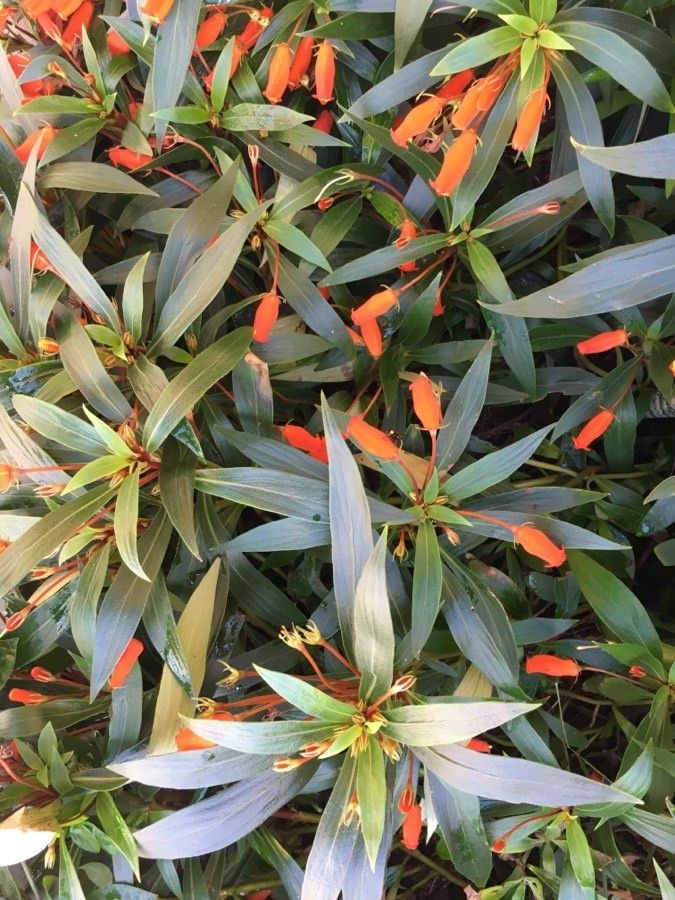
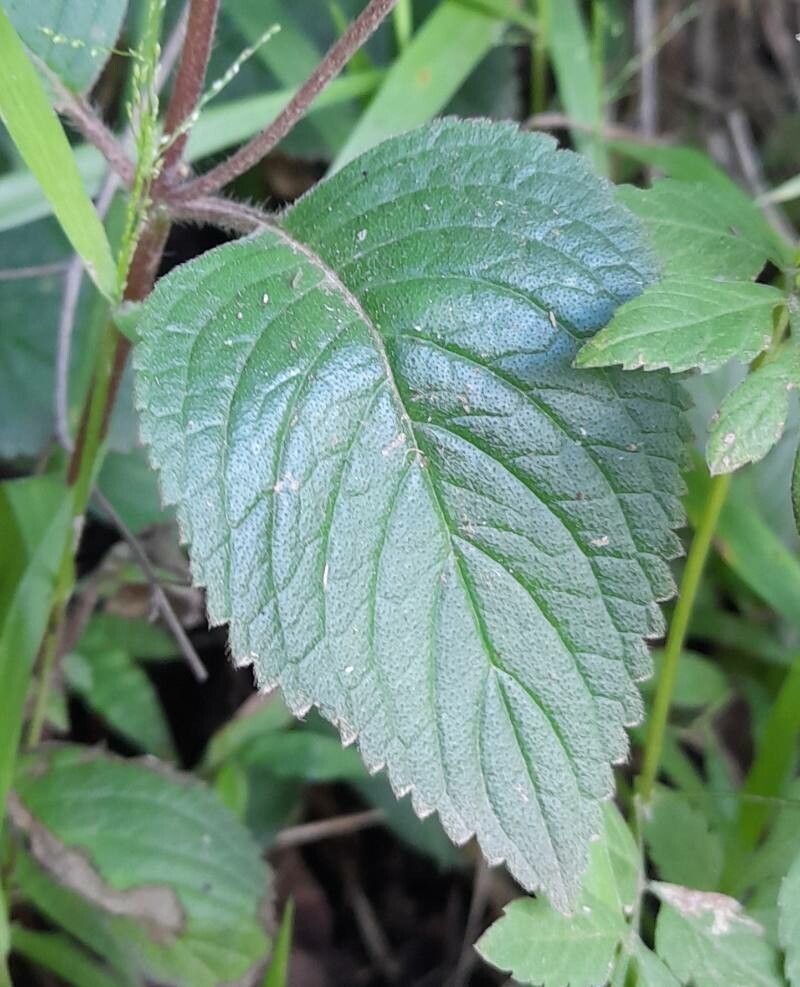
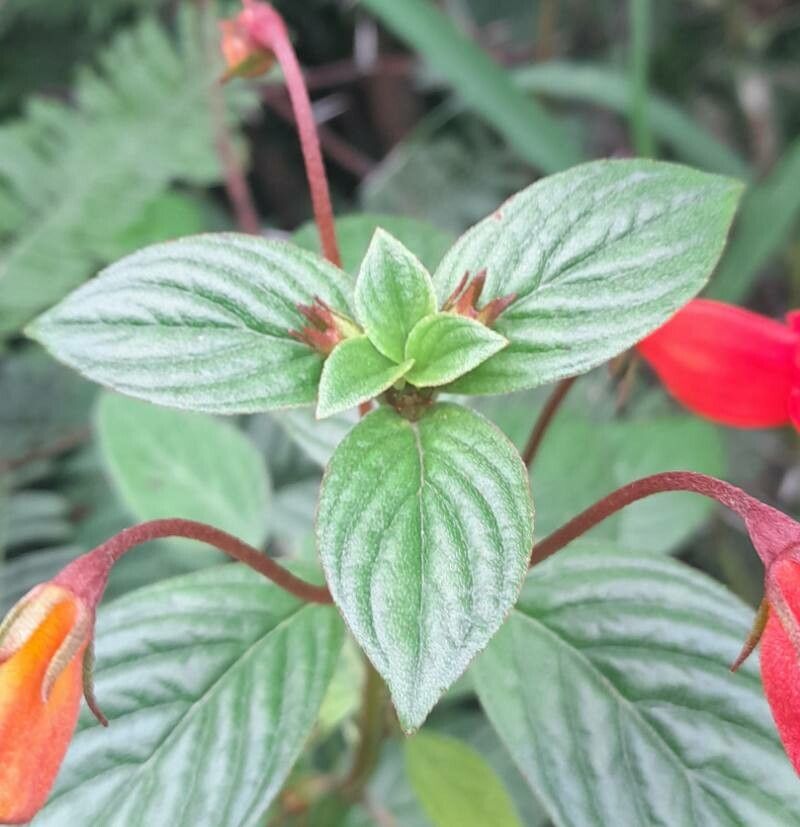
Bolivian sunset has strong resistance to diseases and is typically not susceptible to them. Still, it can be vulnerable to pests and illnesses present in its environment. Such infections are generally mild. Regarding maintenance, this plant needs a moderate level of care. It should be pruned on a regular basis to preserve an attractive appearance and support healthy growth. Applying fertilizer can also encourage blooming. Bolivian sunset is appropriate for anyone who has an outdoor area, like a garden or patio, and does not demand extensive horticultural experience. It may need additional attention when cultivated indoors.
How to keep Seemannia Sylvatica.
Light
The Bolivian sunset benefits from ample light, similar to the open conditions of its native habitat. As it matures, it can adjust to light that is less intense. Both too much light and too little can hinder the plant's healthy growth.
Water
The Bolivian sunset plant thrives in humid tropical climates, needing consistent moisture and high humidity to grow well. While it can tolerate moderate drought, it should be watered weekly to ensure its health. This plant does particularly well indoors, where stable humidity and well-draining soil help support its vibrant flowering.
Temperature
Bolivian sunset is native to habitats where temperatures range from 68 to 100 °F (20 to 38 ℃). It flourishes in warm conditions, favoring environments that replicate its native habitat. As the seasons shift, adjust its surroundings to maintain this preferred temperature range.
Fertilizer
Proper fertilization is essential for the health and appearance of the Bolivian sunset. Fertilize the Bolivian sunset in summer, repeating the application monthly through the season. Nutrients provide the energy for growth and support the upkeep of the plant’s parts. Feeding enhances the Bolivian sunset’s flower display, ensuring the best blooms.
Pruning
The Bolivian sunset plant features vibrant, tubular flowers and lush, bushy foliage. To promote new growth and maintain plant health, it's best to prune it from early to late spring, removing any damaged stems. Regular pinching helps the plant become denser, while removing older branches improves air circulation, reduces the risk of disease, and enhances the plant's overall vigor.
Pot & Repot
Repot your Bolivian sunset plant every 2 to 3 years during the spring, using a slightly larger container each time. Ensure that the plant receives bright, indirect light and is planted in moist, well-draining soil to aid in its recovery and prevent root rot. Following these steps will encourage lush foliage growth in this resilient houseplant.
Botanical profile.
- Plant Type
- Herb
- Life Cycle
- Perennial
- Genus
- Seemannia
- Family
- Gesneriaceae
- Hardiness Zone
- 9-11
- Mature Height
- 30 cm to 91 cm
- Mature Spread
- 30 cm to 61 cm
- Leaf Color
- Green, Dark Green
- Leaf Type
- Semi-evergreen
- Flower Color
- Red
- Flower Size
- 2.54 cm to 5.08 cm
- Bloom Time
- Summer, Early fall, Mid fall
- Planting Time
- Spring, Summer, Autumn
- Harvest Time
- Fall
- Native Area
- Bolivia, Ecuador, Peru
Other names.
Reader questions.
How should I water my Bolivian sunset plant in the best way?
To properly water the Bolivian sunset, it is recommended to use filtered water at room temperature or slightly warmer. Tap water may contain harmful particles, so filtered water is preferable. The plant is accustomed to a warm environment, so using cold water may be a bit of a shock. Avoid overhead watering as it can cause issues with the foliage. Instead, thoroughly soak the soil with filtered room temperature water. This helps moisten the roots and allows them to spread and absorb nutrients.
Why should I add fertilizer to my Bolivian sunset plant?
Fertilizer and soil nutrients are like fuel for your Bolivian sunset, helping it grow and stay healthy. Plants, including the Bolivian sunset, use nutrients from the soil to grow new parts and maintain their existing components. For the Bolivian sunset, fertilization is particularly important to make its flowers look their best. Since the flowers are the main attraction of this plant, most gardeners want to ensure they appear in their finest form. Fertilization is a trustworthy method to help your Bolivian sunset produce its most beautiful blooms.
What are the sunlight requirements for Bolivian sunset?
Bolivian sunset requires a generous amount of light to thrive, akin to its natural habitat. It benefits from full sun exposure, defined as above 6 hours of direct sunlight, but can also adapt to partial sun, which is about 3-6 hours of sunlight. For optimal growth, ensuring the plant receives the right balance of light and shade is crucial. Be mindful of how sunlight moves through your garden or indoor space to provide the best conditions for your Bolivian sunset.
What is the ideal temperature range for Bolivian sunset?
The Bolivian sunset, also known as Seemannia sylvatica, is indigenous to environments where temperatures range from 68 to 100°F (20 to 38°C). It thrives in warmth and prefers conditions that closely resemble its native habitat. To ensure optimal growth, it's crucial to adapt its surroundings as the seasons change to maintain this ideal temperature range. Since the Bolivian sunset is extremely heat-loving, exposure to cold temperatures can be detrimental to its health. Thus, in the autumn, it's recommended to bring outdoor-grown Bolivian sunset plants indoors and place them near a bright window, away from direct heat sources, to keep the temperature above 20°C during winter. Any temperatures approaching 0°C or lower can harm the plant.
What should I do if I give my Bolivian sunset plant too much water or too little water?
Overwatering is a common problem for Bolivian sunset plants and can cause wilting, yellowing leaves, and various diseases like root rot, mold, and mildew. Underwatering is less common, but can still occur, resulting in brittle, brown leaves. It's important to notice signs of overwatering early to prevent irreversible damage like root rot. If you see these signs, reduce your watering schedule and check the soil's drainage. If the soil is poor, replace it with a well-draining mix. If underwatering is the issue, simply increase your watering until the signs improve.
When should I fertilize my Bolivian sunset plant?
The Bolivian sunset experiences two main phases each year. The first phase is the dormant phase, occurring in winter, where minimal new growth happens. The second phase is the active growth phase, happening in spring and fall, when fertilization is most needed. It is recommended to start fertilizing your Bolivian sunset in the spring and continue monthly until the end of summer. As fall approaches, you can decrease the fertilization frequency.
How important is artificial lighting for Bolivian sunset's growth?
Artificial lighting plays a vital role in promoting the health of Bolivian sunset, especially when natural sunlight is insufficient, such as during winter or in areas within homes that do not receive enough sunlight. Indoor plants can benefit significantly from adequate artificial lighting, which supports faster, healthier growth. LED lights are recommended for their ability to be customized to specific wavelengths needed by plants. The required intensity varies based on the plant's natural needs; full sun plants need 30-50W/sq ft, partial sun plants 20-30W/sq ft, and full shade plants 10-20W/sq ft. Proper distance (12-36 inches above the plant) and duration (8-12 hours per day) of light exposure are crucial to mimic natural sunlight conditions.
How do you care for a Bolivian sunset in low temperatures?
Bolivian sunset plants prefer warm temperatures and struggle in low temperatures, thriving best when the temperature remains above 20°C. It's important to keep the plant above 0°C during winter, as temperatures below this can harm it. Especially when temperatures fall below -5°C, the leaves may lighten in color, and after frost damage, they gradually turn brown or black with symptoms such as wilting and drooping. To care for a Bolivian sunset in low temperatures, trim off the frost-damaged parts and move the plant immediately indoors to a warm environment for cold protection. Choose a spot near a south-facing window for ample sunlight, and ensure it's not placed near heaters or air conditioning vents to avoid excessive dryness in the air.
How often do I need to water my Bolivian sunset plant?
If your Bolivian sunset plant is in a pot, check the soil moisture by sticking your finger in it. If the first two to three inches of soil feel dry, then it's time to water. Similarly, if you grow your Bolivian sunset outdoors in the ground, check the soil moisture by feeling the first few inches. If it's dry, water the plant. Usually, watering once a week is sufficient during spring and early fall. However, during extremely hot weather, you may need to water twice a week or more. It's worth noting that mature, well-established Bolivian sunset plants have a remarkable ability to tolerate dry conditions.
When is it not a good idea to fertilize my Bolivian sunset plant?
If you're looking to promote Bolivian sunset growth while avoiding root burn, it's important to adjust your fertilizing schedule according to your plant's growth stages. During the spring and summer, when your plant is actively growing, the extra nutrients are beneficial. However, in the fall and winter, when your plant goes into dormancy, it is advised to stop fertilizing.
What are the symptoms of light deficiency in Bolivian sunset?
When Bolivian sunset is exposed to inadequate lighting, several symptoms can appear. These include smaller new leaves, leggy or sparse growth, faster leaf drop, slower or halted growth, and lighter-colored or chlorotic new leaves. Excessive sunlight exposure can lead to chlorosis, sunscald, leaf curling, wilting, and leaf scorching. These symptoms indicate that the plant is struggling with the current light conditions, either due to too much or too little light.
What should you do if a Bolivian sunset is exposed to high temperatures?
During the summer, it's crucial to ensure that the Bolivian sunset is kept below 38°C to prevent heat stress. Exposure to temperatures exceeding 43°C can lighten the color of the leaves and increase the risk of sunburn. If your Bolivian sunset experiences high temperatures, trim away the sunburned and dried-up parts of the plant. Then, move it to a location that provides shade during the midday and afternoon sun to protect it from further damage. Additionally, watering the plant in the morning and evening helps keep the soil moist and prevents overheating.