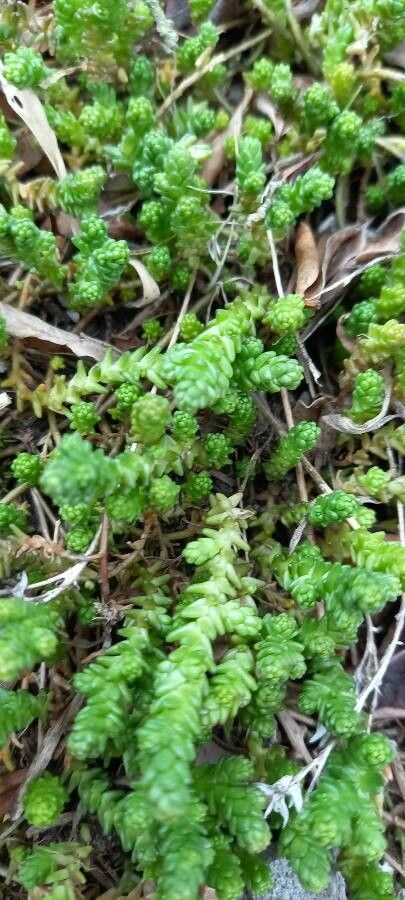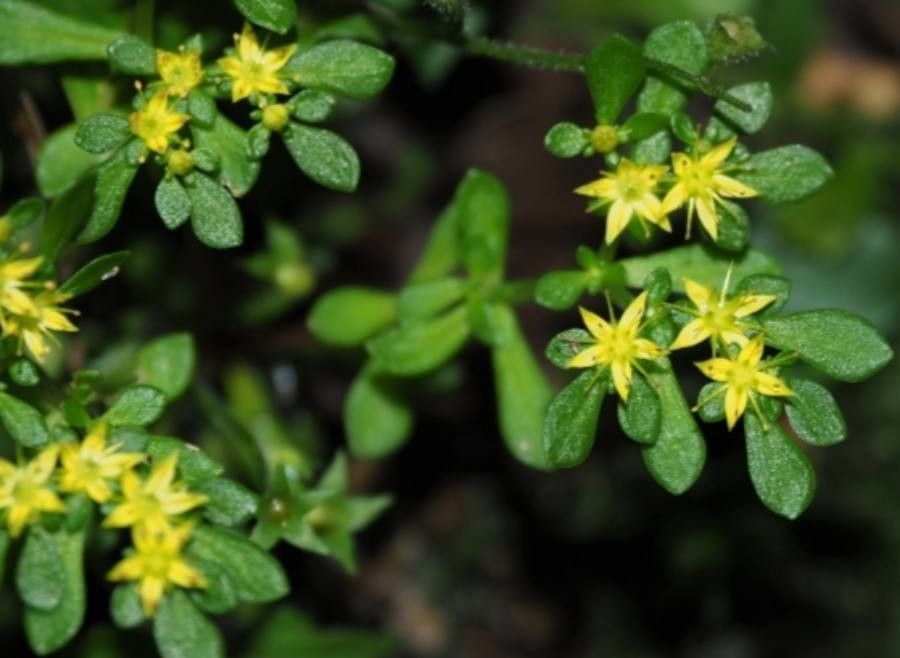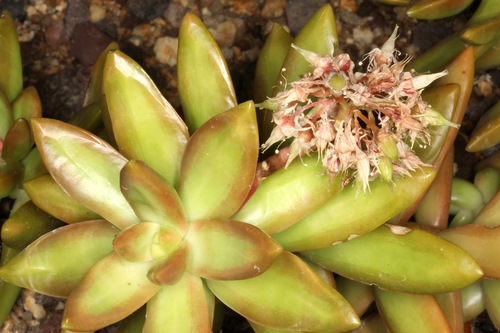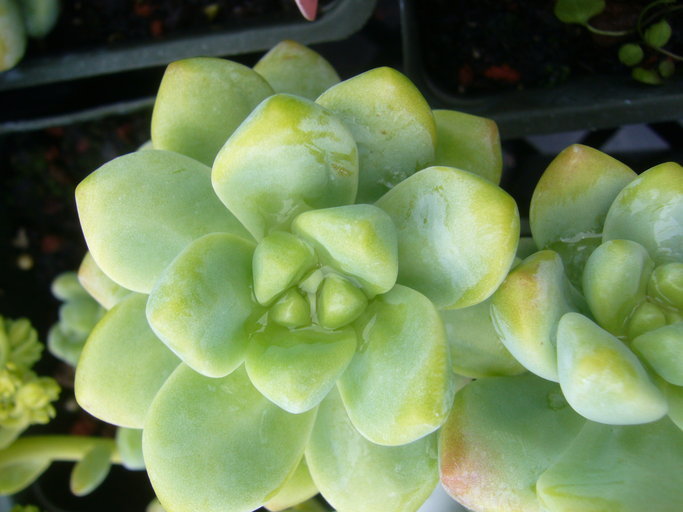
Stonecrop has moderate disease resistance and is more sensitive to humidity. It becomes vulnerable to illness when humidity is high and is liable to develop root rot during dormancy. Regarding care, Stonecrop is drought tolerant but requires more water in the growing season. Watering should be greatly reduced or stopped entirely during the dormant period. Stonecrop is suitable for growers with some experience, though it can be difficult to maintain, particularly during dormancy. It is especially appropriate for people who can devote time to its care over the winter months.
How to keep Sedum Treleasei.
Light
Stonecrop is adaptable and can tolerate different light conditions, although it does best with maximum light. Absorbing sunlight enables optimal foliage development. However, too much light can produce leaf scorch, while too little exposure results in leggy growth.
Temperature
Stonecrop originates from temperate regions and does best in temperatures from 68 to 100 °F (20 to 38 ℃). It is advisable to adjust indoor conditions to imitate its natural temperature preference. Seasonal temperature changes are important for maintaining its optimal health.
Fertilizer
Stonecrop only needs light fertilizer once or twice a year during the growing season. Do not fertilize in winter or in summer when it is dormant. Cut back on fertilizer for plants that have been repotted, and wait a couple of months after repotting before you fertilize. Fertilizing helps maintain healthy growth and encourages flowering.
Pruning
To keep stonecrop plants in good shape, prune any unnecessary or dense branches in the spring and fall. If you'd like to propagate the plant, cut a sturdy stem with 5 to 6 leaves. Treat the cut end with sulfur powder to help it heal, and once it has healed, plant it in slightly moist soil.
Pot & Repot
When repotting Stonecrop, choose a pot a little larger than the current one that has good drainage. Use a gritty, well-draining mix formulated for succulents or cacti. Gently remove the plant from its previous pot, brush off surplus soil, and plant it at the same depth. Hold off watering for a few days to allow any root wounds to recover. Repot in spring or fall and place it in a brightly lit spot.
Botanical profile.
- Plant Type
- Succulent
- Life Cycle
- Perennial
- Genus
- Sedum
- Family
- Crassulaceae
- Hardiness Zone
- 9-11
- Mature Height
- 30 cm
- Mature Spread
- 15 cm
- Leaf Color
- Green, Blue
- Leaf Type
- Semi-evergreen
- Flower Color
- White
- Flower Size
- 1.02 cm to 1.52 cm
- Bloom Time
- Late spring, Early summer, Mid summer
- Planting Time
- Spring, Autumn
- Harvest Time
- Mid summer
- Native Area
- Mexico
Reader questions.
What are the sunlight requirements for Stonecrop plants?
Stonecrop plants thrive in conditions where they can receive adequate sunlight. The requirements vary with different categories such as full sun, meaning the plant should receive above 6 hours of sunlight daily, and partial sun, indicating a need for about 3-6 hours of sunlight. Monitoring the movement of sunlight through your garden and selecting spots that ensure a balance of light and shade is crucial for the well-being of your plants.
What are the ideal temperature conditions for growing Stonecrop?
Stonecrop, also known by its botanical name Sedum treleasei, is native to temperate climates and prefers temperatures between 68 to 100 °F (20 to 38 °C). It thrives best when indoor conditions mimic its natural temperature preferences, including seasonal changes which are crucial for its health. The plant loves heat and enters a dormant state during winter, hence, when outdoor temperatures drop below 0°C, Stonecrop should be moved indoors. It's ideal to place it near a south-facing window for maximum sunlight exposure, or use supplemental lighting if natural light is insufficient. As the temperature decreases below 20°C, the plant's growth slows, and watering should be reduced or halted to prevent root rot. For outdoor Stonecrops, cease watering during cold spells and consider using insulation methods such as plastic film or fabric wraps, or even a temporary greenhouse, if possible.
How do Stonecrop plants respond to different light conditions?
Stonecrop plants possess an adaptive nature that allows them to endure varying light conditions. They flourish best when exposed to maximum light, as this enables optimum foliage development. Absorption of sunlight is vital, yet excessive light can lead to leaf scorch, whereas insufficient light exposure may result in leggy growth. Indoor Stonecrop plants may require artificial lighting, especially in less sunny spaces or during winter, with LED lights recommended for their efficiency in providing the specific wavelengths needed for growth.
What should I do if Stonecrop is affected by low temperatures?
Stonecrop is susceptible to damage from low temperatures, particularly when the temperature falls below 20°C, showing more severe stress or damage below 0°C. If temperatures plummet below -5°C, the plant might become weak, wilt, and risk developing root rot. In mild frost damage cases, symptoms might not be apparent initially, but the plant could wither over time. The solution involves trimming off frost-damaged sections, checking for and removing any rotted roots, and possibly propagating the plant through cuttings if necessary. It's crucial to then relocate the plant to a warmer indoor location, preferably near a south-facing window, to ensure it receives enough sunlight. Supplemental lighting can be added if the natural light isn't sufficient.
What symptoms indicate insufficient light for Stonecrop plants?
Symptoms of light deficiency in Stonecrop plants include smaller new leaves compared to earlier ones, leggy or sparse growth due to elongated spaces between leaves or stems, faster leaf drop, halted or no new growth, lighter-colored new leaves, and chlorosis. Excessive sunlight exposure can cause sunscald, leaf curling, wilting, and leaf scorching. These symptoms highlight the plant's struggle with incorrect lighting conditions.
How do I care for Stonecrop during high temperature conditions?
During the summer when temperatures soar, it's essential to ensure the temperature surrounding Stonecrop doesn't exceed 100°F (38°C). Exposure to temperatures above 109°F (43°C) halts the plant's growth and can cause water loss, wilting, and an increased risk of sunburn. To address this, remove any sunburned or rotten parts immediately and provide shade to the plant, especially from the harsh afternoon sunlight until it shows signs of recovery and resumes growth. In the event of root rot, cease watering to encourage the development of new roots. Carefully monitor the plant's condition and environment to prevent further stress.
What steps can be taken to address light-related issues for Stonecrop plants?
To enhance growth and address light-related issues, it's important to gradually acclimate Stonecrop plants to sunnier locations, ensuring at least 6 hours of direct sunlight daily, particularly through south-facing windows. Using artificial light for indoor plants or those not easily movable can be beneficial. For outdoor plants, avoid abrupt changes in light intensity to prevent sunburn. Minimizing obstructions like trees by pruning can increase sunlight exposure. Also, consider transplanting smaller plants during their dormant period to locations with better sunlight and drainage. It's important to note that while parts of the plant affected by insufficient light may not recover, new growth should be healthy with proper light exposure.