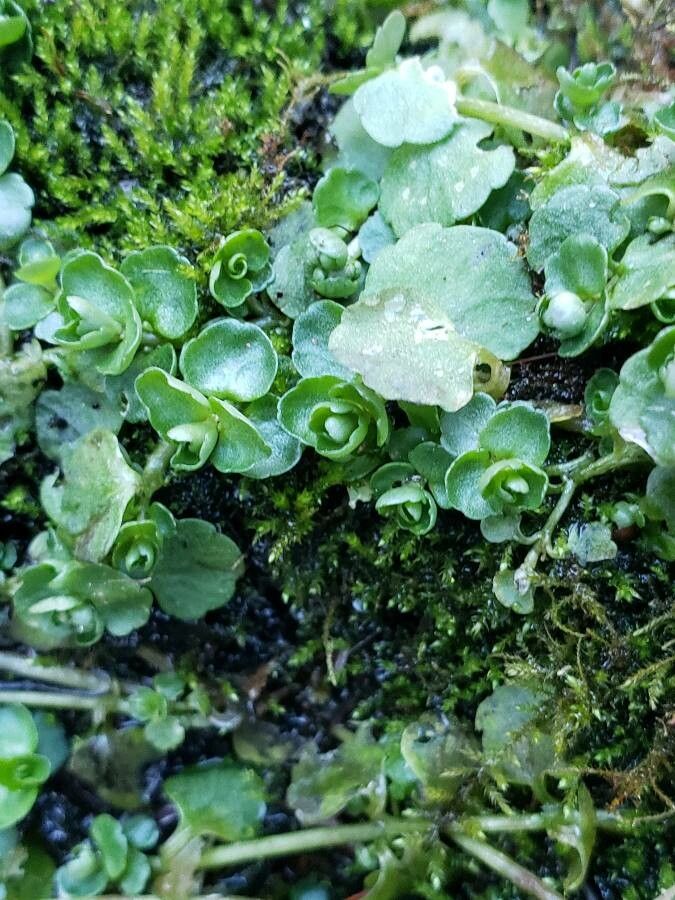
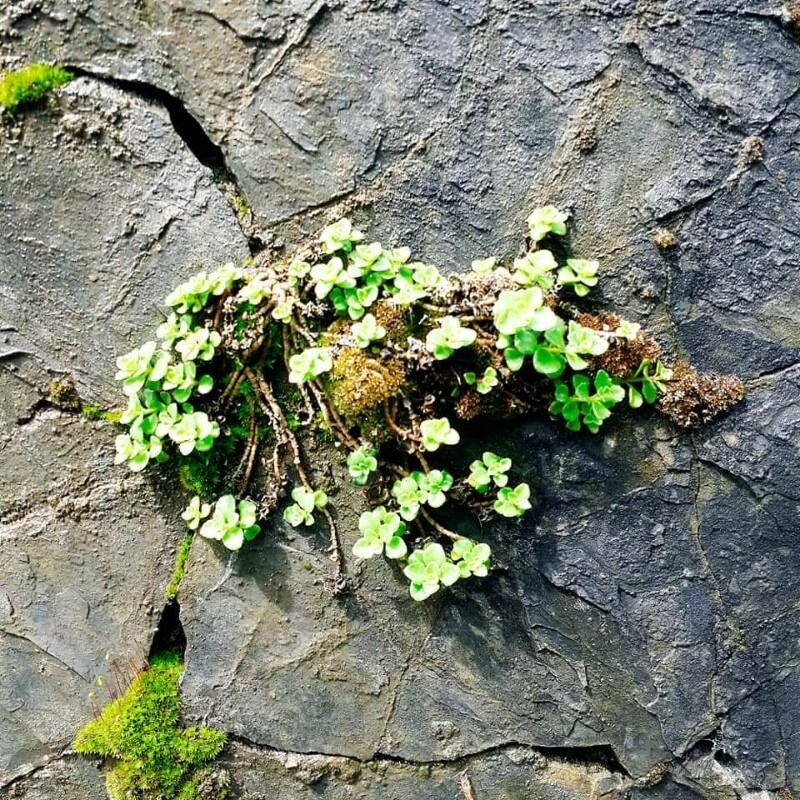
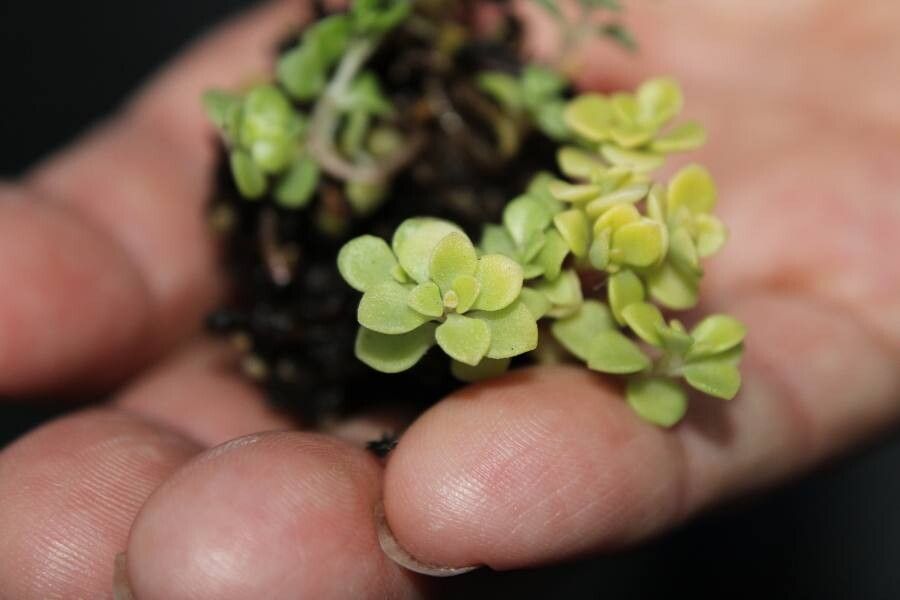
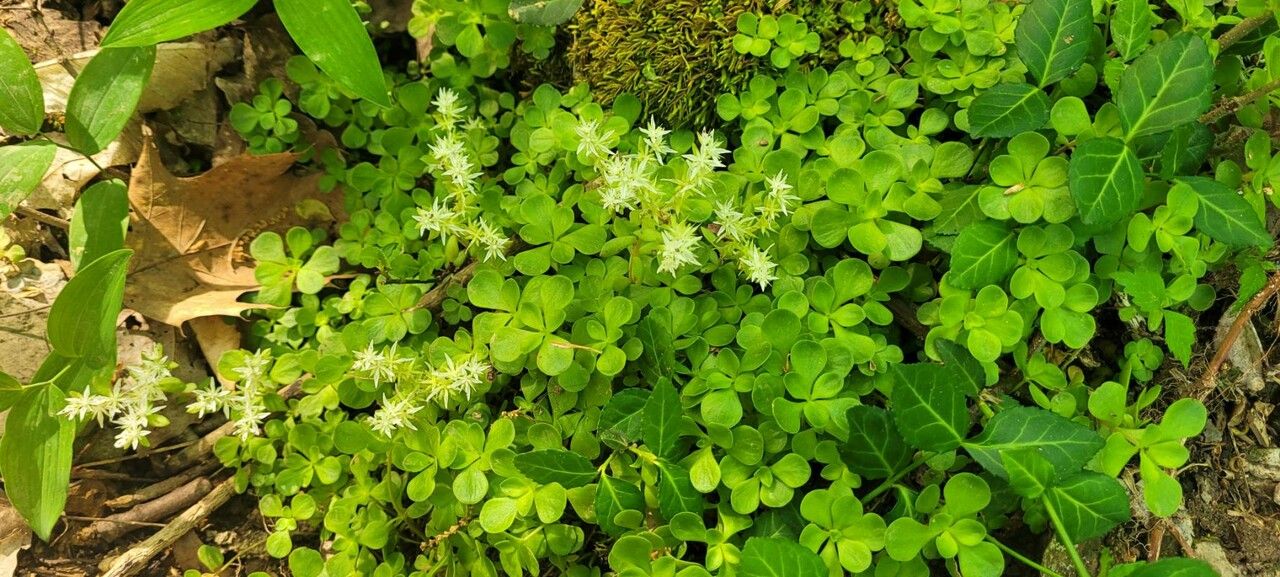
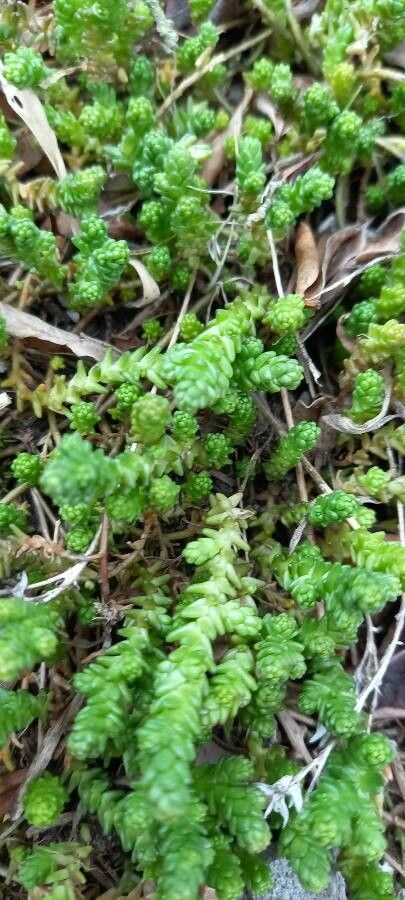
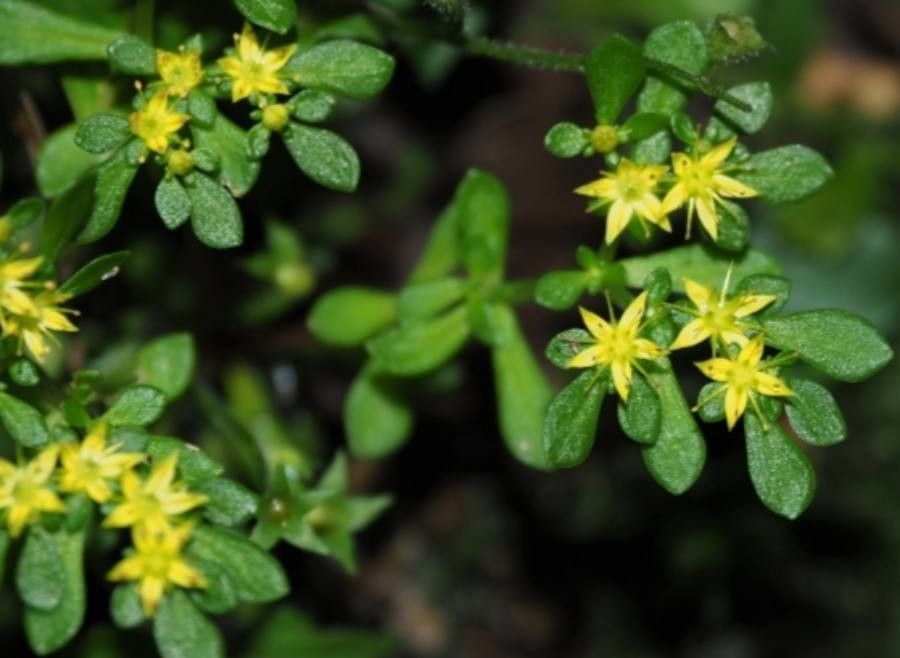
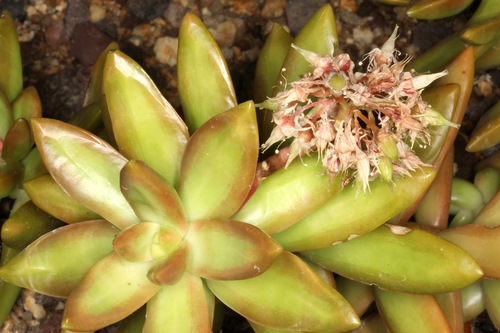
Sedum ternatum, commonly known as woodland stonecrop, is a low-growing perennial plant native to North America. Belonging to the Crassulaceae family, it typically reaches up to 6 inches in height and spreads about 12 inches wide. The plant features succulent leaves arranged in whorls of three, characterized by a green color and a slightly glossy texture.
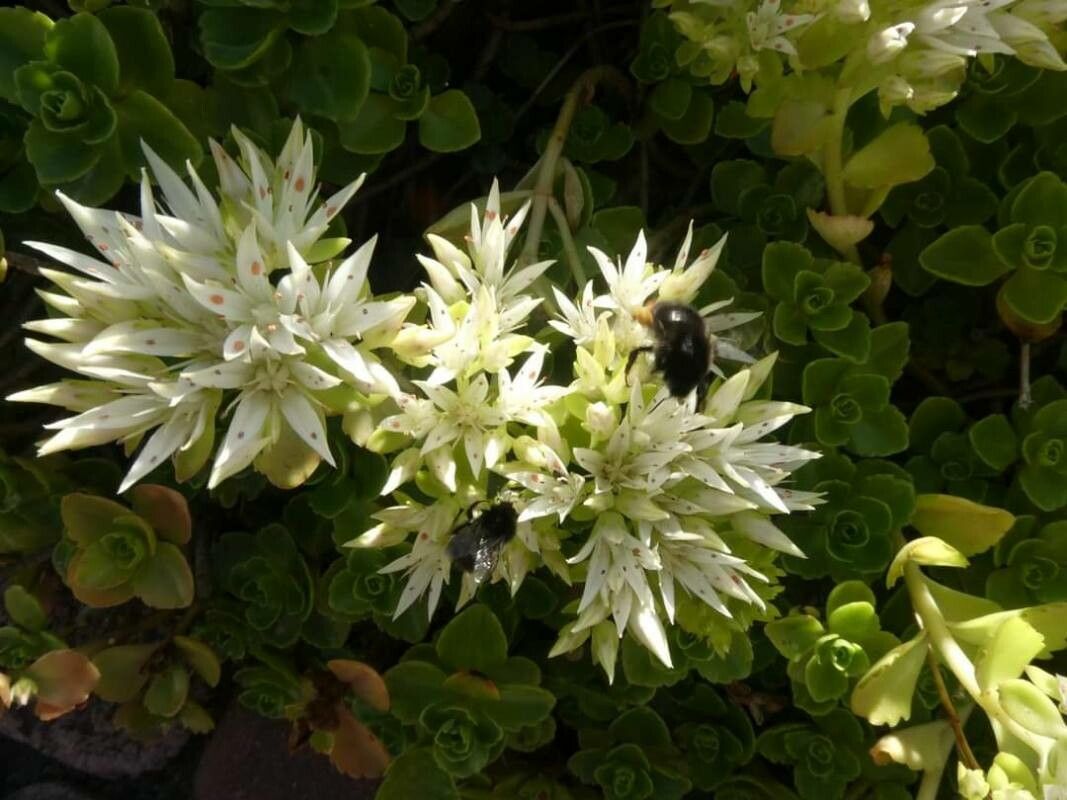
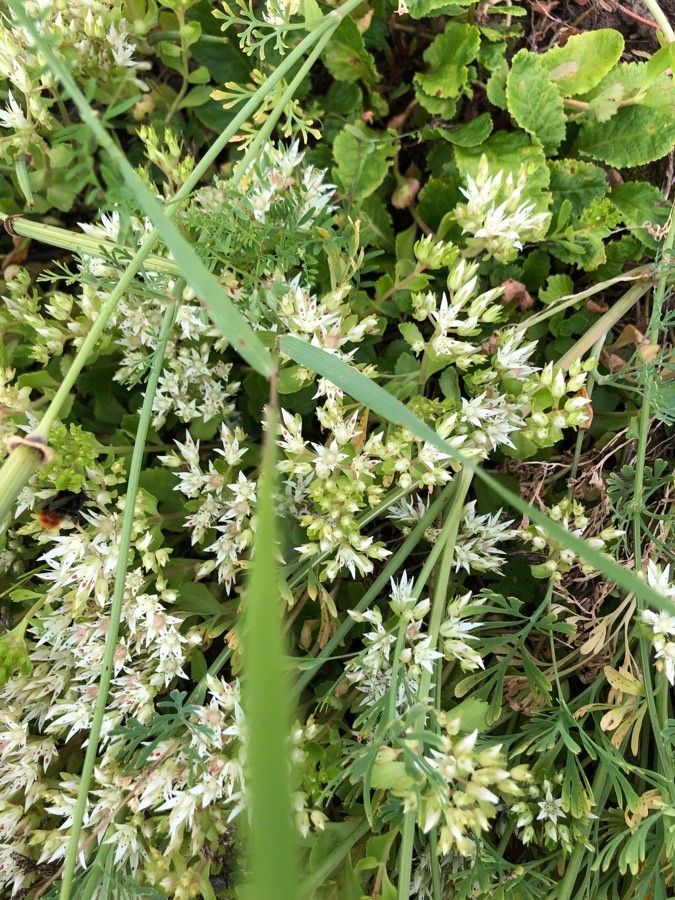
Woodland stonecrop blooms from late spring to early summer, producing small white or pink flowers in clusters at the top of its stems. These blossoms attract bees, butterflies, and other pollinators.
The plant prefers partial to full shade and well-draining soil. While it can tolerate dry conditions, it requires regular watering during prolonged droughts.
Woodland stonecrop, known scientifically as Sedum ternatum, is a versatile succulent native to the United States. It naturally thrives in shady, rocky areas but can also adapt to sunnier spots. This plant is low-maintenance and, once established, requires little to no care. It is easily distinguished from other sedums by its flowers, which have four petals, and its leaves, which grow in groups of three. FUN FACT · FROM THE LIBRARY
Sedum ternatum is often used as ground cover due to its low-growing habit and rapid spread through underground stems called rhizomes. It also serves as an excellent addition to rock gardens or container gardens, thanks to its attractive foliage and delicate blooms.
Overall, Sedum ternatum is an easy-to-grow perennial that enhances the beauty and interest of any planting area while providing significant ecological benefits for pollinators in your garden.
Woodland stonecrop, scientifically known as Sedum ternatum, derives its common name from its remarkable ability to thrive on stones or boulders, where it comfortably grows in shallow soil. The genus name Sedum is related to the Latin word "sedo," meaning "to sit," which describes how this plant attaches itself to rocks. The species name ternatum refers to the plant's distinctive leaf arrangement, which forms clusters of three.
Woodland stonecrop has moderate disease resistance but is more vulnerable to high humidity and overwatering. It is also more prone to disease when kept in low light and given too much water. Regarding care, Woodland stonecrop is drought tolerant and can go long periods without watering. It requires little fertilizer and only occasional pruning. This makes it appropriate for people of all experience levels, especially those who prefer to spend less time on plant care and who may be away from home for extended periods. It is a good option for anyone who does not want to devote a lot of time to caring for plants yet still wants a plant that is easy to maintain.
How to keep Sedum Ternatum.
Light
Woodland stonecrop thrives in bright, direct sunlight. Although it can tolerate full sun, for best growth the plant can adjust to filtered light during its life. Excessive sun can produce sunscald, while too little light can inhibit growth. Its native growing habitat resembles open areas with significant sun exposure.
Water
Woodland stonecrop, native to the shaded, moist regions of North America, thrives in consistently moist conditions but can endure short periods of dryness. For optimal growth, water the plant every 2 to 3 weeks, ensuring the soil remains lightly damp. This hardy plant makes an excellent ground cover and goes dormant during colder months, requiring less water at that time.
Humidity
This plant prefers dry conditions, so don't mist it. However, watering it less often can also thrive in higher humidity.
Temperature
Woodland stonecrop naturally grows on shaded forest floors with cool, moist soil. It performs best in temperatures between 41 and 95 ℉ (5 to 35 ℃). In summer, some afternoon shade helps prevent scorching. In winter, it can tolerate temperatures as low as 23 ℉ (-5 ℃) provided the soil does not freeze.
Fertilizer
For Woodland stonecrop, apply light doses of fertilizer one to two times a year during the growing season. Do not fertilize in winter or during summer dormancy. Cut back on fertilizer for plants that have been repotted and wait a couple of months after repotting before fertilizing. Fertilizing helps maintain healthy growth and promotes flowering.
Pruning
To maintain an attractive shape, prune large succulent plants such as woodland stonecrop in both spring and fall by removing dense or redundant branches. For propagation, cut a sturdy stem with 5-6 leaves, treat the cut with sulfur powder, and plant it in slightly moist soil after the wound has healed.
Pot & Repot
When repotting Woodland stonecrop, choose a pot slightly larger than the current one that has good drainage. Use a gritty, well-draining succulent or cactus mix. Gently remove the plant from its old container, brush off excess soil, and plant it at the same depth. Wait a few days before watering to allow any root injury to heal. Repot in spring or fall and place it in a brightly lit location.
Botanical profile.
- Plant Type
- Succulent, Herb
- Life Cycle
- Perennial
- Genus
- Sedum
- Family
- Crassulaceae
- Hardiness Zone
- 5-9
- Mature Height
- 6 cm to 15 cm
- Mature Spread
- 15 cm to 23 cm
- Leaf Color
- Green
- Leaf Type
- Evergreen
- Flower Color
- White
- Flower Size
- 2.54 cm
- Bloom Time
- Mid spring, Late spring, Early summer
- Planting Time
- Spring, Summer, Autumn
- Harvest Time
- Early summer, Mid summer
- Native Area
- Eastern United States
Other names.
Reader questions.
What should I do if I give my Woodland stonecrop too much or too little water?
Woodland stonecrop, along with other succulents, can withstand long periods without water, making it rare to see one suffering from underwatering. However, if you neglect to water your Woodland stonecrop for a month or more, you'll notice it looking thirsty with leaf damage. Signs of an underwatered Woodland stonecrop include shriveled, dry, and flat leaves, some of which may have turned brown, crisp, and fallen off as the dry conditions persist. Additionally, the soil will be completely dried out. To address this issue, give your thirsty plant plenty of water, preferably by submerging the pot in water for 5-10 minutes until you feel moisture on the soil's surface. Remove any dried out leaves to make way for new growth. On the other hand, overwatering poses a danger to Woodland stonecrop and can be fatal to the plant if not addressed. Excessive moisture over time leads to root rot, which hinders the roots' ability to absorb nutrients and water from the soil. Root rot occurs when fungi and bacteria thrive in the soil due to high moisture levels, resulting in yellow, swollen, and translucent leaves that may burst open. If left untreated, the leaves may turn brown or black and easily fall off. To determine if overwatering is the cause, check the soil for moisture and similar symptoms. Saving an overwatered plant is challenging but possible if caught early. Start by removing the plant from its pot and examining the roots and soil. Gently remove wet soil from around the roots and rinse them in room-temperature water to remove any lurking fungus and assess their health. If the roots have developed root rot, they will appear dark brown or black, soft, mushy, or slimy. If most of the roots are affected, it may not be possible to save the plant. In that case, remove any healthy leaves and use them to propagate a new Woodland stonecrop. However, if only some roots have been affected, there's a chance the plant can be saved. Remove any unhealthy-looking roots using a sterilized cutting tool, dip the remaining firm and pale roots in a fungicide, and repot the plant in fresh, well-draining soil. While not always successful, this process often allows the plant to make a full recovery and produce new growth in the next growing season.
Why should I put fertilizer on my Woodland stonecrop?
To support healthy growth, woodland stonecrop benefits from the addition of plant food during the growing season. Although it already stores water and nutrients, fertilizing further enriches the growing medium. Additionally, fertilizing can stimulate the production of blooms in mature specimens during the growing season.
What are the sunlight requirements for Woodland stonecrop?
Woodland stonecrop requires full sun exposure, defined as above 6 hours of sunlight, for optimal growth but can also adapt to partial sun, which is about 3-6 hours of sunlight. It's essential to observe how sunlight moves through your garden to ensure plants receive the right balance of light and shade, which significantly impacts their health and happiness.
What are the ideal growing conditions for Woodland Stonecrop?
Woodland Stonecrop, botanically known as Sedum ternatum, is a plant native to shady forest floors with cool, moist soil, thriving in temperatures between 41°F (5°C) and 95°F (35°C). It prefers some afternoon shade in the summer to protect it from scorching. During winter, it can withstand temperatures as low as 23°F (-5°C), provided the soil is not frozen. However, it is a heat-loving plant that enters a dormant state in winter. If outdoor temperatures fall below -20°C, it's advisable to move the plant indoors near a south-facing window to ensure it gets enough sunlight, supplementing with artificial light if necessary. Watering should be reduced or stopped when temperatures drop below 5°C to prevent root rot, and outdoor plants should not be watered at all in low temperatures. Temporary greenhouses or protective wraps can offer additional insulation against cold.
How often should I give water to my Woodland stonecrop?
Determining how often to water Woodland stonecrop doesn't have a fixed rule. To find out when it needs watering, simply check if the soil is completely dry. You can do this by inserting your finger in the pot or using a moisture meter to probe beneath the surface. In the case of a deep pot, you can use a stick or chopstick. If the soil feels slightly damp, wait a few days and check again. Generally, in summer, most people will need to water Woodland stonecrop every two weeks, while in winter, it can be watered once a month. However, there are various factors that can influence the watering frequency. Below, we have listed some considerations to help you determine how often to water.
When should I fertilize my Woodland stonecrop for the best results?
Woodland stonecrop, like all plants, thrives with extra nutrients. However, it only requires a small amount of fertilizer during the growing season. It is recommended to fertilize this plant 1-2 times per year, specifically in the spring and autumn. Avoid fertilizing in the winter and summer when it is dormant. If you have repotted the plant, be cautious with the amount of fertilizer used, as it should be reduced. It's also advisable to wait a few months after repotting before applying any fertilizer.
How does Woodland stonecrop respond to different light conditions?
Woodland stonecrop flourishes best under strong, pure sunrays, with full sunlight exposure enabling optimal growth. It can, however, tolerate filtered sunlight throughout its life. Too much sun exposure may lead to sunscald, while not enough sunlight can stunt the plant's growth. Originating from environments with considerable sun exposure, it's vital to simulate similar conditions for healthy plant development. For indoor plants where natural light is insufficient, especially in winter or darker spaces, artificial lighting can offer a viable solution. Choose the right artificial light, such as LED lights suited for the plant's needs, place it at the correct height, and provide 8-12 hours of light daily to support the plant's growth.
How should I care for Woodland Stonecrop in low temperatures?
In low temperatures, Woodland Stonecrop requires special attention as it is not tolerant of cold. If the temperature is above 5°C, the plant can grow well, but it needs to be kept above -20°C during winter to avoid damage. Exposure to temperatures below -25°C can weaken the plant, leading to wilt and a higher risk of root rot. After mild frost damage, symptoms might not appear immediately, but the plant can gradually wither over a week. To care for it, trim the frostbitten areas and check for root rot. Rotting roots should be removed, and the plant can be propagated through cuttings. Move the plant indoors to a warm location near a south-facing window for sunlight, using supplemental lighting if natural light is inadequate.
What things do I need to think about when I water my Woodland stonecrop?
To properly water your Woodland stonecrop, you must consider various environmental factors such as container size, soil type, temperature, and humidity. The size and drainage of the container determine how frequently and how much water to use. Make sure to use a container with sufficient drainage holes to let excess water escape. Smaller containers hold less moisture, so they require more frequent watering, while larger pots stay wet longer and need less frequent watering. Avoid using oversized pots as they can lead to overwatering. When repotting, choose a container only slightly larger than the current one, as Woodland stonecrop has shallow roots. The watering frequency also depends on the season. In winter, when growth slows down and less water is lost to evaporation, the plant requires less watering. However, during the active growing seasons of spring and autumn, the water needs increase. Additionally, the general climate of your location plays a role. In humid and rainy areas, you'll need to water less frequently compared to dry and arid climates. Keep in mind that conditions within the same geographic location can vary with the seasons and indoor temperature control. For outdoor planting, once the Woodland stonecrop establishes a root system, it usually doesn't require additional watering beyond natural precipitation and dew. However, during extended dry periods, occasional watering may be necessary. In areas where Woodland stonecrop can only be grown in containers, the plant can be moved outdoors during suitable temperatures in spring and summer and brought back indoors as temperatures drop. Potted Woodland stonecrop kept outside generally needs more water due to increased sun exposure, even if placed on a shaded porch.
When is not a good time to fertilize my Woodland stonecrop plant?
Woodland stonecrop, like other plants, goes through a dormancy period where it stops growing. During summer and winter, it is best to avoid applying fertilizer. Similarly, after repotting in the spring, it's beneficial to refrain from fertilizing for the first couple of months.
What are some symptoms of improper lighting in Woodland stonecrop?
Symptoms of light deficiency in Woodland stonecrop include leggy or sparse growth, indicative of insufficient light; slower or no new growth, signaling survival mode due to poor lighting; chlorosis, where leaves lose their green color due to excessive sunlight; sunscald from intense sunlight exposure; leaf curling as a defense against extreme sunlight; wilting from overexposure to sunlight increasing water loss; and leaf scorching, seen as brown, dry edges on leaves caused by excessive sun. These symptoms highlight the importance of providing the plant with the right amount of sunlight for healthy growth.
What should I do if my Woodland Stonecrop experiences high temperatures?
During the summer, it's crucial to ensure that Woodland Stonecrop does not get exposed to temperatures above 35°C. Exposure to temperatures exceeding 38°C will halt its growth, cause water loss, wilting, and increase the risk of sunburn. To care for a plant affected by high temperatures, first remove any sunburned or rotten parts. Then, provide protection from the afternoon sunlight until the plant has recovered and resumes growth. For those affected by root rot, withhold watering until new roots start to develop.