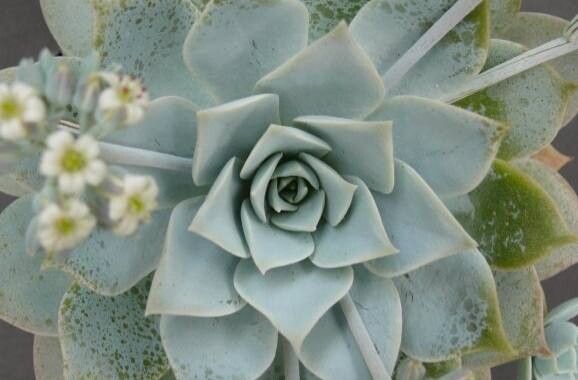
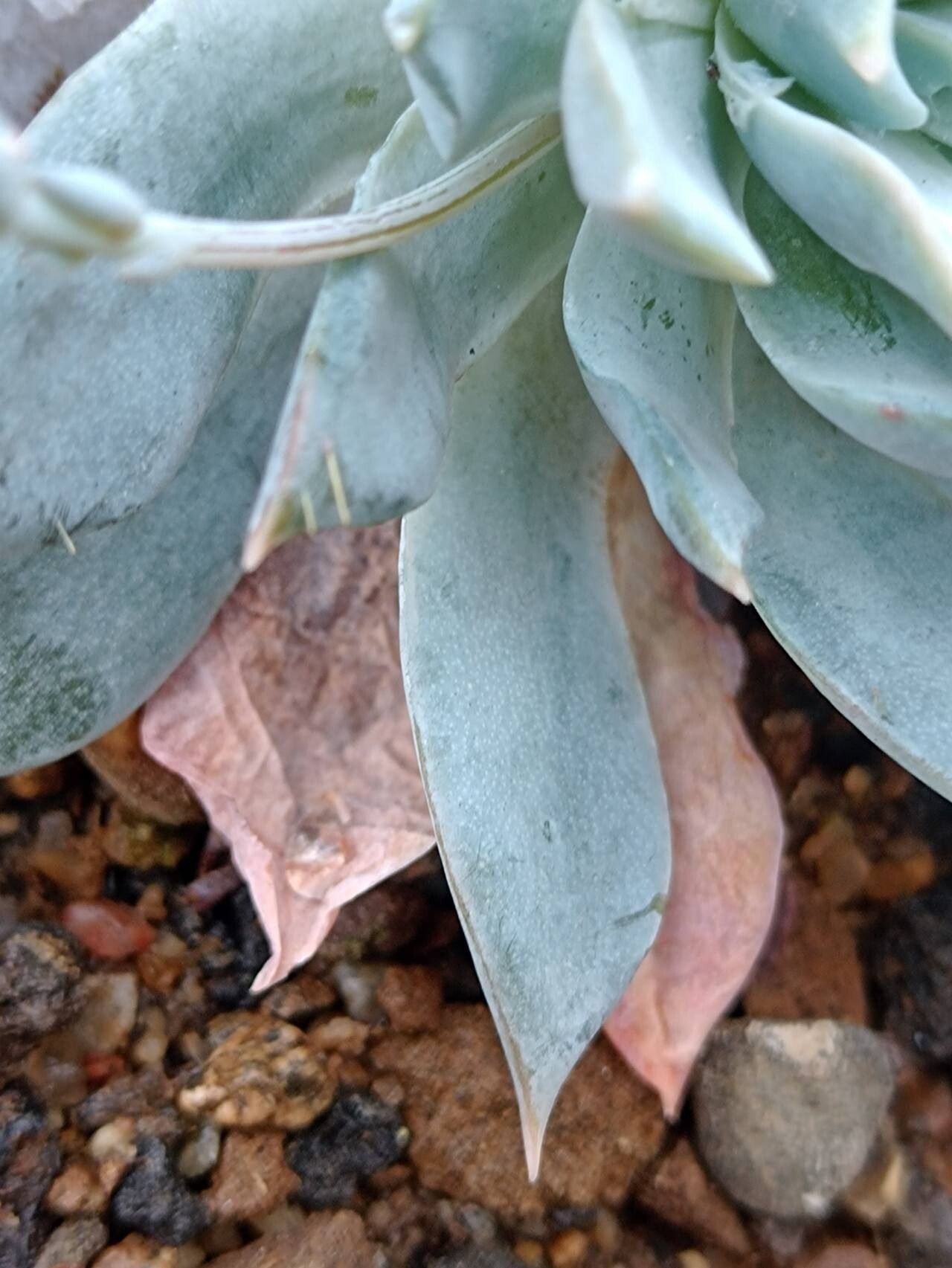
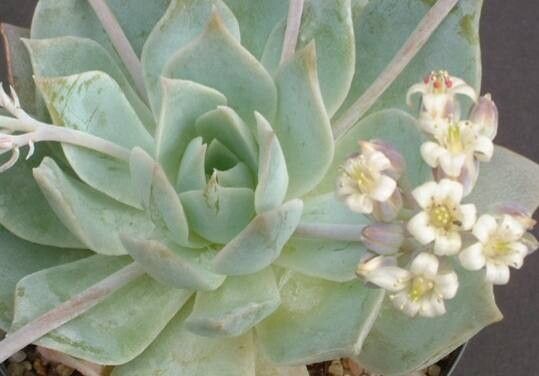
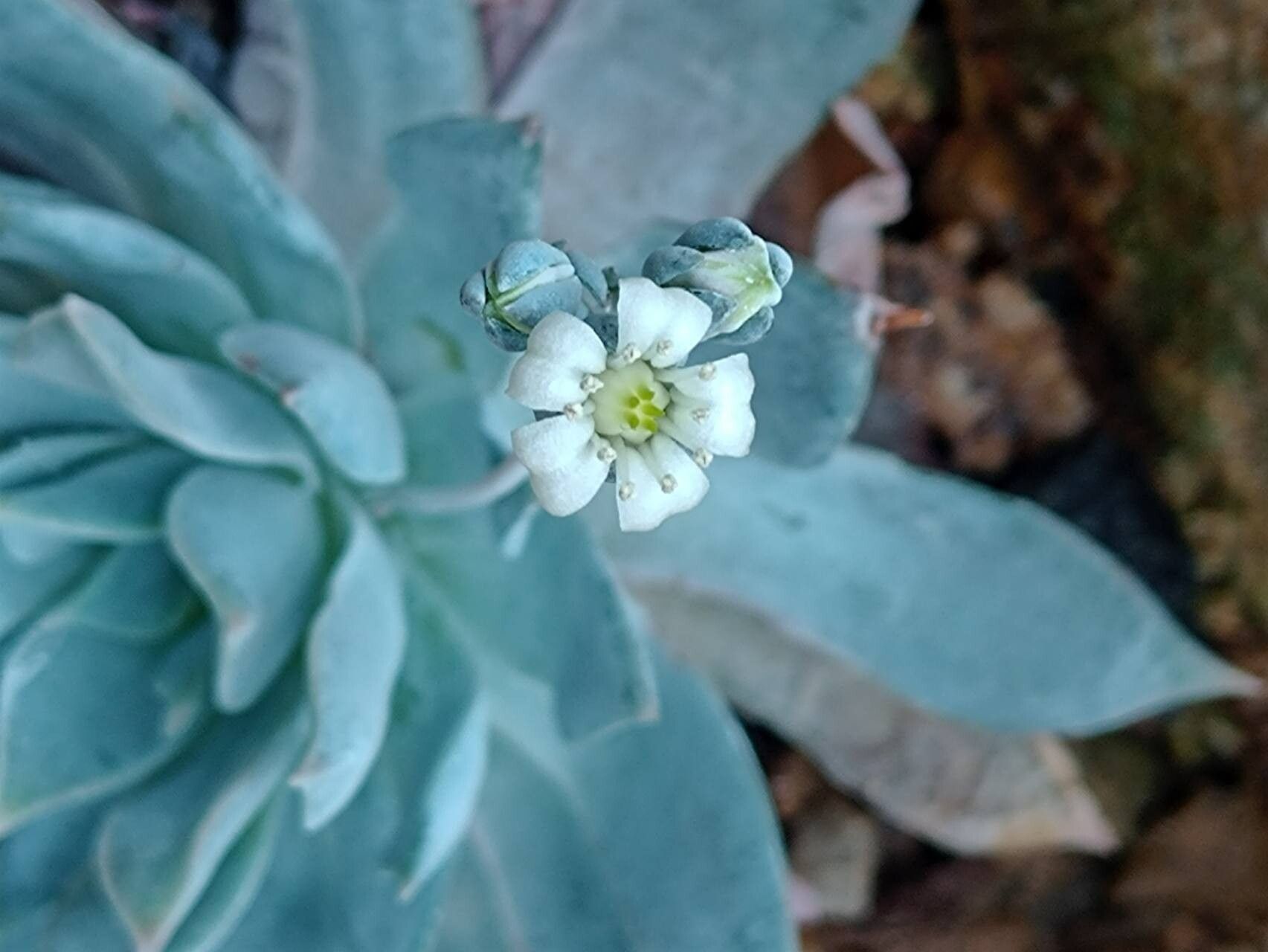
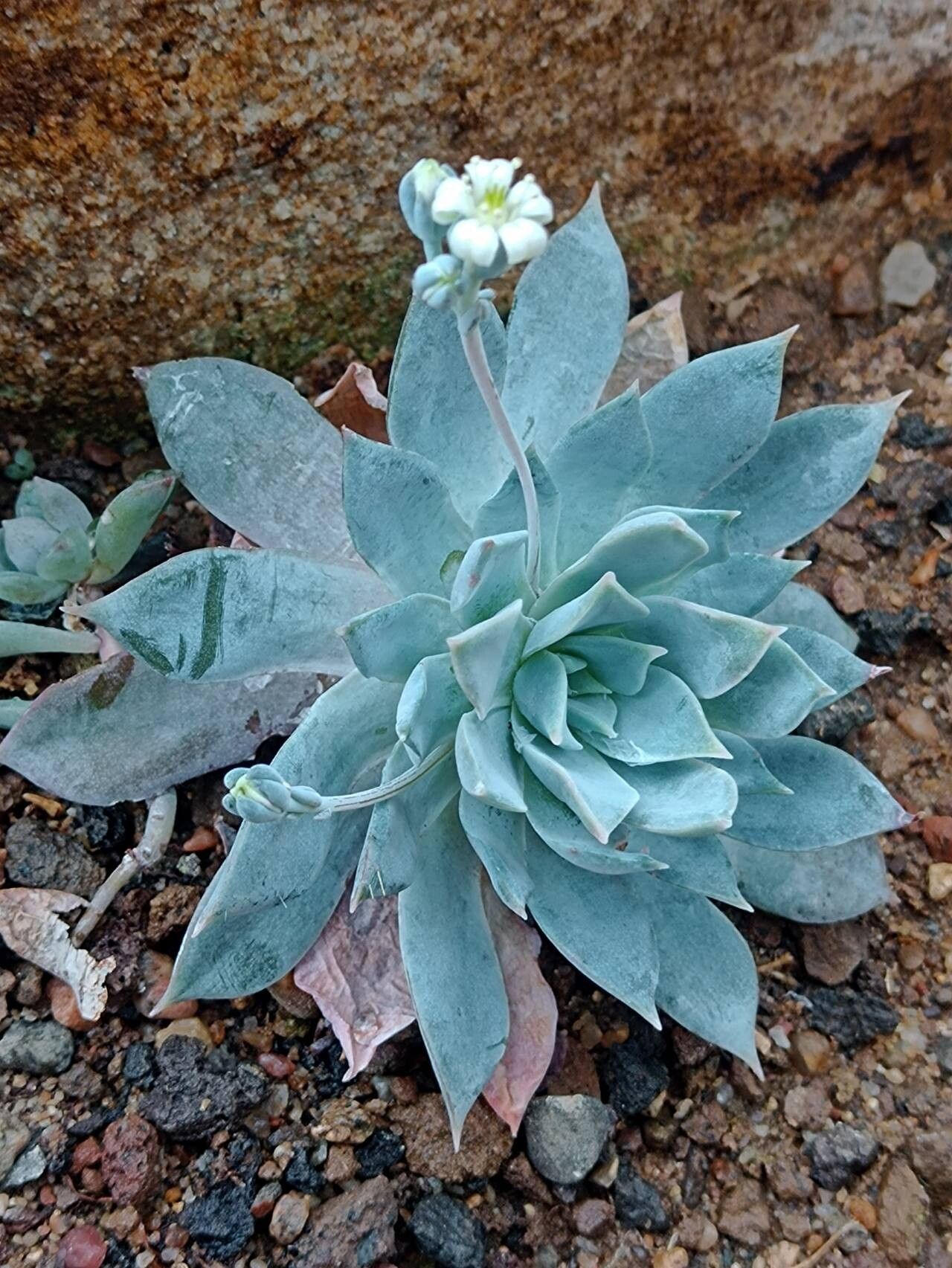
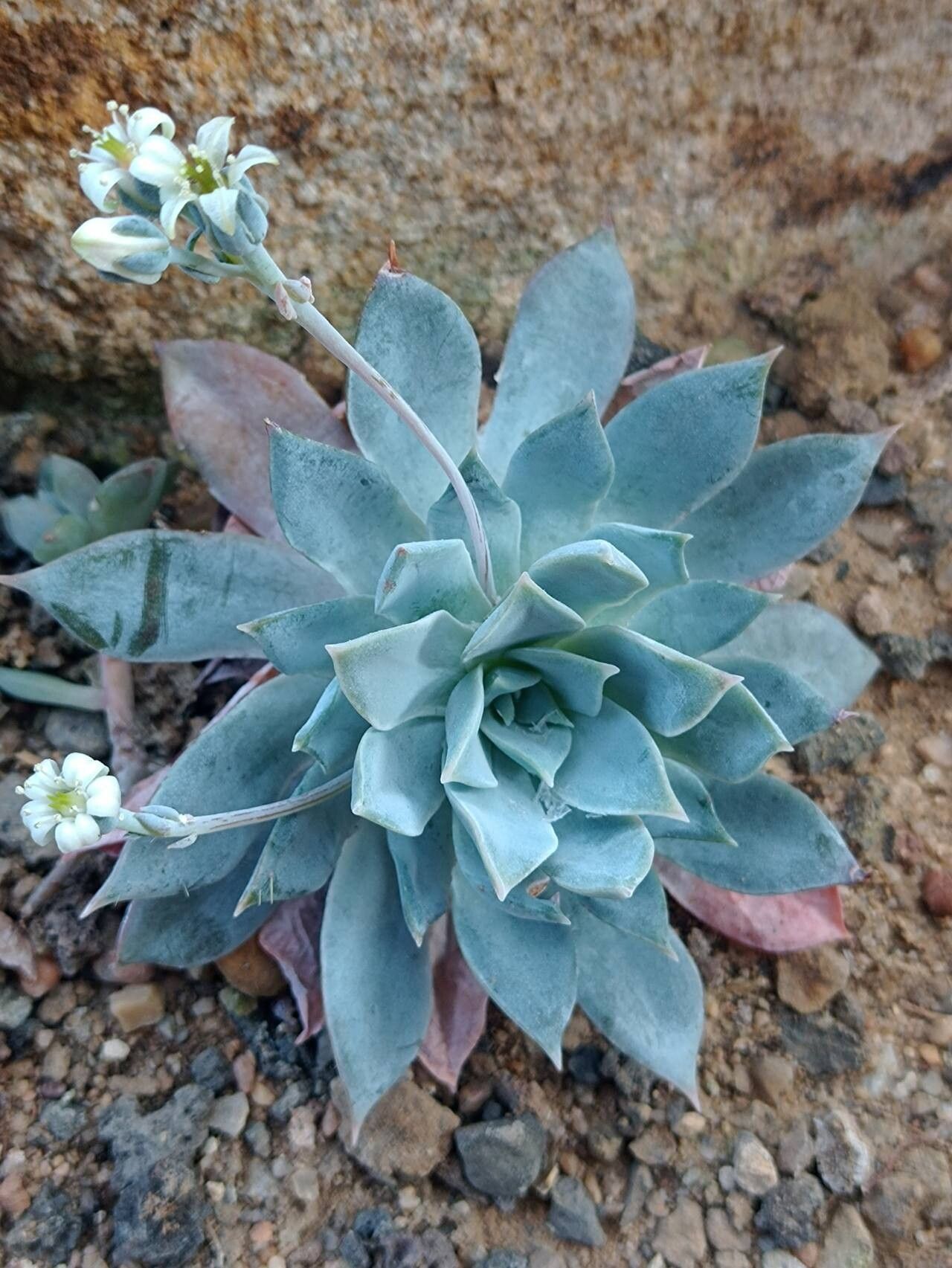
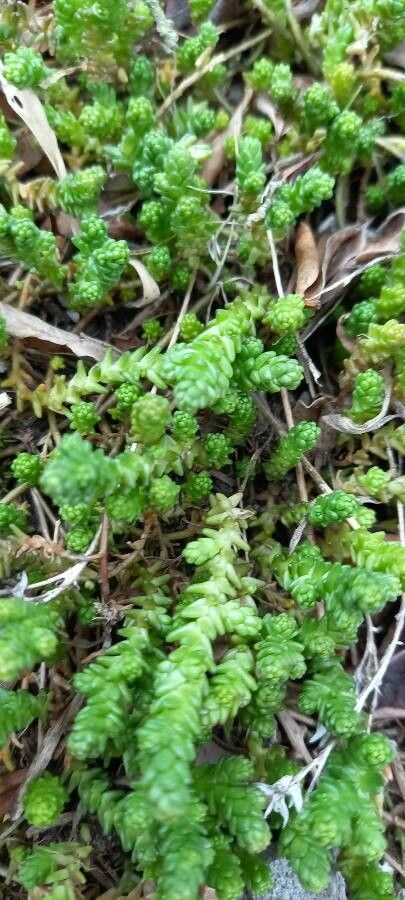
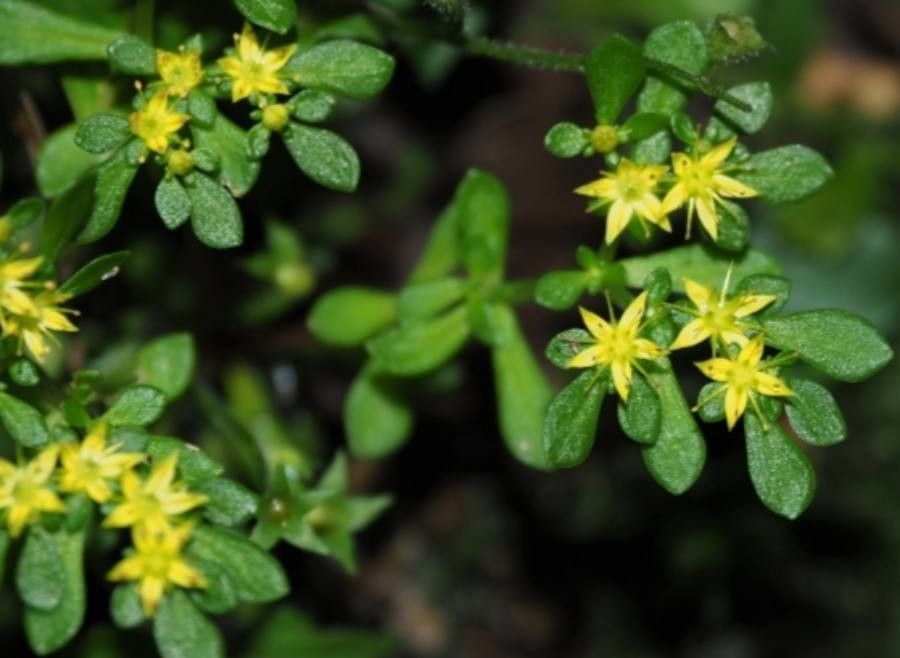
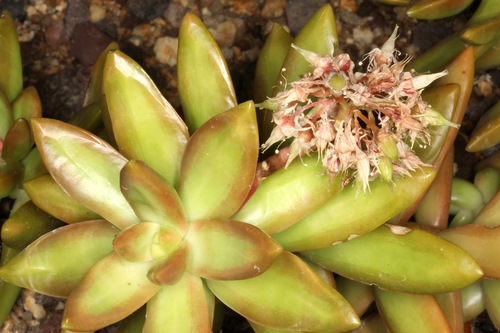
Sedum suaveolens is a low succulent plant native to Durango State, Mexico. It belongs to the Stonecrop Family (Crassulaceae). It has the highest chromosome count of any flowering plant. It was described in 1978.
Sweet smelling sedum has moderate disease resistance but is more sensitive to humidity. It is prone to illness when humidity is high and can develop root rot during dormancy. In terms of care, Sweet smelling sedum tolerates drought but requires more frequent watering during the growing season. Watering should be significantly reduced or stopped entirely during the dormant period. Sweet smelling sedum is appropriate for growers with some experience, though it can be challenging to manage, particularly during dormancy. It is especially well suited to people who can devote time to its care through the winter months.
How to keep Sedum Suaveolens.
Light
Sweet-smelling sedum thrives in unshaded sunlight, absorbing plenty of light all day long. It can also tolerate spots that receive light only during parts of the day. Its native habitat is open areas with abundant light, which is typical for its growth. Too much or too little light can impede its development and cause it to become unhealthy.
Water
Sweet-smelling sedum is a hardy plant that thrives in dry environments thanks to its excellent drought tolerance. It only needs to be watered every 2-3 weeks, as it stores water in its leaves. As an evergreen succulent, sweet-smelling sedum is a great choice for container gardening due to its minimal water requirements.
Temperature
Sweet-smelling sedum is a plant native to temperate climates that does best in temperatures ranging from 68 to 100 °F (20 to 38 ℃). It is recommended to modify its exposure to heat and cold according to seasonal changes to help it thrive.
Fertilizer
For Sweet smelling sedum, light applications of fertilizer once or twice a year during the growing season are adequate. Do not fertilize in winter or in summer when the plant is dormant. Scale back fertilizer for repotted plants and wait a couple of months after repotting before applying any. Fertilizing helps maintain healthy growth and promotes blooms.
Pruning
To maintain their best shape, prune large succulent plants, such as the fragrant sedum, in both spring and fall by removing dense or redundant branches. If you’d like to propagate the plant, cut a sturdy stem with 5-6 leaves. Apply sulfur powder to the cut to help it heal, and once it has healed, plant the stem in slightly moist soil.
Pot & Repot
To keep your sweet-smelling sedum healthy, it's important to repot it every two years in the spring. Use a larger container that has drainage holes. After repotting, place the plant in bright, indirect light, and wait a week before resuming watering. This process encourages continued growth and helps maintain its delightful fragrance.
Botanical profile.
- Plant Type
- Succulent
- Life Cycle
- Perennial
- Genus
- Sedum
- Family
- Crassulaceae
- Hardiness Zone
- 9-11
- Mature Height
- 46 cm
- Mature Spread
- 46 cm
- Leaf Color
- Pale Green, Light Gray
- Leaf Type
- Evergreen
- Flower Color
- White
- Flower Size
- 1.02 cm to 1.52 cm
- Bloom Time
- Late summer, Early fall
- Planting Time
- Spring, Autumn
- Harvest Time
- Mid fall, Late fall
- Native Area
- Mexico
Other names.
Reader questions.
What are the sunlight requirements for Sweet smelling sedum?
Sweet smelling sedum requires a significant amount of sunlight to flourish, thriving under full sun conditions, which implies receiving more than 6 hours of sunlight daily. It can also tolerate partial sun, meaning it can grow in areas that receive about 3-6 hours of sunlight. It's essential to observe how sunlight moves through your garden and select spots that offer an ideal balance of light and shade, ensuring the plants' well-being.
What is Sweet Smelling Sedum?
Sweet smelling sedum, botanically known as Sedum suaveolens, is a plant native to temperate climates. It thrives in temperatures between 68 to 100 °F (20 to 38 ℃) and prefers heat over cold. This plant gradually stops growing and enters a dormant state during winter. To help it flourish, it's essential to adjust its exposure to heat and cold according to seasonal changes.
How does Sweet smelling sedum grow in its natural habitat?
In its natural habitat, Sweet smelling sedum is accustomed to open areas where it can absorb plenty of sunlight throughout the day without any obstructions. This enables it to thrive by taking in ample light for significant portions of the day. Areas that mimic these conditions are optimal for its growth. However, too much or too little light can adversely affect its health, leading to suboptimal growth conditions.
How do I care for Sweet Smelling Sedum during colder temperatures?
As temperatures drop below 0°C, Sweet smelling sedum should be moved indoors to continue cultivation, preferably near a south-facing window to ensure it receives as much sunlight as possible. If natural light is insufficient, supplemental lighting can be used. When the temperature falls below 20°C, the plant's growth slows, and watering should be reduced or stopped to prevent root rot. For plants grown outdoors, watering should be completely halted in low temperatures. Temporary greenhouses or insulation with materials like plastic film or fabric can protect outdoor plants.
What should I do if natural sunlight is insufficient for my indoor Sweet smelling sedum?
When natural sunlight is insufficient, especially during winter or in less sunny spaces, artificial lighting provides a helpful alternative for supporting Sweet smelling sedum's growth. Optimal growth requires adequate lighting, so selecting the right type of artificial light is crucial. LED lights are recommended due to their adjustability to provide specific wavelengths needed by plants. Full sun plants should receive 30-50W/sq ft, partial sun plants 20-30W/sq ft, and full shade plants 10-20W/sq ft of artificial light. Place the light source 12-36 inches above the plant and mimic natural daylight hours, typically 8-12 hours of light per day.
What are the symptoms and solutions for Sweet Smelling Sedum exposed to low temperatures?
Sweet smelling sedum does not tolerate low temperatures well and is best kept above 20°C. Exposure to temperatures below 0°C can lead to weakness, wilting, and root rot, especially if temperatures fall below -5°C. Mild frost damage may not be immediately apparent, but affected plants will gradually wither. In such cases, trim the frostbitten areas and check for root rot. Rotted roots should be cut off, and the plant can be propagated using cuttings. Move the plant indoors to a warm environment near a south-facing window and consider using supplemental lighting if necessary.
What are the symptoms of insufficient light in Sweet smelling sedum?
Sweet smelling sedum may exhibit several symptoms if it doesn't receive enough light, including smaller new leaves, leggy or sparse growth, faster leaf drop, slowed or halted growth, paler new leaves, chlorosis, and sunscald, which results in pale, bleached areas on the plant. Leaf curling, wilting due to moisture loss, and leaf scorching characterized by brown, dry edges are also common symptoms of excessive sunlight exposure or insufficient light.
How should Sweet Smelling Sedum be cared for during high temperatures?
During summer, it's crucial to keep Sweet smelling sedum below 38°C to prevent it from stopping growth, experiencing water loss, wilting, and becoming susceptible to sunburn if the temperature exceeds 43°C. To aid recovery, remove sunburned and rotten parts, and protect the plant from direct afternoon sunlight until it starts growing again. If root rot has occurred, cease watering until new roots develop.
How can I address light deficiency in Sweet smelling sedum?
To address light deficiency in Sweet smelling sedum, gradually increase sunlight exposure. For indoor plants, move them to a sunnier spot weekly until they get at least 6 hours of direct sunlight, positioning them near a south-facing window if possible. Use artificial light sources like desk or ceiling lamps for additional light, keeping them on for at least 8 hours a day. For outdoor plants, avoid rapid changes in sunlight exposure to prevent sunburn, moving them gradually to sunnier areas. Minimize obstructions to sunlight by pruning trees or bushes, and consider transplanting smaller plants to sunnier locations during their dormant period for better light access.