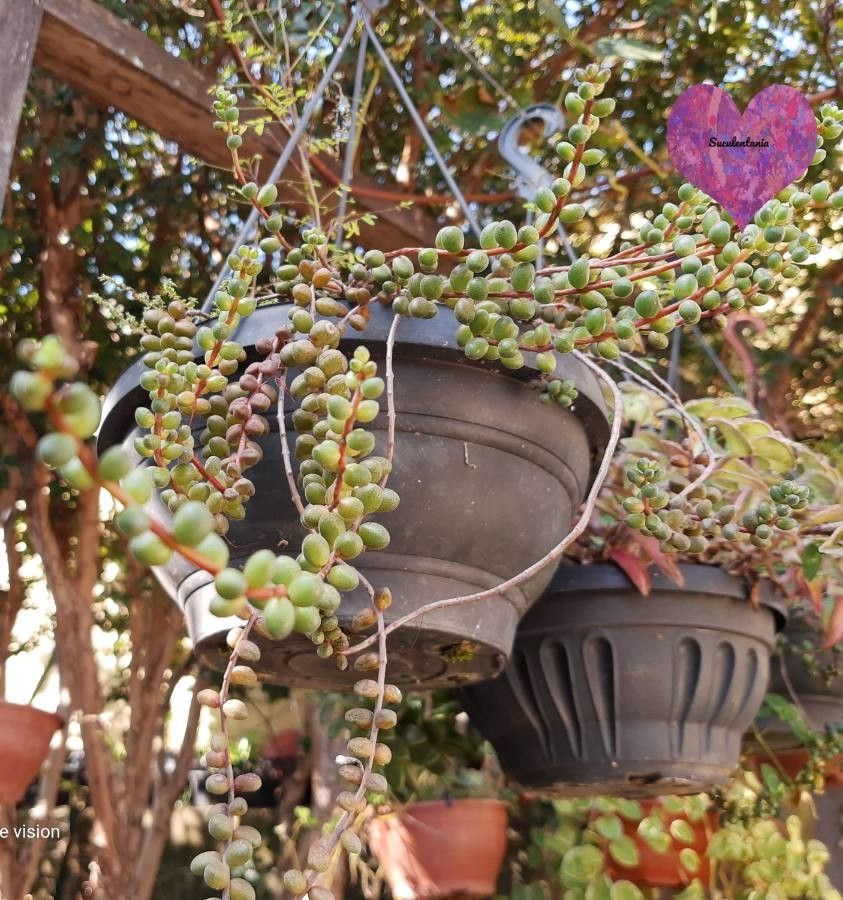
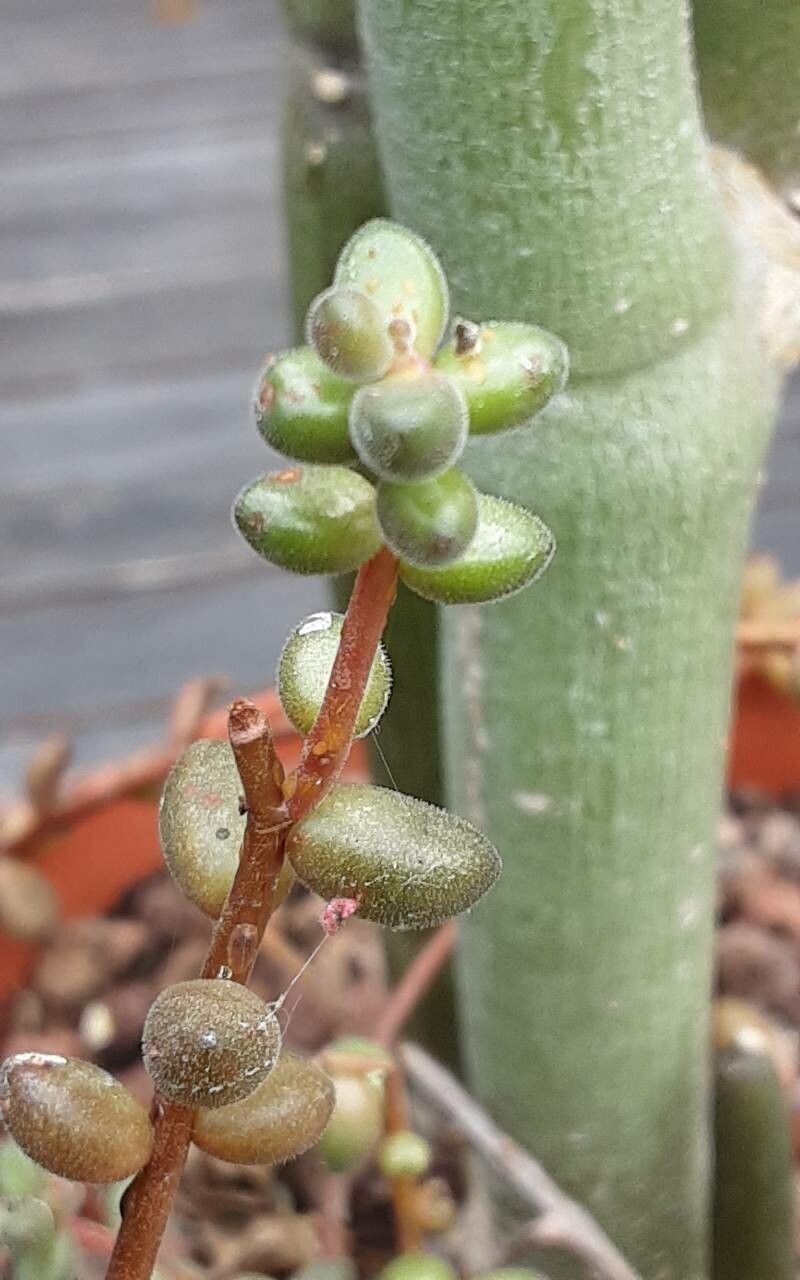
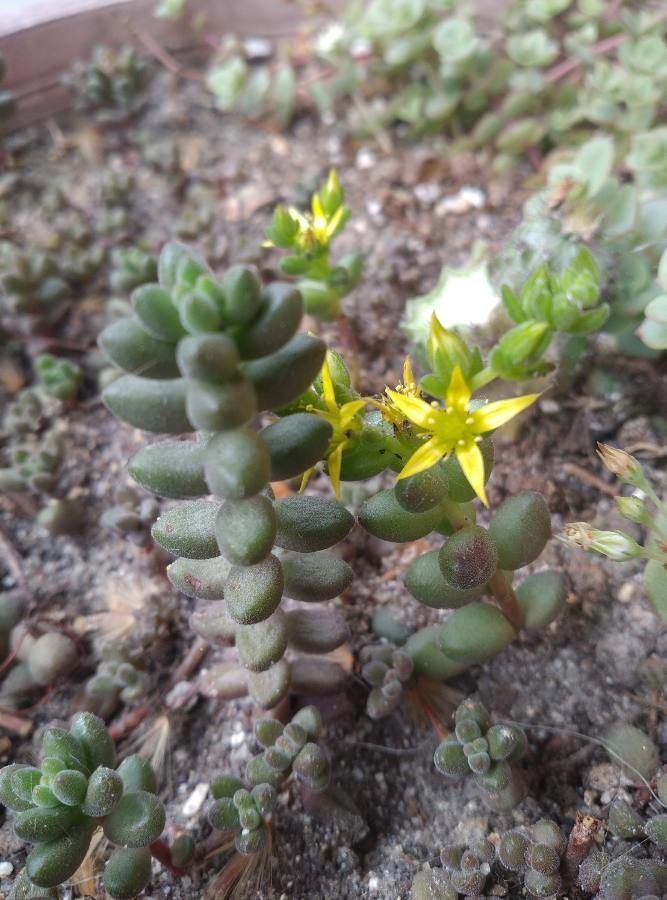
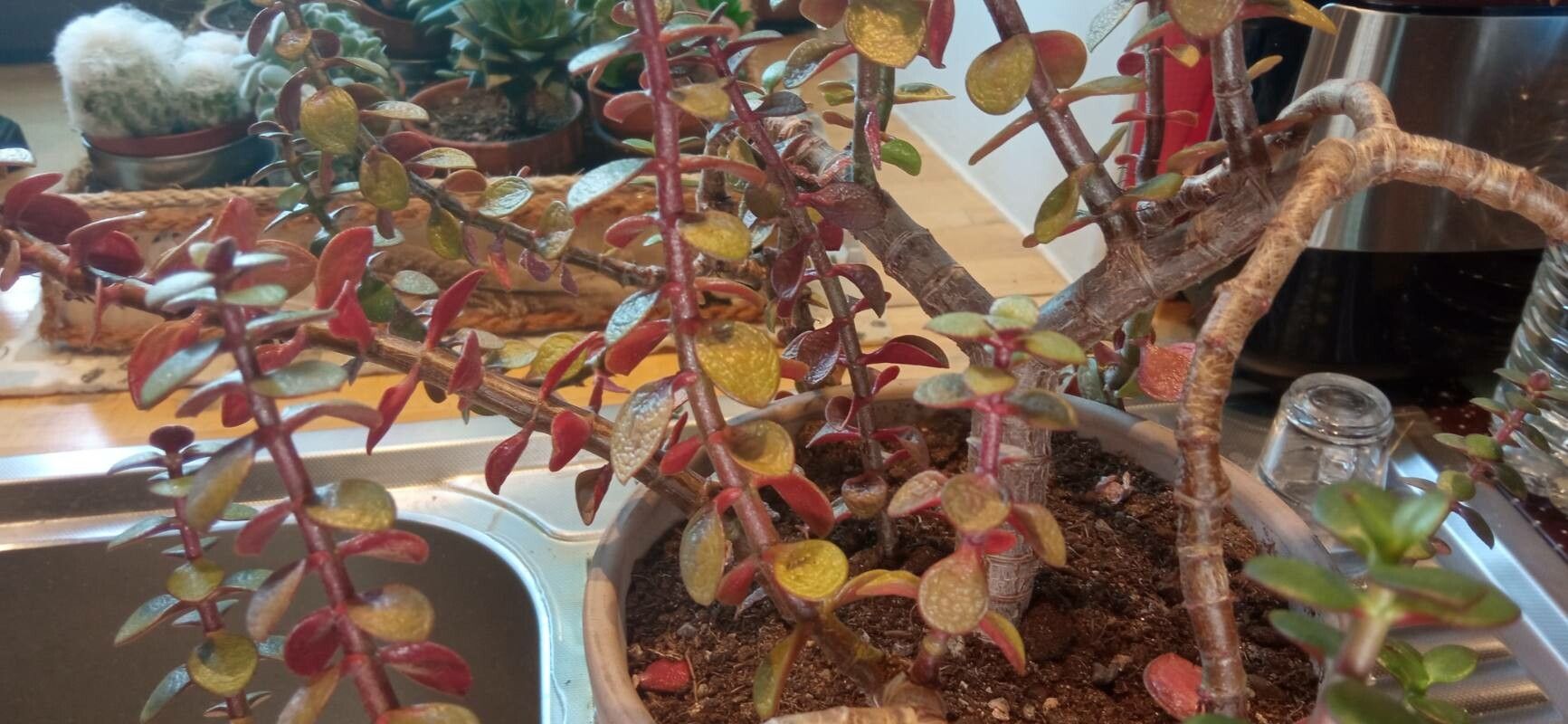
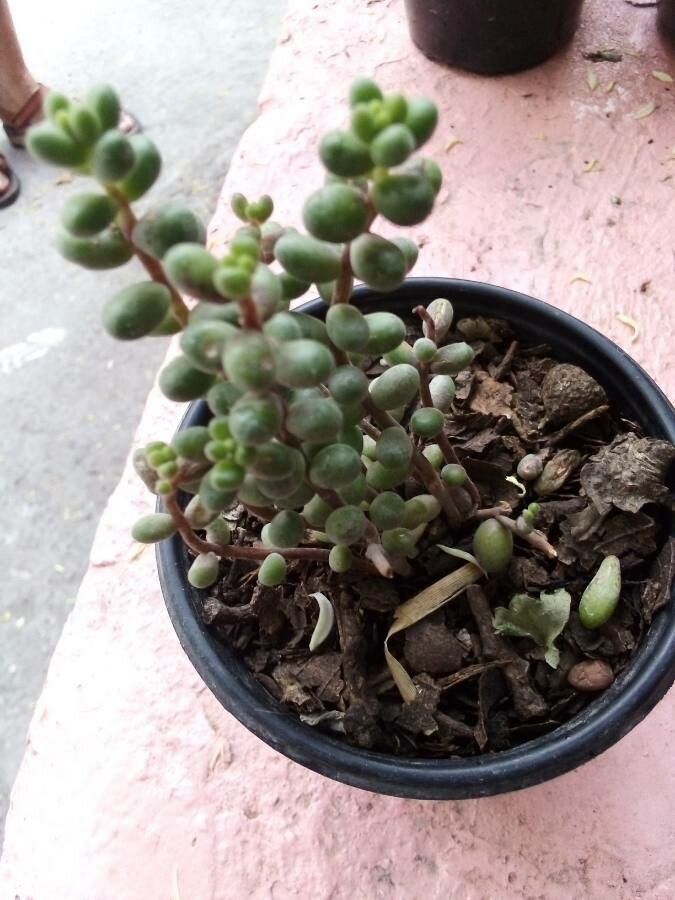
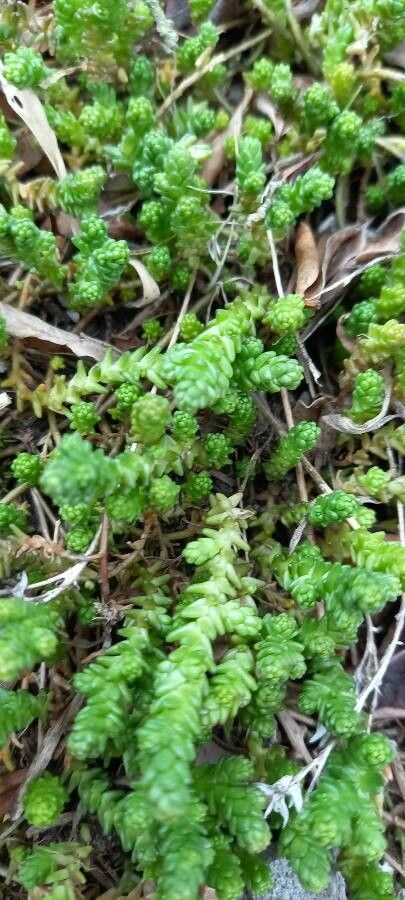
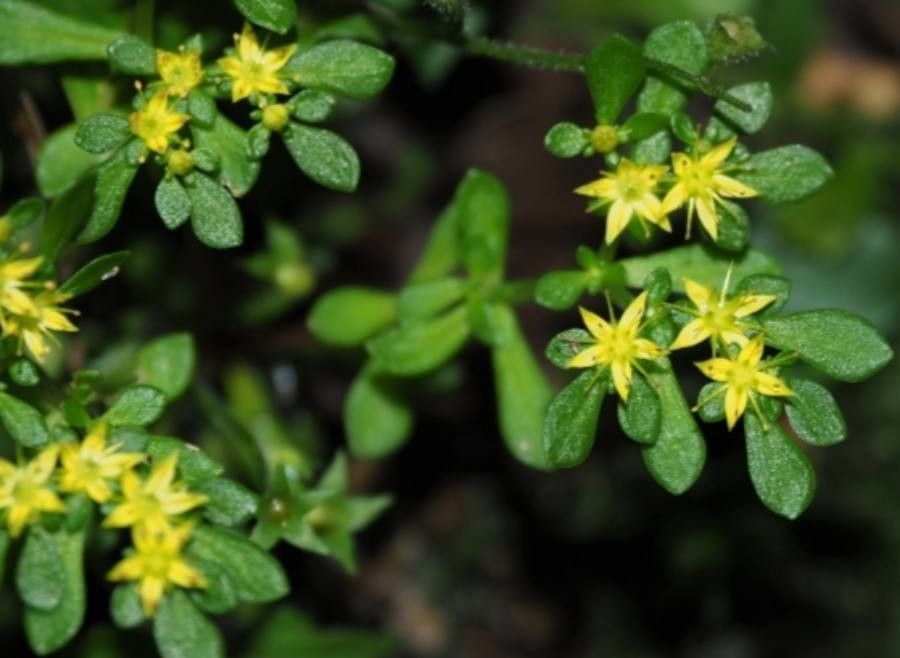
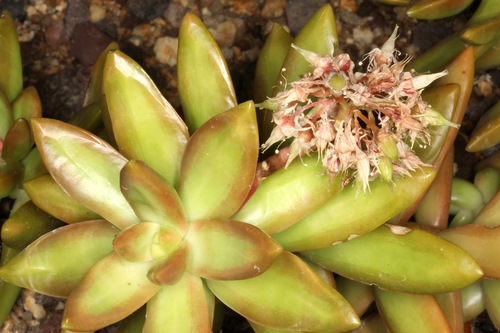
Sedum stahlii, the baked beans or coral beads, is a species of flowering plant in the family Crassulaceae. It is native to seasonally dry areas of the Mexican states of Puebla, Veracruz, and Oaxaca. A succulent subshrub reaching 15 cm (6 in), it is available from commercial suppliers.
coral-beads has moderate disease resistance and is more sensitive to humidity. It becomes vulnerable to illnesses when humidity is high and is likely to develop root rot during dormancy. Regarding care, coral-beads tolerates drought but requires increased watering during the growing season. Watering should be greatly reduced or stopped entirely in the dormant period. coral-beads is appropriate for growers with some experience, though it can be challenging to care for, particularly during dormancy. It is best suited to people who can dedicate time to its care during the winter months.
How to keep Sedum Stahlii.
Light
Native to arid regions, coral-beads does best in full sun, its native habitat marked by intense sunlight and very little shade. It will also tolerate partial sun, giving it some flexibility in how it grows.
Water
Sedum stahlii is well-suited to arid environments due to its remarkable drought tolerance. Water this plant sparingly, approximately once every three weeks, and ensure the soil dries out between waterings. It is ideal for rock gardens and xeriscapes, thriving with minimal rainfall, which makes it perfect for drought-prone areas.
Temperature
Although coral-beads can tolerate some heat, it mainly thrives and grows in the cooler months and becomes dormant in summer. In very hot conditions, provide shade to prevent scorching from strong sunlight. Watering should be reduced or stopped during the hottest part of the year to avoid root rot. Coral-beads displays vigorous growth in winter and spring. As long as temperatures do not fall too low, it will continue to grow steadily.
Fertilizer
For coral-beads, light applications of fertilizer once or twice a year during the growing season are sufficient. Do not fertilize in winter or summer when the plant is dormant. Reduce the amount of fertilizer for repotted plants and wait a couple of months after repotting before applying fertilizer. Fertilizing supports healthy growth and encourages flowering.
Pruning
To keep large succulent plants like Sedum stahlii in good shape, it's important to prune them in both the spring and fall. Use a knife or scissors to remove any dense or excess branches. If you want to propagate the plant, cut a sturdy stem that has 5 to 6 leaves. Apply sulfur powder to the cut end to treat the wound, then plant it in slightly moist soil.
Pot & Repot
When repotting coral-beads, choose a pot slightly larger than the current one that has good drainage. Use a gritty, well-draining cactus or succulent mix. Gently remove the plant from its old container, brush away excess soil, and set it at the same depth. Wait a few days before watering so any root damage can heal. Repot in spring or fall and place it in a brightly lit location.
Botanical profile.
- Plant Type
- Succulent
- Life Cycle
- Perennial
- Genus
- Sedum
- Family
- Crassulaceae
- Hardiness Zone
- 9-11
- Mature Height
- 15 cm
- Mature Spread
- 46 cm
- Leaf Color
- Light Green, Lime
- Leaf Type
- Evergreen
- Flower Color
- Pink, White
- Flower Size
- 1.02 cm to 1.52 cm
- Bloom Time
- All year round
- Planting Time
- Spring, Summer, Autumn
- Harvest Time
- All year round
- Native Area
- Mexico
Other names.