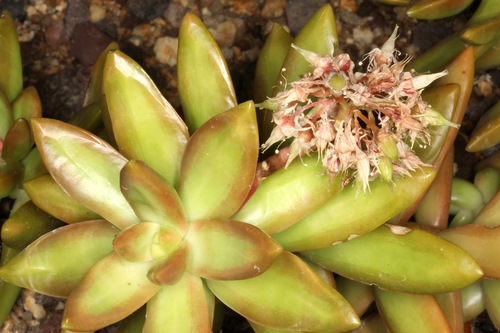
Sedum rubrotinctum, commonly known as the Jelly Bean plant or Pork and Beans, is a succulent that belongs to the Crassulaceae family. Native to Mexico, it has gained popularity as a houseplant because of its attractive appearance and low maintenance needs.
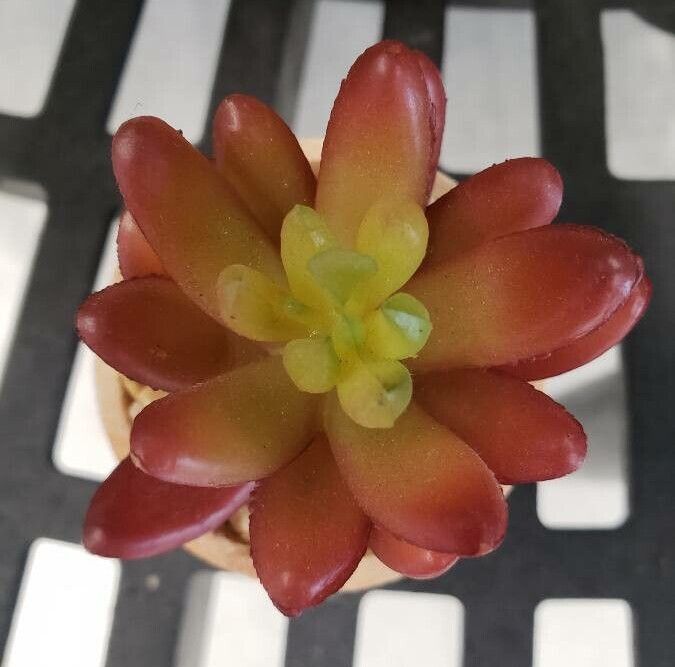
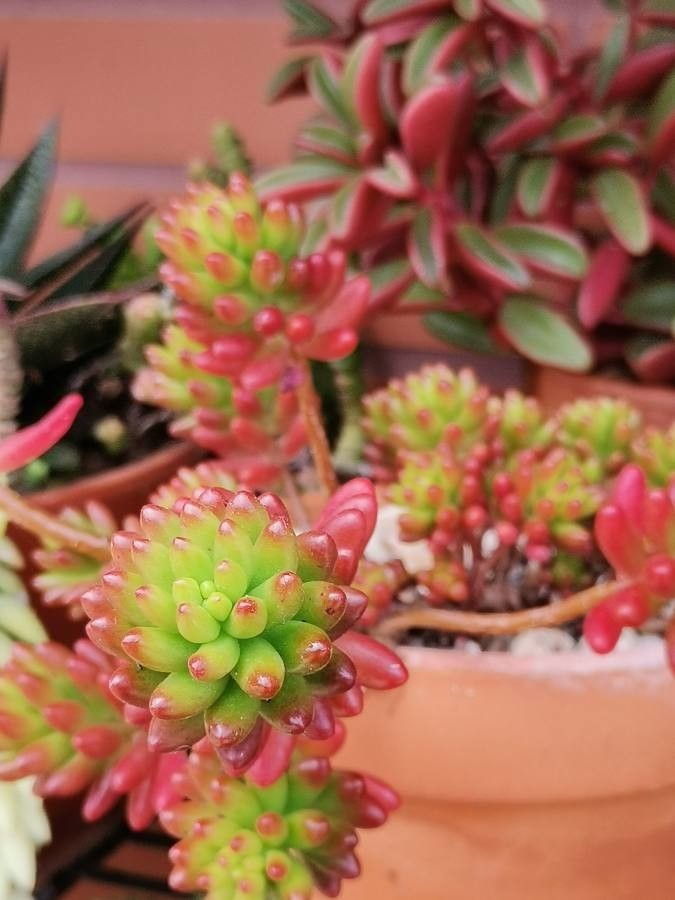
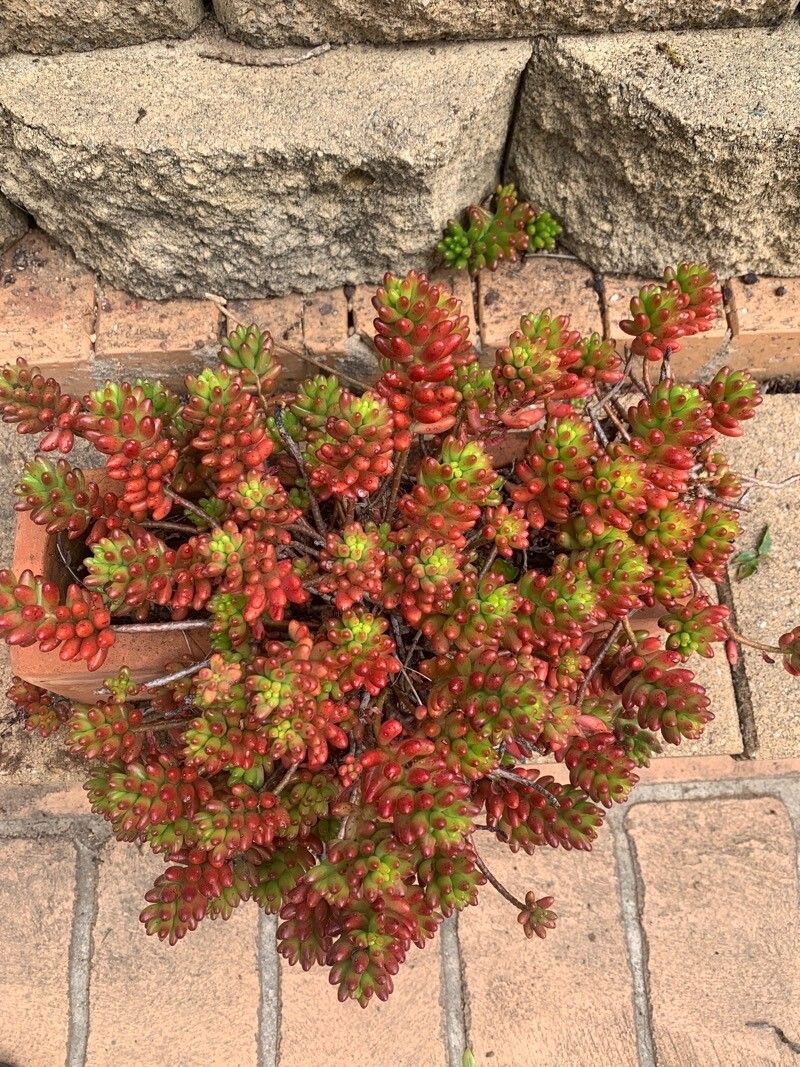
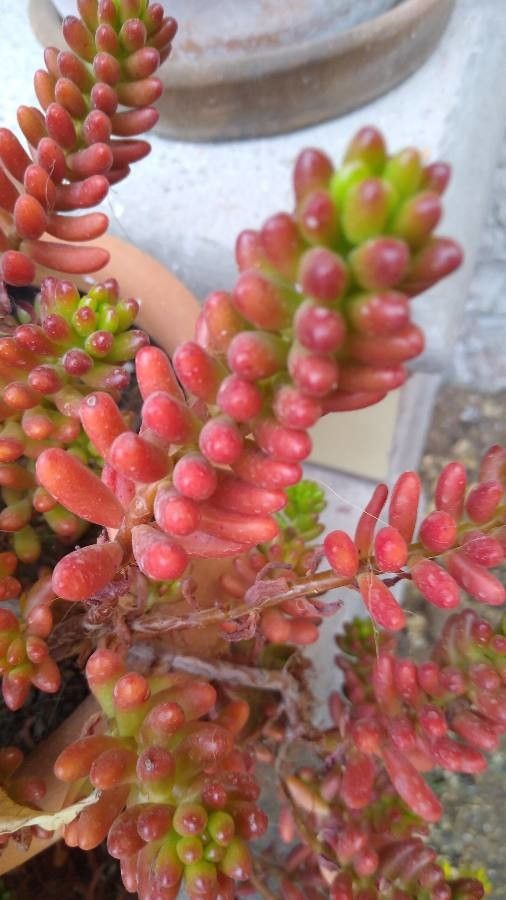
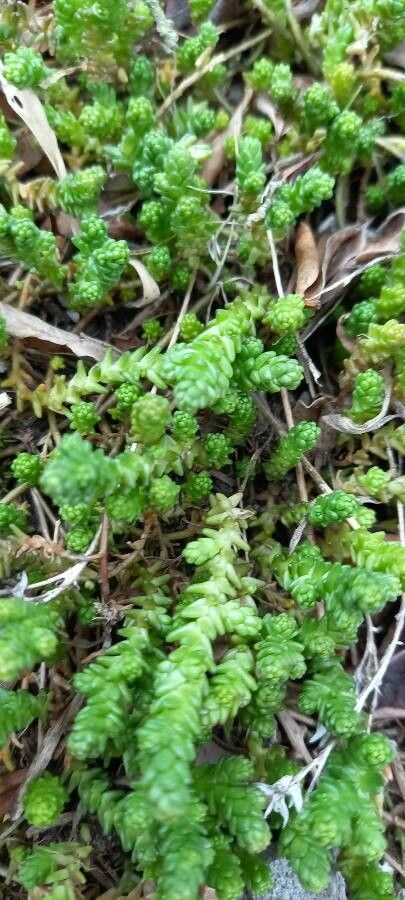
This plant features small, round leaves that are green with red tips. The leaves are fleshy and plump, resembling jelly beans or pork beans, which is the origin of its common names. The stems of Sedum rubrotinctum are thin yet sturdy, exhibiting a reddish-brown hue.
Sedum rubrotinctum is easy to grow and thrives in bright light conditions, although it can also tolerate partial shade. It prefers well-draining soil and requires moderate watering during its growing season, which spans from spring through fall. During the winter months, as it enters dormancy, it needs less watering.
This succulent can be easily propagated through stem cuttings that root quickly in well-draining soil, or through water propagation.
Historically, sedums have been valued for their medicinal properties, such as treating wounds, burns, and skin irritations, owing to their anti-inflammatory characteristics.
Overall, sedums like this one make excellent houseplants due to their low maintenance requirements and unique beauty. They add charm to any indoor garden collection with their distinct shapes and colors.
Jelly bean plant has moderate disease resistance and is more sensitive to humidity. It becomes vulnerable to illness when humidity is high and is prone to root rot while dormant. Regarding care, the Jelly bean plant tolerates drought but requires increased watering during the active growing season. Watering should be greatly reduced or stopped entirely during the dormant period. The Jelly bean plant is best for growers with some experience, as it can be challenging to care for, especially during dormancy. It is particularly appropriate for those who can spend time caring for it through the winter months.
How to keep Sedum Rubrotinctum.
Light
The jelly bean plant does best in places that receive a large amount of light during the day. Insufficient sunlight can hinder its growth and lessen the vibrancy of its foliage, while too much exposure may cause leaf scorching. In its natural environment, it typically establishes itself in areas with ample light.
Water
For this plant, you can literally avoid watering it for a week or two right after just planting it. Additional water is no longer needed if it got wet from the rain. The recommendation is to have an extended dry period in between waterings.
Temperature
The jelly bean plant prefers moderately warm temperatures and thrives in a range of 68 to 100 ℉ (20 to 38 ℃). Its native habitat typically consists of warm, dry climates with occasional fluctuations in temperature. During the summer months, occasional misting or grouping with other plants can provide necessary relief from excessively high temperatures.
Fertilizer
For the Jelly bean plant, a light application of fertilizer once or twice a year during the growing season is sufficient. Avoid fertilizing in winter or in summer when the plant is dormant. Use less fertilizer for plants that have been repotted and wait a couple of months after repotting before applying fertilizer. Fertilizing supports healthy growth and encourages flowering.
Pruning
Deciding how much you want to prune is basically depending on your preference. If you think that it is getting bigger than how you want it to be, you are free to shape it. Use pruning shears and make clean cuts while keeping in mind to not crush the stem. Make sure that the cut is dry until it starts to callus after a few days.
Pot & Repot
When repotting a Jelly bean plant, pick a pot slightly larger than the current one that has good drainage. Use a gritty, well-draining cactus or succulent mix. Gently remove the plant from its old container, brush off excess soil, and place it at the same depth in the new pot. Wait several days before watering so any root damage can heal. Repot in spring or fall and keep the plant in a brightly lit location.
Toxicity
There is not enough research yet to prove that this plant is poisonous. So in the meantime, the advice is to treat this plant as dangerous. Keep it away from both cats, dogs, and small children.
Further reading →
The toxicity and danger assessments provided are for reference only. We do not assure their accuracy, so it's crucial not to depend on them. Seek professional advice when necessary for accurate guidance.
Botanical profile.
- Plant Type
- Succulent, Herb
- Life Cycle
- Perennial
- Genus
- Sedum
- Family
- Crassulaceae
- Hardiness Zone
- 9-11
- Mature Height
- 10 cm to 30 cm
- Mature Spread
- 46 cm
- Leaf Color
- Green, Red, Bronze
- Leaf Type
- Evergreen
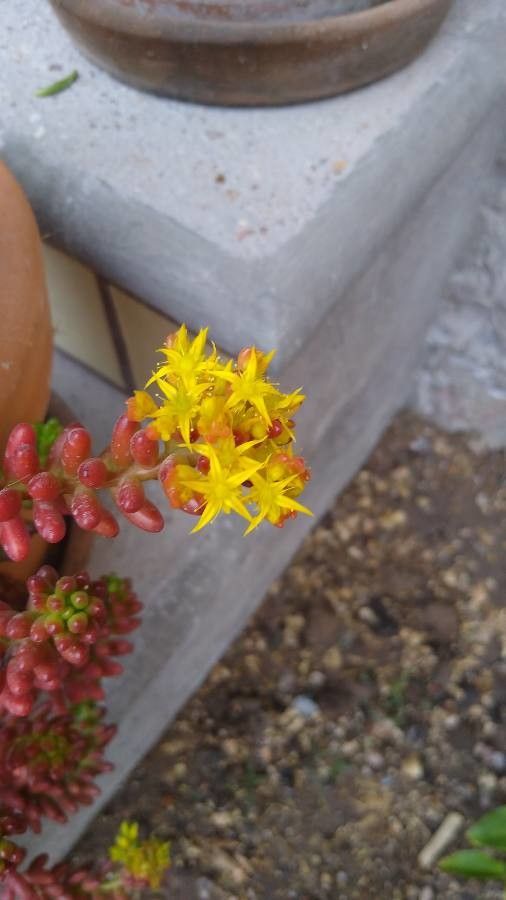
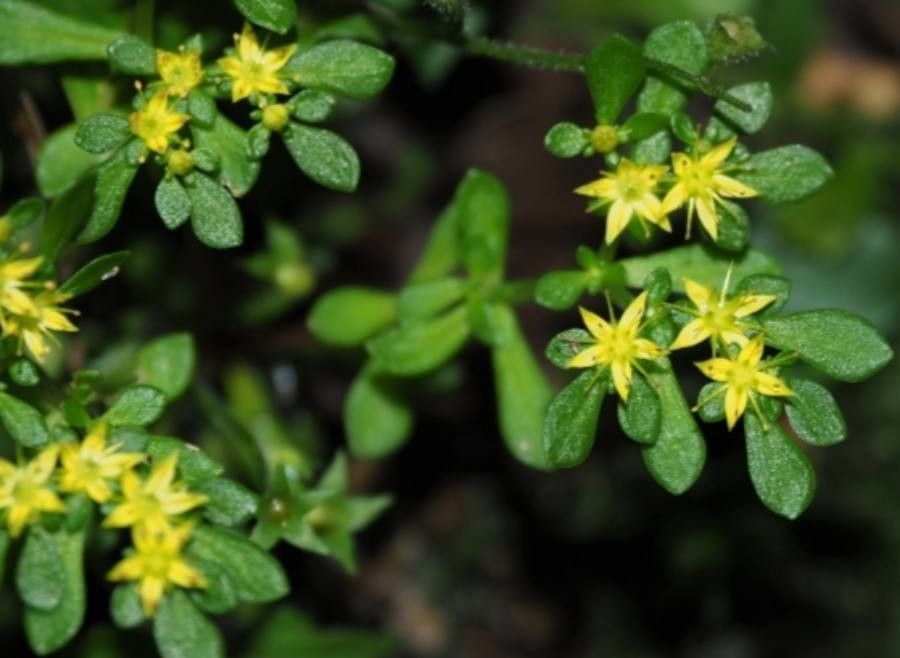
- Flower Color
- Yellow
- Flower Size
- 1.02 cm to 1.52 cm
- Bloom Time
- Mid spring, Late spring, Early summer
- Planting Time
- Spring, Autumn
- Harvest Time
- Mid summer
Other names.