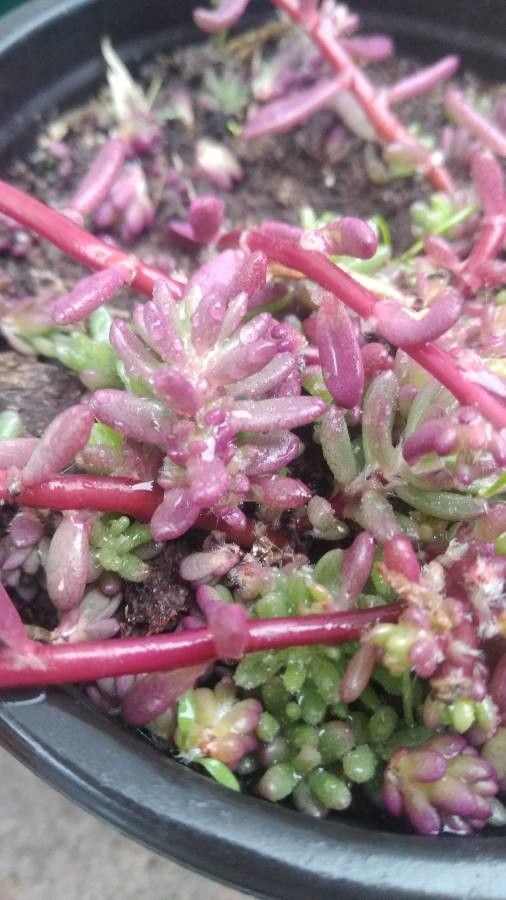
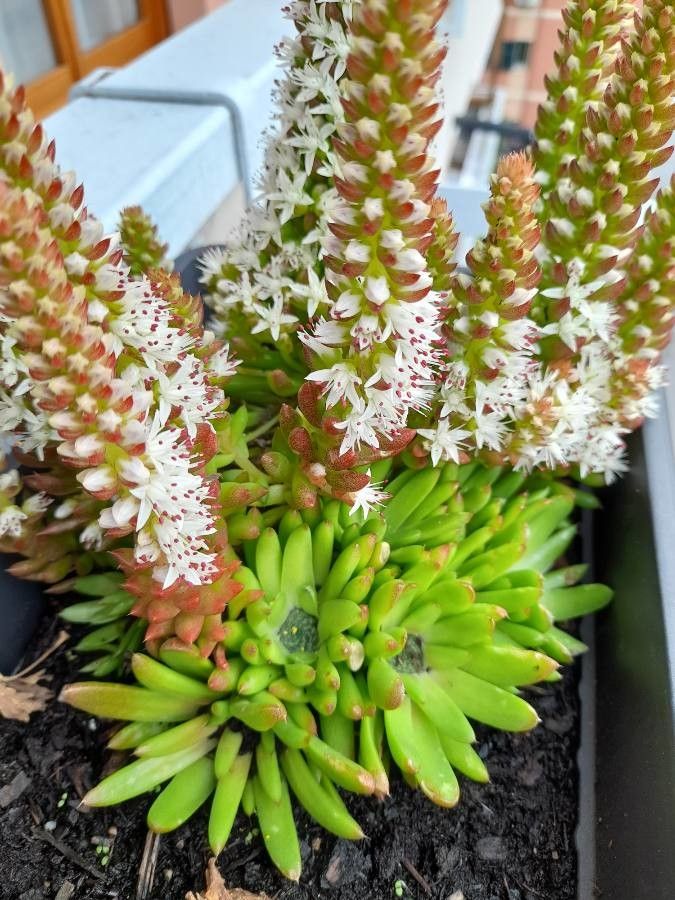
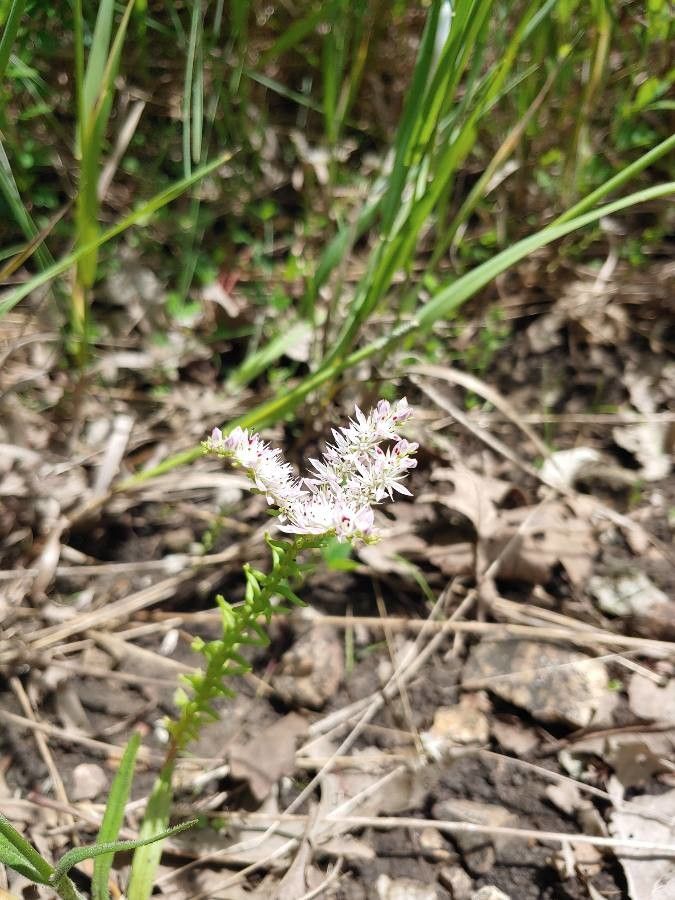
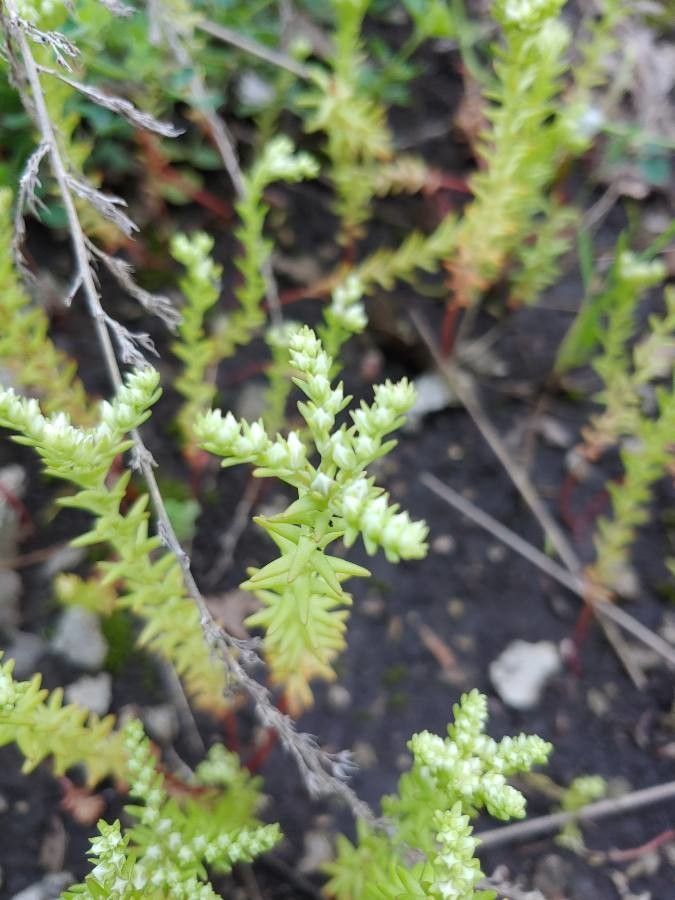
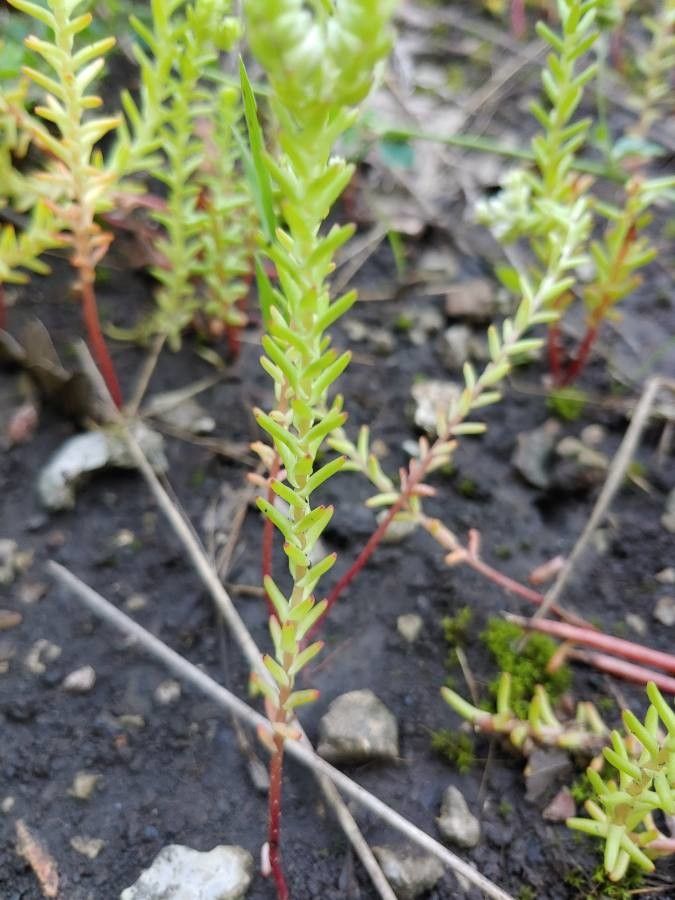
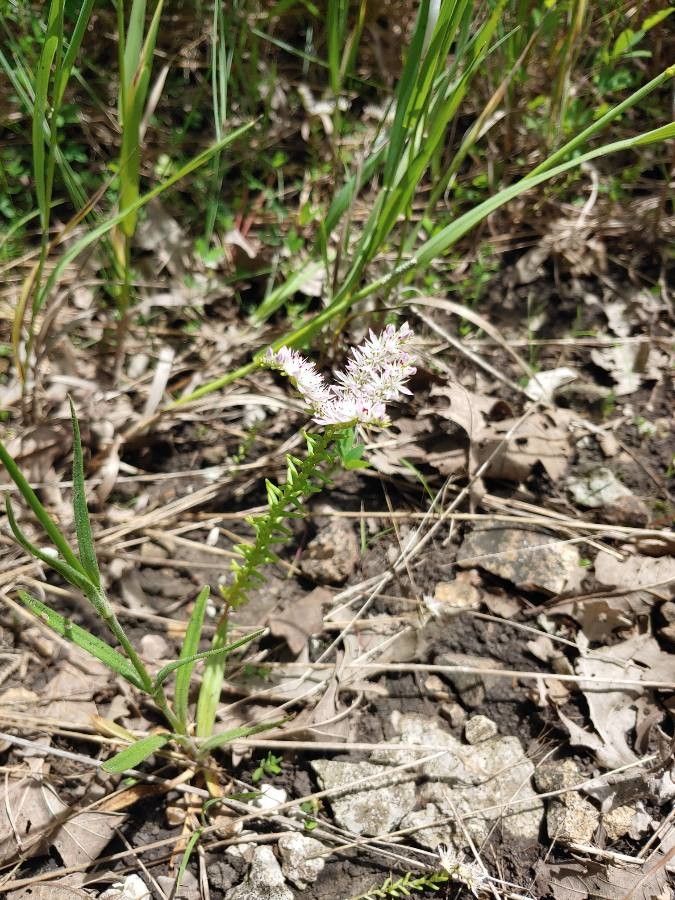
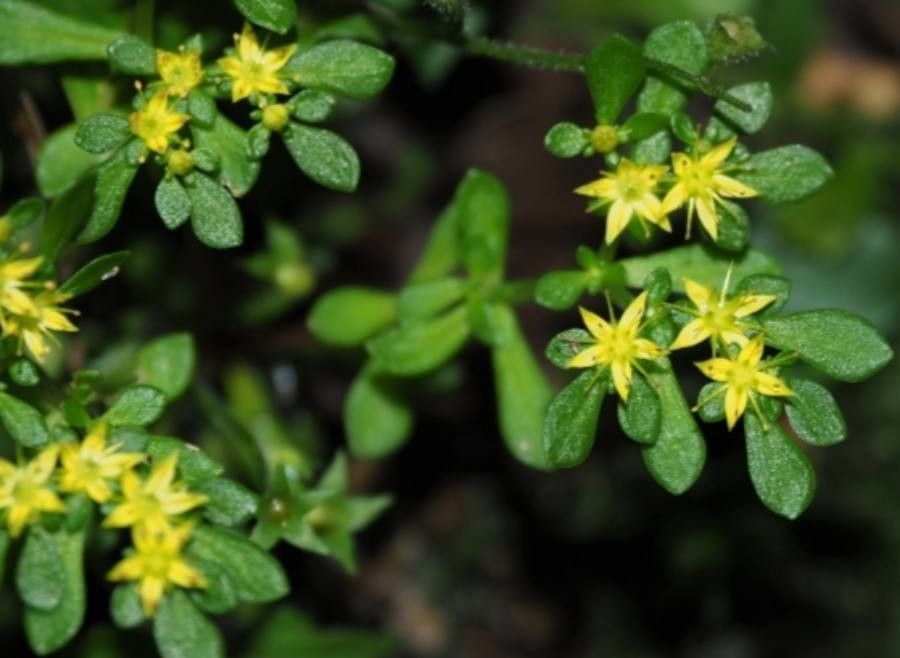
Sedum pulchellum, commonly known as Widow's Cross, is a low-growing succulent plant that belongs to the Crassulaceae family. Native to North America, it thrives in rocky areas, dry slopes, and open woods. This plant features small green leaves arranged in a rosette pattern, which can turn reddish-brown during the winter months. Its star-shaped flowers range in color from pink to white and bloom from late spring through early summer, attracting bees and butterflies.
Sedum pulchellum is an easy-to-grow plant that requires minimal care, making it an ideal choice for beginners or those with limited time for gardening. It prefers well-draining soil with moderate moisture levels but can tolerate drought conditions once established.
The plant has several medicinal uses, such as treating wounds, burns, insect bites, and stings, thanks to its anti-inflammatory properties. Additionally, it has been traditionally used by Native Americans as a remedy for stomach ailments.
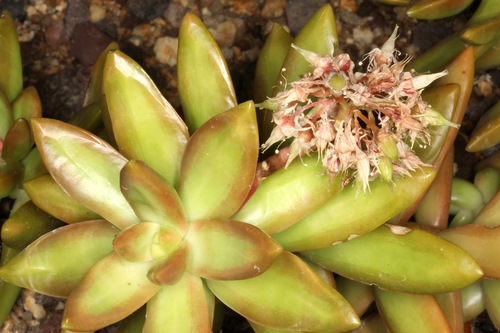
Golden sedum is a beautiful succulent with spoon-shaped leaves and a lotus-like form. Each leaf has a small tip at its end. The plant appears golden or yellow-green, making it instantly charming and delightful at first sight. FUN FACT · FROM THE LIBRARY
Overall, Sedum pulchellum is an attractive succulent with beautiful flowers that adds color to any garden while also providing medicinal benefits. It is a great addition for any gardener looking for low-maintenance plants with multiple advantages!
Widowscross has moderate disease resistance and is more sensitive to humidity. It becomes susceptible to disease when humidity is high and is prone to root rot during dormancy. In terms of care, Widowscross is drought tolerant but requires more water in the growing season. Watering should be drastically reduced or stopped entirely during the dormant period. Widowscross is suitable for growers with some experience, but it can be difficult to care for, particularly during dormancy. It is especially appropriate for people who can devote time to its care during the winter months.
How to keep Sedum Pulchellum.
Light
The widowscross performs best in full sunlight throughout the day but also tolerates partial illumination. Native to well-lit habitats, it encourages vigorous, healthy growth. Too little light can cause weaker development, and too much can lead to scorching, yet the plant remains hardy under various light conditions.
Water
Widowscross, a plant that originates from rocky outcrops, is exceptionally well-suited for drought conditions thanks to its water-storing succulent leaves. It thrives in well-draining soil and requires watering only every 2 to 3 weeks, making it an ideal choice for rock gardens and ground cover in temperate regions.
Temperature
Widowscross is a plant native to habitats suitable for temperate woody species, favoring milder conditions with a temperature range of 68 to 95 °F (20 to 35 ℃). Seasonal adjustments may be required to keep it within this preferred temperature range.
Fertilizer
For Widowscross, apply light fertilizer one to two times a year during the growing season. Avoid fertilizing in winter and summer, when the plant is dormant. Reduce fertilizer for repotted plants and wait a couple of months after repotting before feeding. Fertilizing promotes healthy growth and encourages blooms.
Pruning
To maintain the desired shape of a widowscross plant, it is essential to prune any redundant or dense branches during the spring and fall. To propagate the plant, cut a sturdy stem with 5-6 leaves and treat the wound with sulfur powder before planting. For optimal growth, ensure the soil remains slightly moist.
Pot & Repot
Repot your widow's cross in early summer when it is actively growing. While it doesn't need repotting often, refreshing the plant every two years is beneficial. Choose a shallow, wide container to mimic its natural growth pattern. After repotting, place the plant in bright light and water sparingly to prevent root rot and aid in recovery.
Botanical profile.
- Plant Type
- Herb
- Life Cycle
- Perennial, Annual, Biennial
- Genus
- Sedum
- Family
- Crassulaceae
- Hardiness Zone
- 6-9
- Mature Height
- 15 cm to 30 cm
- Mature Spread
- 46 cm
- Leaf Color
- Green
- Leaf Type
- Evergreen
- Flower Color
- Pink, White
- Flower Size
- 1.02 cm to 1.52 cm
- Bloom Time
- Mid spring, Late spring, Early summer
- Planting Time
- Spring, Summer, Autumn
- Harvest Time
- Summer
Other names.
Reader questions.
What do I do if I give my Widowscross plant too much water or too little water?
Widowscross is a type of succulent that can survive without water for long periods, so it is rare to find one suffering from underwatering. However, if you forget to water your plant for a month or more, you will likely notice it looking thirsty and damaged. The signs of underwatering are a lackluster and wrinkled appearance, with some plants drying up completely or turning brown and crispy. The soil will also be completely dried out. To remedy this, give your Widowscross plenty of water by submerging the pot in water for 5-10 minutes. Once the soil feels moist to the touch, the watering is done properly. On the other hand, overwatering is harmful to Widowscross and can be fatal if not addressed. Too much moisture over time can lead to root rot, which prevents the roots from absorbing nutrients and water. Root rot occurs when wet conditions allow fungi and bacteria to thrive and feed on the roots. The symptoms of overwatering include yellow, swollen, and translucent organs that may burst from excess water. If left untreated, the plant may turn brown or black and easily fall off. It's important to check the soil to confirm if overwatering is the issue, as other problems can cause similar symptoms. Saving an overwatered plant can be challenging, but catching it early is key. If the roots have become rotten, it may be difficult to save the entire plant. To start, remove the plant from its pot and inspect the roots and soil. Gently remove wet soil and rinse the roots in room-temperature water to remove any fungus. If the roots appear dark brown or black, soft, mushy, or slimy, they have likely developed root rot. In this case, it is best to remove any healthy stems and attempt to propagate a new Widowscross. However, if only a portion of the roots are affected, there is a chance to save the plant. Remove any unhealthy-looking roots with a sterilized cutting tool and dip the remaining healthy roots in a fungicide. Repot the Widowscross in fresh, well-draining potting soil. While this may not always work, in most cases the plant will recover and produce new growth in the next growing season.
Why should I put plant food on my Widowscross?
Adding fertilizer to Widowscross provides nutrients to the growing medium. While it does retain water and nutrients, applying plant food throughout the growing season promotes healthy growth. Additionally, fertilizing can stimulate blooming in mature plants during the growing season.
What are the sunlight requirements for Widowscross?
Widowscross requires full sunlight for more than 6 hours a day to thrive but can also manage well with partial sunlight, approximately 3-6 hours. It's crucial to observe how sunlight moves through your garden to find spots that ensure a balance of light and shade, which is vital for the plant's growth. Underexposure can lead to weaker development, while overexposure might result in scorching. Nevertheless, Widowscross is resilient and can generally withstand diverse lighting conditions.
What is Widowscross and where does it thrive?
Widowscross, botanically known as Sedum pulchellum, is a plant native to environments favorable to temperate woody species. It thrives in balmy conditions with a temperature range of 68 to 95 °F (20 to 35 °C), preferring settings conducive to heat-loving plants. To ensure the plant remains within its ideal temperature scope, seasonal adaptations may be necessary, including moving it indoors during winter to avoid temperatures below 0°C.
How often should I water my Widowscross plant?
Determining how often to water Widowscross does not have a strict rule. The best approach is to check the soil's dryness before watering. You can check the soil by inserting your finger into the pot or using a moisture meter to assess the moisture below the surface. If you plant Widowscross in a deep pot, you can use a stick or chopstick to do the same. If the soil feels slightly damp, it is advised to wait a few days and check again. Typically, most people find that watering Widowscross approximately every two weeks in summer and once a month in winter is sufficient. However, there are various factors that can influence the frequency of watering. The following section outlines some considerations to help you determine how often to water.
When should I fertilize my Widowscross plant to make it grow best?
Widowscross plants thrive with a gentle amount of fertilizer applied 1-2 times per year during their growing season. To ensure optimal growth, it is recommended to fertilize in the spring and autumn, while avoiding winter and summer when the plant is dormant. Take caution when fertilizing repotted plants as the amount should be reduced. It is advisable to wait a few months after repotting before starting to apply fertilizer.
How does artificial lighting benefit indoor Widowscross plants?
When natural sunlight is insufficient, especially during winter or in less sunny spaces, artificial lighting becomes essential for the growth of indoor Widowscross plants. These lights can promote faster, healthier growth by providing the necessary wavelengths. LED lights are recommended due to their efficiency and customizability for specific plant needs. Full sun plants require 30-50W/sq ft, partial sun plants need 20-30W/sq ft, and full shade plants need 10-20W/sq ft of artificial light. The light source should be placed 12-36 inches above the plant to mimic natural sunlight properly, and plants generally need 8-12 hours of light per day.
How should Widowscross be cared for during colder temperatures?
During the colder months, when the outdoor temperature drops below 0°C, Widowscross should be moved indoors to continue its cultivation in a warm environment. It's best placed near a south-facing window to maximize sunlight exposure, and if natural light is insufficient, supplemental lighting can be employed. As the plant's growth slows when temperatures fall below 20°C, watering should be reduced or stopped to prevent root rot. For outdoor plants, watering should be completely halted during low temperatures. Additionally, setting up a temporary greenhouse or using materials like plastic film or fabric for insulation can help protect the plant.
What should I think about when I water my Widowscross?
When watering your Widowscross plant, there are a few factors to consider: the size of the container, the type of soil, the temperature, and the humidity. The container and soil used will determine how often and how much water to use. It's important to use a container with drainage holes so that excess water can escape. A smaller container will hold less moisture and require more frequent watering, while a larger pot will retain water for longer periods and need less frequent watering. Avoid using an oversized pot, as this can lead to overwatering. When repotting, choose a container that is one size larger than the current one and opt for a shallow container, as Widowscross has shallow root systems. Watering frequency also depends on the season. During winter, when growth is slow and evaporation is reduced, watering should be done less often. In contrast, in the active growing seasons of spring and autumn, more frequent watering is needed. The climate of your location also affects watering needs. In humid and rainy areas, watering can be done less frequently compared to dry and arid climates. Keep in mind that the same geographic location can have varying conditions depending on the season and indoor heating or air conditioning usage. For outdoor planting, once the Widowscross has established a root system, supplemental watering should not be needed unless there is an extended dry period. In areas where Widowscross can only be grown in a container, it can be moved outside during suitable temperatures in spring and summer and brought back indoors when temperatures start to drop. Keep in mind that potted Widowscross plants kept outdoor will generally require more water due to increased sun exposure, even on a shaded porch.
When is it not a good time to add fertilizer to my Widowscross plant?
Widowscross, like other plants, goes through a dormancy period where it stops growing. During this time, it is best to avoid applying fertilizer. This applies to both summer and winter when the plant is not actively growing. Additionally, it is a good idea to hold off on fertilizing for a few months after repotting in the spring.
What are the symptoms of light deficiency or overexposure in Widowscross?
Symptoms of light deficiency in Widowscross include smaller new leaves, leggy or sparse growth, accelerated leaf drop, delayed or halted growth, paler new leaves, and symptoms of chlorosis where leaves turn yellow due to a lack of chlorophyll. Overexposure can lead to sunscald, leaf curling as a defense mechanism, wilting due to increased water loss, and leaf scorching, characterized by brown, dry edges on leaves. Observing these symptoms can indicate whether the plant is receiving too little or too much sunlight.
What are the signs of low temperature distress in Widowscross and how can it be treated?
Widowscross is not tolerant of low temperatures and shows signs of distress when exposed to conditions below its preferred temperature range. If temperatures fall below -25°C, the plant may become weak, wilt, and be prone to root rot. After mild frost damage, initial symptoms might not be apparent, but the plant will gradually wither within a week. The treatment involves trimming off frostbitten areas and checking for root rot. If the roots are rotted, they need to be removed, and the plant can be propagated through cuttings. Bringing the plant indoors to a warm environment and placing it near a south-facing window—or using supplemental lighting if natural light is insufficient—can aid in recovery.