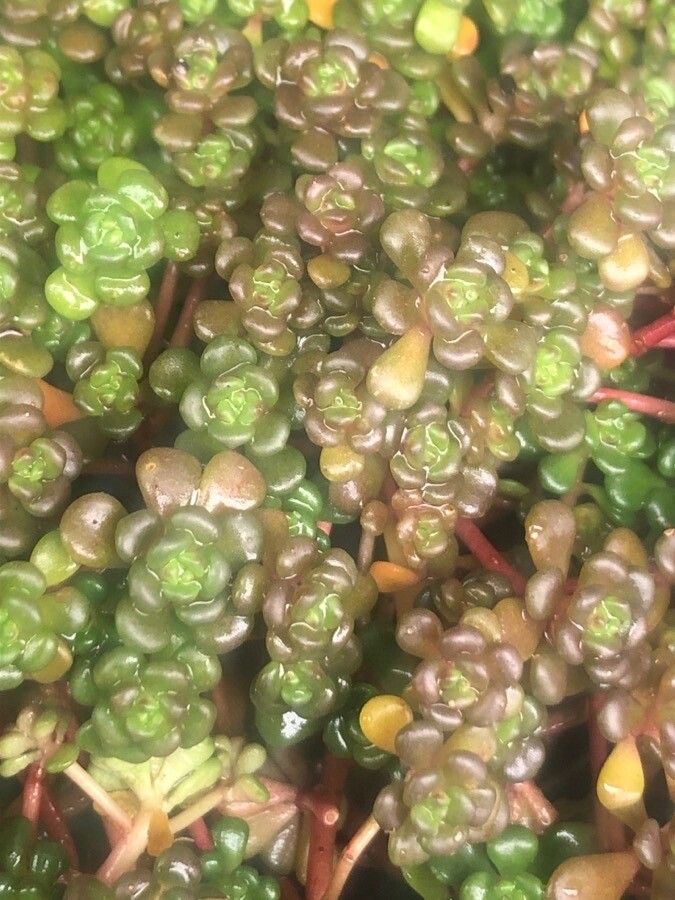
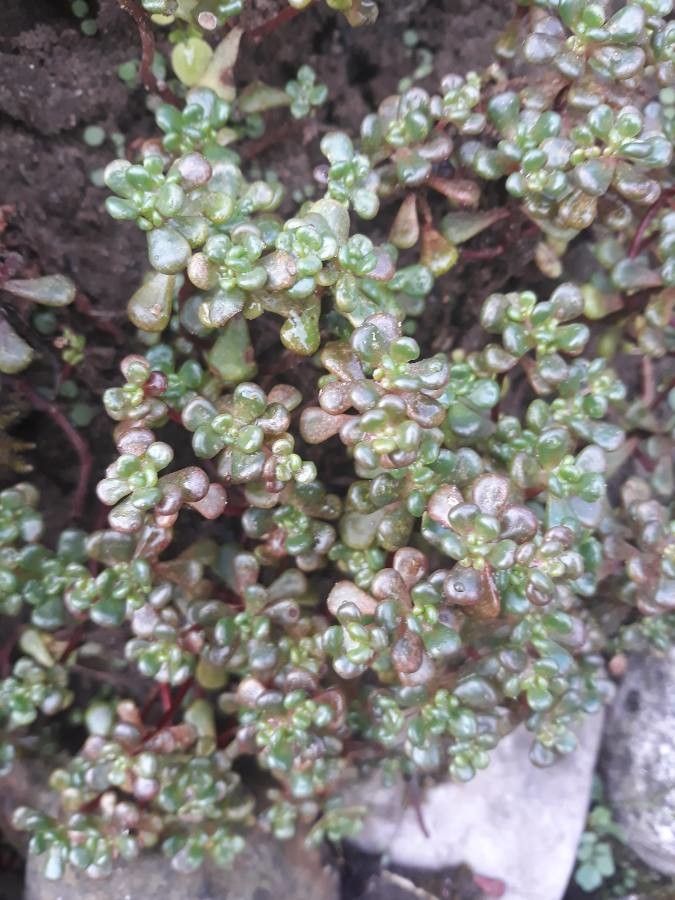
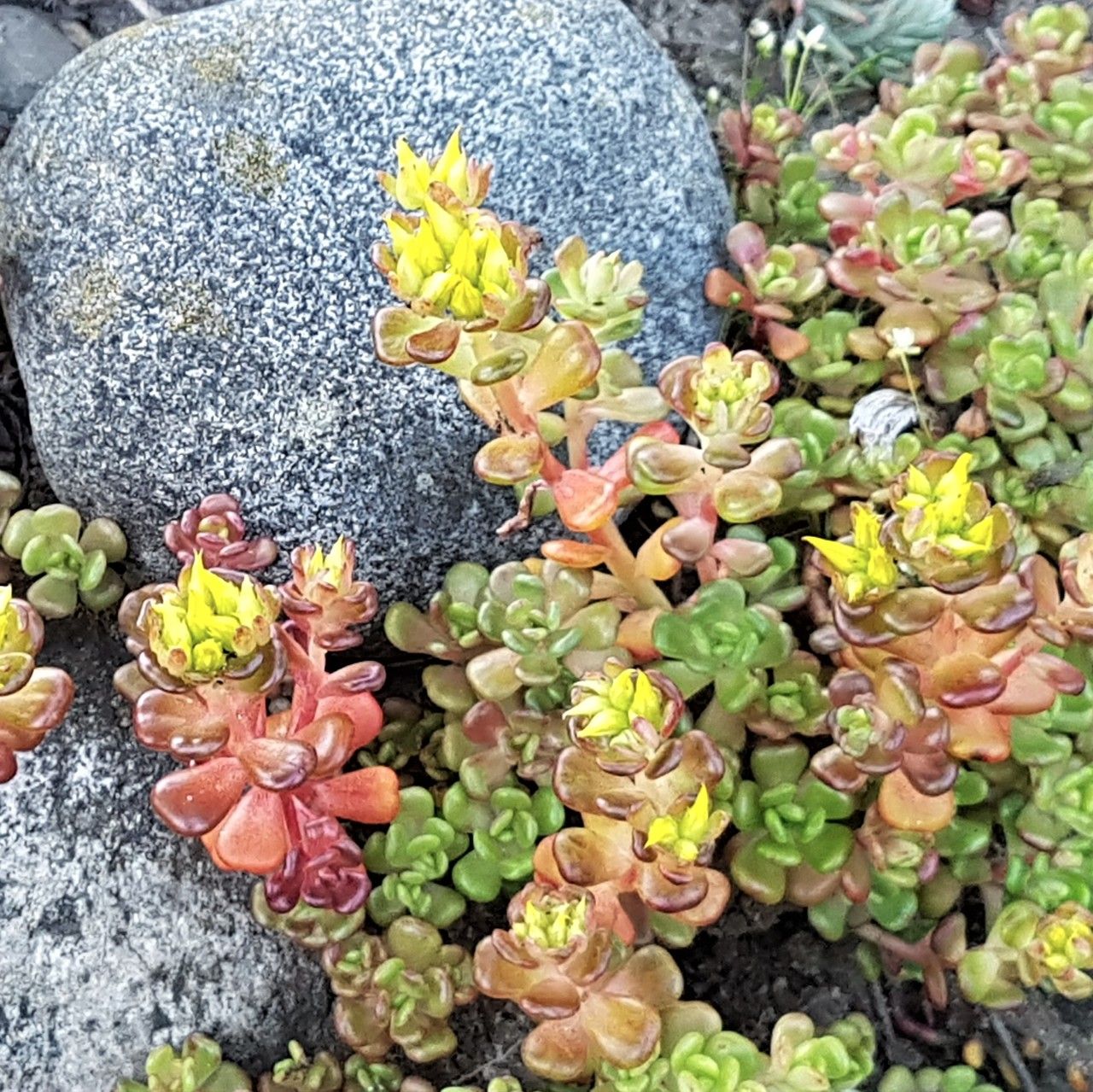
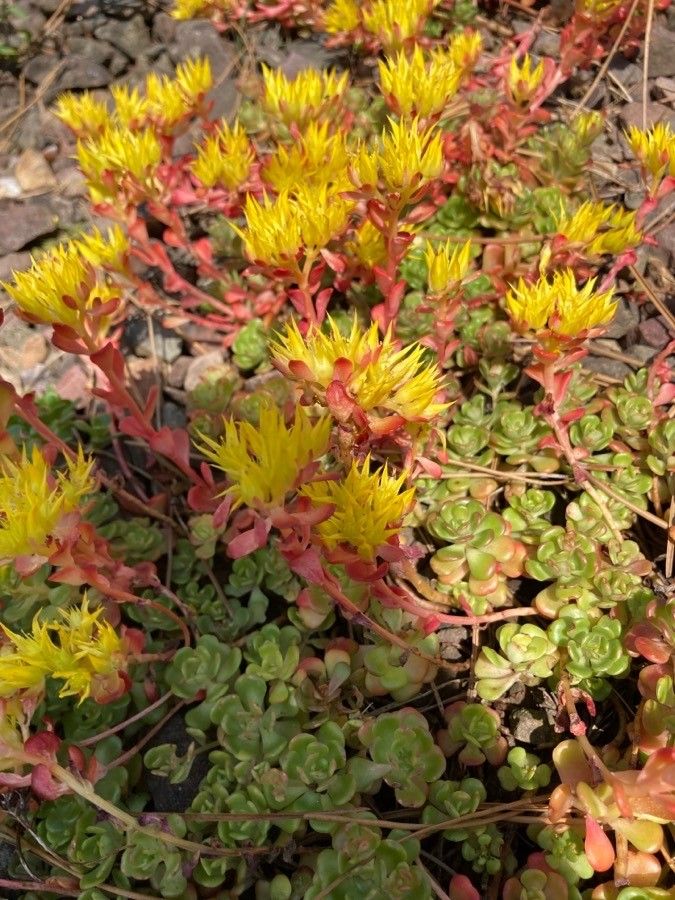
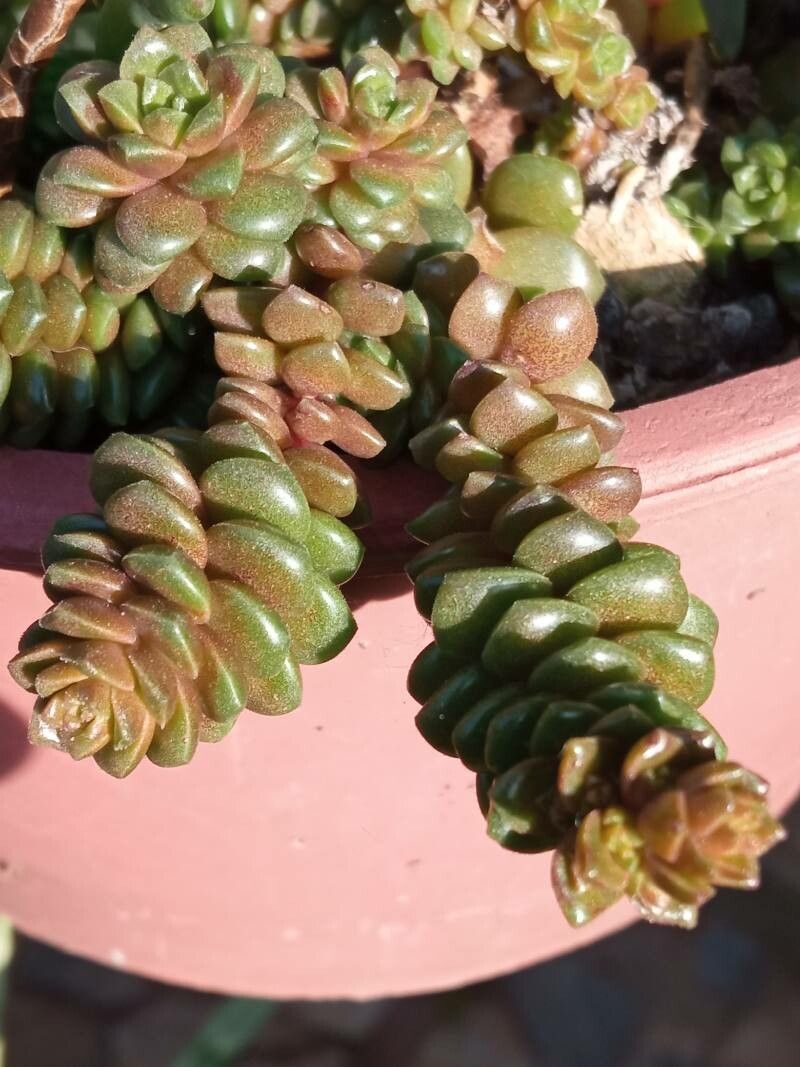
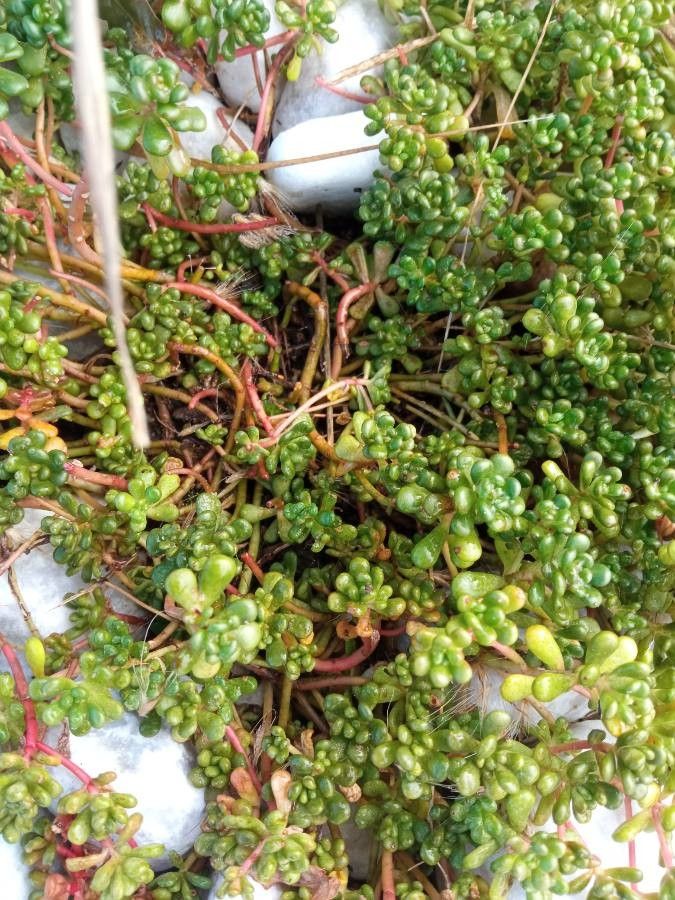
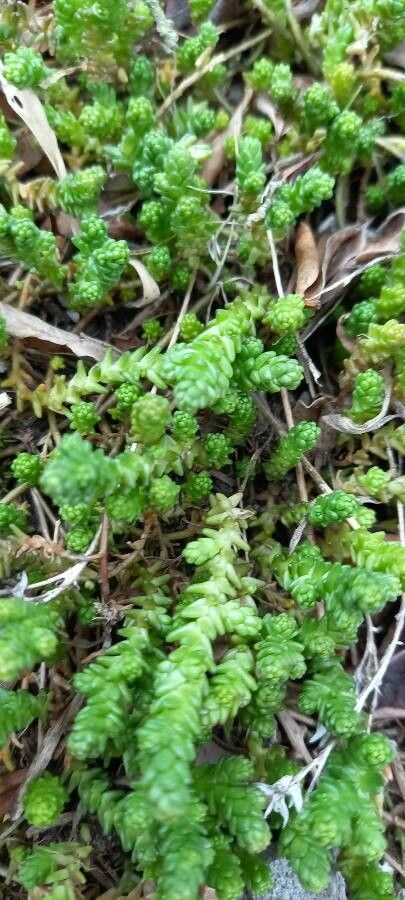
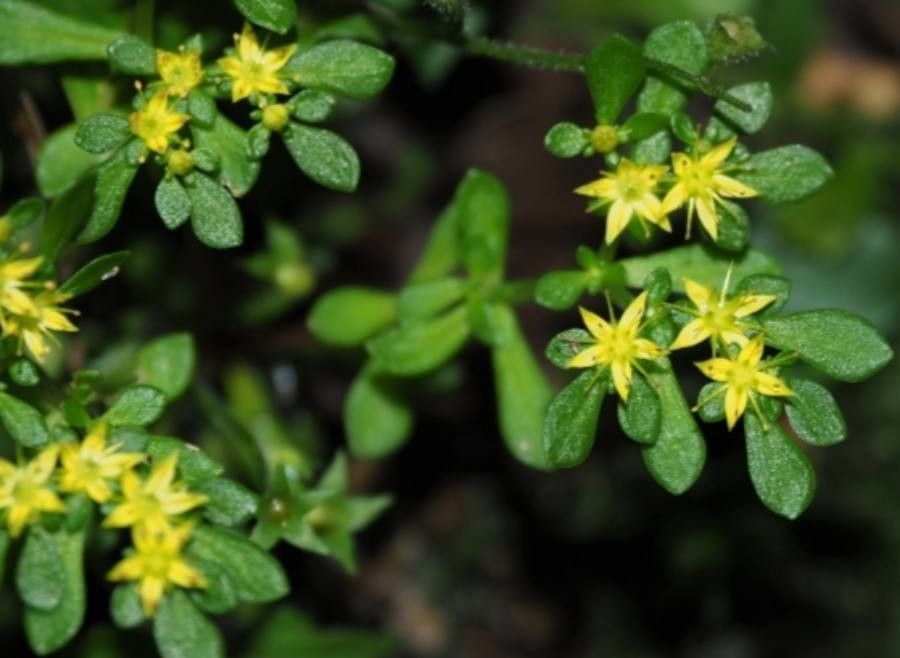
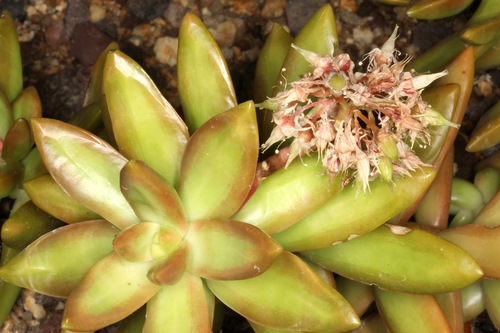
Sedum oreganum, commonly known as Oregon stonecrop, is a succulent plant native to western North America. This low-growing perennial typically reaches a height of 10-15 cm and spreads up to 30 cm wide. The plant features fleshy, blue-green leaves arranged in rosettes, which produce small clusters of star-shaped flowers in pink or white during the summer months. Oregon stonecrop thrives in well-drained soil and full sun but can also tolerate partial shade. It is highly drought-tolerant and can survive in harsh conditions, such as rocky slopes or dry meadows. Traditionally, the plant has been used for its medicinal properties to treat various ailments, including wounds, burns, and stomach problems. Due to its low maintenance requirements and attractive year-round appearance, Sedum oreganum is an excellent choice for rock gardens or container gardens.
Oregon stonecrop has moderate disease resistance and is more sensitive to humidity. It becomes vulnerable to disease when humidity is high and is prone to root rot during dormancy. Regarding care, Oregon stonecrop tolerates drought but requires increased watering in the growing season. Watering should be greatly reduced or stopped entirely during the dormant period. Oregon stonecrop is appropriate for growers with some experience, though it can be challenging to care for, particularly during dormancy. It is especially suitable for people who can dedicate time to its care during the winter months.
How to keep Sedum Oreganum.
Light
Oregon stonecrop needs plenty of sunlight to grow well, though it can tolerate lower light levels. Native to sunny habitats, both insufficient and excessive light can impede its growth, causing paler foliage in low light or burn-like spots on the leaves in too much light.
Water
Oregon stonecrop, native to the rocky outcrops of North America, is well-known for its remarkable drought tolerance. It thrives with minimal moisture, needing watering only once every 2-3 weeks, and prefers well-draining soil. Often cultivated in outdoor rock gardens, Oregon stonecrop benefits from its ability to store water in its leaves.
Temperature
Oregon stonecrop originates from habitats with temperatures between 41 and 95 °F (5 to 35 ℃). This reflects its preference for moderate climates. Seasonal temperature adjustments should be made only if temperatures fall outside that range.
Fertilizer
Oregon stonecrop only needs light fertilizer applications 1-2 times a year during the growing season. Do not fertilize in winter or summer when the plant is dormant. Use less fertilizer for plants that have been repotted and wait a couple of months after repotting before applying fertilizer. Fertilizing helps maintain healthy growth and encourages blooms.
Pruning
To keep your Oregon stonecrop looking its best, prune any overcrowded or unnecessary branches in the spring and fall. For propagation, select a sturdy stem with 5-6 leaves, apply sulfur powder to the cut end, and allow it to heal before planting. Make sure the soil remains slightly moist to promote optimal growth.
Pot & Repot
To maintain the health and vitality of your Oregon stonecrop, repot it every two years during the spring. Choose a shallow container with good drainage. Place the plant in bright, indirect light, and water it lightly only after the soil has dried out. Using these practices will help ensure your plant thrives.
Toxicity
Even though the Oregon stonecrop is not dangerous, eating it in large numbers might produce an upset stomach. Grow with care around pets and children.
Further reading →
The toxicity and danger assessments provided are for reference only. We do not assure their accuracy, so it's crucial not to depend on them. Seek professional advice when necessary for accurate guidance.
Botanical profile.
- Plant Type
- Herb
- Life Cycle
- Perennial
- Genus
- Sedum
- Family
- Crassulaceae
- Hardiness Zone
- 5-9
- Mature Height
- 8 cm to 15 cm
- Mature Spread
- 20 cm
- Leaf Color
- Green, Red, Bronze
- Leaf Type
- Evergreen
- Flower Color
- Yellow, Gold
- Flower Size
- 1.02 cm to 1.52 cm
- Bloom Time
- Early summer, Mid summer
- Planting Time
- Spring
- Harvest Time
- Late summer, Early fall
Other names.
Reader questions.
What should I do if I give my Oregon stonecrop too much water or not enough water?
Oregon stonecrop and other succulents are resilient to long periods without water, so it's unusual to find them suffering from underwatering. However, if you neglect to water your Oregon stonecrop for a month or more, you'll likely see signs of thirst and damage, such as a lackluster and wrinkled appearance or dropped leaves. In this case, it's important to thoroughly water the plant, submerging the pot in water for 5-10 minutes until you feel moisture on the soil's surface. Conversely, overwatering can be fatal to your Oregon stonecrop due to root rot caused by excessive moisture. Symptoms of overwatering include yellow, swollen, and translucent organs that may burst open. If left untreated, the plant may turn brown or black and lose its leaves easily. To address overwatering, adjust the growing conditions by increasing air ventilation and reducing watering frequency. Saving an overwatered plant is possible but challenging. Early detection is key to minimizing damage. If root rot has set in, the entire plant may die. To assess the roots and soil, carefully remove the plant from its pot and cleanse the roots with room-temperature water. Dark brown or black, soft, mushy, or slimy roots indicate root rot. If most roots are affected, it may be best to propagate a new plant using healthy stems. However, if only some roots are affected, there is a chance of saving the plant. Remove any unhealthy-looking roots with a sterilized cutting tool. Dip the remaining firm, pale roots in a fungicide to eliminate spores before repotting the Oregon stonecrop in fresh, well-draining soil. While this method may not always save a succulent with root rot, it often allows the plant to fully recover and produce new growth in the following growing season.
Why should I add fertilizer to my Oregon stonecrop?
Oregon stonecrop benefits from fertilization as it adds nutrients to the growing medium. Despite its ability to store water and nutrients, applying plant food during the growing season promotes healthy growth. Additionally, fertilizing can stimulate mature specimens to produce blooms.
What are the sun requirements for Oregon Stonecrop?
Oregon Stonecrop thrives best in conditions where it can receive abundant sunlight. It is ideal for the plant to be in full sun, which means it should get above 6 hours of sunlight daily, though it can also tolerate partial sun, indicating about 3-6 hours of sunlight. It's crucial to monitor the sunlight's movement through your garden to find locations that offer a good mix of light and shade, ensuring optimal growth and happiness of your Oregon Stonecrop.
What is the native climate range for Oregon stonecrop?
Oregon stonecrop is native to environments where temperatures range from 41 to 95 °F (5 to 35 °C), indicating its preference for moderate climates. This range should be maintained, with adjustments only necessary when temperatures fall outside of these boundaries. In its natural habitat, Oregon stonecrop thrives in heat and enters a dormant state in winter, requiring specific care to manage temperatures that drop significantly.
How frequent should I water my Oregon stonecrop?
Determining the proper watering frequency for Oregon stonecrop doesn't have a fixed rule. It is best to check the soil's moisture level and only water when it is completely dry. You can test this by either inserting your finger or using a moisture meter to check the soil beneath the surface. If you are using a deep pot, you can use a stick or chopstick to do this. If the soil feels even slightly damp, it is recommended to wait a few days and check again. Generally, in summer, most people will need to water Oregon stonecrop approximately every two weeks, and once a month in winter. However, there are various factors to consider that can affect the frequency of watering. Some of these factors are listed below to help determine how often to water.
When should I fertilize my Oregon stonecrop?
Oregon stonecrop requires a small amount of fertilizer during the growing season, about 1-2 times a year. It is best to fertilize in the spring and autumn, avoiding the winter and summer when it is dormant. If you have recently repotted your Oregon stonecrop, be cautious with the amount of fertilizer and consider waiting a few months before applying any.
What essentials should be considered for Oregon Stonecrop's growth?
The Oregon Stonecrop requires abundant exposure to sunlight for healthy growth, although it can withstand less solar radiance. Originating from sunny environments, this plant may struggle with either too little or too much light, which could result in paler foliage or burnt lesions on leaves, respectively. For indoor plants lacking natural light, especially in winter or shaded spaces, artificial lighting serves as an essential alternative. LED lights are recommended for providing the specific wavelengths needed by the plant, with full sun plants requiring 30-50W/sq ft, partial sun plants 20-30W/sq ft, and full shade plants 10-20W/sq ft of artificial light. The lighting should be positioned 12-36 inches above the plant for 8-12 hours a day to emulate natural sunlight conditions.
How should Oregon stonecrop be cared for in winter?
During winter, when outdoor temperatures fall below -20°C, Oregon stonecrop should be moved indoors to continue its cultivation. It is best placed near a south-facing window to ensure it receives as much sunlight as possible. If natural light is insufficient, supplemental lighting can be used. As the plant's growth slows down at temperatures below 5°C, watering should be reduced or stopped to prevent root rot. For those grown outdoors, watering should be halted during low temperatures, and if possible, a temporary greenhouse setup or insulating materials like plastic film or fabric can be used for protection.
What do I need to think about when watering my Oregon stonecrop?
To determine how to properly water your Oregon stonecrop, consider several environmental factors. These include the size of the container, type of soil, temperature, and humidity. The container and soil used will determine the frequency and amount of water needed. Ensure the container has adequate drainage holes so excess water can escape. A smaller container will hold less moisture, while a larger pot will retain water longer and require less frequent watering. Avoid using an oversized pot, as this can result in overwatering. When repotting, choose a container only one size larger than the current one. Shallow containers are preferable, as Oregon stonecrop has shallow roots. The watering needs of Oregon stonecrop will vary depending on the season. Less water is required in winter when growth slows down and energy consumption decreases. The soil retains moisture longer during cooler winter months. The local climate also plays a role. In humid areas with frequent rainfall, less frequent watering is necessary compared to dry, arid climates. Keep in mind that conditions can vary within the same geographic location due to seasonal changes and indoor heating or air conditioning. If Oregon stonecrop is planted in the ground, it generally doesn't need additional watering once the root system is established. However, during long dry periods, occasional watering may be required. In areas where Oregon stonecrop can only be grown in containers, it can be moved outdoors during suitable spring and summer temperatures and brought back indoors when temperatures drop. Potted Oregon stonecrop kept outside will typically need more water due to increased sun exposure, even in shaded areas.
When is it not a good idea to add fertilizer to my Oregon stonecrop?
Oregon stonecrop, like many other plants, goes through a dormancy period. During this time, it is recommended to stop applying fertilizer. The plant stops growing in both summer and winter, making these seasons ideal for withholding fertilizer. Additionally, it is advisable to refrain from fertilizing for a couple of months after repotting in the spring.
What are common symptoms of inadequate lighting in Oregon Stonecrop?
Oregon Stonecrop may show various symptoms when exposed to suboptimal lighting, including smaller new leaves, leggy or sparse growth, faster leaf drop, slower or no new growth, and lighter-colored new leaves. Additionally, chlorosis, or the yellowing of leaves due to chlorophyll breakdown from excessive sunlight, along with sunscald, leaf curling, wilting, and leaf scorching can occur. These symptoms indicate the plant's struggle with either insufficient or excessive light exposure, impacting its ability to photosynthesize and maintain overall health.
What are the symptoms and solutions for Oregon stonecrop in low temperatures?
Oregon stonecrop is susceptible to damage at temperatures below 5°C and should be kept above -20°C during winter. If temperatures fall below -25°C, the plant may weaken, wilt, and become prone to root rot. With mild frost damage, symptoms might not appear initially, but the plant could wither after a week. Solutions include trimming frostbitten areas, checking for and removing rotten roots, and possibly propagating through cuttings. Moving the plant to a warm, well-lit indoor environment near a south-facing window, with supplemental lighting if necessary, is critical for recovery.