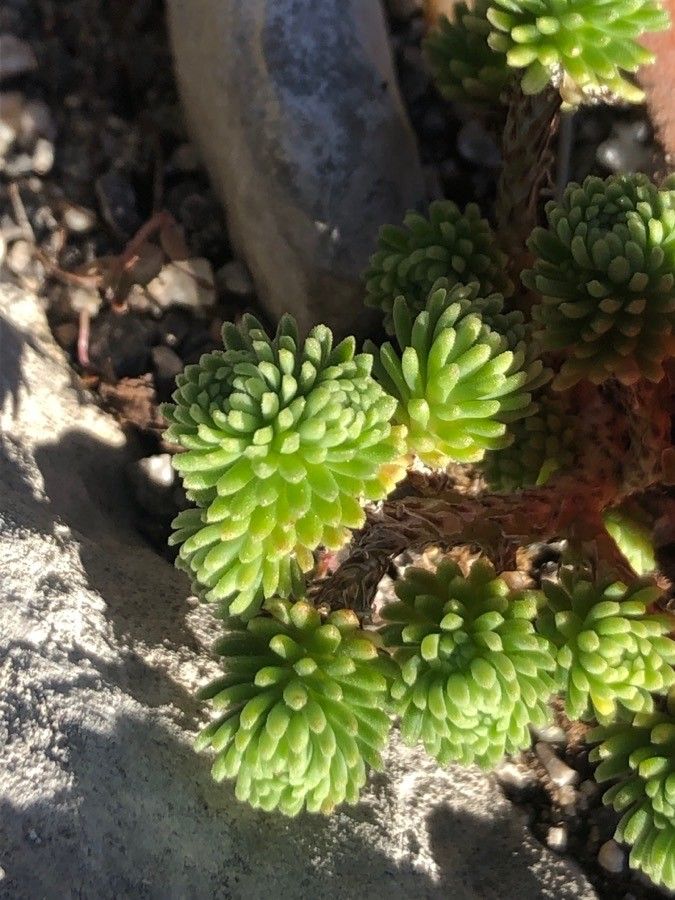
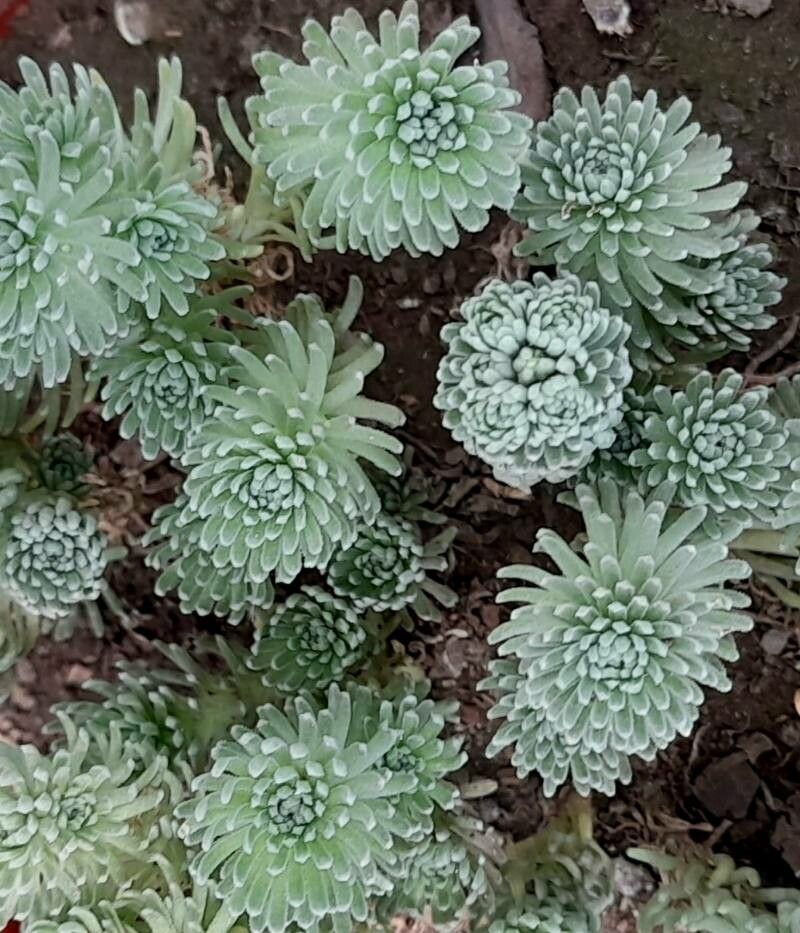
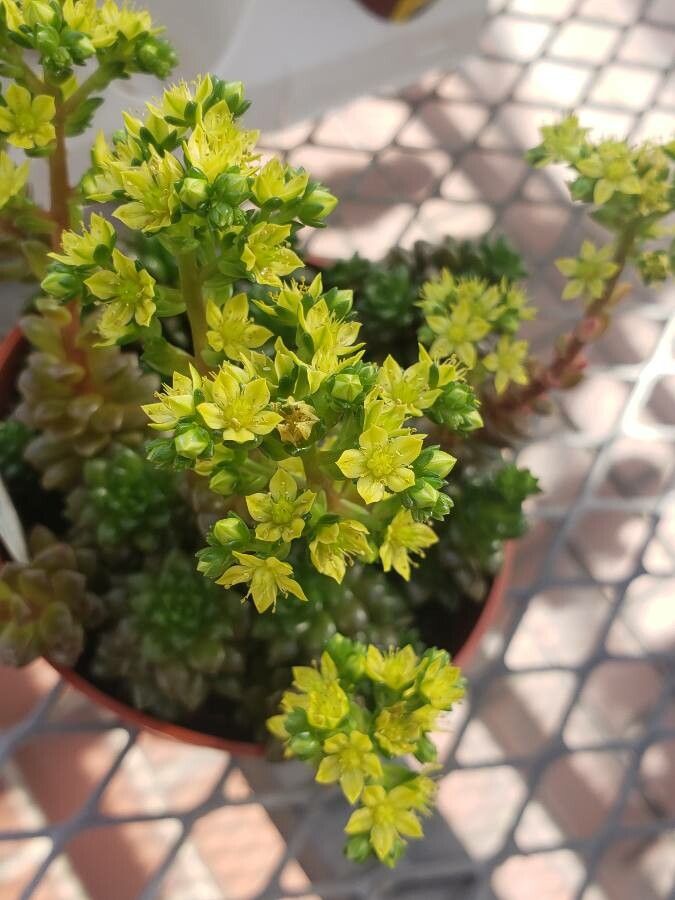
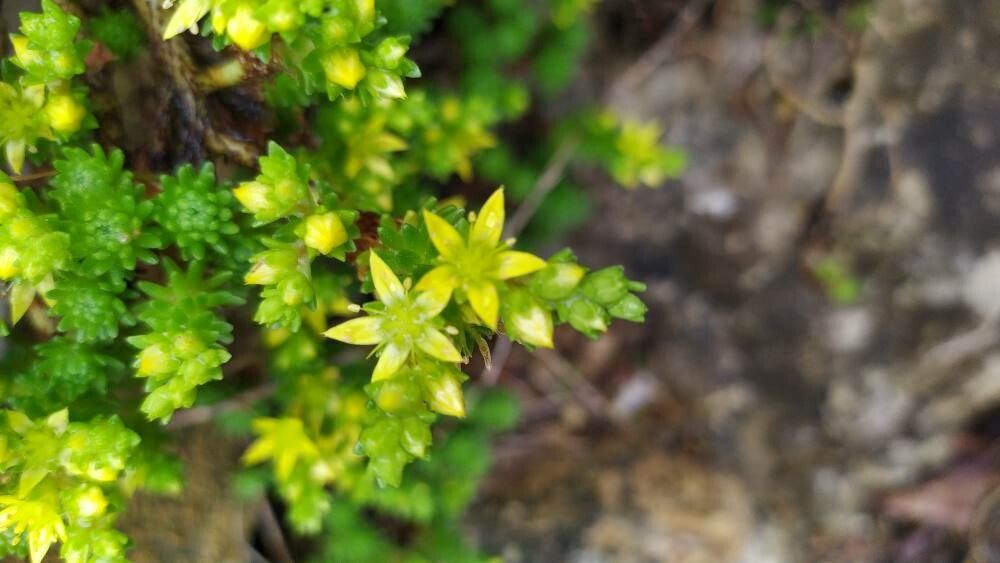
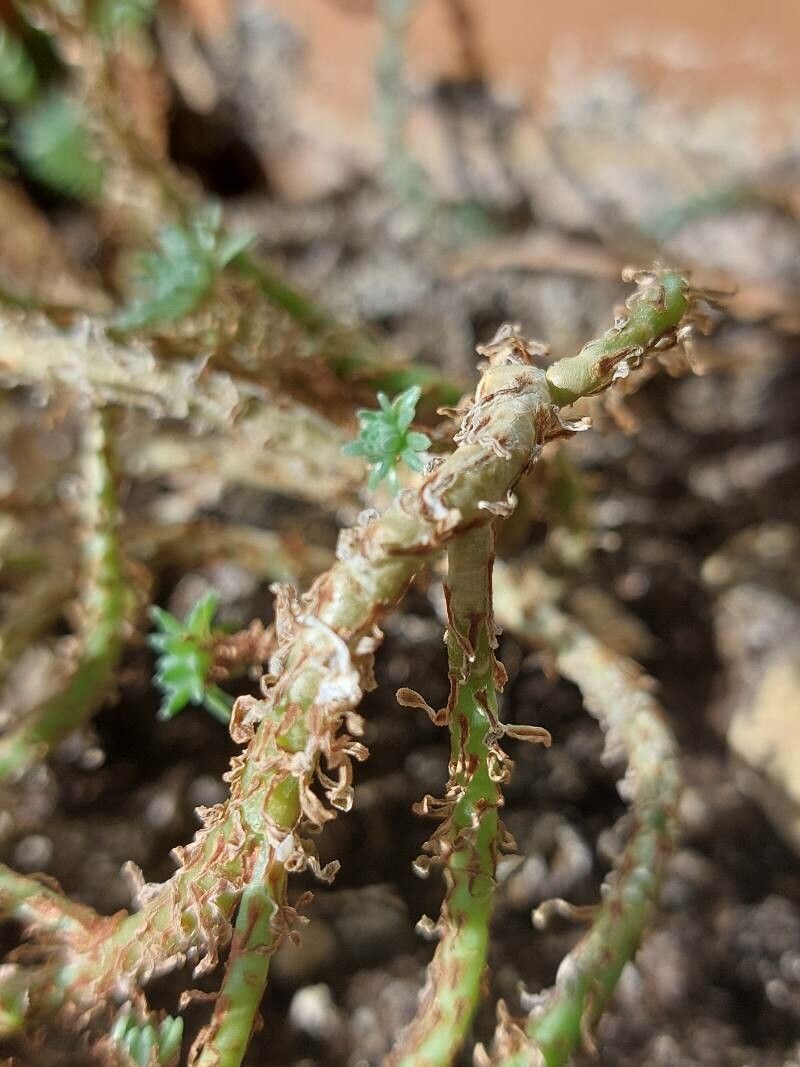
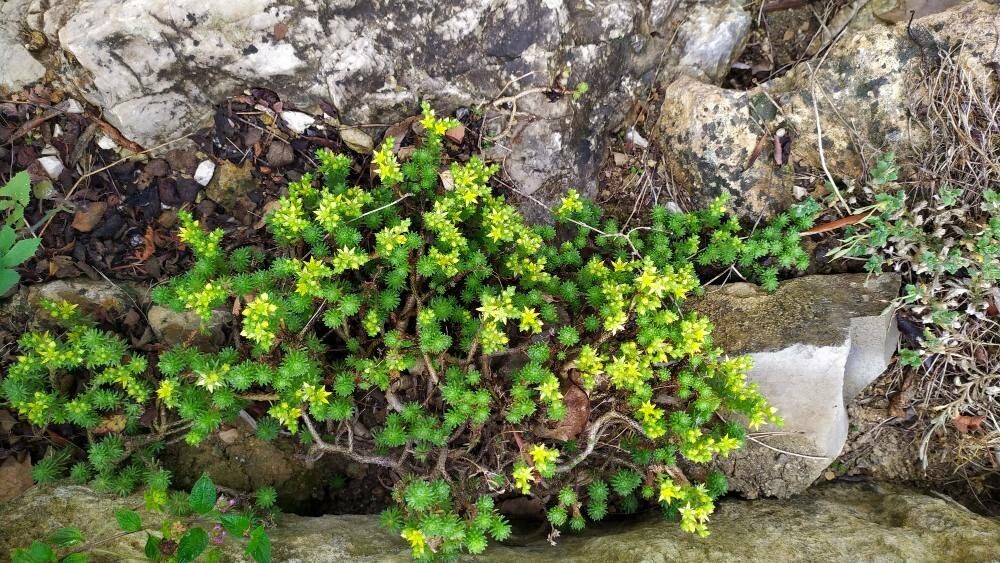
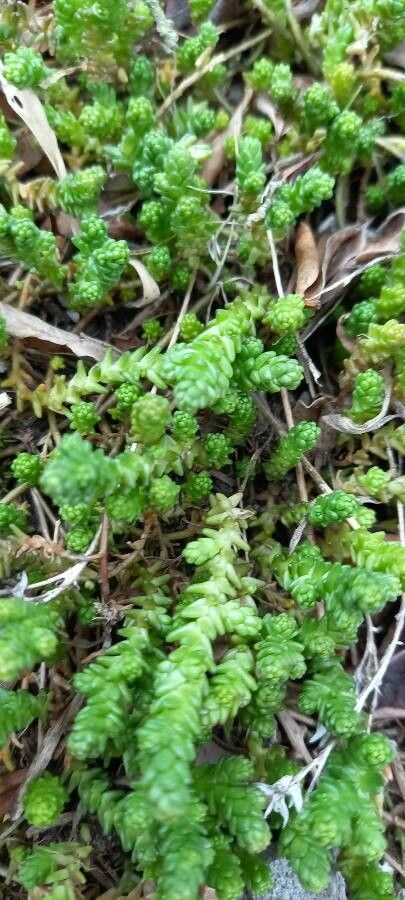
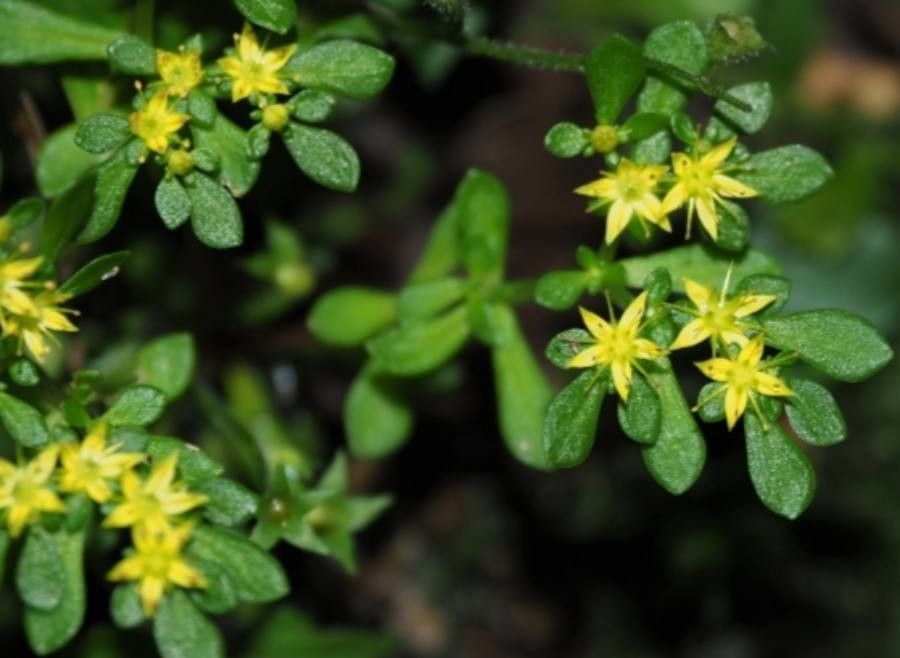
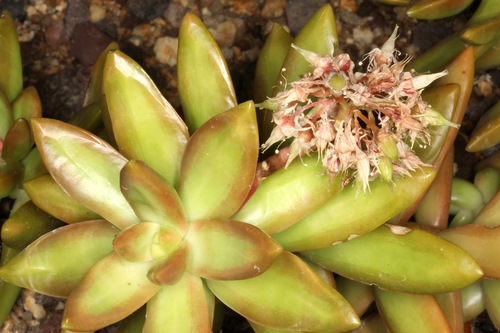
Sedum multiceps, also known as miniature/pygmy Joshua tree, is a perennial, deciduous species of Sedum from the succulent plant family Crassulaceae, native to Algeria. The plant is nicknamed for its glaucous leaves that grow in clusters, resembling Yucca brevifolia. It was named officially as a distinct species in 1862.
Miniature joshua tree has moderate disease resistance and is more sensitive to humidity. It becomes vulnerable to disease in high-humidity conditions and is likely to develop root rot during its dormant period. Regarding care, the Miniature joshua tree tolerates drought but requires increased watering in the growing season. Watering should be sharply reduced or halted entirely while it is dormant. The Miniature joshua tree is appropriate for growers with some experience, though it can be challenging to maintain, especially during dormancy. It is particularly suited to those who can spend time caring for it through the winter months.
How to keep Sedum Multiceps.
Light
Miniature joshua tree grows best with plentiful sunlight. In its natural habitat it receives full sun, which encourages healthy development. Throughout its various stages of growth, adequate sun exposure is essential. Insufficient light can stunt its growth, while too much sunlight can potentially burn the plant.
Water
The miniature Joshua tree is a drought-tolerant succulent that thrives in arid environments with minimal moisture. To prevent root rot, water it every two weeks, allowing the soil to dry out completely between waterings. It is ideal for outdoor settings like rock gardens, where it can flourish with natural rainwater. Additional care is only needed during extended dry spells.
Temperature
The miniature Joshua tree comes from regions with moderate temperatures and does best in a range of 59 to 95 °F (15 to 35 °C). Adjusting it to colder or hotter environments may need a gradual exposure. It is advisable to protect it from severe cold or extreme heat.
Fertilizer
For miniature Joshua tree, light applications of fertilizer once or twice a year during the growing season are adequate. Do not fertilize in winter or in summer when the plant is dormant. Cut back on feeding for repotted plants and wait a couple of months after repotting before applying fertilizer. Fertilizing promotes healthy growth and encourages blooming.
Pruning
To keep large succulent plants, like miniature Joshua trees, looking their best, it's important to prune them in both spring and fall. Remove any redundant or overly dense branches during these seasons. If you wish to propagate the plant, cut a sturdy stem with 5-6 leaves. Treat the cut with sulfur powder, then allow the wound to heal before planting it in slightly damp soil.
Pot & Repot
When repotting Miniature joshua tree, choose a pot slightly larger than the current one with good drainage. Use a gritty, well-draining succulent or cactus mix. Carefully remove the plant from its old pot, dust off excess soil, and replant it at the same depth. Wait a few days before watering to allow any root damage to heal. Repot in spring or fall and place it in a brightly lit area.
Botanical profile.
- Plant Type
- Succulent, Shrub, Herb
- Life Cycle
- Perennial
- Genus
- Sedum
- Family
- Crassulaceae
- Hardiness Zone
- 8-10
- Mature Height
- 30 cm
- Mature Spread
- 46 cm
- Leaf Color
- Light Green
- Leaf Type
- Evergreen
- Flower Color
- Yellow
- Flower Size
- 1.02 cm to 1.52 cm
- Bloom Time
- Early summer, Mid summer
- Planting Time
- Spring, Autumn
- Harvest Time
- Late summer, Early fall
- Native Area
- Algeria
Other names.
Reader questions.
What do I do if I give my Miniature joshua tree too much or too little water?
Miniature joshua trees and other succulents are typically able to withstand periods without water, so it is rare to find one suffering from underwatering. However, if you neglect to water your Miniature joshua tree for a month or longer, you will likely notice signs of thirst or damage from lack of watering. An underwatered Miniature joshua tree will appear lackluster and wrinkled, and some leaves may have dried up, turned brown, or fallen off. The soil will also be completely dried out. To remedy this, give your Miniature joshua tree plenty of water by submerging the pot in water for 5-10 minutes until you feel moisture on the soil's surface. On the other hand, overwatering is dangerous for Miniature joshua trees and can be fatal if not addressed. It can lead to root rot, where the roots are unable to absorb nutrients and water due to excessive moisture. Root rot is caused by fungi and bacteria thriving in the soil. Signs of overwatering include yellow, swollen, and translucent leaves, which may even burst from being filled with water. If untreated, the plant may turn brown or black and its leaves may fall off easily. To address overwatering, change the growing conditions of the plant, providing more air ventilation and adjusting the frequency of watering. Saving an overwatered plant is possible if caught early. Start by removing the plant from its pot and examining the roots and soil. Gently remove wet soil from around the roots and rinse them with room-temperature water to remove any lurking fungus and assess root health. If the roots are dark brown or black, soft, mushy, or slimy, it indicates root rot. If most of the roots are affected, saving the plant may not be feasible. In such cases, it is best to propagate a new Miniature joshua tree from healthy stem cuttings. However, if only a portion of the roots show rot and there are still healthy roots, there is a chance of saving the plant. Remove the unhealthy roots with a sterilized cutting tool and dip the remaining healthy roots in a fungicide. Repot the Miniature joshua tree in fresh, well-draining soil. While this method may not always succeed, in most cases the plant will recover and produce new growth in the next growing season.
Why should I put plant food on my Miniature Joshua Tree?
Fertilizing the Miniature joshua tree enhances the nutrients in the growing medium and promotes healthy growth. Although it already stores water and nutrients, adding plant food during the growing season further supports its well-being. Additionally, fertilizing can stimulate mature specimens to produce blooms during this time.
What are the sunlight requirements for a Miniature Joshua Tree?
The Miniature Joshua Tree thrives best in conditions of full sun exposure, which means it should receive more than 6 hours of direct sunlight daily for optimal growth. However, it can also survive in partial sun, getting about 3 to 6 hours of sunlight. It's important to monitor the movement of sunlight through your garden to find the perfect spot that provides a balance of light and shade, ensuring the plant's well-being.
What is the optimal temperature range for the Miniature Joshua Tree?
The Miniature Joshua Tree, botanically known as Sedum multiceps, thrives in moderate temperatures, performing best within a range of 59 to 95 °F (15 to 35 °C). It is capable of adapting to both cooler and warmer conditions, albeit this requires gradual exposure. During extremely cold temperatures or heatwaves, it is advisable to shelter the plant to protect it from stress and potential damage.
How frequently do I need to water my Miniature Joshua tree?
Determining how often to water a Miniature Joshua Tree is not set in stone. The most accurate way to decide is by checking the soil and only watering when it is completely dry. You can achieve this by either inserting your finger into the pot or utilizing a moisture meter to assess the soil below the surface. If you have planted the tree in a deep pot, you can use a stick or chopstick for this purpose. If the soil feels even slightly damp, it is best to wait a few days and check again. Generally, most people will need to water the Miniature Joshua Tree around every two weeks in the summer and once a month in the winter. However, there are various factors that can influence the watering frequency. Some of these factors are listed in the section below to assist you in determining the appropriate watering schedule.
When should I put fertilizer on my little joshua tree?
The Miniature Joshua Tree only needs a small amount of fertilizer during the growing season, about 1-2 times a year. It is best to fertilize in the spring and autumn, avoiding winter and summer when the tree is dormant. When repotting, reduce the amount of fertilizer and wait a few months before applying it.
What are the essentials for growing a healthy Miniature Joshua Tree?
To grow a healthy Miniature Joshua Tree, sufficient sun exposure is crucial throughout its various stages of growth. Its natural habitat demands full sun exposure to promote healthy development. Inadequate sunlight may hinder its growth, while excessive exposure can cause damage. For indoor plants that lack natural sunlight, especially in winter or less sunny locations, using artificial lighting such as LED lights, which can be tailored to provide specific light wavelengths needed by the plant, is essential. The artificial light requirements vary depending on the plant's needs: full sun plants require 30-50W/sq ft, partial sun plants 20-30W/sq ft, and full shade plants 10-20W/sq ft. The light source should be placed 12-36 inches above the plant, mimicking natural sunlight as closely as possible for 8-12 hours per day.
How does the Miniature Joshua Tree respond to winter conditions?
The Miniature Joshua Tree is a heat-loving plant that enters a dormant state and ceases to grow during the winter months. To sustain its health when outdoor temperatures fall below -5°C, it should be cultivated indoors. It is optimal to place the plant near a south-facing window to ensure it receives ample sunlight. If natural light is insufficient, supplemental lighting is recommended. Additionally, when temperatures drop below 15°C, the plant's growth will slow, prompting a reduction or complete halt in watering to prevent the risk of root rot. For outdoor plants, all watering should be stopped in cold temperatures, and if possible, a temporary greenhouse or protective wrapping with plastic film or fabric can provide essential insulation.
What do I need to think about when watering my Miniature joshua tree?
To properly water your Miniature Joshua tree, you need to consider several environmental factors such as container size, soil type, temperature, and humidity. The container and soil you use will determine how often and how much water to use. Make sure to use a container with good drainage to prevent water buildup. Smaller containers hold less moisture, while larger ones stay wet longer. Avoid using an oversized pot to prevent overwatering. When repotting, choose a container just one size larger than the current one, ideally a shallow one as Miniature Joshua trees have shallow root systems. The watering frequency will vary throughout the year. In winter, when growth is slower and evaporation is lower, water less frequently. In spring and autumn, during the active growing season, water more often. The specific climate in your area also affects watering needs. If you live in a humid and rainy location, you'll need to water less compared to a dry and arid climate. Remember that conditions can also change within the same geographic location due to seasons and indoor heating/cooling. For outdoor planting, once the Miniature Joshua tree has established its root system, it should receive sufficient water from precipitation and dew. However, during prolonged dry periods, occasional watering may be necessary. If growing in a container, the plant can be moved outside in spring and summer when temperatures are appropriate, then brought back indoors as temperatures drop. Keep in mind that potted Miniature Joshua trees kept outside usually require more water due to increased sun exposure, even when placed on a shaded porch.
When is not a good time to add fertilizer to my Miniature joshua tree?
The Miniature Joshua tree, like other plants, goes through a dormancy period where fertilizer application should be stopped. This happens in both summer and winter when the plant stops growing. It's also recommended to avoid fertilizing for a few months after repotting in the spring.
What symptoms indicate a Miniature Joshua Tree is not receiving adequate light?
A Miniature Joshua Tree not receiving enough light may exhibit several symptoms, including smaller new leaves compared to older ones, leggy or sparse growth, faster leaf drop, slower or halted new growth, pale new leaves indicating a lack of chlorophyll and essential nutrients, chlorosis or yellowing of leaves, sunscald characterized by pale or necrotic spots on the plant tissue, leaf curling or twisting to reduce sunlight exposure, wilting from dehydration, and leaf scorching with brown, dry edges. These symptoms emphasize the importance of providing sufficient light to ensure the plant's health.
What are the symptoms and solutions when a Miniature Joshua Tree is exposed to low temperatures?
Exposure to low temperatures can significantly stress a Miniature Joshua Tree, which prefers high temperatures and struggles below 15°C. Severe cold, particularly temperatures dropping below -10°C, can cause the plant to weaken, wilt, and be vulnerable to root rot. Initially, frost damage may not show symptoms, but within a week, the plant might start to wither. To mitigate frost damage, one should trim away frostbitten sections and inspect the roots for rot, cutting away any rotten parts. The plant can then be propagated through cuttings if necessary. Moving the plant to a warm location indoors by a south-facing window will ensure it receives sufficient sunlight, and supplemental lighting can be used if natural light is inadequate.