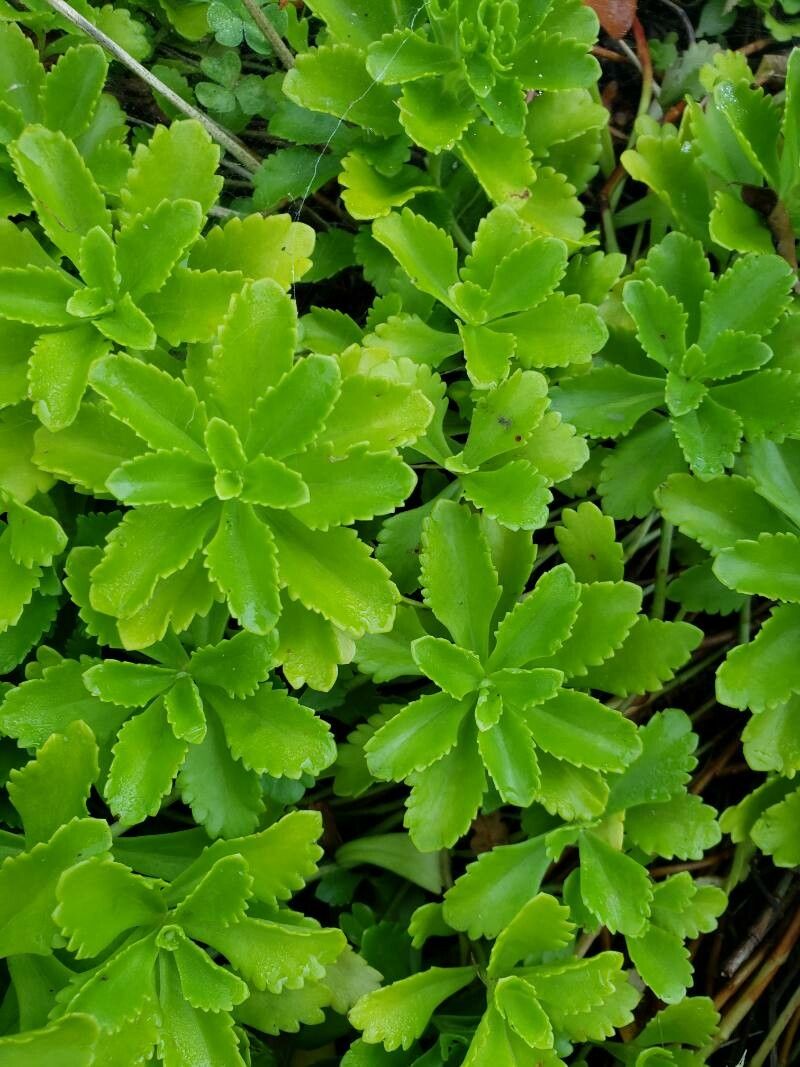
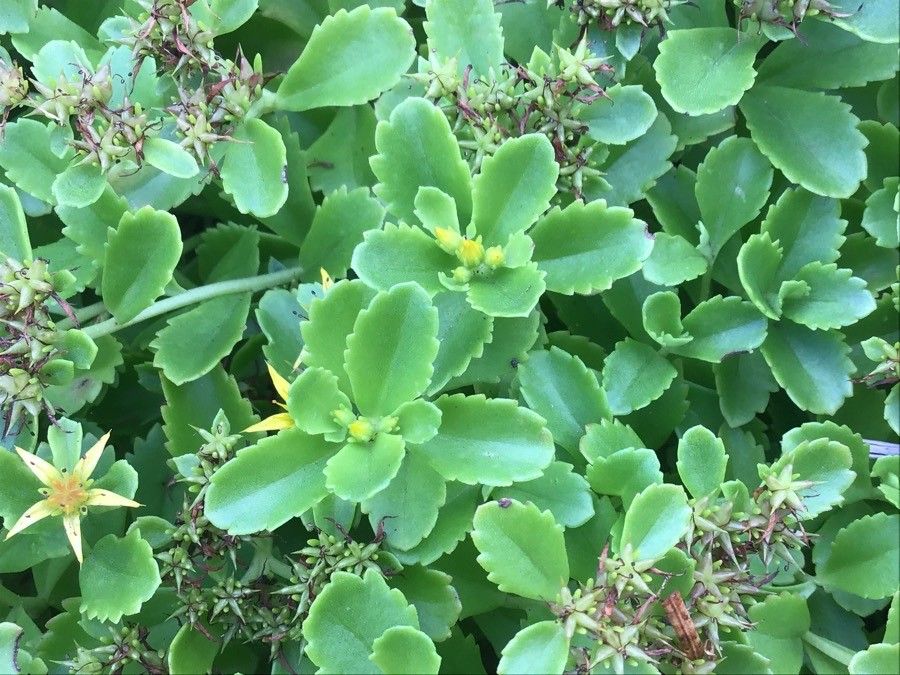
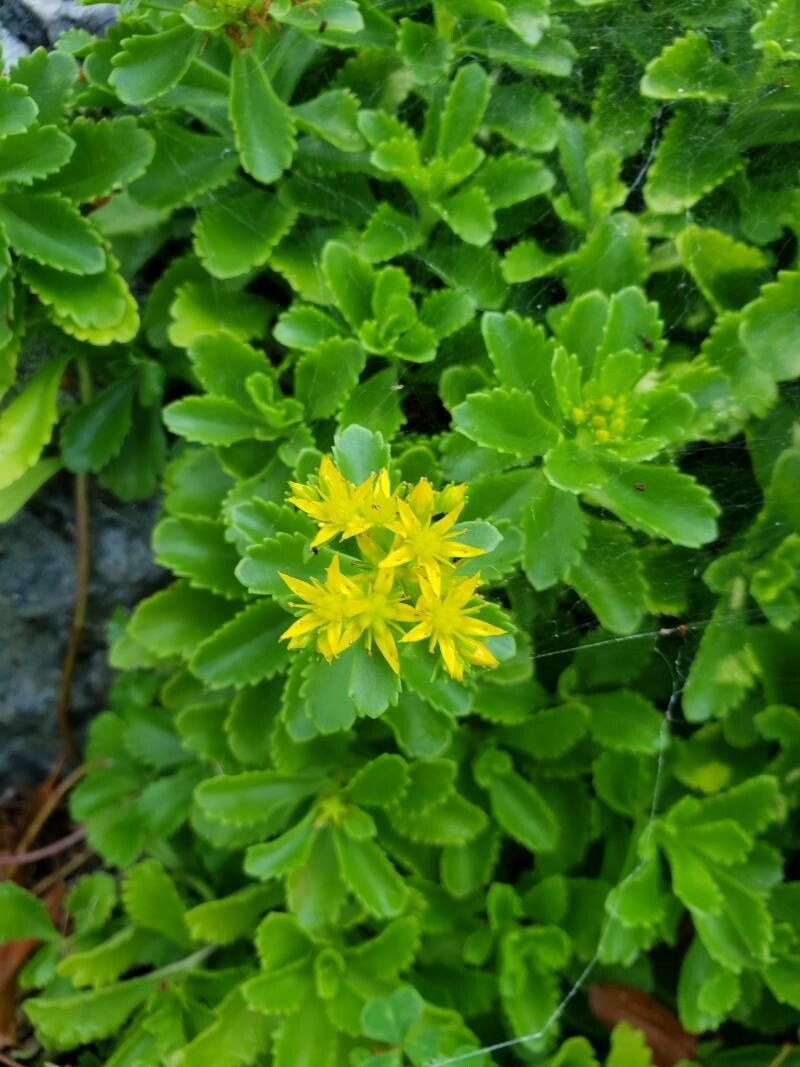
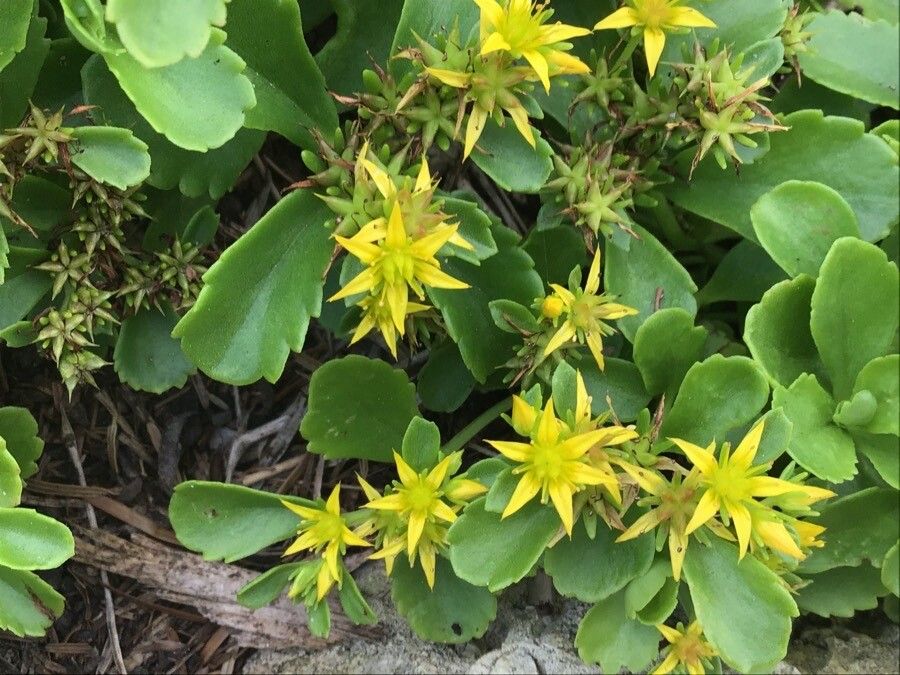
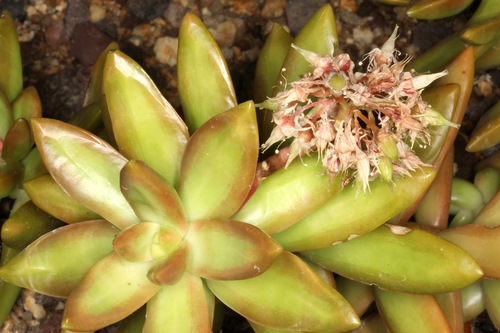
Sedum kamtschaticum, commonly known as Kamchatka stonecrop, is a low-growing perennial plant that belongs to the Crassulaceae family. Native to the Kamchatka Peninsula in eastern Russia, it can also be found in various parts of Asia and North America.
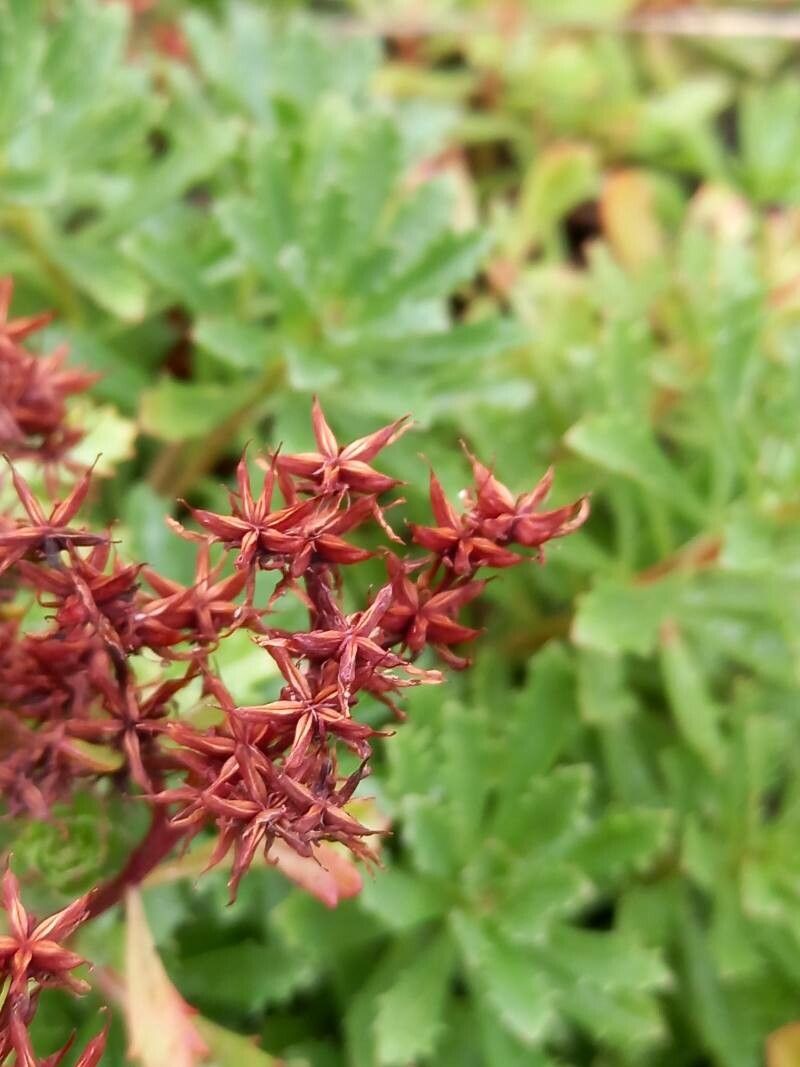
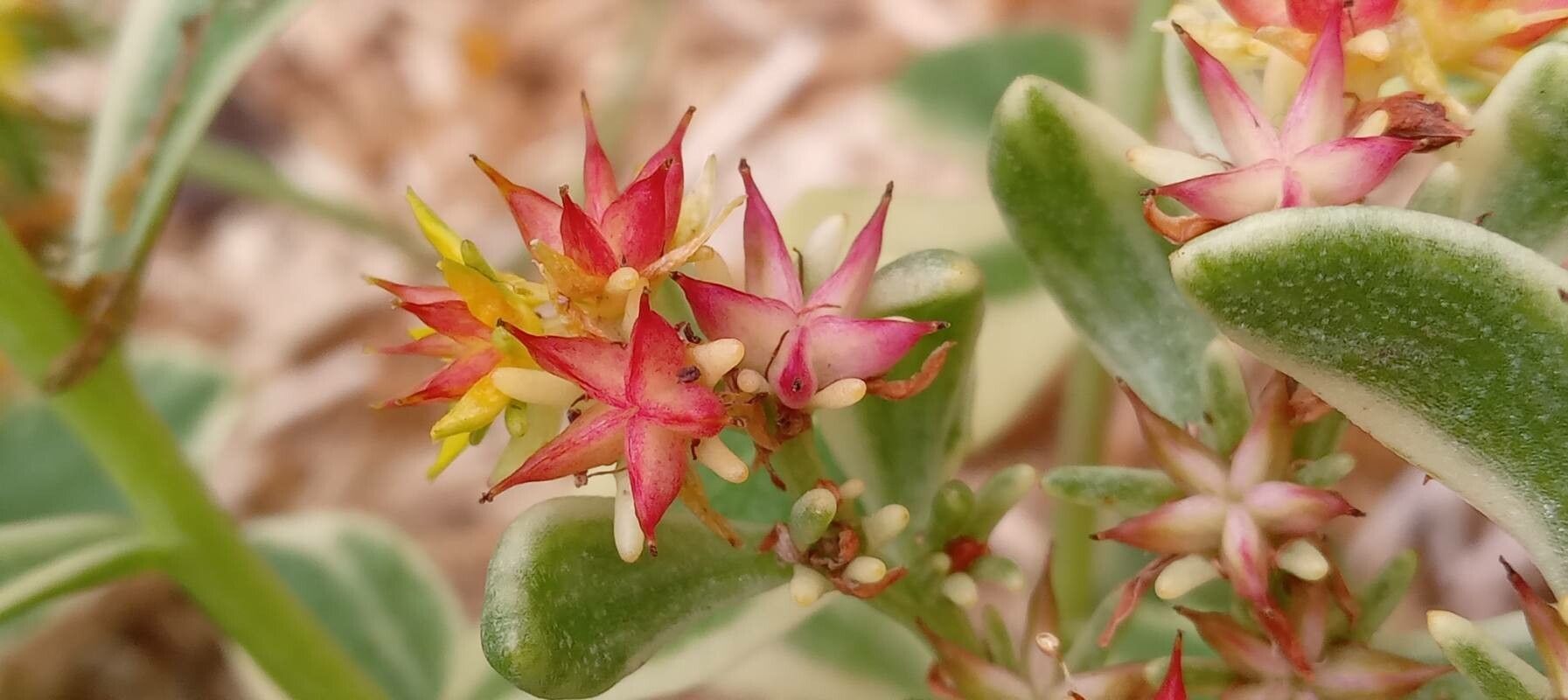
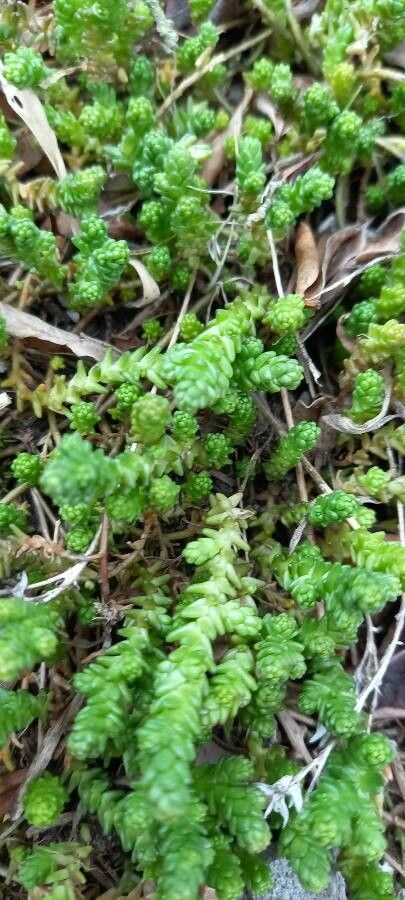
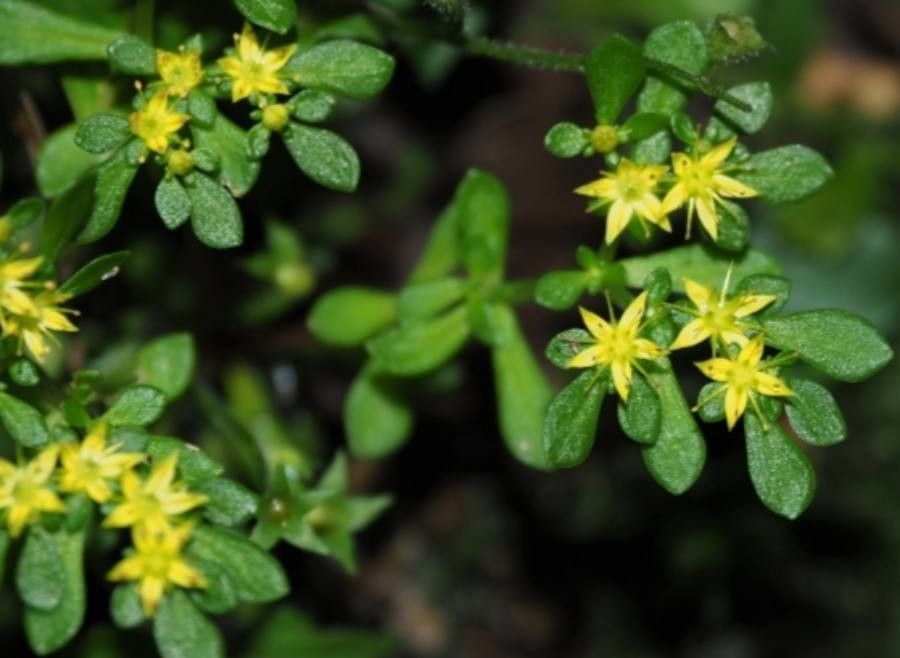
The plant features succulent leaves arranged in a rosette pattern. These leaves are green or bluish-green, fleshy, thick, and covered with a waxy coating that helps them retain moisture. The flowers of Sedum kamtschaticum bloom from late spring to early summer, appearing on tall stems above the foliage. They are star-shaped with five petals and come in shades of yellow or orange-red.
Sedum kamtschaticum is an easy-to-grow plant that thrives in well-drained soil with full sun exposure but can also tolerate partial shade. While it is drought-tolerant once established, it benefits from occasional watering during prolonged dry spells.
This versatile plant is ideal for use as ground cover in rock gardens or borders due to its low-growing habit. Additionally, its bright flowers attract pollinators such as bees.
Overall, Sedum kamtschaticum is an attractive perennial with unique foliage characteristics, making it an excellent choice for any garden enthusiast seeking a distinctive yet easy-to-grow addition!
Orange Stonecrop has moderate resistance to disease but is more prone to problems from high humidity and excessive watering. It also becomes more vulnerable to illness if it does not receive enough light and is overwatered. Regarding care, Orange Stonecrop is drought-tolerant and can endure extended periods without water. It requires little fertilizer and only occasional pruning. As a result, it suits gardeners of any experience level, especially those who prefer to spend less time on plant care and who may be away from home for extended periods. It is a good option for people who do not want to invest much time in maintenance yet still want an easy-to-care-for plant.
How to keep Sedum Kamtschaticum.
Light
Orange Stonecrop grows best in bright, direct sunlight all day. Its natural habitat is usually exposed to constant sun, which encourages healthy growth. If it doesn't get enough sunlight, its growth and health may be affected. However, too much light generally does not significantly harm the plant.
Temperature
Orange Stonecrop does well in its native habitats when temperatures range from 41 to 95 °F (5 to 35 ℃). Moderate temperatures promote its best growth. Seasonal adjustments may be required to maintain this range.
Fertilizer
For Orange Stonecrop, light fertilizer applications 1-2 times a year during the growing season are adequate. Do not fertilize in winter or in summer when the plant is dormant. Use less fertilizer for repotted plants and wait a couple of months after repotting before applying fertilizer. Fertilizing promotes healthy growth and encourages blooms.
Botanical profile.
- Plant Type
- Herb
- Life Cycle
- Perennial
- Genus
- Sedum
- Family
- Crassulaceae
- Hardiness Zone
- 4-9
- Mature Height
- 8 cm to 15 cm
- Mature Spread
- 30 cm
- Leaf Color
- Green
- Leaf Type
- Evergreen
- Flower Color
- Yellow
- Flower Size
- 2.54 cm
- Bloom Time
- Late spring, Early summer, Mid summer
- Planting Time
- Spring
- Harvest Time
- Mid summer
- Native Area
- Russia, Japan, Koppen, South Korea, China
Other names.