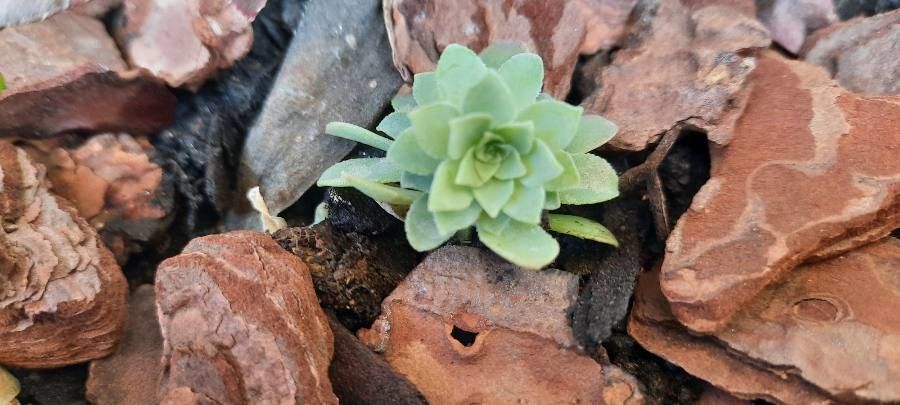
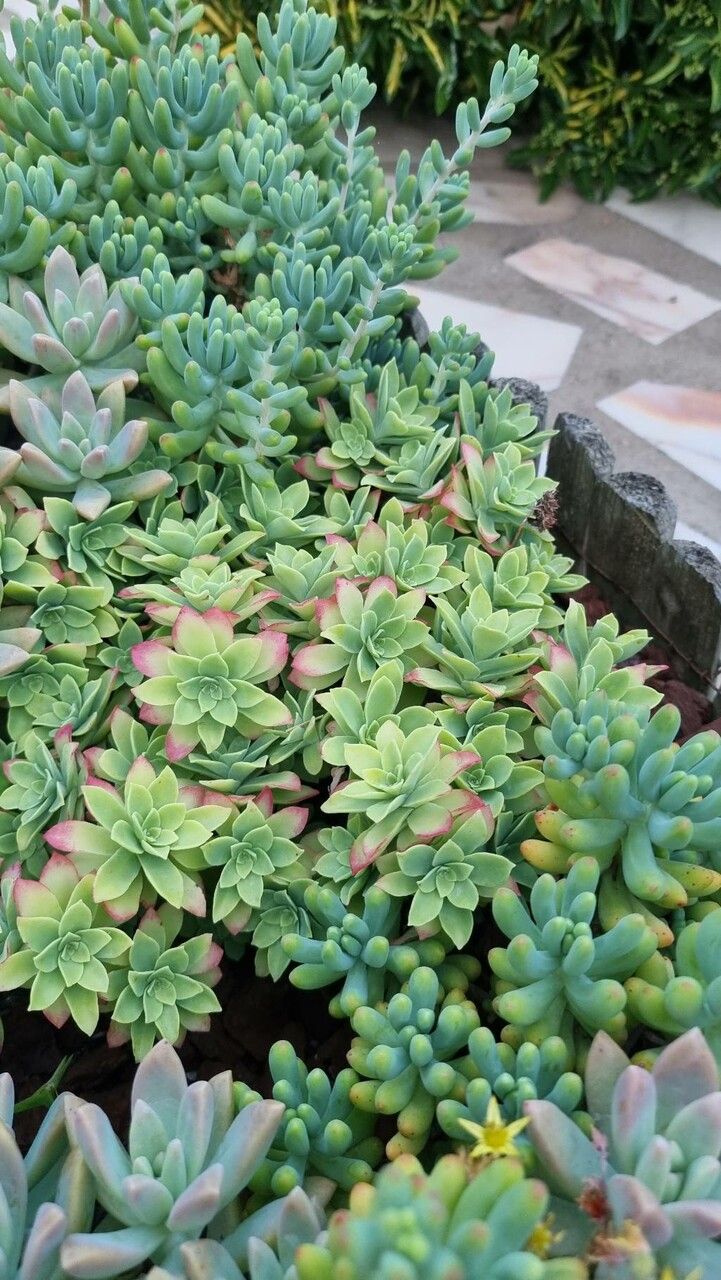
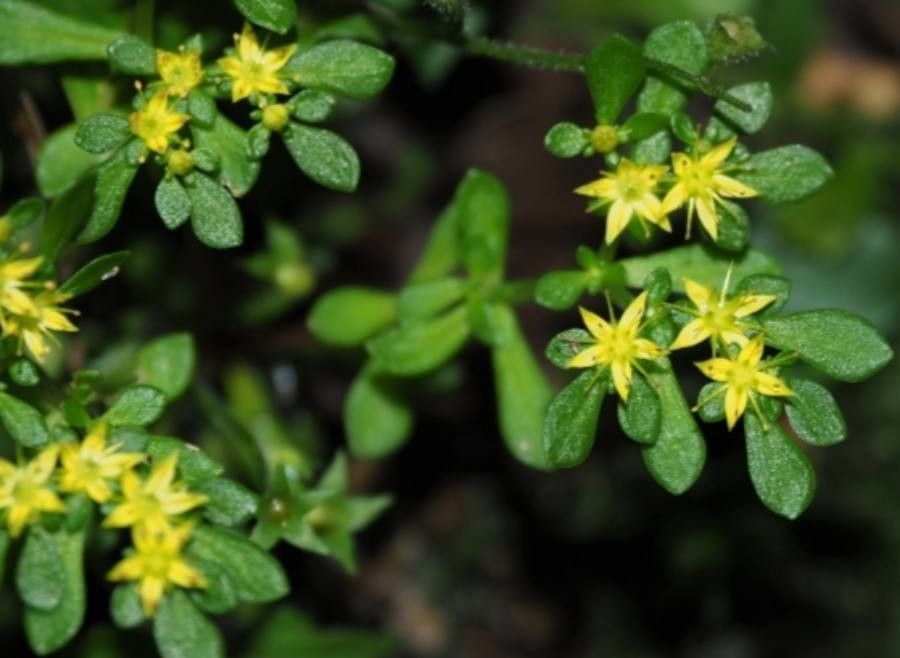
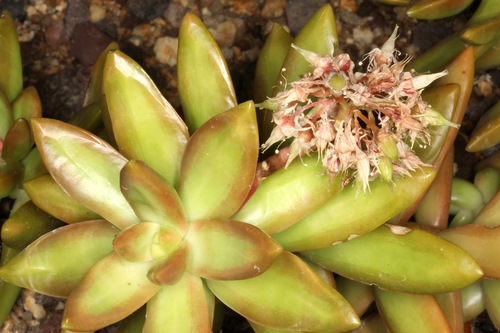
Palmer's sedum has moderate disease resistance and is more sensitive to humidity. When humidity is high it is vulnerable to disease and is prone to root rot during dormancy. In terms of care, Palmer's sedum is drought-tolerant but requires more water during the growing season. Watering should be greatly reduced or stopped entirely during the dormant period. Palmer's sedum is appropriate for people with some growing experience, though it can be challenging to care for, particularly during the dormant period. It is especially suited to those who have time to devote to its care during the winter months.
How to keep Sedum Compressum.
Light
Palmer's sedum needs a large amount of sunlight to remain healthy and to grow. Its natural habitat is open locations where it can receive abundant sun. It performs best with plenty of light at every stage of development. However, excessive sun exposure can damage the plant and scorch the leaves, while too little light can cause stretched, pale growth.
Temperature
Palmer's sedum is naturally suited to a moderate climate and does best in temperatures between 59 and 95 °F (15 and 35 ℃). It tolerates summer heat well; however, in winter you should provide some warmth to prevent damage.
Fertilizer
For Palmer's sedum, apply light amounts of fertilizer once or twice a year during the growing season. Refrain from fertilizing in winter or during summer dormancy. Cut back on fertilizer for repotted plants and wait a couple of months after repotting before you feed them. Fertilizing promotes healthy growth and encourages blooms.
Botanical profile.
- Plant Type
- Herb, Shrub
- Life Cycle
- Perennial
- Genus
- Sedum
- Family
- Crassulaceae
- Hardiness Zone
- 7-10
- Mature Height
- 30 cm
- Mature Spread
- 40 cm
- Leaf Color
- Green, Blue
- Leaf Type
- Evergreen
- Flower Color
- Yellow
- Flower Size
- 1.02 cm to 1.52 cm
- Bloom Time
- Spring
- Planting Time
- Spring, Summer, Autumn
- Harvest Time
- Early summer, Mid summer
- Native Area
- Mexico