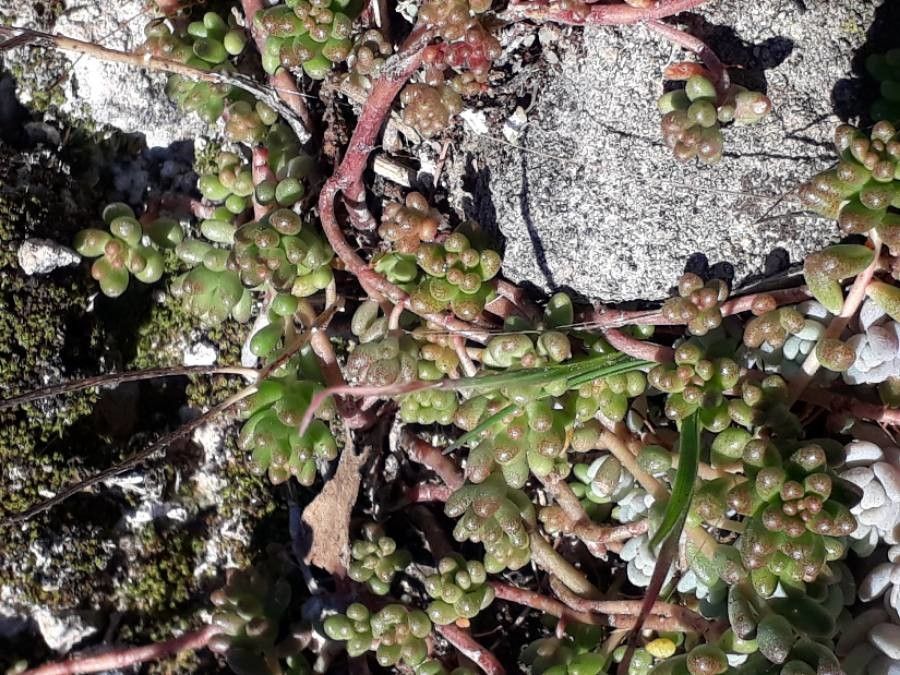
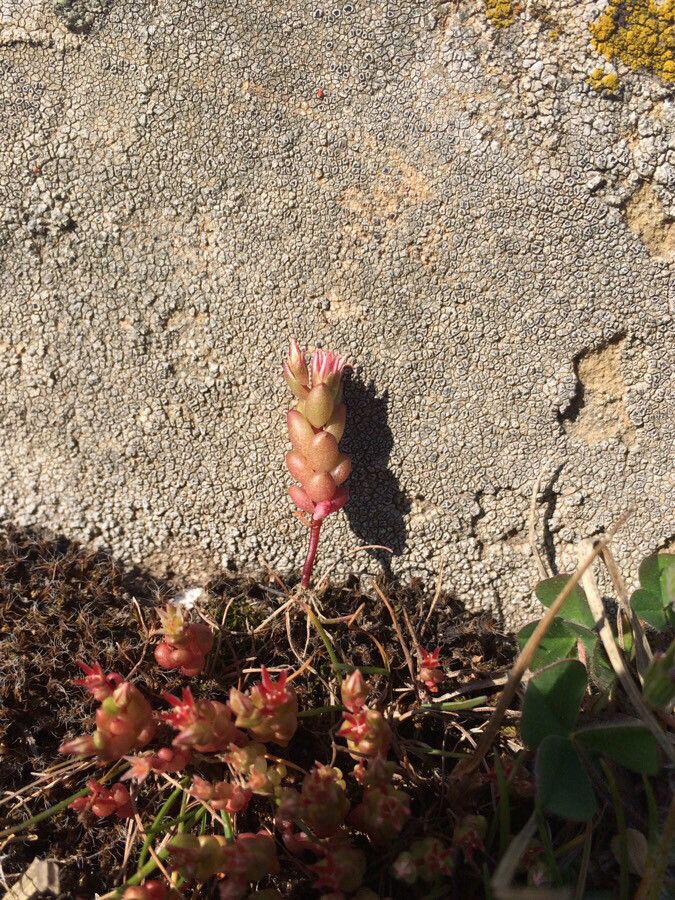
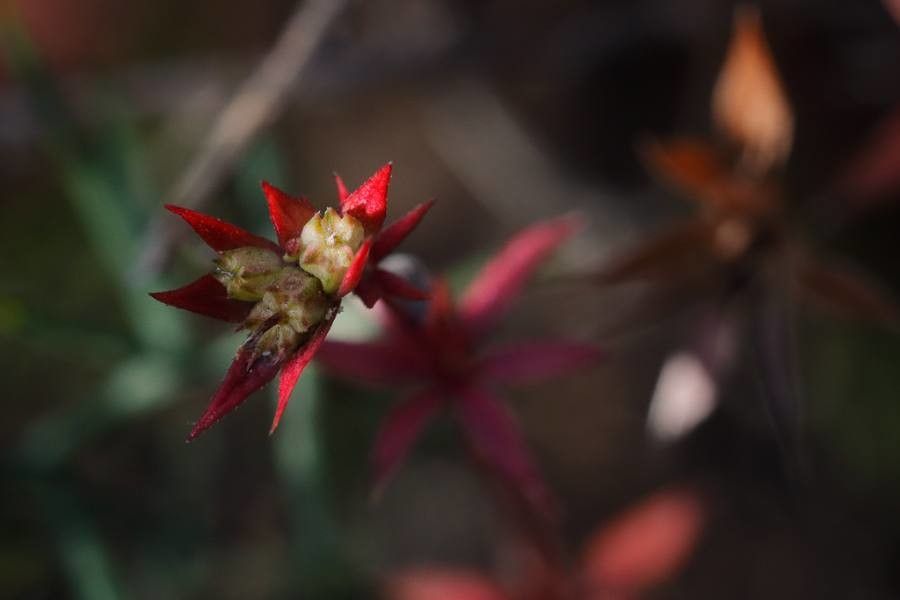
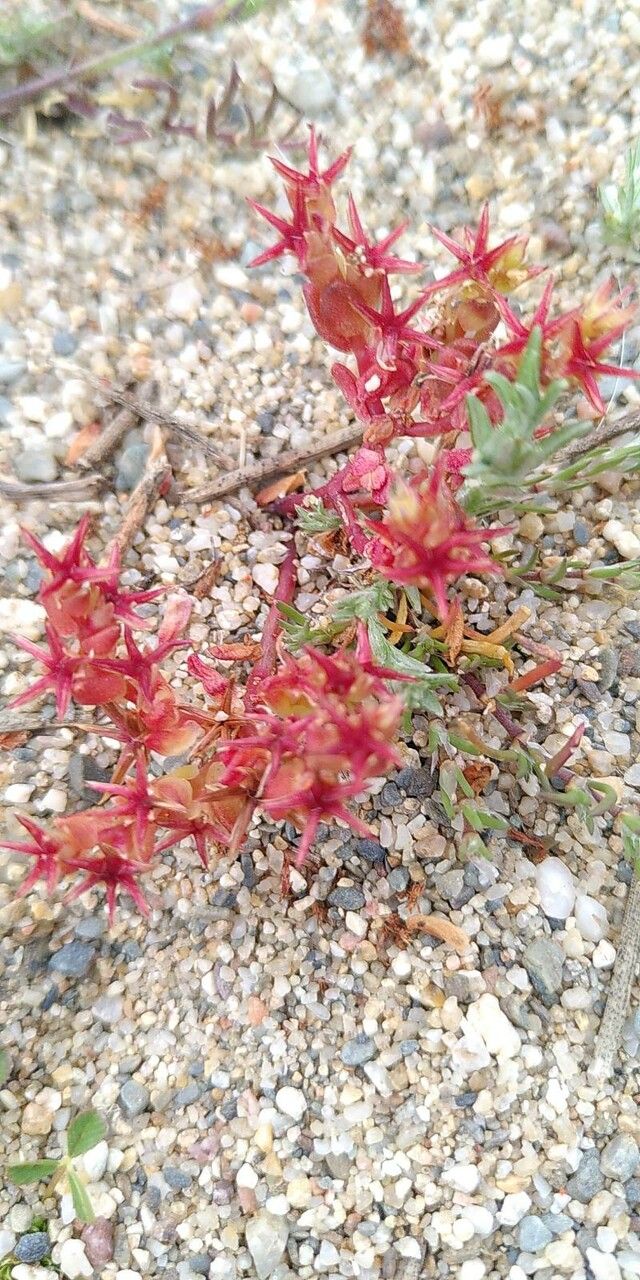
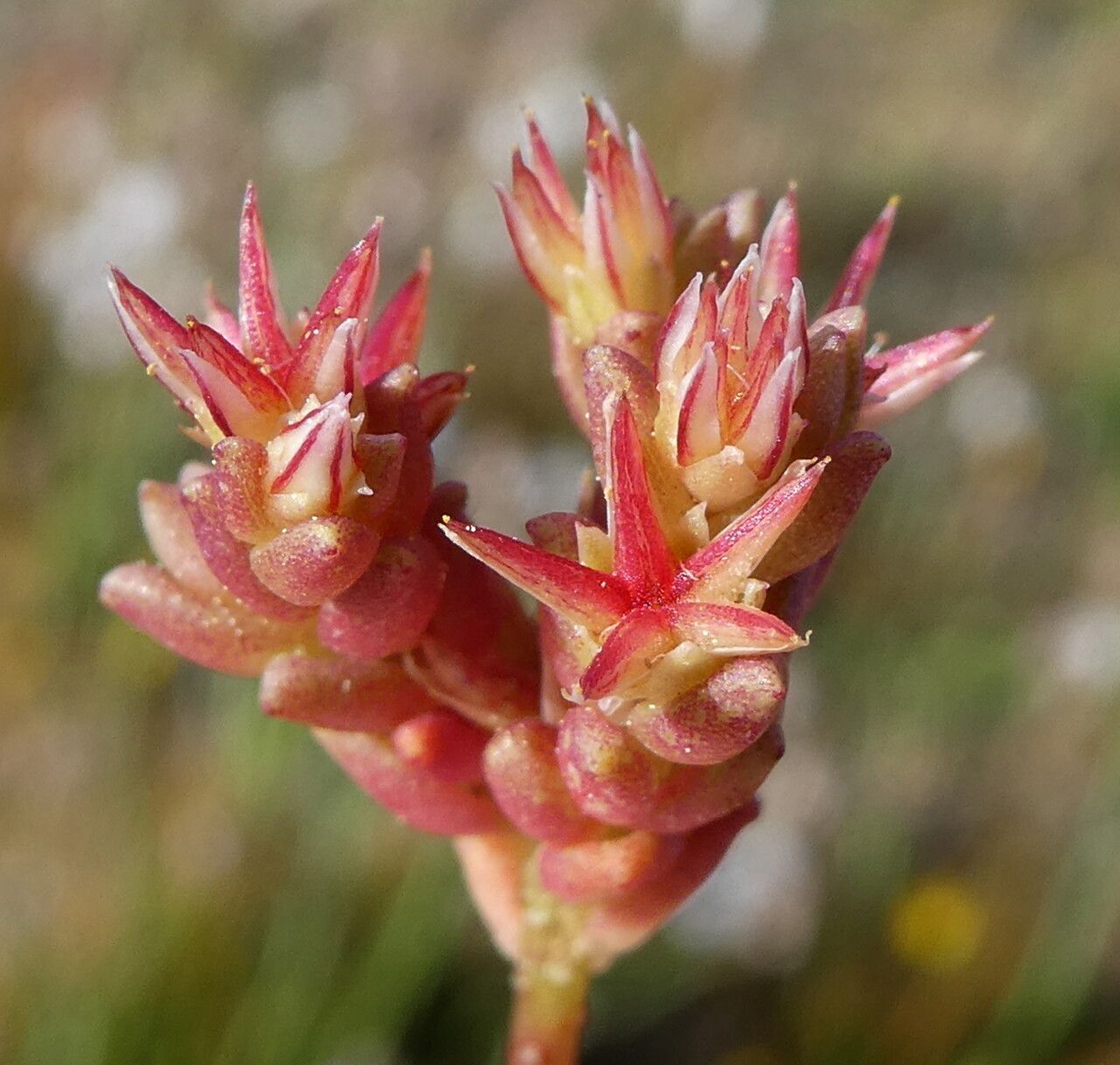
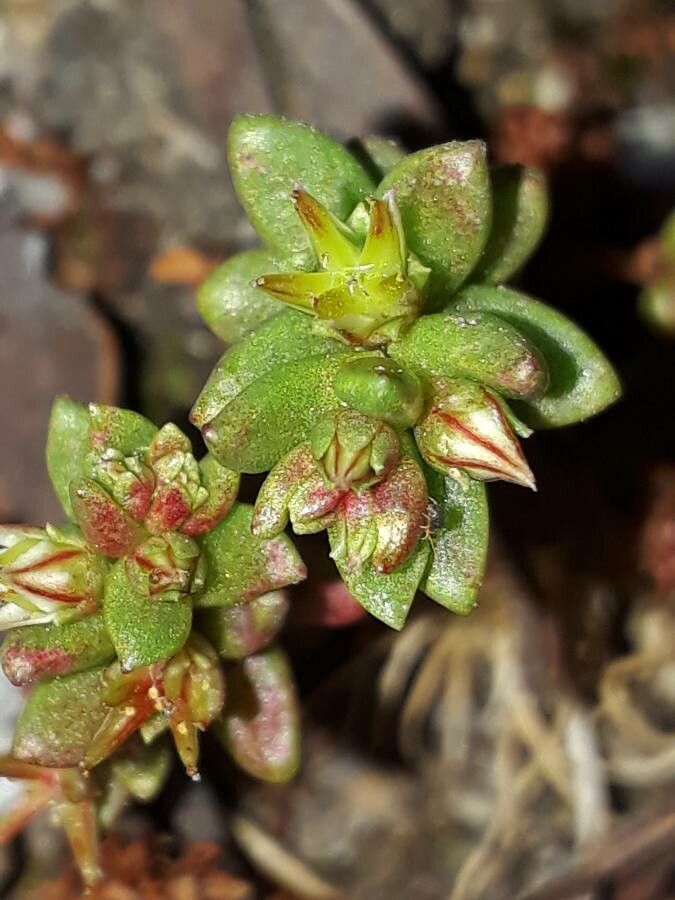
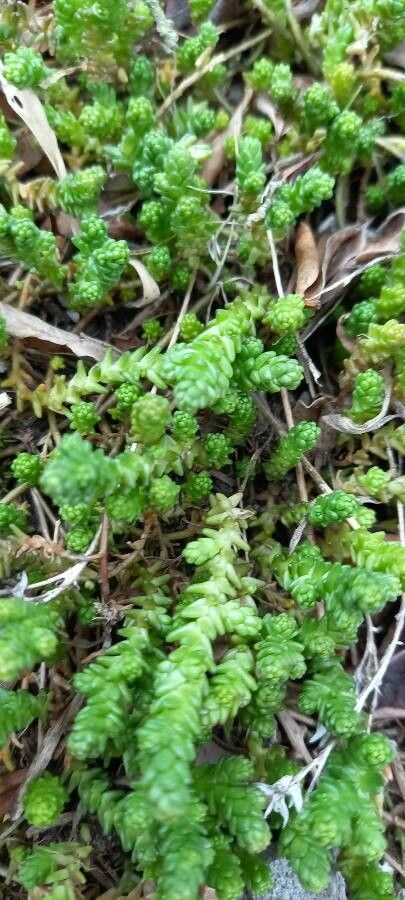
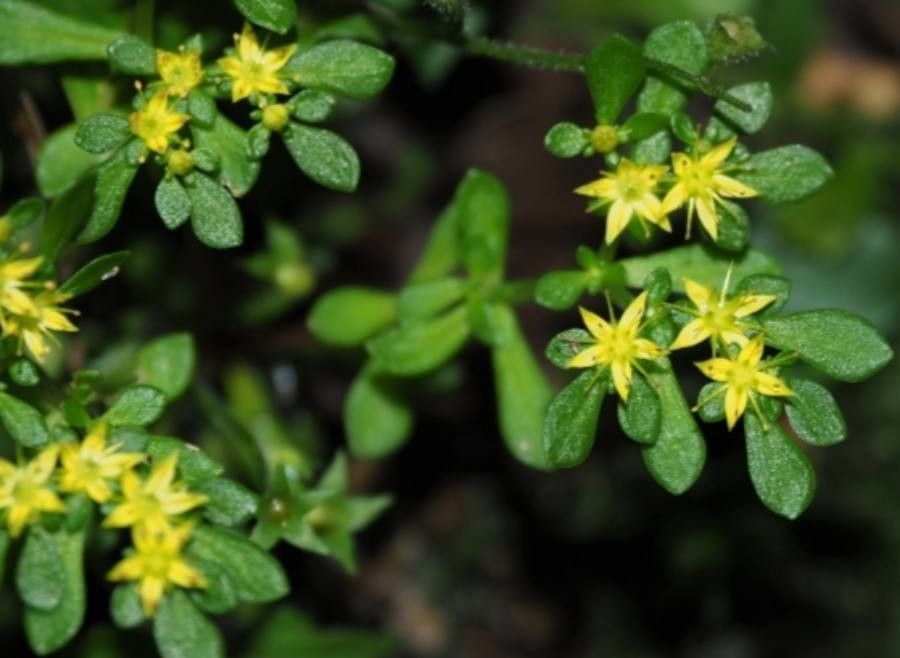
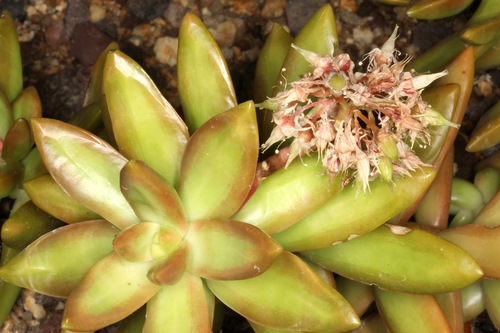
Sedum cespitosa is a species of annual herb in the family Crassulaceae. It has a self-supporting growth form and simple, broad leaves. Individuals can grow to 3 cm.
Broad-leaved stonecrop has moderate disease resistance and is more sensitive to humidity. It is vulnerable to disease when humidity is high and is likely to develop root rot during dormancy. Regarding care, Broad-leaved stonecrop tolerates drought but requires additional water during the growing season. Watering should be greatly reduced or ceased entirely in the dormant period. Broad-leaved stonecrop is appropriate for growers with some experience, though it can be challenging to maintain, especially during dormancy. It is particularly well suited to those who can dedicate time to its care in the winter months.
How to keep Sedum Caespitosum.
Light
The broad-leaved stonecrop flourishes under ample sunlight for the majority of the day. It naturally grows in environments with lots of sun exposure. It can also tolerate areas with partial sun. Shielding it too much from sunlight or exposing it to excessive shade could potentially impede its healthy growth. It's important to note that extreme sun exposure may put stress on the plant, affecting its overall wellbeing.
Water
The broad-leaved stonecrop is a drought-tolerant evergreen plant that thrives in arid conditions with minimal water requirements. It only needs watering about once every three weeks. Its ability to retain leaves year-round helps minimize water loss through transpiration, making it well-suited to dry environments.
Temperature
The broad-leaved stonecrop flourishes best in weather conditions that resemble its original habitat, favoring temperatures ranging from 41 to 95 °F (5 to 35 ℃). During periods of changing seasonal temperatures, it may need some alteration for peak health.
Fertilizer
Broad-leaved stonecrop only needs light fertilizer applications once or twice a year during the growing season. Avoid fertilizing in winter or in summer, when the plant is dormant. Use reduced fertilizer for plants that have been repotted and wait a couple of months after repotting before applying any. Fertilizing supports healthy growth and encourages flowering.
Pruning
To keep large succulent plants like broad-leaved stonecrop looking their best, it's important to prune them in both spring and fall. Trim off any dense branches to help maintain their shape. If you want to propagate the plant, select a sturdy stem with 5-6 leaves. After cutting the stem, treat the cut end with sulfur powder. Allow the cut to heal before planting it. Be sure to keep the soil slightly moist for optimal growth.
Pot & Repot
To thrive, broad-leaved stonecrop needs excellent drainage in pots. This prevents root rot and helps maintain the optimal moisture levels for healthy growth.
Botanical profile.
- Plant Type
- Succulent
- Life Cycle
- Perennial
- Genus
- Sedum
- Family
- Crassulaceae
- Hardiness Zone
- 5-9
- Mature Height
- 2 cm to 5 cm
- Mature Spread
- 3 cm to 6 cm
- Leaf Color
- Light Green, Pale Green
- Leaf Type
- Semi-evergreen
- Flower Color
- White, Red
- Flower Size
- 0.25 cm to 0.51 cm
- Bloom Time
- Early spring, Mid spring
- Planting Time
- Spring, Summer, Autumn
- Harvest Time
- Late spring, Early summer
- Native Area
- Saudi Arabia, Libya, Turkey, Tunisia, Montenegro, Cyprus, Bulgaria, Greece, Croatia, Morocco, Ukraine, Lebanon, Russia, Serbia, Hungary, Iraq, Syria, Italy, Spain, France, Iran, Albania, Azerbaijan, Algeria, Romania, Turkmenistan, Portugal
Reader questions.
What amount of sunlight is required for the Broad-leaved stonecrop to thrive?
Broad-leaved stonecrop, botanically known as Sedum caespitosum, is a plant that flourishes under abundant sun exposure, ideally thriving in environments with full sun which means it requires above 6 hours of sunlight daily. It can also tolerate partial sun conditions, which refers to approximately 3-6 hours of sunlight each day. Observing the movement of sunlight through your garden and choosing locations that offer a good balance of light and shade are crucial for the plant's happiness and health. While the plant is adaptive to partially sunny conditions, excessive shading or overprotection from sunlight could impede its growth. Conversely, too much exposure can cause stress, affecting the plant's health negatively.
What is the ideal temperature range for Broad-leaved Stonecrop?
Broad-leaved stonecrop, or Sedum caespitosum, thrives best in climates similar to its native environment, with a preference for temperatures between 41 to 95 °F (5 to 35 °C). It is a heat-loving plant that becomes dormant in winter. When the temperature drops below 5°C, its growth rate decreases, and special care is needed to ensure its health. During very low temperatures, especially when outdoor temperatures fall below -20°C, it's essential to move the plant indoors to avoid damage, ideally placing it near a south-facing window for optimal sunlight exposure. If natural light is insufficient, supplemental lighting may be beneficial.
How can artificial lighting be used for indoor Broad-leaved stonecrop plants?
Indoor Broad-leaved stonecrop plants require adequate lighting for optimal growth, especially when natural sunlight is insufficient, such as during winter or in less sunny spaces. Artificial lighting provides a crucial alternative, supporting faster, healthier growth. LED lights are recommended because they can be tailored to offer specific light wavelengths needed by plants. Full sun plants benefit from 30-50W/sq ft of artificial light, partial sun plants from 20-30W/sq ft, and full shade plants from 10-20W/sq ft. The light source should be positioned 12-36 inches above the plant to imitate natural sunlight effectively. Moreover, the duration of artificial lighting should mimic natural daylight hours, which is typically 8-12 hours per day for most plant species.
How should Broad-leaved Stonecrop be cared for in low temperatures?
In low temperatures, particularly below 5°C, it's crucial to reduce or stop watering the Broad-leaved stonecrop to prevent root rot. If grown outdoors, watering should be completely halted during these times. Protection from cold is important; if temperatures are expected to drop below -20°C, the plant should be moved indoors. For plants that have to stay outdoors, consider using a temporary greenhouse, plastic film, or fabric wraps for insulation. After exposure to temperatures below -25°C, if the plant shows signs of weakness, such as wilting, indicating possible root rot or frost damage, it's advisable to trim off the affected areas. If root rot is detected, the damaged roots should be removed, and the plant can be propagated through cuttings. The plant should then be relocated to a warmer environment inside, near a south-facing window, to ensure it receives enough sunlight. If sunlight is lacking, supplemental lighting can assist in recovery.
What are the symptoms of inadequate lighting for Broad-leaved stonecrop?
When Broad-leaved stonecrop does not receive sufficient light, it may exhibit several symptoms indicating light deficiency. These include the development of smaller leaves compared to mature ones, leggy or sparse growth with longer spaces between leaves or stems, premature leaf shedding to conserve resources, halted growth or a complete stop in new leaf production, the appearance of lighter-colored or pale new leaves due to lack of chlorophyll, and symptoms of chlorosis where leaves lose their green color and turn yellow. Additionally, intense sunlight exposure can lead to sunscald, leaf curling as a defense mechanism against sunlight, wilting from excessive water loss, and leaf scorching characterized by brown, dry edges on leaves.
How to manage Broad-leaved Stonecrop during high temperatures?
During periods of high temperature, specifically above 35°C, the Broad-leaved stonecrop's growth and health can be negatively affected. Exceeding temperatures of 38°C can lead to halted growth, water loss, wilting, and an increased risk of sunburn for the plant. To mitigate these issues, any sunburned or damaged parts of the plant should be removed immediately. Providing shade, particularly from the harsh afternoon sun, is critical until the plant shows signs of recovery and resumes growth. In instances of root rot, watering should be ceased until new root growth is observed.
What solutions can mitigate symptoms of inadequate lighting in Broad-leaved stonecrop?
To address insufficient light exposure for Broad-leaved stonecrop, a gradual transition to a sunnier location is advised, ensuring at least 6 hours of direct sunlight daily. For indoor plants, use of a south-facing window or artificial light sources such as desk lamps or professional grow lights for at least 8 hours a day can be effective. Outdoor plants should also be moved to brighter spots gradually to prevent sunburn. Eliminating obstructions that block sunlight is crucial; for instance, pruning trees that overshadow the plants can help. If necessary, transplanting smaller plants during their dormant period (late winter or early spring) to a location with better sunlight and drainage is recommended. Although parts of the plant that suffered from insufficient light might not recover, new growth should be healthy once lighting conditions improve.