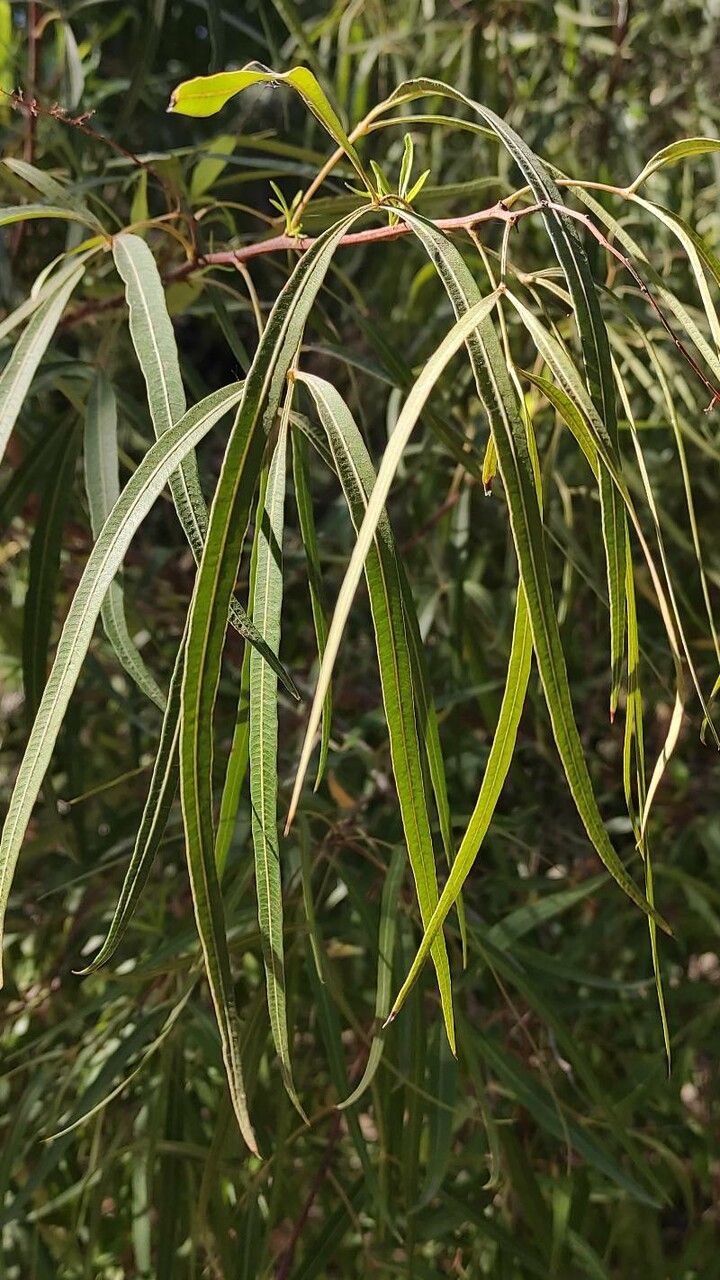
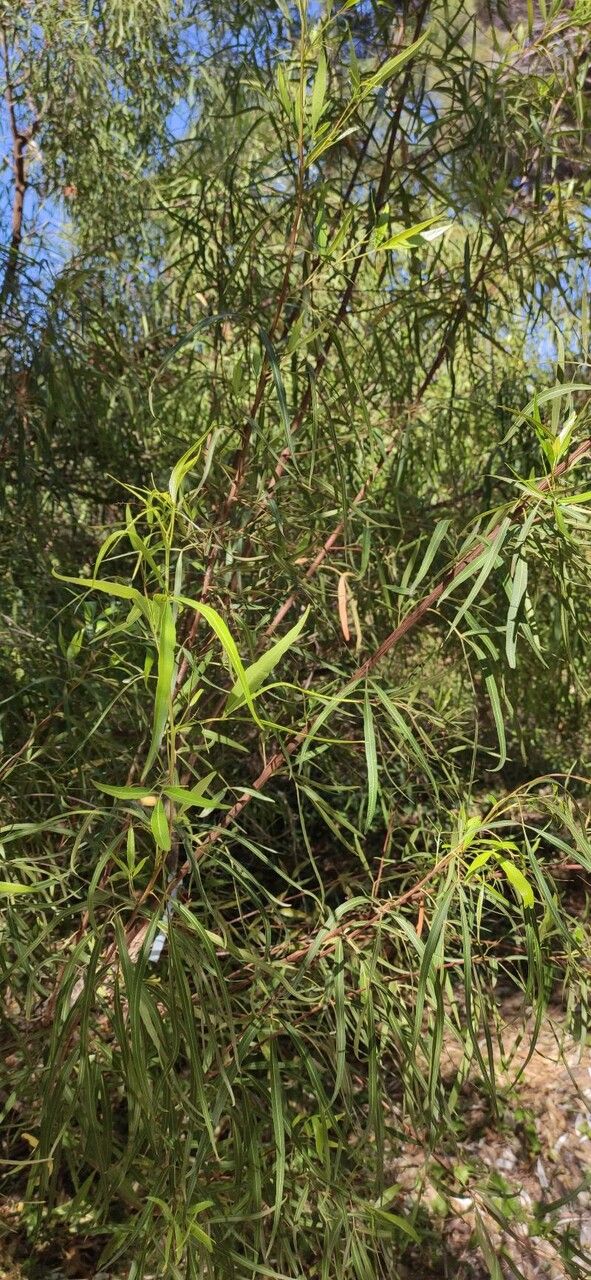
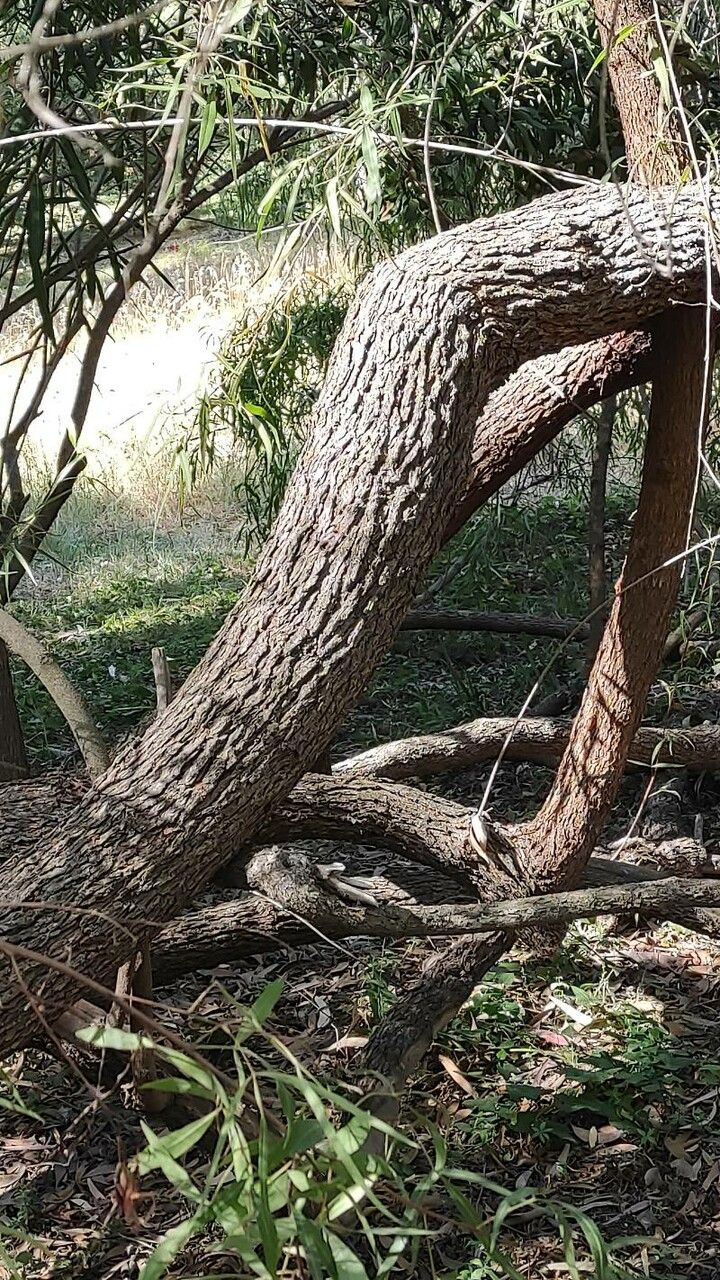
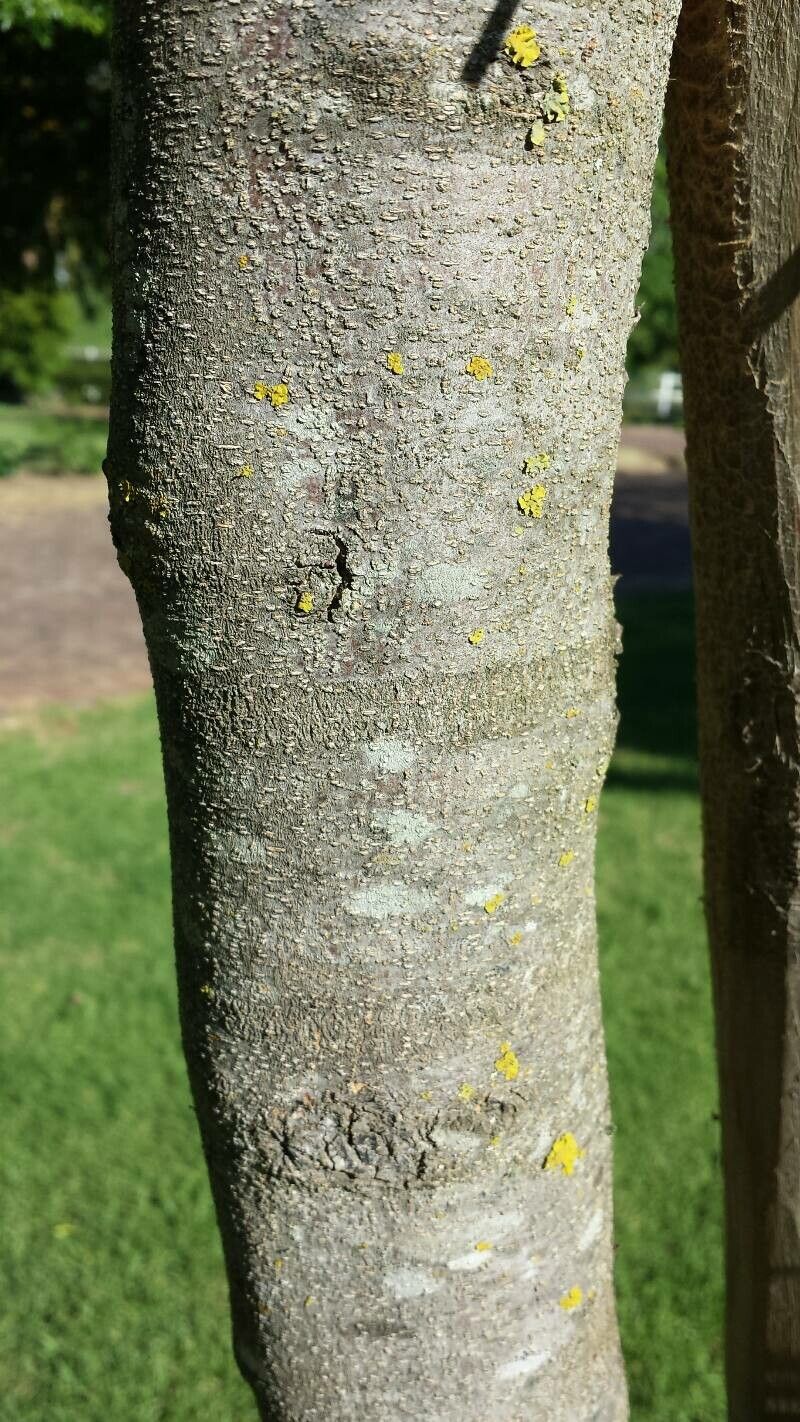
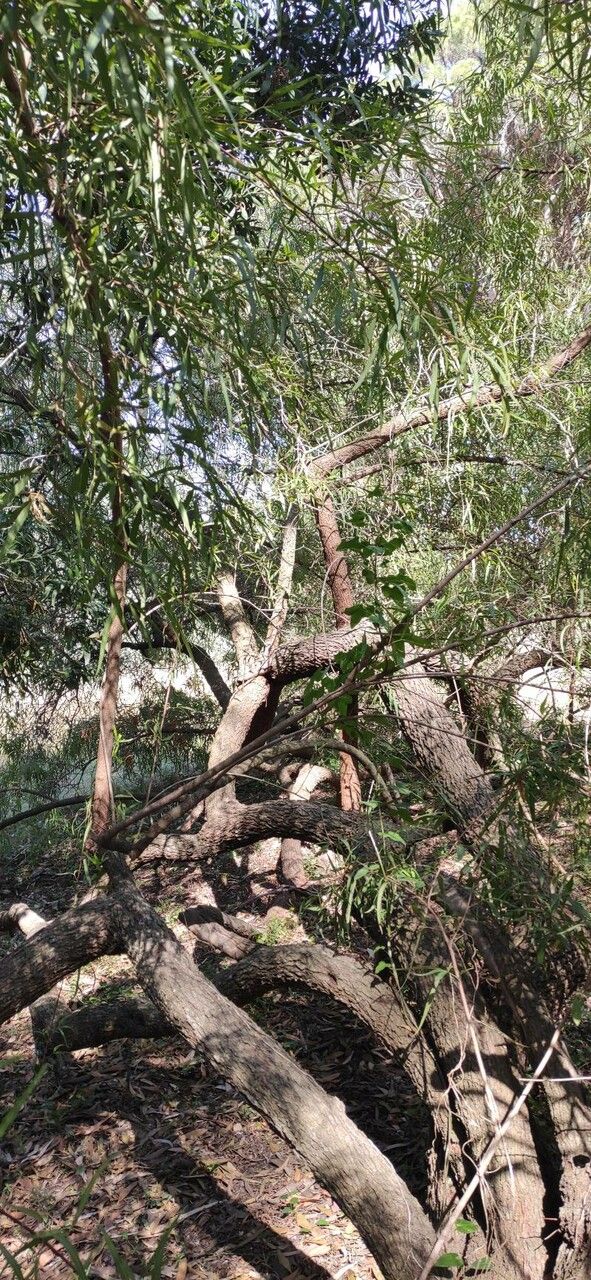
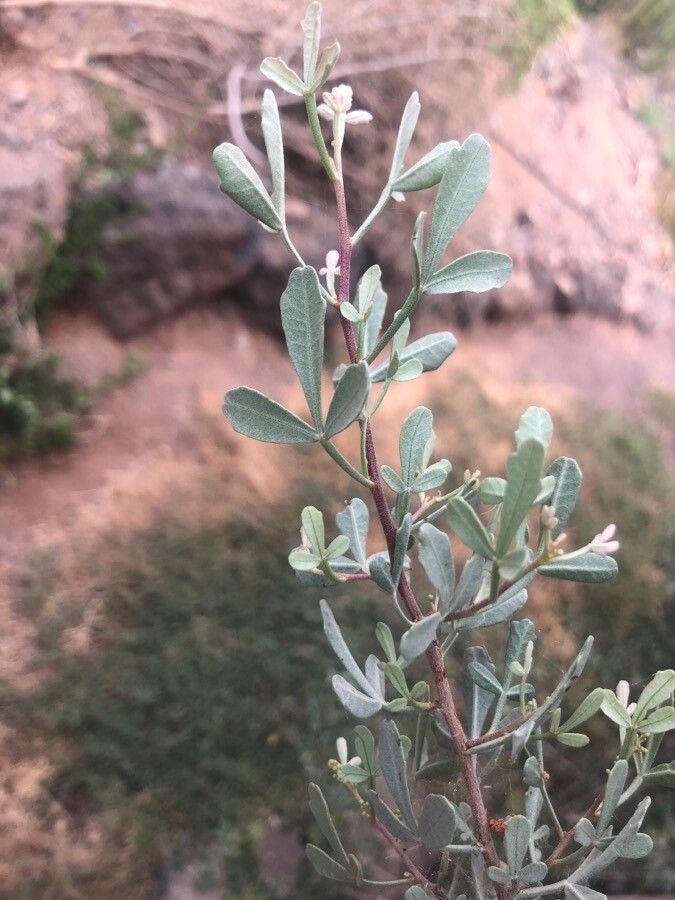
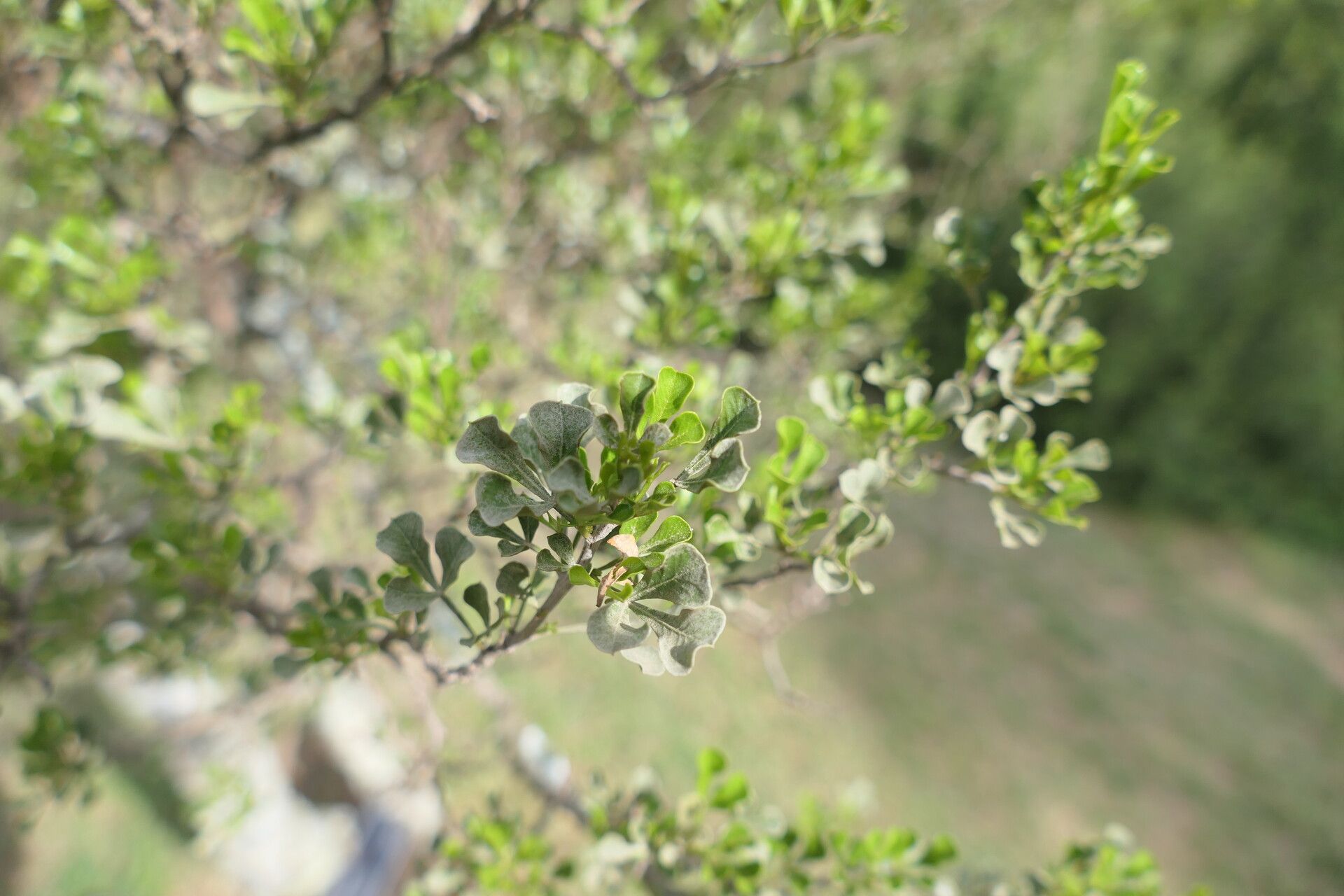
Searsia pendulina, commonly known as the weeping resin tree, is a small to medium-sized tree native to southern Africa. Belonging to the Anacardiaceae family, it can reach a height of up to 10 meters. The tree is characterized by its weeping habit, with drooping branches adorned with small, shiny green leaves.
The compound leaves of Searsia pendulina have a glossy appearance and are alternately arranged on the branches, featuring serrated edges. The plant produces small, greenish-yellow flowers clustered together, which bloom in spring.
The fruit of Searsia pendulina is a drupe that changes from green to red when it ripens, containing a single seed encased in an edible fleshy layer.
This tree is popular as an ornamental plant because of its attractive foliage and weeping form. Additionally, its resin possesses anti-inflammatory properties and can be used medicinally to treat skin conditions such as eczema and wounds.
Overall, Searsia pendulina is a remarkable plant with distinctive features, making it a standout among the trees native to southern Africa.
Western karee is resistant to disease and is generally not susceptible to illnesses. As for care, this plant is fairly low-maintenance. When grown outdoors it needs little watering, and larger specimens typically do not require pruning. Smaller plants, however, should be pruned after they finish blooming. Western karee is appropriate for anyone with outdoor space, like a garden or a deck, and does not demand much care experience.
How to keep Searsia Pendulina.
Light
Western karee comes from open habitats, like sunny meadows and forest margins, where light is plentiful. It thrives in Full Sun but can also tolerate Partial Sun, adapting well to a range of sunlight conditions.
Temperature
Western karee has strong temperature adaptability, tolerating higher heat and wide temperature swings. In hot conditions, care should be taken to water adequately and give suitable shade to prevent sunburn. On the other hand, Western karee is not very tolerant of low temperatures: it can handle some cold, but excessively low temperatures can cause frost damage.
Fertilizer
The timing of fertilizing Western karee is important. Apply fertilizer in early spring and continue once a month until early summer. Fertilizer encourages attractive blooms and provides energy during both dormant and active growth periods.
Pruning
The Western Karee is a hardy, drought-resistant tree known for its dense branches and attractive foliage. To maintain its health and appearance, it is best to prune the tree in early spring. During this time, shape the tree by removing dead wood and thinning crowded branches to improve air circulation. Be sure to sterilize your pruning tools to prevent disease and promote the tree's well-being.
Botanical profile.
- Plant Type
- Tree
- Life Cycle
- Perennial
- Genus
- Searsia
- Family
- Anacardiaceae
- Hardiness Zone
- 9-11
- Mature Height
- 3.05 m to 7.92 m
- Mature Spread
- 3.05 m to 6.1 m
- Leaf Color
- Dark Green, Olive Drab
- Leaf Type
- Evergreen
- Flower Size
- 0.25 cm to 0.51 cm
- Bloom Time
- Early spring, Mid spring
- Planting Time
- Spring, Summer, Autumn
- Harvest Time
- Late spring, Early summer, Mid summer
- Native Area
- South Africa, Namibia
Other names.