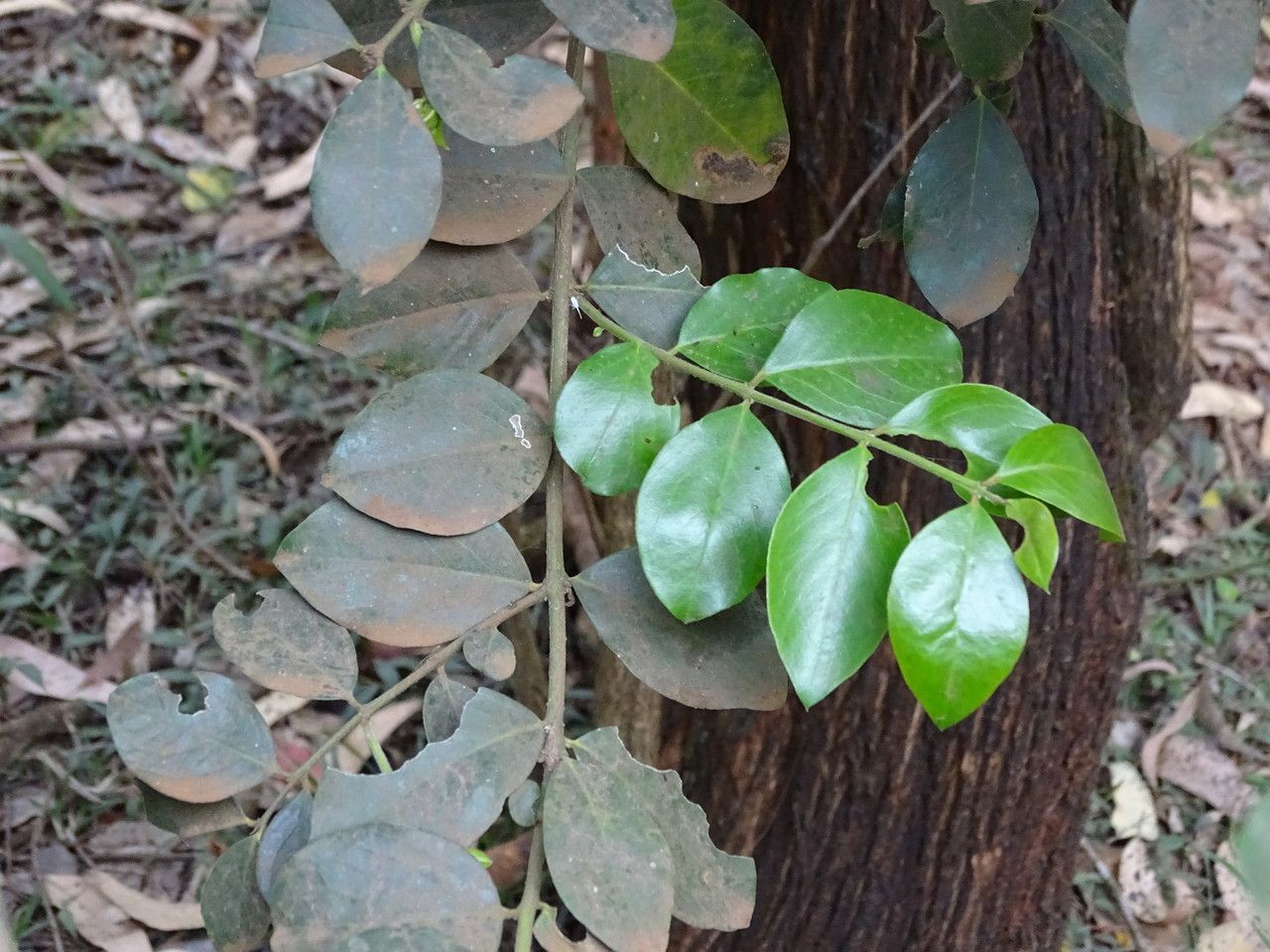
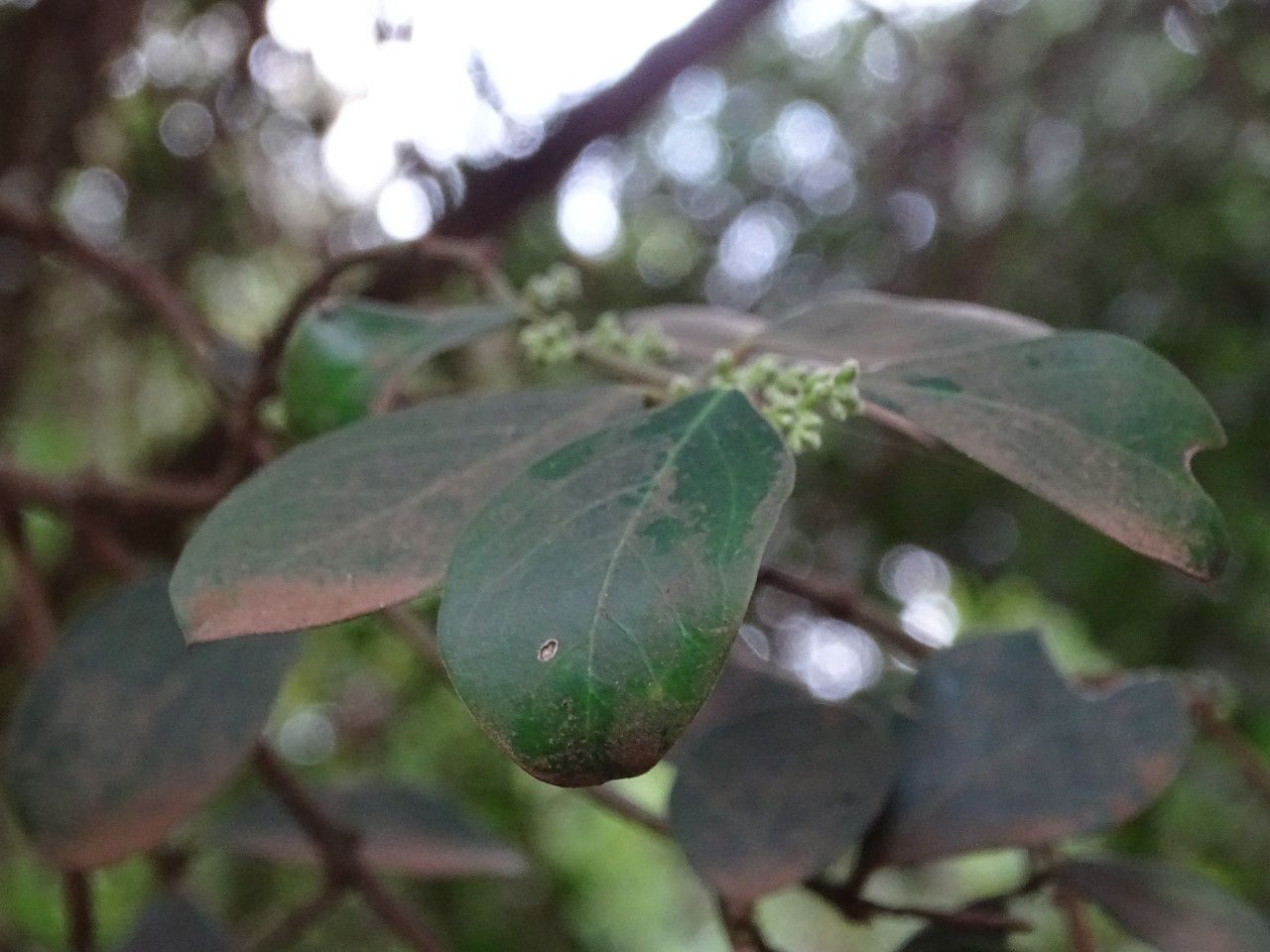
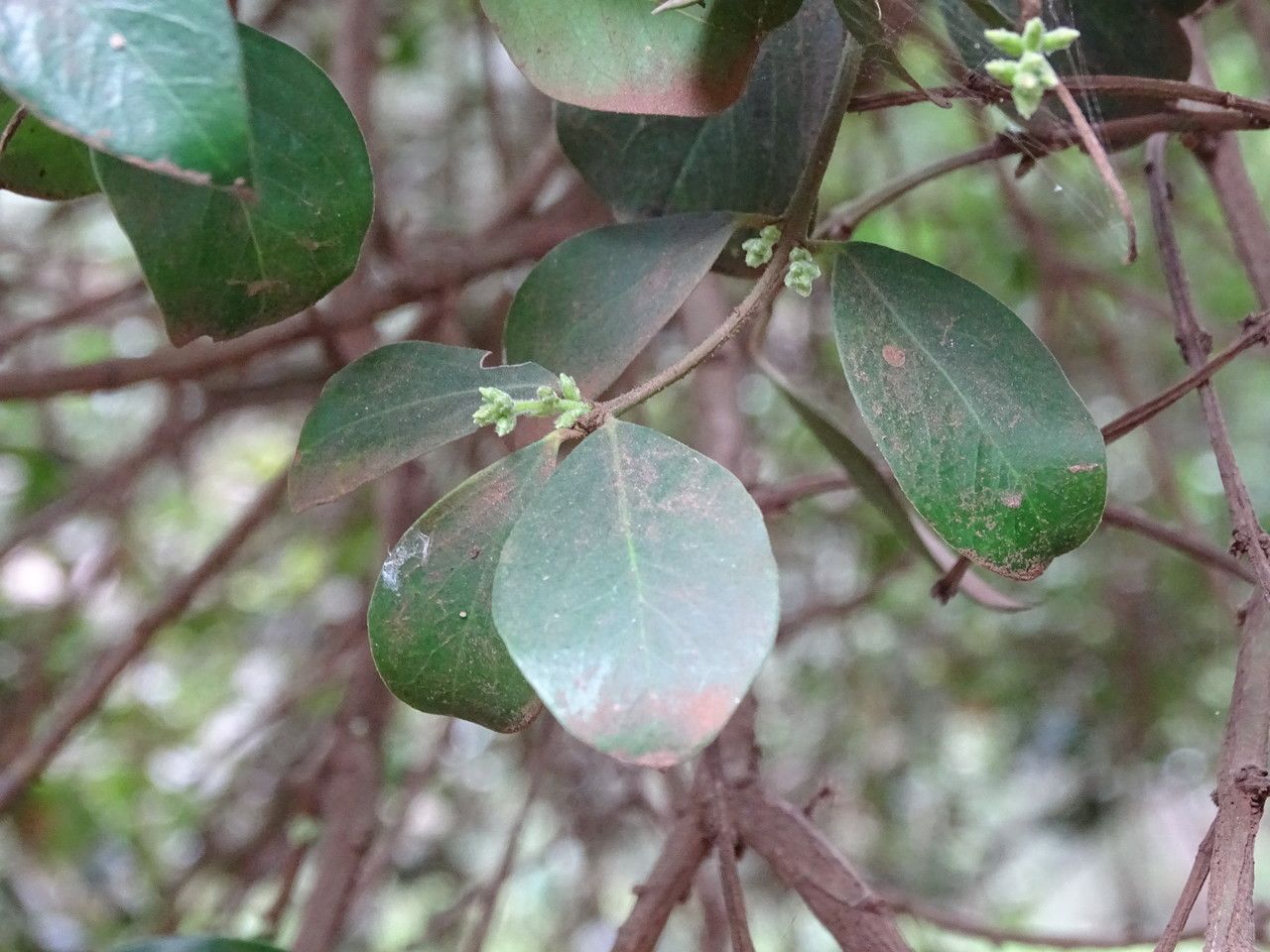
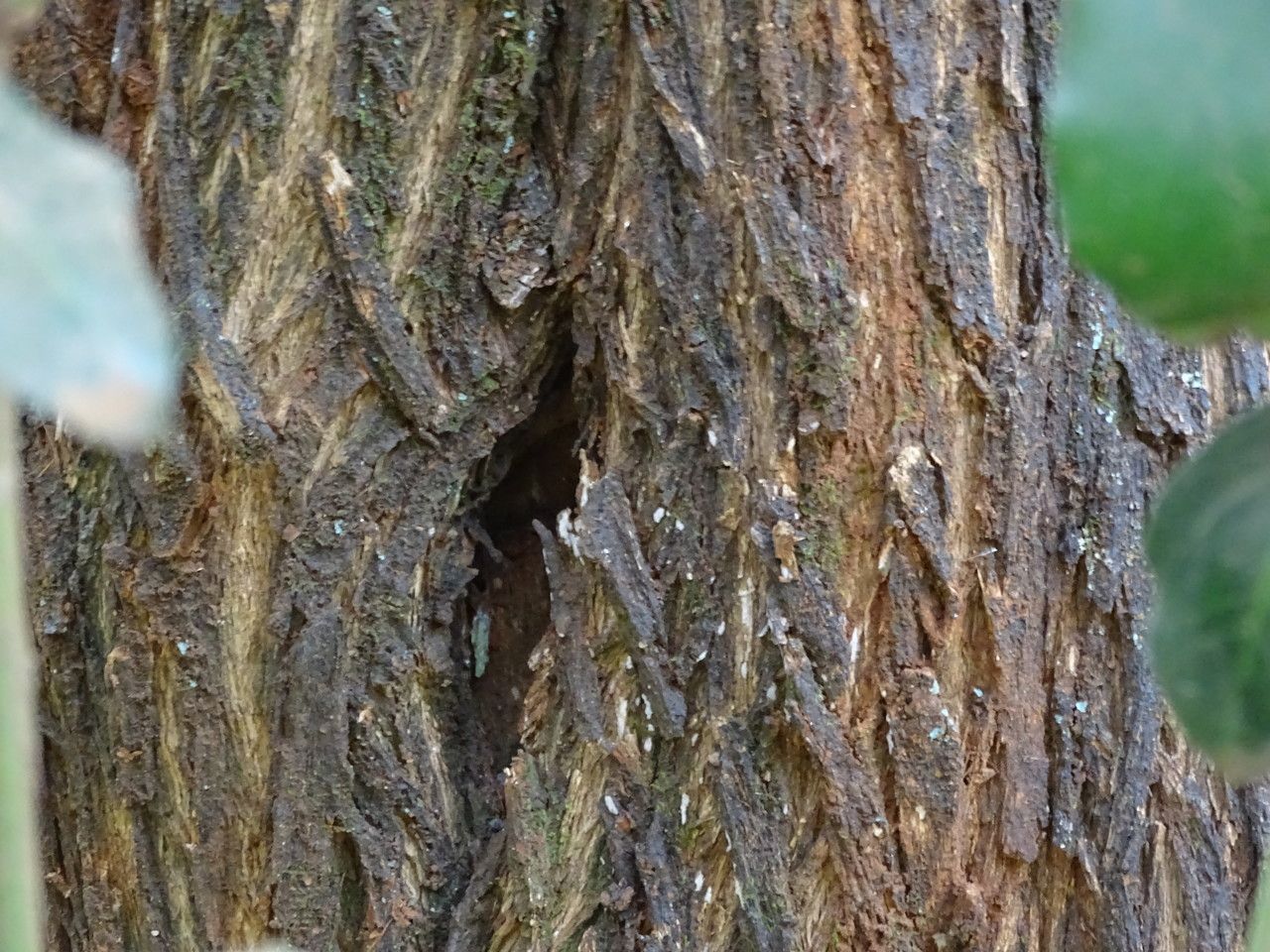
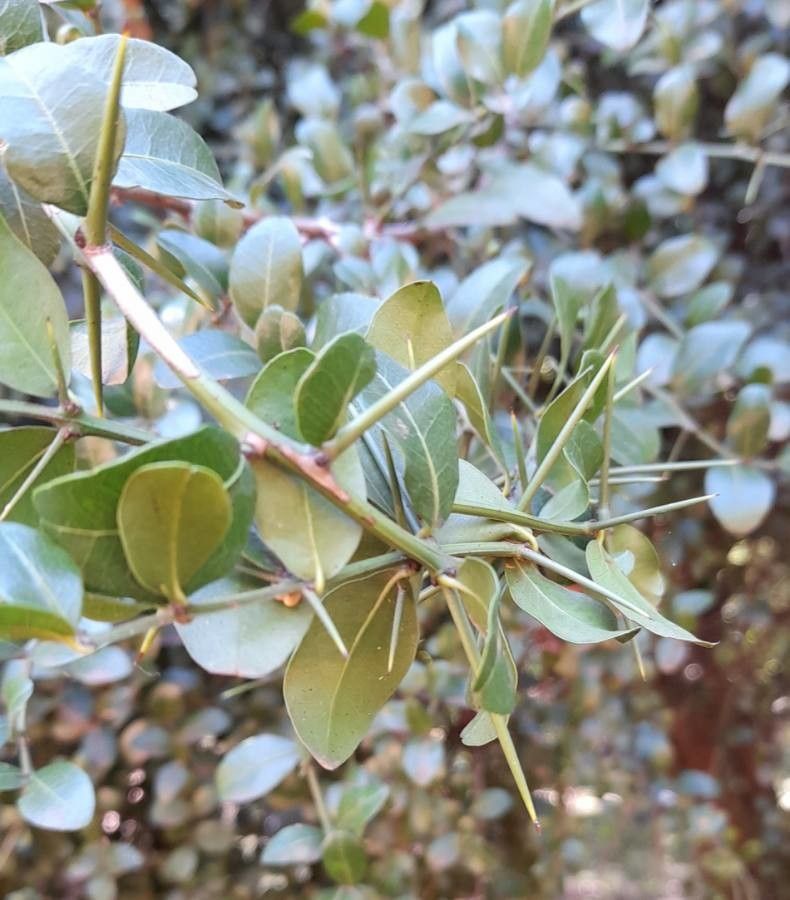
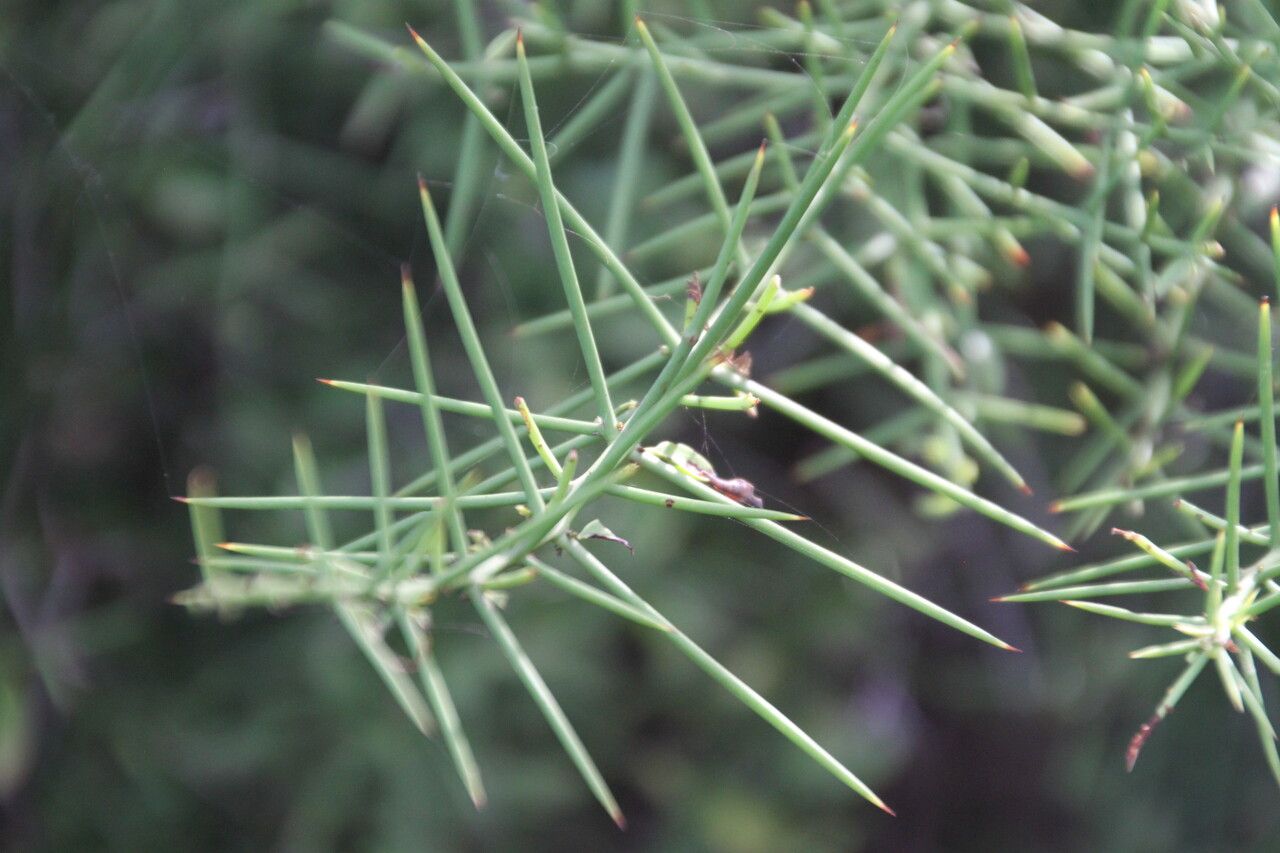
Scutia myrtina is a species of plant in the family Rhamnaceae. It is commonly known as cat-thorn.
Cat thorn has strong resistance to disease and is typically not susceptible to illnesses. As for care, this plant is fairly low-maintenance. When grown outdoors it needs only light watering, and larger specimens usually do not require pruning. Smaller plants, however, should be trimmed after they finish blooming. Cat thornt is appropriate for anyone with an outdoor area, such as a garden or deck, and does not demand extensive gardening experience.
How to keep Scutia Myrtina.
Light
Cat thorn needs a lot of sunlight to thrive, though it can cope with reduced light. It originates from sunny environments, and its vigorous growth phases demand ample light. Nevertheless, too much sun can be harmful, and too little light can slow its growth.
Water
Cat thorn, which originates from arid regions, is highly drought-tolerant and thrives with minimal water. It only needs to be watered once every three weeks, making it ideal for xeric landscapes. Its root system is particularly efficient at maximizing water uptake from poor soils during infrequent rainfall.
Temperature
Cat thorn prefers a temperature range of 68 to 95 °F (20 to 35 °C) and grows best under those conditions. Be prepared to adjust its environment as the seasons change.
Fertilizer
Fertilize your Cat thorn in early spring to encourage healthy growth. Consistent fertilization boosts the plant’s overall health, producing vigorous growth, better tolerance of harsh conditions, and increased resistance to pests and diseases. Keep a set fertilization schedule for your Cat thorn to preserve vibrant, deeply colored foliage and a lush appearance.
Pruning
Cat thorn is a robust shrub with dense, thorny branches. To promote healthy growth, prune it in early spring by removing dead wood and thinning out overcrowded areas to improve air circulation. Light trimming helps maintain the plant's shape and reduces the risk of disease. Avoid heavy pruning in late fall to preserve its hardiness throughout the winter.
Botanical profile.
- Plant Type
- Vine
- Life Cycle
- Perennial
- Genus
- Scutia
- Family
- Rhamnaceae
- Hardiness Zone
- 9
- Mature Height
- 2.13 m to 10.06 m
- Mature Spread
- 14.94 m
- Leaf Color
- Dark Green
- Leaf Type
- Evergreen
- Flower Color
- White, Cream
- Flower Size
- 0.25 cm
- Bloom Time
- Late spring, Early summer
- Planting Time
- Summer, Autumn
- Harvest Time
- Late summer, Early fall, Mid fall
- Native Area
- Sri Lanka, Malawi, India, South Africa, Zambia, Madagascar, Rwanda, Sudan, Kenya, Uganda, Tanzania, Zimbabwe, China, Burundi, Vietnam, Mozambique, Myanmar, Eswatini, Ethiopia, Congo (DRC), Thailand
Other names.
Reader questions.
What are the sunlight requirements for Cat thorn?
Cat thorn thrives in conditions of full sun, which means it requires more than 6 hours of sunlight daily. It can also manage with partial sun, about 3-6 hours of sunlight. However, it's crucial to observe how sunlight moves through your garden, ensuring you pick spots that provide the right balance of light and shade for the health of your plants. Given its origins in sunny environments, Cat thorn's vigorous growth phases demand ample light, although excessive sun exposure can be detrimental just as much as insufficient light can impede its growth.
What are the ideal temperature conditions for Cat Thorn (Scutia myrtina)?
Cat Thorn thrives best in a temperature spectrum of 68 to 95 °F (20 to 35 °C), adapting its environment accordingly over the changing seasons is crucial for its well-being. It has some cold tolerance and generally does not require any added cold protection measures when temperatures are above 0 °C. However, if temperatures are expected to drop below 0 °C, temporary measures, such as wrapping the plant with plastic film, fabric, or other materials, should be taken to protect it from the cold. Once temperatures rise again, these protective coverings should be removed promptly.
How can artificial lighting support Cat thorn's growth indoors?
Indoor plants, like Cat thorn, require adequate lighting for optimal growth, especially when natural sunlight is insufficient, such as in winter or less sunny spaces. Artificial lights offer a vital solution by promoting faster and healthier growth. For effective artificial lighting: 1. Choose LED lights, which can be customized to your plant’s specific light wavelength needs. 2. Place the light source 12-36 inches above the plant to mimic natural sunlight. 3. Ensure the plant receives 8-12 hours of light per day, mimicking natural daylight hours. Full sun plants typically need 30-50W/sq ft, partial sun plants 20-30W/sq ft, and full shade plants 10-20W/sq ft of artificial light.
How does Cat Thorn respond to low temperatures?
Cat Thorn has a moderate tolerance to low temperatures and thrives best when kept above 20 °C. During winter, it should be kept above 0 °C. Temperatures falling below -5 °C may cause the leaves to droop; they may recover in mild cases, but in severe cases, the leaves will wilt and eventually fall off. In response to low temperatures, it's advised to trim off frost-damaged parts. Before facing low temperatures again, wrapping the plant with non-woven fabric or cloth and constructing a wind barrier to protect it from the cold wind are effective solutions.
What symptoms indicate insufficient sunlight for Cat thorn?
Symptoms of insufficient sunlight in Cat thorn include smaller new leaves, leggy or sparse growth, faster leaf drop, halted or slow new growth, paler new leaves, chlorosis, sunscald, leaf curling, wilting, and leaf scorching. These symptoms reflect how low light conditions affect the plant’s ability to grow and photosynthesize effectively. While some symptoms point to a need for more light, others like sunscald and leaf scorching indicate damage from too much direct sunlight.
What should be done when Cat Thorn faces high temperatures?
In high temperatures, specifically during summer when it should be kept below 35 °C, Cat Thorn may experience symptoms like lighter leaf color, dry and withered leaf tips, curling leaves, and increased susceptibility to sunburn if temperatures exceed 38 °C. To mitigate these effects, it is recommended to trim away sunburned and dried-up parts. Moving the plant to a shade or using a shade cloth to protect it from the midday and afternoon sun can help. Additionally, watering the plant in the morning and evening to keep the soil moist will aid in its recovery and well-being.
What solutions can remedy Cat thorn's light-related issues?
To address Cat thorn’s light-related issues, consider gradual relocation to sunnier spots, ensuring at least 6 hours of daily direct sunlight, which can be facilitated by using south-facing windows. For large or immovable plants, supplementing with artificial light for at least 8 hours a day is advisable. Outdoors, a gradual move to optimize sunlight exposure is key to avoiding sunburn. If natural sunlight is blocked, pruning obstructive branches or transplanting to a sunnier location with ample sunlight and good drainage might be necessary. Note that parts of the plant affected by insufficient light may not recover, but new growth will be healthier with improved light conditions.