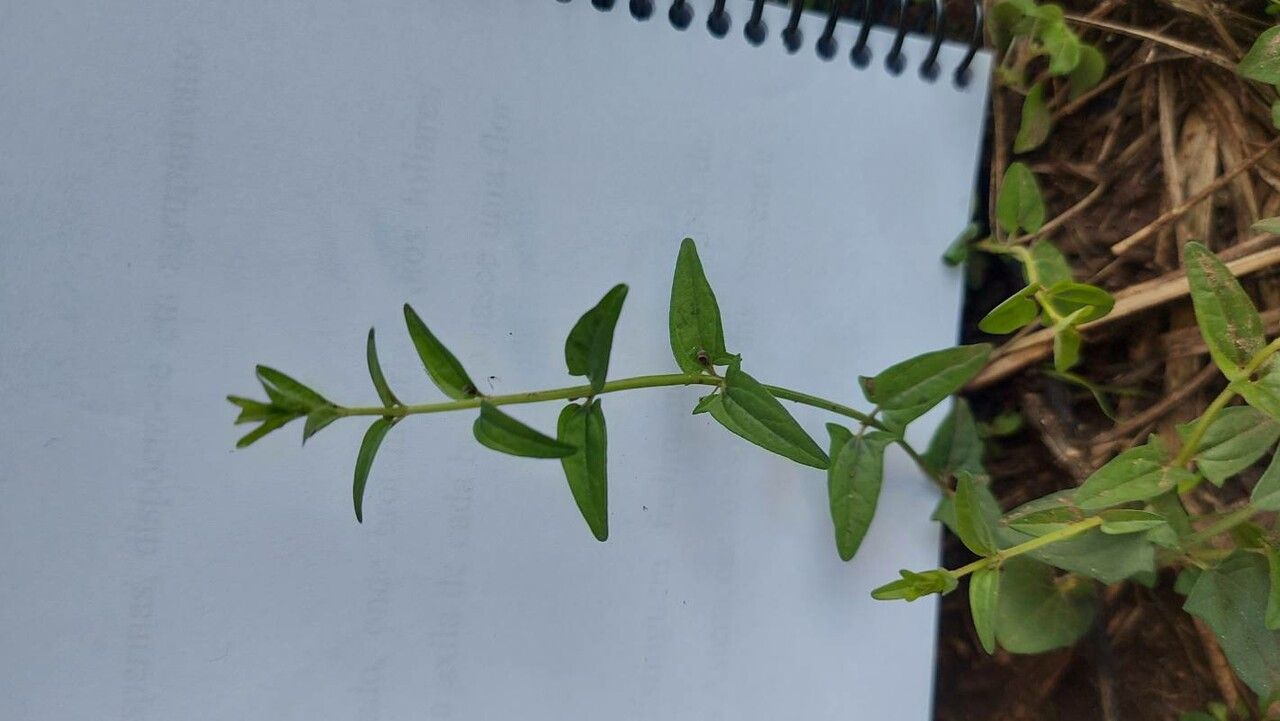
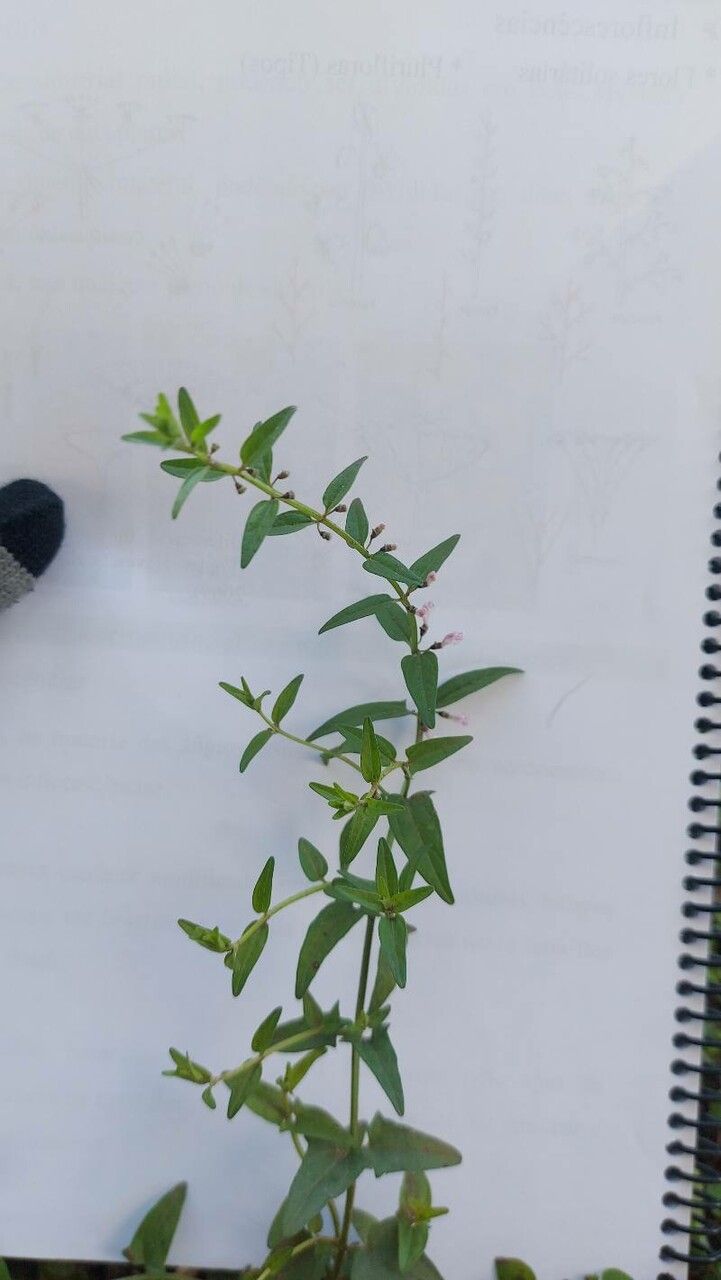
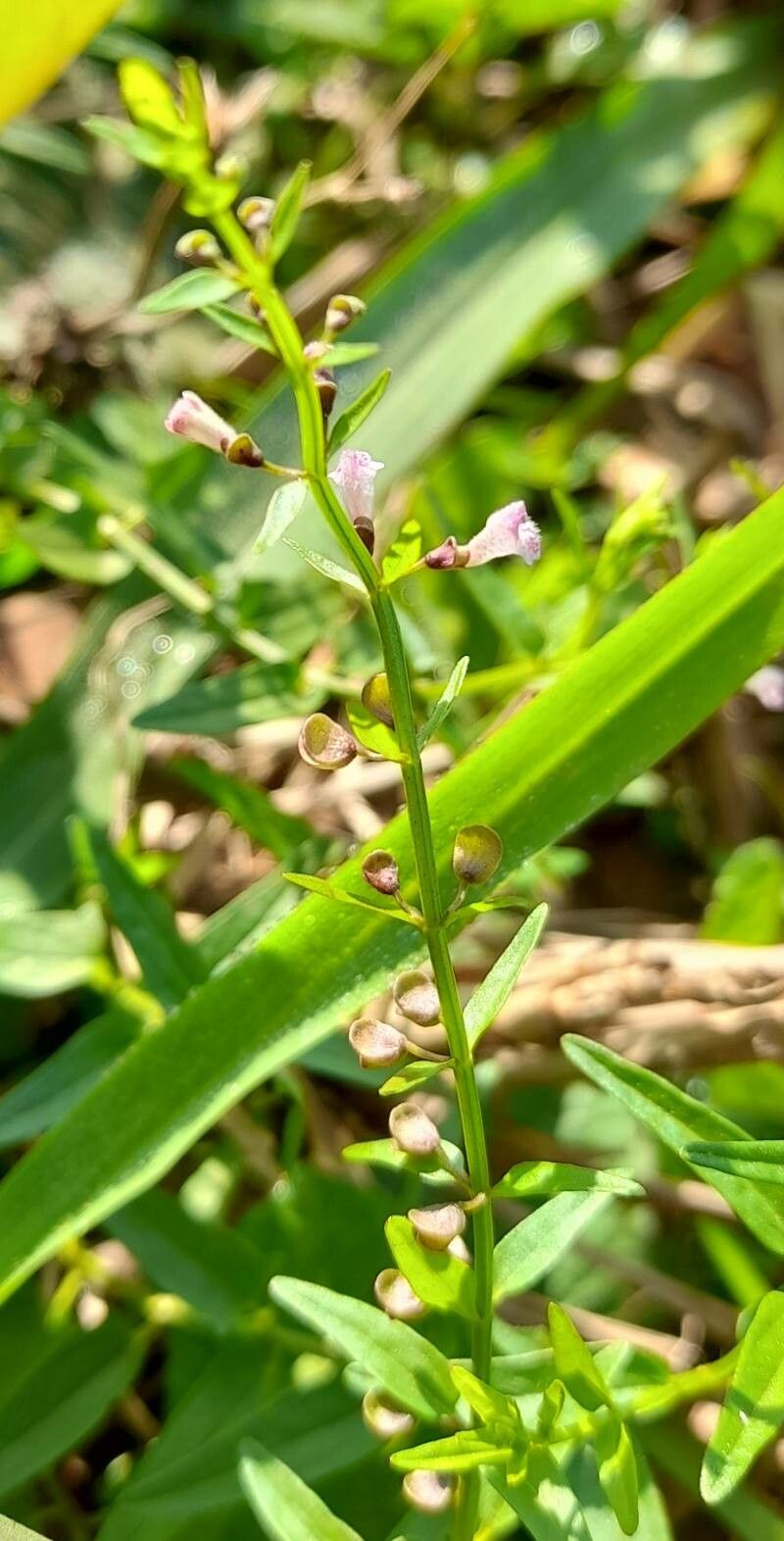
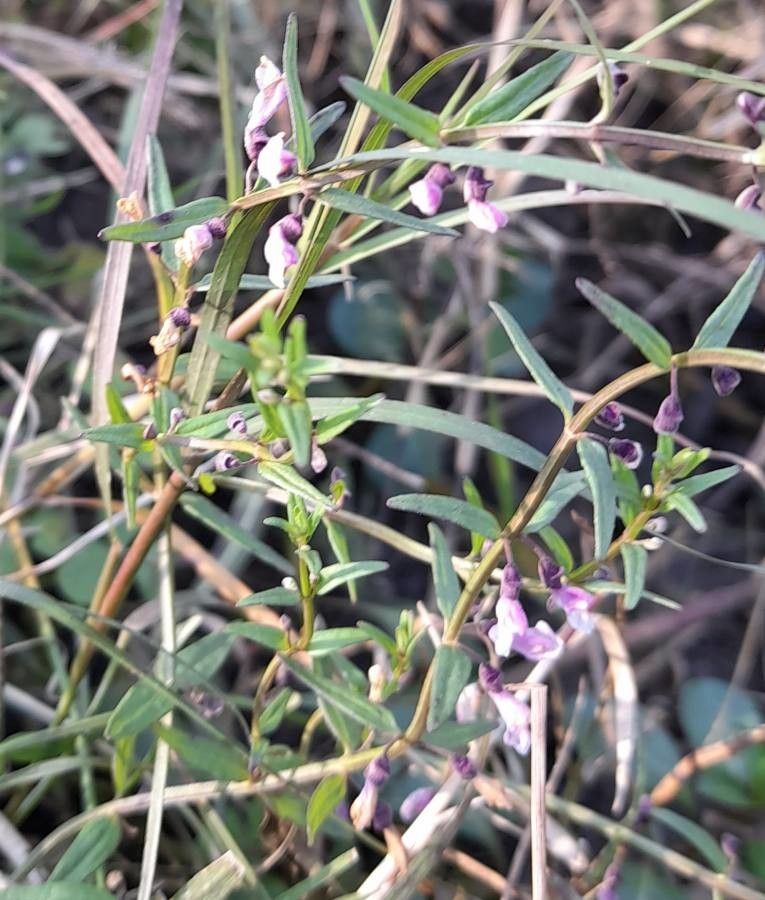
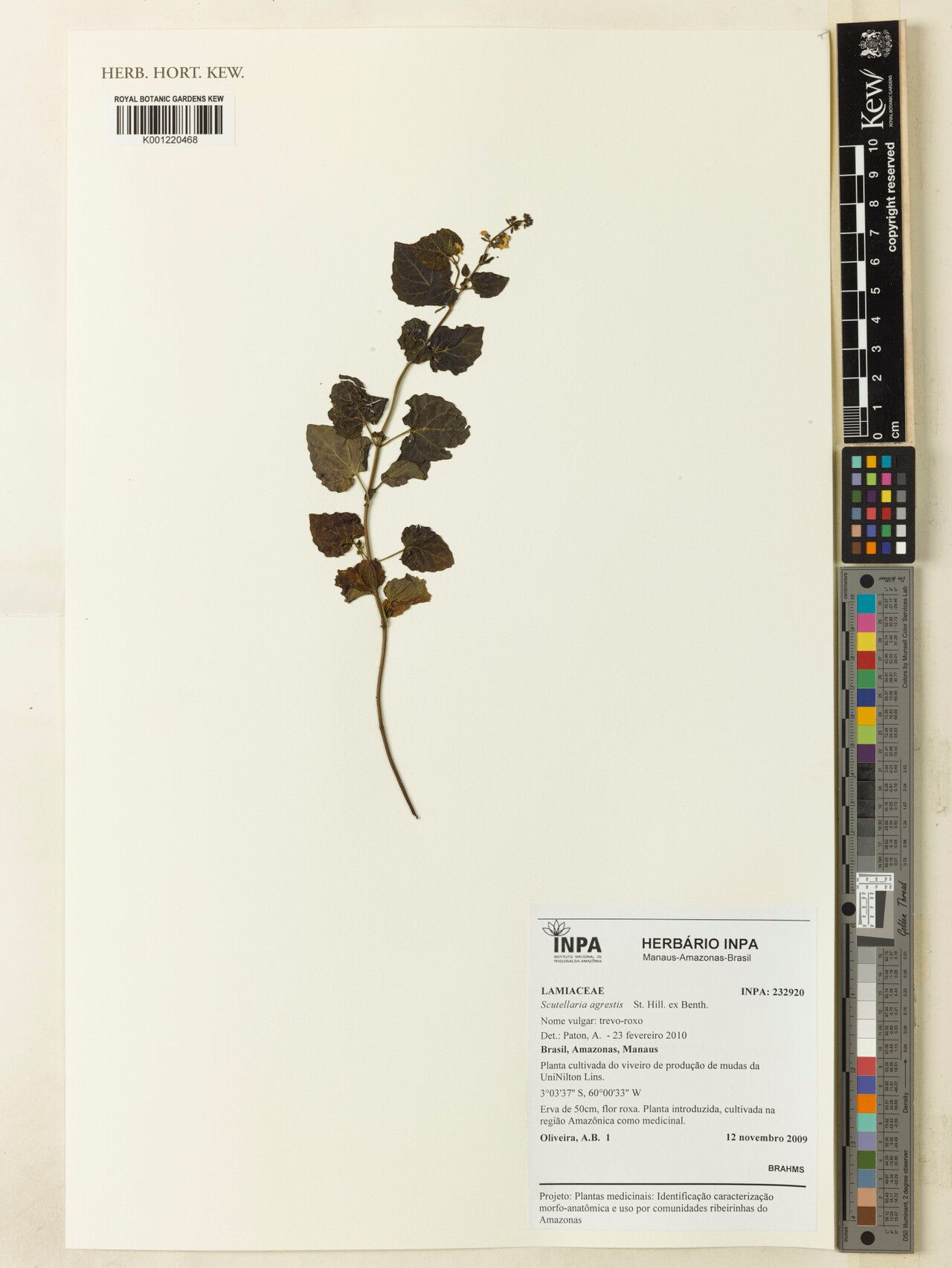
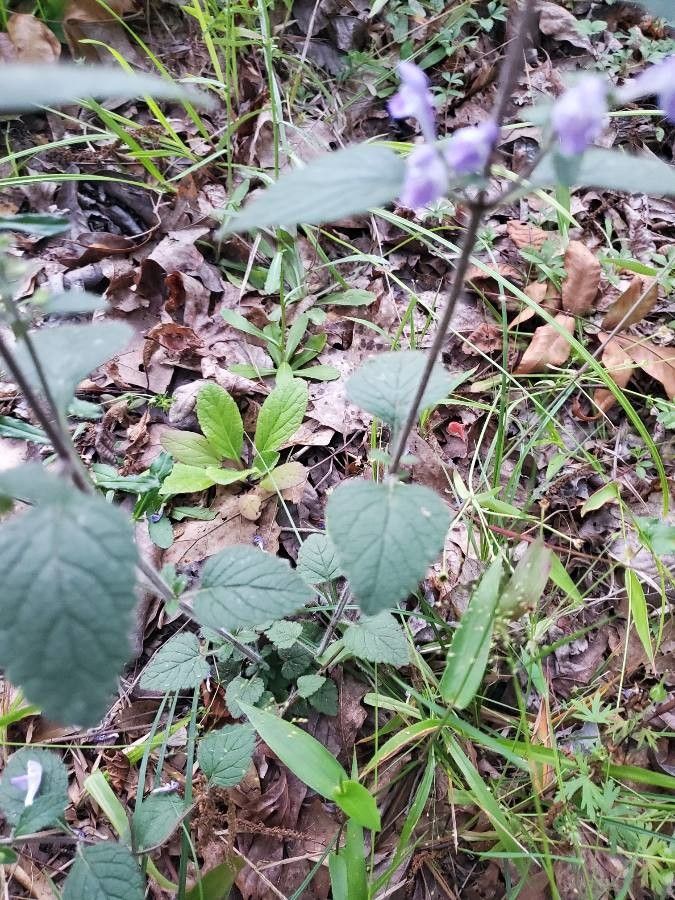
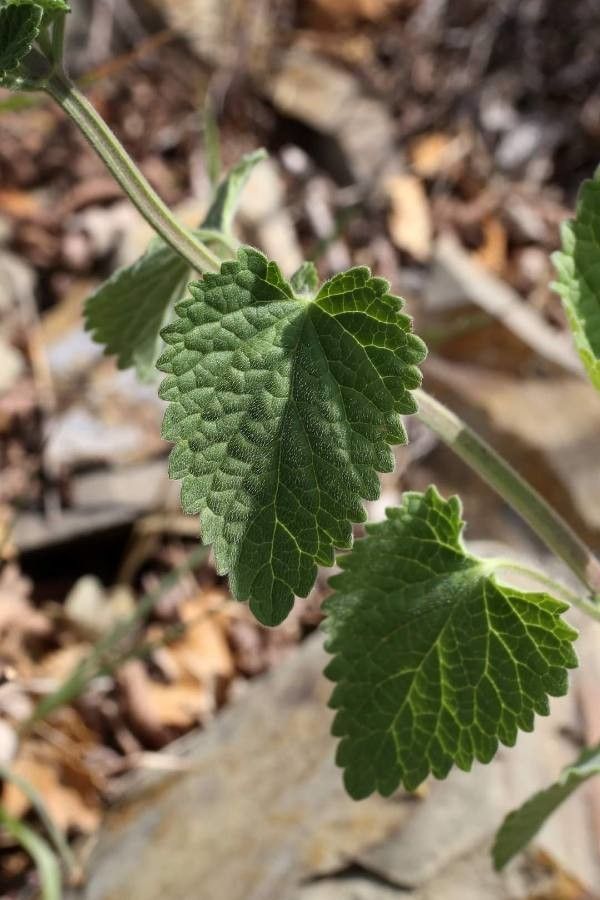
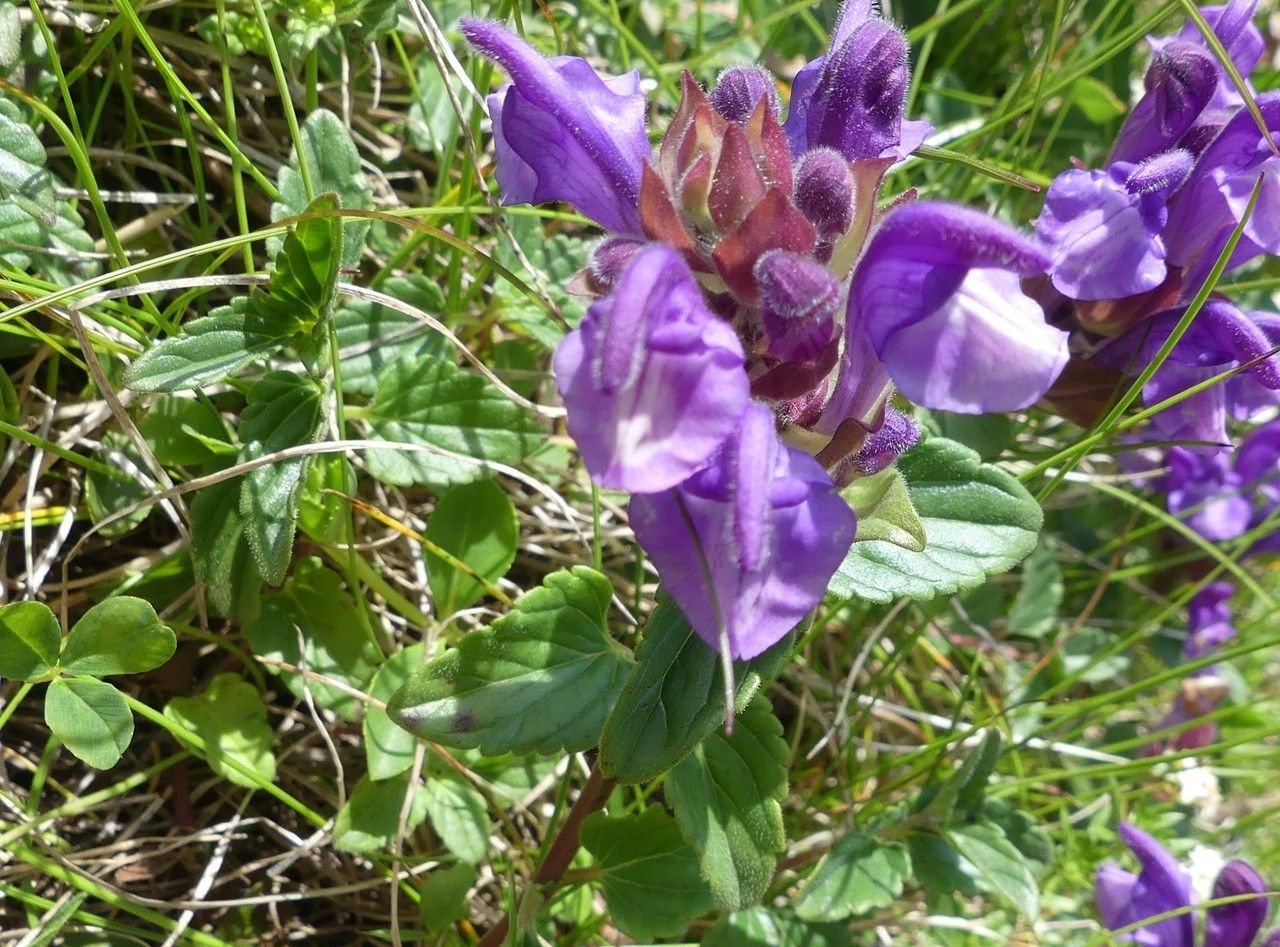
Scutellaria racemosa, commonly known as blue skullcap or mad-dog skullcap, is a perennial herbaceous plant belonging to the mint family, Lamiaceae. Native to North America, it thrives in moist woodlands, meadows, and along stream banks.
The plant typically grows to a height of 1-2 feet and features a square stem with lance-shaped, serrated leaves arranged oppositely. Its flowers are small and blue-purple, organized in racemes at the top of each stem.
For centuries, Native Americans have harnessed the medicinal properties of blue skullcap. It is believed to possess anti-inflammatory, sedative, and antispasmodic effects. The plant contains flavonoids such as baicalin, which are known to have antioxidant properties.
In contemporary times, Scutellaria racemosa is used as an herbal remedy for anxiety disorders, including panic attacks and generalized anxiety disorder (GAD). Its anti-inflammatory properties also make it useful for topical treatment of skin conditions like eczema and psoriasis.
Overall, Scutellaria racemosa is a fascinating herbaceous perennial that not only adds beauty to its environment but also offers significant medicinal benefits when properly utilized by herbalists and medical professionals alike.
South american skullcap has strong resistance to disease and is generally not prone to illnesses. However, it can be vulnerable to pests and diseases present in its surroundings. These infections are usually mild. In terms of care, this plant requires a moderate level of maintenance. It needs to be pruned regularly to maintain a good appearance and healthy growth. Fertilizing can also help encourage flowering. South american skullcap is suitable for anyone with outdoor space, such as a garden or patio, and does not demand extensive care experience. It may require more attention when grown indoors.
How to keep Scutellaria Racemosa.
Light
South American skullcap originates from habitats like forest understories and rocky sites, where natural shade occurs. It prefers partial sun but can adjust to full sun or complete shade, reflecting its adaptable, hardy nature.
Water
South American skullcap flourishes in humid, tropical climates and needs weekly watering to stay healthy. This evergreen plant is often cultivated indoors in containers, making it easier to maintain consistent moisture.
Temperature
South american skullcap can adjust to a wide range of temperature conditions, but its distribution may still be restricted by various combinations of water and heat. It grows best in warm summer climates with sufficient rainfall or watering. Extended periods of cloudy, rainy weather, as well as prolonged high temperatures, can increase the chance of South american skullcap dying. In winter, adequate protection from cold can improve the plant's survival rate.
Fertilizer
The best time to fertilize a South american skullcap is in early spring, when it is coming out of dormancy and starting active growth. Fertilization supplies essential nutrients for healthy growth. Although South american skullcap has relatively low fertilization needs, applying fertilizer annually can enhance its survival and promote better, longer-lasting flowers.
Pruning
The South American skullcap features distinctive racemes of small flowers. To maintain this plant, prune from early to late spring by removing dead stems and thinning out overcrowded areas to improve air circulation. Regularly removing spent flowers encourages more blooms. Careful pruning in the spring enhances the plant's vigor and helps reduce fungal problems.
Botanical profile.
- Plant Type
- Herb
- Life Cycle
- Perennial
- Genus
- Scutellaria
- Family
- Lamiaceae
- Hardiness Zone
- 8-11
- Mature Height
- 15 cm to 30 cm
- Mature Spread
- 20 cm to 40 cm
- Leaf Color
- Green, Dark Green
- Leaf Type
- Semi-evergreen
- Flower Color
- Blue, Purple
- Flower Size
- 1.02 cm to 1.52 cm
- Bloom Time
- Summer, Early fall, Mid fall
- Planting Time
- Spring, Summer
- Harvest Time
- Late summer, Fall, Early winter
- Native Area
- Colombia, Honduras, Mexico, Guatemala, Bolivia, Ecuador
Other names.
Reader questions.
How should I water my South American skullcap plant?
To properly water the South American skullcap plant, it is recommended to use filtered water at room temperature. Tap water can contain harmful particles that may affect its health, whereas filtered water is safer. Considering the plant's origin in a warm environment, it is essential to use water at room temperature or slightly warmer to avoid shocking its system with cold water. Additionally, overhead watering should be avoided as it can lead to issues with the foliage. Instead, it is best to apply filtered room temperature water directly to the soil until it is completely soaked. This approach helps moisturize the roots, enabling them to spread through the soil and absorb the necessary nutrients.
What are the sunlight requirements for South American Skullcap (Scutellaria racemosa)?
South American Skullcap (Scutellaria racemosa) thrives in various sunlight conditions. For full sun exposure, it requires above 6 hours of sunlight daily, making it perfect for vibrant growth. Partial sun locations, about 3-6 hours of sunlight, are also suitable for this plant. It's essential to watch how sunlight moves through your garden to find spots that offer the ideal balance of light and shade, ensuring your South American Skullcap's happiness and healthy development.
What is the botanical name of the South American Skullcap?
The botanical name of the South American Skullcap is Scutellaria racemosa. This plant is known for its unique properties and is part of the diverse flora found in South America.
What should I do if I give my South American skullcap too much water or too little water?
Both overwatering and underwatering can harm the health of your South American skullcap plant. However, overwatering is a more common issue. When this happens, the stems and leaves may wilt and turn yellow. Overwatering for a long time can also cause diseases like root rot, mold, and mildew, which can be fatal for the plant. On the other hand, underwatering is less likely but still possible. In this case, the leaves may become brittle and brown. It is important to recognize signs of overwatering early to prevent irreparable damage. If you notice these signs, reduce your watering frequency and check the soil quality. If it drains poorly, replace it with a loose, well-draining potting mix. If you observe signs of underwatering, simply increase the watering frequency until the signs disappear.
How often should I water my South American skullcap plant?
If your South American skullcap is in a pot, a precise way to determine if it needs water is to stick your finger in the soil. If the top two to three inches of soil are dry, it's time to water it. If you're growing the plant outdoors in the ground, you can use a similar method. If you find that the first few inches of soil have dried out, then it's time to water. Typically, during spring and early fall, you'll need to water the plant about once a week using this method. However, during extremely hot weather, you may need to water it twice or even more per week. It's worth noting that mature, well-established South American skullcap plants have a remarkable ability to withstand drought.
How much water does my South American skullcap plant need?
When watering your South American skullcap, make sure to give it plenty of water. Check the soil and if the top two to three inches are dry, water the plant thoroughly. Water it enough so that the soil is completely soaked and excess water flows out of the drainage holes at the bottom of the pot. If you don't see any excess water draining, you may not have watered enough. However, be careful not to let water accumulate inside the soil as this can harm the plant. Similarly, if water is not draining properly through the pot, it could be a sign that the soil is not draining well, which can also be harmful to the plant. If the plant is outdoors, about 1 inch of rain per week should be enough.
How should I water my South American skullcap plant as it grows?
The watering needs of the South American skullcap can vary depending on its growth stages. When the plant is still young or has been recently transplanted, it requires more water than usual. During these stages, the South American skullcap dedicates a lot of energy to developing new roots, which are crucial for future growth. To ensure optimal root performance, slightly more moisture is needed compared to later, more mature phases. As the plant becomes established over a few seasons, it will require less water overall. Additionally, the bloom period is another growth stage that demands increased watering. The development of flowers relies on a significant amount of moisture, so you may need to provide extra water to the South American skullcap during this time.
How should I give water to my South American skullcap plant throughout the different seasons?
The water needs of the South American skullcap vary depending on the season. In the hottest months, especially during summer, the plant requires more frequent watering, possibly even more than once per week, based on how quickly the soil dries out. Conversely, during winter, the plant goes into a dormant phase and needs significantly less water. In fact, you may not need to water it at all during this time. However, if you choose to water it during winter, make sure to do so only about once a month. Overwatering during this period increases the risk of the South American skullcap developing diseases.
What's the difference between watering my South American skullcap inside and outside?
South American skullcap is commonly grown indoors by gardeners in non-temperate and non-tropical regions. If you choose to grow it in a container, keep in mind that the soil may dry out faster than if it were planted in the ground. Additionally, factors like air conditioning units can increase the need for more frequent watering. However, if you choose to plant it outside and receive regular rainfall, you may not need to water it very often at all. On the other hand, if you grow the plant indoors, you will need to water it more frequently since relying on rainwater to soak the soil is not an option.