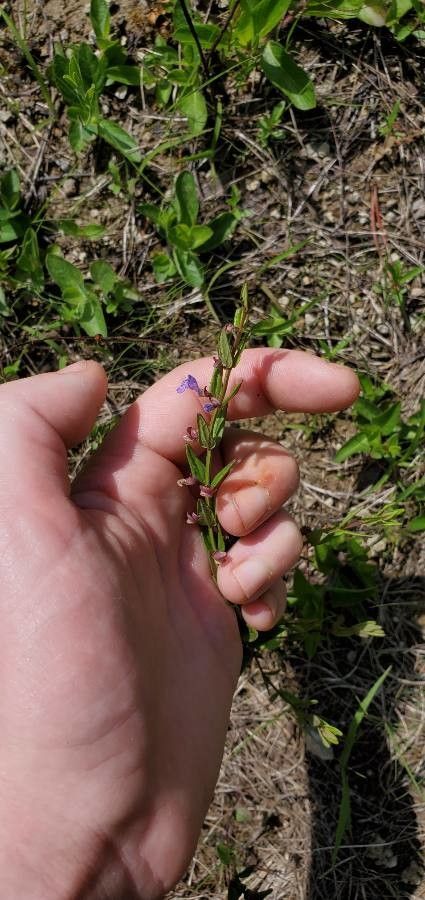
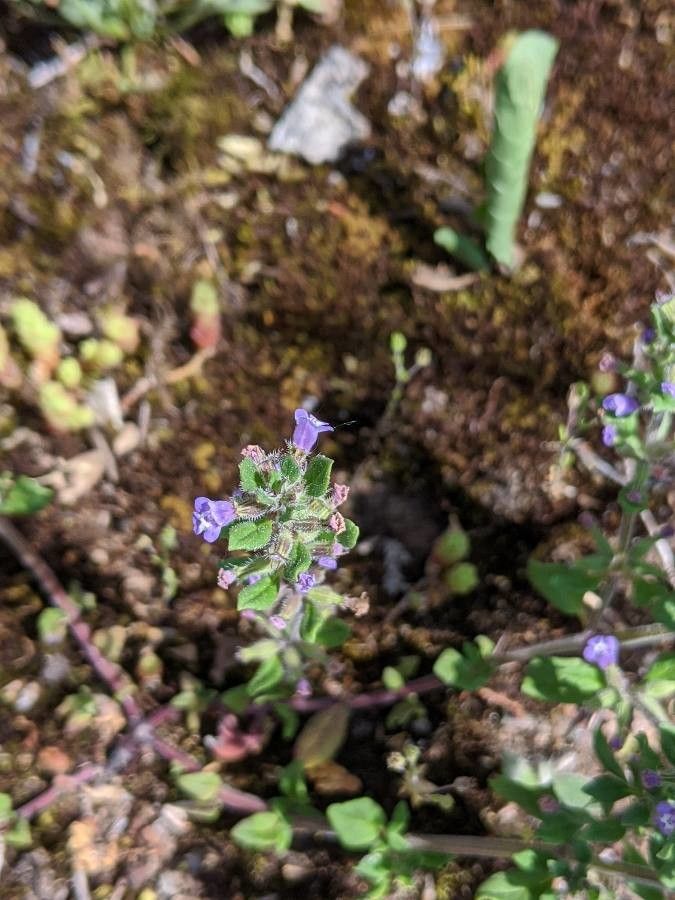
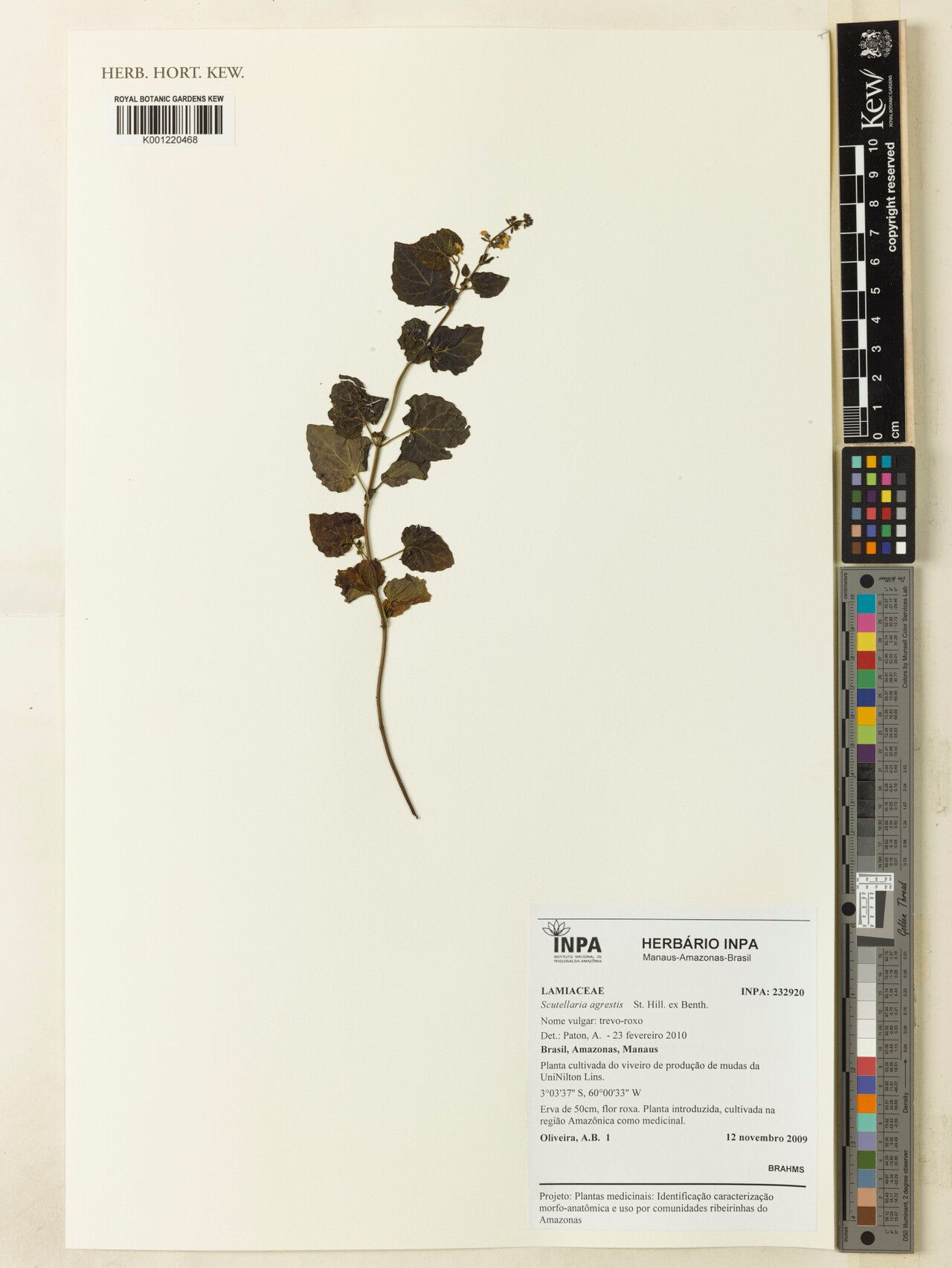
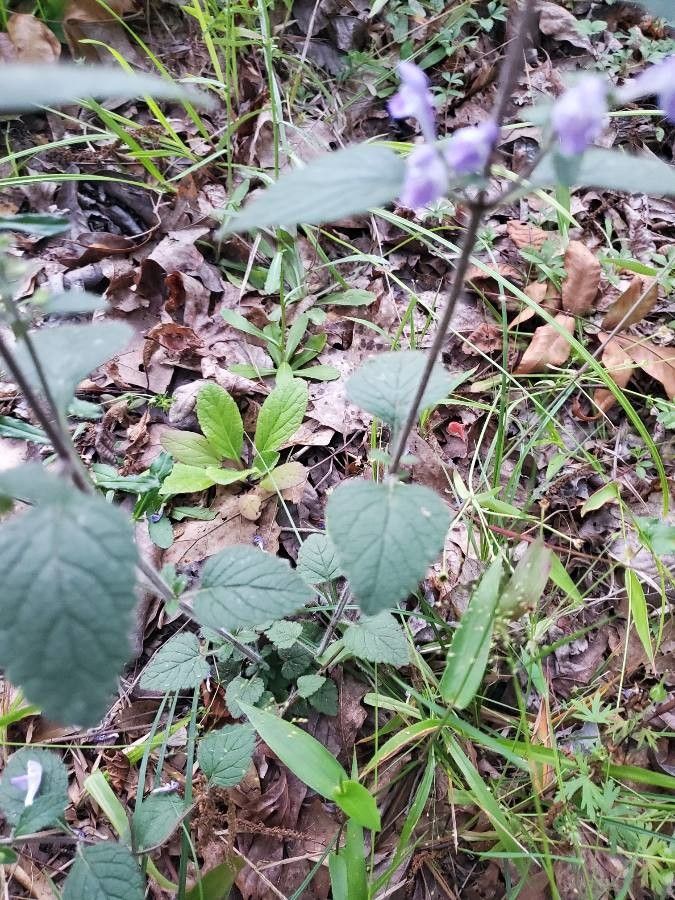
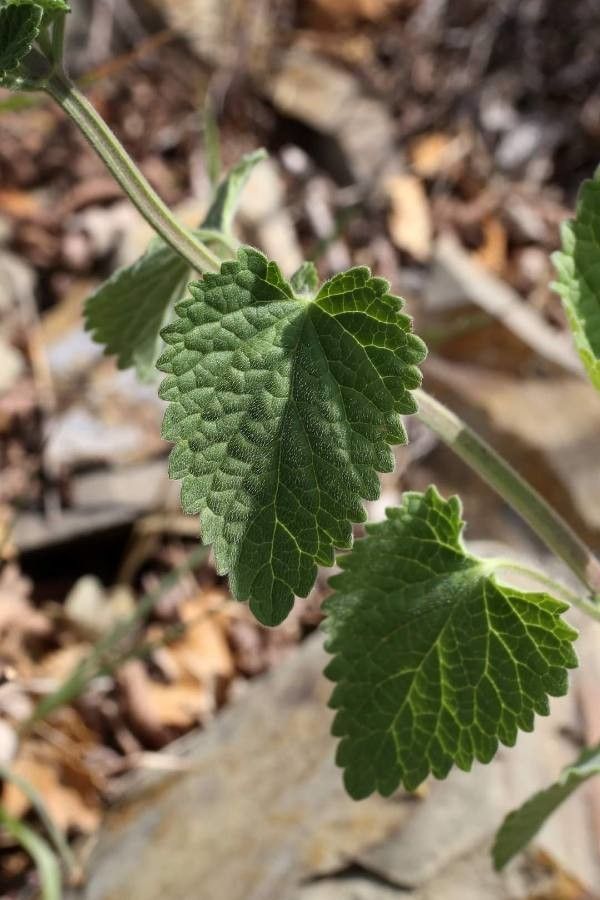
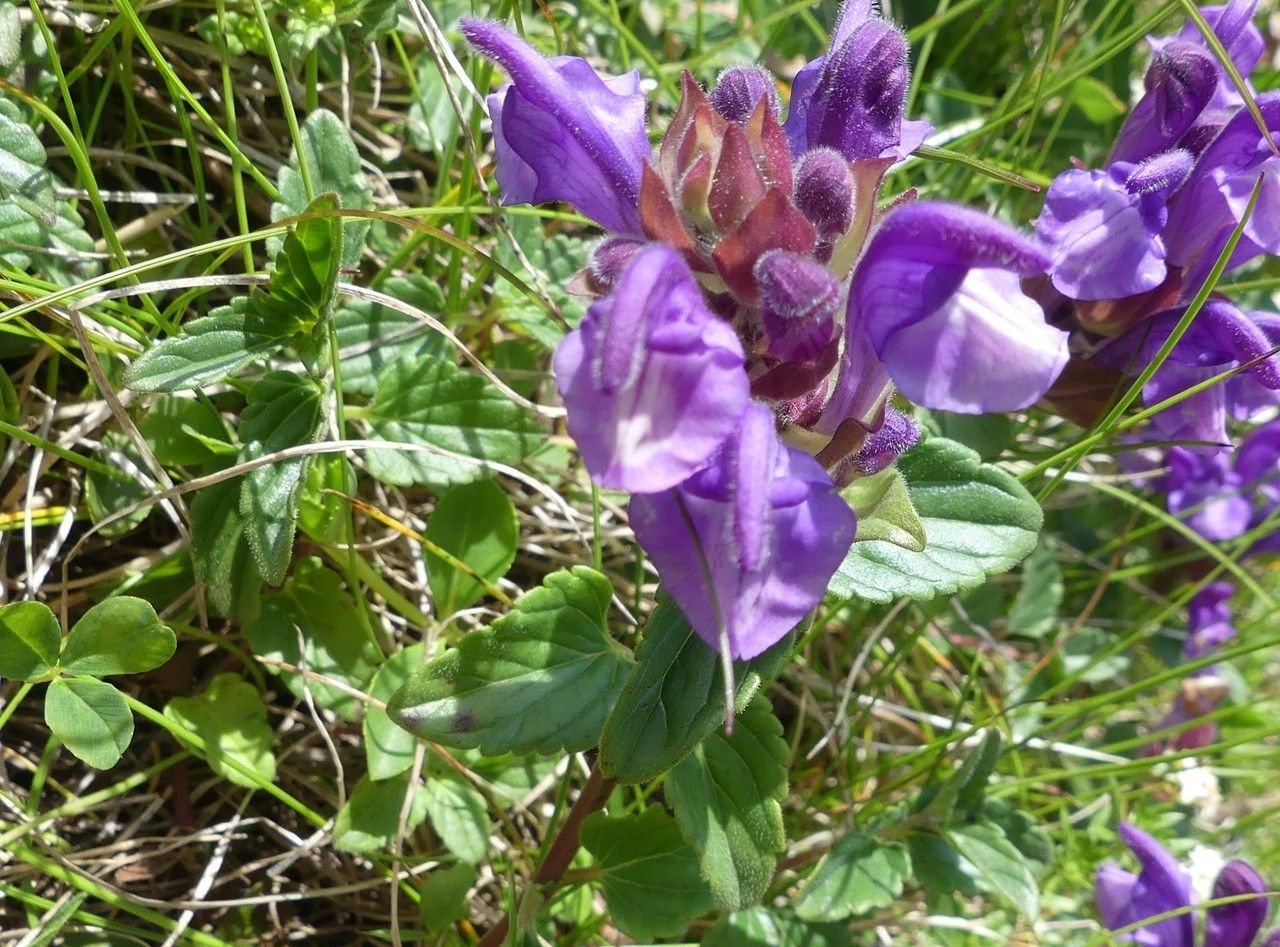
Scutellaria parvula, commonly known as the small skullcap, is a member of the mint family. It is native to eastern and central North America, being most common in the central states and become rare in the east. It is found in areas that provide ample sunlight, such as prairies, glades, and savannas, often in calcareous soil. Flowering time is from late spring to early summer.The closely related Scutellaria australis is sometimes considered a variety of this species.
Small skullcap is fairly disease-resistant and typically not very susceptible to illnesses. However, it can be vulnerable to pests and diseases present in its surroundings. Such infections are generally mild. In terms of care, the plant needs moderate upkeep. Regular pruning is necessary to preserve its appearance and encourage healthy growth. Applying fertilizer can also help promote flowering. Small skullcap is appropriate for anyone with an outdoor space, such as a garden or patio, and does not require extensive care experience. It may need more attention when grown indoors.
How to keep Scutellaria Parvula.
Light
Small skullcap thrives in spots that receive abundant sunlight for most of the day, although it can persist in locations where light is present but somewhat reduced. Sunlight supports its healthy development and growth at every stage. Too little or too much sun can interfere with its growth.
Water
Small skullcap thrives in well-drained soil and requires moderate watering. Native to regions with balanced rainfall, this plant adapts well to both wet and dry periods. It's best to water it weekly, providing adequate moisture without overwatering. Commonly grown outdoors as an herbaceous plant, proper care is essential for its growth.
Temperature
Small skullcap is native to areas where temperatures range from 32 to 95 °F (0 to 35 °C). It favors moderate temperatures throughout the year. If temperatures rise above or drop below this range, consider providing a more suitable environment for the plant.
Fertilizer
For Small skullcap, the primary time to fertilize is early spring when flowers are forming. The appropriate fertilizer promotes stronger blooms and helps Small skullcap produce attractive flowers. Fertilizing in early spring ensures excellent flowers during the season and supplies energy for dormant growth phases.
Pruning
Small skullcap is a low-growing perennial plant that features violet-blue flowers and compact foliage. To keep it healthy and attractive, prune the plant in early spring to remove any dead stems. In late spring, trim the spent blooms to encourage continued flowering. Proper pruning promotes healthy growth, improves air circulation, reduces the risk of disease, and maintains the plant's appearance.
Botanical profile.
- Plant Type
- Herb
- Life Cycle
- Perennial
- Genus
- Scutellaria
- Family
- Lamiaceae
- Hardiness Zone
- 3-9
- Mature Height
- 15 cm to 25 cm
- Mature Spread
- 8 cm to 15 cm
- Leaf Color
- Green, Dark Green
- Leaf Type
- Deciduous
- Flower Color
- Purple
- Flower Size
- 2.54 cm
- Bloom Time
- Late spring, Early summer, Mid summer
- Planting Time
- Spring, Summer, Autumn
- Harvest Time
- Mid summer, Late summer, Early fall
Other names.
Reader questions.
What are the sunlight requirements for Small Skullcap?
Small Skullcap (Scutellaria parvula) flourishes best in areas with abundant sunlight, requiring more than 6 hours of direct sunlight daily (full sun) for optimal growth and development. It can also grow in partial sun conditions, which means about 3-6 hours of sunlight each day. Monitoring the movement of sunlight through your garden helps in choosing the right spots that offer a balance of light and shade, ensuring the plants’ well-being. It's essential to understand that both insufficient and excessive sun can affect the plant's growth pattern negatively.
What is the ideal temperature range for the growth of Small skullcap?
Small skullcap thrives in regions with temperatures ranging from 32 to 95 °F (0 to 35 °C), preferring moderate temperatures throughout the year. Even though it possesses a strong cold resistance, creating an environment within this temperature range is crucial for its optimal growth. Should the temperatures exceed 95 °F or drop below 32 °F, measures should be taken to ensure the conditions are more conducive for the plant's health.
How should I provide lighting for Small Skullcap grown indoors?
When growing Small Skullcap indoors where natural sunlight is insufficient, especially during winter or in less sunny spaces, artificial lighting becomes crucial. LED lights, being customizable to specific wavelengths, are highly recommended. The general guidelines for artificial lighting are 30-50W/sq ft for full sun plants, 20-30W/sq ft for partial sun plants, and 10-20W/sq ft for full shade plants. The light source should be placed 12-36 inches above the plant, mimicking natural sunlight conditions, and provided for 8-12 hours per day to promote healthier and faster growth.
How can Small skullcap be protected during extreme cold?
Small skullcap has a notable cold resistance but requires protection if winter temperatures are anticipated to drop below -35°C. Cold protection can be achieved by covering the plant with insulating materials such as soil or straw. Additionally, it is beneficial to water the plant abundantly before the first freeze in autumn, ensuring the soil remains moist and can enter a frozen state. This precautionary measure aids in preventing drought and water scarcity for the plant throughout the winter and early spring.
What symptoms indicate insufficient sunlight for Small Skullcap?
Symptoms of insufficient sunlight in Small Skullcap include new leaves growing smaller in size, the plant exhibiting leggy or sparse growth, premature dropping of older leaves, delayed or halted new growth, leaves developing irregular color patterns or appearing pale, and overall weaker plant structure. Additionally, chlorosis (loss of green leaf color), sunscald, leaf curling, wilting, and leaf scorching are symptoms of both excessive sunlight and poor light management. These indicators suggest a need to reassess and adjust the plant's light exposure.
What should be done if a Small skullcap experiences low temperatures below its tolerance?
Small skullcap is cold-tolerant and typically fares best when kept above 0°C during the winter, ideally remaining above -30°C. In instances where temperatures fall below -35°C, the plant might not exhibit immediate damage but could face decreased or absent sprouting in the following spring. To address this, any parts of the plant that have failed to sprout in the spring should be removed to encourage new growth and health of the plant.
What solutions can I apply for Small Skullcap suffering from poor light conditions?
For Small Skullcap struggling with poor light, indoor solutions include gradually moving the plant to a sunnier spot or utilizing artificial light if relocation isn't feasible. Outdoor plants should be moved to better-lit areas gradually to prevent sunburn. Reducing light obstructions or transplanting to locations with direct sunlight also benefits plants grown in the ground. Note that while parts of the plant that suffered might not recover, new growth post-adjustment should be healthy. Always ensure to adapt lighting conditions slowly to prevent stress on the plant.
How to care for Small skullcap when it is exposed to high temperatures?
During the summer, it is essential to maintain the temperature below 35°C for Small skullcap. Exposure to temperatures above 38°C can result in the leaves becoming lighter, curling, and prone to sunburn, potentially leading to the plant wilting and drying out completely in severe cases. To mitigate the impact of high temperatures, sunburned and dried parts of the plant should be trimmed away. The plant should also be moved to a shaded area or covered with shade cloth to protect it from midday and afternoon sun. Additionally, watering the plant in the morning and evening will help in keeping the soil moist and conducive for its growth.