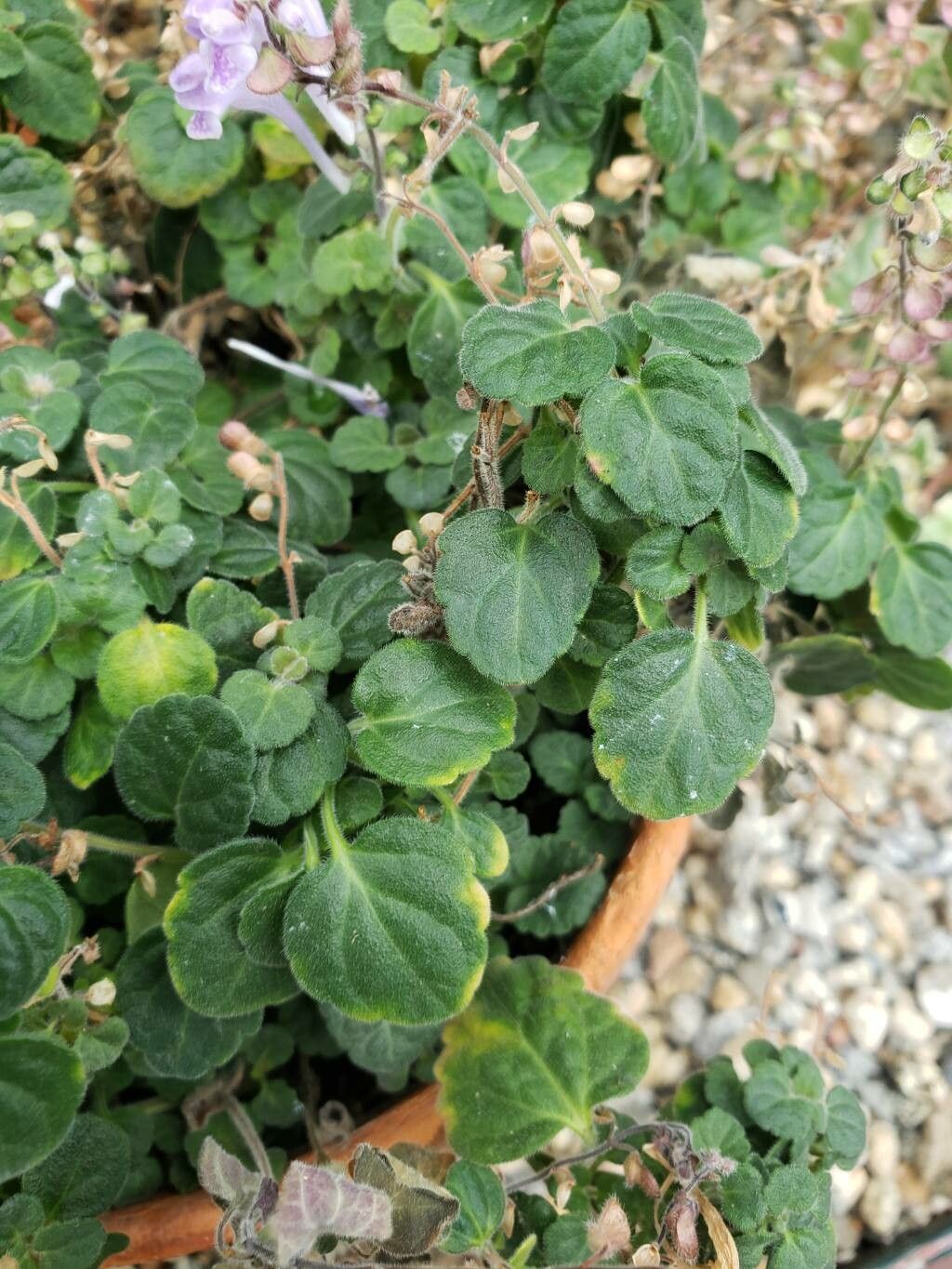
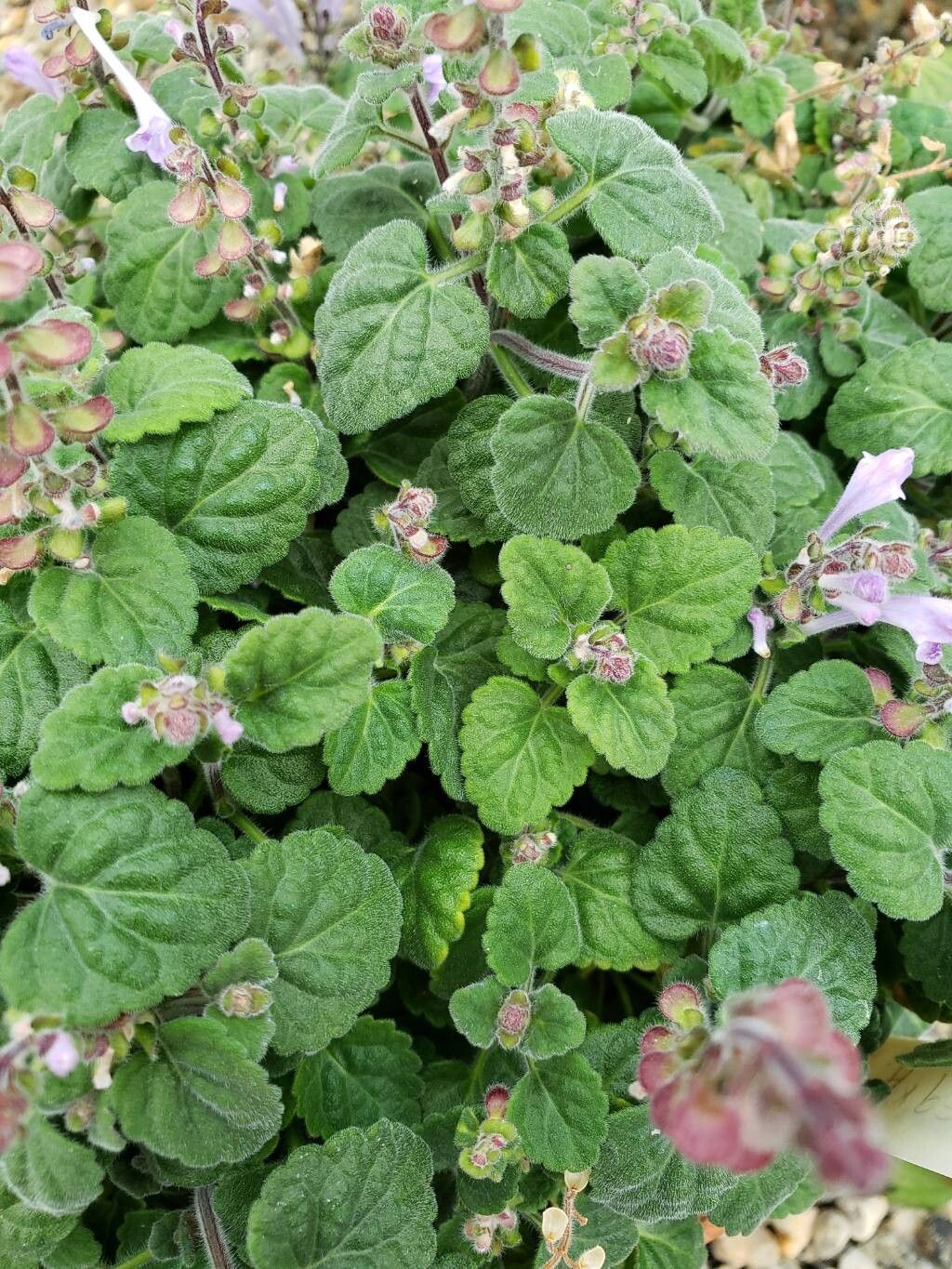
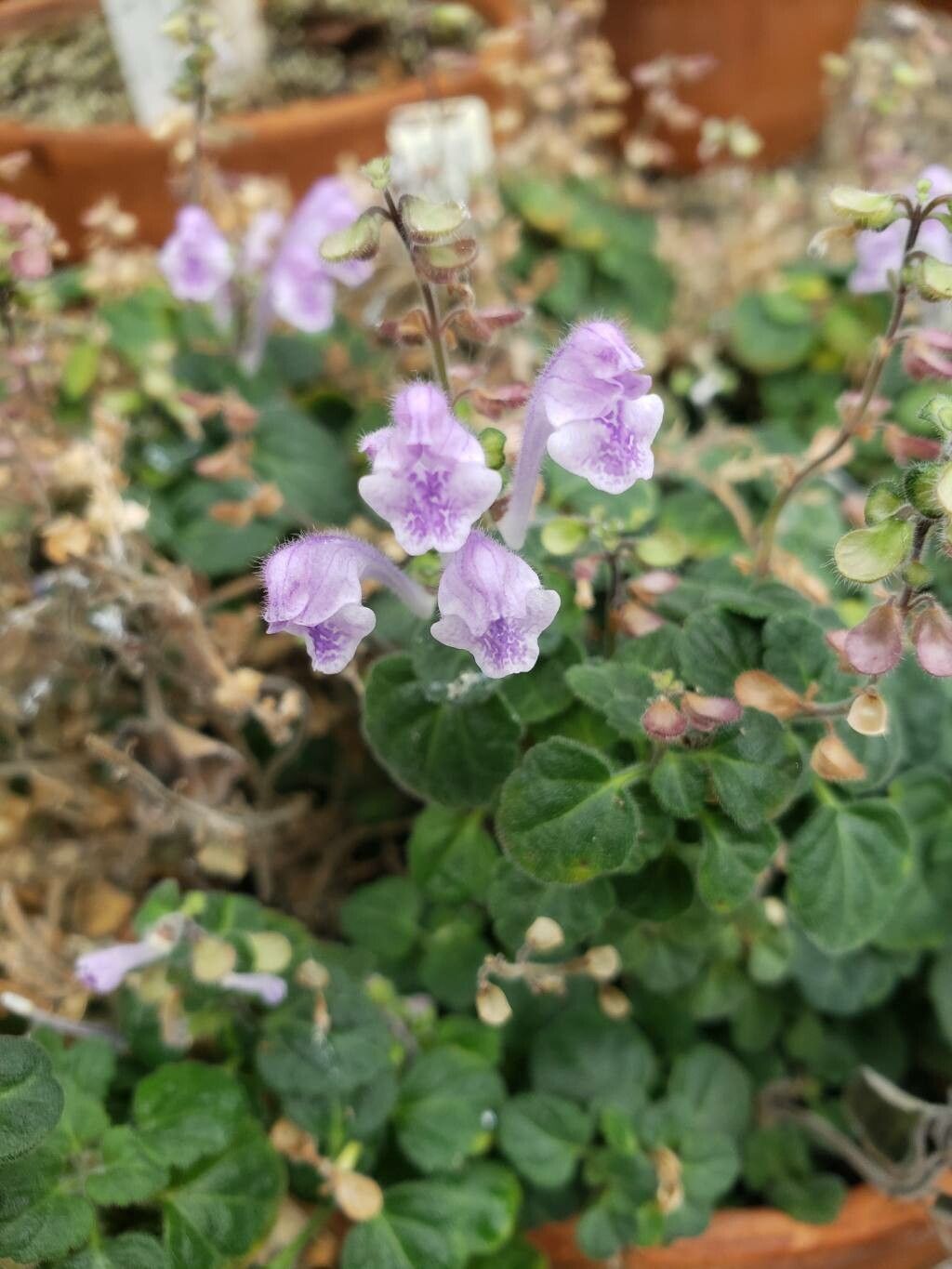
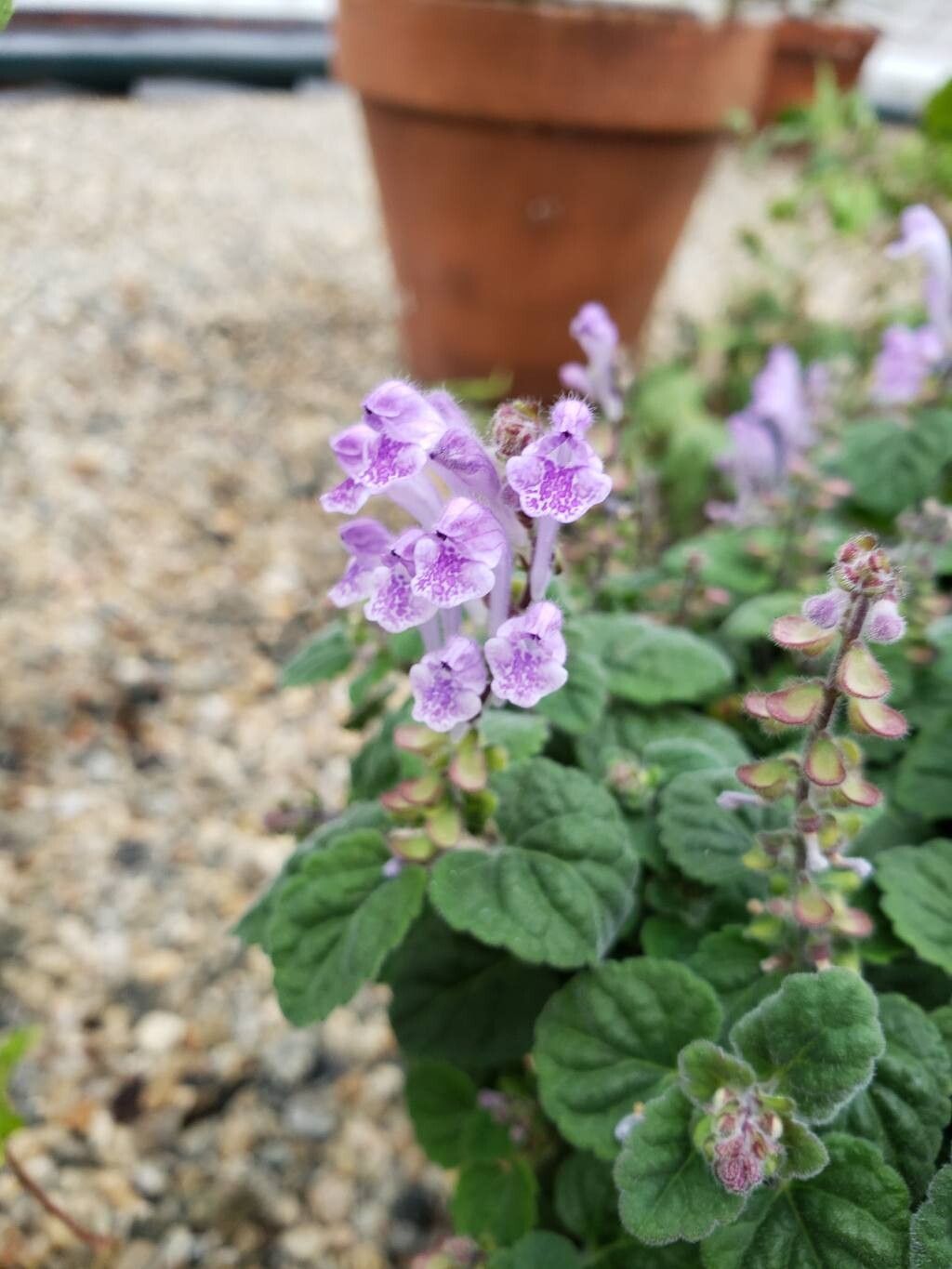
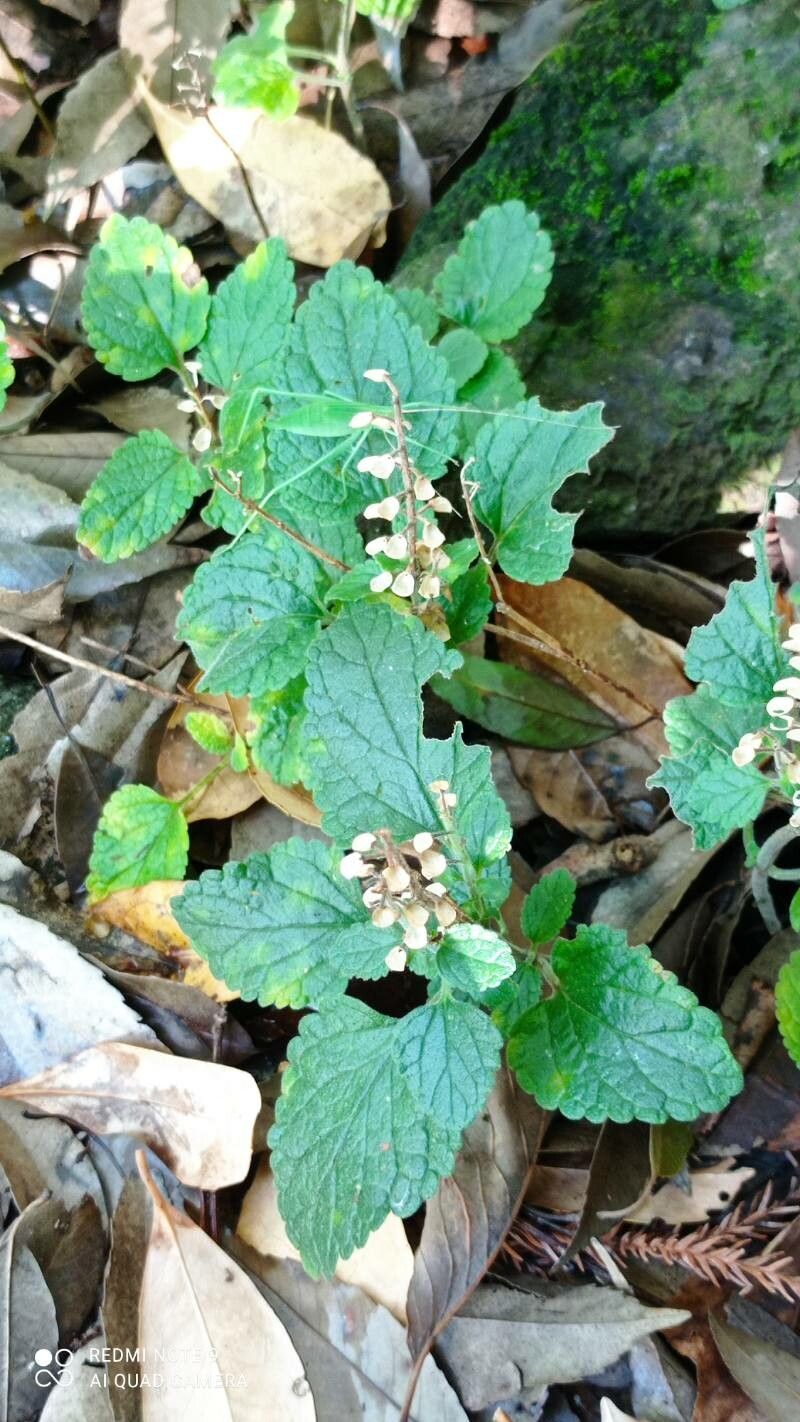
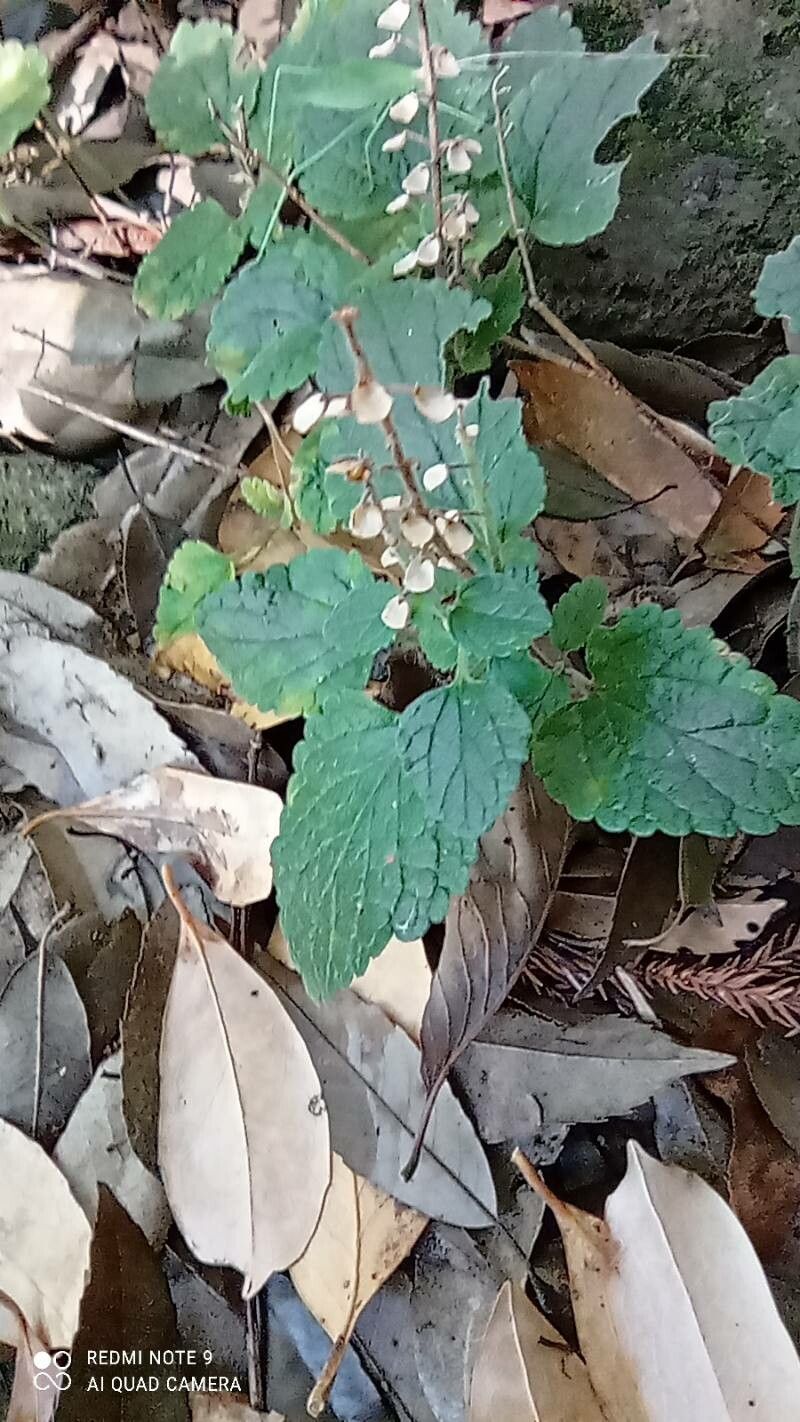
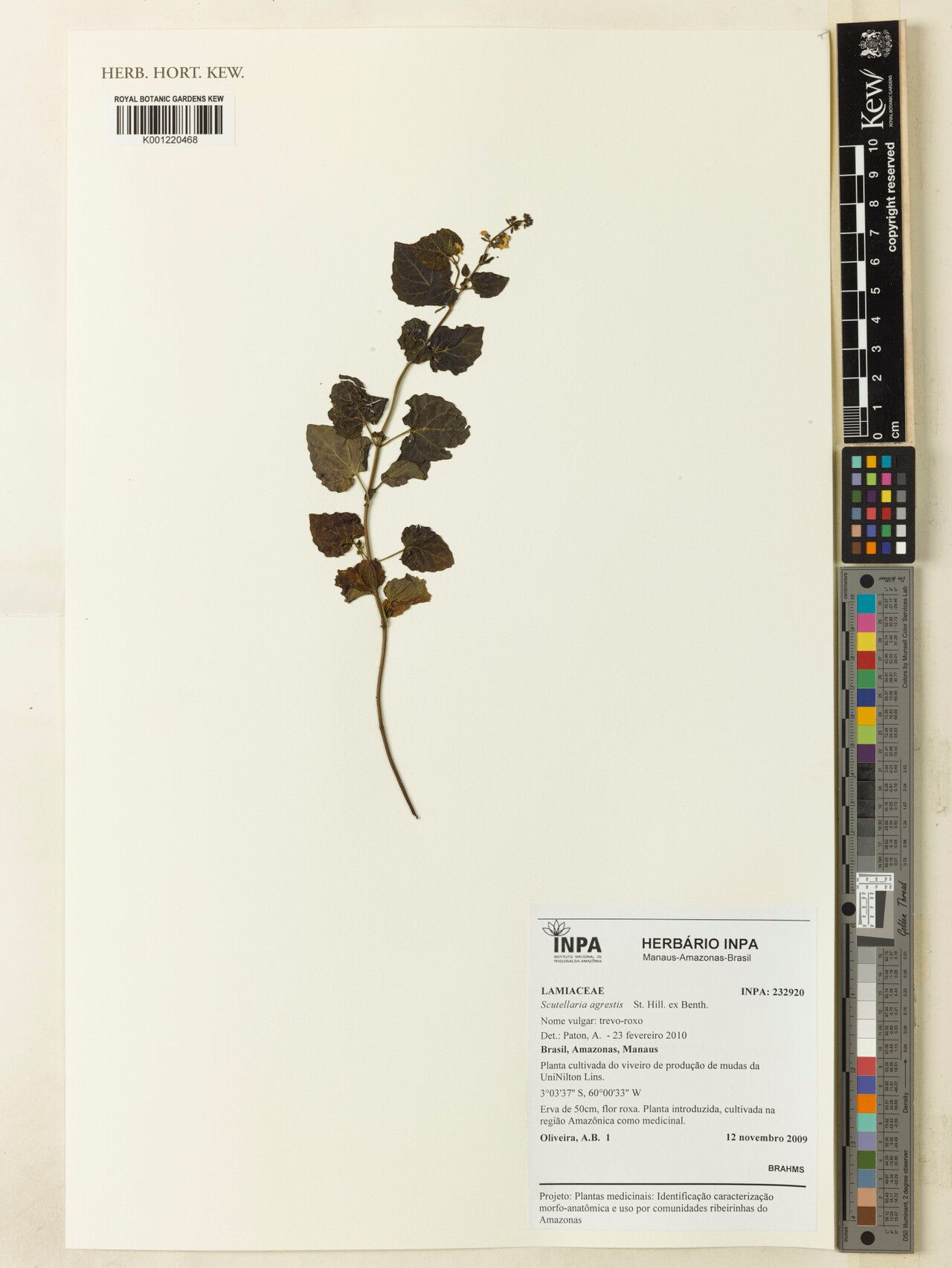
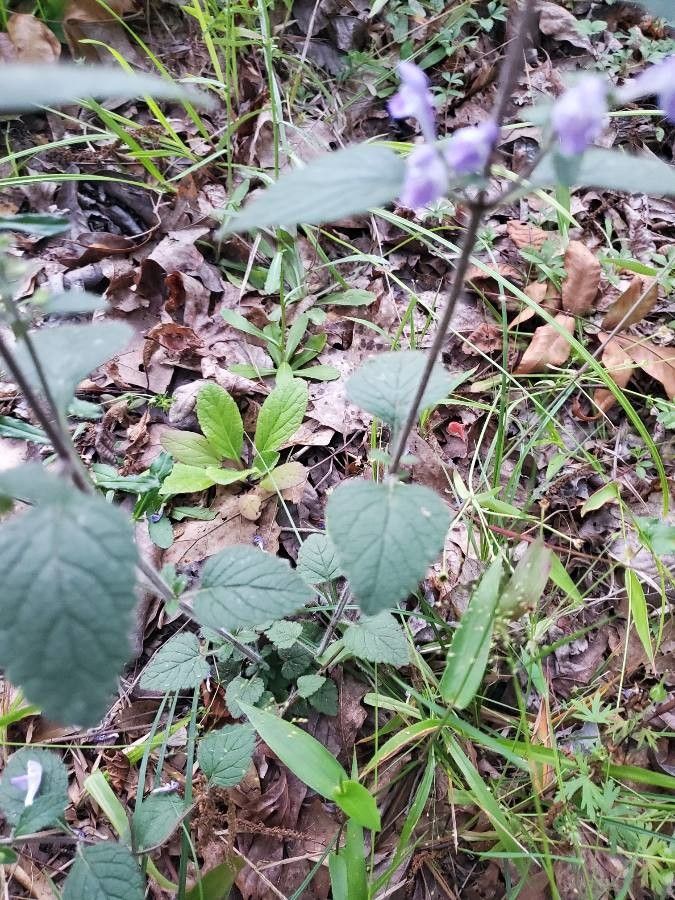
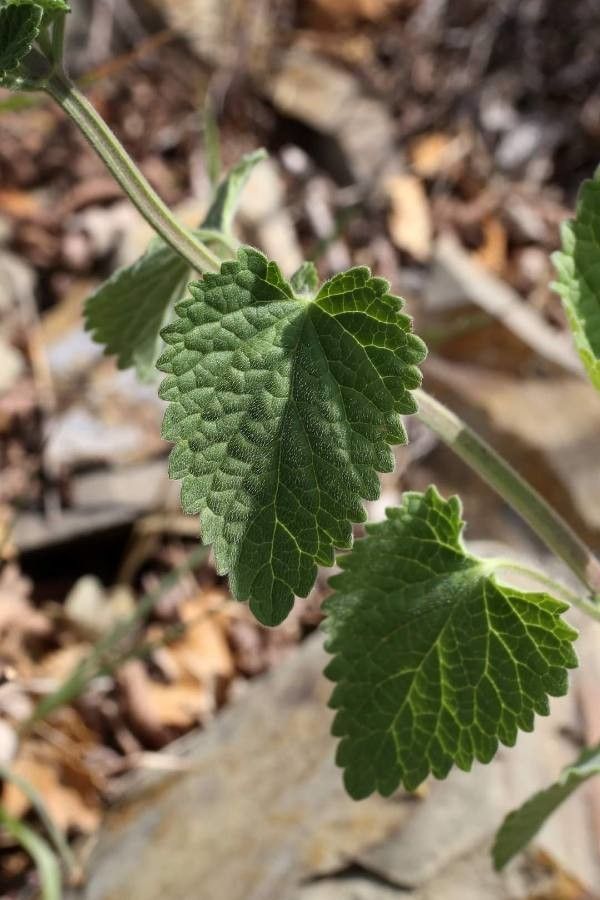
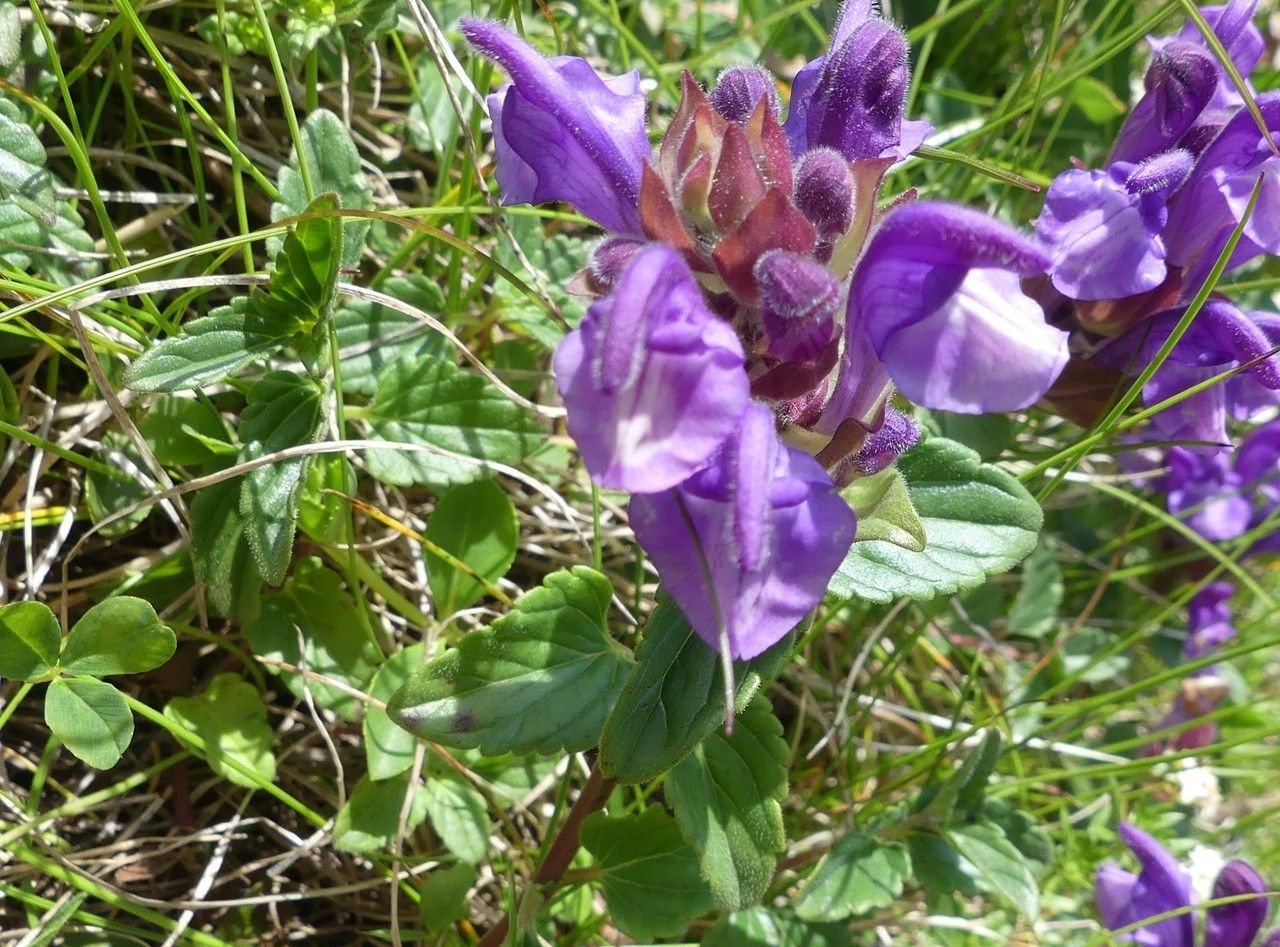
Scutellaria indica is a species of flowering plant in the mint family Lamiaceae. It is native to tropical and subtropical regions of Asia, where it occurs across eastern and southeastern Asia and into Malesia.
Dwarf Indian Skullcap, scientifically known as Scutellaria indica, derives its genus name from the Latin word "scutella," meaning "a small dish." This name refers to the shape of the flower's calyx, which resembles a small dish. The common name "skullcap" is inspired by a type of medieval helmet.
Dwarf Indian skullcap has strong resistance to disease and typically does not suffer from illnesses. Still, it can be affected by pests and diseases present in its environment. Such infections are generally mild. Regarding upkeep, this plant needs a moderate level of care. Regular pruning is necessary to preserve an attractive appearance and encourage healthy growth. Applying fertilizer can also boost blooming. Dwarf Indian skullcap is appropriate for anyone with an outdoor area like a garden or patio and does not demand extensive gardening experience. It may need more attention if cultivated indoors.
How to keep Scutellaria Indica.
Light
Dwarf Indian skullcap prefers locations that receive plenty of sunlight during the day, since this supports the plant's healthy growth and development. The plant can also tolerate areas with moderate sun exposure. Too much or too little sunlight can impede its growth. It originated in habitats with abundant exposure to sunlight.
Water
The dwarf Indian skullcap thrives in environments with moderate moisture and prefers soil that remains consistently moist but not waterlogged. To maintain this balance, water it weekly. Although it is usually grown outdoors, the dwarf Indian skullcap enters a dormant phase as rainfall decreases, which reduces its need for watering.
Temperature
Dwarf indian skullcap is a plant native to temperate regions. It prefers temperatures between 59 and 100 °F (15 to 38 ℃). To achieve optimal growth, temperature adjustments may be necessary in response to seasonal fluctuations.
Fertilizer
For Dwarf Indian skullcap, the primary time to fertilize is in early spring when the flowers are forming. Using the right fertilizer promotes better blooms and helps the Dwarf Indian skullcap produce attractive flowers. Fertilizing in early spring ensures excellent flowers during the season and supplies energy for dormant growth phases.
Pruning
The dwarf Indian skullcap is a compact perennial plant admired for its vibrant blue-purple flowers and glossy foliage. To keep it healthy and attractive, it's best to prune the plant from late winter to early spring. This will help remove any damaged stems and stimulate new growth. Regular pruning also maintains the plant's shape, prevents it from becoming leggy, improves air circulation, and supports its overall health.
Botanical profile.
- Plant Type
- Herb
- Life Cycle
- Perennial
- Genus
- Scutellaria
- Family
- Lamiaceae
- Hardiness Zone
- 7-11
- Mature Height
- 10 cm to 37 cm
- Mature Spread
- 23 cm to 30 cm
- Leaf Color
- Green
- Leaf Type
- Evergreen, Deciduous
- Flower Color
- Pink, Purple, Blue, Lavender
- Flower Size
- 2.54 cm
- Bloom Time
- Mid spring, Late spring, Early summer
- Planting Time
- Spring, Summer
- Harvest Time
- Mid summer
- Native Area
- India, Malaysia, Indonesia, Cambodia, Vietnam, Myanmar, Japan, Philippines, Laos, South Korea, Thailand, China
Other names.
Reader questions.
What are the sunlight requirements for Dwarf Indian Skullcap?
Dwarf Indian Skullcap requires a specific amount of sunlight for optimal growth, falling into categories of full sun and partial sun. Full sun refers to areas that receive more than 6 hours of direct sunlight per day, which is crucial for the healthy development of the plant. Partial sun pertains to environments that get about 3-6 hours of sunlight daily. Recognizing how sunlight travels across your garden allows you to position your plants in ideal locations that provide the necessary balance of light and shade, ensuring their well-being and flourishing growth.
What is Dwarf Indian Skullcap and where is it native to?
Dwarf Indian Skullcap, botanically known as Scutellaria indica, is a plant native to regions with temperate climates. It thrives in temperatures ranging from 59 to 100 °F (15 to 38 °C), indicating its preference for a relatively wide temperature spectrum. To ensure optimal growth, it might be necessary to adjust environmental temperatures based on seasonal variations.
How does artificial lighting affect Dwarf Indian Skullcap growth indoors?
When natural sunlight is not enough, especially during winter or in areas that do not receive ample sunlight, artificial lighting becomes essential for Dwarf Indian Skullcap's growth indoors. Adequate lighting promotes healthier and faster growth. LED lights are particularly beneficial as they can be tailored to provide the specific wavelengths necessary for the plant's growth. The intensity of artificial light required varies with the type of plant: full sun plants need 30-50W/sq ft, partial sun plants 20-30W/sq ft, and full shade plants 10-20W/sq ft. The light source should be placed 12-36 inches above the plant to mimic the natural sunlight's reach, and the plants typically need about 8-12 hours of light each day to mirror natural daylight hours.
Does Dwarf Indian Skullcap require frost protection during winter?
Dwarf Indian Skullcap is known for its strong cold resistance, typically not requiring special frost protection measures during winter. However, if temperatures are anticipated to drop below -15°C, it's important to provide cold protection to the plant. This can be accomplished by covering the plant with insulating materials such as soil or straw. Additionally, it's advisable to water the plant abundantly before the first freeze in autumn to keep the soil moist, thereby helping to prevent drought and water scarcity during winter and early spring.
What are the symptoms of inadequate lighting for Dwarf Indian Skullcap?
Dwarf Indian Skullcap exhibits several signs when it suffers from inadequate lighting. These include smaller new leaves, leggy or sparse growth, faster leaf drop, slower or halted new growth, and leaves that are lighter in color or display irregular patterns. Symptoms of too much sunlight include chlorosis or the yellowing of leaves due to chlorophyll breakdown, sunscald which presents as damaged areas on leaves or stems, leaf curling as a protective measure against excessive sunlight, wilting from increased water loss, and leaf scorching indicated by brown, dry edges on leaves.
How does Dwarf Indian Skullcap respond to low temperatures?
Dwarf Indian Skullcap is cold-tolerant and prefers temperatures to remain above 15°C. While it can withstand winter conditions fairly well, it should ideally be kept above -10°C during these colder months. If temperatures fall below -15°C, the plant might not exhibit immediate visible changes, but there could be a negative impact on its ability to sprout during spring, resulting in decreased sprouting or a complete absence of new growth. In such cases, any non-sprouting parts should be removed come springtime.
What solutions can be applied to address Dwarf Indian Skullcap’s lighting issues?
To resolve lighting issues for Dwarf Indian Skullcap, a gradual approach to increasing sunlight exposure is recommended. For indoor plants, move them closer to a south-facing window or use artificial lights like desk lamps or professional grow lights for at least 8 hours a day to ensure they receive the minimum sunlight exposure. Outdoor plants should also be moved to sunnier locations gradually to prevent shock or sunburn. Additionally, removing obstructions that block sunlight and transplanting smaller plants during their dormant period to sunnier locations can significantly improve light availability. However, it's important to note that parts of the plant already affected by poor light may not recover, but new growth should be healthy following these adjustments.
How does high temperature affect Dwarf Indian Skullcap, and how can these effects be mitigated?
During the summertime, it's crucial to ensure that temperatures around the Dwarf Indian Skullcap do not exceed 38°C. Exposing the plant to temperatures above 43°C can lead to various signs of distress, such as leaves becoming lighter in color, prone to curling, sunburn, and in severe instances, the plant wilting and drying up completely. To mitigate these effects, sunburned and dried parts of the plant should be trimmed away. Additionally, relocating the plant to a shadier spot or using a shade cloth to protect it from the harsh midday and afternoon sun can be beneficial. It's also advisable to water the plant during cooler times of the day, such as in the morning or evening, to maintain soil moisture.