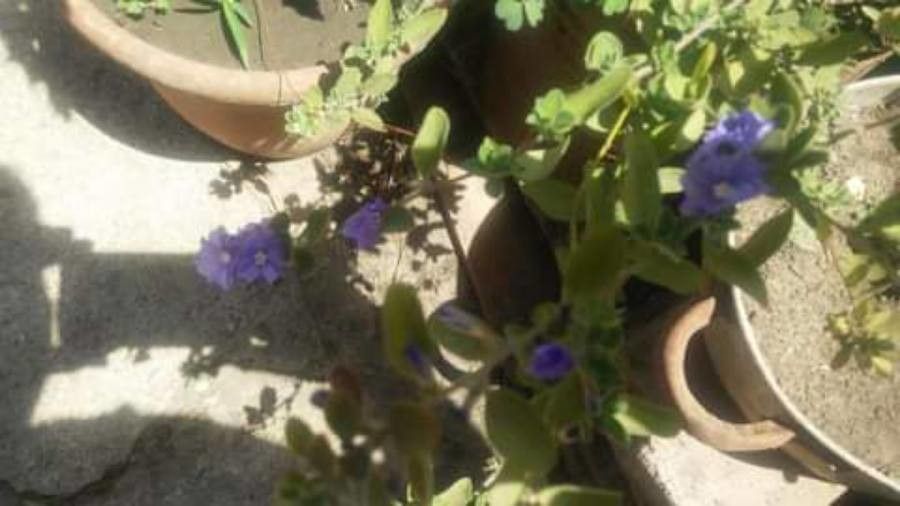
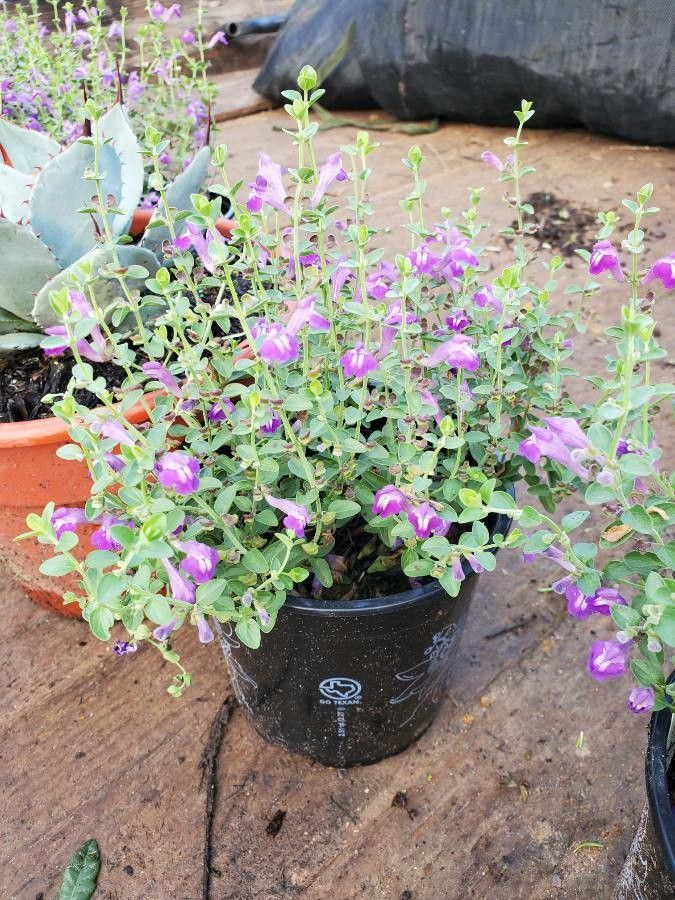
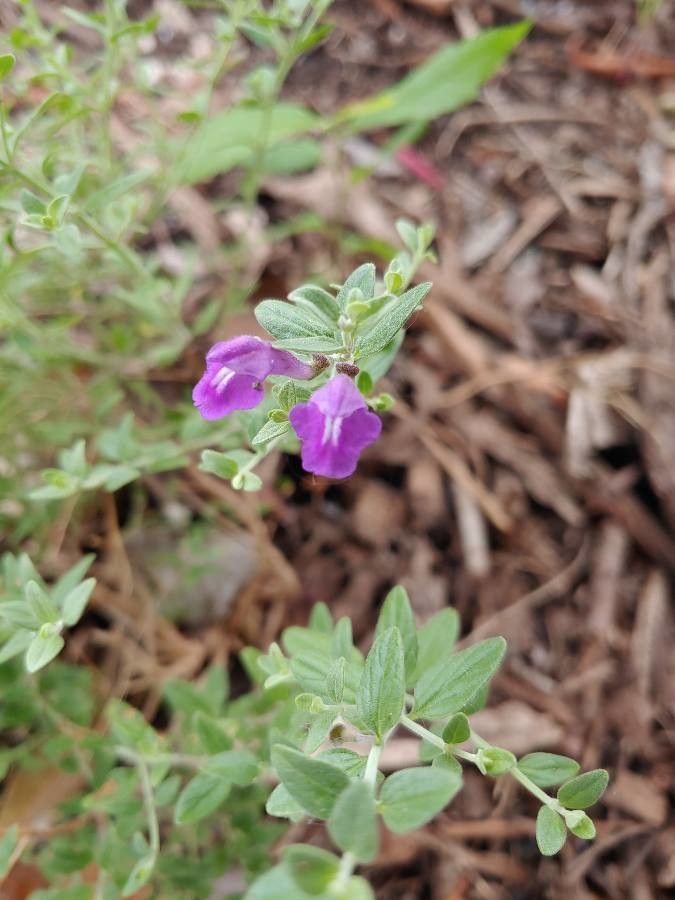
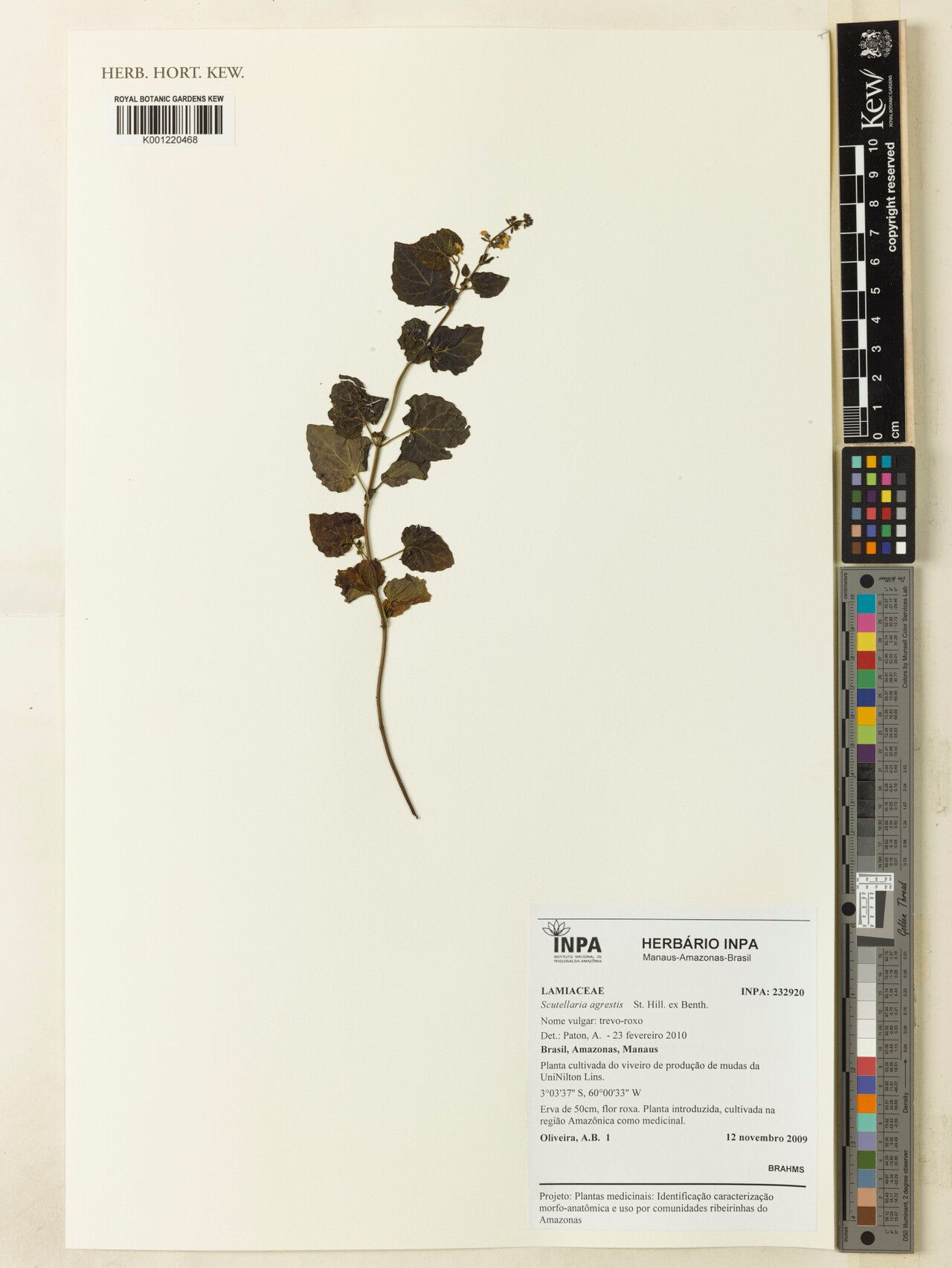
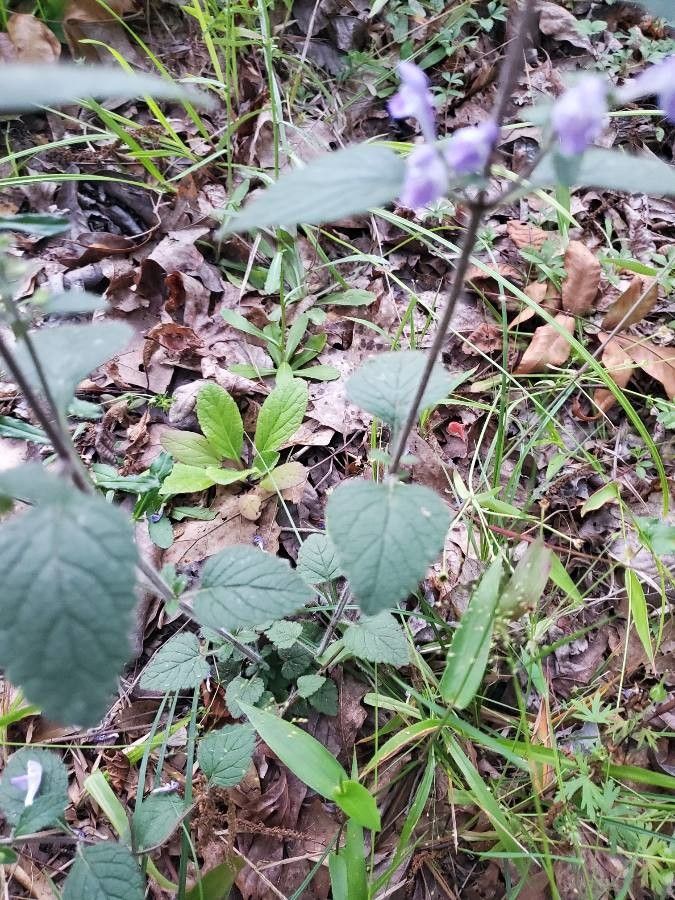
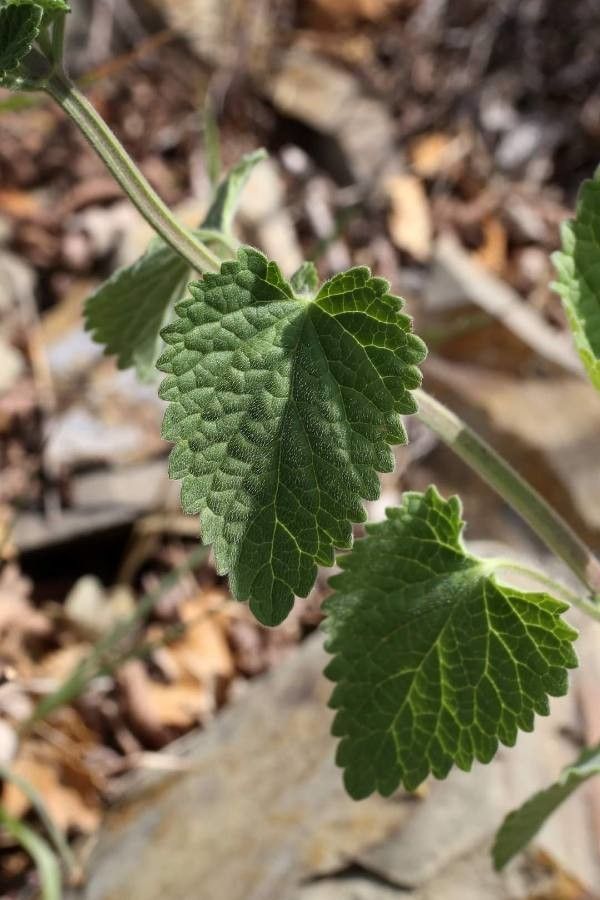
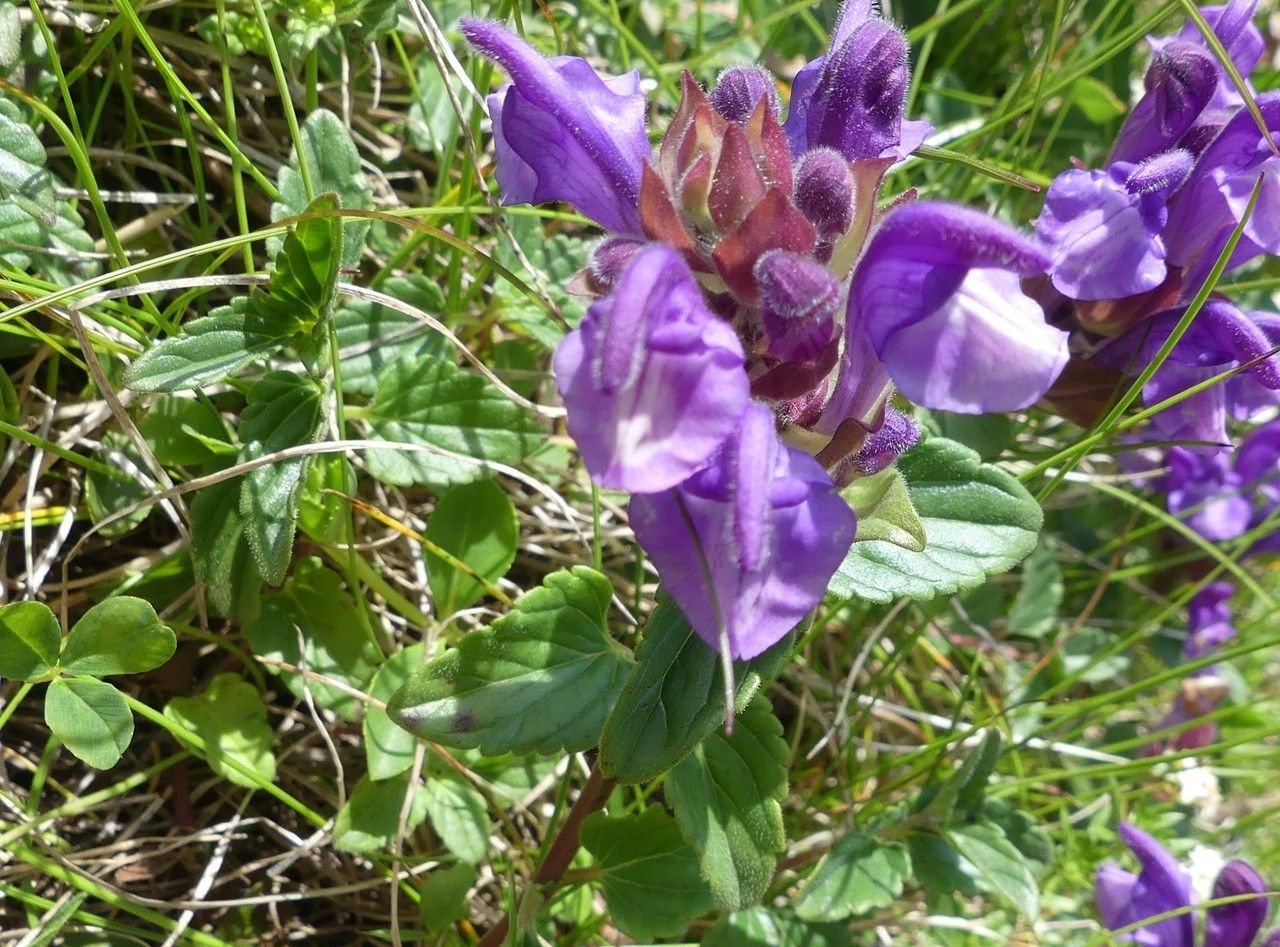
Scutellaria drummondii, commonly known as Drummond's skullcap, is a perennial herbaceous plant in the mint family. It is native to the central and southern United States, where it flourishes in prairies, meadows, and open woodlands.
This plant typically reaches a height of 1 to 2 feet and spreads equally wide. Its square stems are covered with fine hairs and bear small blue-violet flowers from late spring through early summer. These flowers are arranged in spikes at the tops of the stems.
Drummond's skullcap prefers well-drained soils rich in organic matter but can adapt to a variety of soil types. It thrives in full sun to partial shade.
For centuries, Native Americans have used this plant for medicinal purposes due to its compounds like flavonoids and terpenoids, which have anti-inflammatory properties. Additionally, its leaves have been used to make tea, believed to help alleviate anxiety.
With its attractive appearance and medicinal benefits, Scutellaria drummondii is an excellent addition to any garden or landscape design.
Drummond's skullcap is fairly disease-resistant and usually does not suffer from illnesses. However, it can be vulnerable to pests and diseases present in its environment. These problems are generally mild. In terms of care, the plant needs moderate maintenance. It should be pruned regularly to keep a neat appearance and support healthy growth. Fertilizing can also encourage flowering. Drummond's skullcap is appropriate for anyone with outdoor space, such as a garden or patio, and does not demand extensive plant care experience. It may need more attention if grown indoors.
How to keep Scutellaria Drummondii.
Light
Drummond's skullcap strongly prefers plentiful sunlight throughout the day but can tolerate periods of gentler sun. Native to sunny regions, the plant performs best under those conditions. Too much or too little light can slow growth or damage the leaves.
Water
Drummond's skullcap thrives in environments with periodic moisture. It requires consistent hydration and can tolerate short dry spells. Weekly watering is beneficial, particularly during the growing season, when it is essential for maximizing flowering potential.
Temperature
Drummond's skullcap is a robust plant that naturally occurs in regions where temperatures range from 68 to 95 °F (20 to 35 ℃). It prefers warmer climates and grows best under those conditions. You should keep temperatures within that range to ensure optimal growth.
Fertilizer
When most of Drummond's skullcap's blooms have opened to full size, resume fertilizing. Around the time the flowers are at their peak production, fertilize every three to four weeks, as weather permits. Then, once the plant begins to produce fewer new blooms, stop fertilizing; there's no need to feed it when it can no longer set additional flowers.
Pruning
To enhance the growth and appearance of Drummond's skullcap, strategic pruning should be carried out from early to late spring. Start by removing any dead stems to stimulate new growth and improve the plant's shape. After the plant blooms, a light trim can encourage a second wave of flowers. Regular pruning not only improves air circulation, which helps reduce the risk of disease, but also promotes a healthier and more visually appealing plant.
Botanical profile.
- Plant Type
- Herb
- Life Cycle
- Annual
- Genus
- Scutellaria
- Family
- Lamiaceae
- Hardiness Zone
- 8-10
- Mature Height
- 30 cm
- Mature Spread
- 15 cm
- Leaf Color
- Green, Dark Green
- Leaf Type
- Deciduous
- Flower Color
- Purple, Lavender
- Flower Size
- 1.27 cm
- Bloom Time
- Spring
- Planting Time
- Spring, Summer, Autumn
- Harvest Time
- Late spring, Early summer, Mid summer
- Native Area
- Mexico
Other names.
Reader questions.
How should I water my Drummond's skullcap plant?
There are multiple ways to water Drummond's skullcap, whether you have it in the garden or in a container. You can use a garden hose with a spray nozzle, a watering can, or any other common watering tool. This plant isn't too picky about the type of water it receives and can thrive with rainwater, tap water, or filtered water. It's generally best to avoid watering from above, as it can harm the leaves and flowers and potentially cause disease. Setting up a drip irrigation system is often the most effective way to water Drummond's skullcap in the garden, as it ensures even and direct watering to the soil. When it comes to container-grown Drummond's skullcap, you can use a cup, watering can, or tap to directly apply water to the soil.
What are the sunlight requirements for Drummond's skullcap?
Drummond's skullcap thrives in conditions where it can receive abundant sunlight throughout the day, reflecting its native habitat's preference for plentiful sun exposure. It requires full sun, characterized by more than 6 hours of sunlight a day, but it can also manage in partial sun, with about 3-6 hours of sunlight. It's essential to monitor the sun's movements in your garden to ensure that your plants receive the ideal balance of light and shade, catering to their needs and promoting healthy growth. Excessive or insufficient exposure to sunlight may impede growth or cause damage to the leaves.
What is Drummond's skullcap and where does it thrive?
Drummond's skullcap, botanically known as Scutellaria drummondii, is a hearty plant native to warmer climates. It thrives in environments with temperatures ranging from 68 to 95 °F (20 to 35 °C). This plant prefers conditions within this temperature range for optimal growth. It's important to maintain these conditions, as Drummond's skullcap exhibits some cold tolerance but requires specific care when temperatures fall below freezing.
What do I do if I give my Drummond's skullcap too much or too little water?
To avoid underwatering your Drummond's skullcap, simply water it on a more regular basis when you notice it lacks moisture. Overwatering can be a bigger problem if not caught early, as it can lead to diseases and the plant's decline. To prevent this, choose a location with plenty of sunlight to dry out the soil and ensure good drainage to prevent water from pooling. If your potted Drummond's skullcap is overwatered, consider changing it to a pot with better drainage and using loose soils during repotting.
How does artificial lighting support Drummond's skullcap's growth indoors?
Indoor plants like Drummond's skullcap require adequate lighting to flourish, especially when natural sunlight is scarce, such as during winter or in less sunny locations. Artificial lights are crucial in these scenarios, providing necessary supplemental light to encourage healthier, faster growth. LED lights are preferred for their ability to emit specific light wavelengths tailored to plant needs. Full sun plants necessitate 30-50W/sq ft of artificial light, partial sun plants require 20-30W/sq ft, and full shade plants need 10-20W/sq ft. The light source should be positioned 12-36 inches above the plant to emulate natural sunlight conditions, with a duration of 8-12 hours of light per day to mimic natural daylight hours for the species.
How does Drummond's skullcap handle cold temperatures?
Drummond's skullcap has a moderate tolerance for cold temperatures and performs best when kept above 20°C. During the winter months, it's crucial to ensure the temperature remains above 0°C. If temperatures are expected to drop below 0°C, temporary protective measures should be implemented, such as wrapping the plant in plastic film, fabric, or other suitable materials. These protective wrappings should be removed once temperatures rise again to prevent damage.
How frequently should I water my Drummond's skullcap plant?
To keep your Drummond's skullcap healthy, it's important to water it regularly. During the growing season, start by watering once a week in spring. As the weather gets warmer, you may need to increase watering to two or three times per week. However, be cautious not to overwater, as this can harm the plant. Keep the soil consistently moist, but not soaking wet. When watering a potted Drummond's skullcap, the frequency should be higher compared to an in-ground plant. Since soil in pots tends to dry out faster, you'll likely need to water a container-grown skullcap a few times per week. In contrast, an in-ground plant only requires watering once per week.
What symptoms indicate insufficient or excessive light exposure in Drummond's skullcap?
Drummond's skullcap shows various symptoms when the light exposure is inadequate or excessive. Insufficient light can lead to smaller new leaves, leggy or sparse growth, faster leaf drop, slower or halted growth, and lighter-colored or irregularly patterned new leaves. Excessive sunlight exposure might cause chlorosis (yellowing of leaves), sunscald (damaged areas on leaves or stems), leaf curling (as a defense mechanism to reduce surface area exposed to sunlight), wilting (due to loss of water and difficulty in maintaining hydration), and leaf scorching (brown, dry patches on leaves). These symptoms help identify whether the plant is getting too much or too little light, each affecting the plant's health significantly.
What should I do if Drummond's skullcap is exposed to low temperatures?
If Drummond's skullcap experiences temperatures below -10°C, you may notice the leaves beginning to droop. In mild cases, they can recover, but in severe cases, the leaves will wilt and fall off. To address frost damage, you should trim off the frost-damaged parts of the plant. Before low temperatures hit again, it is advisable to wrap the plant with non-woven fabric or cloth and construct a wind barrier to shield it from cold winds, protecting it from further damage.
How much water does my Drummond's skullcap plant need?
Determining the appropriate amount of water for your Drummond's skullcap can be approached in a few different ways. One method is to feel the soil for moisture and water until the first six inches are moist. Another option is to use a set measurement, such as two gallons per week, adjusting based on temperature and soil moisture. However, strict guidelines can lead to overwatering if your plant requires less water. When growing in a container, moisten all dry soil layers and check for moisture by sticking your finger in the soil or looking for excess water drainage.
What strategies can be employed for managing Drummond's skullcap's light exposure?
To manage Drummond's skullcap's light exposure effectively, particularly for indoor plants, gradually move them to a sunnier location until they receive at least 6 hours of sunlight daily. Utilize a south-facing window to maximize sunlight and nutrient absorption. If the plant is large or not easily movable, consider supplementing with artificial light, keeping a desk or ceiling lamp on for at least 8 hours daily or investing in professional plant grow lights. For outdoor plants, acclimate them to increased sunlight gradually to prevent sunburn. Removing obstacles that block sunlight or transplanting smaller plants to sunnier locations during their dormant period can ensure they receive ample sunlight. Note that parts of the plant already affected by insufficient light may not recover, but new growth should be healthy.
How should Drummond's skullcap be cared for during high temperatures?
Drummond's skullcap should ideally be kept below 35°C during the hot summer months. If the temperature exceeds 41°C, it may lead to lighter leaf coloration, dry and withered leaf tips, leaf curling, and increased susceptibility to sunburn. To mitigate damage from high temperatures, remove sunburned and dried-up parts of the plant. Relocate the plant to a shaded area during midday and afternoon sun or use a shade cloth. Additionally, water the plant in the morning and evening to maintain soil moisture and prevent stress from heat.