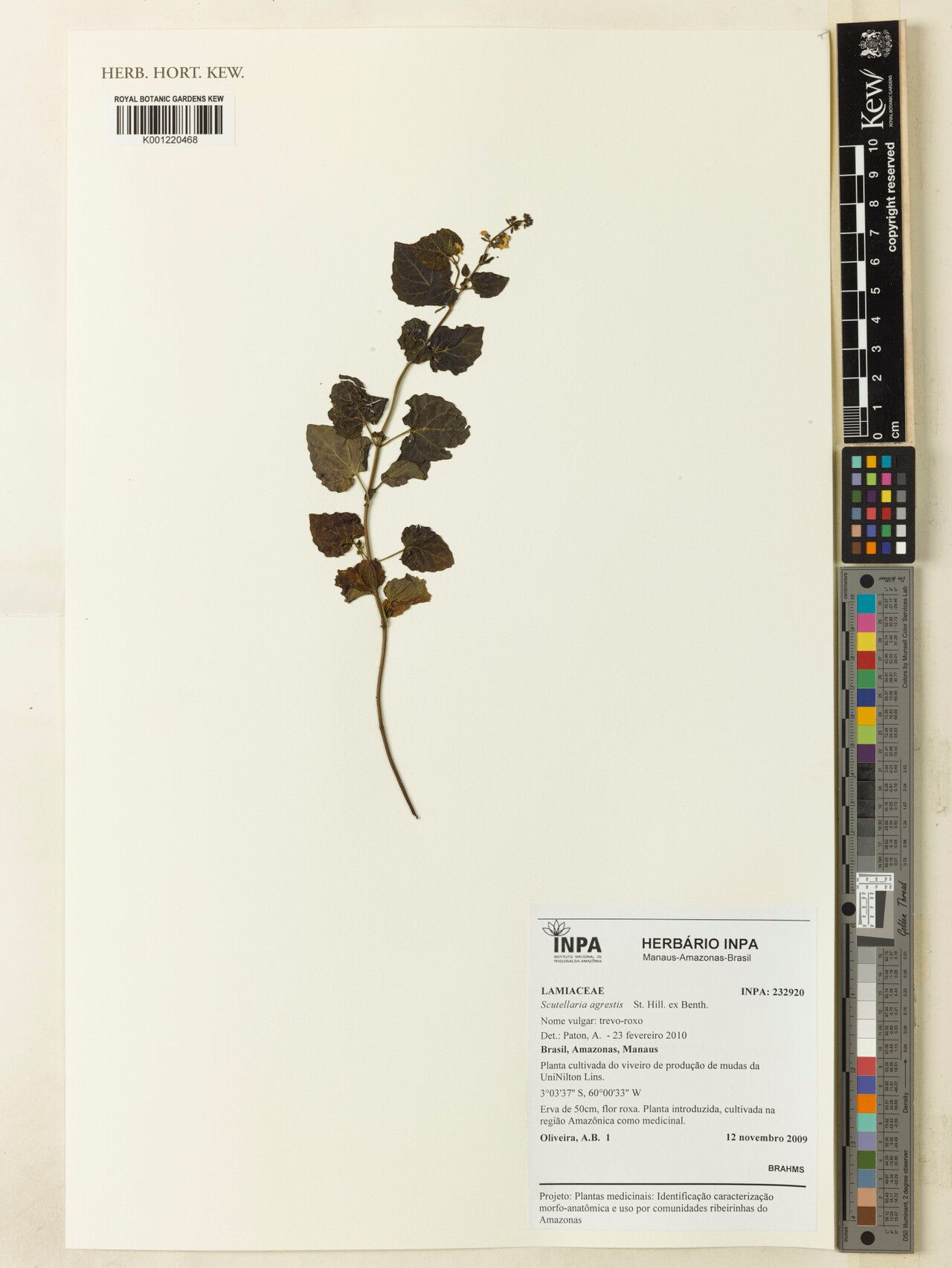
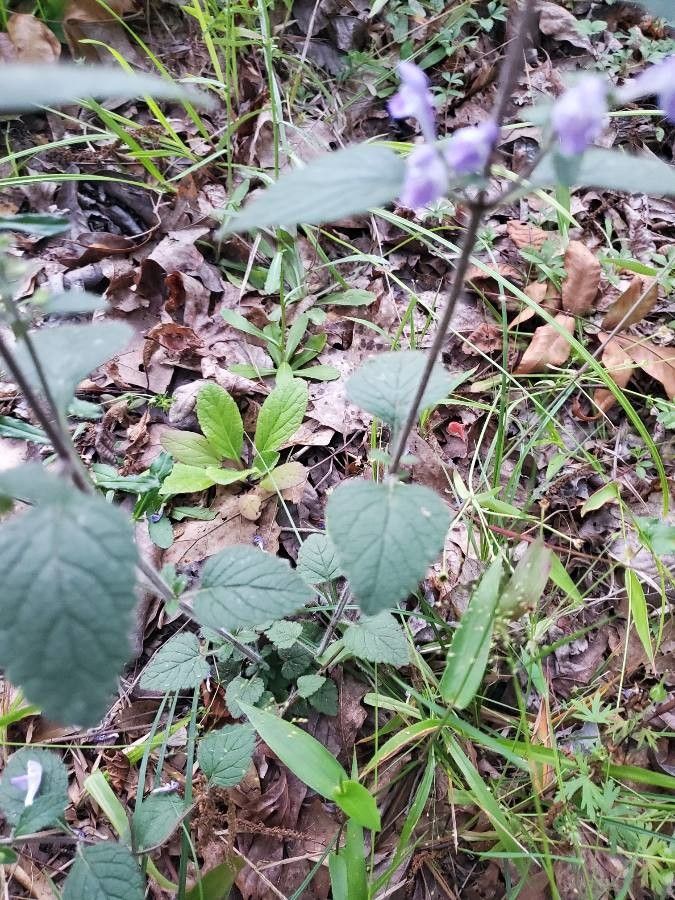
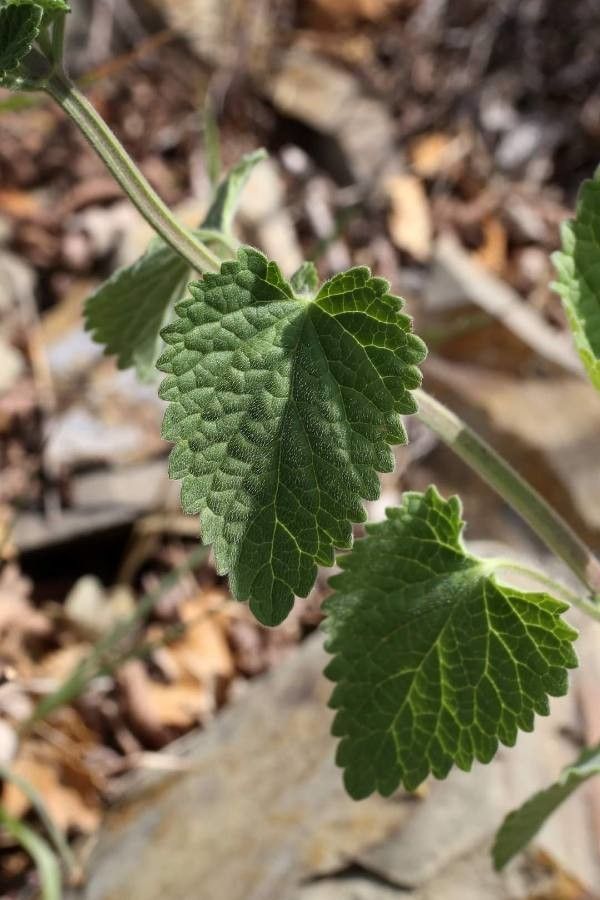
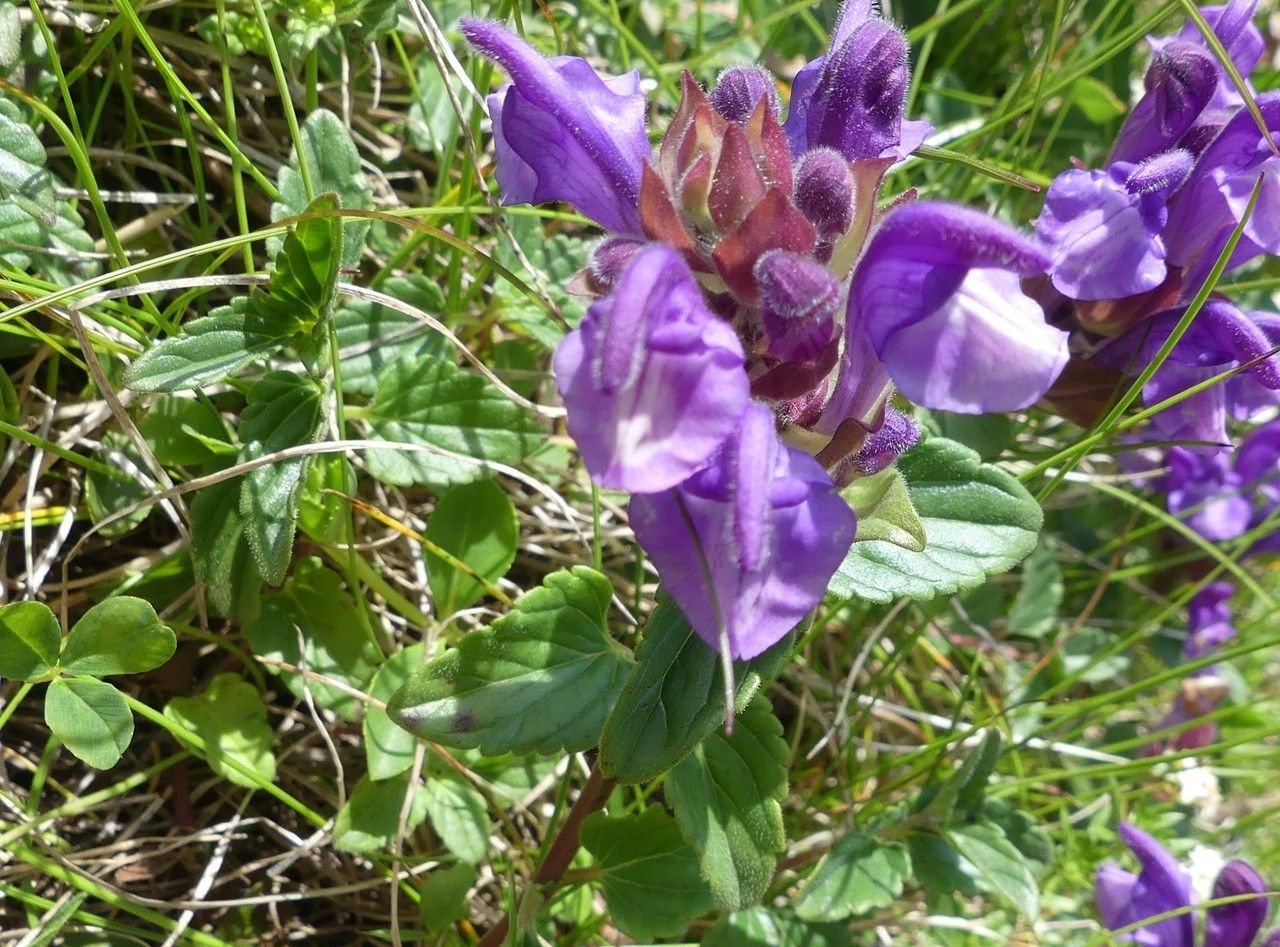
Scutellaria brittonii, also known at Britton's skullcap, is a flowering perennial native to Wyoming, Colorado, New Mexico, Nebraska, and Kansas in the United States. It is classified under the genus Scutellaria and is also part of the mint family, Lamiacaea. It grows on dry mountain slopes and in full sun.
Britton's skullcap has strong resistance to disease and is typically not susceptible to illnesses. Regarding care, this plant is fairly low-maintenance. When grown outdoors it needs only minimal watering, and larger plants usually do not require pruning. Smaller plants, however, should be pruned after they have finished blooming. Britton's skullcap is appropriate for anyone with an outdoor area, such as a garden or deck, and does not demand extensive gardening experience.
How to keep Scutellaria Brittonii.
Pruning
Britton's skullcap is a perennial herb native to North America, known for its blue flowers. To encourage bushier growth and manage winter damage, it's best to prune the plant in early spring. Regularly trim any dead stems to promote healthy growth and increase flowering. Always use sharp, sterilized tools when trimming to prevent infections.
Botanical profile.
- Life Cycle
- Perennial
- Genus
- Scutellaria
- Family
- Lamiaceae
- Hardiness Zone
- 3-9
- Mature Height
- 0 cm to 30 cm
Other names.
Reader questions.
What are the sunlight requirements for Britton's skullcap (Scutellaria brittonii)?
Britton's skullcap (Scutellaria brittonii) thrives in conditions that meet its sunlight requirements. For 'Full sun' exposure, it requires above 6 hours of sunlight daily. For 'Partial sun' exposure, about 3-6 hours of sunlight is adequate. It's important to observe how sunlight moves through your garden throughout the day to ensure you place your plants in spots that offer the right balance of light and shade. This careful placement supports the health and happiness of your Britton's skullcap.
What is Britton's Skullcap?
Britton's Skullcap, scientifically known as Scutellaria brittonii, is a plant species named after its distinctive feature. Unfortunately, the provided information does not include details on its uses, origins, or characteristics beyond its botanical name.