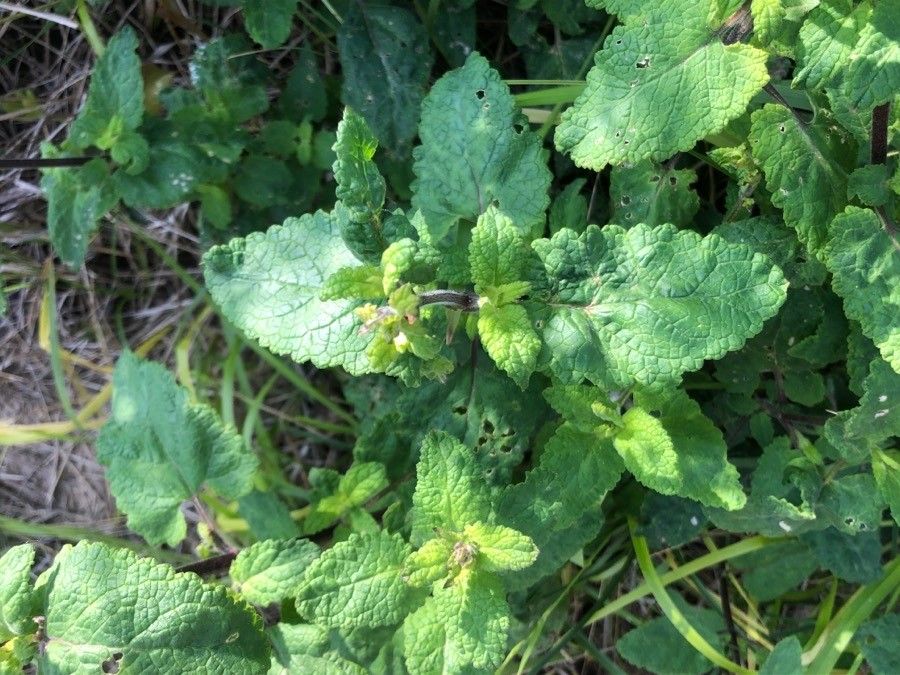
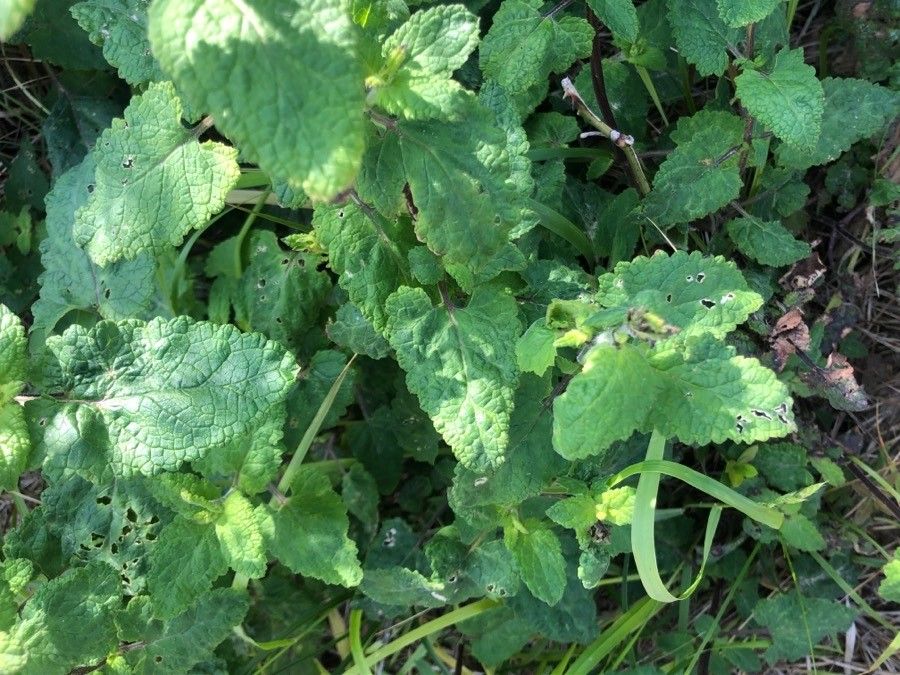
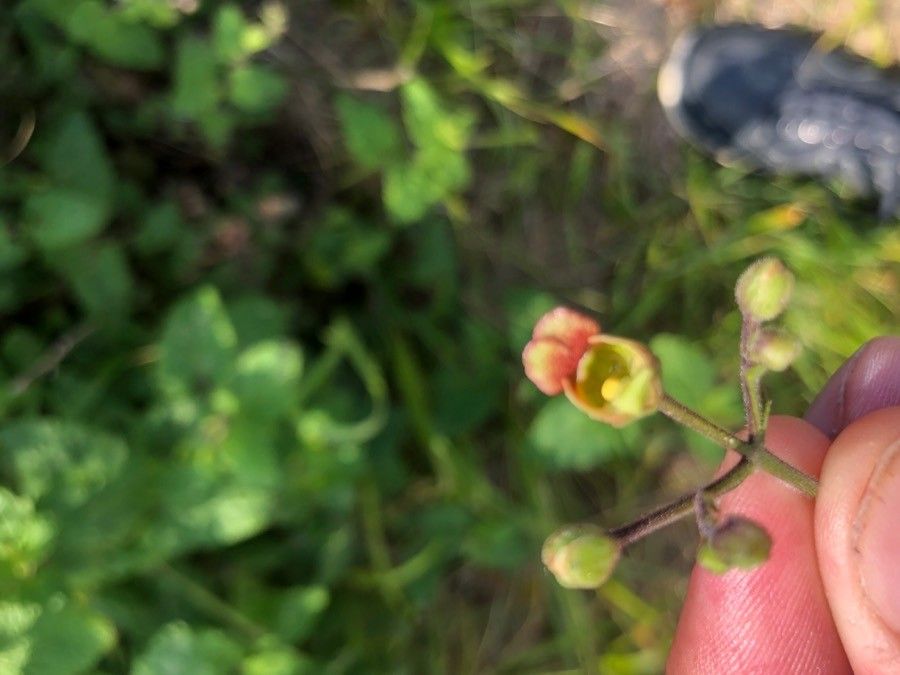
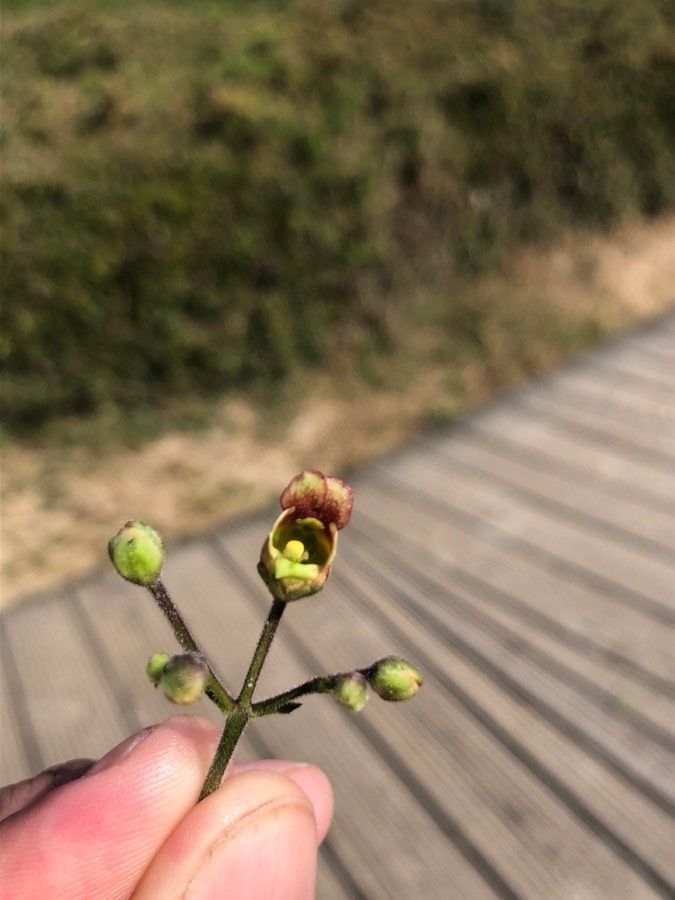
Scrophularia scorodonia, commonly known as common figwort or wood betony, is a perennial herbaceous plant belonging to the family Scrophulariaceae. Native to Europe and western Asia, it typically thrives in damp woodlands, hedgerows, and meadows.
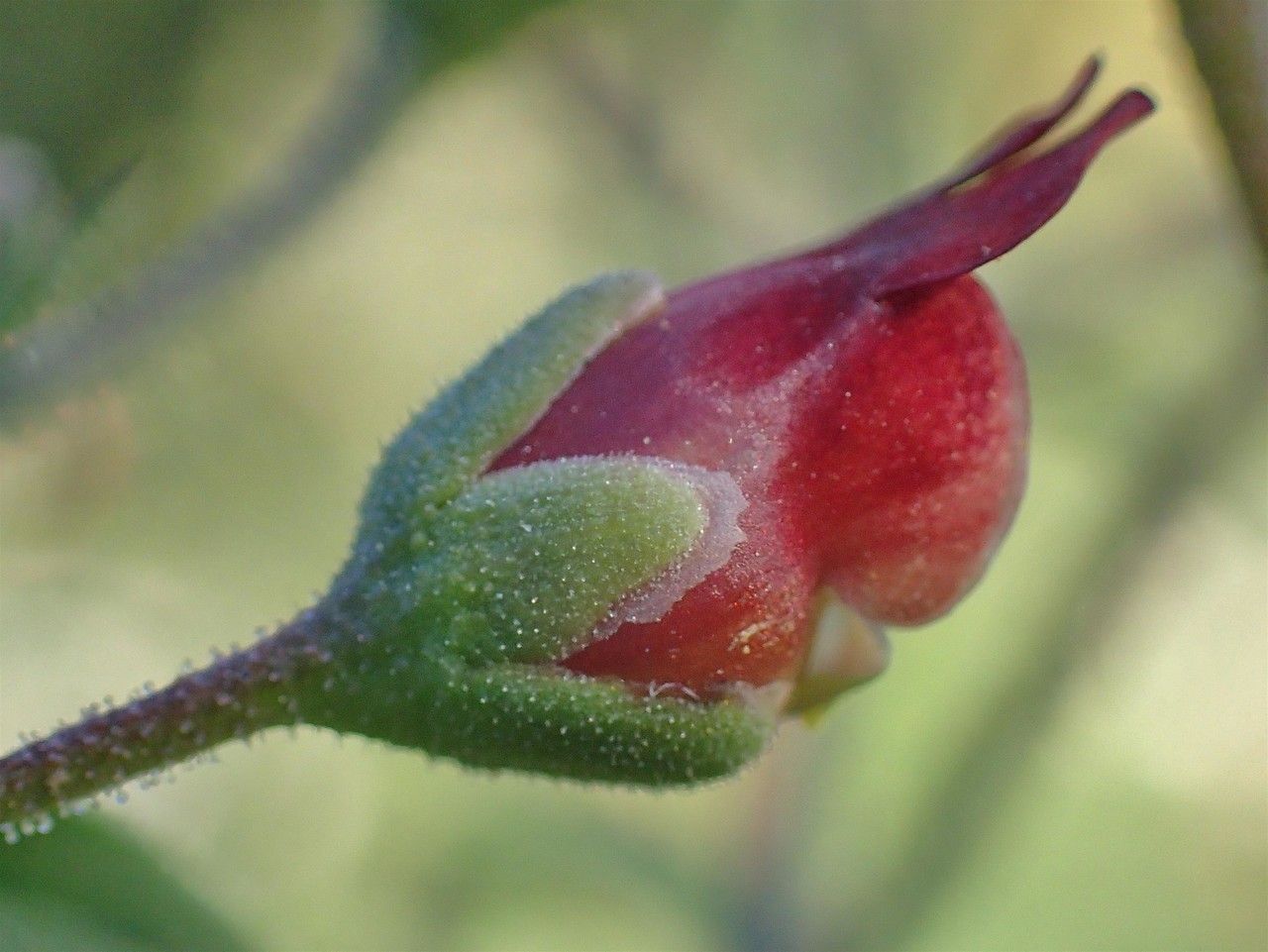
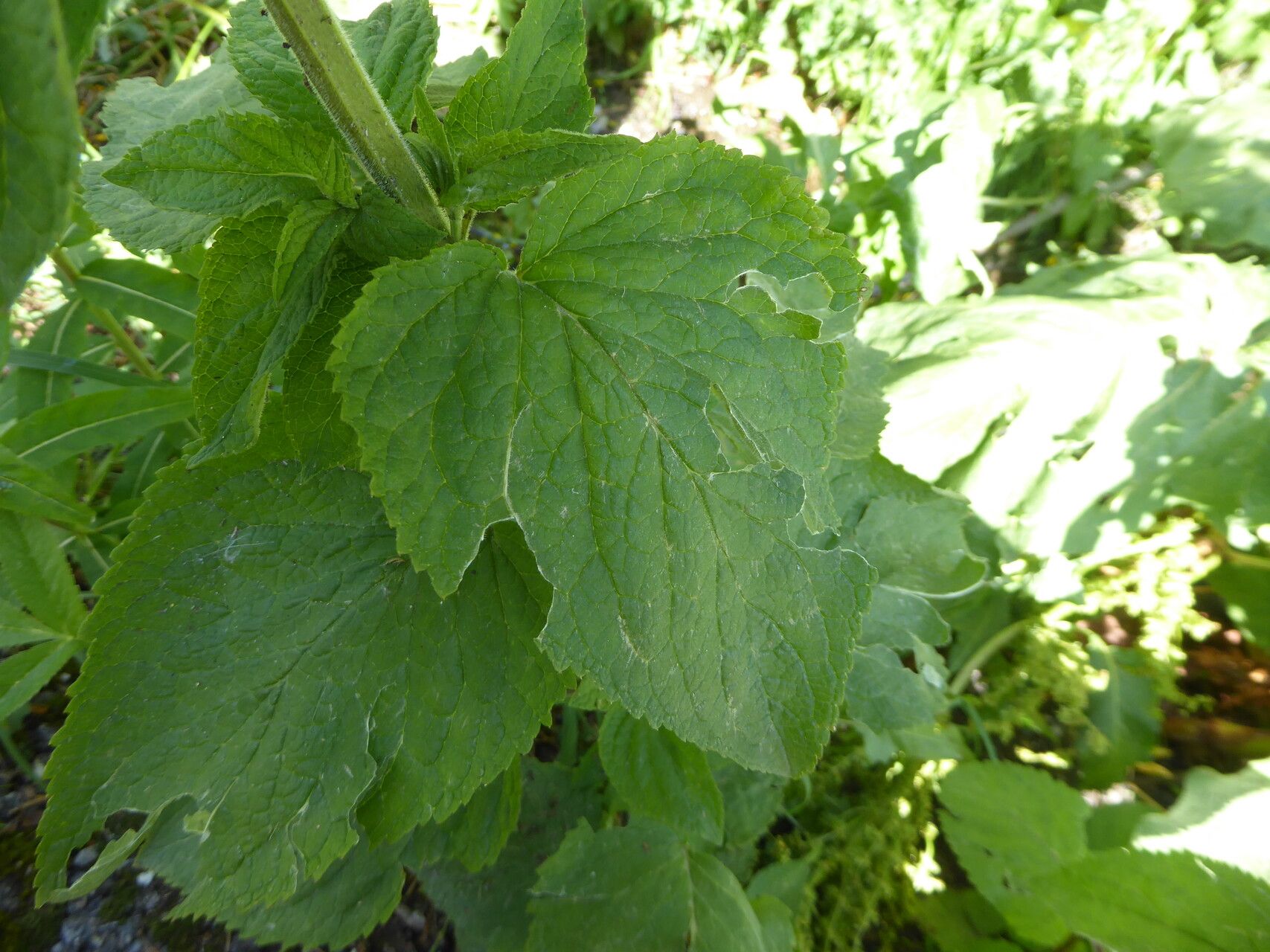
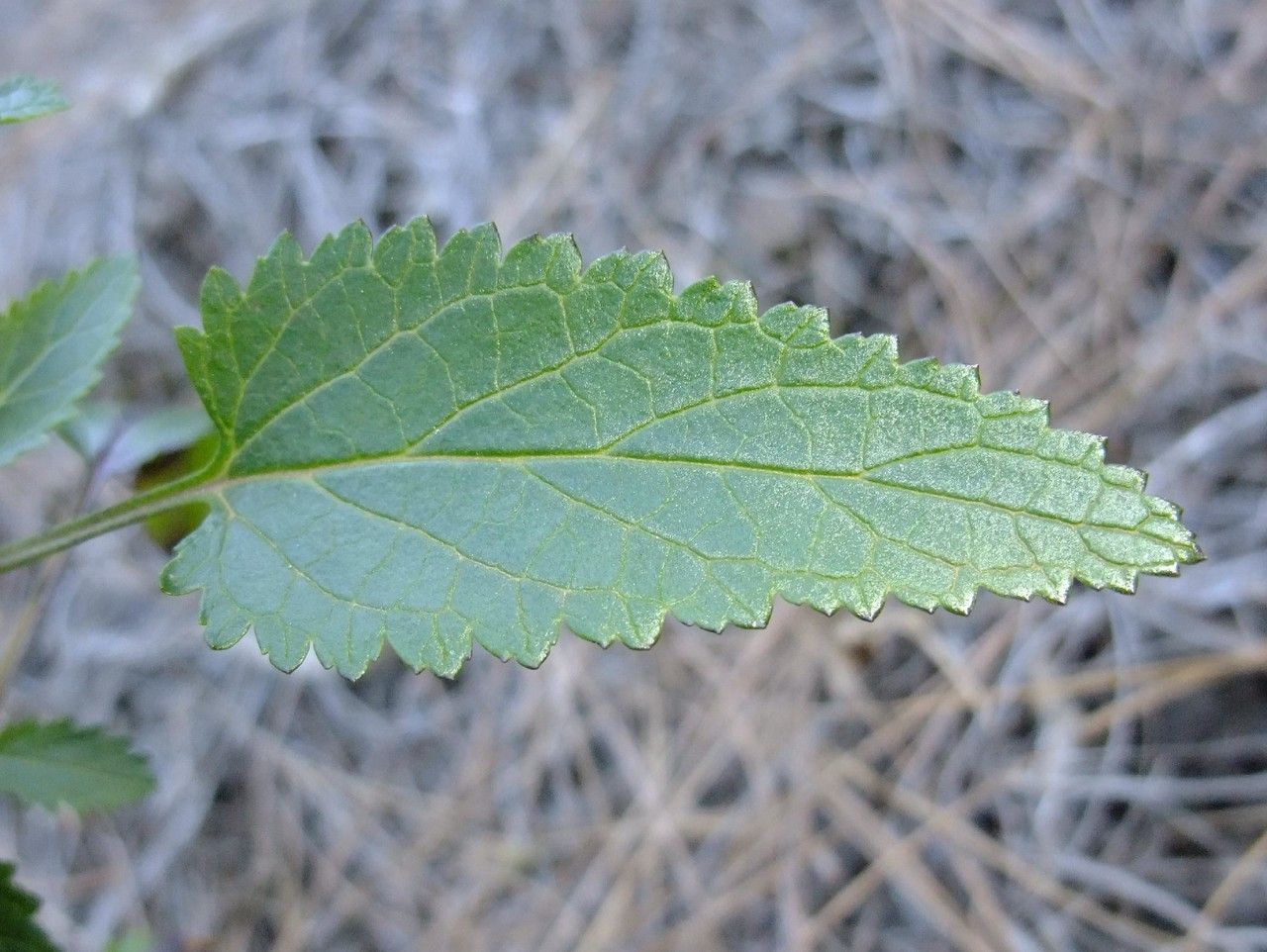
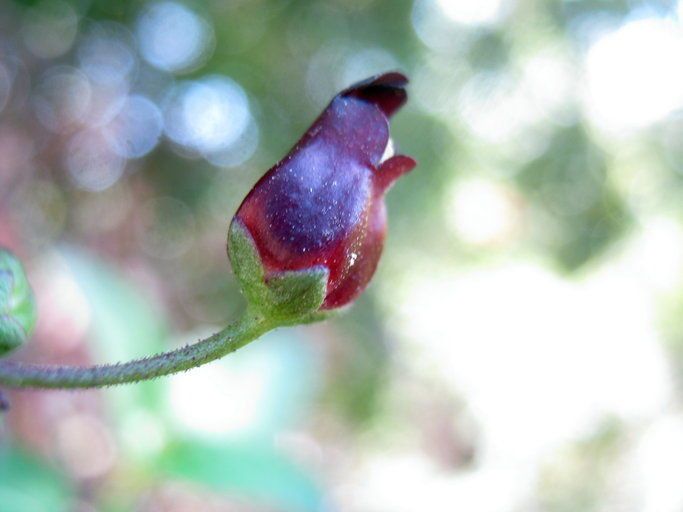
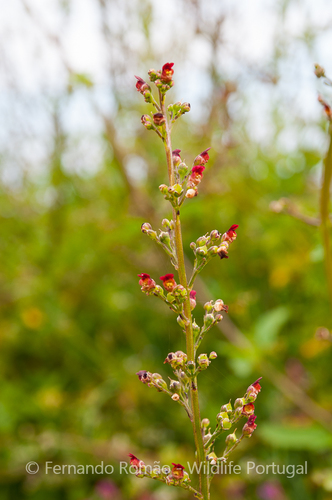
The plant can reach a height of up to 1.5 meters and features a woody stem covered in fine hairs. Its dark green leaves are serrated at the edges and are arranged oppositely along the stem. The small, tubular flowers of Scrophularia scorodonia are greenish-brown and open into five lobes.
Historically, common figwort has been used for its medicinal properties, particularly its anti-inflammatory effects. It has served as a herbal remedy for various ailments, including skin conditions, respiratory issues, digestive problems, and even cancer.
Beyond its medicinal uses, Scrophularia scorodonia is also a valuable food source for insects such as bees and butterflies.
In summary, Scrophularia scorodonia is a versatile plant that offers both medicinal benefits and ecological value, enriching its natural habitat.
Balm-leaved figwort has good resistance to disease and is generally not prone to illnesses. However, it can be affected by pests and diseases present in its surroundings. These infections are usually mild. Care-wise, this plant requires moderate maintenance. Regular pruning is necessary to maintain its appearance and support healthy growth. Fertilizing can also help encourage flowering. Balm-leaved figwort is appropriate for anyone with outdoor space, such as a garden or patio, and does not demand extensive plant-care experience. It may need more attention if grown indoors.
How to keep Scrophularia Scorodonia.
Light
Balm-leaved figwort naturally occurs in habitats like forest understories or rocky sites that are naturally shaded. It prefers partial sun but can tolerate full sun or full shade, showing its versatility and hardiness.
Temperature
The balm-leaved figwort can tolerate a wide range of temperatures, but its distribution may still be constrained by different combinations of moisture and heat. It does best in warm summer conditions with sufficient rainfall or watering. Extended periods of cloudy, rainy weather or prolonged high temperatures can increase the chance of the balm-leaved figwort dying. In winter, protecting the plant from cold can improve its chances of survival.
Fertilizer
One fertilizer application in spring is generally adequate for Balm-leaved figwort, though repeated feedings can optimize growth. Apply fertilizer every one to one and a half months. Fertilizing improves the leaves' appearance and function, helping maintain an even color and healthy texture. It also encourages root development and nutrient uptake, supporting the plant's long-term health.
Botanical profile.
- Plant Type
- Herb
- Life Cycle
- Perennial
- Genus
- Scrophularia
- Family
- Scrophulariaceae
- Hardiness Zone
- 7-10
- Mature Height
- 30 cm to 76 cm
- Mature Spread
- 30 cm to 49 cm
- Leaf Color
- Dark Green
- Leaf Type
- Deciduous
- Flower Size
- 0.76 cm to 1.27 cm
- Bloom Time
- Summer
- Planting Time
- Spring, Summer, Autumn
- Harvest Time
- Late summer, Early fall, Mid fall
- Native Area
- Portugal, Spain, United Kingdom, Morocco, France
Other names.