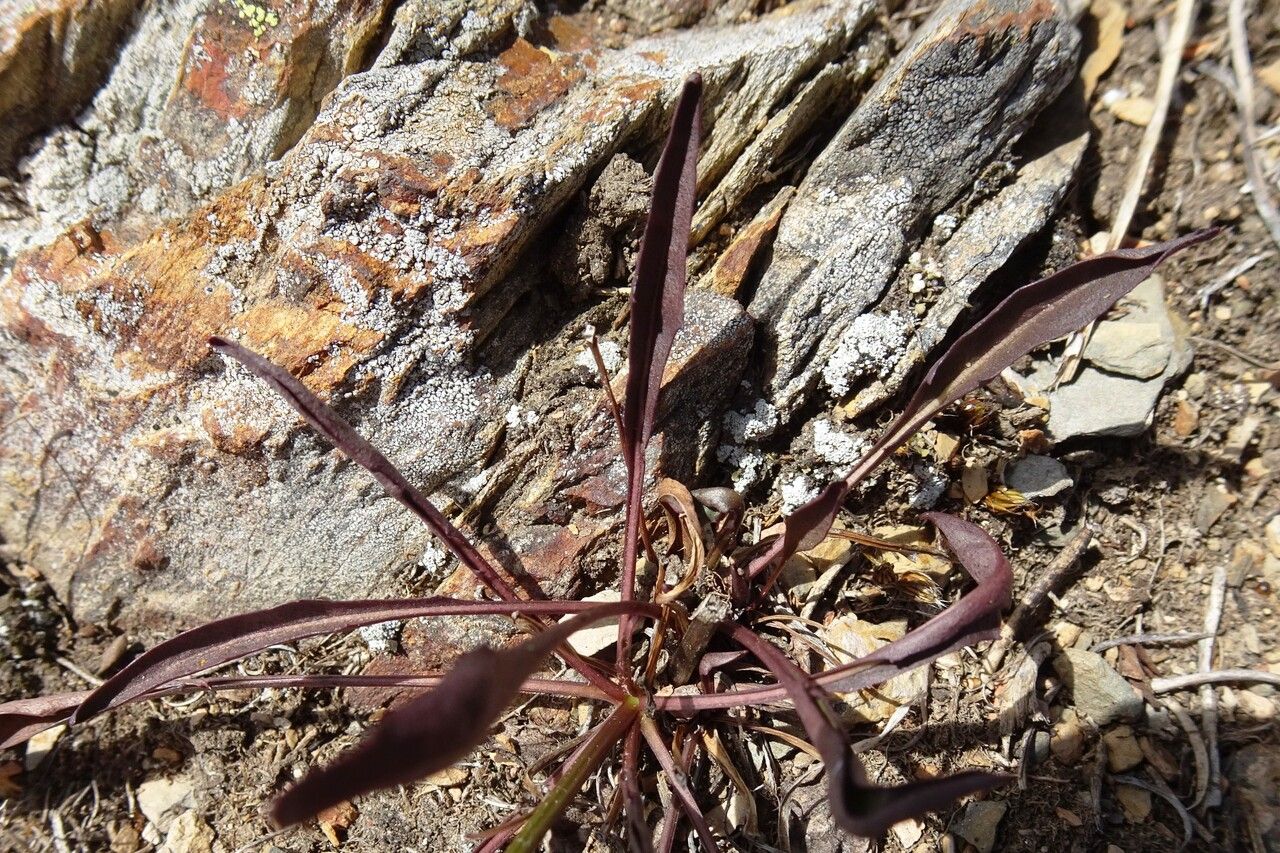
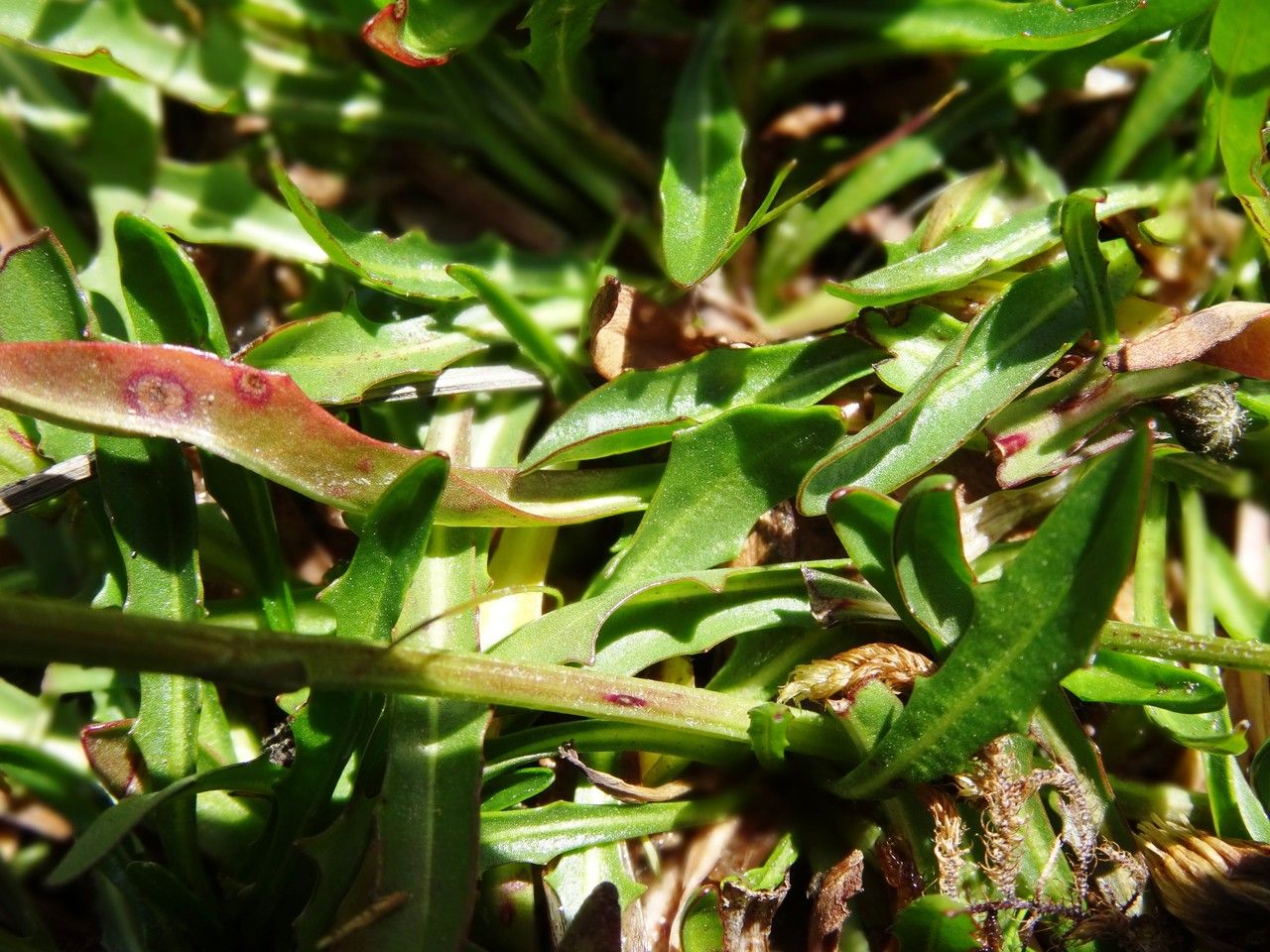
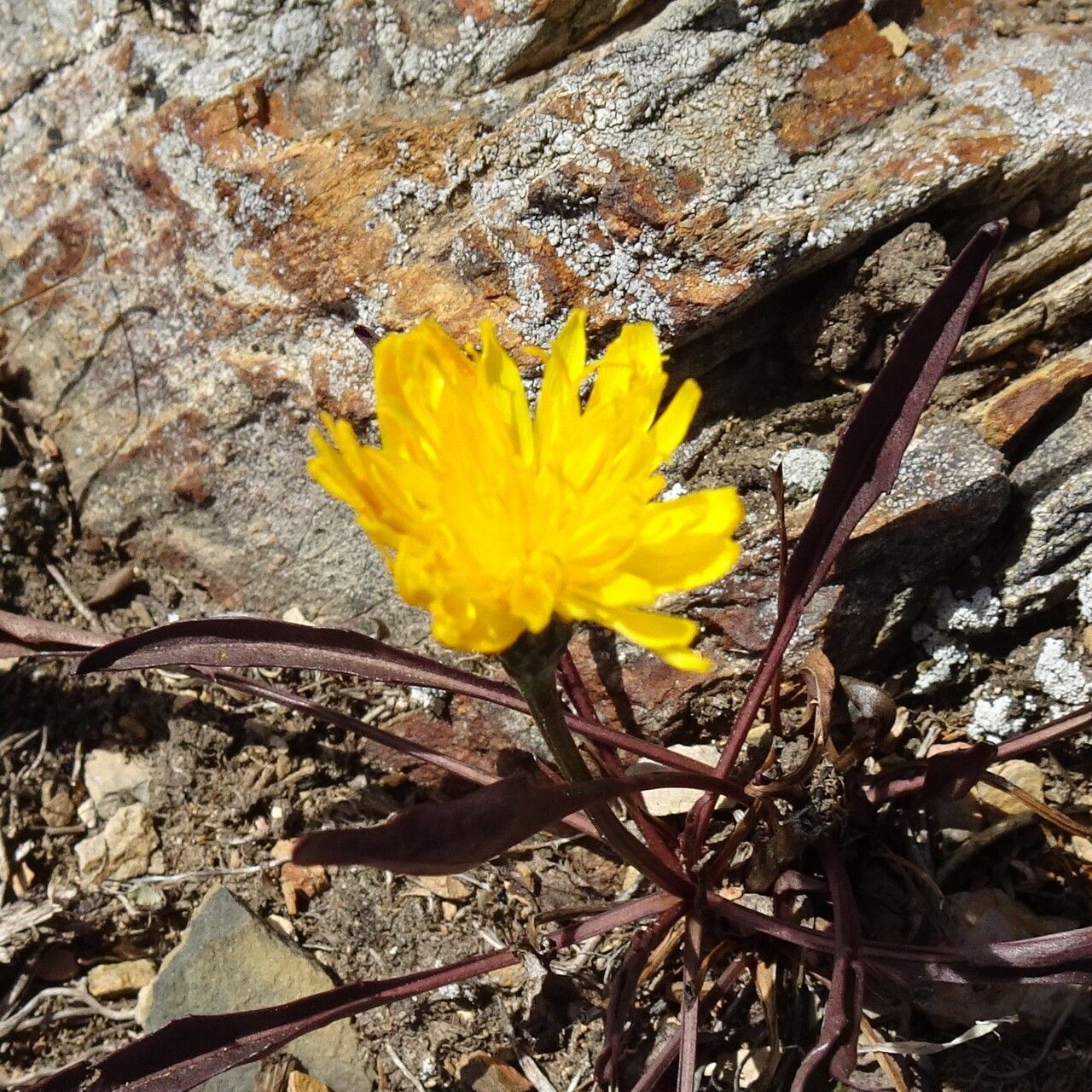
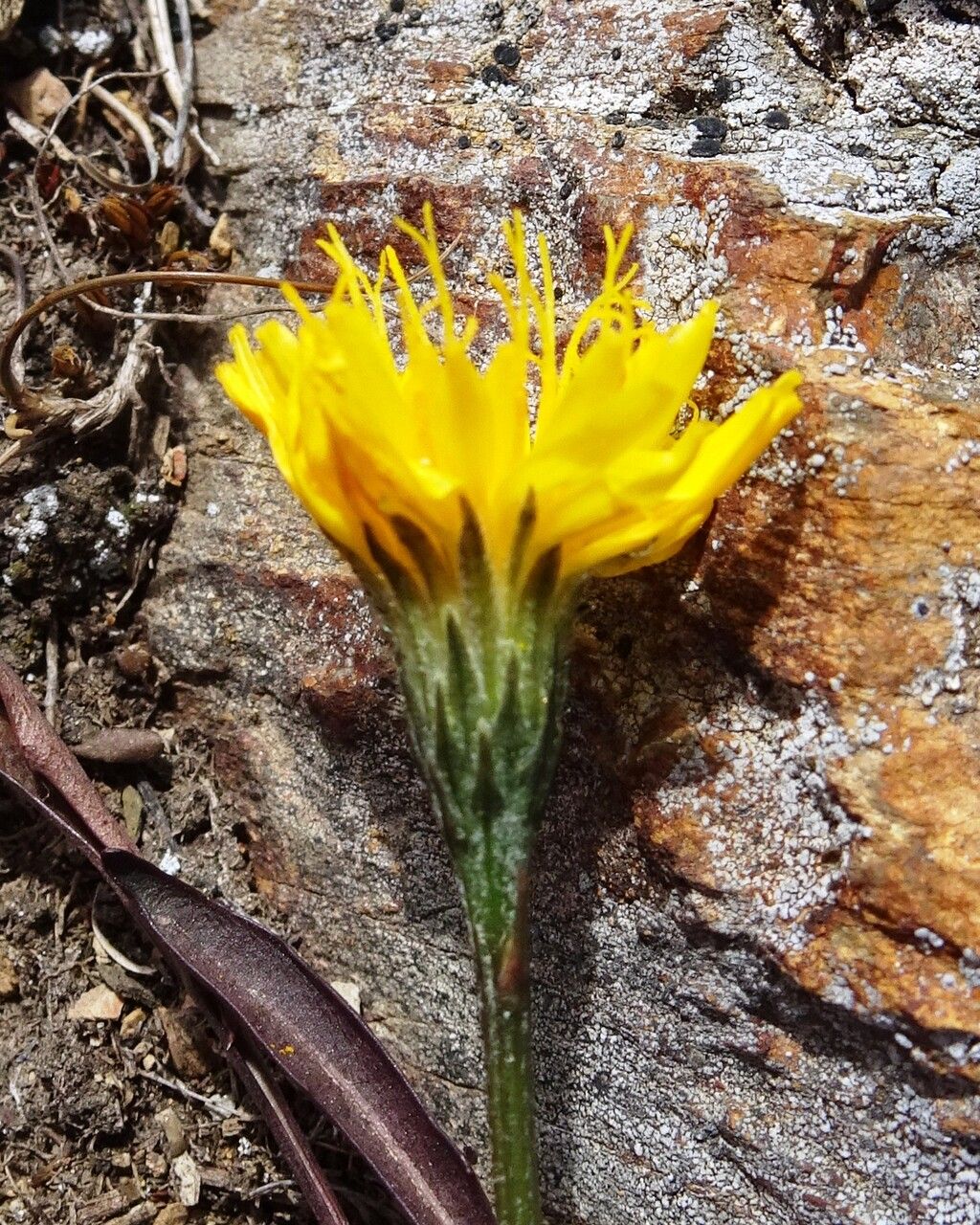
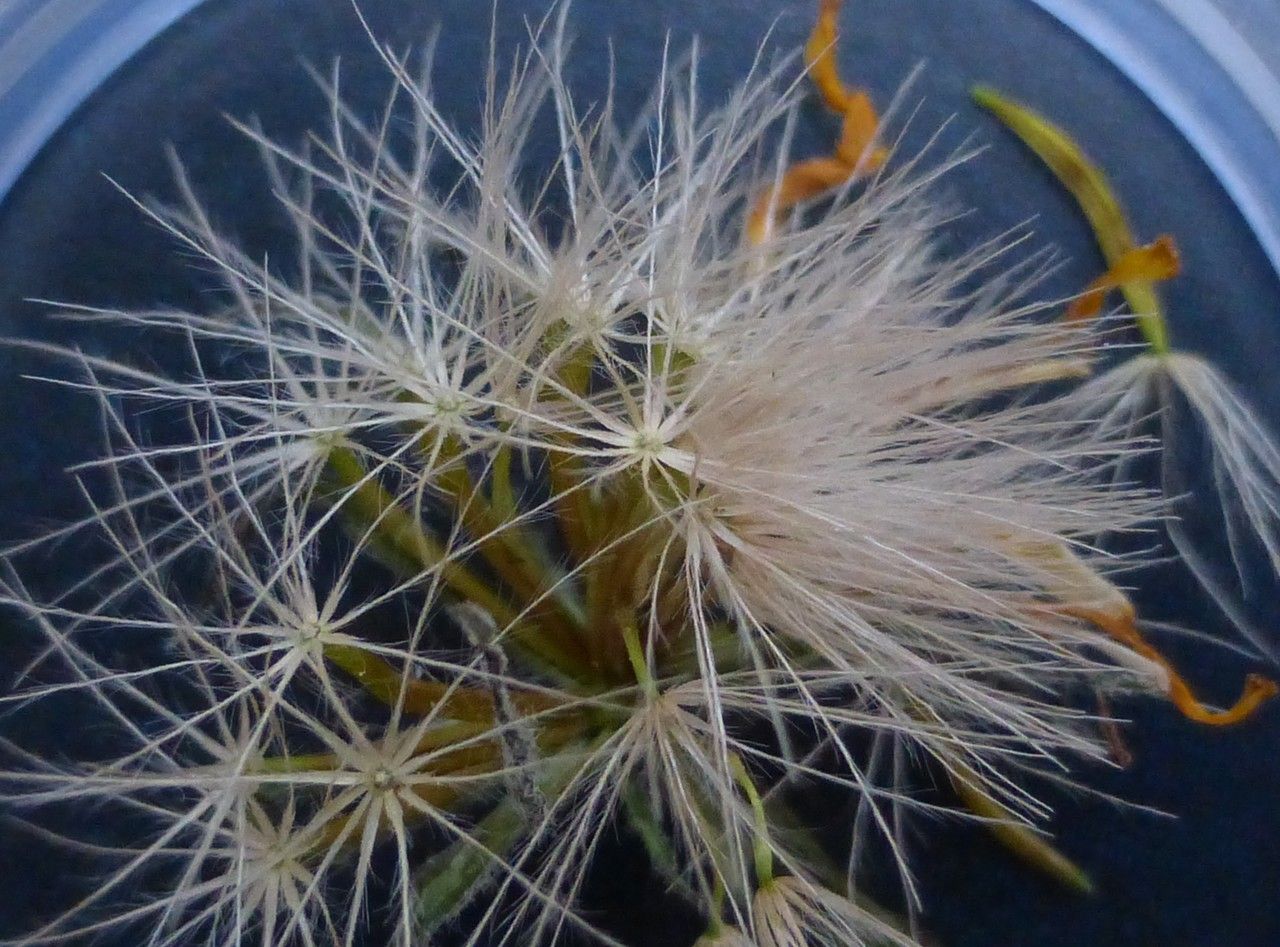
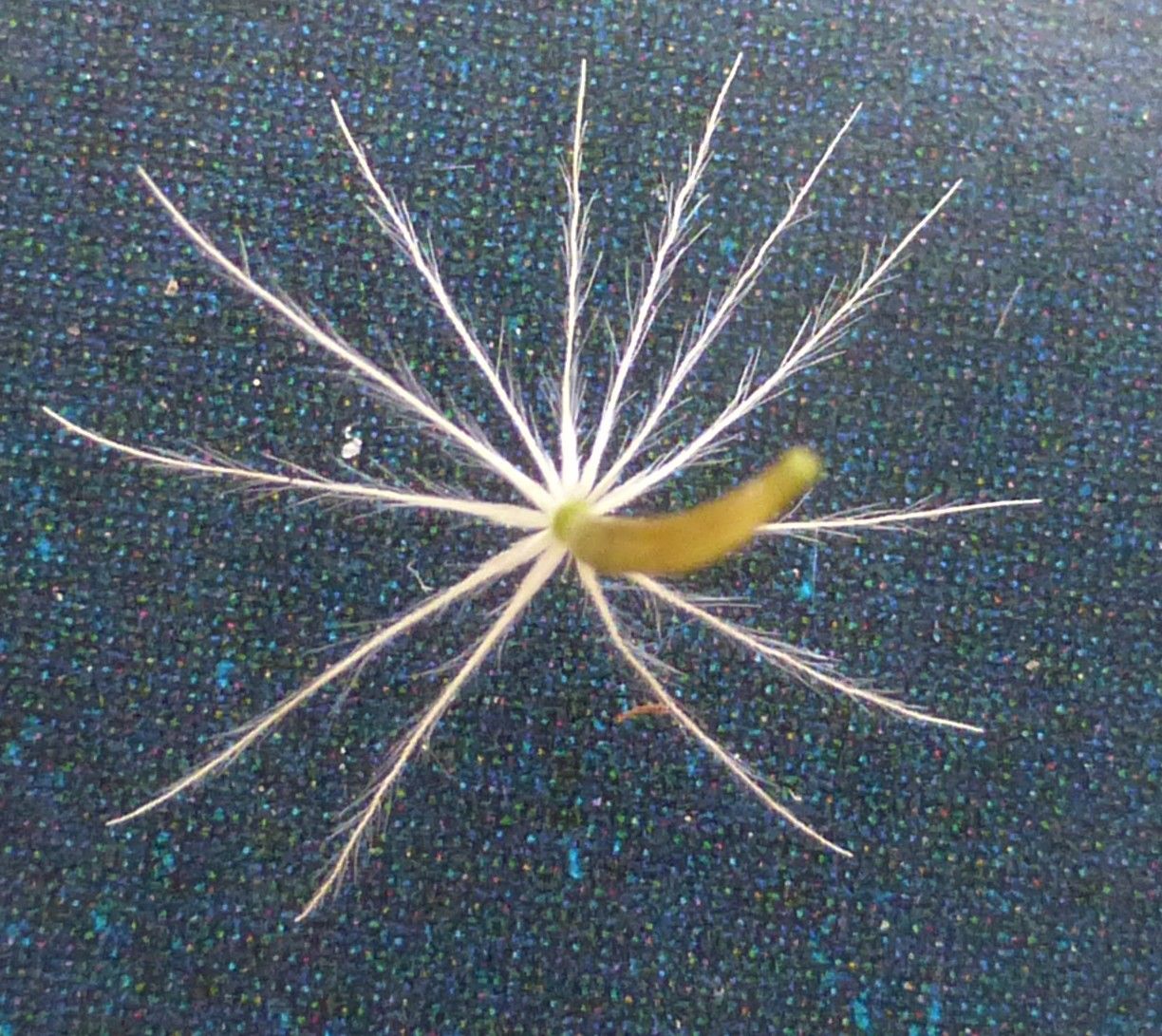
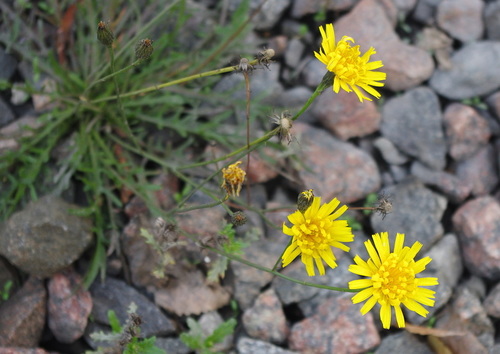
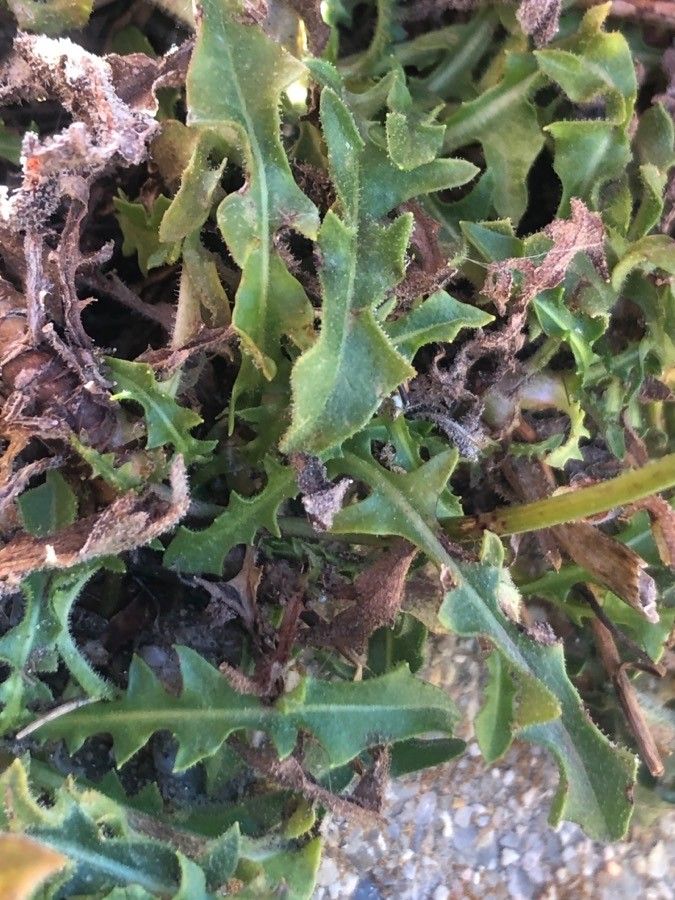
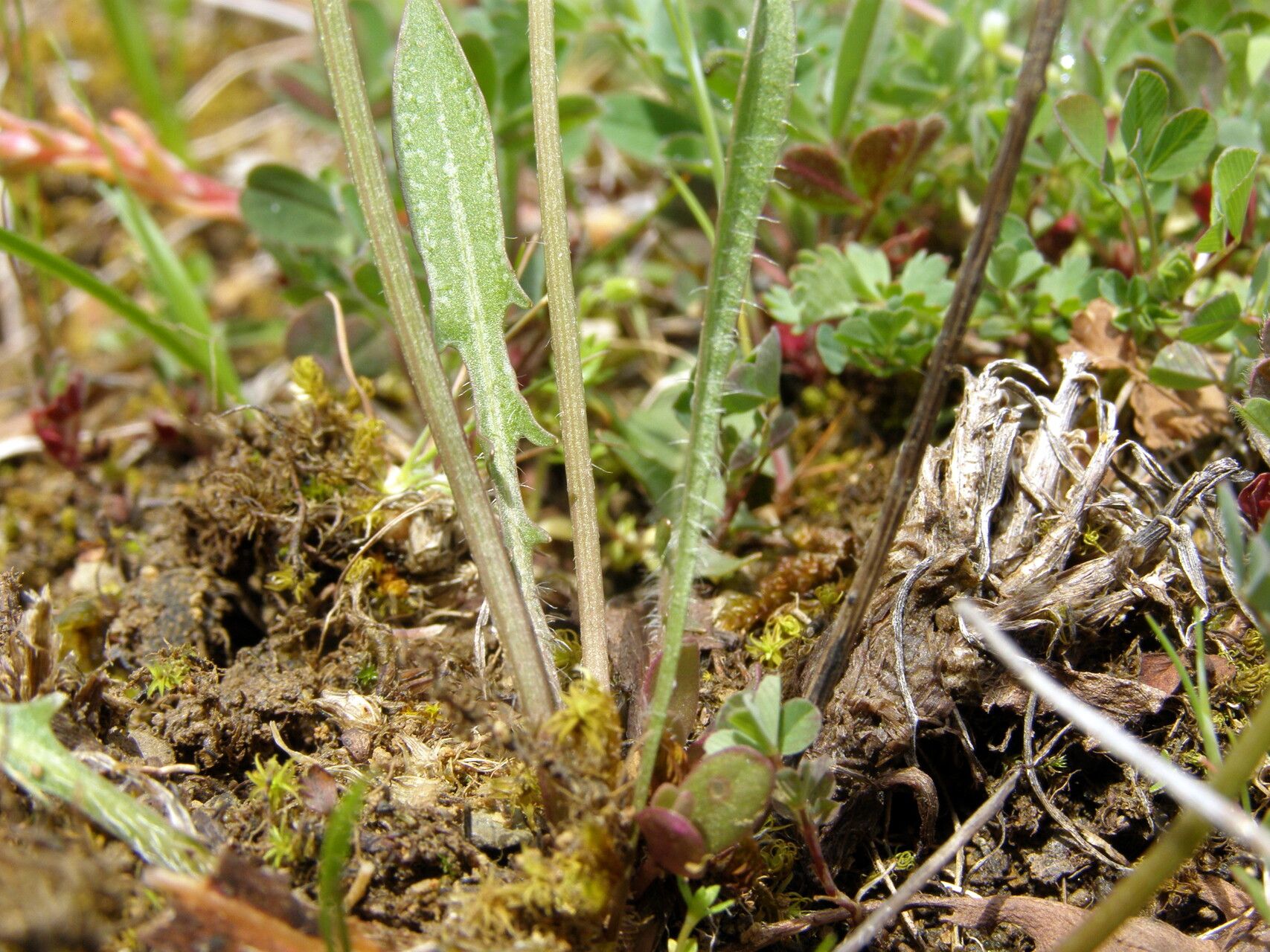
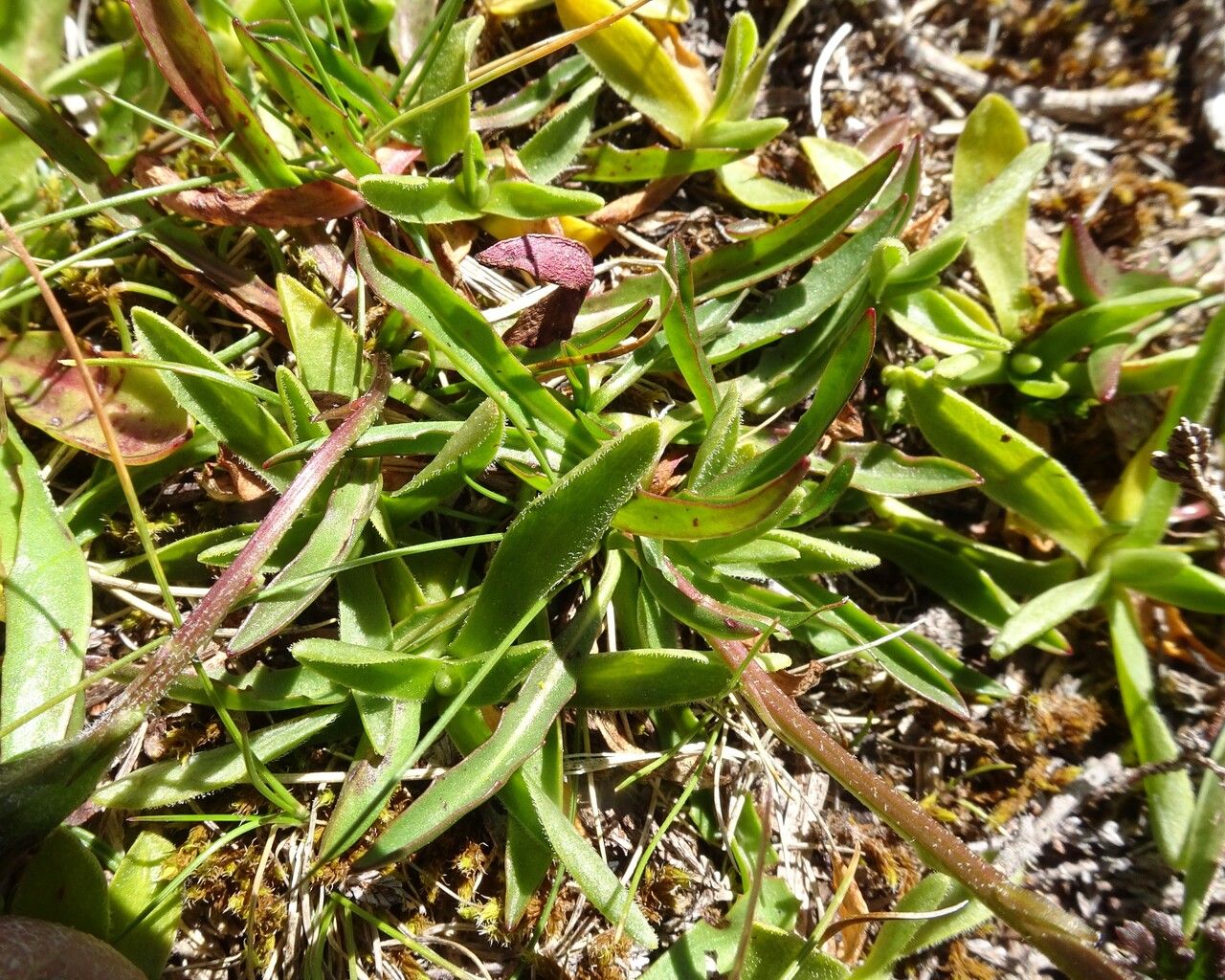
Leontodon pyrenaicus is a species of hawkbit found in the Alps, Pyrenees, Cantabrian Mountains, northern Apennines and northern parts of the Balkan Peninsula. It grows in meadows and on stony slopes from the tree line to over 3000 m, usually on acidic soils. It is perennial, and flowers from June to August. The stems of L. pyrenaicus are narrow, up to 30 cm long, with several scale-like leaves, and with a single flower head at the top. The leaves form a basal rosette, and are clearly stalked. The flower heads are 20–20 mm wide and bright yellow. L. pyrenaicus is divided into three allopatric subspecies which differ in their size and in the nature of the hairs on the bracts:
L. pyrenaicus subsp. cantabricus lives in the Cantabrian Mountains L. pyrenaicus subsp. helveticus lives in the Alps, Apennines and Balkans L. pyrenaicus subsp. pyrenaicus lives in the PyreneesA number of authors since 2006, based on molecular evidence, have divided the genus Leontodon into two, with the former subgenus Oporinia split out into the genus Scorzoneroides. If this is done, L. pyrenaicus is placed in Scorzoneroides as S. pyrenaica. It is also common for the subspecies to be considered separate species, in which case they are called Leontodon cantabricus (or Scorzoneroides cantabrica), L. helveticus (S. helvetica) and L. pyrenaicus (S. pyrenaica).
Pyrenean hawkbit is fairly disease-resistant and typically does not suffer from many illnesses. Nonetheless, it can be affected by pests and diseases present in its environment. These issues are usually mild. In terms of upkeep, this plant requires moderate maintenance. Regular pruning is needed to preserve a neat appearance and healthy growth. Fertilizing can also encourage flowering. Pyrenean hawkbit is suitable for anyone with outdoor space, such as a garden or patio, and does not demand extensive care experience. It may need more attention when grown indoors.
How to keep Scorzoneroides Pyrenaica.
Fertilizer
Pyrenean hawkbit are considered heavy feeders in terms of nutrients. They need frequent, low doses of nitrogen and potassium fertilizers and periodic applications of phosphorus, micronutrients, sulfur, and magnesium to maintain good growth and bright coloration. Continuous fertilization throughout the growing season prevents deficiency symptoms and maintains optimal growth.
Botanical profile.
- Plant Type
- Herb
- Life Cycle
- Biennial
- Genus
- Scorzoneroides
- Family
- Asteraceae
- Hardiness Zone
- 2-7
- Leaf Type
- Semi-evergreen
Other names.