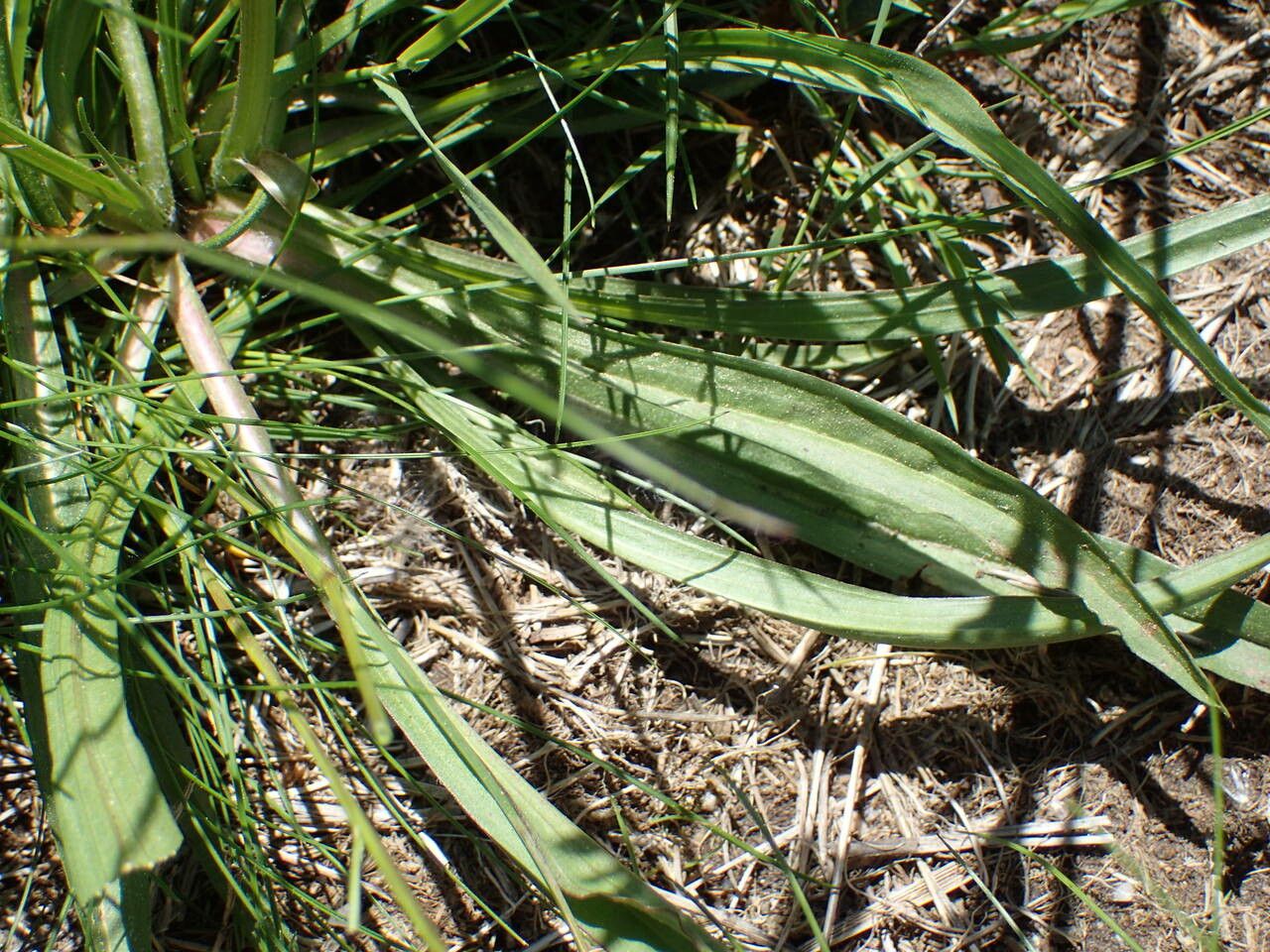
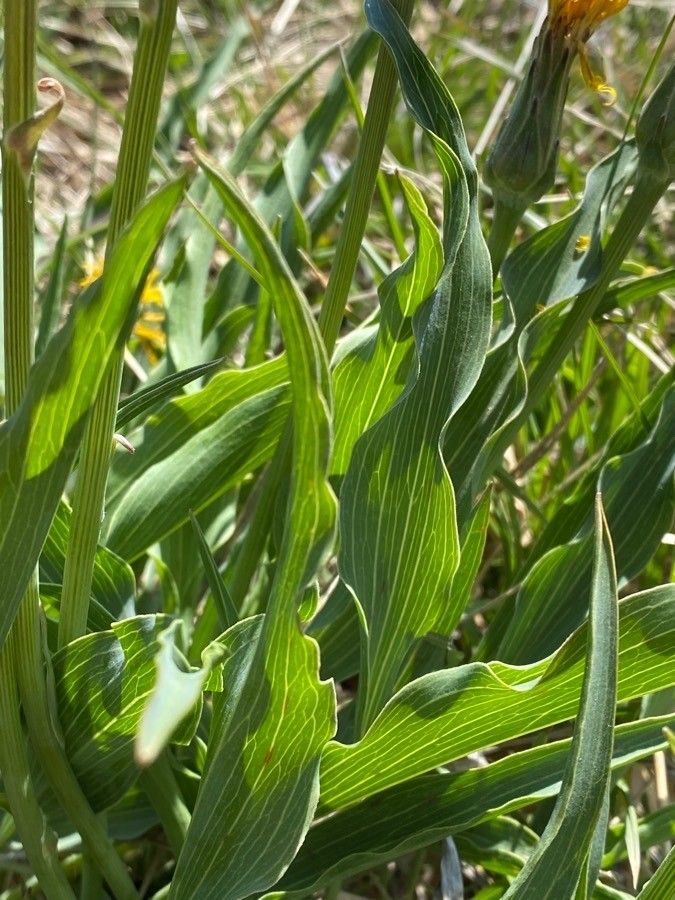
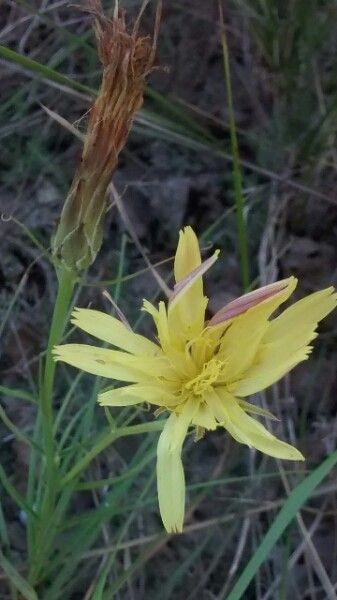
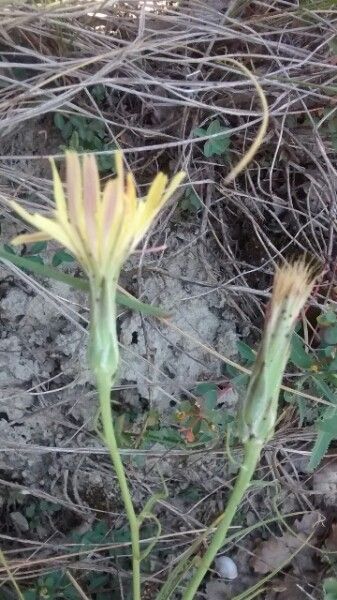
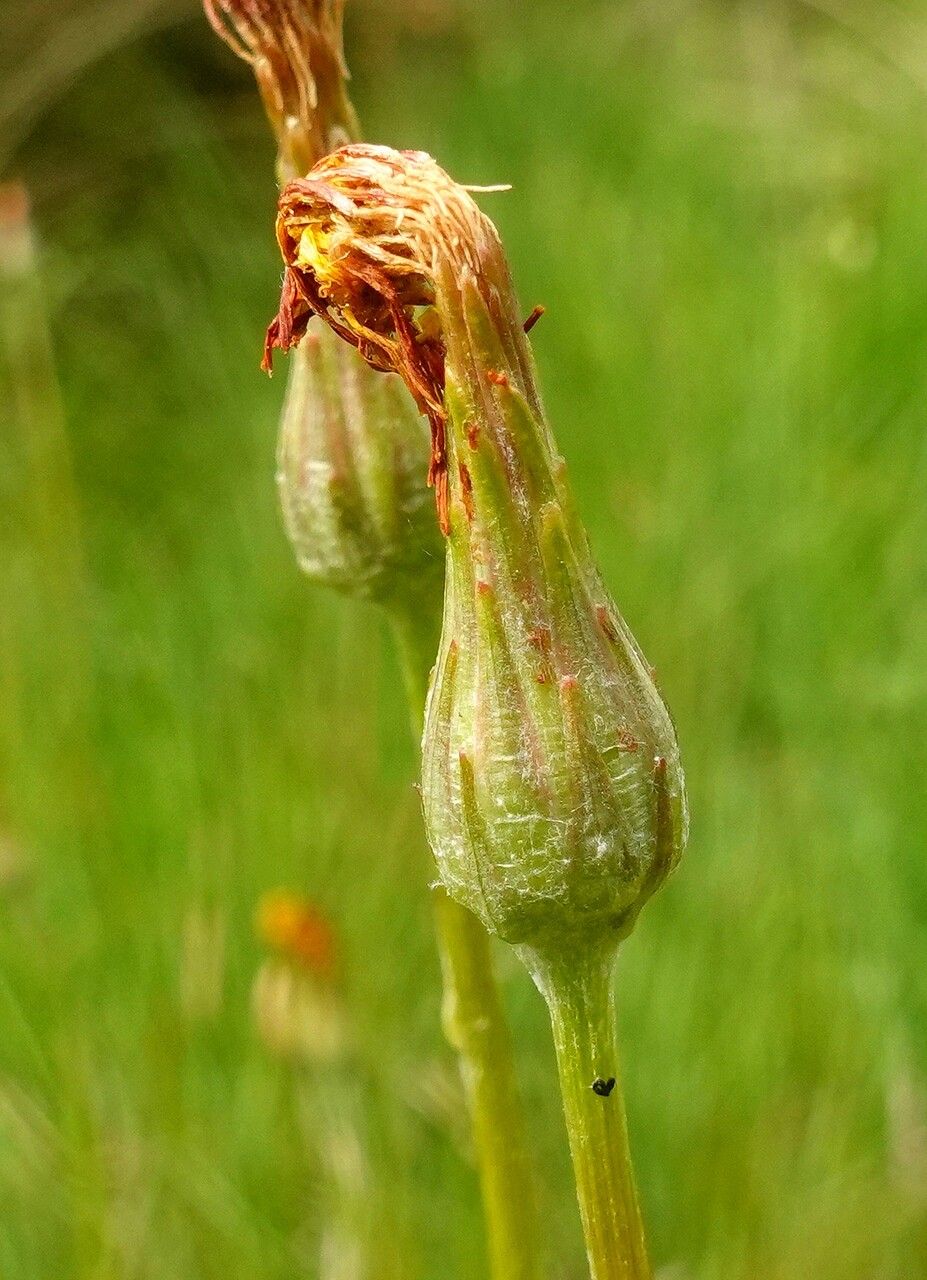
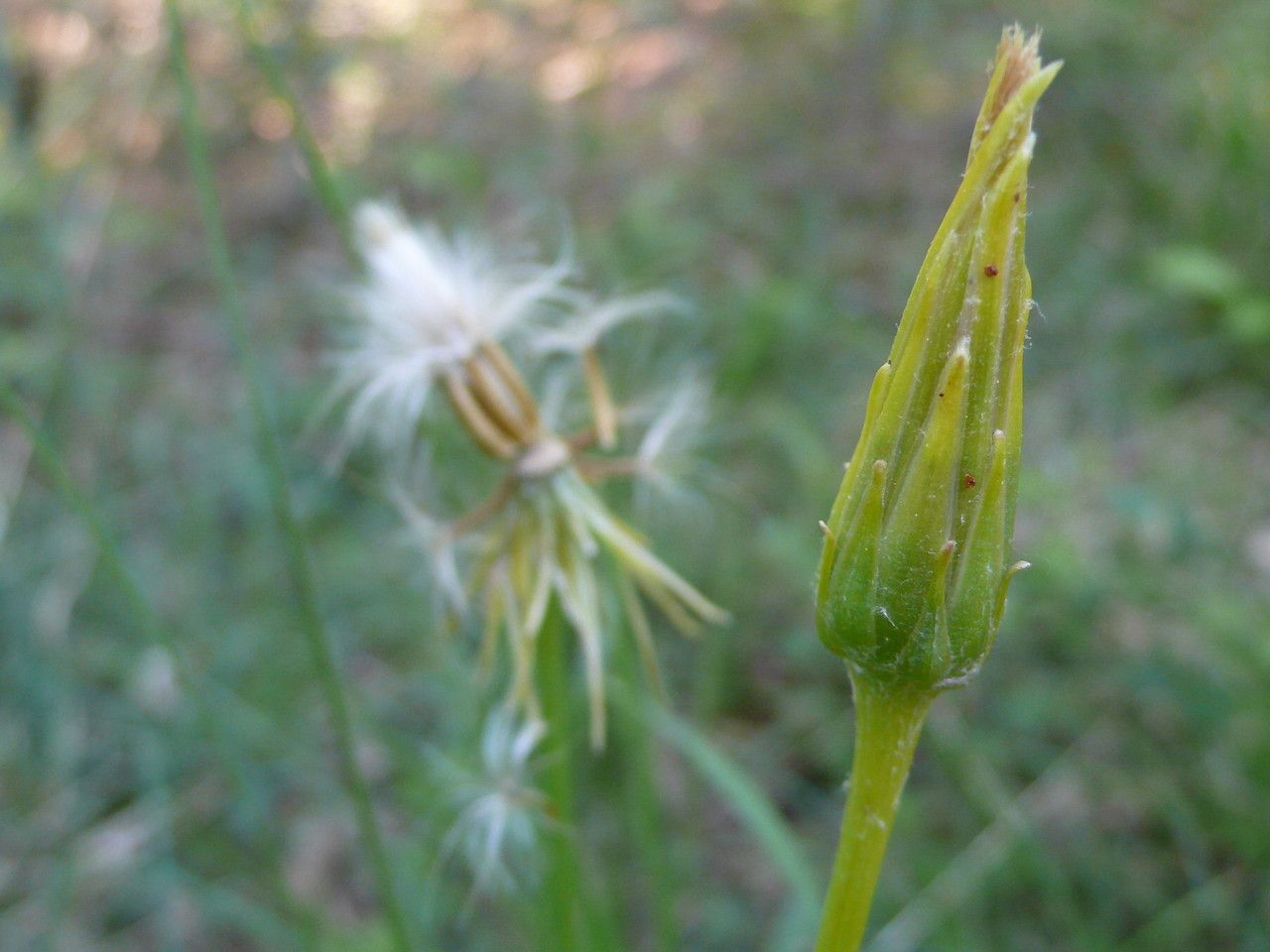
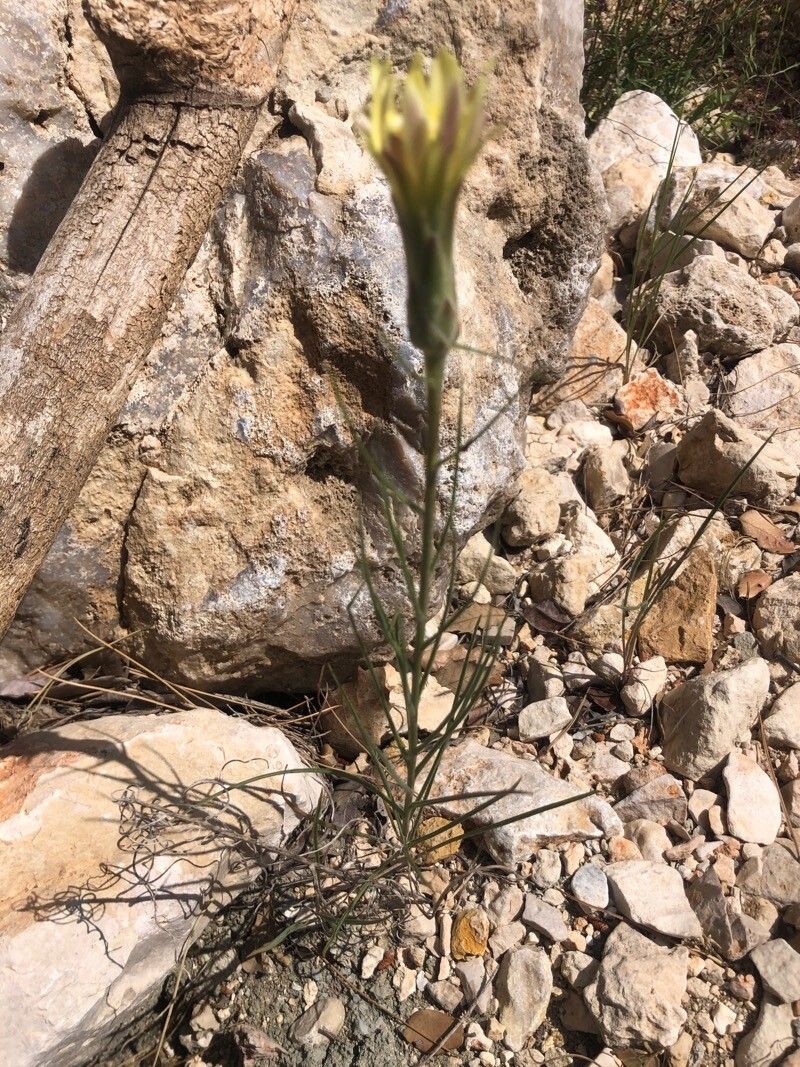
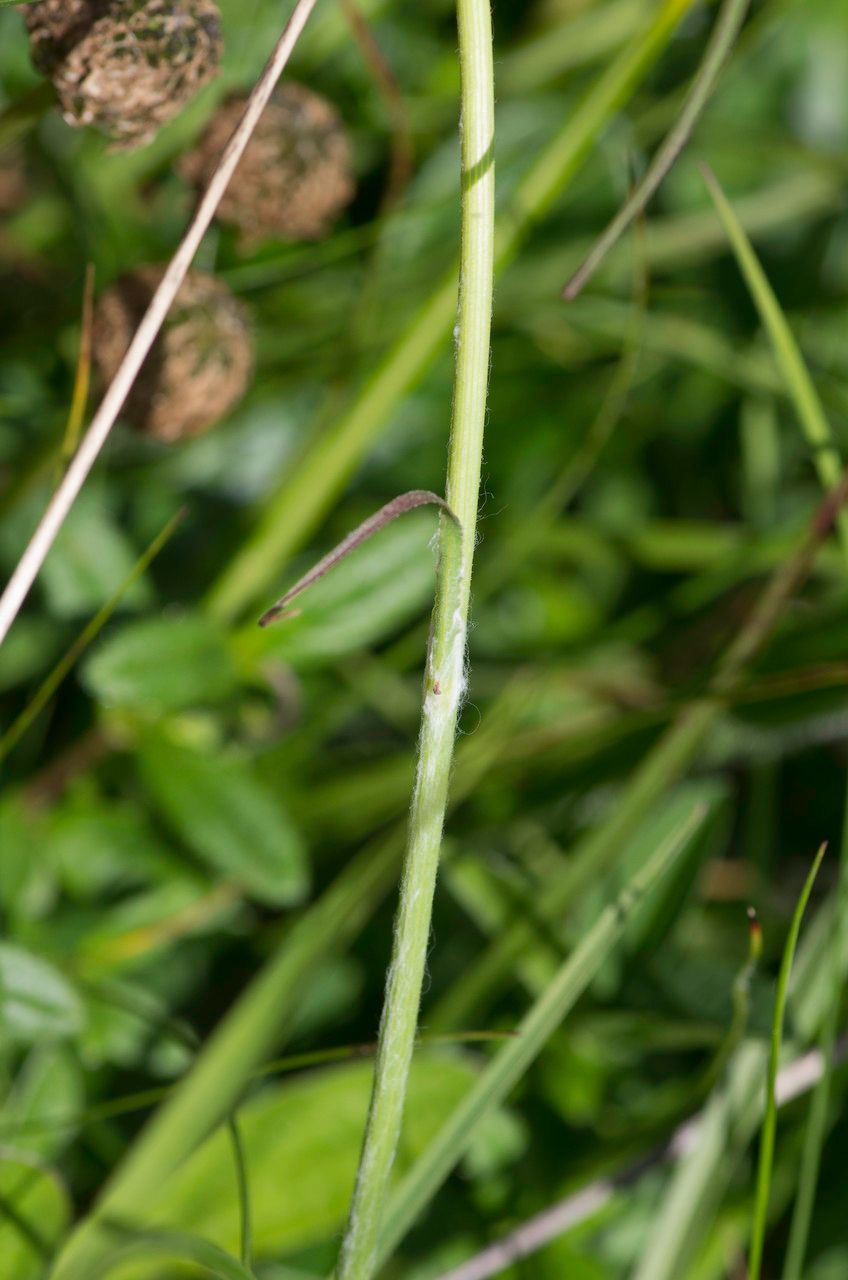
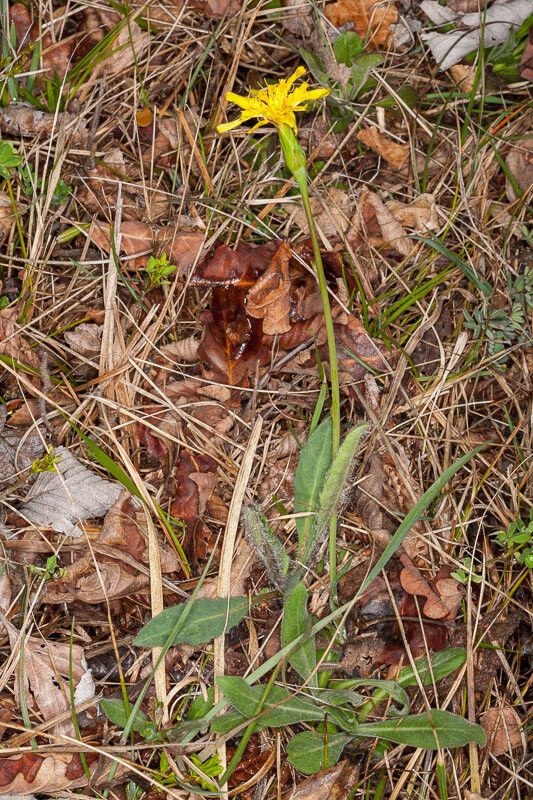
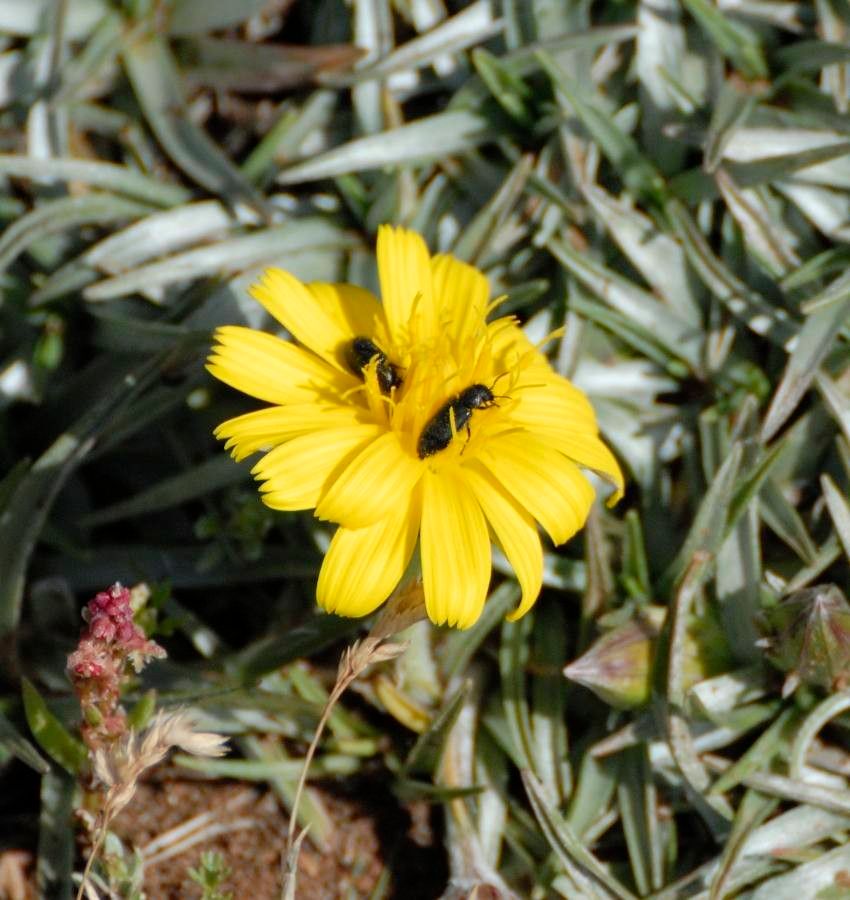
Scorzonera humilis, the viper's-grass, is a perennial plant. In Britain it is a rare plant, restricted to moist meadows, in Dorset and Warwick in England, and in South Wales. One unique class of stilbenoid derivative was first isolated from S. humilis. They were named the tyrolobibenzyls after Tyrol in the eastern Alps, where the plant was collected.
Austrian viper's grass is fairly disease-resistant and generally not prone to illnesses. However, it can be affected by pests and diseases present in its environment. These problems are typically mild. In terms of care, the plant requires moderate maintenance. It should be pruned regularly to preserve a neat appearance and support healthy growth. Fertilizing can also help encourage flowering. Austrian viper's grass is suitable for anyone with outdoor space, such as a garden or patio, and does not demand extensive care experience. It may need more attention when grown indoors.
How to keep Scorzonera Humilis.
Light
Austrian viper's grass is a perennial herbaceous plant that favors sunny spots and originates from open habitats, commonly occurring in meadows and grasslands. It prefers full sun but can tolerate partial sun.
Water
Viper's grass, native to temperate regions, thrives with moderate watering and consistent soil moisture, avoiding waterlogging. Watering once a week helps maintain optimal hydration. This plant is ideal for outdoor cultivation, as it benefits from natural rainfall and is resilient to variations in water availability, making it well-suited for seasonal growth cycles.
Temperature
Austrian viper's grass is native to temperate regions and grows best in moderate temperatures, favoring a range of 59 to 95 °F (15 to 35 ℃). In colder winters or hotter summers, relocating it indoors or providing shade is recommended to maintain optimal temperature conditions.
Fertilizer
One application of fertilizer in spring is generally adequate for Austrian viper's grass, though repeated feedings can boost growth to its fullest. Apply fertilizer once every month to a month and a half. Fertilizing improves the leaves’ appearance and function, helping maintain even color and a healthy texture. It also encourages root development and improves nutrient uptake, supporting the plant’s long-term health.
Pruning
Viper's grass features narrow, grass-like leaves and yellow flowers. To promote growth and blooming, prune the plant from early to late spring by removing dead foliage and spent blooms. Thinning out crowded areas helps improve air circulation, reduces the risk of disease, and aligns with the plant's natural growth cycle.
Botanical profile.
- Plant Type
- Herb
- Life Cycle
- Perennial
- Genus
- Scorzonera
- Family
- Asteraceae
- Hardiness Zone
- 7-10
- Mature Height
- 43 cm
- Mature Spread
- 15 cm to 30 cm
- Leaf Color
- Green, Dark Green
- Leaf Type
- Deciduous
- Flower Color
- Yellow
- Flower Size
- 3.05 cm to 5.08 cm
- Bloom Time
- Mid spring, Late spring
- Planting Time
- Spring, Summer
- Harvest Time
- Early summer, Mid summer
Other names.
Reader questions.
How should I water my Viper's grass to keep it healthy?
To properly water your Viper's grass, follow these steps: 1. Use filtered water at room temperature. Tap water may have harmful particles that can harm the plant's health. 2. The Viper's grass is accustomed to warmer temperatures, so avoid using cold water as it may shock the plant. 3. Instead of overhead watering, pour the filtered room temperature water directly onto the soil. 4. Make sure to fully soak the soil. This ensures the roots are moistened and can continue spreading through the soil to collect the necessary nutrients for the plant's growth.
What are the sunlight requirements for Viper's grass?
Viper's grass is a sun-loving plant that thrives in full sun, which means it requires above 6 hours of sunlight daily. It can also tolerate partial sun, or about 3-6 hours of sunlight. It's important to observe how sunlight moves through your garden to choose spots that provide the right balance of light and shade, ensuring the plants' happiness.
What is the native environment of Viper's grass?
Viper's grass, botanically known as Scorzonera humilis, thrives in environments with moderate temperatures. It grows best in temperatures ranging from 50 to 77°F (10 to 25°C). To ensure optimal growth, it might be necessary to make seasonal adjustments to emulate these conditions.
What should I do if I give too much or too little water to my Viper's grass?
Overwatering and underwatering can harm your Viper's grass, but overwatering is a more common issue. When the plant gets too much water, its stems and leaves wilt and turn yellow. Overwatering for a long time can also cause root rot, mold, and mildew, which can be fatal. Underwatering is less likely for Viper's grass since it can tolerate drought, but it is still possible. When underwatering happens, the leaves become brittle and brown. It's important to notice the signs of overwatering early because some diseases, like root rot, can't be fixed if you wait too long. If you see signs of overwatering, reduce watering immediately and check the soil drainage. Replace poorly draining soil with a loose, well-draining potting mix. If your Viper's grass shows signs of not enough water, simply water it more regularly until the signs disappear.
What essentials should I know about Viper's grass?
Viper's grass (Scorzonera humilis) is a perennial herbaceous plant that prefers open habitats, such as meadows and grasslands. It's essential to provide it with full to partial sunlight for optimal growth. When natural sunlight is not sufficient, especially during winter or in less sunny spaces, artificial lighting can be a vital solution. Indoor plants may require 10-50W/sq ft of artificial light, depending on whether they are full sun, partial sun, or full shade plants. Placement of the light source should be 12-36 inches above the plant, and it should mimic natural daylight hours, usually 8-12 hours per day.
How does Viper's grass handle cold temperatures and frost?
Viper's grass is highly tolerant of cold temperatures and does not require additional frost protection measures during the winter. However, it is recommended to water the plant generously before the first freeze of autumn. This practice ensures the soil stays moist and enters a frozen state, which helps prevent drought and water scarcity for the plant during winter and early spring.
How frequently should I water my Viper's grass?
If your plant is in a pot, the most precise way to determine if your Viper's grass needs water is by checking the soil. If the top two to three inches of soil feels dry, it's time to water it. If you have your Viper's grass planted outdoors in the ground, you can use a similar method to check the soil. If the first few inches of soil have dried out, it's time to water. Typically, during spring and early fall, watering once a week using this method is sufficient. However, during extremely hot weather, you may need to water twice or more per week. It's worth mentioning that mature, well-established Viper's grass has a remarkable ability to withstand drought.
What are the common symptoms of light deficiency in Viper's grass?
Common symptoms of light deficiency in Viper's grass include small leaves, leggy or sparse growth, faster leaf drop, slower or no new growth, lighter-colored new leaves, and symptoms of overexposure like chlorosis, sunscald, leaf curling, wilting, and leaf scorching. These symptoms occur when the plant does not receive adequate sunlight, affecting its growth and health.
What should be done if the winter temperature drops below -25°C for Viper's grass?
Although Viper's grass is extremely cold-tolerant, it is important to keep the winter temperature above -25°C. If temperatures fall below this threshold, the plant may not show immediate changes during winter, but there could be a decrease in sprouting or even no sprouting at all come spring. In such cases, it is advisable to remove any parts of the plant that have failed to sprout in the spring.
How much water does the grass in my Viper need?
When watering your Viper's grass, don't be hesitant to give it plenty of water. Make sure the first two to three inches of soil are dry, and then give it a deep watering, making sure to saturate the soil completely. The water should be enough to cause excess water to drain through the pot's drainage holes. If you don't see excess water draining, you may have not given enough water. However, be careful not to let the water accumulate in the soil, as this can harm the plant. On the other hand, if water doesn't drain through the pot, it could indicate poorly draining soils, which is bad for the plant's health. If the plant is outside, one inch of rain per week should be enough.
How can I address light deficiency in Viper's grass?
To address light deficiency in Viper's grass, consider gradually moving the plant to a sunnier location, ensuring it receives at least 6 hours of direct sunlight daily. Use a south-facing window for indoor plants and keep curtains open during the day. If the plant is large or not easily movable, supplement with artificial light, keeping a desk or ceiling lamp on for at least 8 hours daily, or invest in professional plant grow lights. For outdoor plants, move them to the best sunlight spot gradually to avoid sunburn. If obstructions block sunlight, prune branches or leaves of nearby trees or consider transplanting smaller plants during their dormant period to a location with better sunlight and drainage.
How does Viper's grass react to high temperatures and how can it be protected?
Viper's grass is not tolerant of high temperatures. When the temperature exceeds 25°C, growth will cease, and the plant becomes more susceptible to rot. To protect the plant, sunburned and dried-up parts should be trimmed away. The plant should be moved to a location that provides shade during the midday and afternoon sun, or a shade cloth can be used to create the necessary shade. Watering the plant in the morning and evening can help keep the soil moist and support the plant's health.