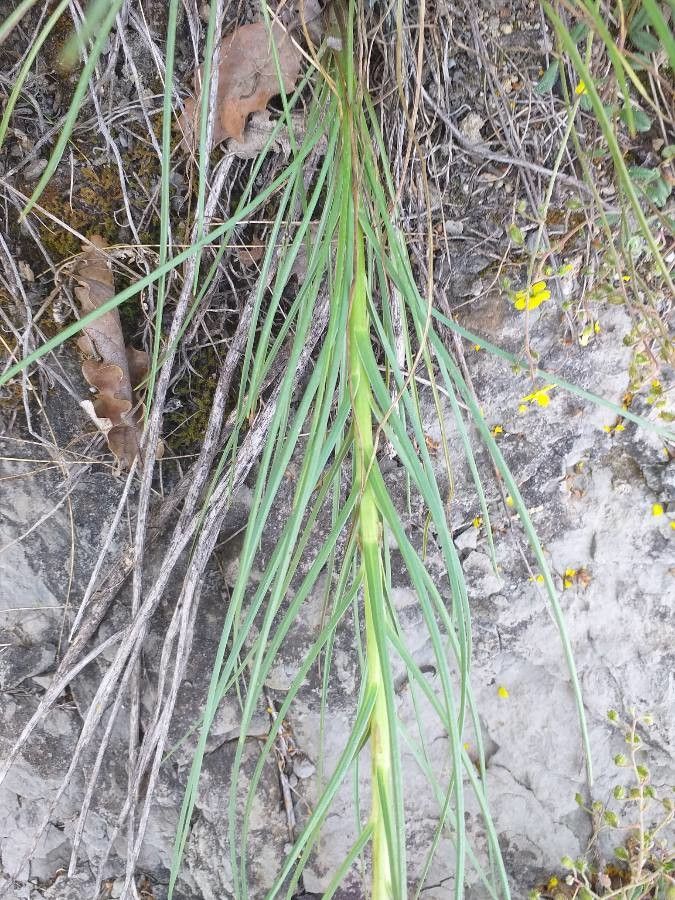
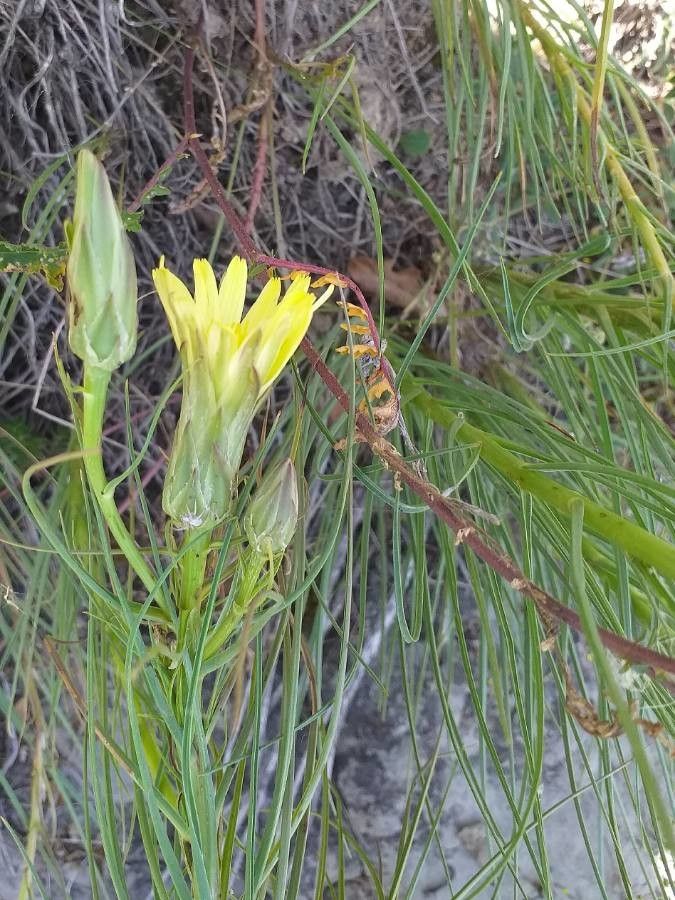
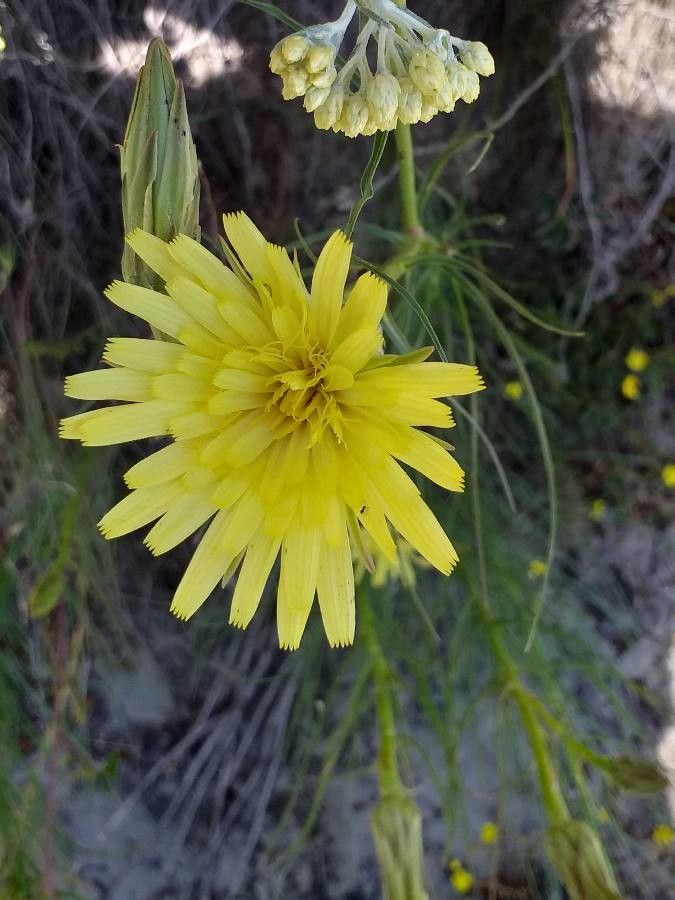
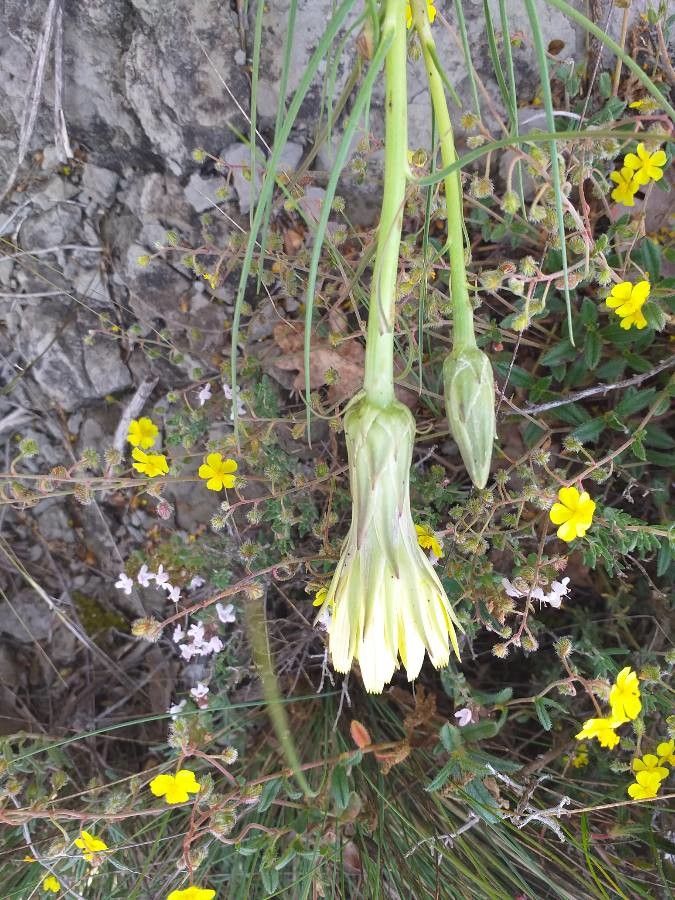
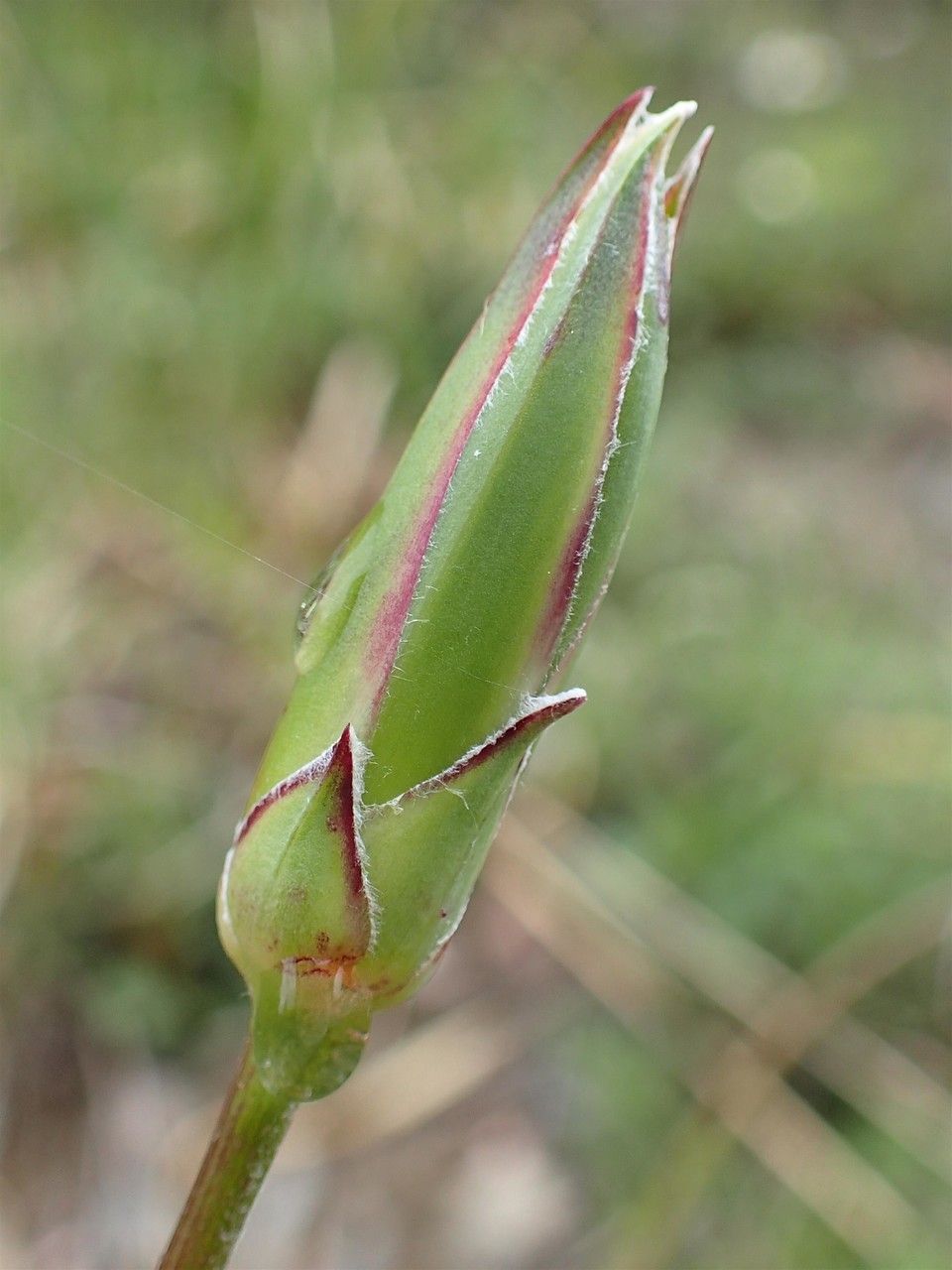
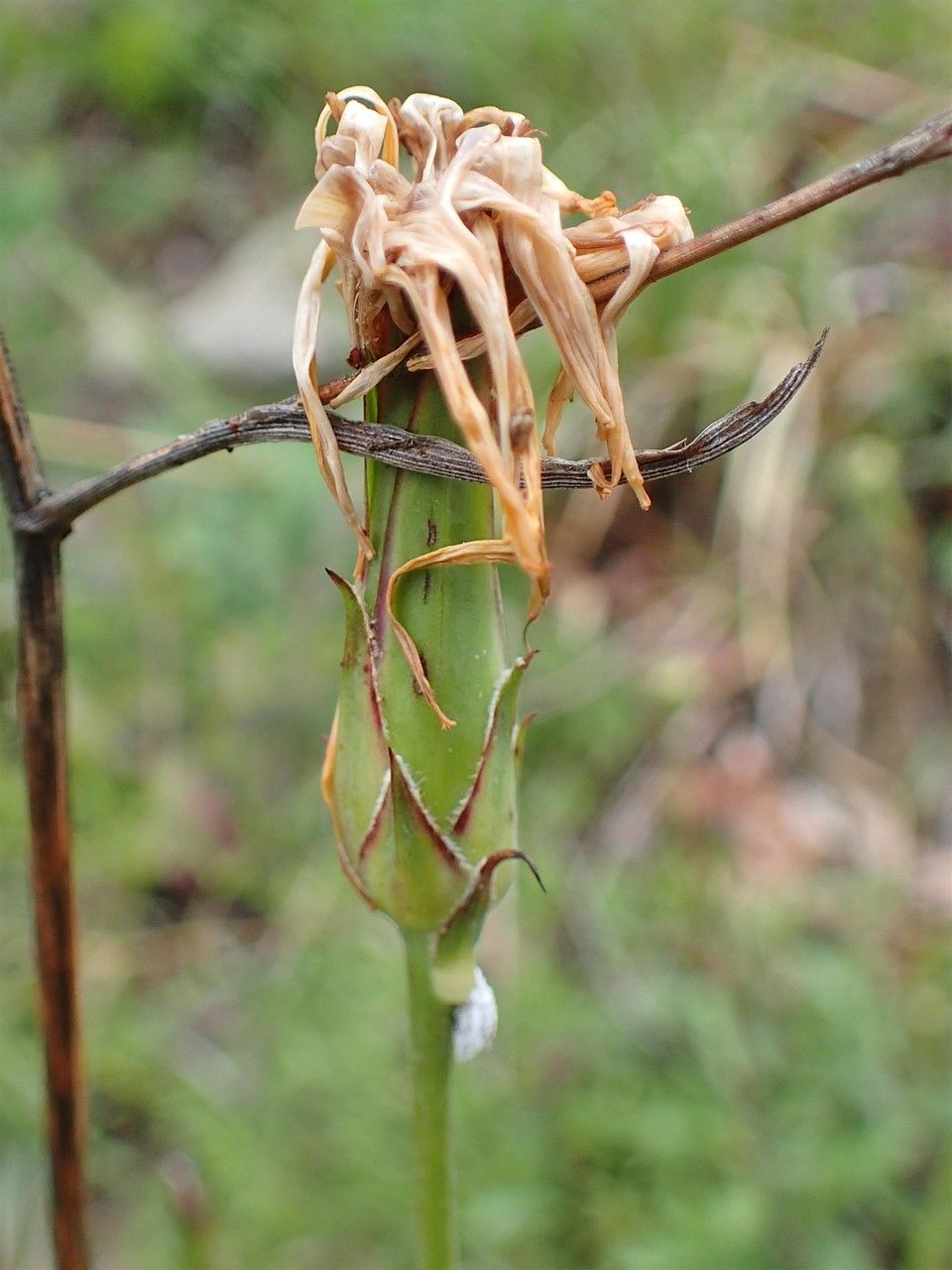
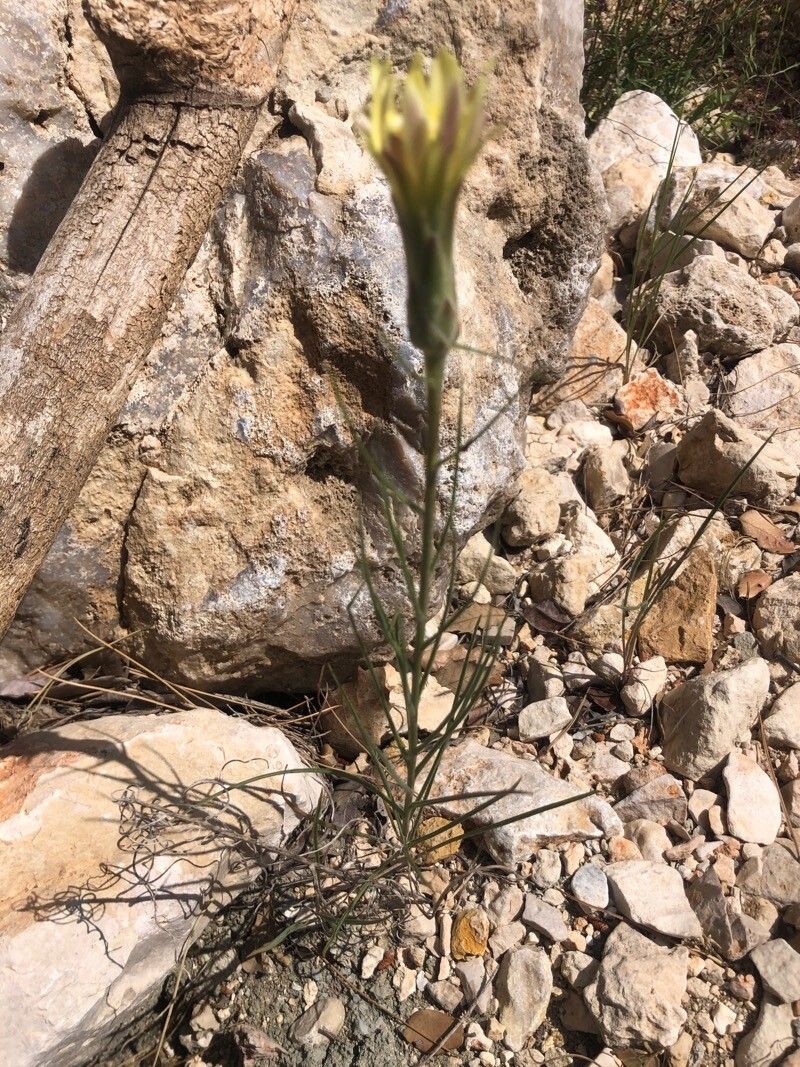
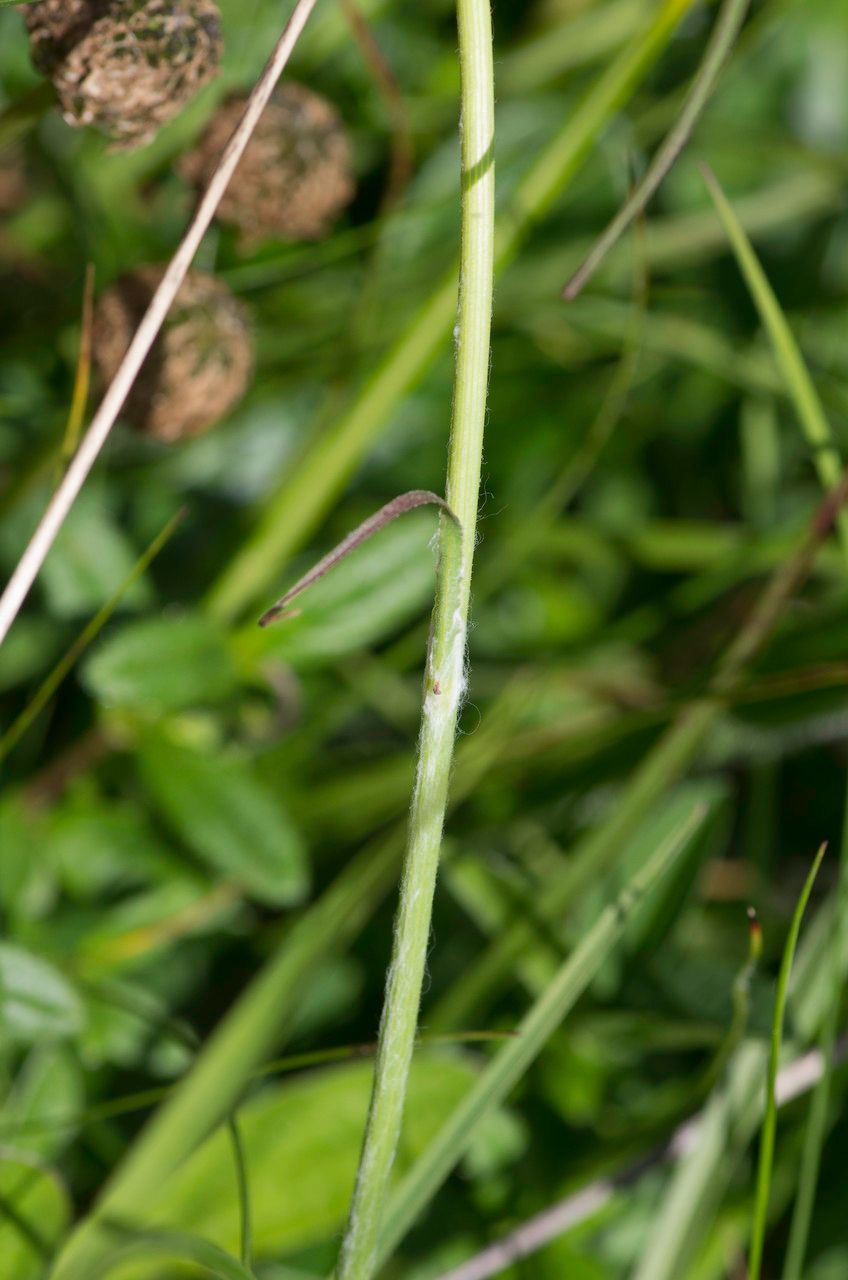
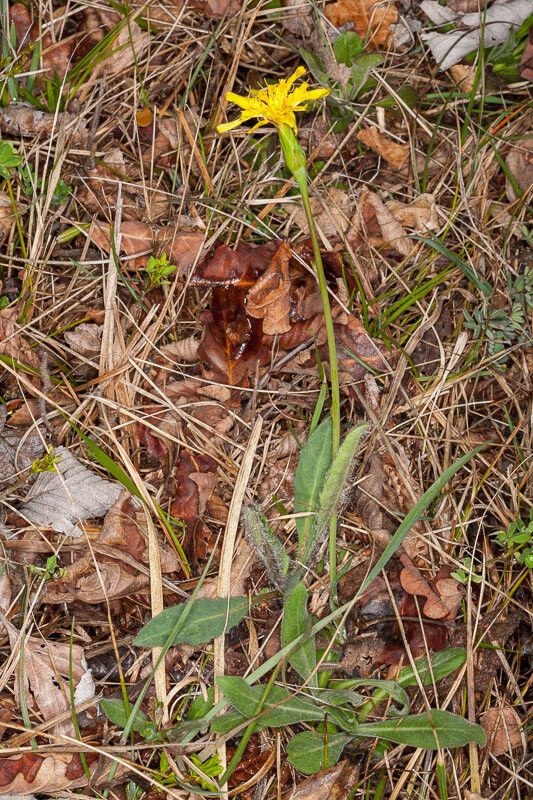
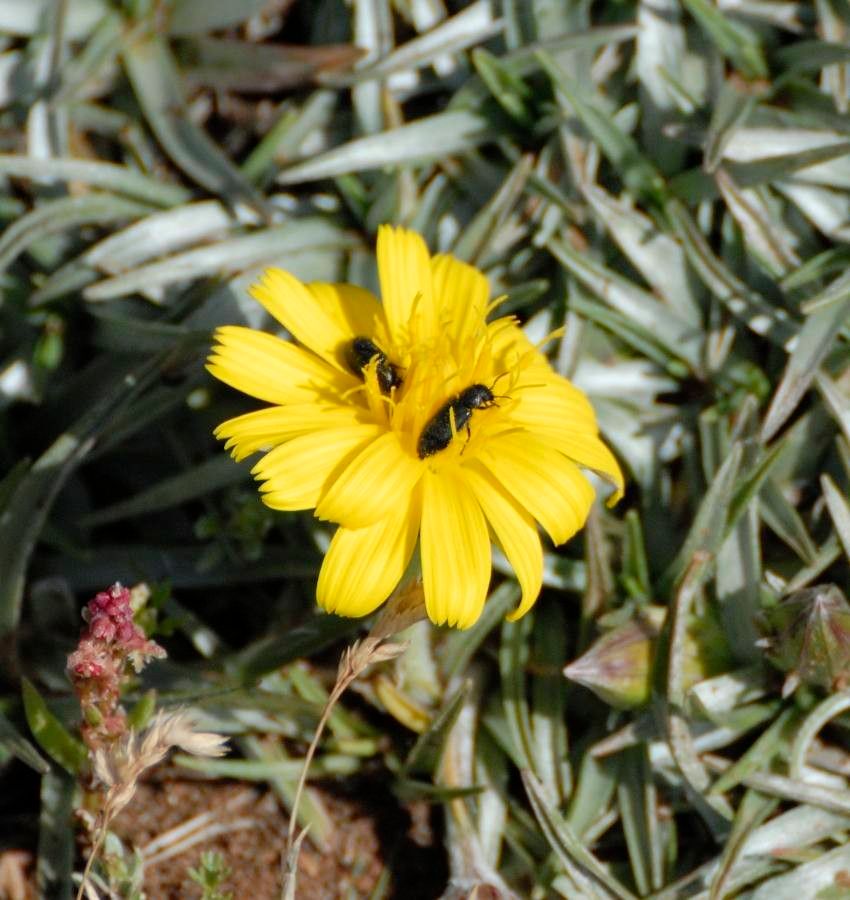
Scorzonera hispanica, commonly known as black salsify or Spanish salsify, also known as black oyster plant, serpent root, viper's herb, viper's grass or simply scorzonera, is a perennial member of the genus Scorzonera in the sunflower family (Asteraceae), cultivated as a root vegetable in the same way as purple salsify (Tragopogon porrifolius), also in the sunflower family. It is native to Southern Europe and cultivated as a crop in Southern and Central Europe. It grows on nutrient poor soils, dry pasture, rocky areas, in thickets and on limy or marly soils of temperate zones.
Black salsify has moderate resistance to disease but can be prone to problems like leaf spot. Its vulnerability to insect pests differs by variety, though most varieties are relatively weak against pests. For care, Black salsify requires consistent watering and feeding, along with regular removal of yellowing leaves. Pests and diseases should be managed as soon as they appear, and the crop should be harvested promptly. Black salsify is best for people who can commit some time and effort to ongoing maintenance.
How to keep Scorzonera Hispanica.
Light
Black salsify comes from habitats exposed to plenty of sunlight, such as open fields and sunny meadows. It prefers full sun but can also tolerate partial sun.
Water
Black salsify, originally from Southern Europe, thrives in dry conditions due to its drought tolerance. For optimal growth, water the plant twice a week. It grows best in well-draining soil, which helps prevent waterlogging and promotes healthy root development. Typically, black salsify is cultivated outdoors.
Temperature
Black salsify prefers moderate temperatures, similar to those people typically find comfortable. It performs best in conditions that are neither too warm nor too cold. The primary problem with high heat is the chance of sunburn, so in summer it’s wise to give some shade to prevent excessive warmth. When temperatures fall, Black salsify goes dormant. If continuous growth is wanted, higher temperatures must be kept during winter. Frost can damage the plant and should be avoided.
Fertilizer
Black salsify species benefit from one or two applications of organic natural fertilizers containing potassium and phosphorus. Apply the fertilizer before planting, ensuring it is worked into the soil and thoroughly watered. One application is usually sufficient, but an additional one can be applied once seedlings have established. Avoid excessive fertilizer use to prevent damage to the plants.
Pruning
Black salsify is a root vegetable valued for its flavor. To promote healthy growth and a more productive harvest, prune the plants in early to late spring. This involves removing damaged leaves and thinning out overcrowded plants to improve air circulation. Proper pruning enhances root strength and overall plant health, ultimately increasing the yield.
Toxicity
This root vegetable is not considered toxic, rather the leaves of this plant are edible and commonly used in salads.
Further reading →
The toxicity and danger assessments provided are for reference only. We do not assure their accuracy, so it's crucial not to depend on them. Seek professional advice when necessary for accurate guidance.
Botanical profile.
- Plant Type
- Herb
- Life Cycle
- Perennial
- Genus
- Scorzonera
- Family
- Compositae
- Hardiness Zone
- 4-9
- Mature Height
- 91 cm
- Mature Spread
- 30 cm
- Leaf Color
- Dark Green
- Leaf Type
- Semi-evergreen
- Flower Size
- 5.08 cm to 6.35 cm
- Bloom Time
- Early summer, Mid summer
- Planting Time
- Spring, Summer
- Harvest Time
- Late summer, Early fall
- Native Area
- Southern Europe
Other names.
Reader questions.
What is Black Salsify?
Black salsify, known botanically as Scorzonera hispanica, is a plant valued for its edible root. Its unique characteristics and culinary applications make it a notable vegetable, although specific details about its essentials, symptoms of diseases, uses, and additional information were not provided in the data.