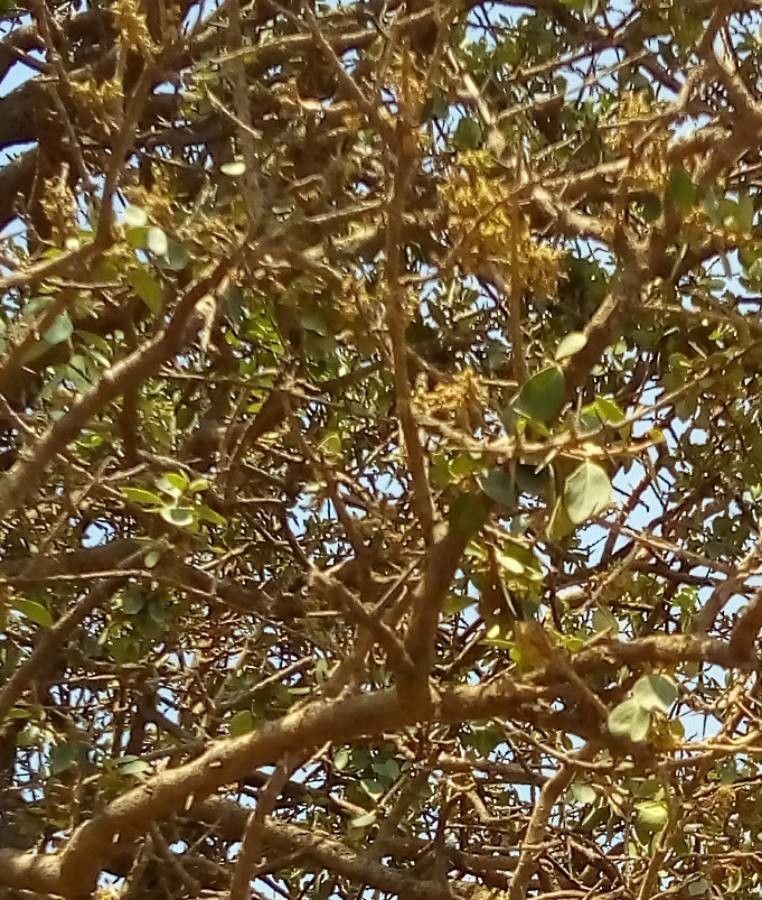
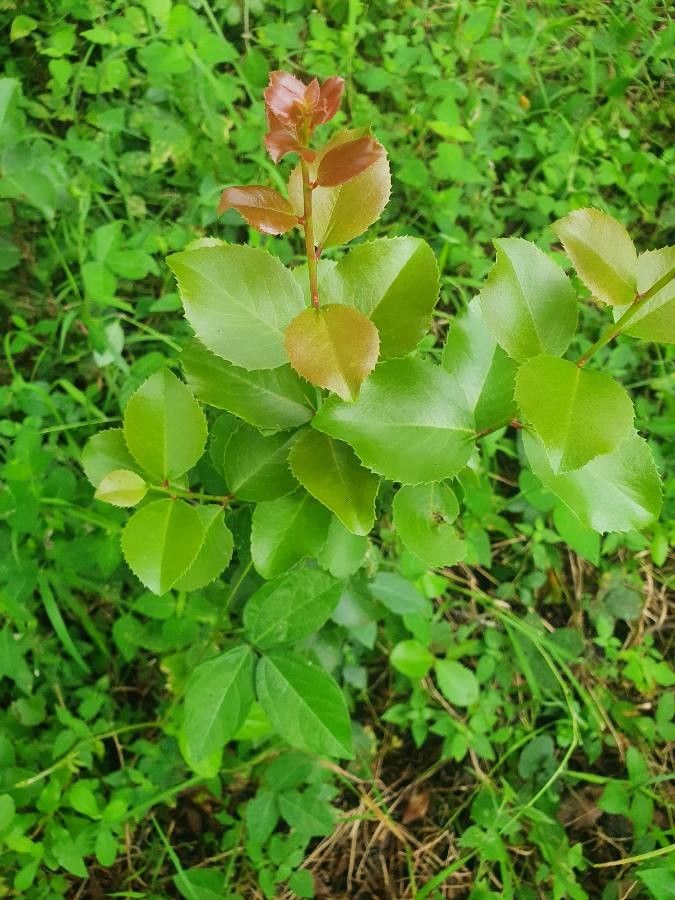
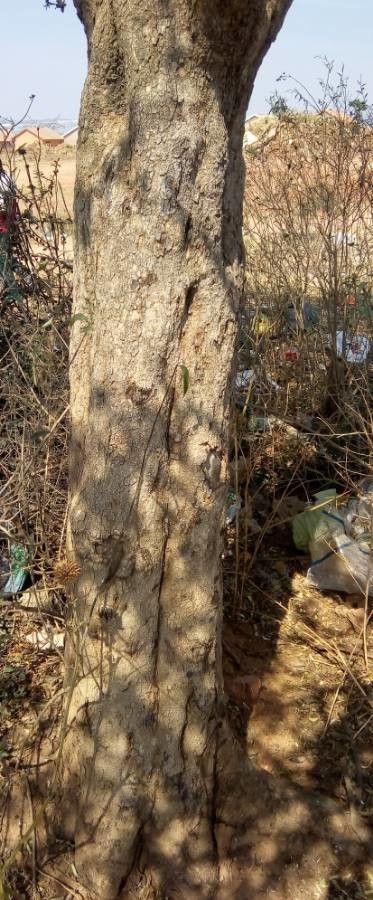
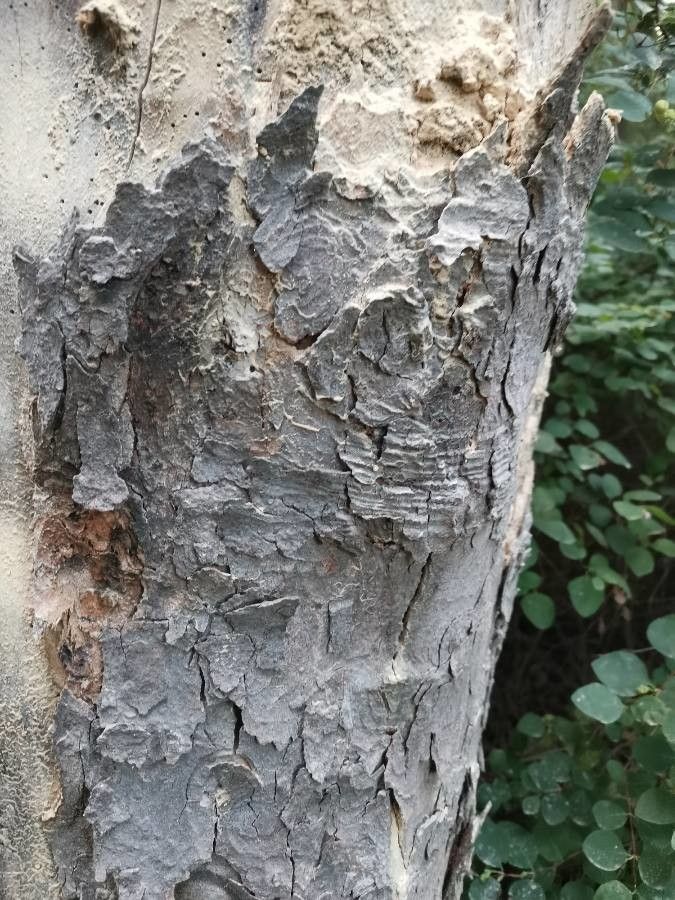
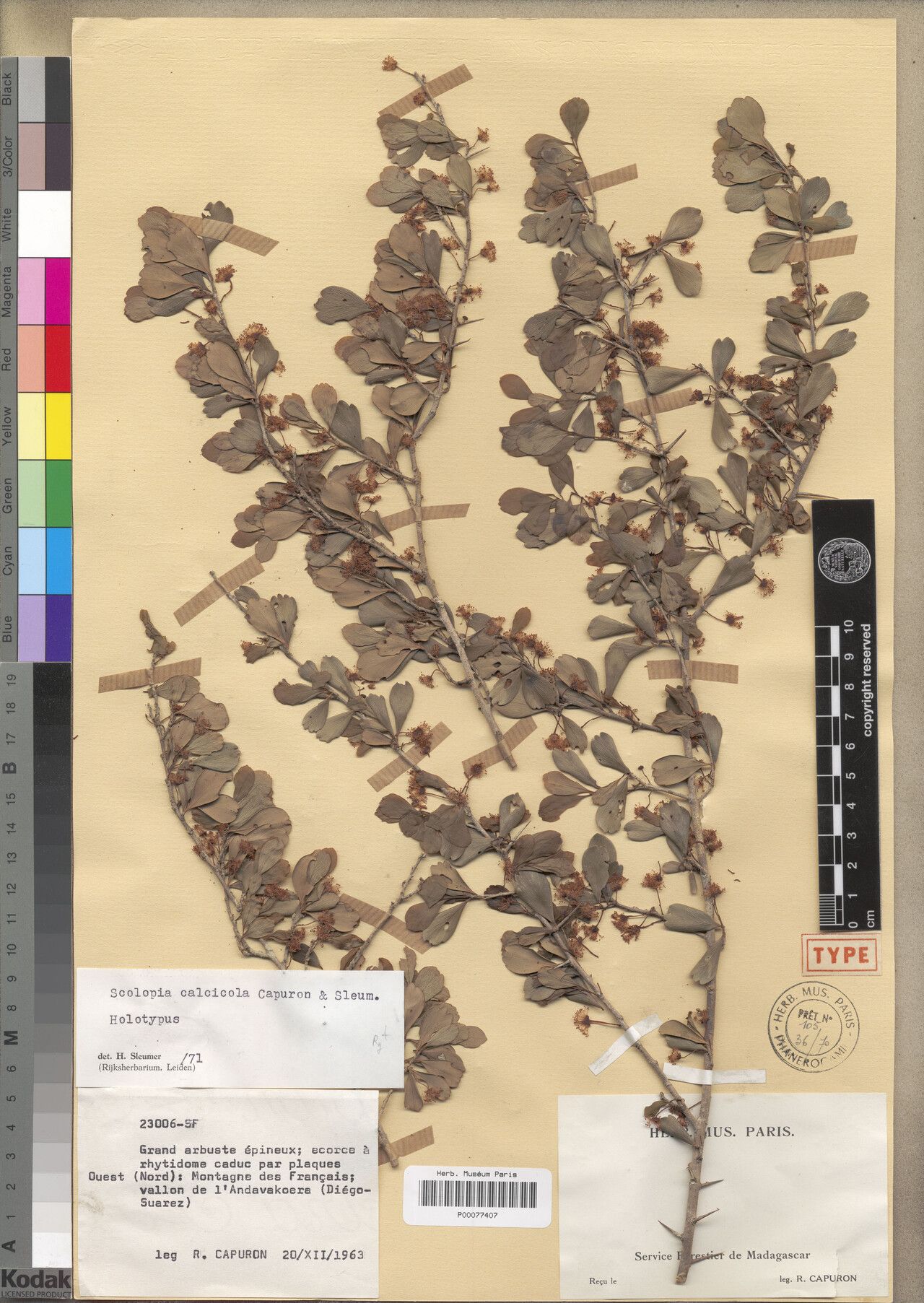
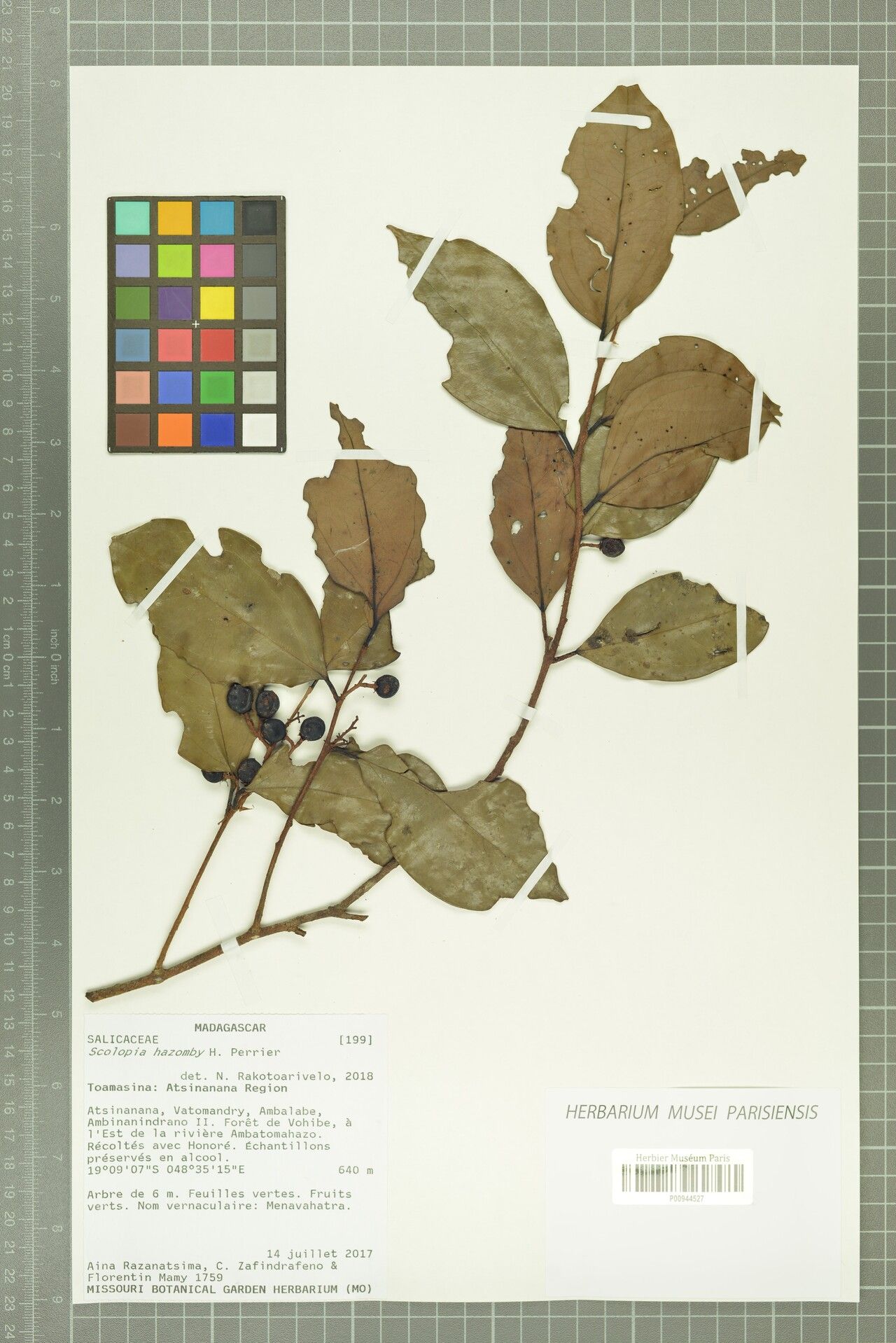
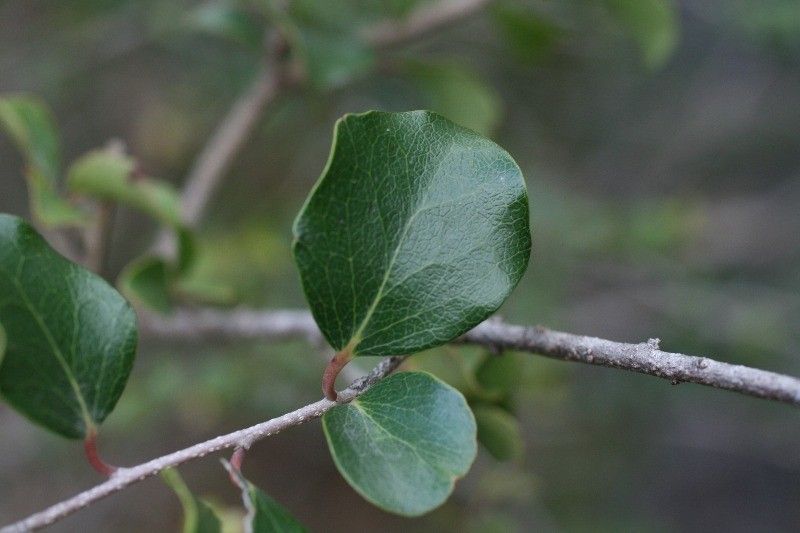
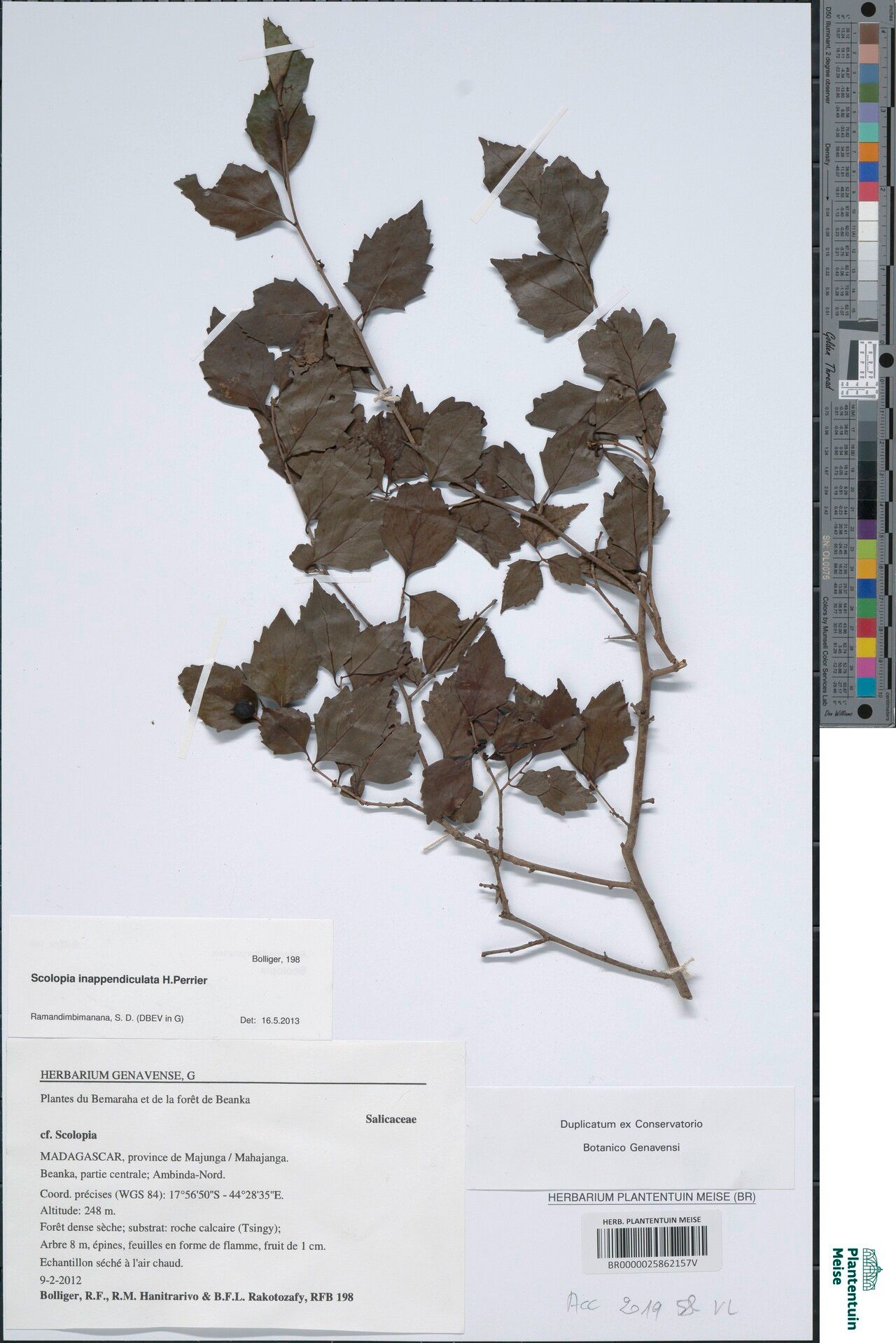
Scolopia zeyheri, commonly known as the African cherry or sour plum, is a small to medium-sized tree native to southern Africa. Belonging to the family Flacourtiaceae, this tree can grow up to 10 meters tall and features a spreading crown with dense, glossy, dark green foliage. The leaves are oval-shaped with serrated edges.
During spring and summer, the African cherry produces small, white flowers in clusters, followed by edible fruits that resemble cherries or plums. These fruits transition from a yellowish-green when unripe to a deep red when ripe, exhibiting a sour taste.
In traditional African medicine, Scolopia zeyheri has various medicinal applications. The bark serves as an antiseptic for wounds, while the leaves are used to treat fever and stomach ailments.
The wood of Scolopia zeyheri is hard and durable, making it suitable for crafting furniture, tool handles, carvings, and more. It also provides an excellent source of firewood.
Overall, Scolopia zeyheri holds significant ecological importance due to its medicinal properties and economic value in industries such as furniture-making. This makes it an essential plant species in southern Africa's ecosystem.
Thorn pear resists disease well and is generally not vulnerable to illnesses. In terms of care, this plant is fairly low maintenance. When grown outdoors it needs little watering, and larger specimens usually do not require pruning. Smaller plants, however, should be trimmed after they finish blooming. Thorn pear is appropriate for anyone with outdoor space, such as a garden or deck, and does not demand much experience in plant care.
How to keep Scolopia Zeyheri.
Light
Thorn pear originates from habitats like forest understories or rocky locations, where it grows in natural shade. It favors partial sun but can adjust to both full sun and deep shade, showing its hardy, versatile character.
Temperature
Thorn pear shows good temperature adaptability, tolerating high heat and wide temperature swings. In hot weather, attention should be given to watering and providing suitable shade to avoid sunburn. However, Thorn pear is fairly sensitive to low temperatures. While it can endure a certain amount of cold, very low temperatures can cause frost damage.
Fertilizer
Fertilize your Thorn pear in early spring to encourage healthy growth. Regular feeding boosts overall health, producing vigorous growth, better resilience to harsh conditions, and improved resistance to diseases and pests. Follow a specific fertilization schedule for your Thorn pear to keep its foliage vibrant, deeply colored, and lush.
Botanical profile.
- Plant Type
- Tree, Shrub
- Life Cycle
- Perennial
- Genus
- Scolopia
- Family
- Salicaceae
- Hardiness Zone
- 9-11
- Mature Height
- 4.88 m to 10.06 m
- Mature Spread
- 3.05 m to 4.88 m
- Leaf Color
- Dark Green, Forest Green
- Leaf Type
- Evergreen
- Flower Color
- White
- Flower Size
- 0.51 cm to 1.02 cm
- Bloom Time
- Mid fall, Late fall, Early winter
- Planting Time
- Spring, Autumn
- Harvest Time
- Mid winter, Late winter, Early spring
- Native Area
- Malawi, Lesotho, Angola, Cameroon, Mozambique, Tanzania, South Africa, Zambia, Eswatini, Rwanda, Namibia, Kenya, Botswana, Zimbabwe
Other names.