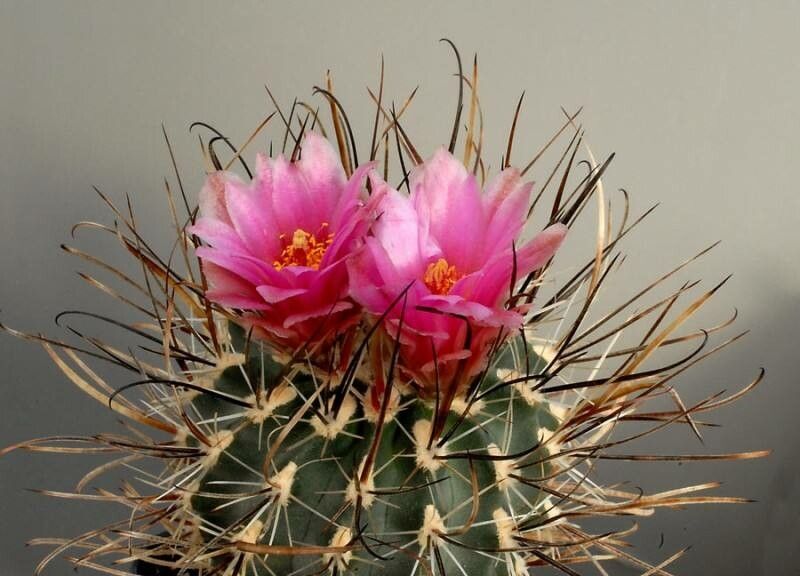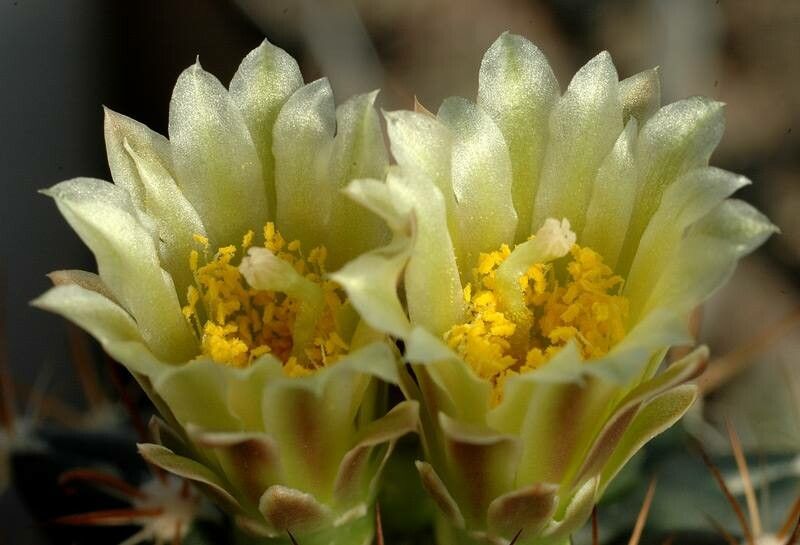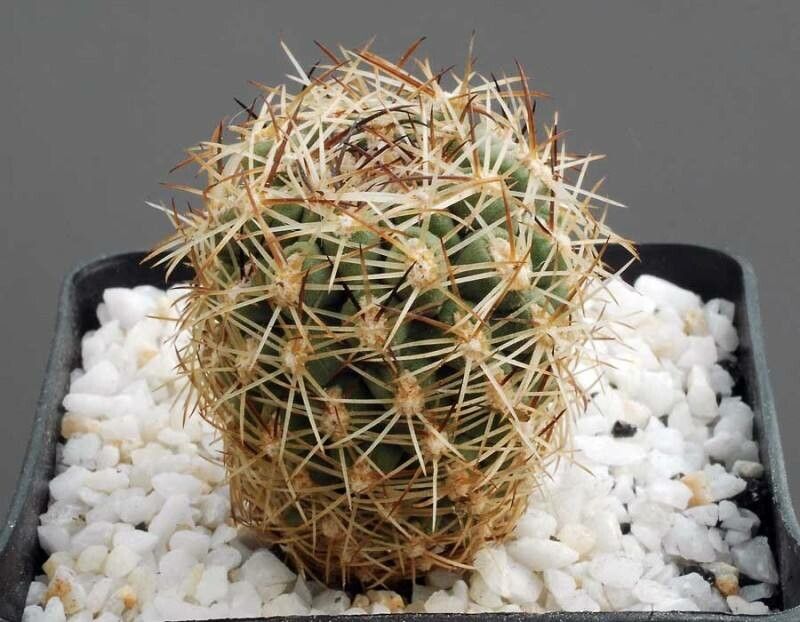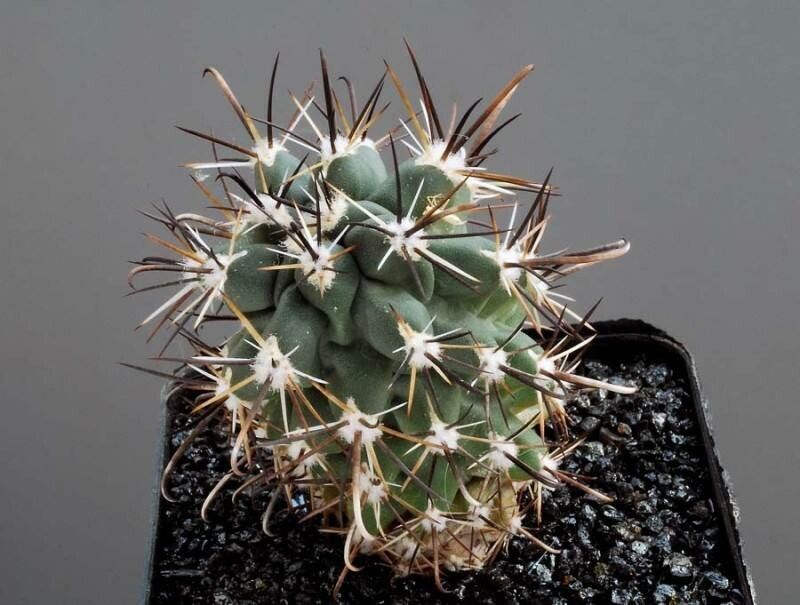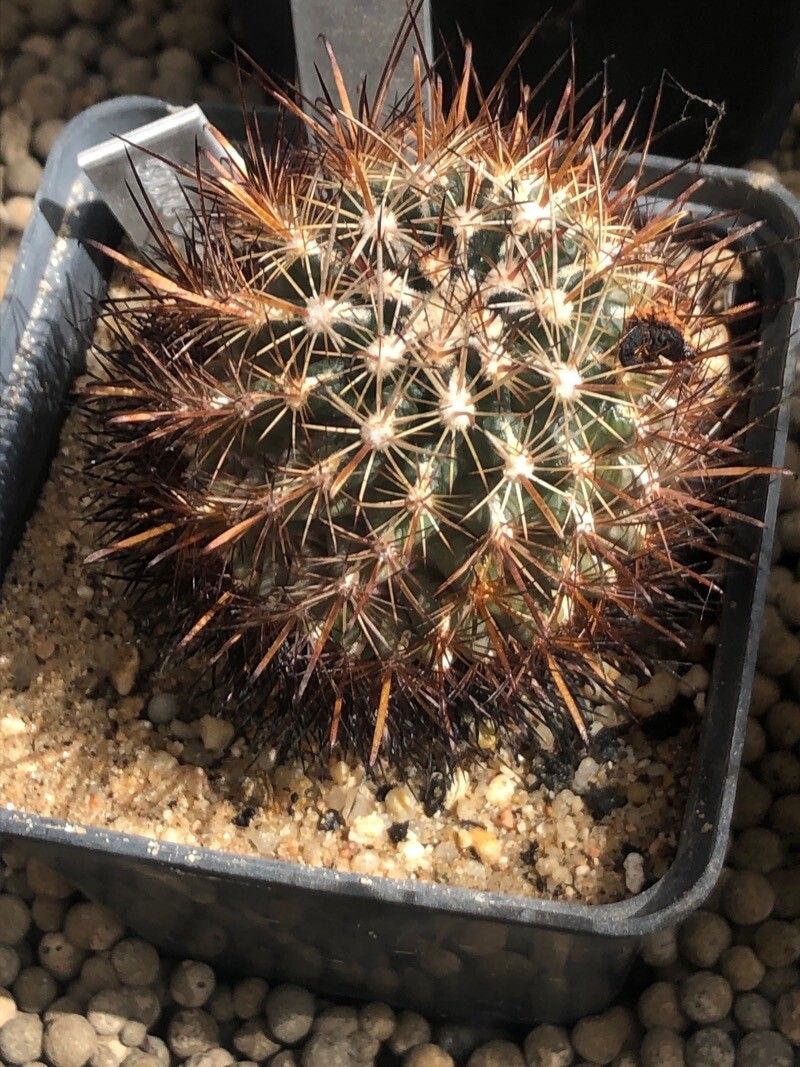
Tobusch fishhook cactus has strong resistance to disease and typically stays healthy under normal care without becoming sick easily. It can, however, be vulnerable to mealybugs; these pests may cause some harm but are usually not a major threat. Regarding care, the Tobusch fishhook cactus is drought-tolerant and does not need frequent watering. It can endure long periods without water and requires little fertilizer. That said, it is very prone to root rot if kept in poor light and given too much water. Overall, the Tobusch fishhook cactus is a good option for people who prefer to spend less time on plant care, though it’s still important to meet its basic needs. It is especially well suited to those who are often away for extended periods and might forget to water regularly.
How to keep Sclerocactus Scheeri.
Light
The Tobusch fishhook cactus usually grows well with a combination of sun and shade, commonly seen in places that have balanced light conditions. While it can survive in full sunlight or total shade, these extremes might impact its optimal growth. The usual environment for this cactus involves varying levels of sunlight.
Water
Originating from arid regions, the Tobusch fishhook cactus thrives in minimal moisture and is highly tolerant of drought. It prefers dry conditions and needs watering only once every three weeks. Typically grown outdoors, this cactus is ideal for xeriscaping and rock gardens, where it can showcase its impressive drought resilience.
Temperature
The Tobusch fishhook cactus is endemic to areas where the temperature fluctuates between 59 and 100.4 °F (15 to 38 ℃). It thrives in a temperate climate, which indicates its preference for a chillier ambience during scorching periods and the need for protection against the cold when temperatures fall.
Fertilizer
The Tobusch fishhook cactus only needs mild servings of fertilizer 1-2 times annually during the period of growth. It's best not to fertilize during winter and summer periods when the cactus is dormant. When repotting the plant, cut back on the amount of fertilizer used and delay the next round of fertilization for a few months. Fertilizer application aids in robust growth and boosts flowering.
Pruning
The Tobusch fishhook cactus requires minimal pruning. To promote healthy growth, remove any withered flowers and branches to direct nutrients to the healthier parts.
Pot & Repot
Repot the Tobusch fishhook cactus every 2 to 3 years, preferably between late winter and early spring. Choose a slightly larger pot with good drainage for the cactus. After repotting, wait a week before watering to prevent root rot. Ensure the cactus receives bright light while keeping the soil mostly dry.
Botanical profile.
- Plant Type
- Shrub
- Life Cycle
- Perennial
- Genus
- Sclerocactus
- Family
- Cactaceae
- Hardiness Zone
- 8-11
- Mature Height
- 15 cm
- Mature Spread
- 10 cm
- Leaf Color
- Green
- Leaf Type
- Deciduous
- Flower Color
- Pink
- Flower Size
- 2.03 cm to 3.05 cm
- Bloom Time
- Mid spring, Late spring
- Planting Time
- Spring, Summer
- Harvest Time
- Early summer, Mid summer
Other names.
Reader questions.
What are the sunlight requirements for Tobusch fishhook cactus?
Tobusch fishhook cactus thrives under a balanced light exposure, which is typically a mix of sun and shade. It can endure both complete sun exposure for above 6 hours and full shading, although these conditions can impact its healthy growth. For optimal growth, it is recommended that the cactus receives about 3-6 hours of sunlight daily. It is important to observe how sunlight moves through your garden to select spots that offer the right balance of light and shade, ensuring the plants' well-being.
What is the native climate and temperature preference for Tobusch fishhook cactus?
The Tobusch fishhook cactus, botanically known as Sclerocactus scheeri, is native to regions with a temperature range of 59 to 100.4°F (15 to 38°C). It thrives in a temperate climate, favoring a cooler environment during the hot seasons and needing protection from the cold when temperatures drop. This heat-loving plant gradually stops growing and enters a dormant state in the winter. When outdoor temperatures fall below -5°C, it's advisable to move the cactus indoors and place it near a south-facing window to ensure it receives sufficient sunlight. Supplemental lighting can be used if natural light is insufficient. The growth of the Tobusch fishhook cactus slows down when temperatures drop below 15°C, requiring a reduction or halt in watering to avoid root rot. For outdoor plants, watering should cease completely in low temperatures, and if feasible, insulation such as a temporary greenhouse or wrapping the plant in plastic film or fabric can help protect it from the cold.
How can artificial lighting support Tobusch fishhook cactus growth indoors?
When natural sunlight is lacking, especially during winter or in spaces with less sunlight, artificial lighting can be a significant aid for the growth of Tobusch fishhook cactus indoors. LED lights are advisable for their capability to offer specific light wavelengths needed by plants. Full sun plants require 30-50W/sq ft of artificial light, partial sun plants need 20-30W/sq ft, and full shade plants need 10-20W/sq ft. The light source should be positioned 12-36 inches above the plant to simulate natural sunlight, and the lighting should last for 8-12 hours per day to mimic the natural day length for most plant species.
How should you care for Tobusch fishhook cactus in high and low temperatures?
In high temperatures, particularly above 38°C and reaching towards 43°C, the Tobusch fishhook cactus ceases to grow, loses water, wilts, and becomes prone to sunburn. The care for such conditions involves removing sunburned and rotten parts of the plant and shielding it from afternoon sunlight until recovery and growth resume. Additionally, watering should be stopped for plants showing signs of root rot until new roots start to form. In low temperatures, especially when it falls below -10°C, the cactus may weaken, wilt, and become susceptible to root rot. To care for a cactus affected by frost, trim off frostbitten areas and check for root rot. If the roots are rotted, they need to be removed, and the plant can be propagated from cuttings. It is crucial to move the plant to a warm environment indoors and ensure it is placed near a south-facing window for ample sunlight. If the light is insufficient, supplemental lighting should be considered.
What are common symptoms of improper light exposure in Tobusch fishhook cactus, and how can these be addressed?
Improper light exposure can lead to several symptoms in Tobusch fishhook cactus, such as smaller new leaves, leggy or sparse growth, faster leaf drop, slower or no new growth, lighter-colored new leaves, chlorosis, sunscald, leaf curling, wilting, and leaf scorching. To optimize growth, gradually shift plants to sunnier spots until they receive the desired 3-6 hours of sunlight daily. For plants that are large or hard to move, consider using artificial light, keeping a lamp on for at least 8 hours daily or investing in professional plant grow lights. Outdoor plants should also be moved gradually to avoid sunburn. Minimizing obstructions like pruning trees can help, and transplanting smaller plants during their dormant period to a sunnier location may be beneficial.