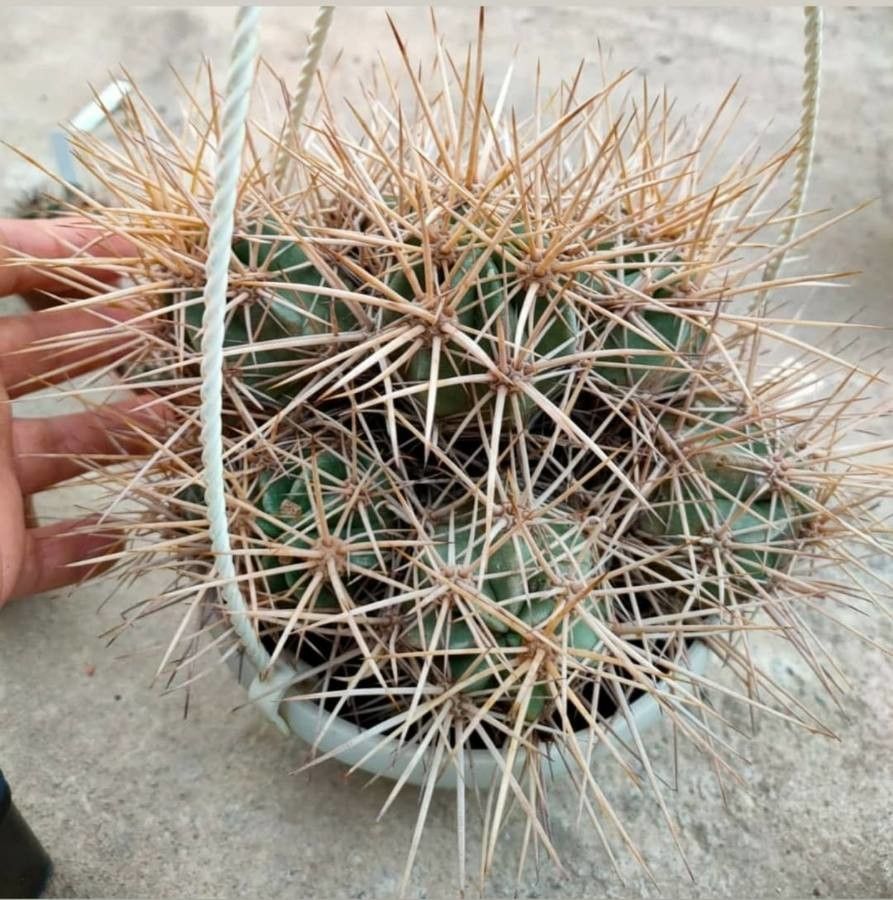
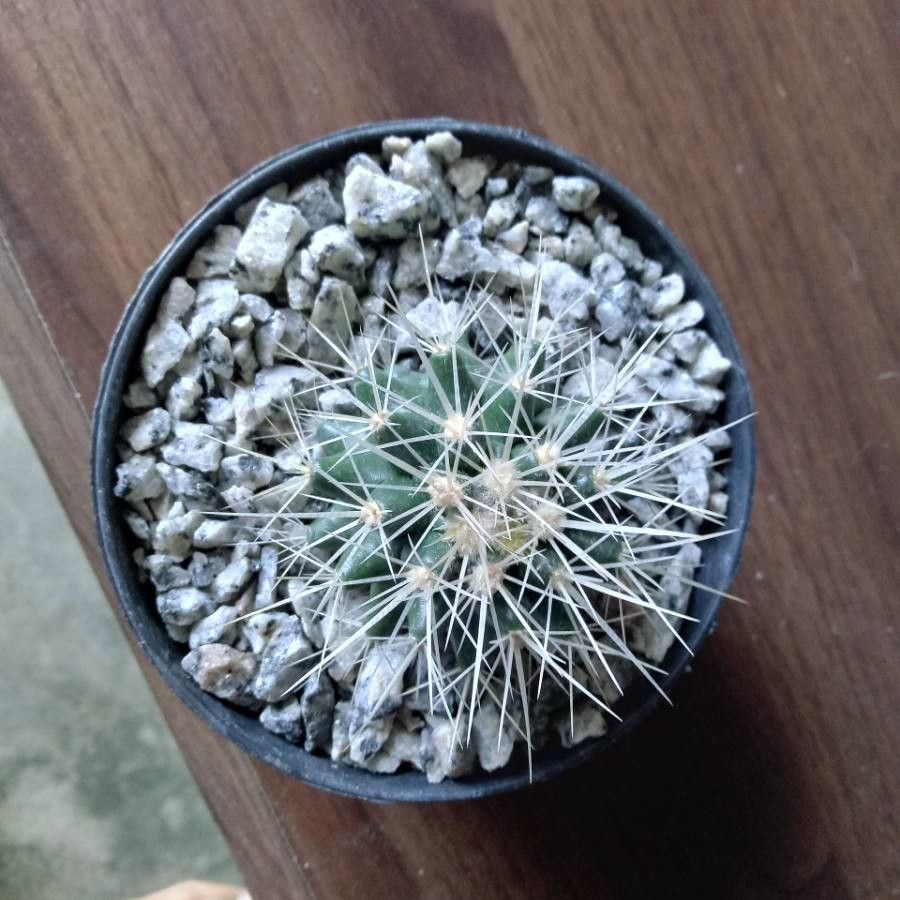
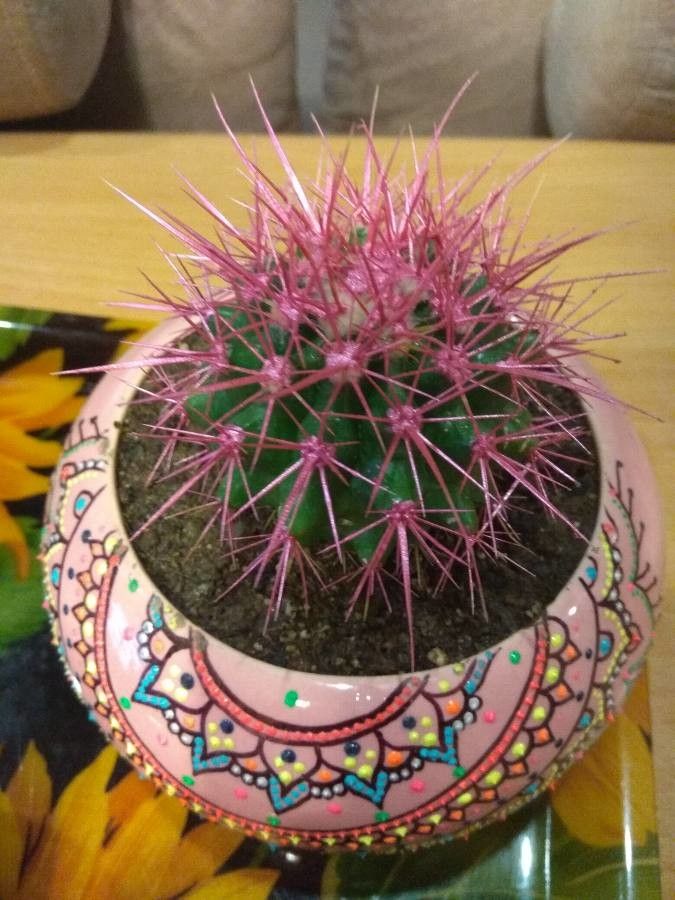
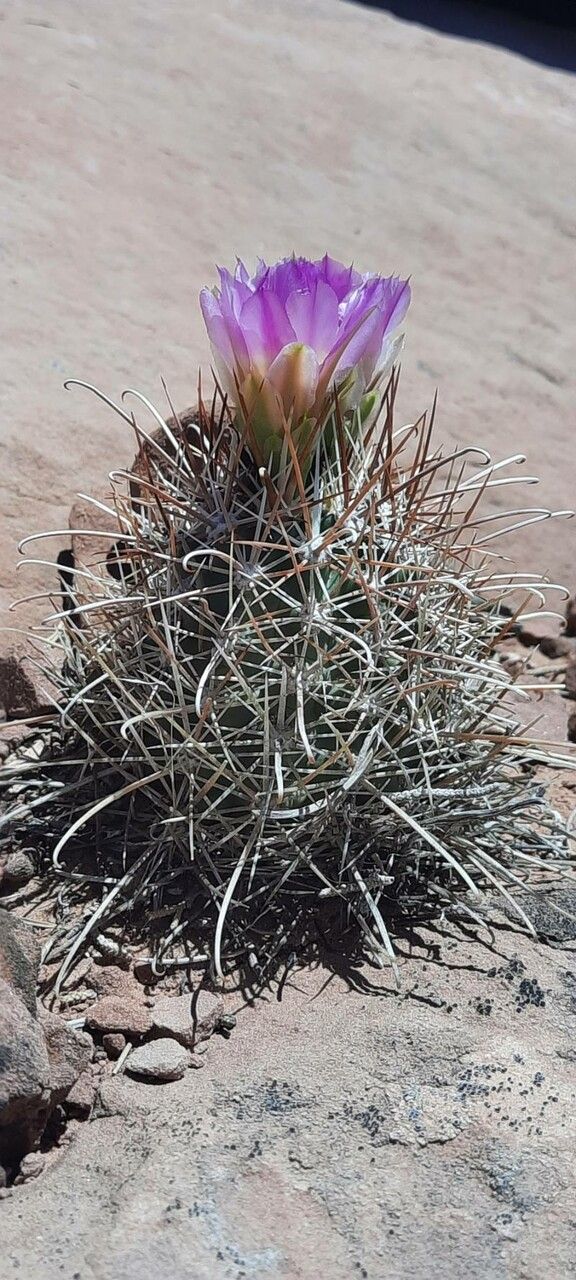
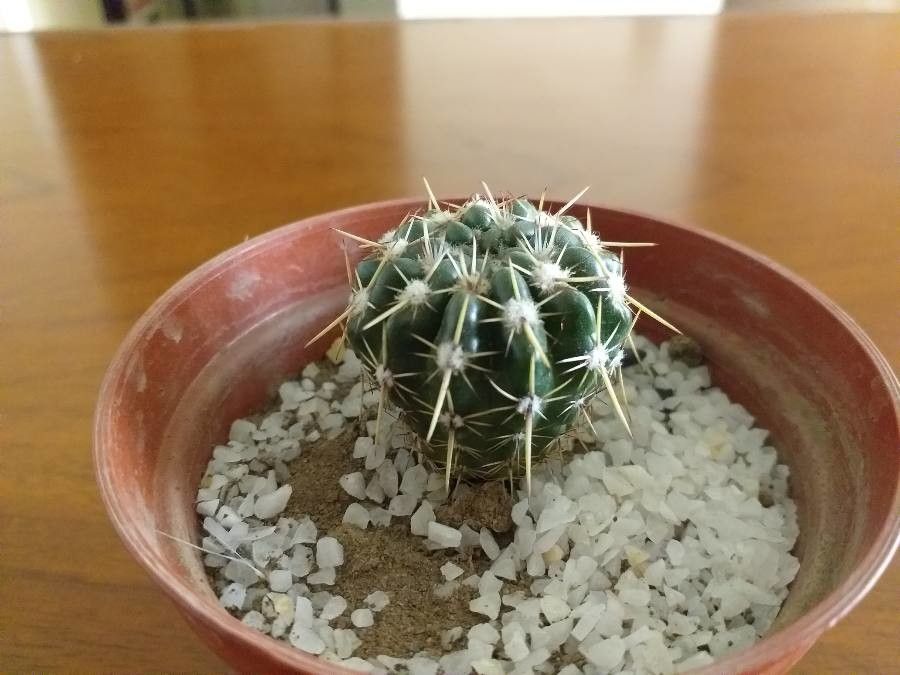
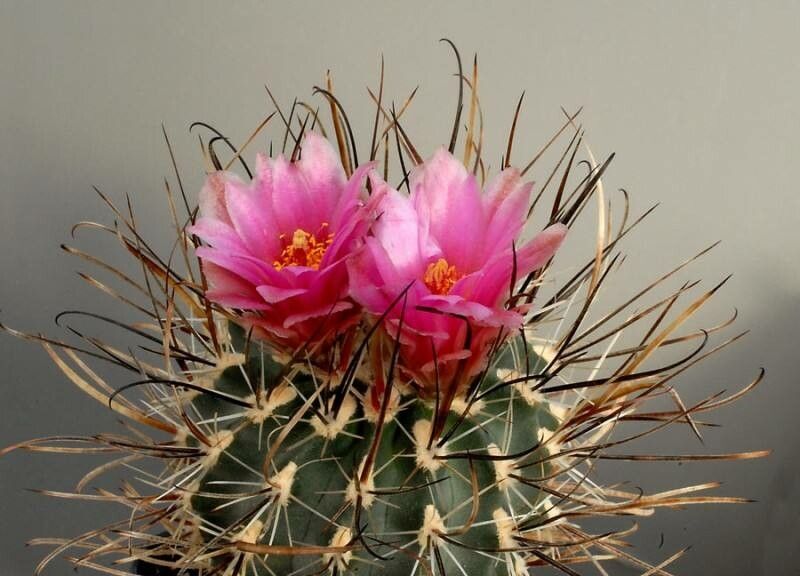
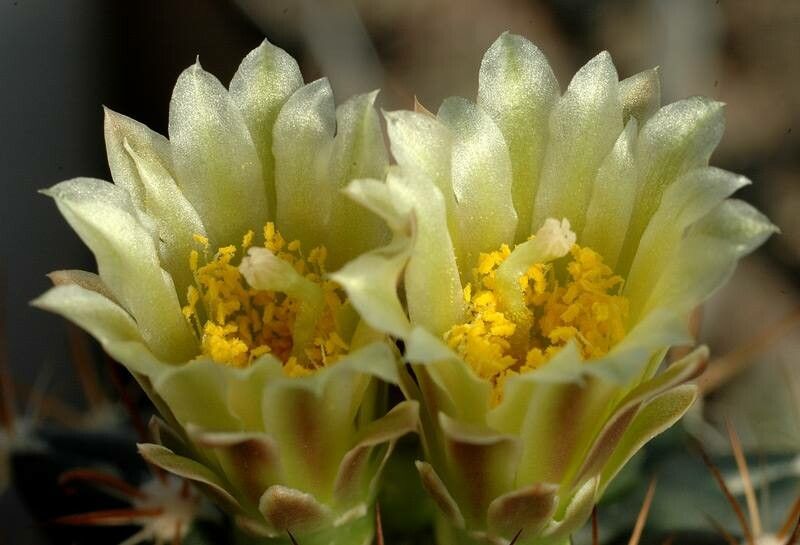
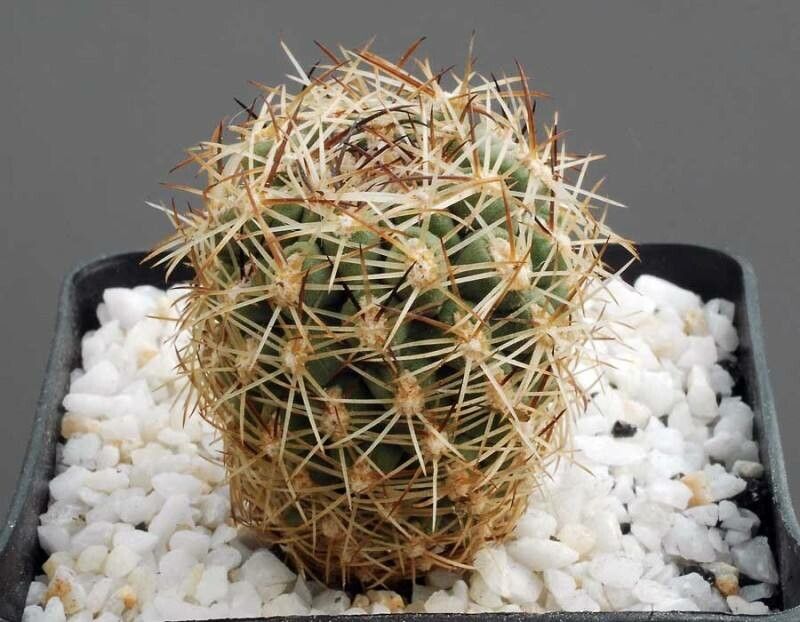
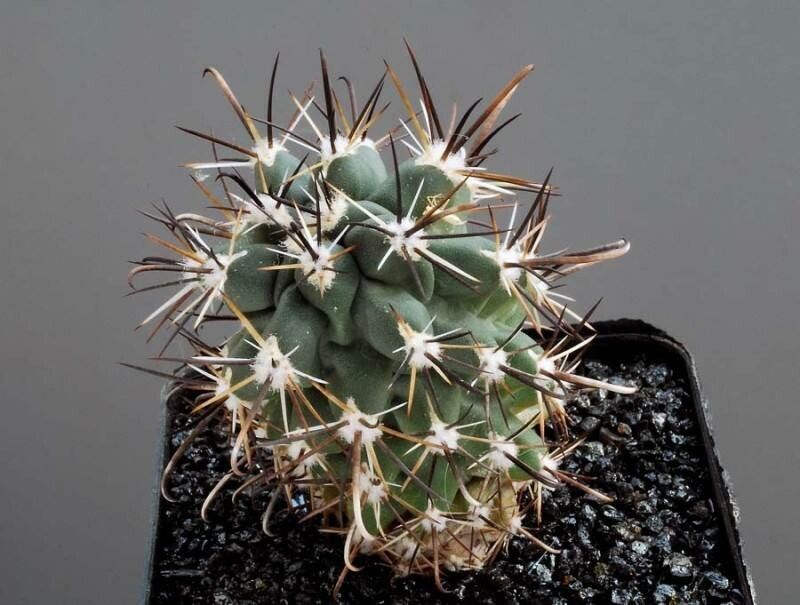
Small flower fishhook cactus has strong resistance to disease and usually remains healthy under normal care conditions. That said, it can be vulnerable to mealybugs; these pests may inflict some harm but typically do not pose a major danger. Regarding maintenance, Small flower fishhook cactus tolerates drought and does not need frequent watering. It can go long stretches without water and requires little fertilizer. However, it is very prone to root rot if kept in poor light and given too much water. In general, Small flower fishhook cactus is a good choice for people who prefer low-maintenance plants, though it is important to meet its basic requirements. It is especially suitable for those who are often away for extended periods and might forget regular watering.
How to keep Sclerocactus Parviflorus.
Light
The small flower fishhook cactus prefers spots receiving the most daylight. Hailing from a habitat where uninterrupted sunlight is typical, it performs best under those conditions. Although it can endure suboptimal light, extended periods of low illumination can harm its health. Excessive sun is not a problem because it has evolved effective adaptive mechanisms.
Water
The small flower fishhook cactus is ideal for arid environments due to its minimal water needs and high drought tolerance. It thrives with sparse watering every three weeks and benefits from well-draining soil similar to its natural sandy habitat. Infrequent rainfalls are sufficient for its optimal growth.
Temperature
The small-flower fishhook cactus does best in warm conditions and needs higher temperatures during its growing season to support growth and metabolic activity. It prefers plenty of sunlight, proper moisture, and good air circulation. However, it can be harmed by temperatures that are too low and by excess watering. Maintaining a balance is crucial; extreme heat and overly dry conditions should also be avoided.
Fertilizer
For Small flower fishhook cactus, light doses of fertilizer applied once or twice a year during the growing season are sufficient. Avoid fertilizing in winter and summer when the plant is dormant. Reduce the fertilizer for repotted plants and wait a couple of months after repotting before applying fertilizer. Fertilizing promotes healthy growth and encourages blooms.
Pruning
The small flower fishhook cactus needs minimal pruning. It's a good idea to remove any withered flowers and branches to help the plant focus its nutrients on healthy growth.
Pot & Repot
Repot your small flower fishhook cactus every 2 to 3 years, ideally in late winter. Choose a slightly larger pot that offers good drainage. After repotting, water the cactus sparingly to prevent root rot. Place it in a sunny location to encourage growth and help it maintain its compact shape.
Botanical profile.
- Plant Type
- Shrub
- Life Cycle
- Perennial
- Genus
- Sclerocactus
- Family
- Cactaceae
- Hardiness Zone
- 4-9
- Mature Height
- 5 cm to 28 cm
- Mature Spread
- 5 cm to 13 cm
- Leaf Color
- Green
- Leaf Type
- Evergreen
- Flower Color
- Pink
- Flower Size
- 5.08 cm to 7.62 cm
- Bloom Time
- Mid spring, Late spring
- Planting Time
- Spring, Summer
- Harvest Time
- Early summer, Mid summer
Other names.
Reader questions.
What are the sunlight requirements for Small flower fishhook cactus?
The Small flower fishhook cactus (Sclerocactus parviflorus) requires above 6 hours of sunlight daily to thrive. It is important to watch how sunlight moves through your garden to ensure your plants receive the perfect balance of light and shade, ensuring their happiness and health.
What are the essential care instructions for Small flower fishhook cactus?
Small flower fishhook cactus (Sclerocactus parviflorus) thrives in warm environments, benefiting from higher temperatures during its growing season to support growth and metabolism. It needs ample sunlight, proper moisture levels, and good ventilation. However, it's crucial to avoid excessively low temperatures and overwatering. The plant is also at risk from too high temperatures and overly dry conditions. During winter, when temperatures dip below 5°C, it's advisable to move the plant indoors, ideally placing it near a south-facing window for maximum sunlight. Supplemental lighting may be required if natural light is insufficient. As the temperature falls below 20°C, the plant's growth slows, necessitating reduced or ceased watering to prevent root rot. For outdoor plants, watering should stop entirely in low temperatures, and temporary insulation methods such as a temporary greenhouse or wrapping with plastic film or fabric can be used.
How does insufficient or excessive sunlight affect the Small flower fishhook cactus?
Insufficient sunlight can lead to symptoms such as smaller new leaves, leggy or sparse growth, faster leaf drop, slower or no new growth, lighter-colored new leaves, chlorosis, sunscald, leaf curling, wilting, and leaf scorching. Excessive sunlight isn't typically a concern for the Small flower fishhook cactus due to its efficiency in adapting to such conditions through mechanisms like leaf curling and wilting to minimize water loss and damage.
How does the Small flower fishhook cactus respond to low temperatures?
The Small flower fishhook cactus prefers high temperatures and does not tolerate low temperatures well, flourishing best when temperatures are above 20°C. During the winter season, it's important to ensure the plant's environment remains above 5°C. Exposure to temperatures below 1°C can weaken the plant, leading to wilting and a heightened risk of root rot. In some instances, mild frost damage might not show immediate symptoms, but the plant could gradually wilt after a week. To remedy this, frostbitten areas should be trimmed off, and if root rot is observed, the affected roots must be removed. The plant can then be propagated through cuttings. It's recommended to immediately move the plant indoors to a warm environment, placing it near a south-facing window for ample sunlight, and consider supplemental lighting if natural light is insufficient.
Can artificial lighting be used for Small flower fishhook cactus? If so, how?
Yes, artificial lighting can be beneficial for Small flower fishhook cactus, especially when natural sunlight is insufficient, like in winter or less sunny spaces. LED lights are a popular choice as they can be customized to provide specific wavelengths needed by your plants. Full sun plants require 30-50W/sq ft of artificial light, partial sun plants need 20-30W/sq ft, and full shade plants need 10-20W/sq ft. The light source should be placed 12-36 inches above the plant, mimicking natural sunlight for 8-12 hours per day.
What should be done if the Small flower fishhook cactus experiences high temperatures?
During the summer months, it's essential to keep the Small flower fishhook cactus below 41°C, as temperatures exceeding 45°C halt its growth, leading to water loss, wilting, and an increased risk of sunburn. To treat sunburn or rot, remove the damaged parts of the plant. It's also advisable to protect the cactus from direct afternoon sunlight until it recovers and resumes growth. If root rot is present, cease watering until new roots develop, indicating recovery.
What solutions are available for managing light deficiencies in Small flower fishhook cactus?
To manage light deficiencies, gradually move indoor plants to sunnier locations each week until they receive at least 6 hours of direct sunlight daily, utilizing a south-facing window. If the plant is large, consider using artificial light sources for at least 8 hours a day. For outdoor plants, gradually move them to sunnier locations each week to avoid sunburn. For ground plants, reduce obstructions such as trees by pruning, or consider transplanting smaller plants to locations with ample sunlight and good drainage during their dormant period.